
Feature Pitch
Pianos and Rooftops
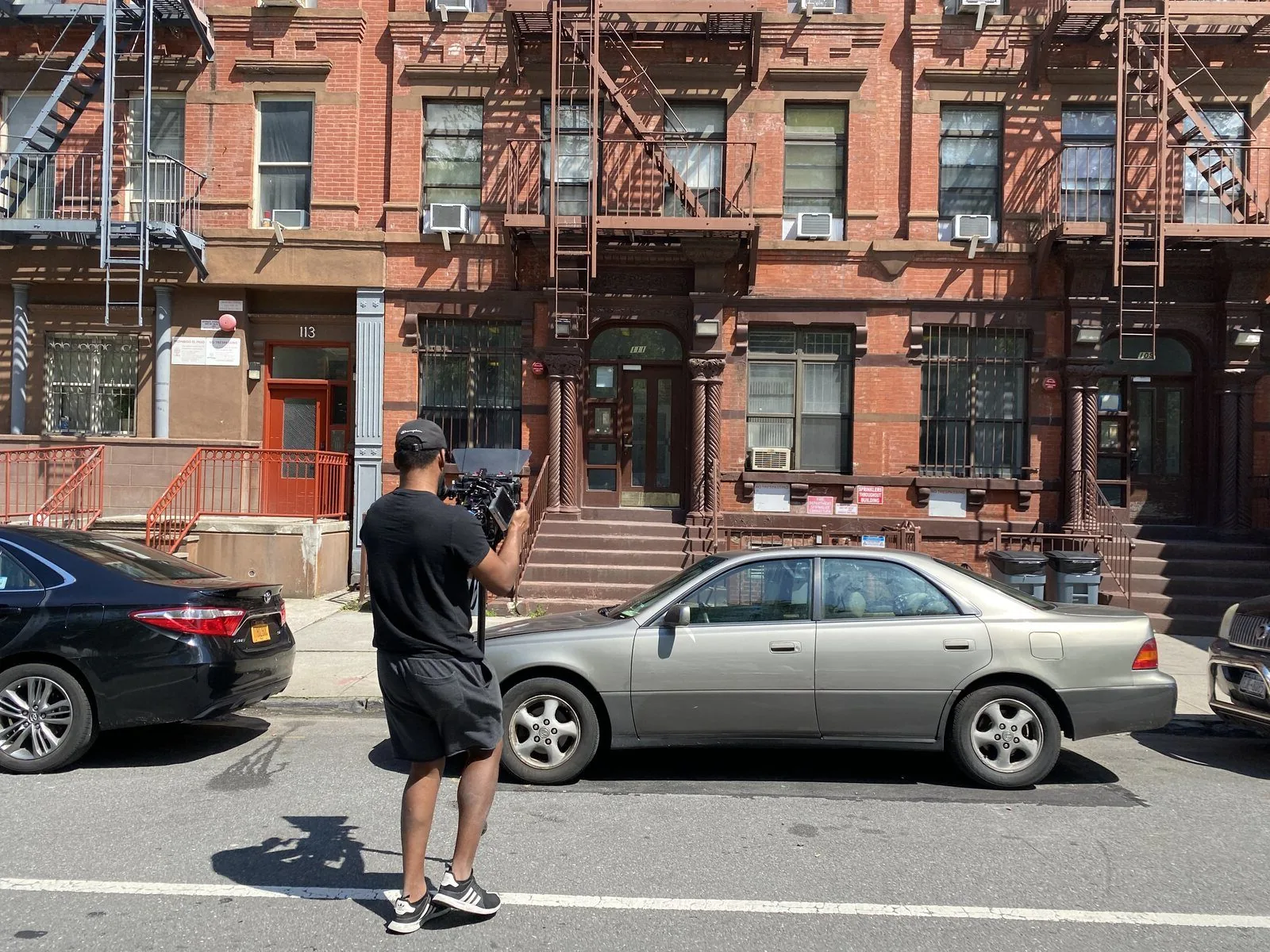
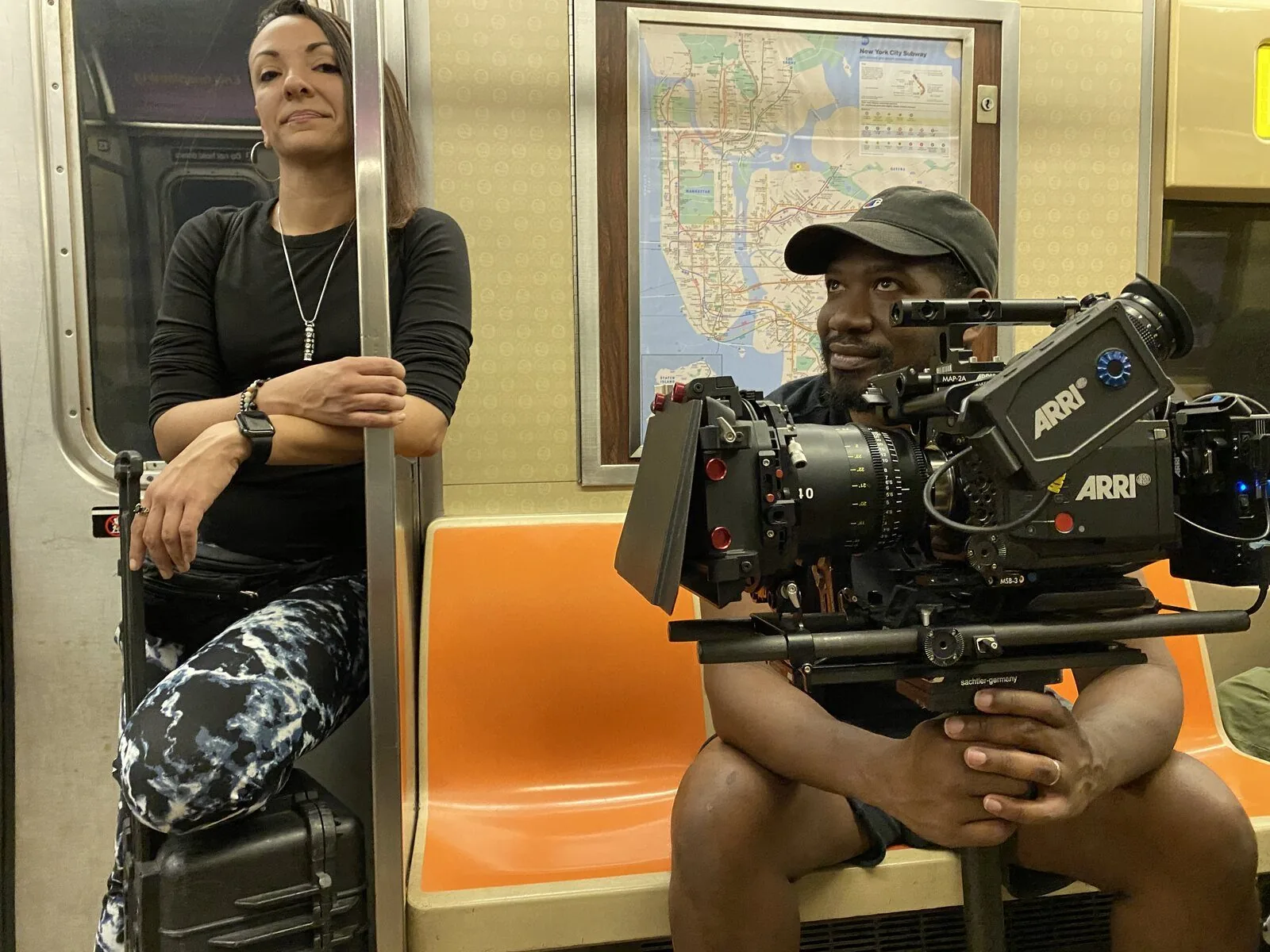
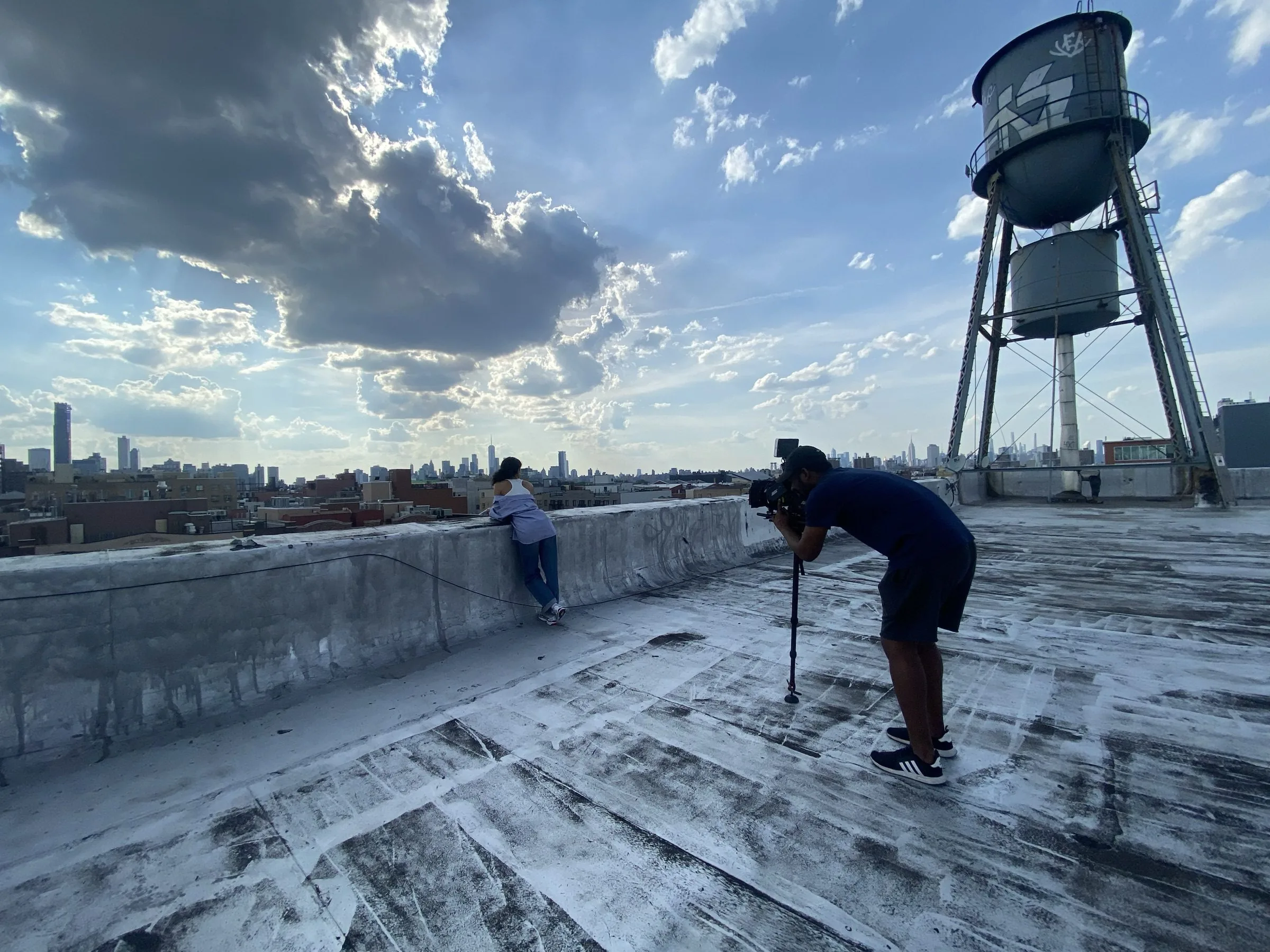
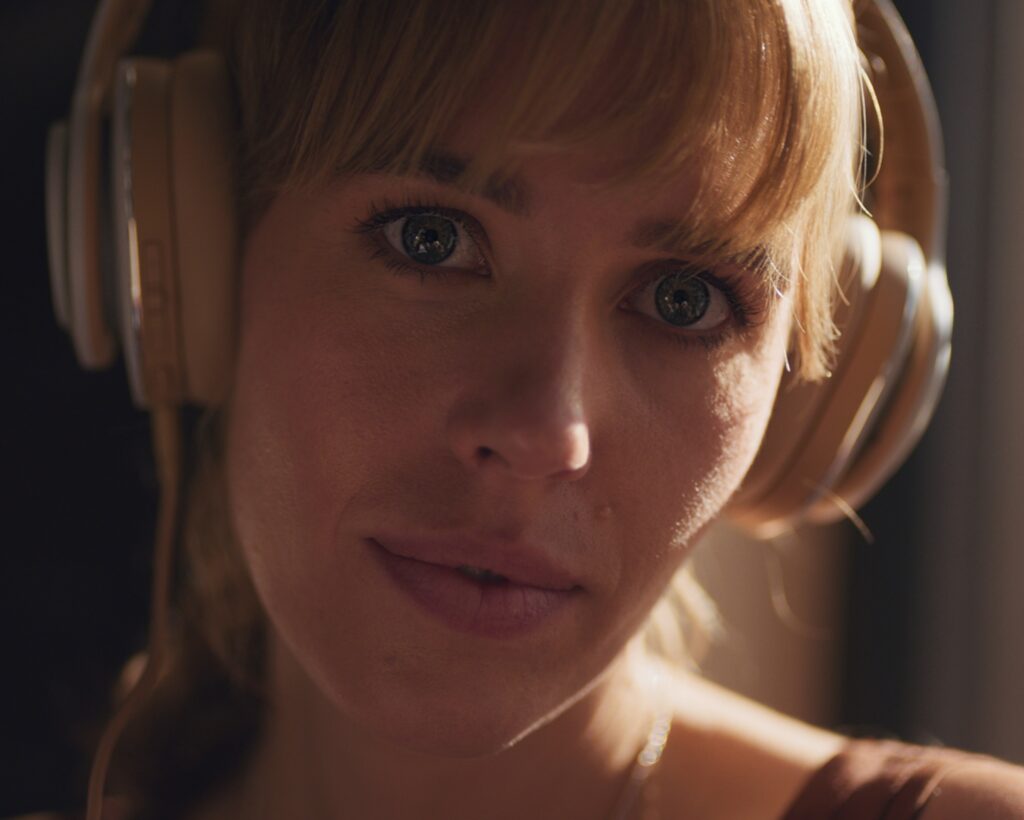
A writer brought us his feature script in search of a director. We took a crew to New York and shot these visuals for the pitch, so it carried the tone we are imagining and brought the viewer inside the world of the film.
Where It Started
Receiving the Pitch
We shot these visuals for a feature pitch. A writer came to us with a feature he had written and wanted Joshua Miller to direct it. A script can carry the story, but it cannot carry the tone, the color, or the way a scene is meant to feel. C&I Studios produced this material in New York, shot to the specification of the finished film. It gives the pitch something real to stand on and pulls the viewer into the world that has been envisioned for the film.
None of it happened on a comfortable timeline. Getting there meant two coasts and a flight out, three locations to lock inside a single day, casting the perfect talent, and a crew moving gear around New York against a clock that never stopped running.
Nobody greenlights a paragraph. So we went to New York and turned the script into visuals.
C&I Studios · New York City
01 · Preproduction
Before the First Frame
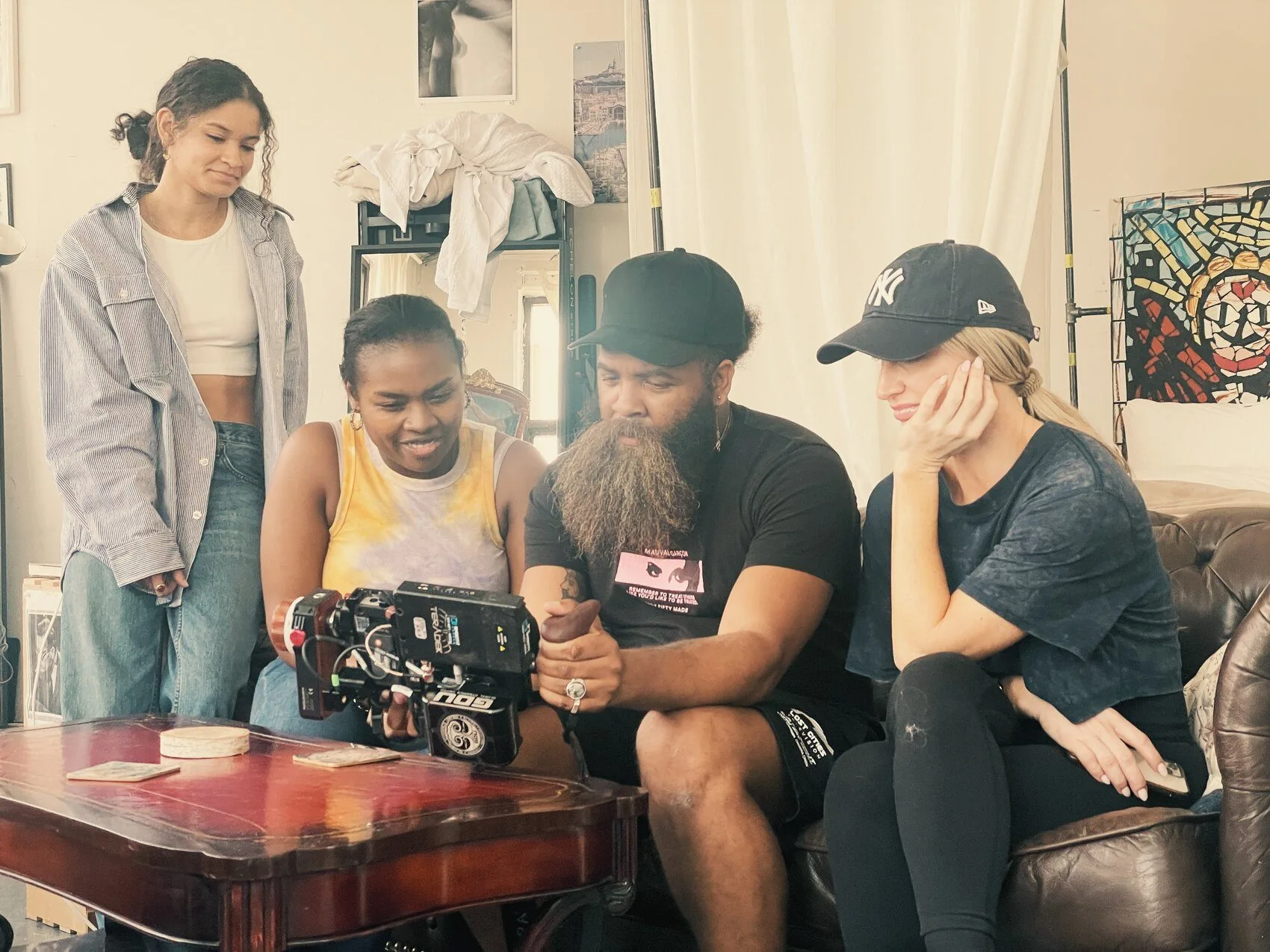
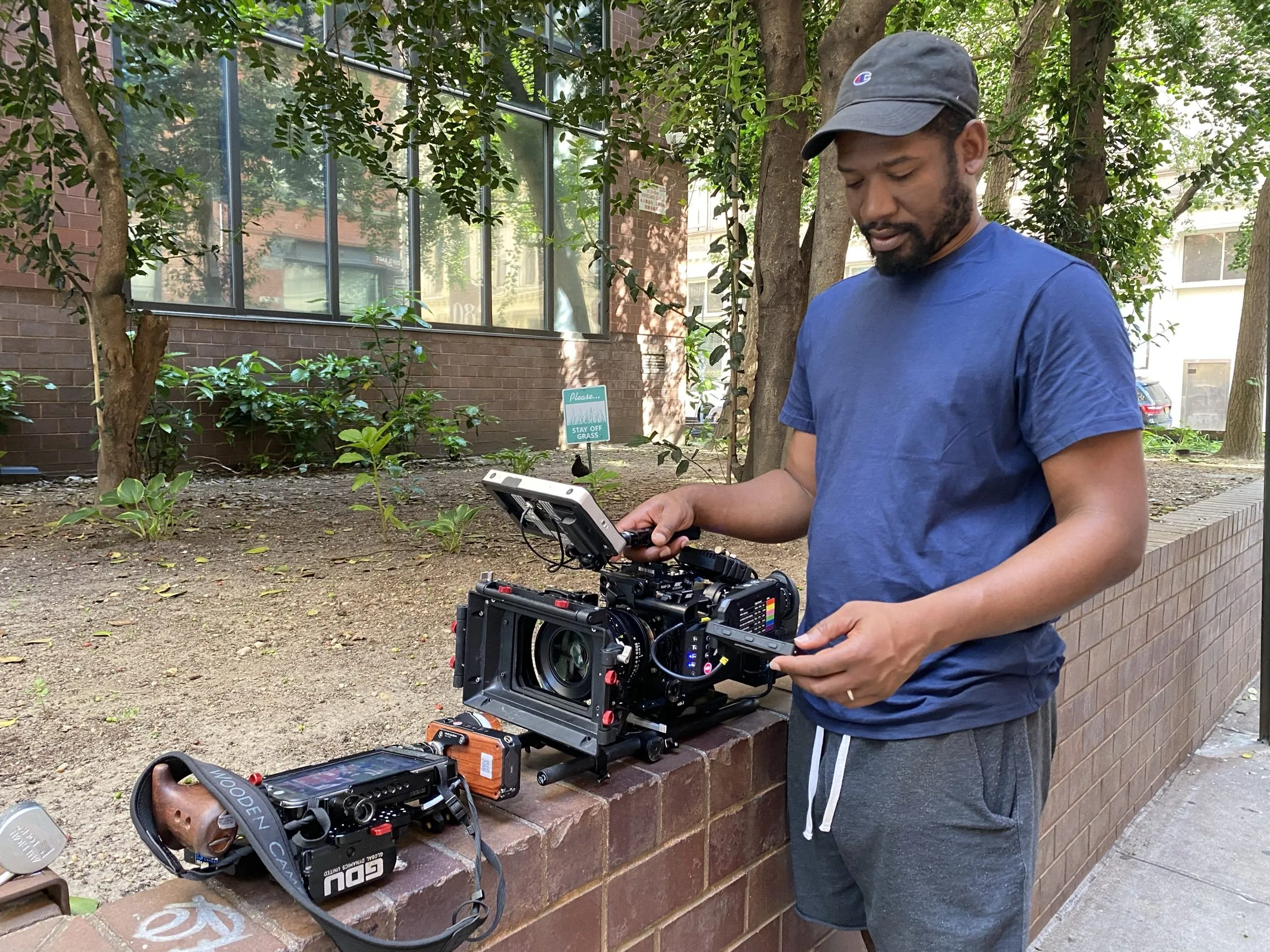
C&I Studios operates out of Los Angeles, but that doesn’t prevent us from working globally. We were mid production on another job on the West Coast while Pianos and Rooftops was being assembled, which put the New York prep on a parallel track. We wrapped the LA production and flew out the next day. Preproduction for our shoot in NYC happened both alongside our work in LA and in the hours spent traveling to New York.
A pitch lives on paper before it lives anywhere else. We built the deck around the synopsis, our casting vision, and the background on how the script came together and where the story was drawn from. When we are moving this fast, the only thing keeping three locations, a cast, and a crew on track is the prep work we do before the production is in motion.
02 · Scouting
Three Locations in Twenty Four Hours
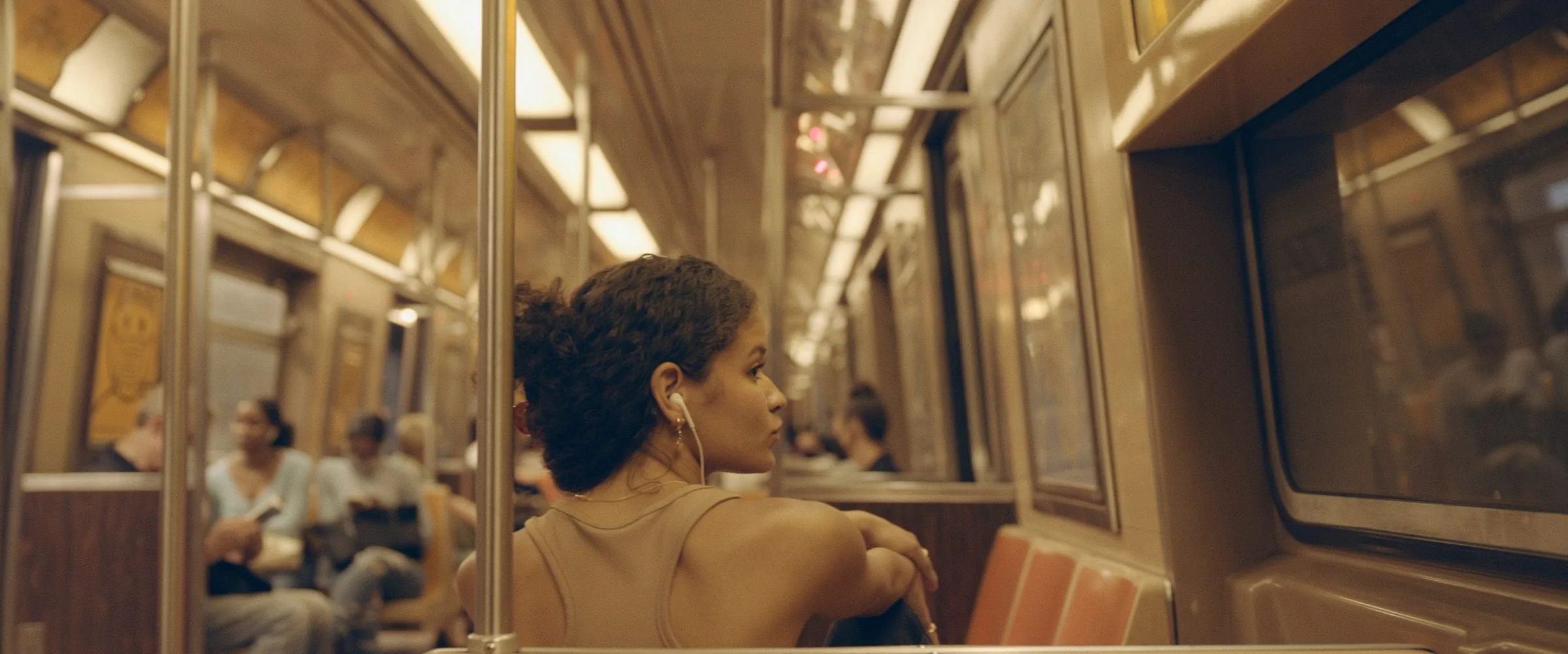
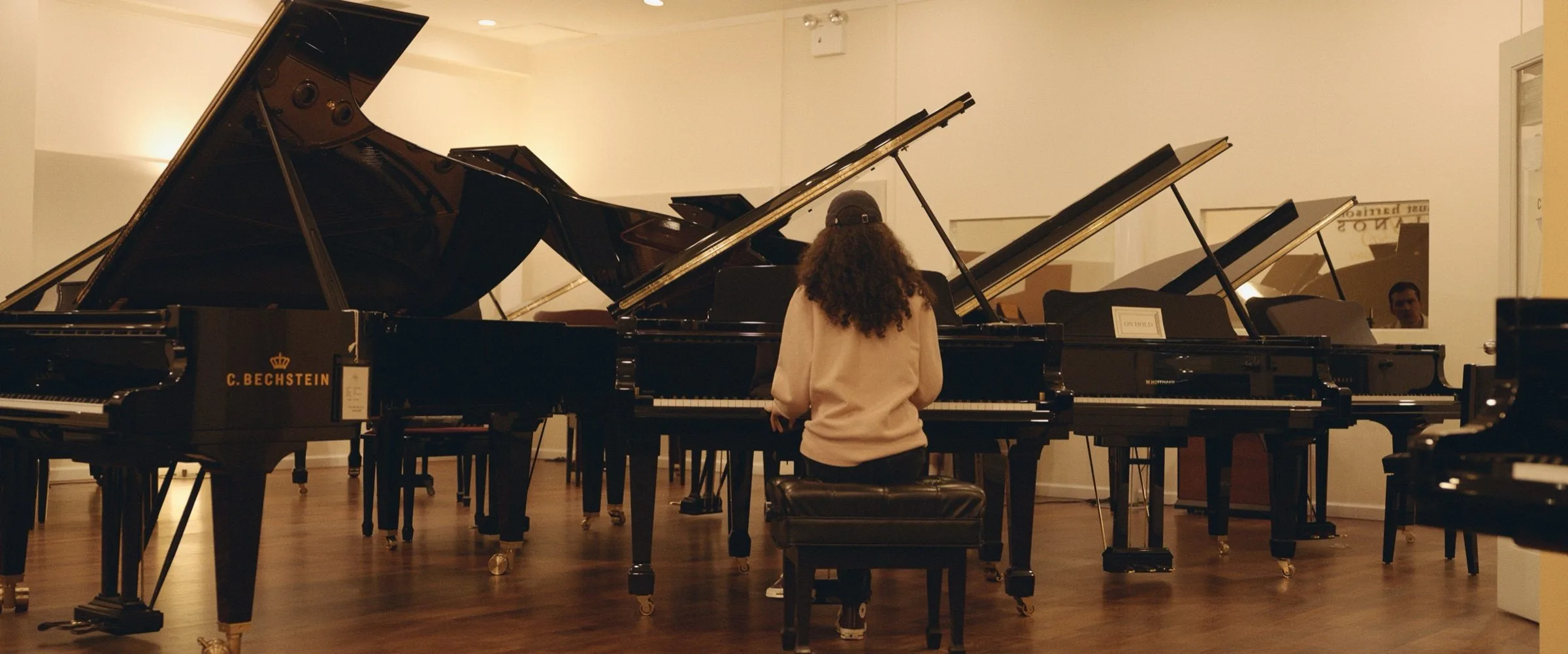
We landed and went straight into location scouting. Three filming locations had to be found, approved, and locked within a day. We had to be relentless during this process in order to lock in these spaces on time. We had a dedicated team running an organized list of all options, rather than chasing one location at a time. We followed up consistently with each location until we had answers. Each of the spaces had to be compared against the look we had already committed to on paper to make sure they aligned.
A window that tight is exactly where other productions would choose to settle for the best they could get. C&I Studios doesn’t settle. We always go the extra mile to make sure every aspect of production fits the vision to a T, no matter the time frame we’re working in.
03 · Casting and Wardrobe
Locking the Cast
While the location search was running, another part of the team was casting. Nothing downstream moves until the actor is locked, because we cannot fit wardrobe to a person we have not chosen yet. So the two ran in parallel and both had to land inside the same window. We locked our talent, brought her in to be fitted for the scenes, and pulled several options for each scene rather than a single look. That is deliberate. If a location or its lighting calls for a different choice on the day, the alternative is already on the rack instead of a day away.
04 · On Set
Inside the Loft
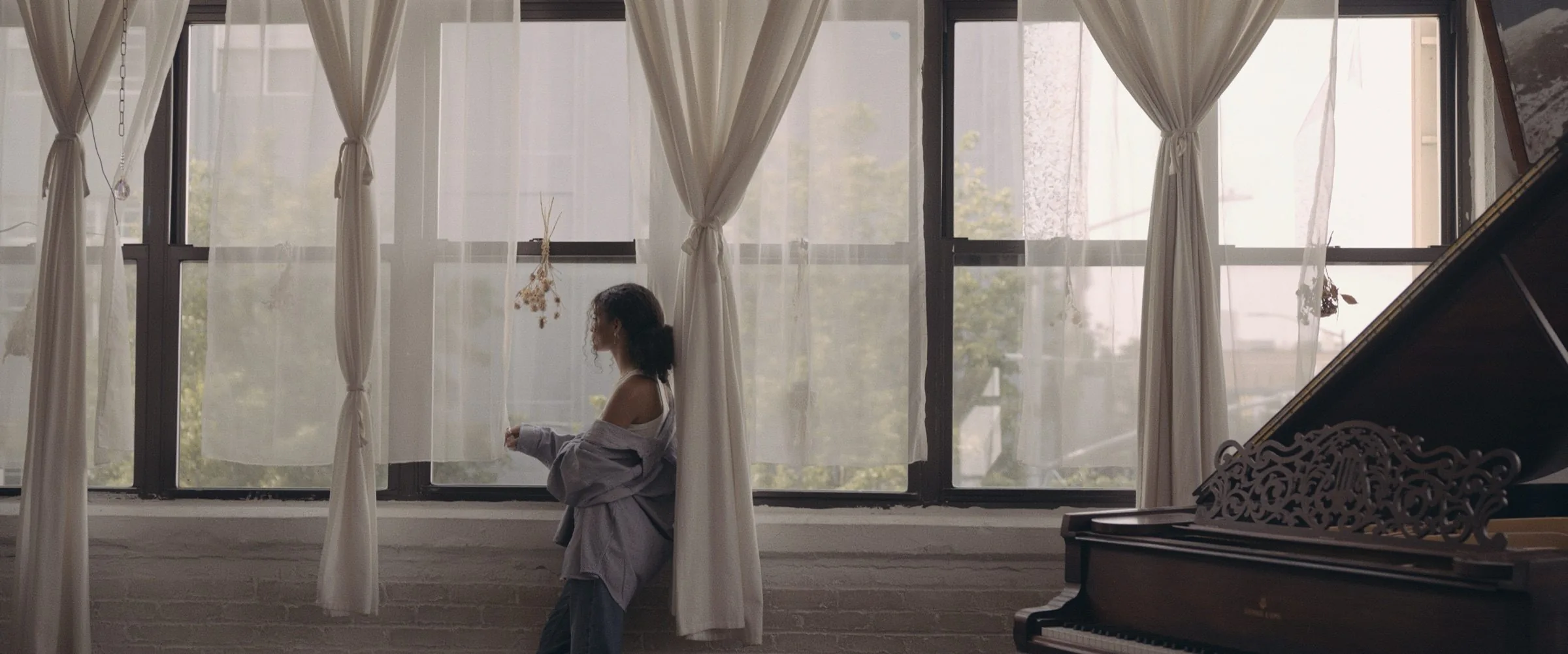
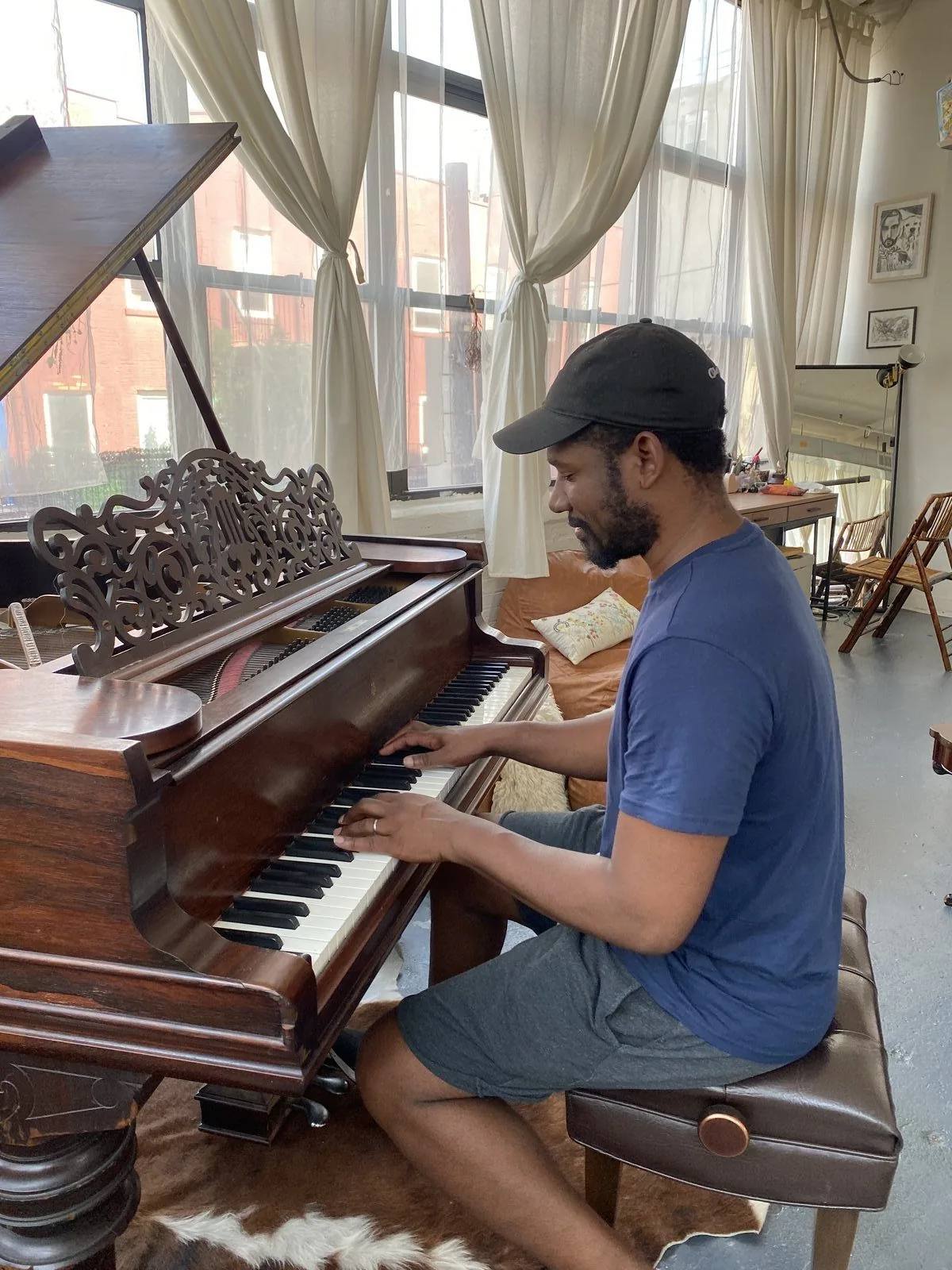
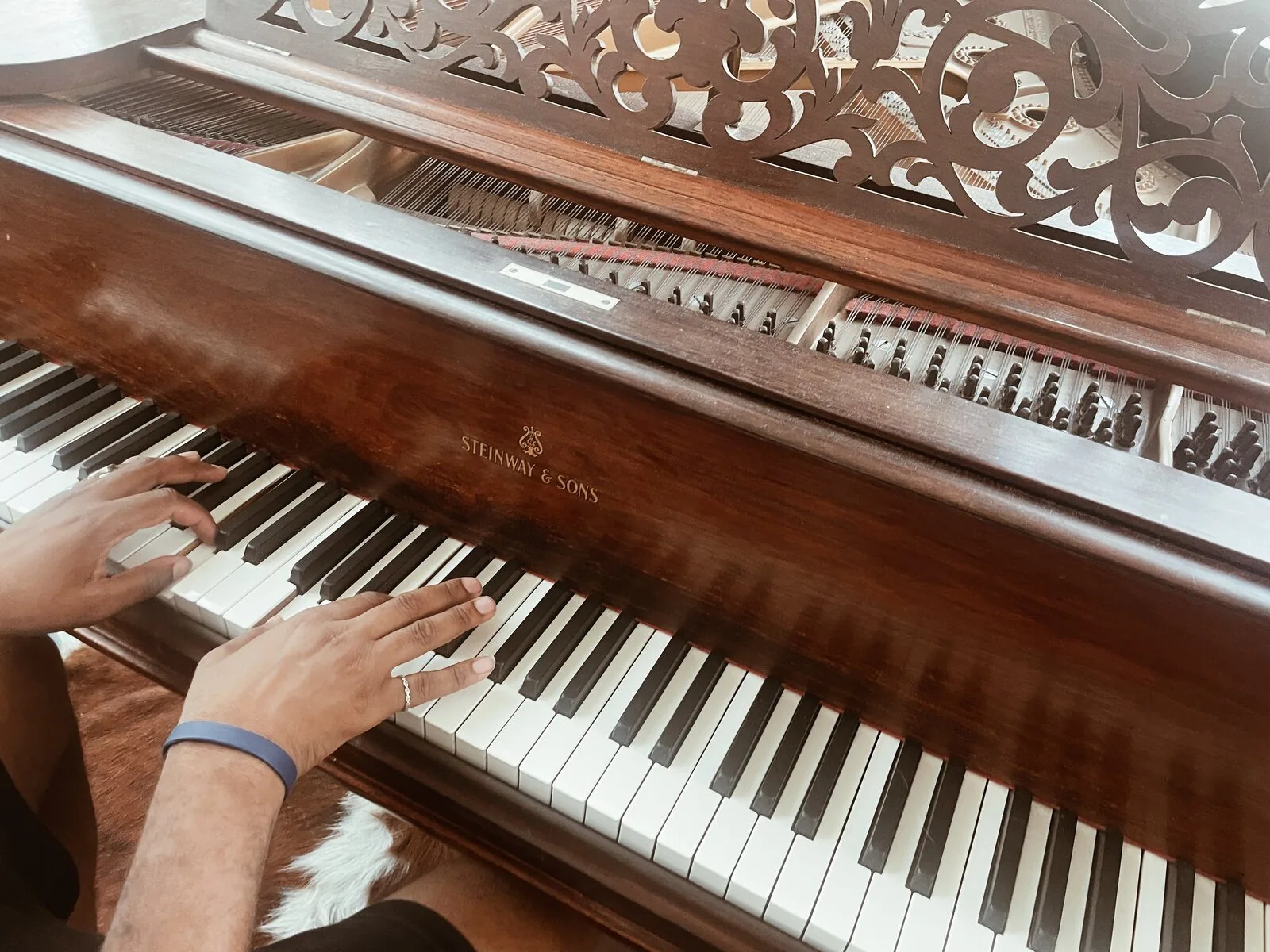
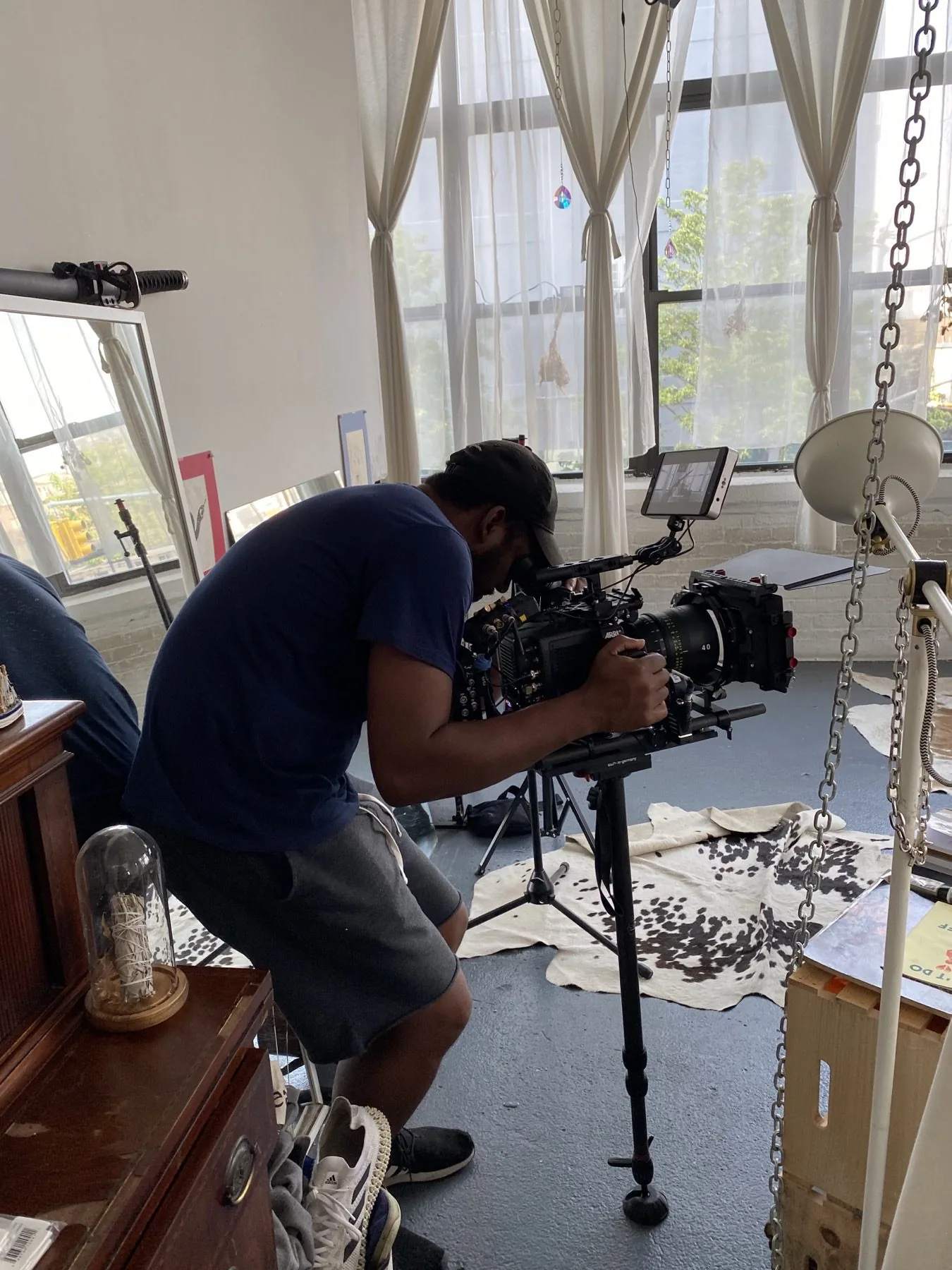
Almost all of the interior work lives in this one room, which required intricate planning in order to execute effectively. We knew that we wanted to use the wall of windows behind the piano, but we couldn’t rely entirely on daylight. Natural light changes the entire time we are shooting and makes it difficult to maintain consistency. We used the sheers as a diffuser, brought in our own soft source to hold the exposure where we wanted it, and reset as the light changed so the room reads the same in the first frame and the last. The room itself was dressed for camera down to the bedding and the curtains, and we watched the monitor on every setup before moving on.
05 · Continuity
Every Detail Has to Match
These are short scenes. That does not make them easier. People watch a pitch closely, and nothing pulls them out of it faster than a shot that doesn’t match the one before it. We tracked all of it as we shot. A short scene was never a reason to let something slide.
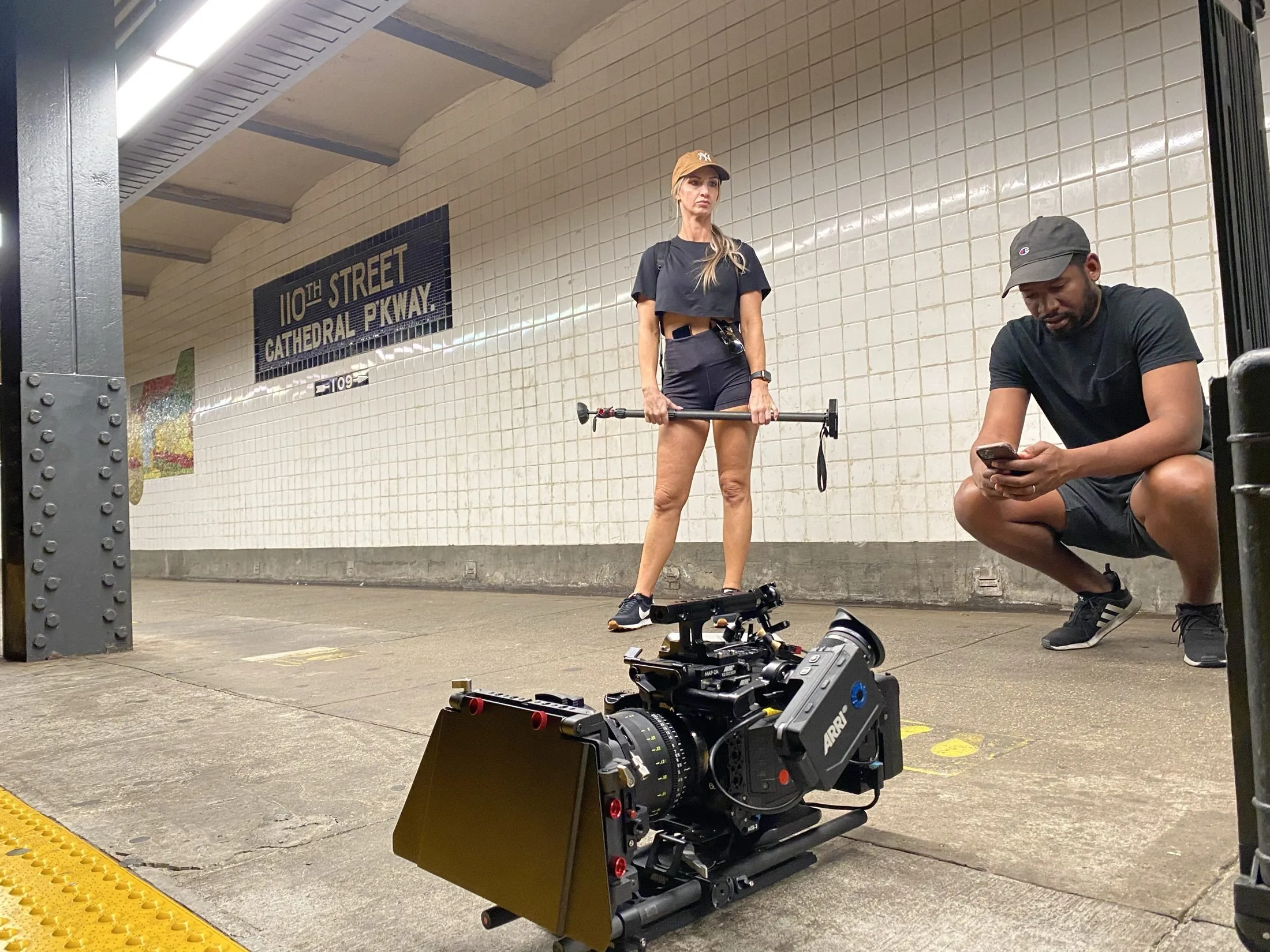
Lighting, wardrobe, hair and makeup, the position of every object in the room. We work with a team that has done this for a long time and everyone is locked into their role, which is the only reason a schedule this tight is survivable. We work all hands on deck. We cannot move fast and stay accurate unless the crew is tight and everyone is willing to step in for each other.
06 · On the Day
Fixing on the Fly
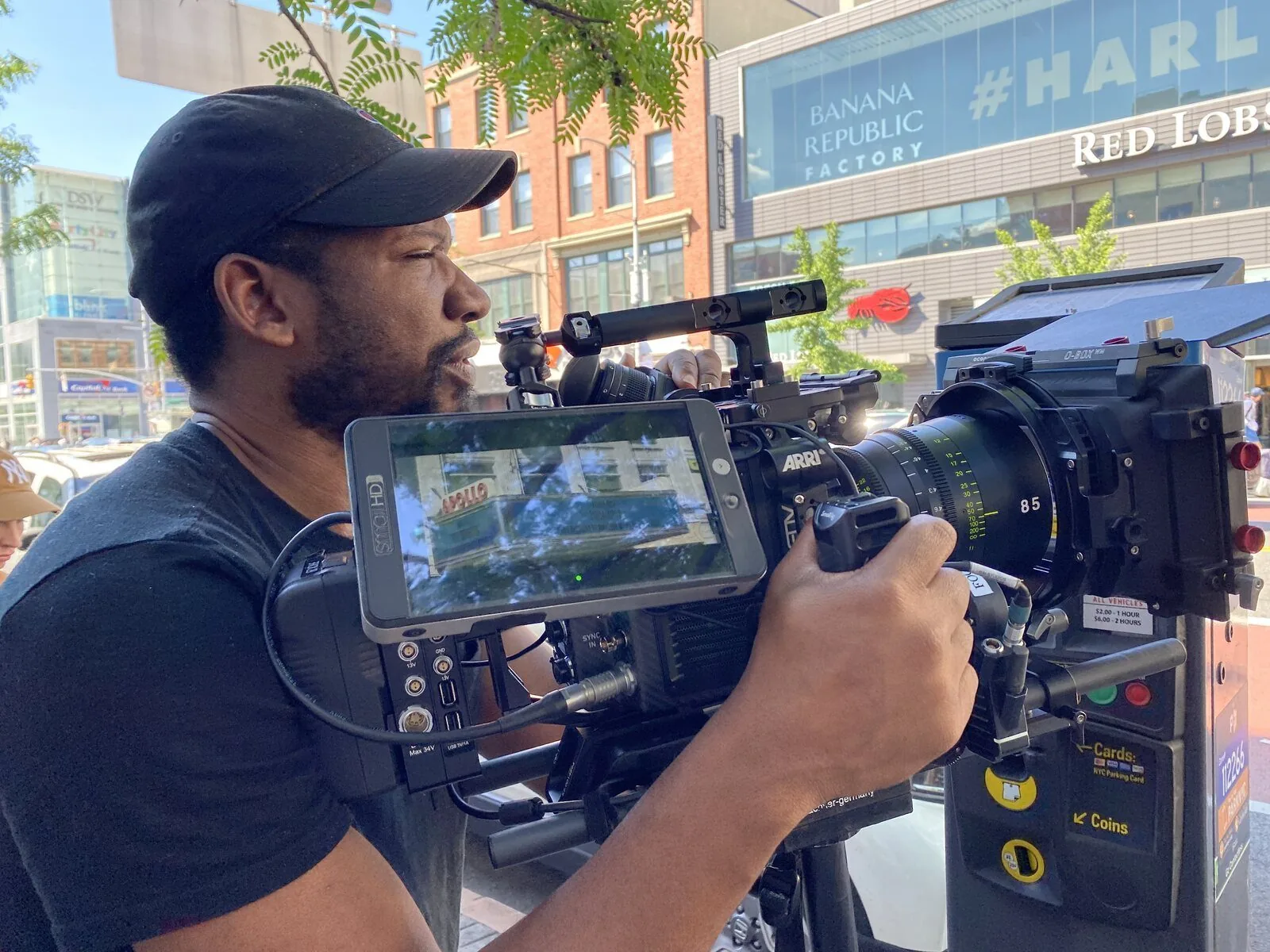
Even with a crew this locked in, the day is full of things we do not control. Natural light shifts through the day, so we stop and relight to keep every setup matching. Shooting in New York City is loud, so sometimes the perfect take gets interrupted by a siren or a conversation on the sidewalk under the window. None of that changes the fact that we have to get the shot. We reset and go again, and we stay on it until we have every shot, because there is no extra week waiting at the end of this schedule.
07 · Post
Back in LA
We flew home and started the part that took the longest. Color correction first, so the visuals read the way they were built to read and so three separate locations held together as one film. Then we began the passes for the approval process. Screenshots going back and forth, meetings, notes, and changes that landed well after everyone agreed it was finished. That was normal on work at this level, and leaving room for it in the schedule was the difference between a cut that is done and a cut that is done right.
08 · The Pitch
Building the World
A feature is an expensive thing to ask someone to imagine. Every person who reads the script builds a different version of it in their head, and most of those versions are not the film. Visuals settle that.
So this is not a trailer and it is not a short. It is scenes from the film shot the way the film would be shot, close enough to the real thing that nobody has to take our word for it.
09 · Round Two
Then They Asked for More
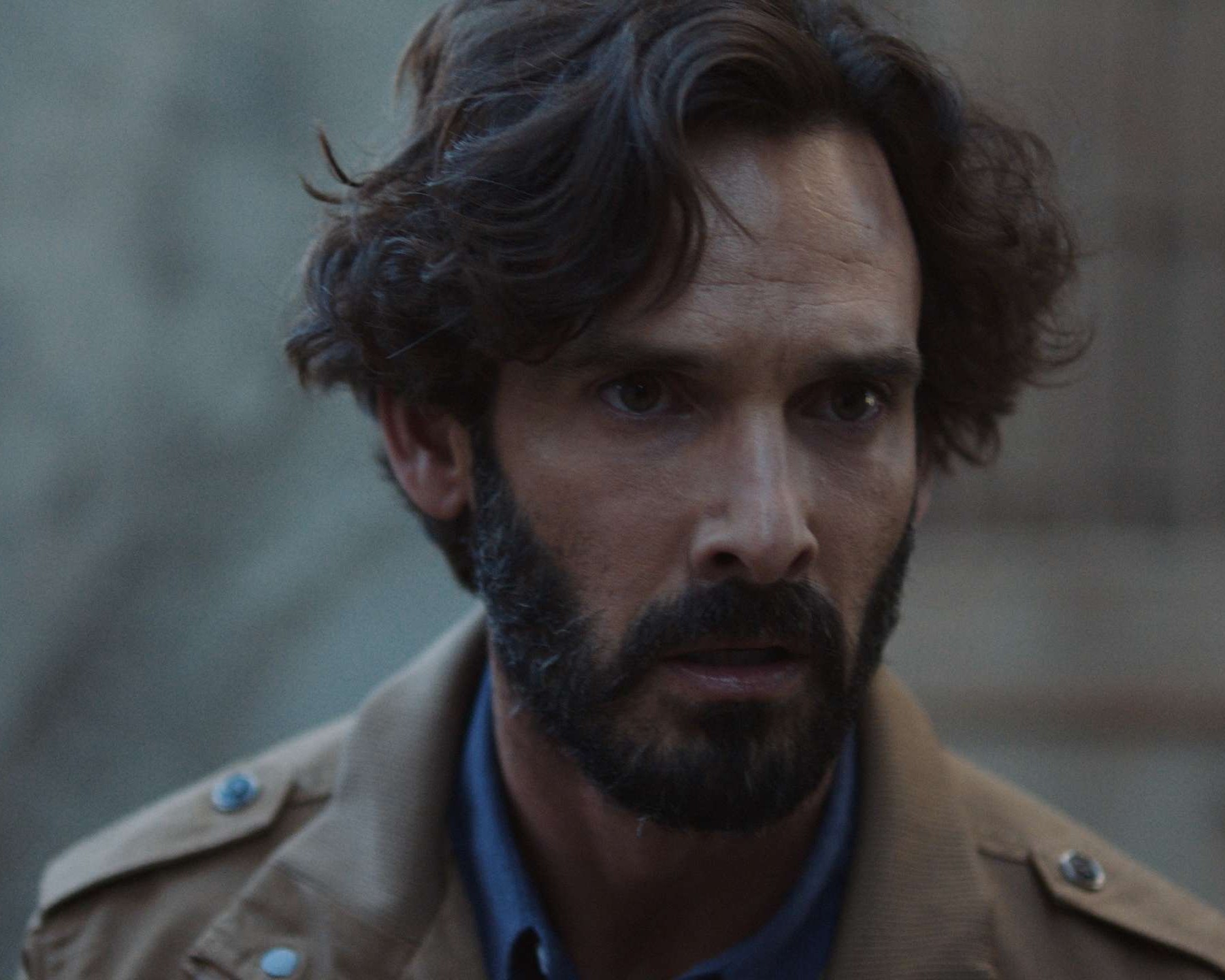
We pitched it. They watched it and wanted more, specifically a male character introduced into the story. So the entire process ran again. We flew back to New York and got back to work. New talent cast, another scout, another shoot, and this time with less runway to plan any of it and a look that now had to match footage already locked. Continuity stopped being a question of matching one setup to the next and became a question of matching a shoot to a shoot, weeks apart, in the same locations.
The Project
What We Bring to Every Project
We approach every project differently. Our crew has made films from the first meeting through final delivery, and they know what production demands. Pianos and Rooftops is just one example of how we can turn a writer’s script into something people can watch.
More From C&I
Explore More C&I Films
Let’s Work Together
Your Project, Start to Finish
No two projects are alike, and we build each one from the ground up. What carries over is the team: filmmakers who have taken productions from a first idea through the shoot, post, and release, and who know the right call to make at every turn. Whatever you are making next, we will bring that same care and carry it all the way through.