
What It Really Costs to Produce a Reality TV Pilot
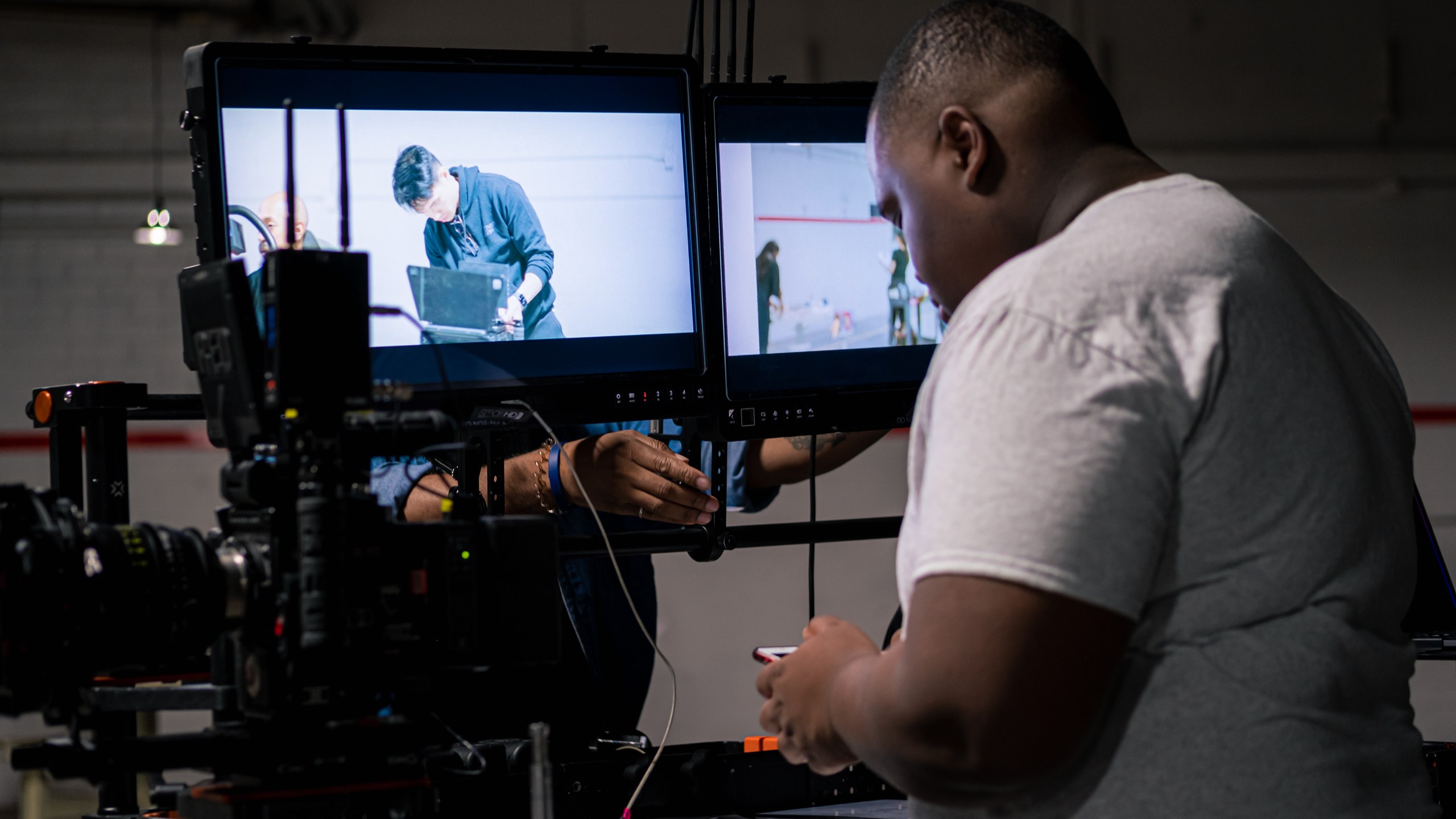
Ask ten producers what a reality tv pilot cost should be and you will get ten different answers, most of them wrong, because the honest answer is that it depends on choices you have not made yet. A single-location studio sit-down with three cameras and a small crew lives in one world. A multi-city field shoot with talent travel, competition builds, and a full story edit lives in another. Both are reality pilots. Both can be excellent. The gap between them can be ten times the dollars. This guide walks the real levers so you can build a number that actually matches the show you want to make.
Why there is no single number
A pilot is a proof of concept. You are spending money to show a network, a brand partner, or your own team that the format works, the casting lands, and the story engine runs. How much that proof costs depends almost entirely on scope, and scope is a stack of decisions, not one.
Two shows can carry the same logline and still be priced in completely different neighborhoods. A docu-style follow pilot built around one family in one house is lean by design. A competition format with a built set, a host, a studio audience, and ten contestants flown in is not. Same genre on paper. Different machines underneath.
So before anyone quotes you, the real work is defining the show. Everything below is a lever. Pull a few and the budget moves hard.
Development and casting
This is the part people forget to budget, and it is often what separates a pilot that sells from one that sits on a shelf. Development covers the format bible, the shooting outline, the beats you intend to capture, and the people you intend to capture them with. Reality lives and dies on casting. If the people are not compelling, no camera package saves it.
Casting can mean a casting producer running a search, application processing, pre-interviews, background and release paperwork, and sometimes travel to meet people in person. For a character-driven format, expect this to be a real line, not a footnote. For a format built around existing talent or an established host, it shrinks. The point is that casting is production, not pre-production throat-clearing, and it should be funded like it.
Crew size and shoot days
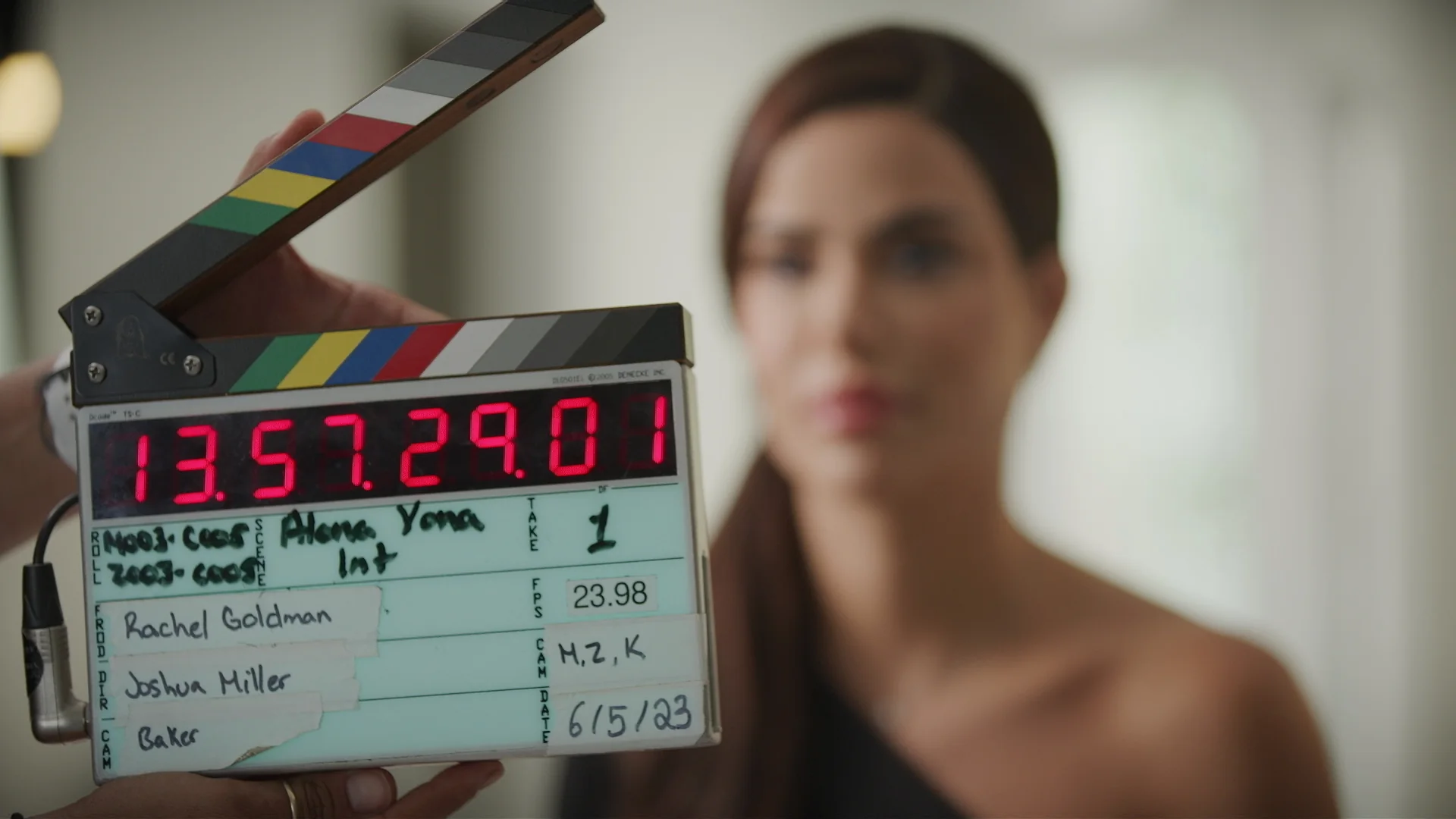
Crew and days are usually the single biggest driver of a reality tv pilot cost, because they multiply. A crew is a daily rate. Days are a count. Multiply them and you have most of your production spend before a single edit begins.
A small field package might be a shooter, an audio tech, and a field producer. A studio shoot with multiple cameras can run twenty-plus people once you add camera operators, a technical director, lighting, grip, sound, hair and makeup, wardrobe, art, production assistants, and a producer or two on the floor. Each added day carries all of that again, plus any gear rental, plus meals, plus overtime risk when the day runs long, which reality days reliably do.
The lever here is honesty about how many days you truly need to capture a real story arc. Under-schedule and you walk away without the moments that sell the show. Over-schedule and you burn the budget before post. Most of the hard tradeoffs in a pilot budget are fought on this line.
Locations, travel, and field versus studio
One location is cheap relative to five. Every new location adds scouting, permits, insurance riders, parking and holding, load-in and load-out time, and often a travel day that produces no usable footage but costs a full crew rate.
Field shoots trade control for authenticity. You get real environments and real reactions, but you fight weather, noise, power, and the clock. Studio shoots trade a build cost for control. You pay to construct or rent the space and light it once, then you own the conditions. A studio also lets you shoot faster, which can claw back some of the build cost in fewer days. Neither is automatically cheaper. It depends on how many setups you need and how much you value repeatability.
Camera package and number of cameras
Reality formats often shoot multi-camera to capture spontaneous moments from several angles at once, which means you cannot ask people to do it again. More cameras means more operators, more media, more storage, and a heavier day for the data wrangler and the edit. A cinema-grade package with high-end lenses raises both the rental line and the quality ceiling. A run-and-gun package of smaller bodies keeps you mobile and cheaper.
At C&I Studios we own and operate RED cinema cameras, which lets a reality pilot hold a cinematic look without renting the top of the camera line for every shoot day. That is a real cost lever, because owned gear changes the math on a multi-camera build.
Post, editing, and story producing
Here is where a lot of first-time pilot budgets go wrong. They fund the shoot and starve the edit. In reality, post is where the show is actually built. You shot forty hours. The story producer and editors have to find the ninety seconds that make a buyer lean in.
Post includes story producing and paper edits, an assembly, editorial passes, color, sound mix, graphics and lower thirds, music licensing or an original score, and sometimes voiceover or a host track recorded in a booth. A heavily produced competition format with graphics packages and a score costs more in post than a quiet observational piece. Editing ratios for reality are high, so more shoot days quietly inflate the edit line too. Budget post as a peer of production, not an afterthought.
Music, graphics, and deliverables
Music can be a library license or a custom score, and the gap between those two is wide. A title sequence, a graphics package, and on-screen text all add motion design hours. Then there is the deliverable spec, which networks and platforms define precisely. Frame rate, resolution, loudness standard, captions, textless versions, and multiple cut lengths each add finishing time. A pilot that has to ship in several versions costs more to finish than one clean master.
A working cost-range breakdown
The ranges below are general industry framing, not a quote, and they vary widely with the choices above. Use them to sanity-check a plan, then price the actual show you are building.
| Budget area | Lean pilot | Mid-scope pilot | High-end pilot |
|---|---|---|---|
| Development and casting | $5k to $20k | $20k to $60k | $60k and up |
| Crew (per shoot day, all in) | $3k to $8k | $8k to $20k | $20k and up |
| Camera and gear | $2k to $6k | $6k to $20k | $20k and up |
| Locations, travel, build | $2k to $10k | $10k to $50k | $50k and up |
| Post, story producing, finishing | $10k to $30k | $30k to $90k | $90k and up |
| Music, graphics, deliverables | $2k to $10k | $10k to $30k | $30k and up |
Add those up and the spread is obvious. A tightly scoped single-location pilot can land in the low tens of thousands. A multi-location, multi-camera, heavily produced format can run into the hundreds of thousands. Both are reality pilots. The number follows the scope, every time. If you want a realistic figure for your format, our film and TV production team can price the actual show rather than a generic one.
Why two pilots cost wildly different amounts
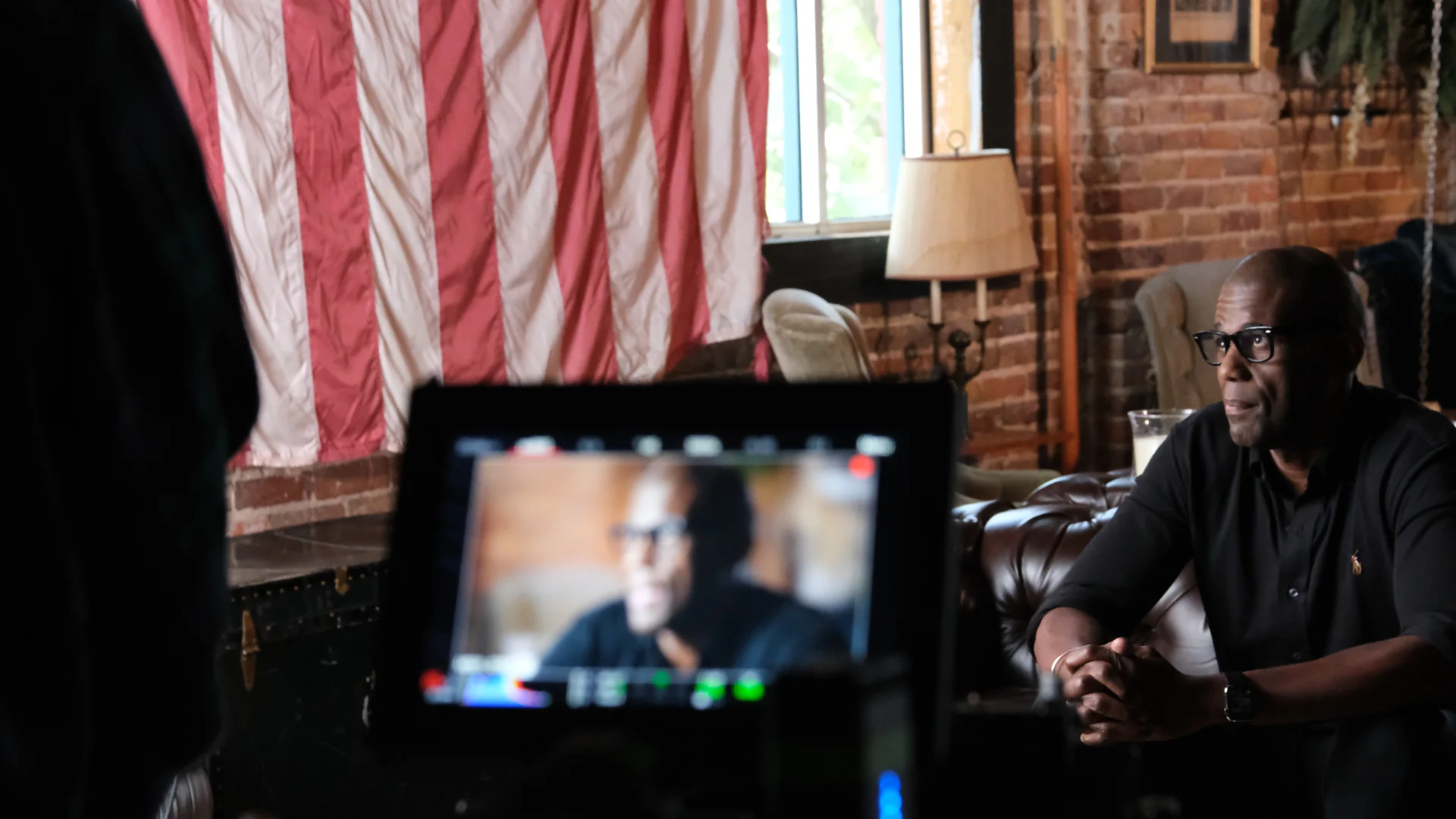
It comes down to a handful of multipliers. Number of shoot days. Crew size on each of those days. How many cameras are rolling. How many locations you move between. How produced the look is, from the camera package to the graphics to the score. And how deep the post build goes to find the story. Change any one of those and the whole number shifts. Change several and you are looking at a different show.
The producers who get the most out of a pilot budget are the ones who decide early what the pilot has to prove, then spend only where that proof lives. If the format is about characters, spend on casting and the edit. If it is about spectacle, spend on the build and the camera package. Trying to fund everything at a high level on a pilot budget is how shows run out of money before the cut that actually sells.
How long does a reality pilot take to produce
From a locked concept, a lean pilot can move in a few weeks. A mid-scope one with casting and a real edit tends to run one to three months end to end. A heavily produced build with travel and a full graphics and score package can run longer. Casting and post are usually the long poles, not the shoot itself.
Do I need a full pilot or will a sizzle reel work
It depends on what the buyer wants to see. A sizzle or proof-of-concept tape is cheaper and faster and can be enough to open a conversation. A full pilot proves the story engine runs for a whole episode, which some buyers require before they commit. If budget is tight, a strong sizzle first is often the smarter spend.
Can I reduce the cost without hurting quality
Yes, by cutting scope rather than cutting corners. Fewer locations, fewer shoot days with tighter planning, an owned camera package instead of a rental, and a clear story plan that keeps editorial focused all lower the number without making the pilot look cheap. The expensive mistakes are usually unplanned days and a bloated edit, not the gear.
Bring your project to C&I Studios
A pilot is one of the highest-leverage things you can spend on, because a good one opens doors a deck never will. The trick is matching the budget to what the pilot actually has to prove, and that starts with a real conversation about your format, not a number pulled off a rate card. C&I Studios is a full-service production company with a Los Angeles studio and teams in Fort Lauderdale and New York, and we have produced reality-style work from a multi-piece series to a pilot episode shot in the Bahamas.
If you are weighing a reality pilot, bring us the idea and we will help you build a number that fits it. Start with our work, then let’s talk about what yours could look like.