Do Video Production Companies Travel for On-Location Shoots?
One question comes up early on almost every project. Do video production companies travel for on-location shoots? Most of us do. What that actually costs, and whether it is worth paying for, depends on the scale of the project, the resources of the company you hire, and how far you are asking them to go. We have produced campaigns across the US and internationally, moving crew, cameras, lighting, and post-production wherever the story lives. Here is what travel really involves and how to tell when it earns its place in a budget.
Why location work matters
A good video does not only tell a story. It shows one, and the environment becomes part of the telling. Real places make a story believable. Natural light, texture, and movement give footage a depth no green screen replicates. The right setting also does brand work on its own, whether the brand reads gritty, refined, urban, or wild.
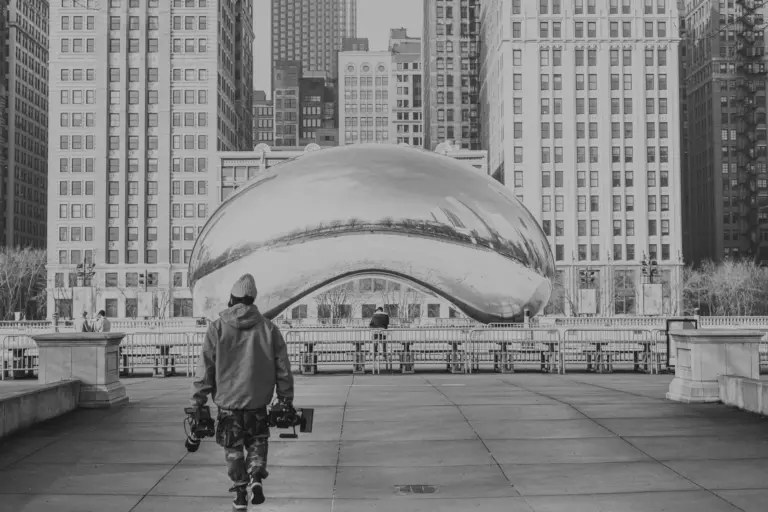
That is why even well-equipped companies travel constantly. Our Los Angeles studio handles a huge share of what we shoot, but not every story lives in Los Angeles. Some belong on a New York street, a stretch of coastline, or the open desert.
What travel actually means
When a company says it travels, it does not mean the director gets on a plane. It means a mobile production operation.
Crew
Producers, cinematographers, camera operators, lighting technicians, and sound engineers usually need to be on site. Depending on the concept, that is anywhere from three people to thirty.
Equipment
Cameras, lenses, drones, stabilizers, lighting rigs, and audio gear move with the team. Some companies rent everything locally. We ship our own core package when it matters for consistency and rent the heavy, replaceable pieces on the ground.
Local coordination
Permits, parking, and power all get arranged in advance. A local production assistant or fixer usually handles the ground-level logistics before the crew lands.
Traveling for a shoot is a disciplined operation designed to reproduce studio-level control somewhere that is not a studio.
When companies travel for a shoot
Not every project justifies the cost. When it is the right call, it changes the finished piece.
When the location is the brand
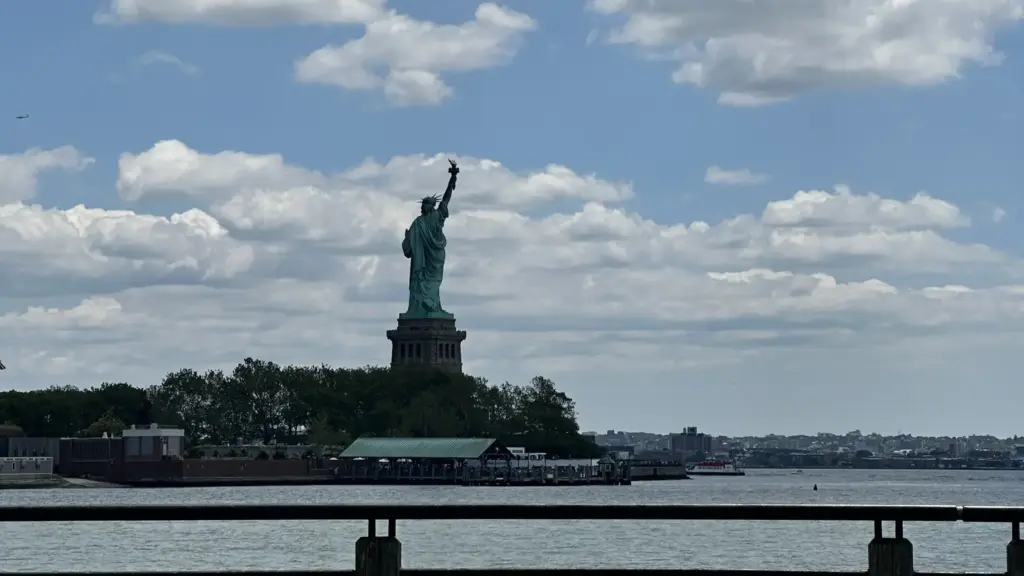
A surf brand belongs on a beach. A tech company that trades on its Manhattan address belongs on that street. When geography is part of the identity, the visuals have to match it.
Multi-city campaigns
National brands often need footage from several regions that has to cut together as one campaign. Hiring a separate crew in each city invites mismatched lighting, framing, and grade. One traveling crew solves it.
Corporate and event coverage
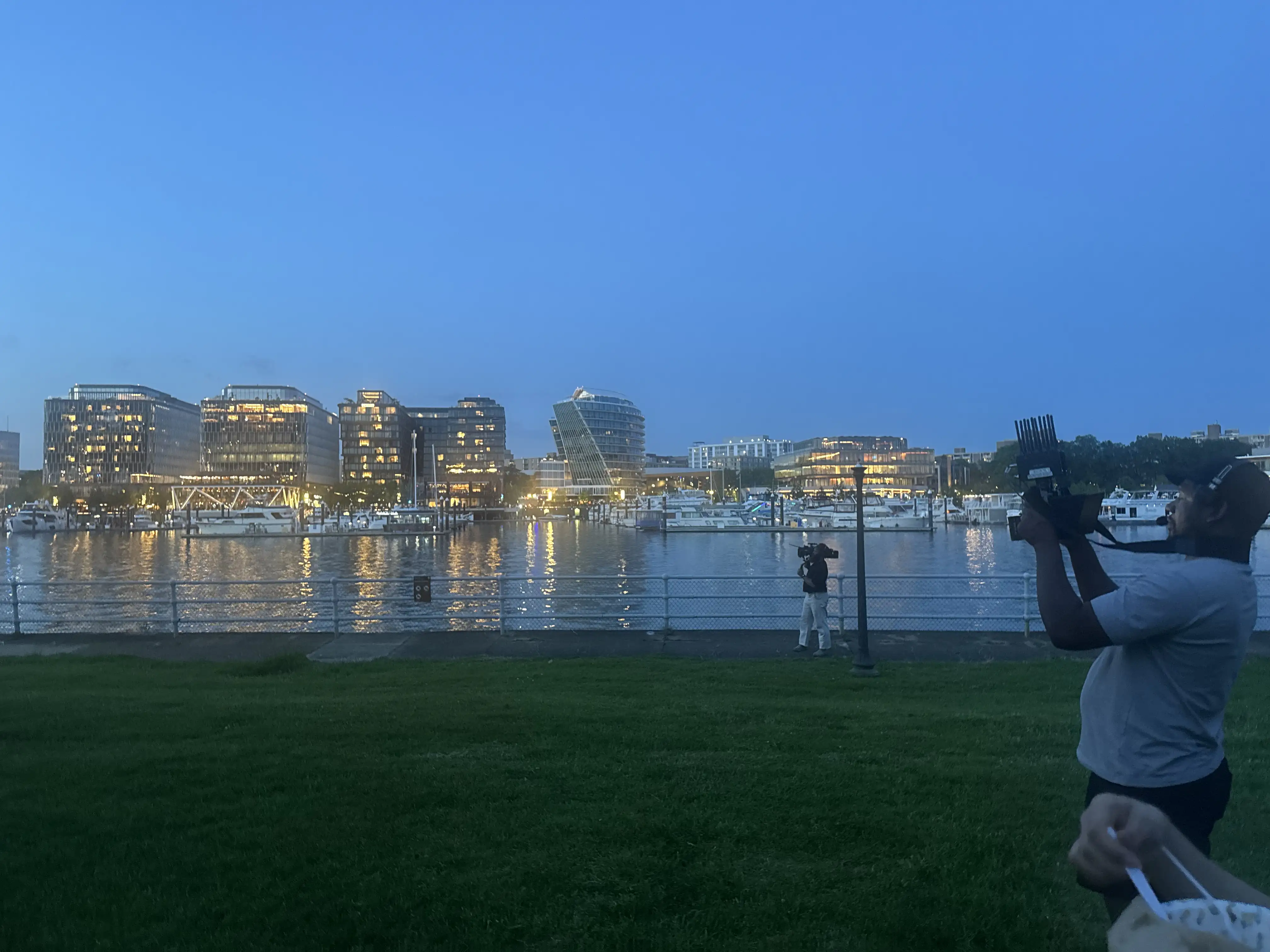
Conferences, launches, and executive events happen where they happen. Portable production units make it possible to shoot broadcast-quality coverage on the road.
Destination and lifestyle work
Hotels, resorts, travel brands, and luxury real estate sell the place itself. Those projects are built around the destination, so the crew goes to it.
The real cost of traveling
Every company has its own rate sheet, but travel budgets share the same skeleton. These are the four areas that decide whether the number holds.
Travel and accommodation
Flights, mileage, and lodging carry the budget. A typical traveling crew is a director, producer, cinematographer, audio lead, gaffer, and assistants, and each one needs a seat, a room, and meals. Gear travels too, and camera bodies, lenses, and lighting kits are not carry-on friendly. Checked baggage, freight, and insurance add up fast.
Day rates and per diems
Traveling crews bill for every day away from home, not only the days they shoot. Travel, scouting, setup, and wrap days all count. Each person also gets a per diem for meals and incidentals, which keeps the accounting predictable. Multiply that across eight people and several days and the people cost passes airfare quickly.
Permits and location fees
Every city enforces its own filming rules. Dense markets like New York and Miami often require permits, parking authorizations, and sometimes police coordination for crowd control. Private venues charge location fees, and drone work usually needs separate clearance. We price these during pre-production so nobody discovers them mid-shoot.
Equipment transport or local rental
The heavier the package, the higher the transport cost. Flying your own camera systems protects visual consistency. Renting locally avoids freight and customs delays. We run a hybrid. Our modular setups travel, and when customs makes shipping impractical we work with vetted local vendors who can match the spec.
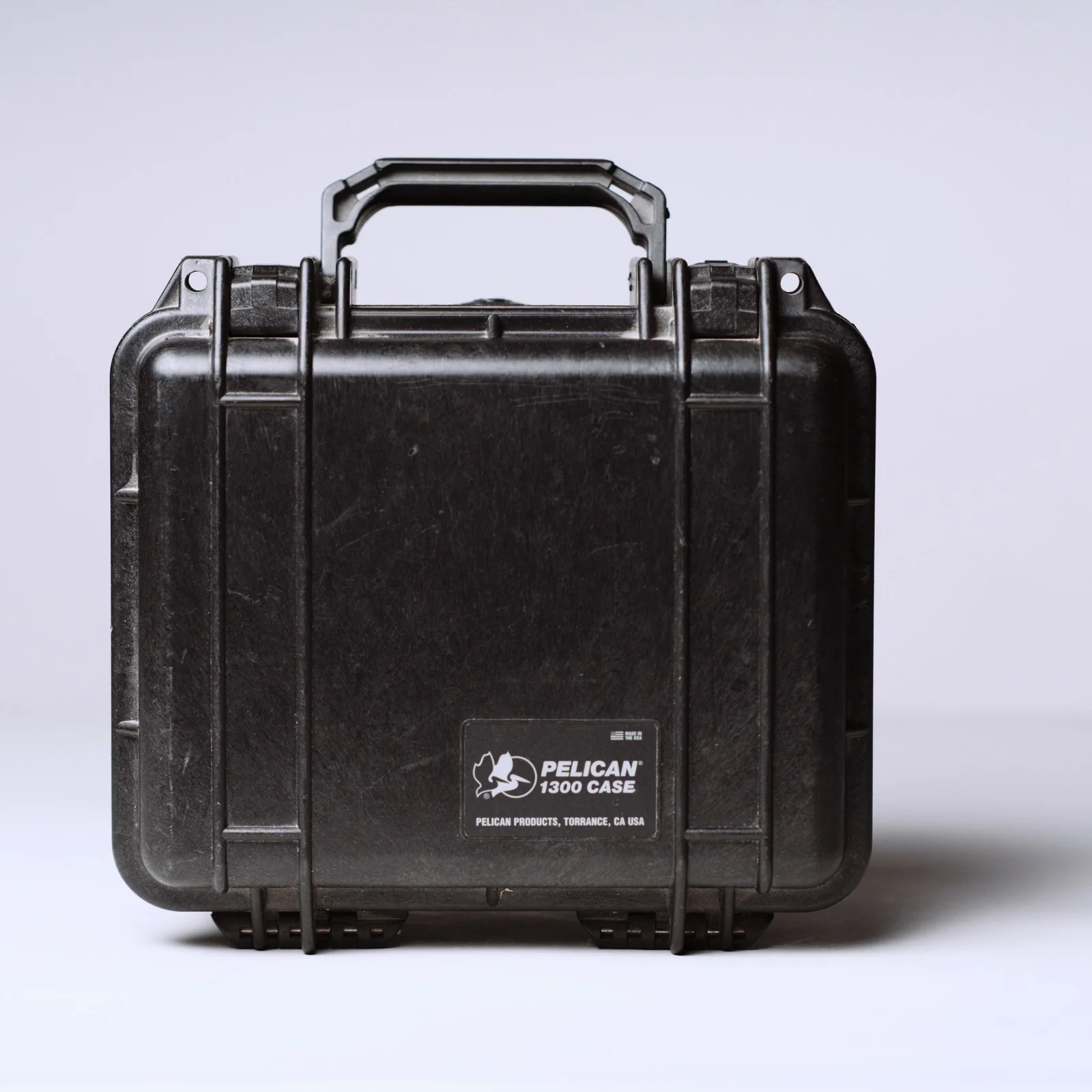
A sample travel budget
Take a two-day brand shoot in another state with an eight-person team. These are realistic ballpark numbers.
| Category | Estimated cost |
|---|---|
| Flights, round trip | $3,200 |
| Hotels, three nights | $2,400 |
| Ground transport and fuel | $900 |
| Crew day rates, two shoot days plus one travel day | $8,000 |
| Per diems | $800 |
| Permits and local costs | $600 |
| Equipment transport or rental | $1,500 |
| Total | About $17,400 |
A comparable shoot at our Los Angeles studio runs closer to $8,000 to $10,000 depending on complexity. Roughly half. If the story genuinely needs that other place, the creative return usually covers the difference. If it does not, you just bought plane tickets.
When paying for travel makes sense
Travel should never be automatic. It is a strategic call, not a flex.
When the location is the story
Some brands live and die on geography. Surfwear on a California beach. A resort selling a Caribbean view. Shooting those anywhere else kills the credibility of the whole piece. A real location conveys culture and lifestyle that a stage cannot fake, and in those cases travel is not an expense line. It is the story.
When consistency across cities matters
Global and national brands need footage from multiple regions that looks like one campaign. A single traveling crew guarantees matching lighting, framing, and grade. Our New York team runs this pattern often for campaigns spanning several states, keeping one creative vision while the backdrop changes.
When you need creative control
Hiring an unfamiliar crew in each city saves travel money and costs oversight. Different people bring different workflows and priorities. A traveling core of director, DP, and producer keeps the final cut feeling like one film instead of five stitched together.
When time costs more than money
Coordinating regional vendors eats weeks in briefings and feedback. One company handling everything end to end compresses the schedule. For a product launch or a seasonal campaign, paying for travel can be the cheaper option once you price the delay.
Hidden costs that catch clients out
Experienced marketers still miss these until the invoice lands.
- Gear insurance. Airlines damage fragile equipment. Coverage is not optional.
- Overtime and weather delays. A rained-out day extends hotel stays and crew days at the same time.
- Shipping restrictions. Batteries, drones, and atmospherics face strict transport rules and sometimes need separate cargo.
- International duties. Customs paperwork and temporary import bonds cost both time and money.
We flag every one of these in pre-production. Surprises on a travel budget are a planning failure, not bad luck.
How to tell if a company really travels
Plenty of agencies claim they travel worldwide. Fewer do it well. Four questions sort them out.
- Look at the portfolio for multi-city or international projects, not one out-of-state shoot from 2019.
- Ask how they handle customs for camera gear and international insurance. Vague answers are the answer.
- Read their production pages for real mention of mobility, scalable crews, and global work.
- Ask about crew structure. Teams that travel often have systems for packing, setup, and integrating local crew.
Preparing for an on-location shoot
Once the company agrees to travel, part of the job becomes yours.
Write a real location brief. What kind of environment do you picture, and what are the noise, light, and crowd conditions there?
Handle permits early. Even small shoots need permission in most public and commercial spaces. Your production company may run this, but the cost is yours.
Book logistics early. Flights, hotels, ground transport, and meals get cheaper and simpler the earlier they are locked.
Build in a contingency day. Weather, power, and access problems happen. One spare day is cheaper than a second trip.
Keep talking daily. Short check-ins between your team and the crew keep everyone aligned, especially across time zones.
Ways to travel without wasting money
Get more out of one trip. Plan the commercial, the social cuts, and the behind-the-scenes content into a single window so the travel overhead is spread across every asset.
Use a local fixer. Permits, extras, and ground logistics get handled before the main team arrives.
Fly light, rent heavy. Bring cameras and lenses. Rent stands, lights, and grip on location.
Avoid peak dates. Airfare, hotels, and even permit rates move with the season. Weekdays and shoulder seasons save thousands.
Scale the crew to the job. Not every shoot needs fifteen people. Small agile units cover documentary work. Full crews are for commercials.
Frequently asked questions
Do video production companies travel for on-location shoots?
Most established companies do. What varies is whether they bring a full crew and their own gear or rely on local hires, which is the difference that shows up in the footage.
How much does it cost to fly a crew out of state?
A two-day shoot with an eight-person crew usually lands around $17,000 once flights, hotels, day rates, per diems, permits, and gear transport are counted.
Is it cheaper to hire a local crew instead?
On paper, yes. In practice you trade money for consistency. The usual compromise is to fly the key creative leads and hire the rest locally.
Who pays for permits and insurance?
The client, almost always, though the production company should handle the paperwork and quote the cost during pre-production.
How far in advance should a travel shoot be booked?
Four to six weeks for domestic work and eight or more for international, which is mostly about permits, customs, and crew availability rather than flights.
How we handle travel
C&I Studios runs a mobile production model. Our Los Angeles studio anchors the infrastructure at 30,000 square feet, and offices in New York and Fort Lauderdale plus partnerships abroad let us move quickly for clients anywhere. We facilitate productions in any location in the US and across the globe.
Every shoot gets the same workflow, the same creative leads, and the same finishing pipeline, whether it happens on our stage or three time zones away. Blending our own resources with trusted local collaborators is what keeps travel lean, so the money goes into what ends up on screen instead of into logistics.
Bring your story wherever it lives
Whether your project needs the control of a stage or the realism of a place you cannot fake, we have the crew, the gear, and the mobility to shoot it. Look through our work, read more about film and TV production, or start a conversation about where your next shoot needs to happen.