
What Goes Into Color Grading a Feature Film
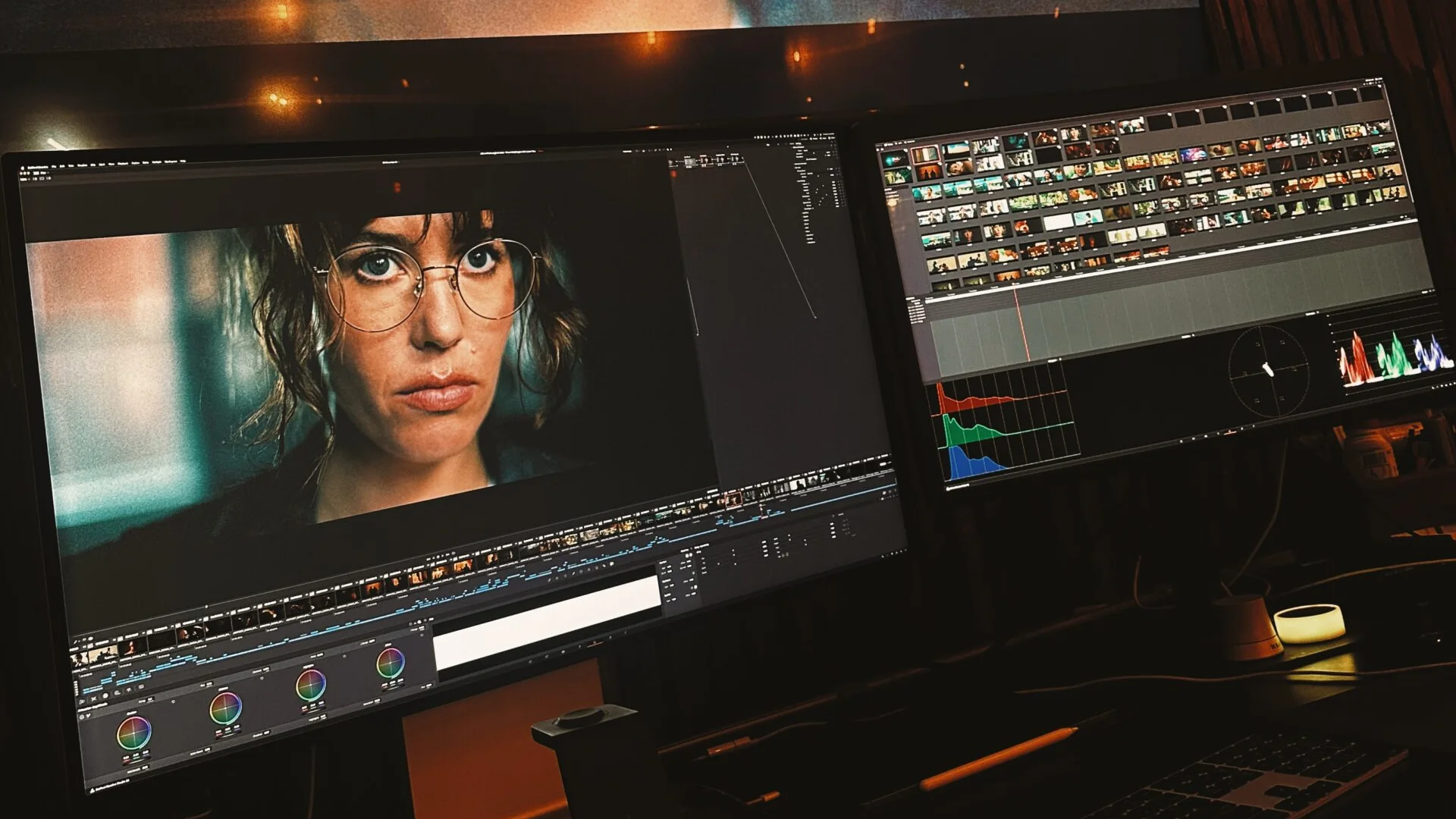
People talk about color grading a film like it is a filter you drop on at the end. It is not. A feature grade is the last place the whole movie gets decided, and by the time footage reaches our suite it carries months of choices from set, from the edit, and from the director. Our job in the grade is to honor all of that and then give the picture one coherent feeling it can hold for two hours. This is how we actually do it, start to finish.
We run the full post pipeline for narrative work out of our studio, so the grade never arrives cold. The editor, the post production team, and the colorist have usually been trading looks since the first assembly. That continuity is the point. Grading a film well is less about a single genius move and more about a chain of unglamorous decisions that all agree with each other.
It starts with dailies, not the grade
The grade really begins on the first day of the shoot. When footage comes off the cards, someone has to look at it with intent, and that first pass of dailies sets the tone for everything downstream. We apply a working look to the rushes so the director and the film and TV production team see the material close to its intended feeling, not as flat log footage that tells them nothing about whether a scene is landing.
Dailies also protect the schedule. If a night exterior is coming back muddier than the look we agreed on, we want to know on day three, not in the final conform weeks later when a reshoot is impossible. Good dailies are an early warning system as much as a creative one. We treat them with the same calibrated eyes we bring to the finish, which is the habit we built across years of documentary film production where you often cannot go back and get the shot twice.
Look development sets the film’s voice
Before we touch a single hero scene, we build the look. Look development is where the director, the cinematographer, and the colorist decide what the movie is going to feel like as a whole. Warm and nostalgic. Cold and clinical. Bleached and anxious. We build reference frames, pull stills from the footage, and sometimes grade a short test sequence so everyone is reacting to the actual film rather than to words in a meeting.
What we are really building here is a shared vocabulary. When the director says a scene feels too friendly, we need to already know what friendly means in numbers and in the image. That agreement, locked early, is what lets the rest of the grade move fast. It is the same discipline that keeps a video production campaign on tone across a dozen deliverables, scaled up to the demands of a single long story.
Conform brings the whole film back together
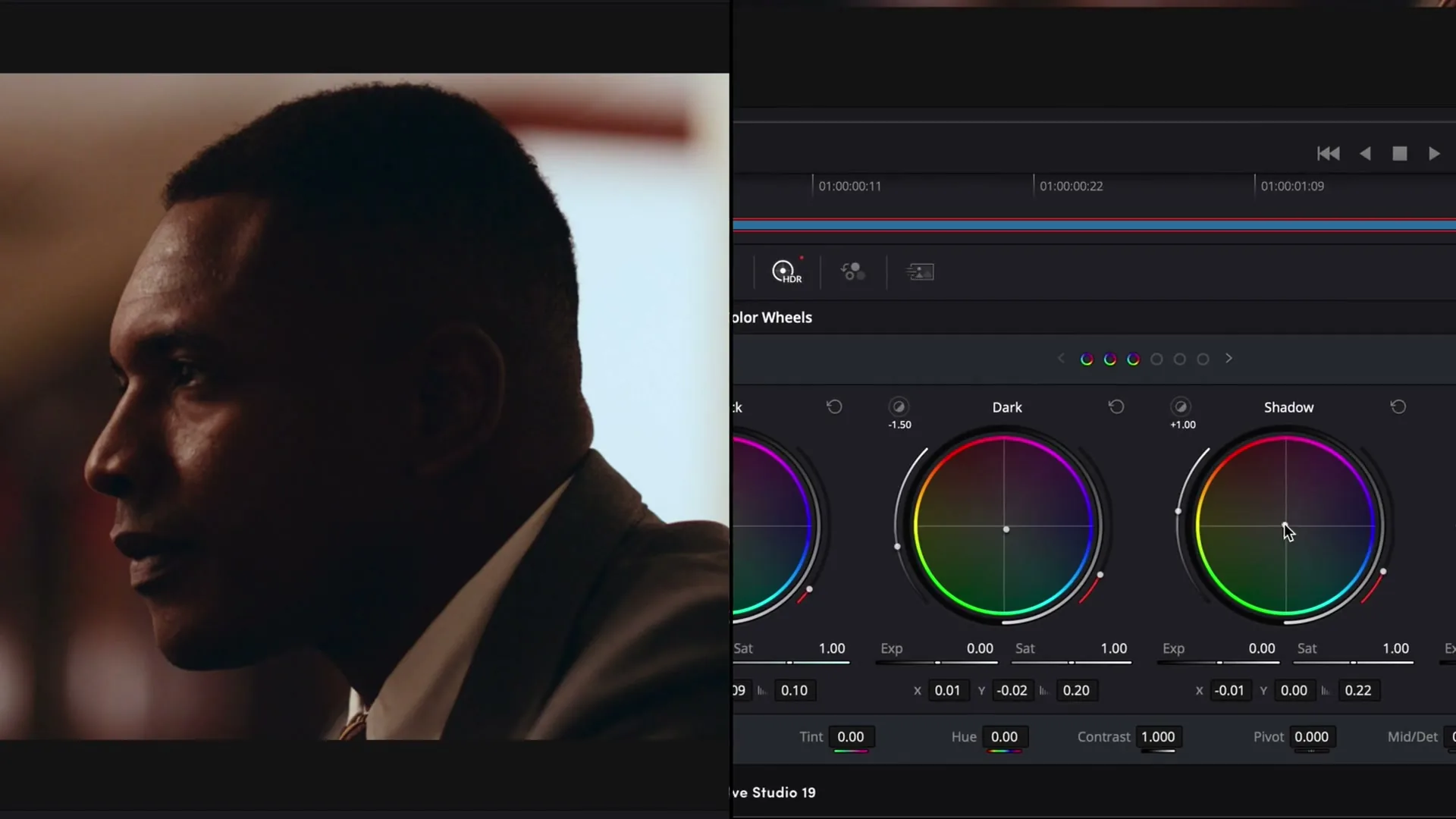
Once the edit is locked, we conform. Conform is the step where the lightweight proxy files the editor cut with get swapped for the full resolution camera originals, matched frame for frame against the locked timeline. It sounds mechanical, and a lot of it is, but it is where quiet disasters hide. A missing frame handle, a mislabeled clip, a speed ramp that did not carry over, any of these can derail a grading day if we find them late.
We pull the online conform carefully because the colorist should be grading the real pixels, not a compressed stand in. Resolution, bit depth, and the original camera color science all matter here, and the industry reference most of our team keeps close is the ACES color management framework, which keeps every camera and display speaking the same language across a long project. A clean conform is the foundation the entire grade sits on.
Primary grading balances every shot
With a conformed timeline, we start with the primary grade. Primaries are the broad strokes. We set exposure, balance the whites and blacks, and neutralize color casts so every shot in a scene sits in the same world. If an actor crosses a room and the window light shifts the whole frame bluer, the primary pass is where we talk those shots back into agreement so the cut feels like one continuous space.
This is the least flashy part of the job and the part that matters most. An audience never notices good balancing, but they feel it the instant it is wrong, when a reverse angle suddenly looks like a different day. We grade shot to shot and then scene to scene, always checking the cut points, because a feature lives or dies on whether the eye can relax and stay in the story.
Secondary grading shapes the eye
Secondaries are where the look gets intentional. Here we work on specific regions of the frame rather than the whole image. We isolate a skin tone and keep it healthy while the rest of the frame goes cold. We hold a window from blowing out, bring up a face sitting in shadow, or push a single wall of neon without staining the actor standing in front of it. Power windows, qualifiers, and tracking all live in this stage.
Secondary work is also how we guide the audience’s attention. The eye goes to the brightest, most saturated point in the frame, so a good grade can quietly steer a viewer toward the thing that matters in a shot without anyone noticing the hand that moved it. Done with restraint, it is invisible. Done heavily, it becomes the style of the film, and either can be right depending on what the story wants.
How is film grading different from a commercial grade?
Scale and endurance. A thirty second spot needs one perfect look held for a handful of shots. A feature needs that same control sustained across thousands of shots, multiple locations, and tonal shifts that have to feel deliberate rather than accidental. The craft is identical. The stamina and the consistency tracking are what change, which is why we approach a film grade as a managed project, not a single session.
HDR and the deliverables puzzle
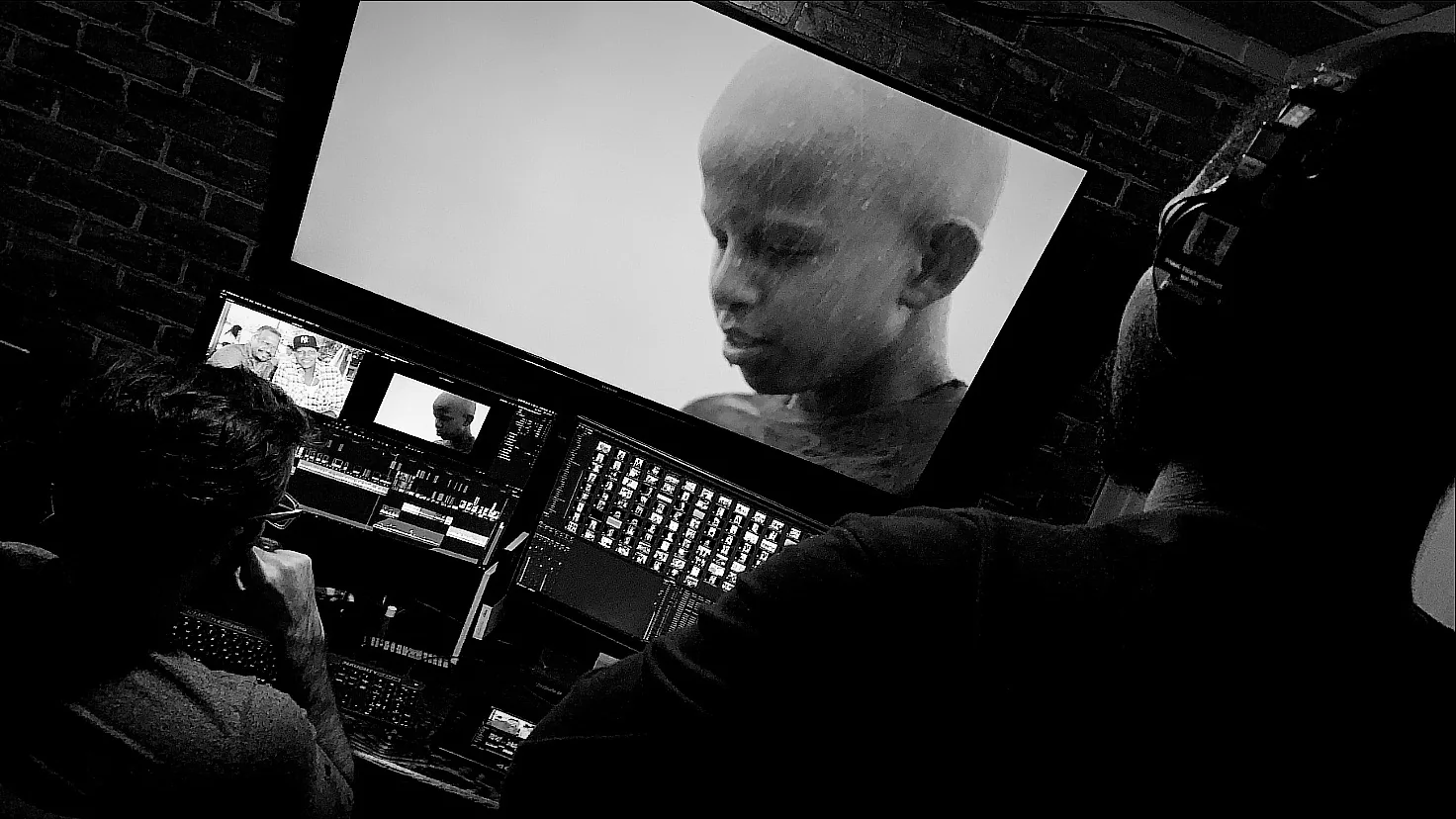
A finished feature is not one file. It is a family of versions, each one graded or trimmed for where it will be seen. We master in high dynamic range first because HDR holds the widest range of brightness and the richest color, and it is far easier to derive a well behaved standard version from a strong HDR master than to work the other direction. The HDR grade is the reference. Everything else is a faithful translation of it.
From that master we build the trims. A theatrical version for the DCP, a standard dynamic range pass for streaming and broadcast, versions mapped to the color space and brightness targets each platform demands. Our reference for display behavior is the long standing work published by the ITU on HDR television standards, which is what keeps the picture predictable across the wildly different screens a film ends up on.
| Grading stage | What it decides |
|---|---|
| Dailies look | Early tone, schedule protection |
| Look development | The film’s overall voice |
| Conform | Full resolution timeline integrity |
| Primary grade | Balance and continuity |
| Secondary grade | Shaping, isolation, attention |
| HDR master and trims | Every delivery version |
Where the grade meets the rest of post
The grade does not happen in a vacuum. It has to cooperate with visual effects shots that arrive late and need to be graded into the plate around them so nothing reads as pasted in. It has to leave room for titles and branding and design elements that sit over picture. On projects with a heavier finishing load, the colorist and the compositors trade versions right up to the final review so the seams never show.
That cross talk is why we keep grading inside the same house as editorial and finishing. When a director changes the look of act three with two days left, the whole chain can respond at once instead of shipping files between vendors and losing a day to every handoff. We have carried that integrated approach through narrative features, brand documentaries, and the photography work that often shares a visual language with the film it supports.
Do you grade on location or only in the studio?
Both, depending on the project. Serious creative grading happens in a calibrated suite where the monitors are trusted and the room light is controlled, because you cannot judge a subtle secondary on a screen you do not trust. But we build looks and review dailies remotely all the time, streaming a graded reference to a director wherever the shoot has taken them. The final sign off, though, we want on a reference monitor every time.
Why this craft is worth the attention
A feature grade is where a film stops being a collection of good shots and becomes a single piece with a point of view. Every stage we have walked through, the dailies, the look, the conform, the primaries and secondaries, the HDR master and its trims, exists to serve that one outcome. Skip or rush any of them and the audience will not be able to name what is off, but they will feel it, and feeling it is enough to pull them out of the story.
If you are planning a feature, a series, or a documentary and you want the color work treated as the storytelling decision it actually is, we would like to hear about it. You can see how grading fits into our wider post production services and the kind of film and TV work we take on, and when you are ready to talk through your project you can start a conversation with our team.