
How Much Does It Cost to Produce a TV Show in 2026?

How Much Does It Cost to Produce a TV Show in 2026?
TV show production costs range from $100,000 per episode for a low-budget reality series to $30 million or more per episode for a premium scripted drama. Most reality shows budget between $100,000 and $500,000 per episode. Scripted network television averages $3 million to $10 million per episode. Prestige streaming series on platforms like Netflix and HBO can exceed $15 million per episode.
This guide breaks down what TV production actually costs across every format, what drives those budgets, and what it takes to get a show from concept to screen.
Want a real number for your own show? Upload your script for an instant budget estimate ↓
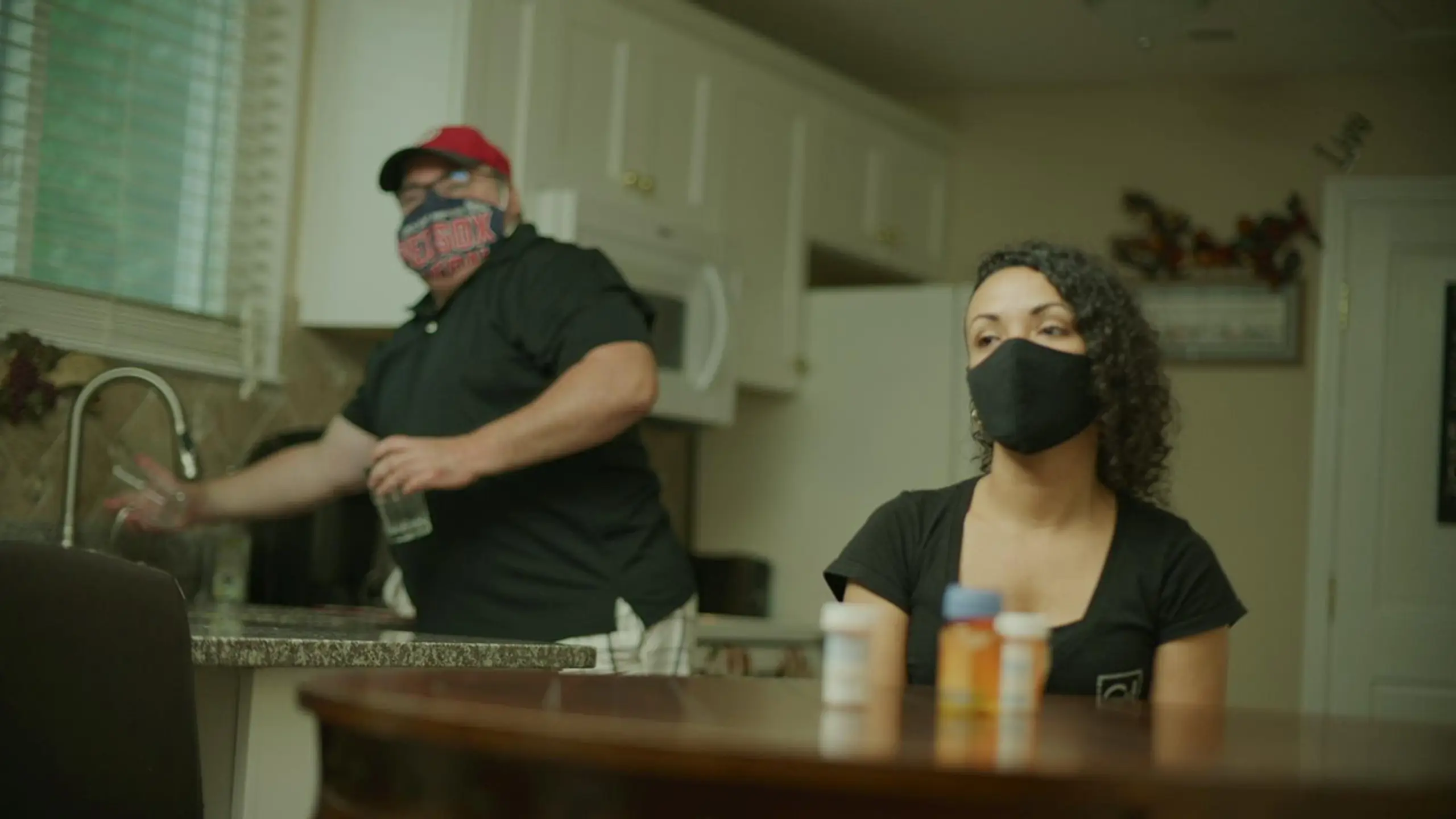
TV Show Production Cost by Format
| Show Format | Cost Per Episode | Season Budget (10 episodes) |
|---|---|---|
| Low-budget reality | $100,000 – $300,000 | $1M – $3M |
| Mid-budget reality / competition | $300,000 – $1,000,000 | $3M – $10M |
| High-budget reality (celebrity cast) | $1,000,000 – $3,000,000 | $10M – $30M |
| Network scripted drama | $3,000,000 – $8,000,000 | $30M – $80M |
| Premium streaming drama | $8,000,000 – $30,000,000+ | $80M – $300M+ |
| Documentary series | $50,000 – $500,000 | $500K – $5M |
| Docuseries (premium) | $500,000 – $2,000,000 | $5M – $20M |
These ranges cover 2026 industry averages. Individual productions vary significantly based on the factors covered below.
Reality TV Production Costs
Reality TV remains the most cost-effective format in television. Without scripted dialogue, union actors, or elaborate sets, reality shows operate at a fraction of scripted production budgets. According to industry data, unscripted shows range from under $100,000 per episode at the low end to around $500,000 at the higher end. Scripted shows, by comparison, average around $9 million per episode.
Why Reality TV Costs Less
Several structural factors keep reality budgets lower than scripted programming. Smaller crews handle production with fewer specialized roles. Writers’ rooms are either minimal or nonexistent. Talent costs are lower because reality casts are not SAG-AFTRA members in most cases. Sets are often real locations rather than custom builds. Many reality productions are nonunion, which further reduces labor costs.
These savings make reality TV attractive to networks as a lower-risk investment compared to scripted programming, where a single season can cost tens of millions before a single episode airs.
What Drives Reality TV Budgets Up
Not all reality TV is inexpensive. The biggest cost variables include:
- Scale of production. A show filming in a single house with fixed cameras costs far less than one requiring travel to multiple countries with full mobile crews.
- Celebrity talent. Cast fees for established personalities can represent the single largest line item. Stars of established franchises now command fees that rival scripted talent.
- Episode count. A 24-episode season costs more than a 10-episode run, though per-episode costs may decrease with volume.
- Location logistics. Filming permits, travel, accommodation, and international production coordination all add cost quickly.
- Post-production. Reality shows generate enormous amounts of raw footage. Editing hundreds of hours down to 42-minute episodes requires large post-production teams working extended schedules.
Real Examples. What Popular Reality Shows Cost
Dancing with the Stars reportedly costs upwards of $1 million per episode. The combination of celebrity talent fees, a live studio audience, elaborate set design, live music, professional choreographers, and multi-camera production drives costs well above typical reality budgets.
The Bachelorette budgets approximately $1 million to $2 million per episode for a full season, with travel and location costs representing a significant portion. A single season can run $8 million to $25 million depending on destinations and production scope.
American Idol at its peak cost approximately $2 million per episode, making it one of the most expensive reality shows in television history. Celebrity judge salaries alone accounted for a substantial portion of the budget.
Low-budget reality like “Intervention” and “Hoarders” operate in the $100,000 to $200,000 per episode range by using small documentary-style crews, real locations, and non-celebrity participants.
Scripted Television Production Costs
Scripted TV operates on a fundamentally different budget scale. Writers’ rooms, professional actors, custom sets, rehearsals, and complex post-production pipelines all contribute to per-episode costs that start in the millions.
Network Television. $3 Million to $8 Million Per Episode
A standard network drama or comedy costs between $3 million and $8 million per episode to produce. This covers a writers’ room of 8 to 15 writers, SAG-AFTRA cast including recurring and guest roles, multi-day shoots per episode with full union crews, standing sets plus periodic location shoots, and post-production including editing, sound mixing, color grading, and visual effects.
Network comedies typically land at the lower end of this range. Single-camera dramas with location shooting and effects work push toward the higher end.
Premium Cable and Streaming. $8 Million to $30 Million+ Per Episode
The streaming wars have dramatically inflated production budgets for prestige television. Platforms like Netflix, HBO, Amazon, and Apple TV+ compete for audience attention with cinematic production values that rival feature films.
Netflix typically spends between $5 million and $15 million per episode for its marquee dramas. The final season of “Stranger Things” reportedly cost approximately $30 million per episode. “The Crown” averaged $13 million per episode across its run.
HBO spent approximately $20 million per episode on the later seasons of “Game of Thrones.” “House of the Dragon” carries a similar per-episode budget.
Amazon invested approximately $58 million per episode for the first season of “The Rings of Power,” making it one of the most expensive television productions in history.
These budgets include everything from location filming across multiple countries to extensive visual effects pipelines with hundreds of artists working for months in post-production.
Documentary Production Costs
Documentary production spans one of the widest budget ranges in television. An independent documentary can be produced for $50,000 to $200,000, while a premium docuseries for a major streaming platform can exceed $1 million per episode.
Independent Documentary. $50,000 to $200,000
A standard independent documentary typically involves a small crew of two to five people, location shooting over several weeks or months, interview-based storytelling, archival footage licensing, and a focused post-production process. This range covers most festival-circuit documentaries and many broadcast-ready projects.
Broadcast Docuseries. $200,000 to $500,000 Per Episode
Network and cable docuseries require higher production values than independent projects. Expect professional cinematography, original music composition, graphics packages, and more polished post-production. Multi-episode series benefit from production efficiencies as the crew, style, and workflow are established early and maintained across the season.
Premium Docuseries. $500,000 to $2 Million+ Per Episode
High-profile documentary series for streaming platforms command budgets that approach scripted television. Extensive archival research, international filming, celebrity narration, original scoring, and sophisticated visual effects all contribute to the higher cost. Series like Netflix’s nature documentaries and HBO’s investigative docuseries operate at this level.
What Drives TV Production Budgets
Regardless of format, the same core factors determine where a production falls within its budget range.
Talent and Cast
Talent fees represent the single most variable line item in any television budget. A reality show with unknown participants pays minimal cast fees. A late-night show with celebrity guests negotiates appearance fees. A scripted drama with A-list leads pays millions per episode in cast salaries alone. Union requirements (SAG-AFTRA, WGA, DGA) add mandatory minimums, residuals, and benefits contributions.
Crew Size and Duration
A reality crew of 15 to 30 people filming over 4 to 8 weeks costs substantially less than a scripted crew of 100 to 200 people working 8 to 10 months. Overtime, weekend premiums, and location moves all multiply crew costs beyond base day rates.
Locations and Sets
Studio-based shows benefit from predictable costs and controlled environments. Location-dependent shows face permits, travel, accommodation, security, and weather delays. Custom set construction for scripted shows can cost hundreds of thousands of dollars per standing set, with modification costs for each episode adding further expense.
Post-Production
Post-production timelines vary dramatically by format. A reality episode with minimal effects might complete post in 2 to 3 weeks. A VFX-heavy scripted episode can require 4 to 6 months of post-production work across editing, visual effects, sound design, color grading, and scoring. The post-production budget for a single episode of a show like “The Mandalorian” can exceed the total production budget of an entire season of a reality show.
Distribution and Platform
Where your show airs affects what it needs to cost. Broadcast networks require broadcast-standard technical specifications but have established advertising revenue models. Streaming platforms often demand higher production values because they compete on visual quality. Local and regional broadcasts operate at lower technical thresholds with correspondingly lower budgets.
How Much Does It Cost to Make a Show on Netflix?
Netflix has become the benchmark for premium television production, and their budgets reflect that position. The platform’s original programming spans an enormous range from reality formats costing a few hundred thousand per episode to prestige dramas exceeding $30 million per episode.
Netflix Reality and Unscripted. $500,000 to $3 Million Per Episode
Netflix’s reality slate includes competition shows, dating series, and lifestyle programming. Shows like “The Circle” and “Love Is Blind” operate at the lower end of this range with controlled environments and minimal location costs. More ambitious productions like “Squid Game: The Challenge” (the reality adaptation of the scripted hit) push into the multi-million dollar range with elaborate set builds, large contestant pools, and complex production logistics.
Netflix Scripted Drama. $5 Million to $30 Million Per Episode
Netflix’s scripted originals operate at feature-film budgets. A standard Netflix drama series runs $5 million to $10 million per episode for a first season, with budgets increasing in later seasons as cast salaries renegotiate upward. Breakout hits command premium budgets: “Stranger Things” reportedly reached $30 million per episode for its final season, driven by cast salaries, extensive VFX work, and multi-location international filming.
Netflix Documentary. $200,000 to $2 Million Per Episode
Netflix’s documentary programming ranges from investigative true crime series at the lower end to ambitious nature documentaries with multi-year filming schedules at the higher end. “Our Planet” and similar nature series require years of filming across dozens of countries with specialized camera equipment, resulting in per-episode costs that approach scripted television levels.
Getting Your Show on Netflix
Netflix does not accept unsolicited pitches. The standard path is through a production company or agent with an existing relationship with the platform. A polished proof of concept, a clear audience thesis, and a production partner with a track record are the minimum requirements to get a pitch meeting. This is where working with an established production company provides a structural advantage over independent creators attempting to pitch directly.
How Much Does It Cost to Produce a Commercial for TV?
Television commercials operate on a separate budget framework from episodic television, but the question frequently comes up alongside TV show production costs.
A regional TV commercial costs $12,000 to $35,000 to produce. A national broadcast commercial runs $50,000 to $500,000+ depending on talent, locations, and post-production complexity. Distribution costs (airtime) are separate: a single national spot averages approximately $115,000 to air, while a Super Bowl spot exceeds $7 million for 30 seconds.
For a detailed breakdown of commercial production costs across every budget tier, see our complete guide: How Much Does Commercial Video Production Cost in 2026?
How to Produce Your Own TV Show
Whether you are developing a reality concept, a docuseries, or a scripted pilot, every television project follows the same fundamental path from idea to screen.
Start With a Strong Concept and Treatment
A TV show treatment is a written document that outlines your concept, target audience, format, episode structure, and unique angle. This is the document that networks, streaming platforms, and production partners use to evaluate whether your show is worth developing. A compelling treatment is specific, not generic. It answers why this show, why now, and why this audience.
Develop a Proof of Concept or Pilot
Most buyers want to see footage before committing to a full season. A proof of concept (sometimes called a sizzle reel or presentation pilot) demonstrates the show’s look, tone, and characters in 5 to 15 minutes. This is significantly less expensive than a full pilot episode and gives buyers enough to make a decision.
Proof of concept budgets typically range from $10,000 to $75,000 depending on production complexity. A reality sizzle reel with a small crew can be produced at the lower end. A scripted presentation pilot with actors, sets, and post-production pushes toward the higher end.
Build the Right Production Team
Television production requires specialized expertise that differs from commercial or corporate video work. A showrunner manages the creative and logistical entirety of the production. Line producers manage day-to-day budgets and schedules. Experienced crew members who understand the pace and demands of episodic production keep shoots efficient and on budget.
Secure Distribution
Distribution options have expanded beyond traditional broadcast networks. Streaming platforms, cable networks, digital-first channels, and even branded content series all represent viable paths to getting a show in front of audiences. The right distribution partner depends on your content, your audience, and your production budget.
How C&I Studios Works With TV Production
C&I Studios has produced television content since 2006, including reality programming, documentary series, and branded television content for clients across every major industry. Our 30,000 square foot Los Angeles production facility provides the infrastructure for studio-based television production, and with offices in Fort Lauderdale and New York City, we facilitate productions in any location in the US and across the globe.
We work with creators and brands at every stage of the television development process. If you have a concept that needs a proof of concept or sizzle reel, we produce presentation materials designed to get buyers interested. If you have a green-lit series that needs production infrastructure, we bring the crew, equipment, and facilities to execute at the quality level your distribution partner expects.
Our client roster includes work for major networks and Fortune 500 brands including Nike, Coca-Cola, AT&T, NBC, and the NFL. That experience translates directly into television production: we understand broadcast standards, union requirements, multi-episode workflows, and the logistical demands of episodic content.
We scope every project individually based on creative objectives, format, episode count, and distribution goals. We are direct about budgets from the first conversation because television production is too expensive to build plans on unclear numbers.
Start Your TV Project
Whether you are developing a reality concept, pitching a docuseries, or producing a branded television series, the first step is the same: a conversation about your concept, your audience, and your budget.
Reach out to the C&I Studios production team to start that conversation. We will give you an honest assessment of what your project needs, what it will cost, and the most efficient path from concept to screen.
Budgeting a production of your own? Our video production services team scopes TV, commercial, and branded projects with flat per-project pricing — the fastest way to turn these numbers into a real plan.
Work with C&I Studios
If you are planning a project like this, our team can take it from concept to final delivery. Explore our film and TV production, browse our work to see how we tell brand stories, and get in touch when you are ready to start.