
What a Photography Retouching Workflow Looks Like
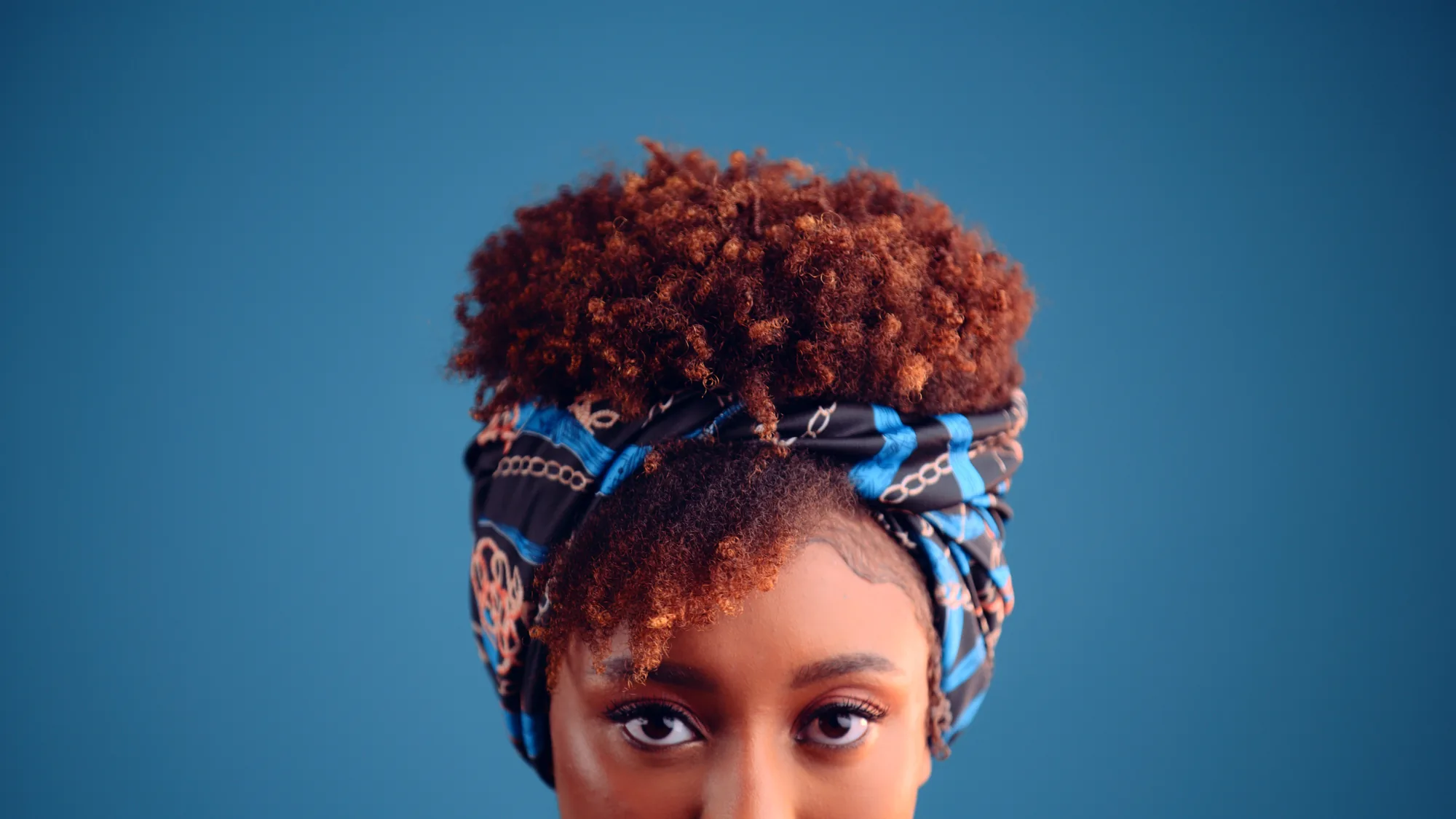
People picture retouching as one glamorous moment where a face gets smoothed and a sky turns blue. Inside our studio the real photo retouching workflow is far more boring and far more valuable than that. It is a chain of small, repeatable decisions that starts the second a card comes off a camera and ends when a client opens a folder that looks exactly the way the brand is supposed to look. The glamour is in the consistency, not the sorcery.
We shoot across the country from a 30,000 square foot stage in Los Angeles and offices in Fort Lauderdale and New York, so a single campaign might arrive from three cities and four photographers in one week. If every image went through its own improvised cleanup, nothing would match. The workflow exists so a Celsius can opener shot in LA and a Thundr lifestyle frame captured in New York feel like they came from the same hand. Here is how the pipeline actually runs once the shooting stops.
It starts with the cull, not the cleanup
Before a single pixel gets touched, somebody has to decide which frames are worth touching. We call this the cull, and it is the least talked about and most important step in the whole thing. A tight commercial shoot can hand us two thousand raw files. A longer brand day can hand us many thousands more. Retouching all of them would be a waste of everyone’s time, so the first pass is ruthless.
A lead editor goes through every frame and rates them in a single sitting, flagging the sharp ones, killing the blinks, and grouping near duplicates so the client is choosing between the best three versions of a pose rather than drowning in thirty. This is the same discipline our team brings to post production services on the motion side, where selecting the right take early saves days later. A clean cull is what keeps the rest of the retouching workflow fast, because every hour spent here is five hours saved downstream. We tag as we go, so later, when the client asks for the one with the slightly turned shoulder, nobody has to scroll for twenty minutes.
Color comes before anyone touches a face
The next pass is global color and tone, and we do it before any detailed cleanup for a simple reason. If you smooth skin and then change the white balance, you have to redo the smoothing. So we set the foundation first. Working from the raw files, an editor sets white balance against a reference card shot on set, balances exposure across the selects so the whole set reads as one body of work, and locks the overall look the client signed off on.
This is where a shoot either holds together or falls apart. Brand color is not a suggestion. If a client’s blue has a hex value, the product in the frame needs to land on that blue in every image, under studio strobes and window light alike. Our editors pull from the same color targets our branding and graphic design team uses, so the photography and the layouts speak the same language. When H&M garments move from a rack to a page, the gray of the wall should not drift warm in one frame and cool in the next.

Cleanup is where patience earns its keep
Once color is locked, we move into cleanup, the part most people imagine when they hear the word retouching. Dust on a seamless backdrop, a stray hair across a model’s cheek, a scuff on a product, a reflection of the softbox in a glossy surface. None of it is glamorous. All of it is the difference between an image that reads clean and one that reads amateur.
We work non destructively, which means every removal and every adjustment lives on its own layer and can be dialed back without touching the original capture. A junior editor handles the first sweep of obvious distractions. A senior retoucher then reviews and takes on the harder calls, the ones that need judgment rather than a healing brush. The goal is an image that looks like nothing happened to it, which is harder than making one that looks heavily worked.
How much cleanup is too much
The honest answer is that it depends on the brief, and we settle it with the client before we start rather than guessing after. A beauty campaign and a documentary portrait have opposite tolerances. One wants polish, the other wants truth. We would rather have that conversation on day one than walk back fifty images because the skin looks like plastic.
Skin work that still looks like skin
Skin retouching has a bad reputation, and it earned it. For years the default was to blur a face into a mannequin. We do not do that. The technique our retouchers use keeps the natural texture of skin intact while evening out tone and removing genuinely temporary things, a blemish that was not there last week, a patch of redness from the lights, a flyaway that caught a shadow.
The principle is subtraction of distraction, not manufacture of perfection. A portrait should still look like the person who sat for it. This matters even more for the founder and executive work we shoot, where a professional photography session is meant to make someone recognizable, not uncanny. If a colleague cannot tell it is the same person from their desk, we went too far.
We also respect that a face is not a product. There is an ethics line here that good studios hold. We will remove the coffee stain. We will not reshape a body or a jaw unless a client explicitly asks and understands what they are asking for. The American Academy of Dermatology has written plainly about how far altered images have drifted from reality, and we would rather be on the honest side of that line.
Product truth is a promise, not a filter
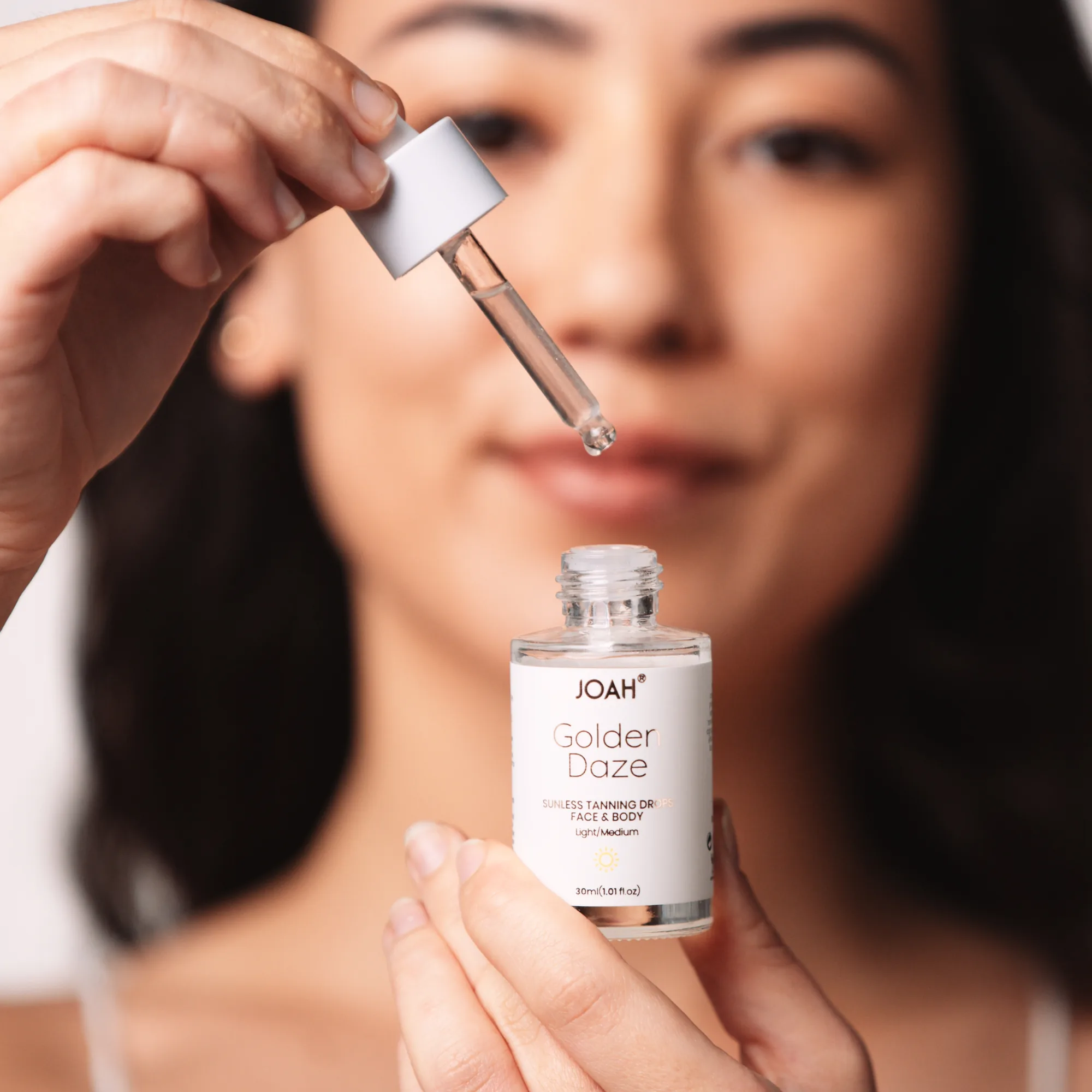
When we retouch a product, the rule is simple. The thing in the frame has to be the thing that shows up on the customer’s doorstep. We will clean the dust, kill the fingerprint, and fix the lighting hotspot that the set could not avoid. We will not invent a color the product does not come in or sand away a texture the buyer will feel in their hand.
This is where retouching crosses into trust. A Hubble lens shot that looks flawless but misrepresents the coating does nobody any favors, least of all the brand that has to field the returns. So our editors keep the real sample on the desk, physically, and check the screen against it. It is the same standard we bring to video production, where a product on camera has to match the product in the ad. Shadows get the same honesty. A floating product with a fake drop shadow reads as a stock image, so we build grounded, plausible shadows that tell the eye the object has weight and sits in a real place.
Consistency across a whole set
Here is the step that separates a studio from a freelancer with a laptop. Any decent editor can make one image look great. Making two hundred images look like siblings is the hard part, and it is what clients notice without knowing why. When a KISS merchandise grid loads on a page, every tile needs the same crop logic, the same background value, the same shadow direction, or the whole page feels off even when no single image is wrong.
We handle this with shared settings and a reference frame. One image is finished first and approved as the look, then its color, crop, and cleanup standards become the template every other image in the set is matched against. An editor does not reinvent the approach per frame. They apply an agreed recipe and only deviate where a frame genuinely demands it. This is why our studio rentals and in house shoots feed so cleanly into the retouching stage. The lighting was consistent on set, so the pixels are easy to keep consistent after.
Review, revisions, and the second pair of eyes
Before anything reaches a client, it passes a review that the original editor does not control. A second retoucher checks the set at full resolution, hunting for the things a tired eye misses, a cloned patch that repeats, a mask edge that halos, a color that drifted on one frame. We zoom to one hundred percent because screens lie at fit to window, and a flaw that is invisible small becomes obvious the moment an art director opens it large.
Then the client gets a round. We expect revisions and we build time for them, because the brief on paper and the brief in someone’s head are never quite the same thing. A good revision round is cheap insurance, and we would rather hear the note now than read it in a comment thread after launch.
Delivery that respects where the images are going
The last step is the one amateurs skip. An image bound for a billboard, a social feed, and a product page are three different files, and handing a client one giant export is not delivery. We size, sharpen, and format for the destination. Web images get compressed and color profiled for screens. Print files hold their resolution and color space. Social crops get built to the aspect ratios each platform actually wants.
We deliver in an organized structure with clear names, so the person on the brand side can find the hero shot without opening forty files. Good file naming is the difference between a client who hires us again and one who spends an afternoon renaming things and quietly resents it. If the work feeds a site build, our web development team gets assets already optimized for load speed, which is one less fight between beauty and performance later.
Where retouching sits in the bigger picture
Retouching is one link in a longer chain, and it works best when the links before it were strong. A clean capture on a well lit set is easier to finish than a rescue job, which is why so much of our quality lives upstream in planning and lighting. The same logic runs through our film and TV production and our documentary work, where the edit can only be as good as the footage it was handed.
Let’s make your images match your brand
A retouching workflow is not a secret sauce, it is a set of habits practiced until they are invisible. Cull hard, color first, clean with patience, keep skin honest, keep products true, match the whole set, check it twice, and deliver it ready to use. That is the whole game, and it is the reason a C&I gallery holds together whether it was shot in Los Angeles, Fort Lauderdale, or New York. If you have a campaign that needs to look like one voice across hundreds of frames, we would love to talk through what you are building and show you how the pipeline would handle it.