Delray Beach Recovery Center
Recovery Told by the Man Who Lived It
Delray Beach Recovery Center needed a piece that could reach someone considering treatment without sounding like an advertisement for it. The answer was to stop talking about recovery in the abstract and let one person describe his own.
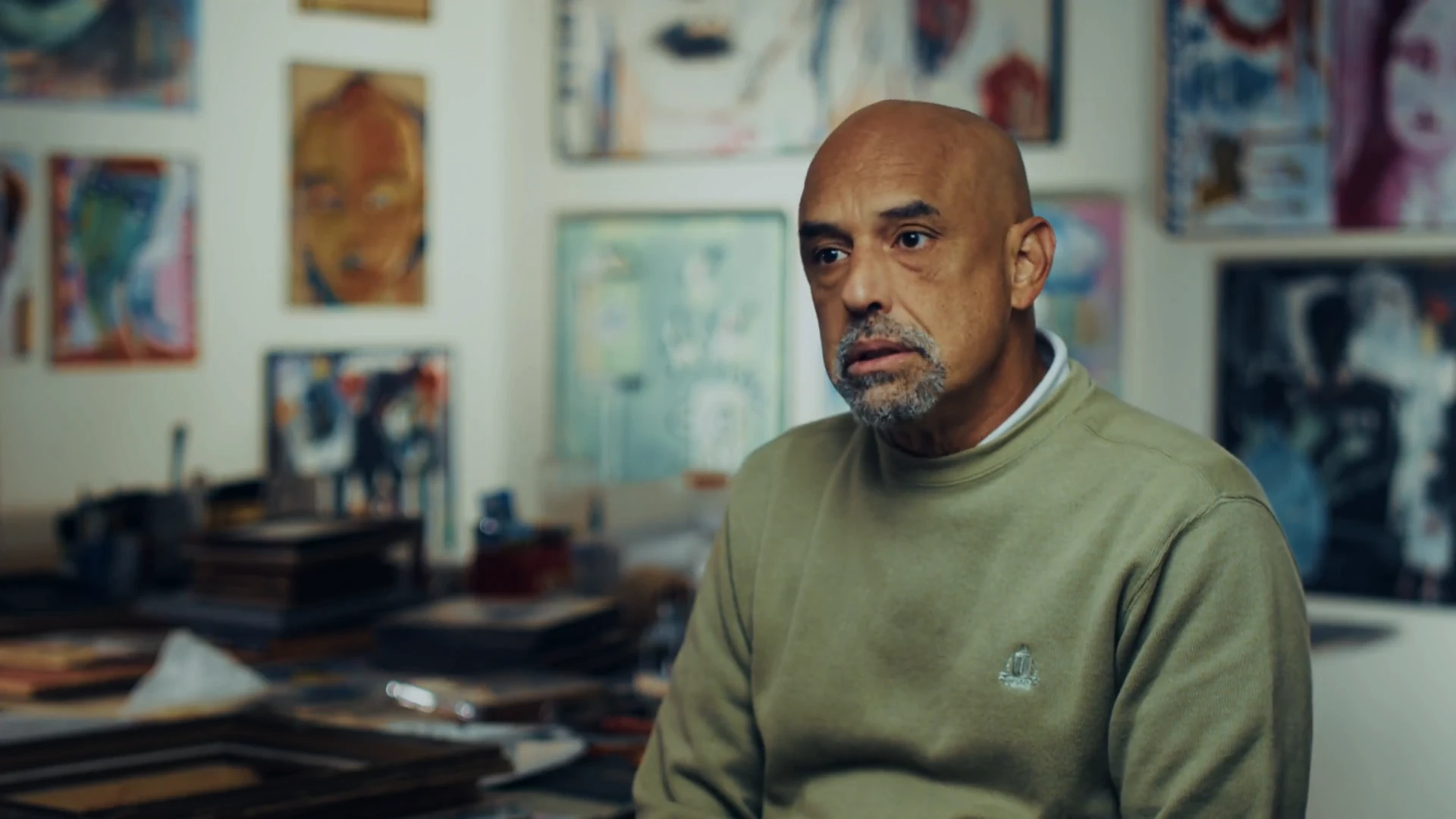
We produced an interview with a man in long term recovery from heroin addiction who is also a cancer survivor, and we filmed him where his life happens now, in the studio where he paints and along the mural walls of the Boynton Beach Art District where his work sits on the buildings. He talks about the art, about what recovery actually asked of him, and about the steps that turned painting into a business he runs.
Delray Beach Recovery Center
Recovery Told by the Man Who Lived It
Delray Beach Recovery Center needed a piece that could reach someone considering treatment without sounding like an advertisement for it. The answer was to stop talking about recovery in the abstract and let one person describe his own.
We produced an interview with a man in long term recovery from heroin addiction who is also a cancer survivor, and we filmed him where his life happens now, in the studio where he paints and along the mural walls of the Boynton Beach Art District where his work sits on the buildings. He talks about the art, about what recovery actually asked of him, and about the steps that turned painting into a business he runs.

The Interview Carried the Film
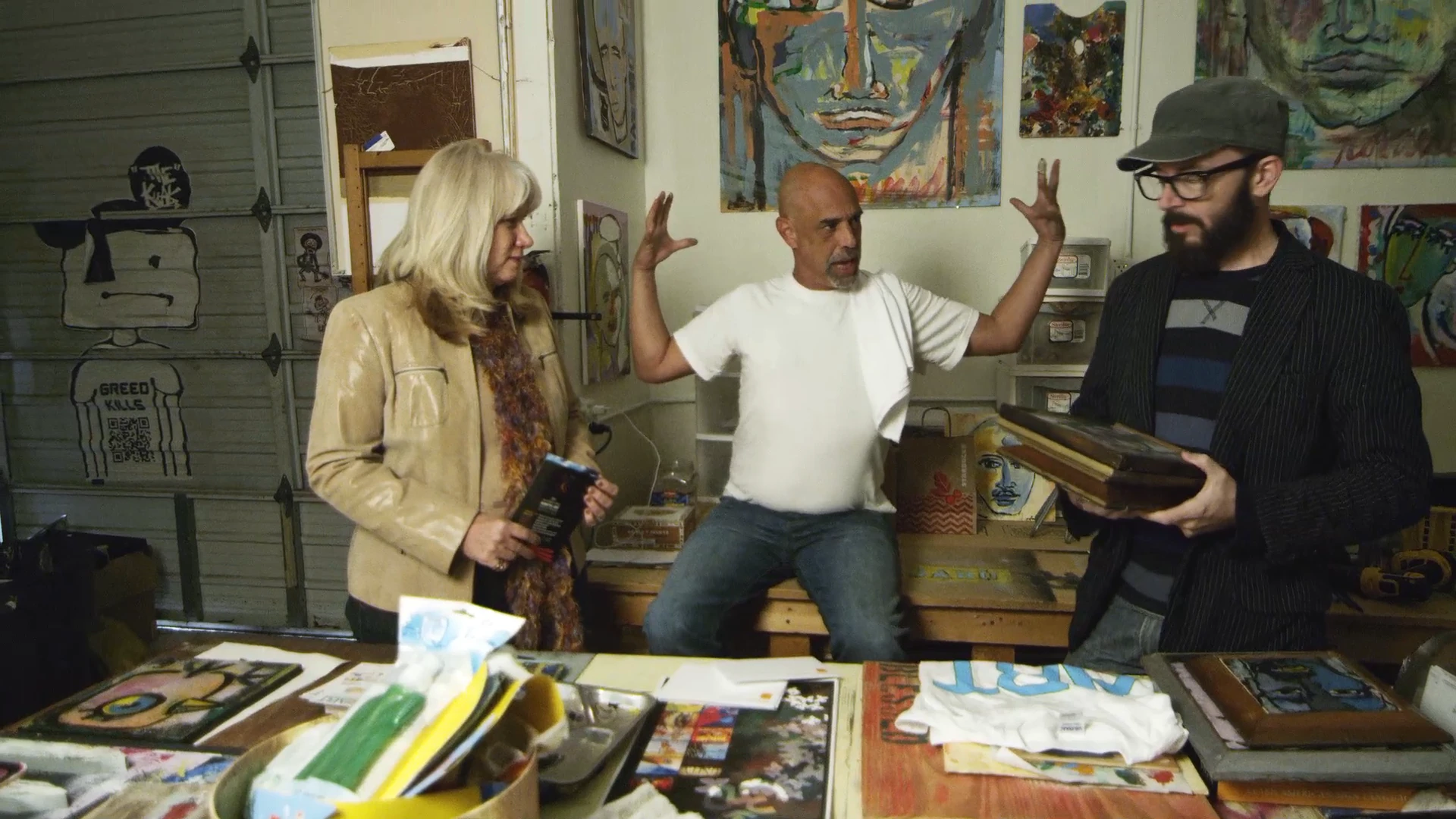
We built the film around one subject and one room, then followed him back to the work he does now. He sits in the middle of his own paintings, so the room does half the introducing before he says anything.
We covered him wide enough to hold the work behind him and tight enough to stay with him when the story turned. It runs a little over two minutes and holds on him long enough for the story to carry itself. The b roll answers what he says rather than decorating it.
Filmed Where the Work Happens
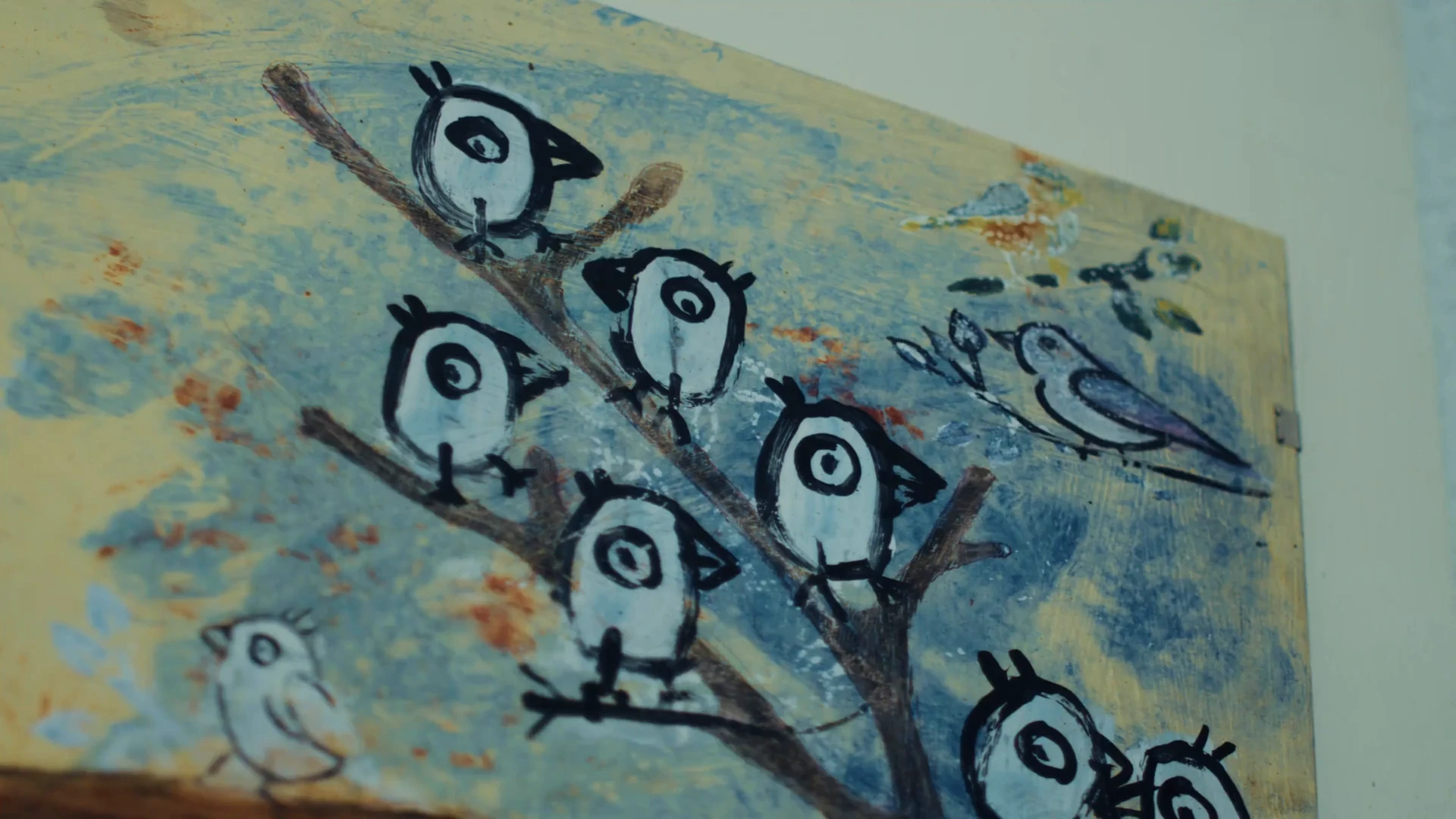
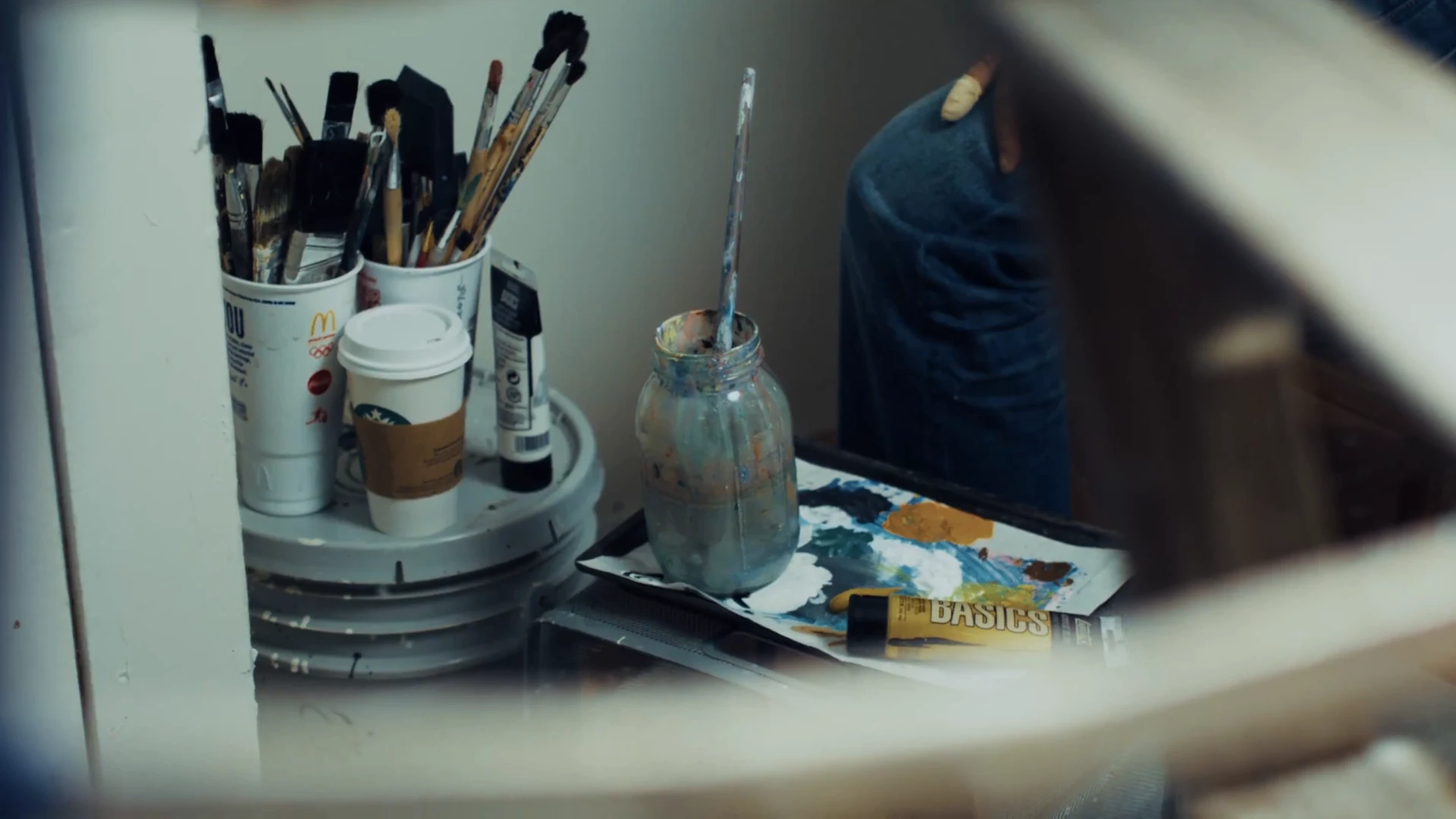
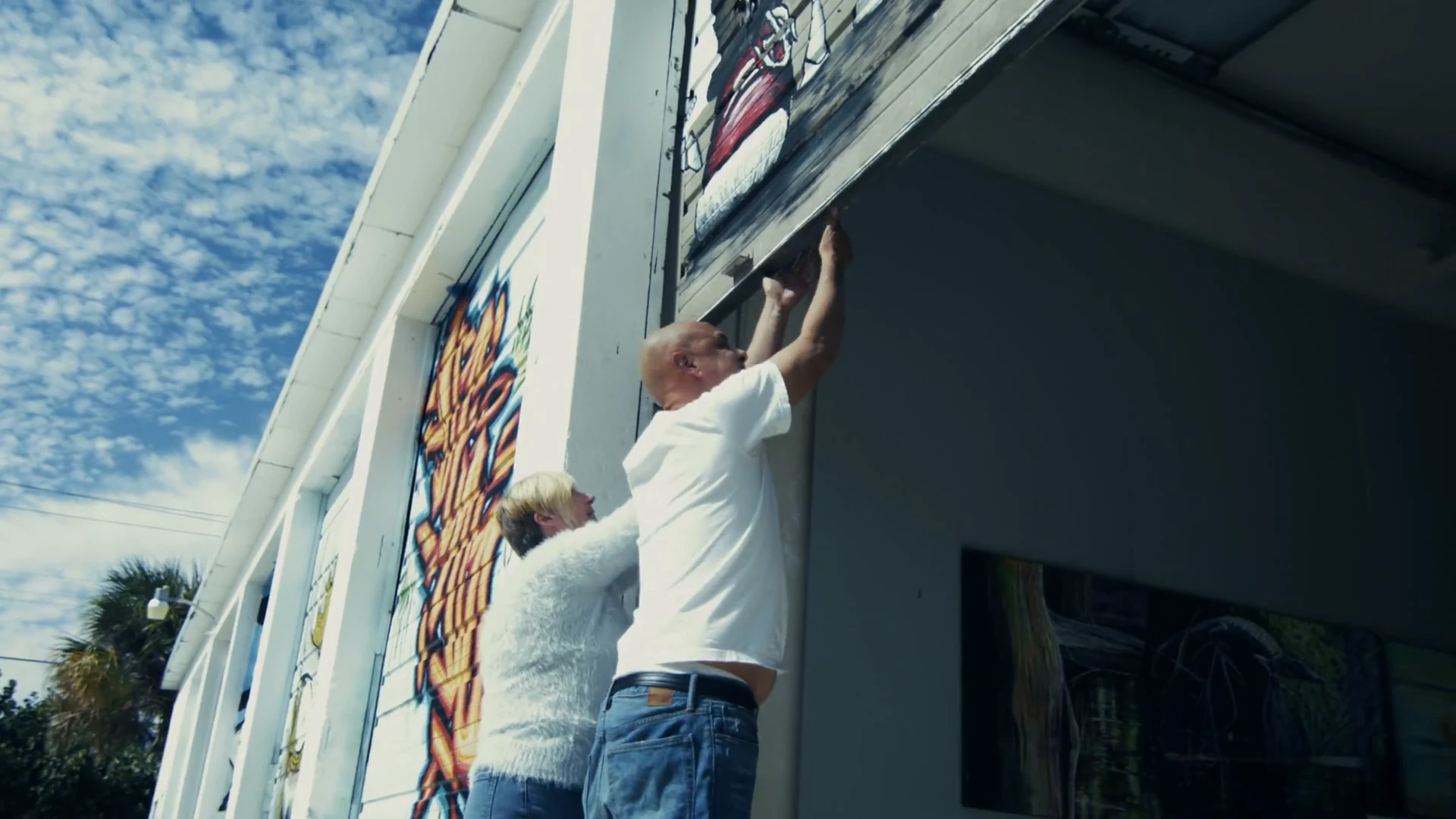
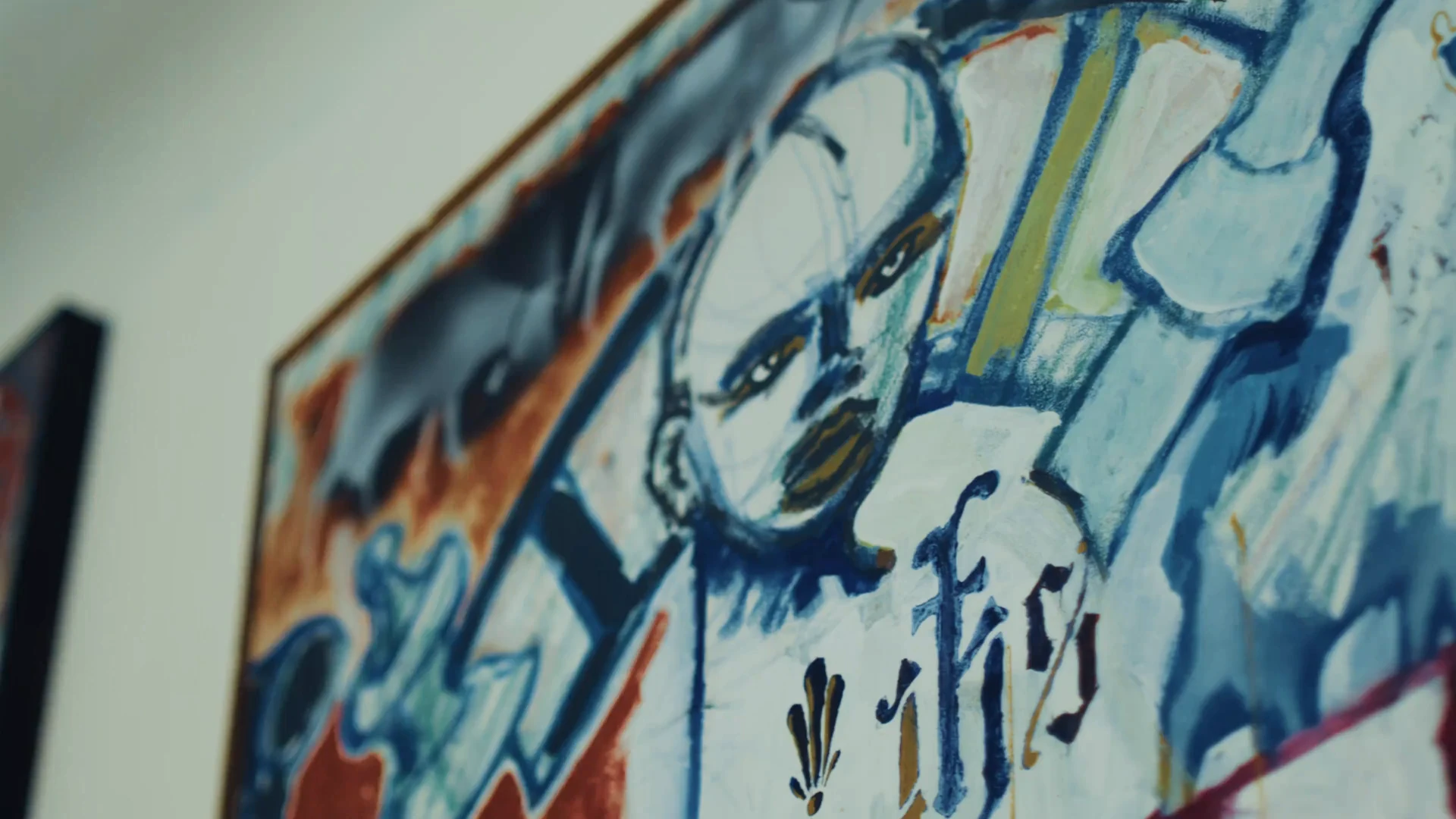
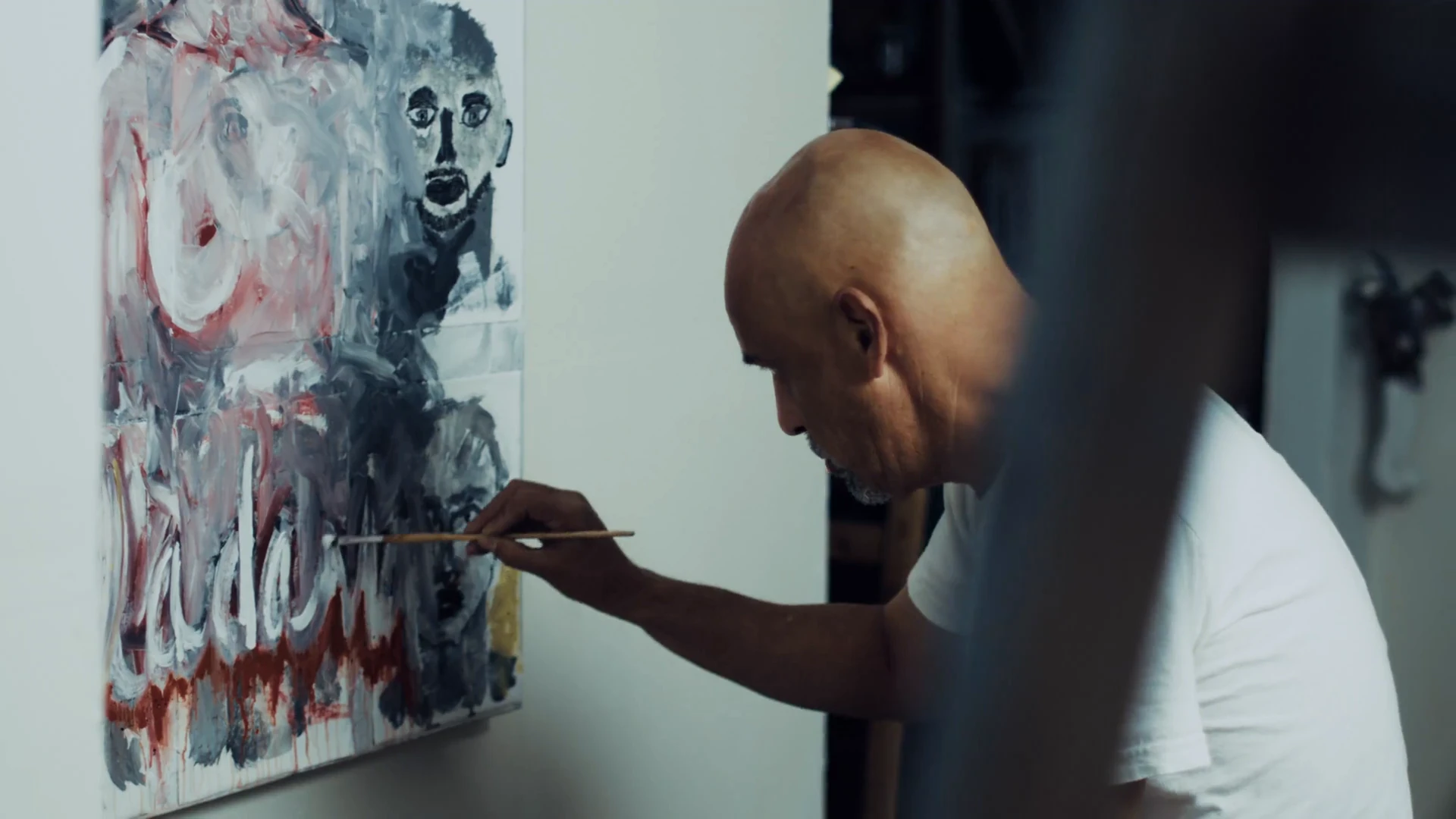
The b roll was shot in the same places he describes on camera. Brushes and jars on the work cart, canvases leaning against the studio wall, a bay door in the art district getting a new face.
Some of it runs in black and white, which takes the noise out of a room where every wall is a different color and leaves the face and the hands. There is a stretch of visitors going through stacked canvases with him, which is the quiet part of the story and closer to the point than any of the painting shots.
Filming the work instead of staging it kept the piece honest, and it gave the edit somewhere to go every time the interview needed room to breathe.
Filmed Where the Work Happens
The b roll was shot in the same places he describes on camera. Brushes and jars on the work cart, canvases leaning against the studio wall, a bay door in the art district getting a new face.
Some of it runs in black and white, which takes the noise out of a room where every wall is a different color and leaves the face and the hands. There is a stretch of visitors going through stacked canvases with him, which is the quiet part of the story and closer to the point than any of the painting shots.
Filming the work instead of staging it kept the piece honest, and it gave the edit somewhere to go every time the interview needed room to breathe.

The Studio and the Murals
The second film stays with the work instead of the conversation. It runs forty nine seconds and came from the same shoot, so the studio in it is the studio he describes on camera and the bay doors are the ones his name is already on.
Most of it is close. A brush loading paint, a hand moving across paper, the wet edge of a canvas before it dries flat. Those were covered separately from the wide shots so the cut could move between the two rather than sit at one distance the whole way through. A few passages drop to black and white, which pulls attention off the color of the paintings and onto the making of them.
It works as its own deliverable. Short enough to run on social without a setup in front of it, and specific enough that somebody who has never met him understands what he does. Getting that across in under a minute is usually the harder half of a piece like this.