Progress Georgia
Behind Every Statistic Is a Neighbor
Progress Georgia engaged C&I Studios to produce a short documentary about what the rising cost of groceries, rent, healthcare and utilities looks like inside real households in Southwest Georgia. The film had to put faces and voices to numbers that usually arrive as charts, and it had to do that without speaking for the people in it.
We handled the documentary video production from start to finish. Development and research, outreach to residents and local organizers, scouting and scheduling across Camilla and Albany, the interviews and b roll on location, and a full post production pass that brought the stories, the data and the archival material together into a thirteen minute film.
Progress Georgia
Behind Every Statistic Is a Neighbor
Progress Georgia engaged C&I Studios to produce a short documentary about what the rising cost of groceries, rent, healthcare and utilities looks like inside real households in Southwest Georgia. The film had to put faces and voices to numbers that usually arrive as charts, and it had to do that without speaking for the people in it.
We handled the documentary video production from start to finish. Development and research, outreach to residents and local organizers, scouting and scheduling across Camilla and Albany, the interviews and b roll on location, and a full post production pass that brought the stories, the data and the archival material together into a thirteen minute film.
Finding the Stories
A film about the cost of living only works if the people on screen are living it, so the project began with research and relationships rather than a shot list. We studied the data for Southwest Georgia, then worked with local organizers to reach residents who were willing to talk openly about their budgets, their health and their families.
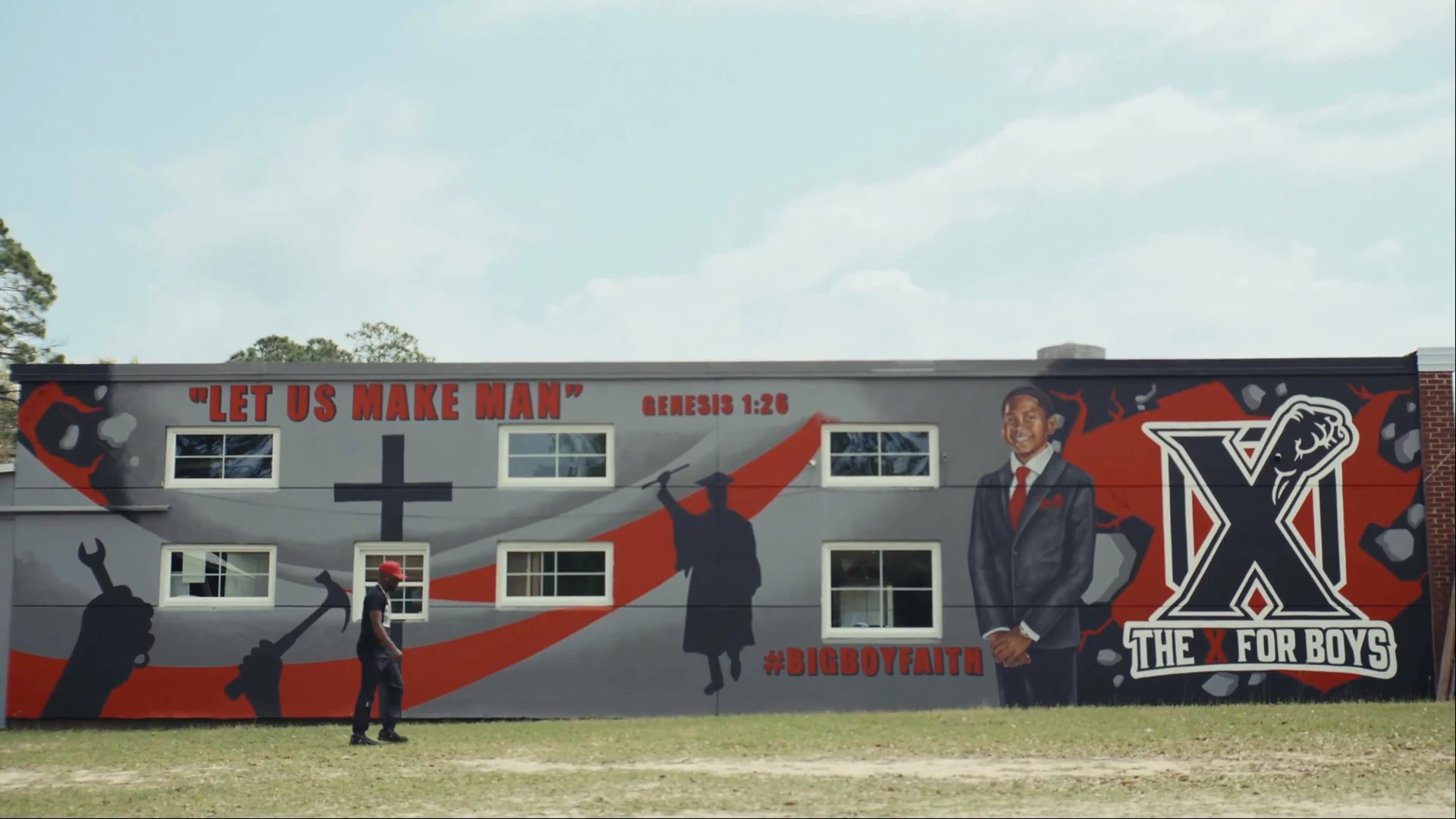
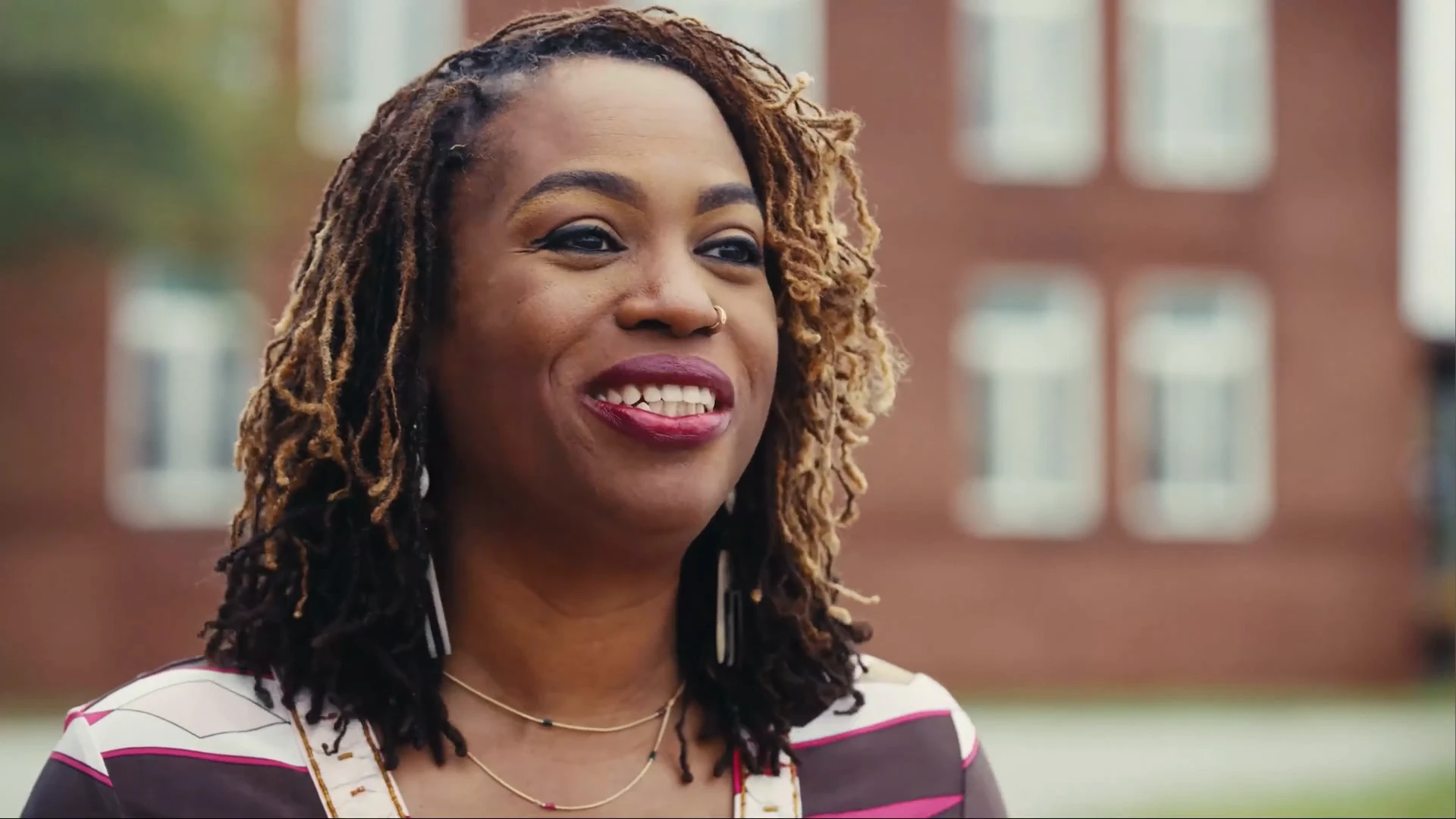
The stories came from Camilla and Albany. Longtime residents, a former Camilla city councilman, the cofounder and executive director of SOWEGA Rising, and a young mentor from The X For Boys each brought a different angle on the same pressure, and each one shaped where the camera needed to be.
Scouting followed the interviews rather than the other way around. We mapped the homes, porches, streets and community spaces that each person described, scheduled the shoot around their days, and planned the coverage so every conversation could be filmed where that person actually lives and works.
Finding the Stories
A film about the cost of living only works if the people on screen are living it, so the project began with research and relationships rather than a shot list. We studied the data for Southwest Georgia, then worked with local organizers to reach residents who were willing to talk openly about their budgets, their health and their families.
The stories came from Camilla and Albany. Longtime residents, a former Camilla city councilman, the cofounder and executive director of SOWEGA Rising, and a young mentor from The X For Boys each brought a different angle on the same pressure, and each one shaped where the camera needed to be.
Scouting followed the interviews rather than the other way around. We mapped the homes, porches, streets and community spaces that each person described, scheduled the shoot around their days, and planned the coverage so every conversation could be filmed where that person actually lives and works.

Filmed Where Life Happens
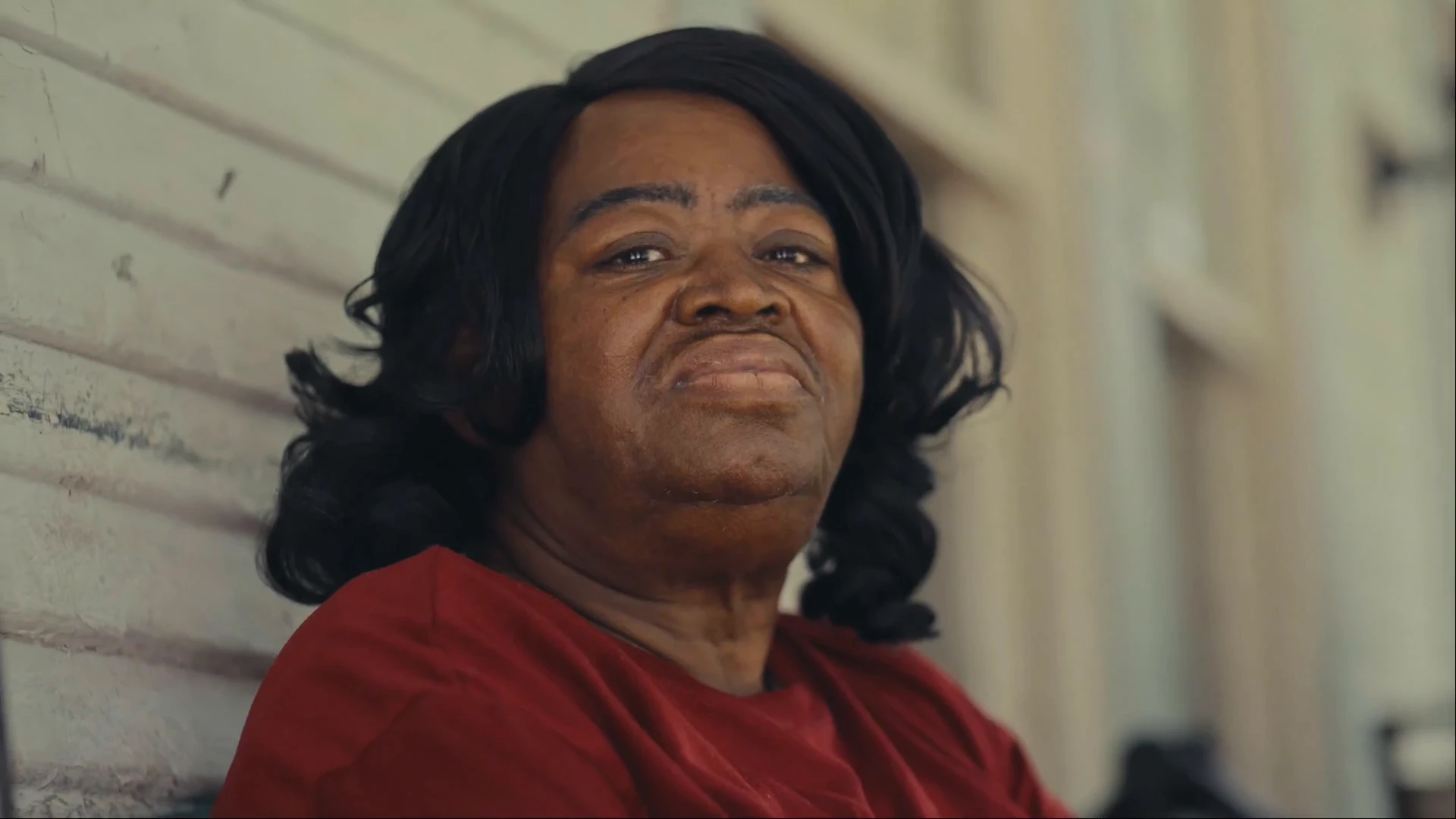
Every interview was filmed on location, in living rooms, kitchens, front porches and community buildings across Camilla and Albany. Natural window light and practical lamps kept each room looking like the home it is, and the camera stayed at a respectful distance so the conversations could run long and honest.
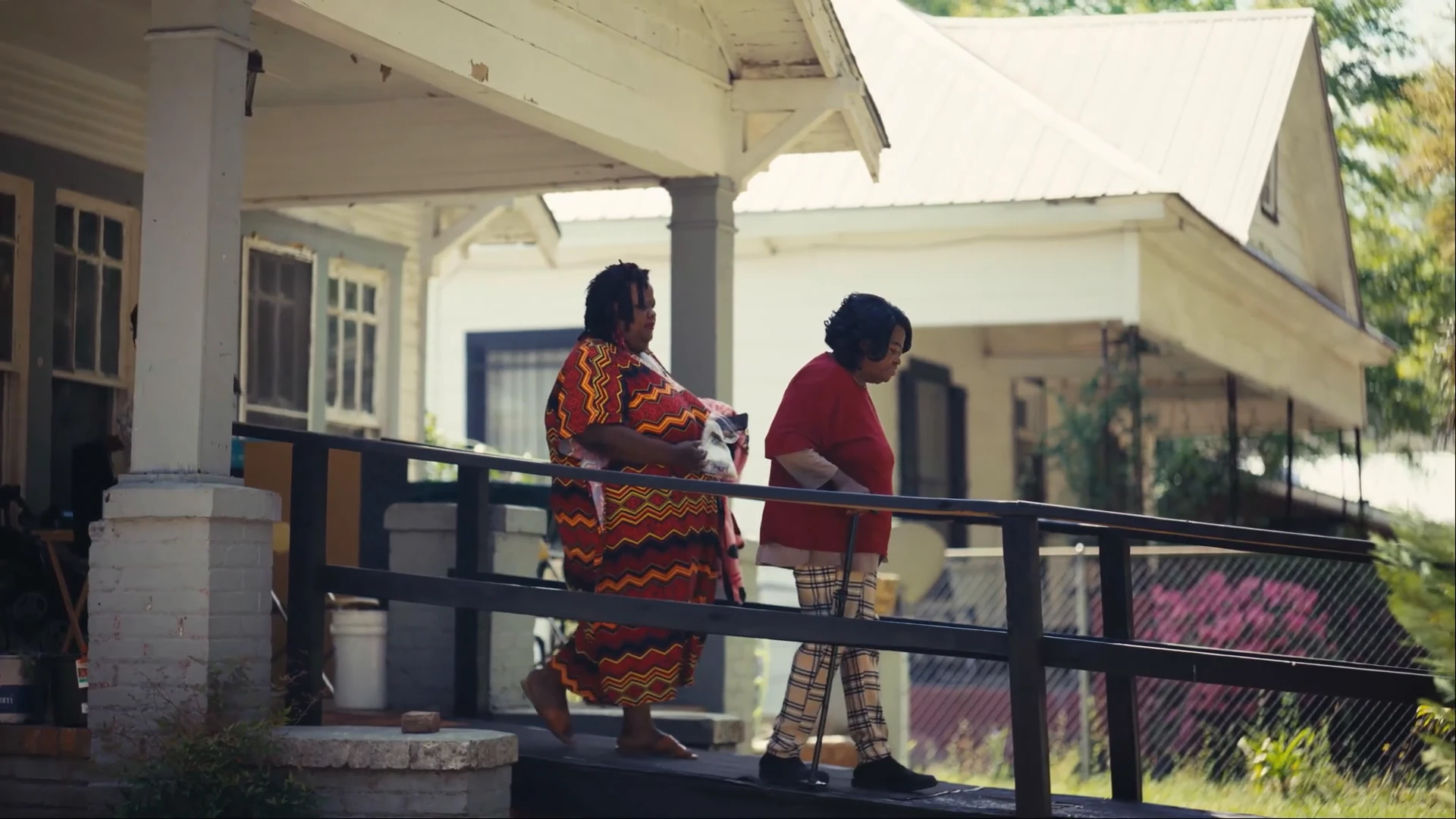
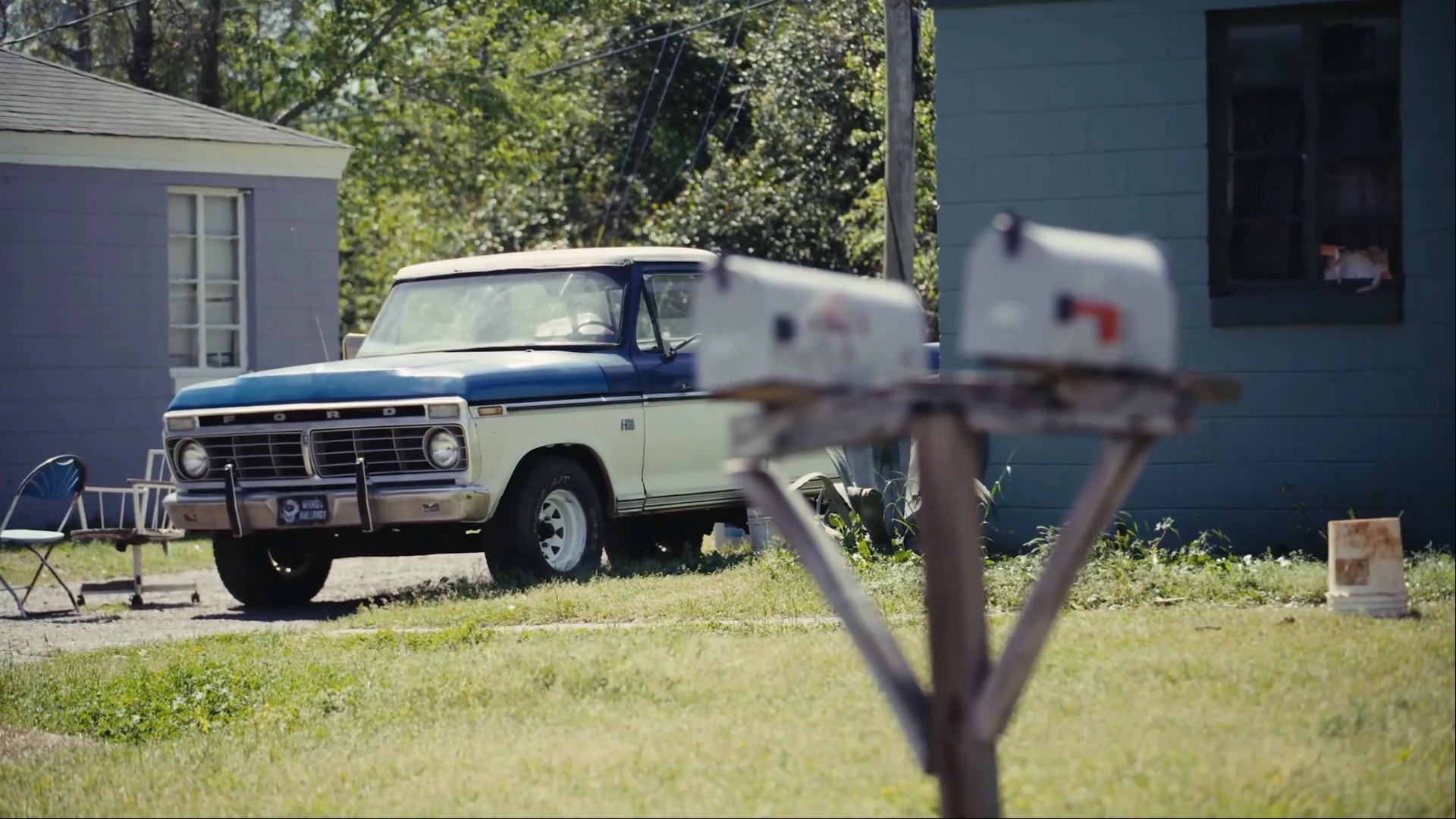
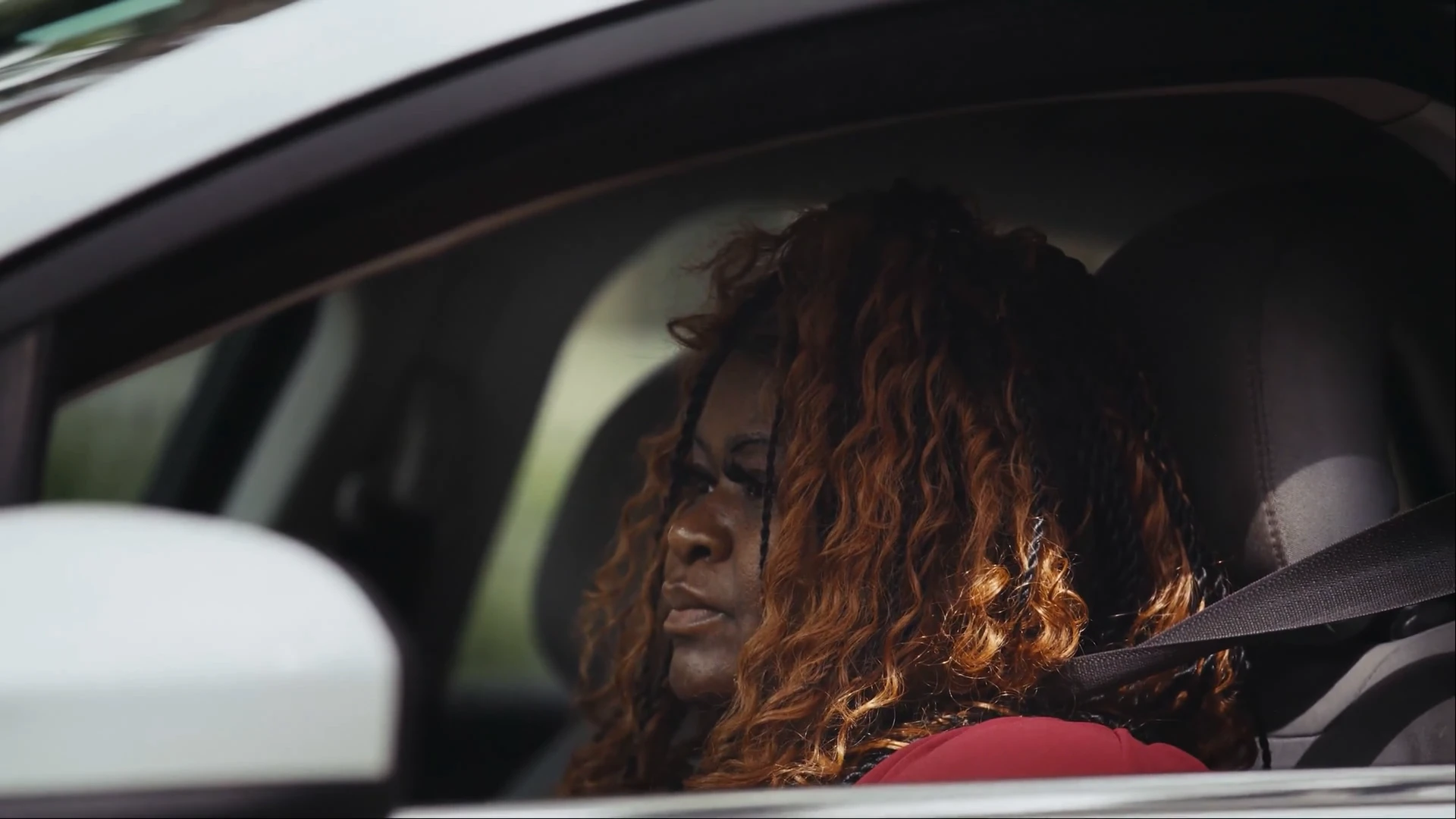
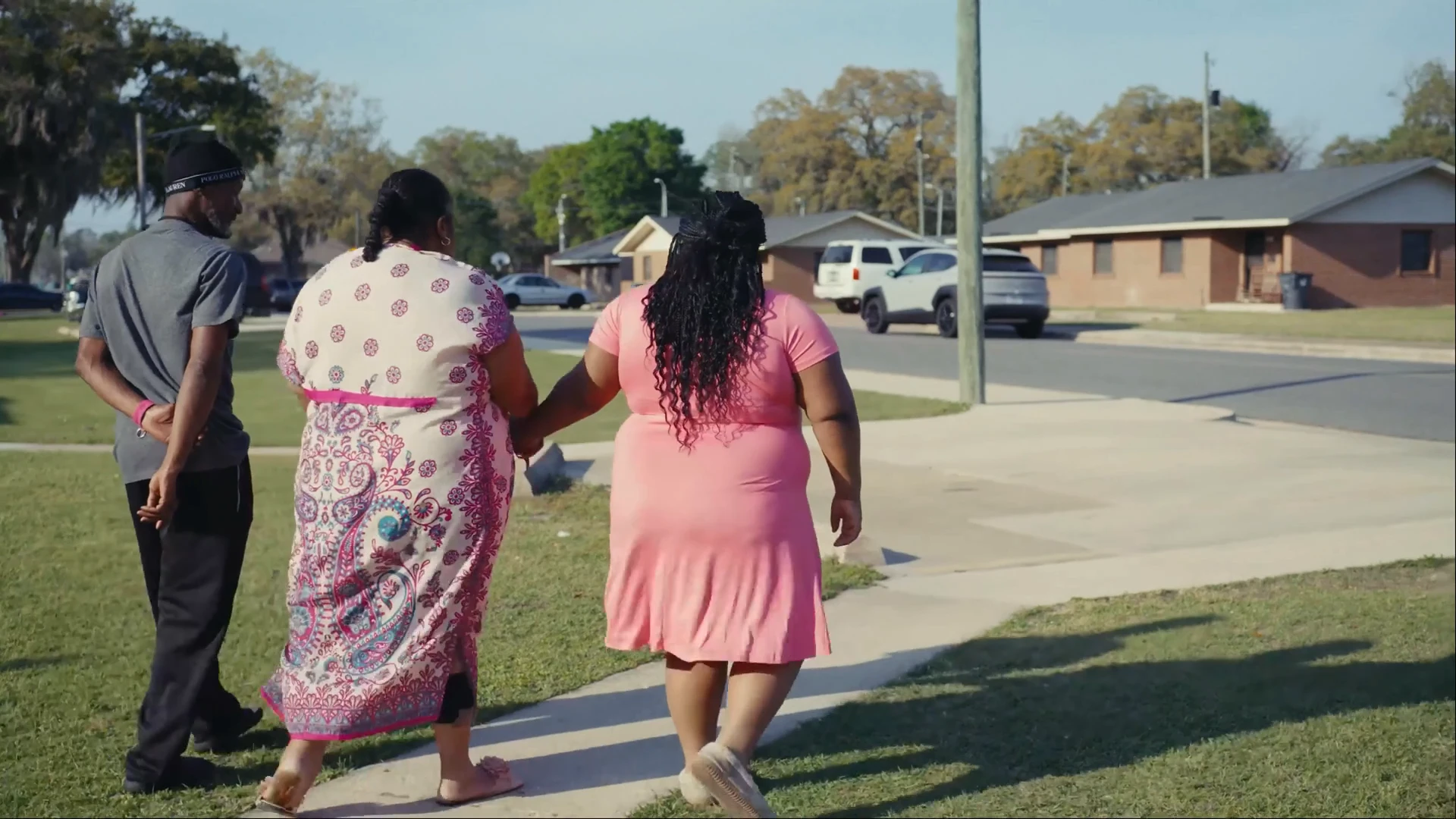
The b roll answers what people say on camera. Mailboxes and pickup trucks, laundry on the line, a walk to the car before a shift, the storefronts and intersections that define a small Georgia town. Aerial coverage places those streets inside the wider landscape of the region.
In post, the edit weaves the interviews together with data on poverty, food assistance and healthcare coverage, presented as clean motion graphics, along with archival civil rights photography and footage from community organizing. Color, sound and graphics were finished in house to deliver a thirteen minute documentary that lets residents make the case in their own words.