
How Much Does a Videographer Cost in 2026
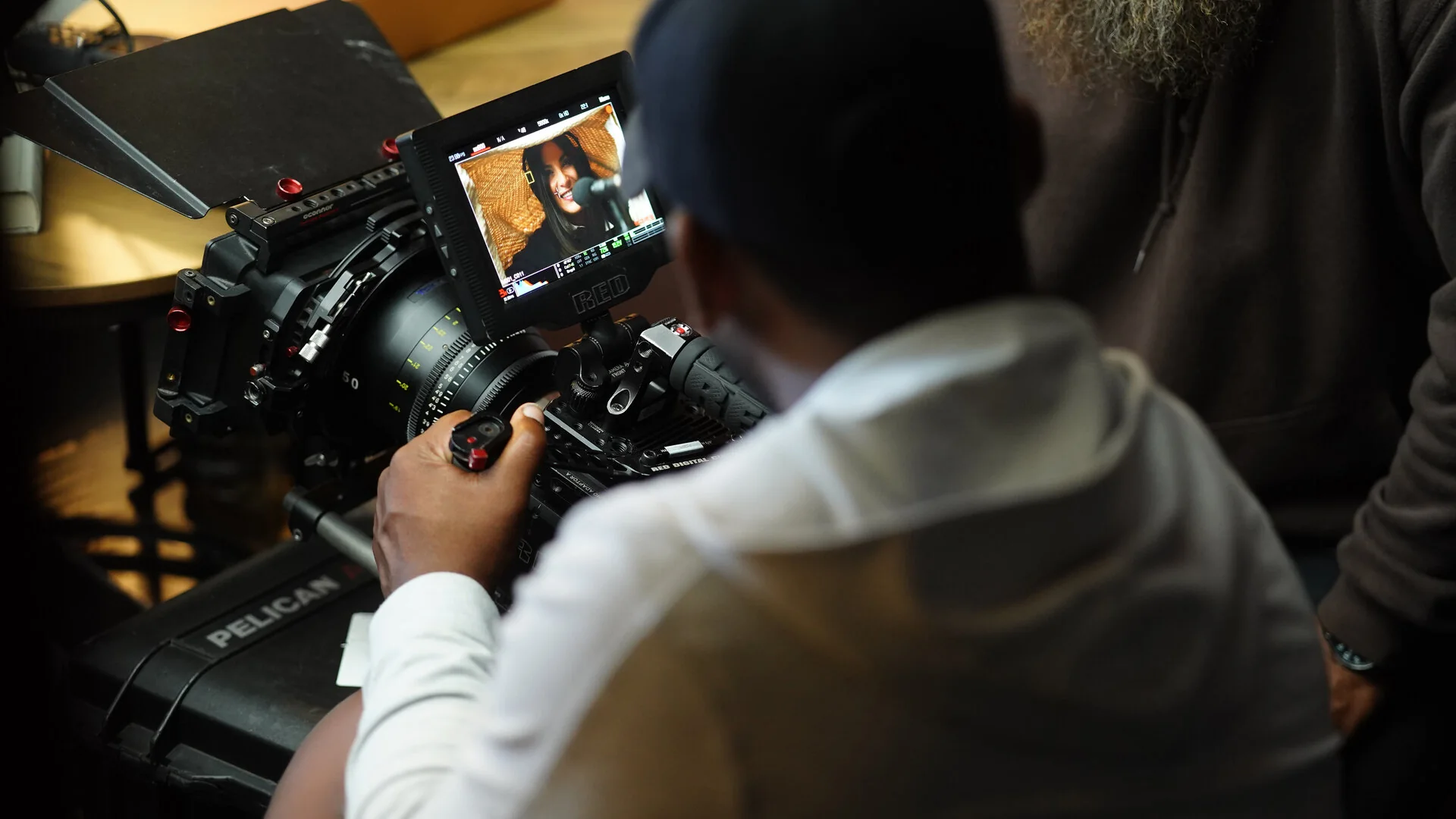
How much does a videographer cost? For a freelance shooter in the US, plan on roughly 75 to 200 dollars an hour, 500 to 1,200 dollars for a half day, and 800 to 2,500 dollars for a full day with their own camera kit. That buys one person and one camera. Add sound, lighting, or a second angle and you are pricing a small crew, which is where most budgets quietly double.
Here is what each step up costs, what a day rate does and does not cover, and how to tell which setup your shoot needs. The numbers come from how we staff our own shoots and book freelance crew across the country.
Videographer rates at a glance
These ranges hold up across most US markets for commercial, corporate, and event work. Los Angeles, New York, and Miami sit at the top of each range. Smaller markets sit lower, though the gap is narrower than it used to be because good shooters travel.
| How it is billed | Typical 2026 rate | What you usually get |
|---|---|---|
| Hourly | 75 to 200 dollars | Two to four hour minimum, basic kit |
| Half day | 500 to 1,200 dollars | Up to about five hours on site |
| Full day | 800 to 2,500 dollars | Ten hours, camera package included |
| Editing | 50 to 150 dollars an hour | Eight to twenty hours for a simple two minute cut |
For context, the Bureau of Labor Statistics puts the median pay for camera operators at 74,990 dollars a year as of May 2025, about 36 dollars an hour. That is a salaried figure. About a third of camera operators are self employed, and a freelancer’s day rate has to cover gear, insurance, travel time, and the days they are not booked. A 1,500 dollar day is not a markup on a 36 dollar hour. It is a different business.
What a videographer day rate includes
The biggest source of surprise invoices is assuming the day rate covers more than it does. Ask about each of these before you book.
Hours and overtime
A full day is usually ten hours, counted from call time to wrap, not from when the camera starts rolling. Overtime commonly bills at one and a half times the hourly equivalent, and it adds up fast on event days that run long.
Gear
Many shooters quote a labor rate plus a kit fee. A basic camera, lens, and audio package might add 150 to 500 dollars a day. Cinema cameras, extra lenses, or a lighting package add more. On our own shoots the camera package is RED cinema cameras we own, so there is no rental line on the invoice, but that is not the norm for a solo freelancer.
Travel
Mileage, parking, and travel days are often billed separately. A travel day is frequently charged at half rate, plus airfare and hotel if the shooter is not local.
Editing and usage
Shooting and editing are priced separately, even when the same person does both. Usage matters too. Footage for internal training costs less than footage running in paid ads, so say up front if the video is going into a campaign.
When one videographer is enough
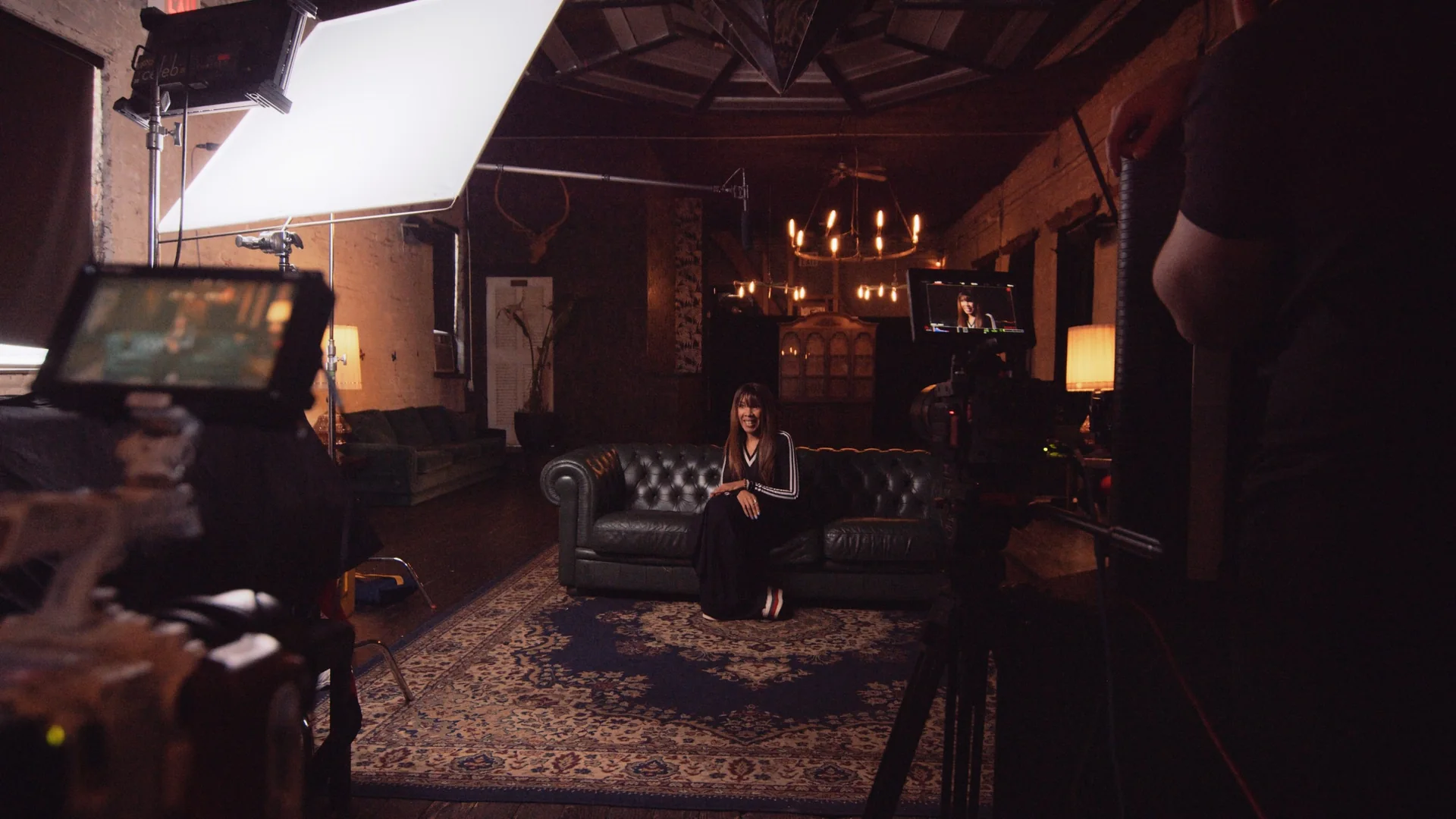
A solo shooter is the right call more often than production companies like to admit. One skilled person can cover a conference keynote, a run and gun event recap, a simple testimonial, or a batch of social clips. If the location has decent light and you can live with one camera angle, you probably do not need more. Our event videography guide covers how to plan that kind of day.
The line is audio and light. A solo operator is watching focus, framing, levels, and battery life at the same time. On a sit down interview that people will watch closely, or anywhere sound matters, something usually slips. Bad audio ruins a video faster than soft focus does, and no edit can fix it.
What a small video crew costs
Once you add people, price by role. These are the minimum day rates we set for freelance crew we book. We hold the floors where they are because underpaid crew is how you end up with no shows and rushed work. Experienced people in major markets often charge above them.
| Role | Minimum day rate |
|---|---|
| Director of photography | 600 dollars |
| Steadicam operator | 500 dollars |
| Audio engineer | 400 dollars |
| Camera operator | 350 dollars |
| Gaffer | 350 dollars |
| Hair and makeup | 350 dollars |
| Grip | 300 dollars |
| First assistant camera | 275 dollars |
| Production assistant | 200 dollars |
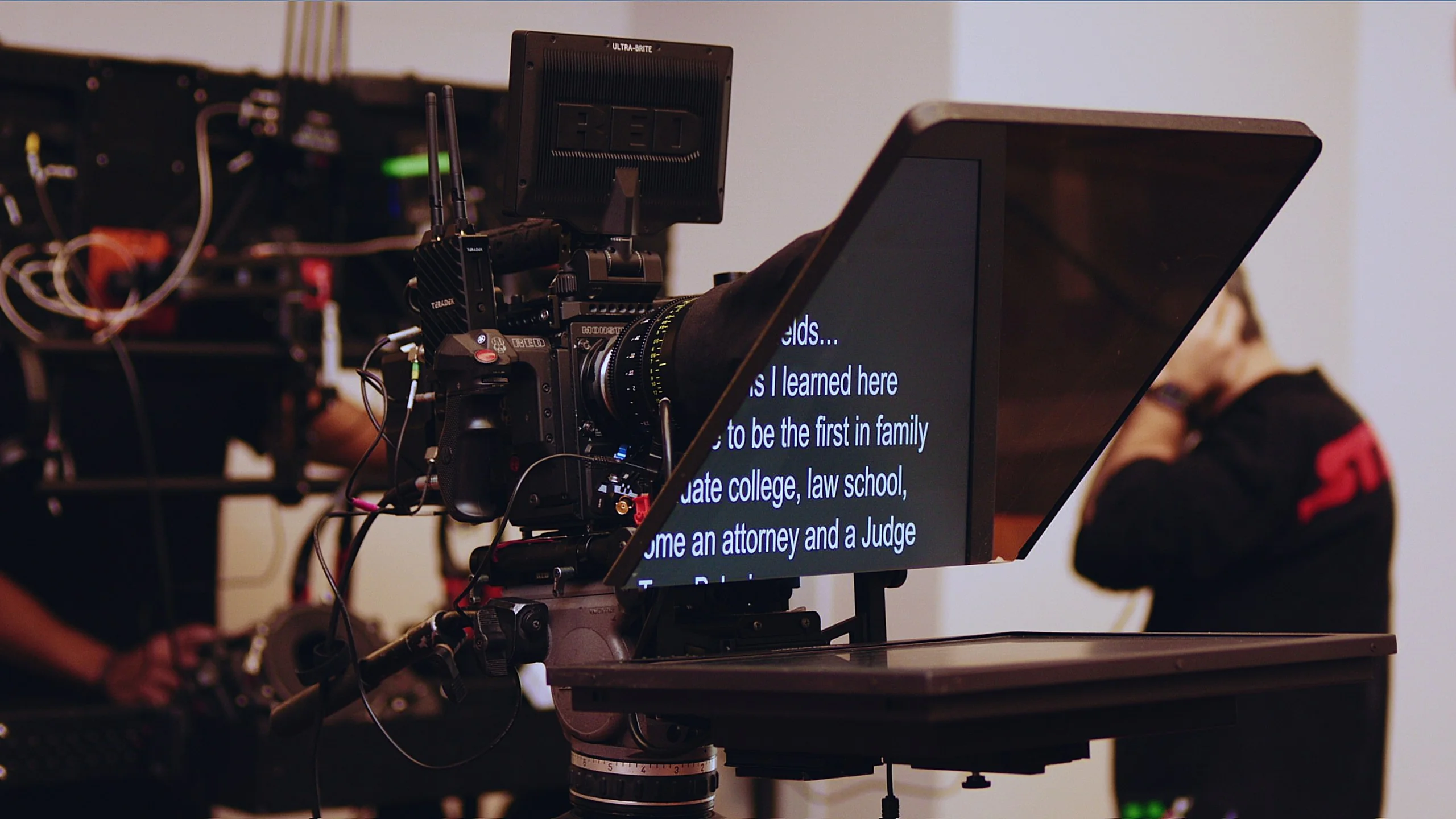
| Teleprompter operator | 200 dollars |
Here is the labor floor for the setups people book most, before gear, travel, overtime, or editing. A DP and an audio engineer, the classic two person interview crew, start at 1,000 dollars a day. Add a gaffer for real lighting and you are at 1,350. A two camera shoot with a DP, camera operator, audio, gaffer, and a PA comes to 1,900 dollars in labor alone.
Those are floors, not quotes. Once you add the camera and lighting package, a producer to run the day, and the edit, a polished two camera corporate shoot commonly lands between 3,000 and 6,000 dollars. Our breakdown of corporate video production cost shows where the rest of that budget goes, and our guide to the video production crew explains what each of these people actually does on set.
How much a videographer costs in different cities
Market changes the number more than most buyers expect. In Los Angeles and New York, an experienced DP rarely works near the floor, and union crew on a larger job follows its own rate cards. In mid size markets the same quality of shooter often costs 20 to 30 percent less, but the bench is thinner, so a last minute booking can mean flying someone in.
That is why a local crew is usually the cheapest crew. No airfare, no hotel, no travel day, and someone who already knows the parking, the permits, and where the light falls at 4 pm. We staff shoots this way through our Los Angeles, New York, and Miami teams and local crew in other markets. For full budgets by city, see what video production costs in New York and in Chicago.
Freelancer, crew, or production company
There are three ways to buy the same day of filming, and the price difference reflects who carries the risk.
Hiring a freelancer directly is the cheapest per day. You handle the vetting, the contract, the backup plan if they get sick, and every logistics detail. That works for simple, low stakes shoots in a city where you already know people.
Assembling a crew yourself gets you more hands, but you check availability one by one and trust that strangers will work well together. It is the most work for the person doing the hiring.
A production company costs more per day than raw crew rates. The price includes a team that has worked together, the gear, insurance, a producer, and someone accountable when something goes wrong. If you are shooting in a city you do not know, it is often the cheapest option once you count your own time. We made the longer case for that in why hiring a camera crew is worth the investment.
Questions to ask before you book
Get these answered in writing and most surprise invoices disappear.
Is the camera package in the day rate or billed as a kit fee? How many hours is a day, and when does overtime start? Who records audio, and with what? Is editing included, and how many rounds of revisions? Do you carry general liability insurance, and can you send a certificate to the venue? What happens if you are sick on the shoot day?
A shooter who answers all six quickly has done this before. One who has to think about the insurance question is telling you something.
How to keep the cost down without hurting the video
Write a shot list before you ask for quotes. Vague briefs get padded quotes, because everyone prices in the unknowns.
Group your shoot days. Three interviews in one location on one day costs far less than three separate half days, and a controlled space like our Los Angeles studio removes the lighting and noise problems that slow location shoots down.
Spend on sound before cameras. A second camera is a nice to have. A dedicated audio engineer on an interview is not.
Agree on deliverables in writing. The number of cuts, lengths, formats, and revision rounds is where post production budgets grow. If you are hiring the edit separately, our guide on where to hire a video editor covers what to look for.
Frequently asked questions
How much does a videographer cost per hour?
Most freelance videographers charge 75 to 200 dollars an hour, usually with a two to four hour minimum. Editing is typically billed separately at 50 to 150 dollars an hour.
What is a typical videographer day rate?
800 to 2,500 dollars for a ten hour day including a basic camera kit. A director of photography on a crew starts at 600 dollars a day for labor alone, before gear.
Why do videographer rates vary so much?
Experience, market, and what is bundled in. One quote may include the camera package, audio, and an edit, while another covers only the person behind the camera.
Is it cheaper to hire a videographer or a production company?
A freelancer is cheaper per day. A production company often costs less overall once you count gear, a backup plan, insurance, and the time you would spend coordinating crew yourself.
Do I need a separate sound person?
For interviews, testimonials, and anything with dialogue, yes. For event recaps and social content cut to music, one videographer is usually enough.
Bring your shoot to C&I Studios
Whether you need one shooter for a keynote or a full crew for a two camera brand film, we will price it straight and staff it with people who have done the job before. See how we work on our video production services page, look through our work, or tell us about the project and we will send a real number.