
New York Video Production. Inside the Knicks Parade
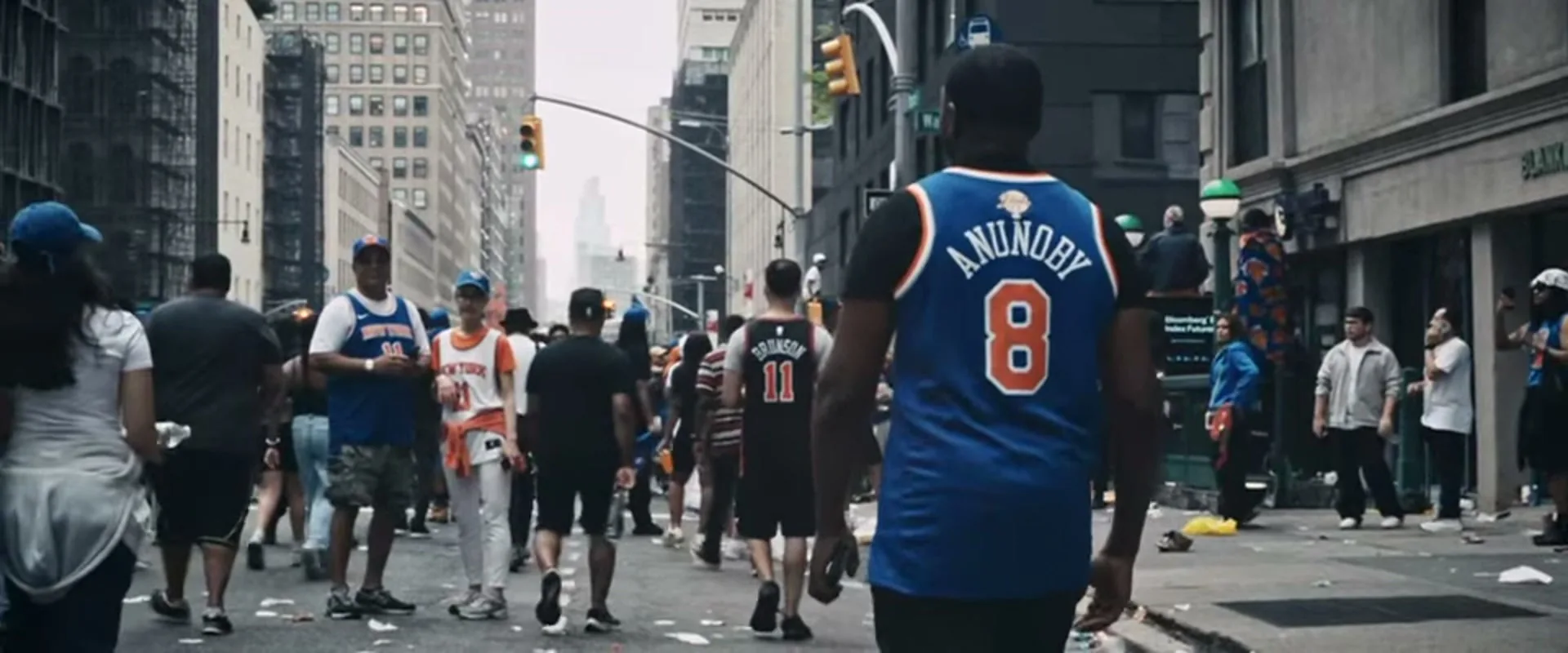
The Knicks won their first championship since 1973, and on June 18 the city threw them a parade up the Canyon of Heroes. Our lead editor, Mike Kruger, was there. Not on assignment. Mike lives in New York and he is a Knicks fan, so he went the same way a couple million other people went: for himself. He brought a camera because that is what he does, grabbed a few minutes of the day, and cut it together for fun.
What came back is a small, useful lesson in New York video production. Not because it is some grand statement, but because it shows what a professional editor does to ordinary footage even when nobody is paying for it. The clip is a social post. Two minutes, made for a feed. The reason it is worth a closer look is the instinct behind the cut, not the day it captured. We are putting it on the blog for the same reason we would walk a client through a rough cut: it is the clearest way to show what we actually do for a living.
Here is the post. Judge the footage against any other parade clip from that day, then notice what the edit is doing underneath it.
Personal Footage. Personal Instinct.
Let us be honest about what this is. Mike did not produce a documentary. He did not roll up with a crew, a permit, and a shot list. He stood in a crowd with one camera and shot what caught his eye, the way anyone with a phone did that morning. The footage is personal, not commissioned.
The difference shows up later, in the part nobody watching ever sees. Mike is a professional editor. He doesn’t just switch off the way he approaches real work, so a personal parade video got the exact treatment a paying client gets: deliberate pacing, a real color grade, sound that was actually mixed instead of left raw. That is the whole story here. Same instinct, no brief. A trained editor cannot un-know how to build a cut, and that habit is the thing worth selling.
We could dress this up as a brand film and most people would not catch the difference. We are choosing not to, because the honest version is the more useful one. A studio that oversells a phone video is a studio that will oversell your project too. What actually happened is simpler and better: a professional spent an afternoon as a fan, then could not resist doing the job right. If you want to know how we treat the work you pay for, watch what we do with the work nobody asked us to make.
The Edit Is the Job, the Camera Is Not
Most people think production is the camera. It is not. Anyone standing on Broadway that day captured the parade. Phones, point-and-shoots, a few thousand stories posted within the hour. The footage was everywhere and most of it was forgettable, because footage is raw material, not a finished thing.
The work happens after, in post-production, where a pile of clips becomes something with a shape. Mike came home with roughly 110 minutes of usable footage. The finished post runs about 110 seconds. That ratio, 60 to 1, is the job. Deciding what to throw away is harder and more valuable than deciding what to shoot, and it is exactly the skill that does not turn off when the shoot is personal.
Why a Fan in the Crowd Got Shots a Crew Might Miss
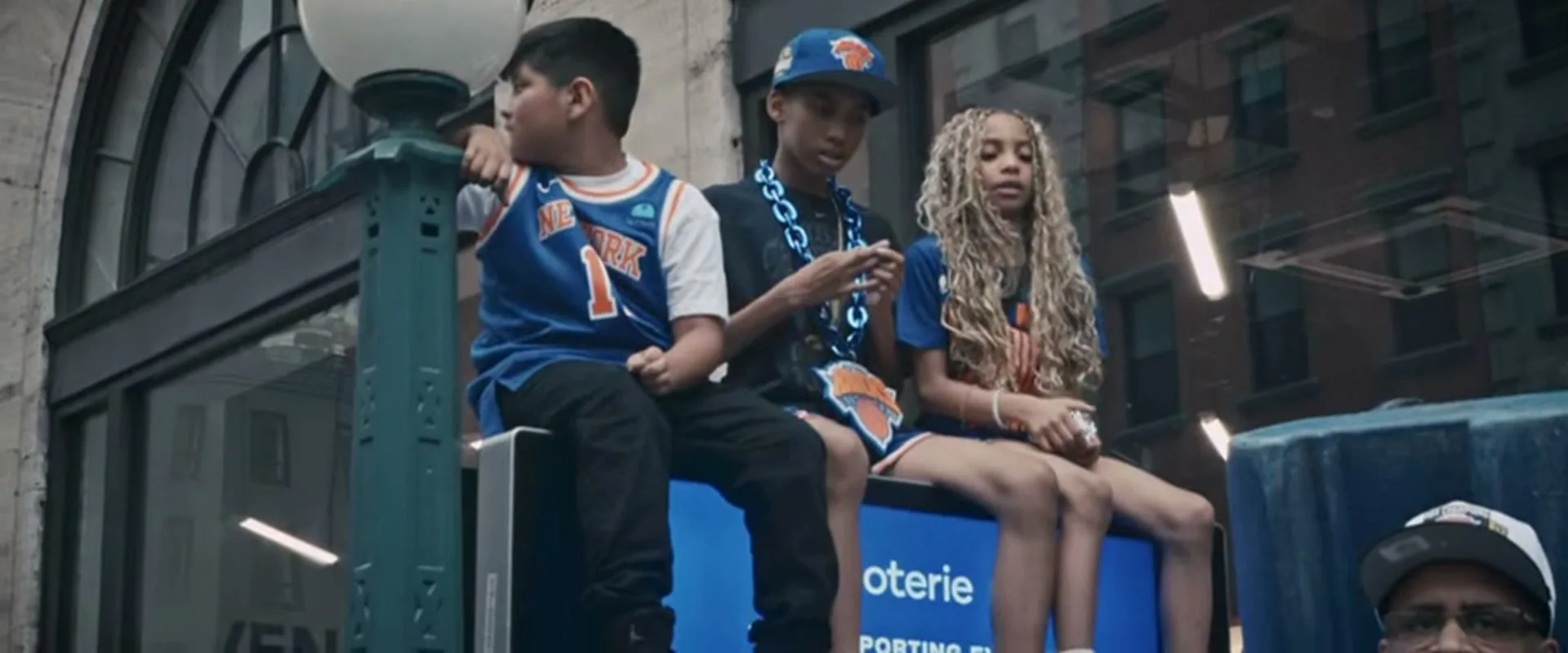
There is a real production lesson buried in the fact that this was personal. A hired crew on a parade route spends half its attention on logistics: where to legally stand, how to move a million people deep, when to wrap. A fan who actually cares about the day is doing something a call sheet cannot buy. He is anticipating. Mike knew which way a Knicks crowd would surge, which corner would catch the falling ticker tape, and which kid climbing a subway railing was about to throw his arms up, because he felt the day the way the crowd felt it.
That instinct is the part of New York video production you cannot fake or fly in. We watch it play out on event work constantly. The shooters who catch the moment before the moment are the ones who understand the room, not the ones with the longest gear list. A parade has exactly one take. You either read it in real time or you go home with three hours of the back of someone’s head. Proximity and genuine attention beat a bigger rig almost every time, and the footage in this post is the proof.
What the C&I Treatment Actually Means
When we say Mike gave it the professional treatment, we mean a specific set of decisions, the same ones we make on brand work every week.
The cut was built in DaVinci Resolve, the same platform we finish client films on. The first pass threw out everything that was merely nice. A parade hands you endless pretty shots, and pretty is the enemy of a two minute piece. What survived was arranged so the energy climbs the way the day did, from the quiet of the side streets to the noise on Broadway. Pacing follows the crowd, not a metronome. When the sound builds, the cuts tighten. When the piece needs air, a shot holds a beat past comfortable so the next one lands.
Watch the first five seconds and the discipline is right there. A lazy edit opens on the biggest, loudest shot it has, spends its best moment immediately, and then has nowhere to go. Mike opens quiet and lets the day earn its volume, so by the time the color and the crowd arrive, you have somewhere to land. That restraint is learned. It is the difference between a clip that peaks in the thumbnail and a piece that holds for two full minutes, and it is the same call we make on every paid New York video production we finish.
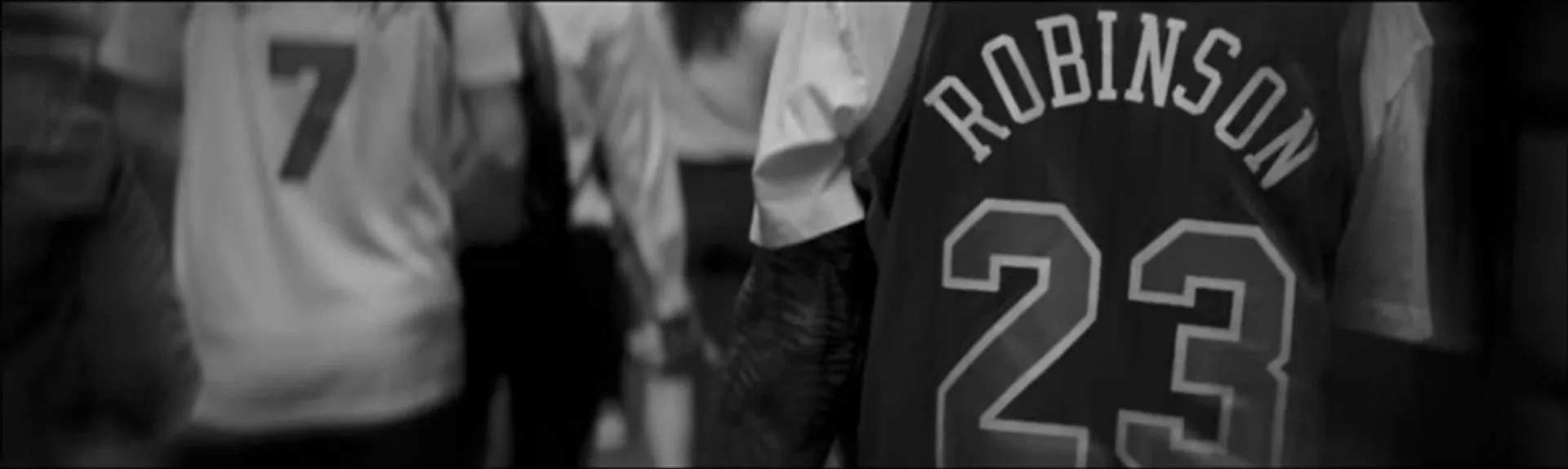
The look is a deliberate color grading choice, not a filter. The cut moves between hard black and white and bursts of Knicks blue and orange. Black and white pulls a frame down to light, texture, and feeling. Color comes back only where it earns the moment, so the team colors hit harder for having been withheld. Then there is the sound design, which does half the work nobody credits. The mix leans on the real audio of the day, horns and chants and the low roar of a crowd, shaped to rise and fall with the picture. An audience feels a cut with its ears before its eyes register it. None of that is luck, and none of it is visible. That invisible craft is the entire reason post-production exists.
Footage Versus a Finished Cut
If you take one thing from this, take this table. It is the difference between the clips on everyone’s phone and the post Mike actually published.
| Element | Raw footage | After the edit |
|---|---|---|
| Length | 110 minutes | 110 seconds |
| Structure | A pile of moments | A build with a payoff |
| Color | Mixed, inconsistent | Black and white with chosen color accents |
| Sound | Raw and peaky | Mixed to move with the picture |
| Result | Scrolled past | Watched to the end |
Every row is a person making a decision. That is the work, whether the subject is a parade, a commercial, or a documentary.
None of this required a celebrity budget. It required someone who knew what to keep and what to throw away, plus the patience to grade and mix instead of exporting the first assembly and calling it done. That unglamorous middle is the part of New York video production that decides whether anyone finishes the video, and it is almost never the line a brand pays the most attention to on a quote. It should be. The shoot buys you raw material. The edit is what people actually watch, share, and remember, and it is the only stage where a mediocre day can still become a strong piece.
The Same Discipline, Scaled to Client Work
Strip the Knicks out of it and you are looking at our actual process. We define the story and the deliverables first, because the edit should be designed before a single frame is shot. We capture against that target instead of hoping the coverage adds up later. Then the real value gets added in finishing: edit, color, sound, graphics, and delivery in every format a campaign needs, from a hero cut down to a feed of social pieces.
Mike got to skip the planning because he was a fan with a camera, not a producer on a clock. He could afford to shoot loose and find the story in the edit because the stakes were a fun post. On paid New York video production we do not gamble like that. We plan the cut so the camera only ever captures what the final piece actually needs, which is how a budget stays honest and a deadline stays real. The instinct that shaped a two minute parade clip is the same one that shapes a national campaign. The only thing that changes is the brief and the budget behind it.
New York Video Production, On or Off the Clock
Mike shot this off the clock, but the instinct is the same one we sell. New York video production is a specific discipline. The city does not give you control, it gives you energy, and the trade only pays off if the person holding the camera and the person cutting it know what to do with both. Light changes block to block. Sound is never clean. Crowds, permits, and closures turn a simple move into a problem. Knowing how the city actually behaves is half the job, and it is not something you can brief into a stranger in a morning.
People ask what a piece like this costs. Off the clock it cost Mike an afternoon and a memory card. On the clock, the variables are crew size, shoot days, how much finishing the edit needs, and how many deliverables come out the other end. We break the real numbers down in our guide to video production in New York City. What does not change is where the value sits. You can spend a fortune on a shoot and lose it in a weak edit, or shoot lean and win in post-production. For most of our clients, planning the edit before the shoot is the highest return decision in the budget. We also handle the social media side so the same story shows up natively wherever the audience already is.
The Knicks post is the smallest possible version of all of it. One person, one camera, one afternoon, and a trained eye in the edit. Scale that up with a crew, a plan, and a real finishing schedule and you have what New York video production looks like when a brand is footing the bill. The instinct does not change. The production around it does.
Frequently Asked Questions
Was this a C&I production?
No. Mike Kruger is our lead editor, he lives in New York, and he went to the parade as a fan on his own time. He shot it and cut it for fun. We are sharing it because it is a clean example of what professional editing instinct does to personal footage.
Can you edit footage we already shot ourselves?
Yes. A large share of our post-production work is client shot material that needs a real edit, color, and sound to become finished. We do not need to have been on the shoot to make it land.
How long does a short cut like this take?
A tight two minute piece from a single shoot usually takes a few days of finishing once the footage is logged. The length of the cut is not the length of the work. Color and sound are where the hours go.
Do you only work in New York?
No. We run New York video production out of our New York office and operate a studio in Los Angeles, and we produce on location anywhere a project calls for it.
What does New York video production actually include?
For us it is the whole arc: planning and pre-production, the shoot with the right crew and gear, and the finishing most people forget is even happening. A complete New York video production hands you delivery ready files in every format you need, not a drive of clips you now have to figure out yourself.
Why black and white for a celebration?
Black and white pushes emotion to the front and makes the returns of team color hit harder. It fit this story. The right look always follows the feeling you want the viewer to leave with.
Sources: NBA.com parade coverage and the DaVinci Resolve finishing platform.
Work with C&I Studios
If you are planning a project like this, our team can take it from concept to final delivery. Explore our post-production services, browse our work to see how we tell brand stories, and get in touch when you are ready to start.