
A documentary series about who gets funded in technology, and the discrepancies in the industry. Written and directed by Joshua Otis Miller. Produced by C&I Films.
The Key Art
Capturing the Visuals
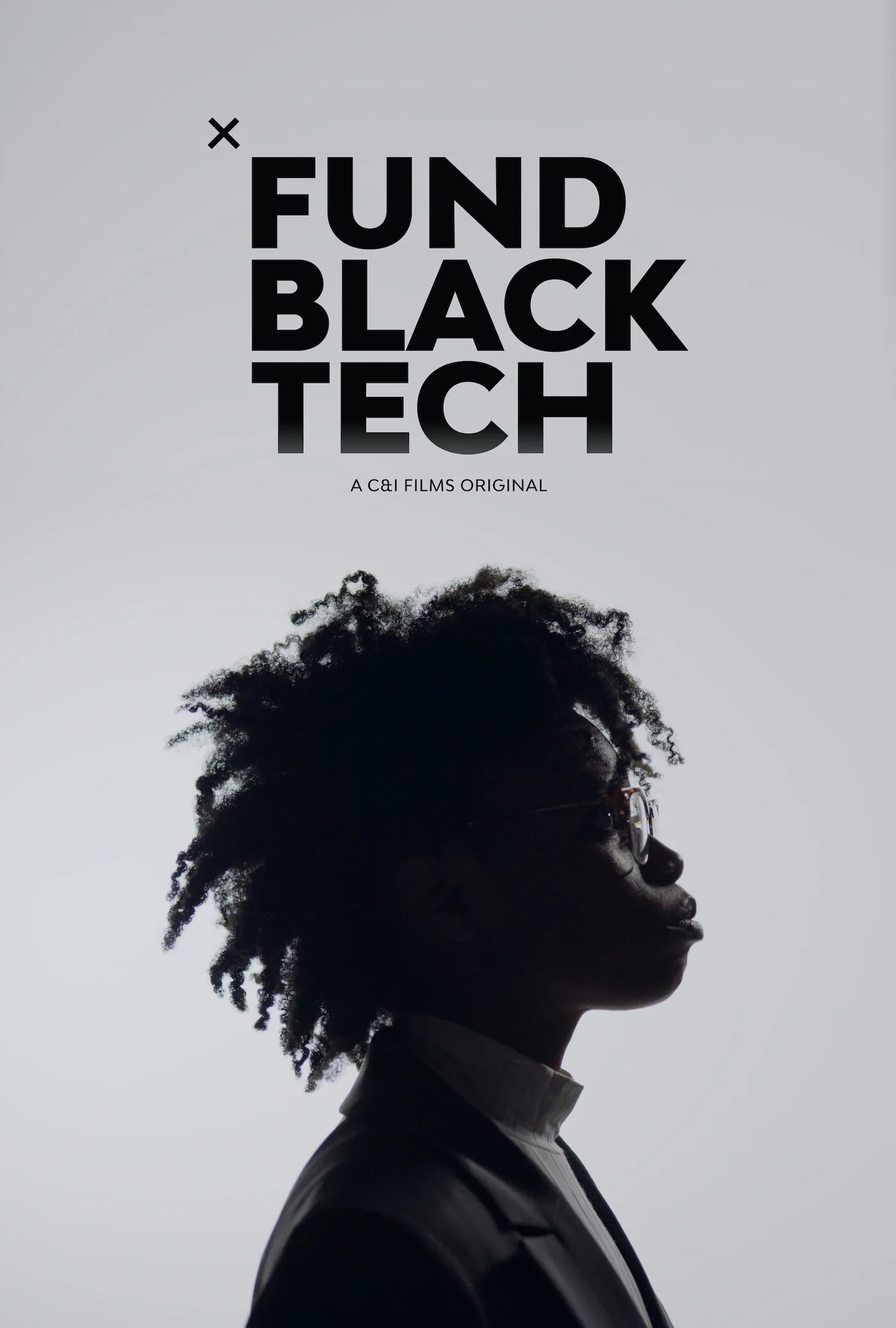
This series began as an idea and nothing more. Three years of shooting is what turned it into something you can look at, and the look was built the same slow way the story was. Neither one arrived finished.
We worked it out as a team. Long conversations about what this series should feel like before anybody committed to a lens or a color. What we kept coming back to was intensity, passion, pain, growth and persistence, because that is what the people in this series have lived, and a visual language that did not carry all five would have been the wrong one.
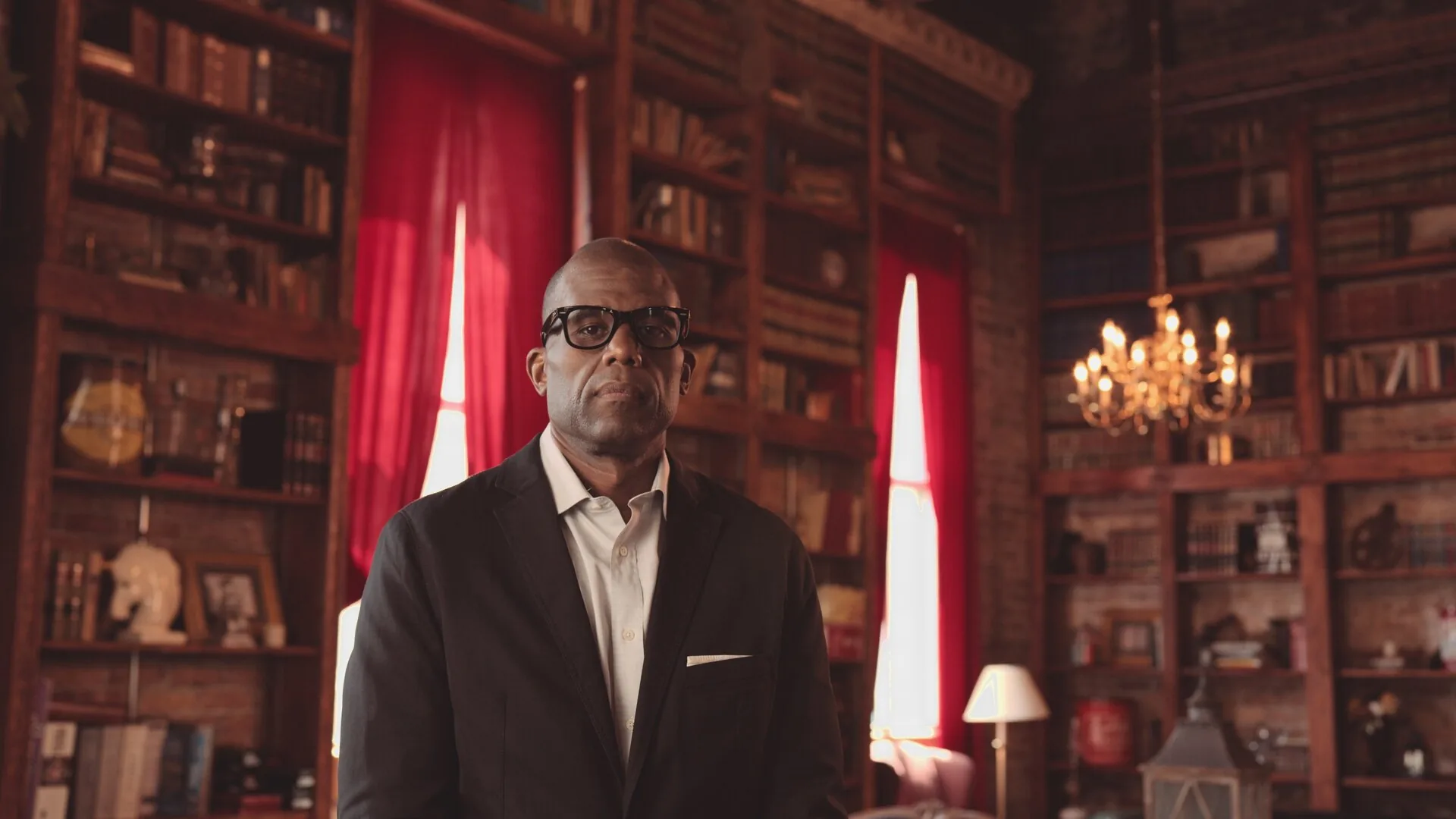
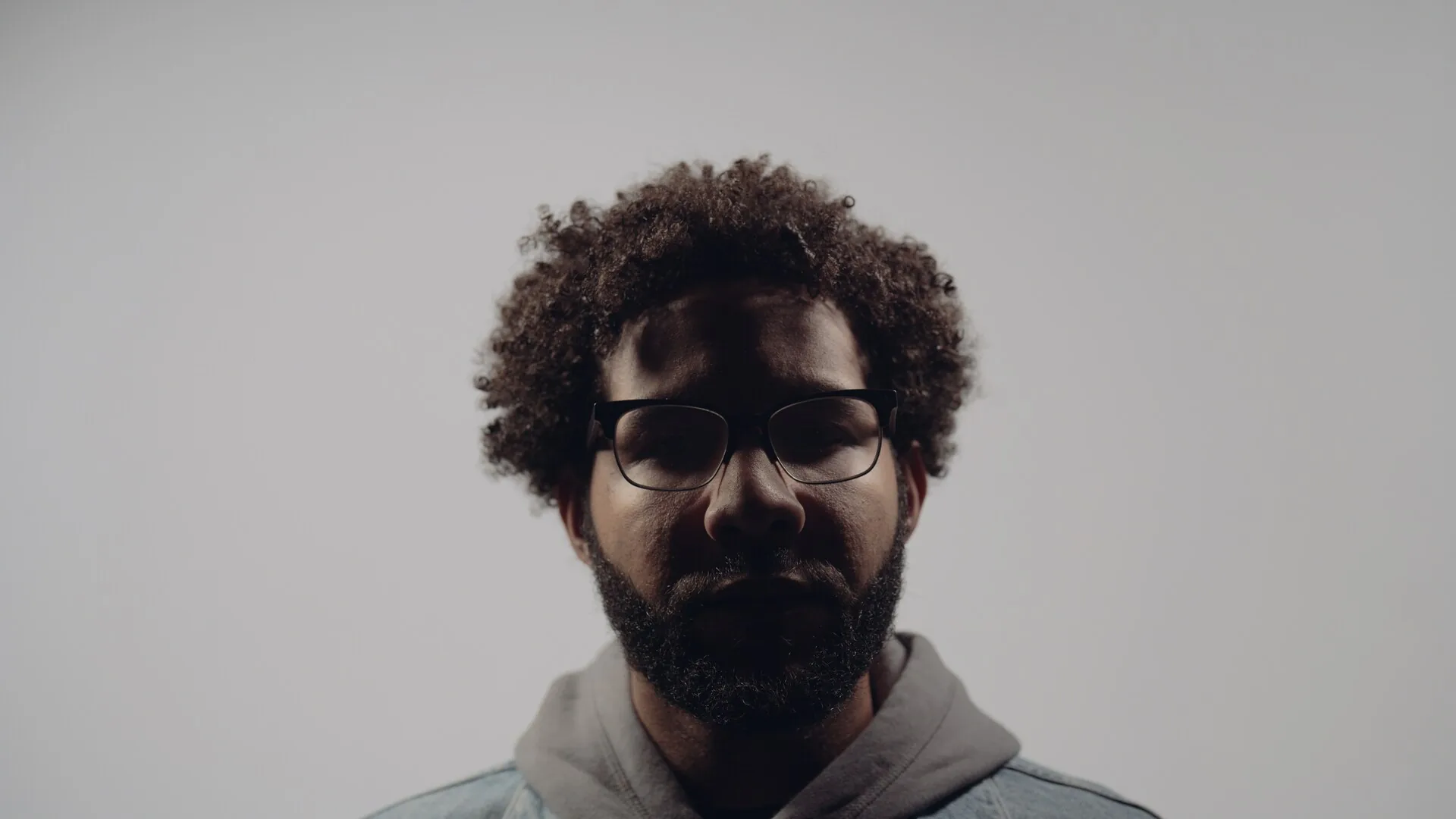
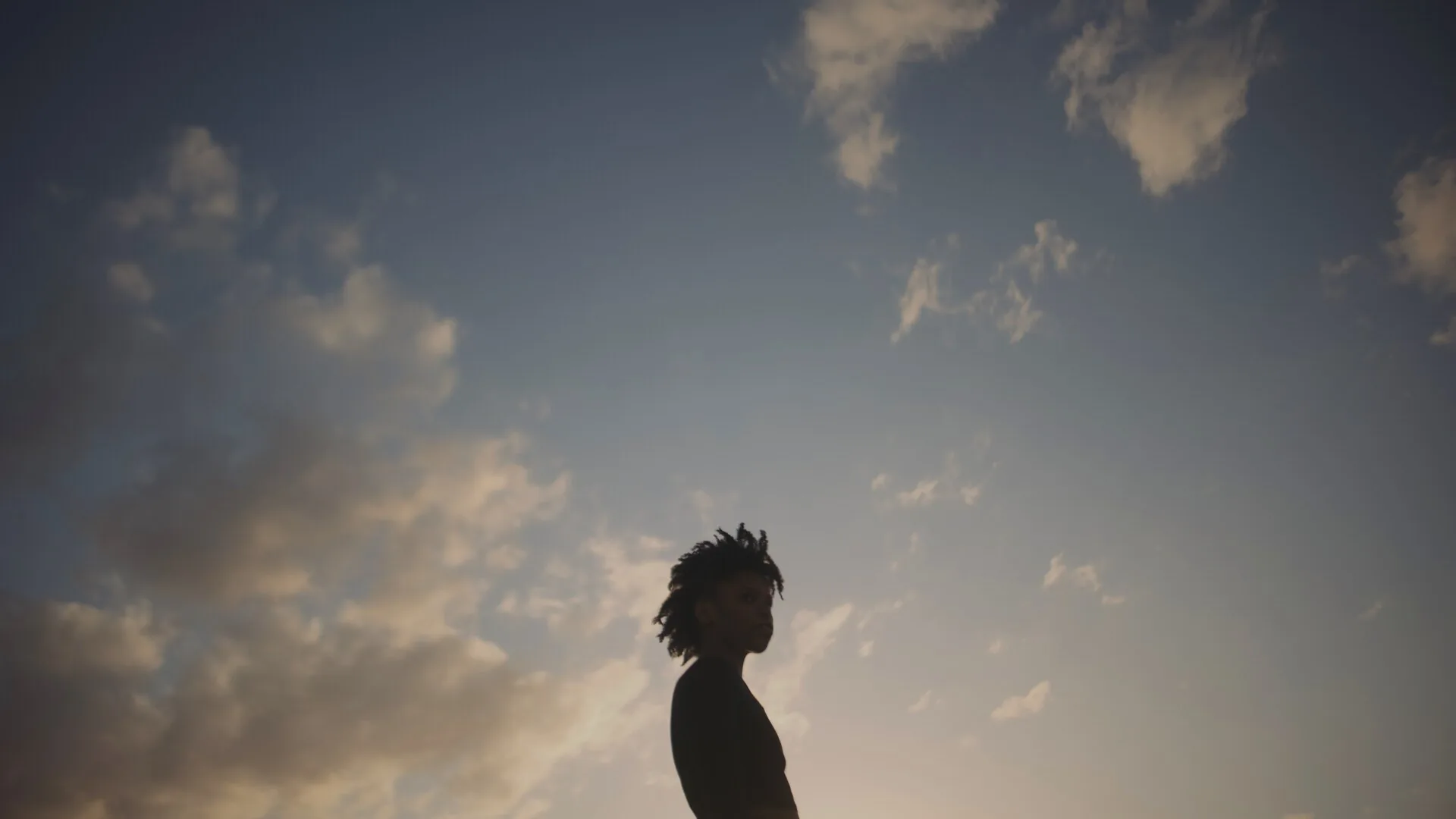
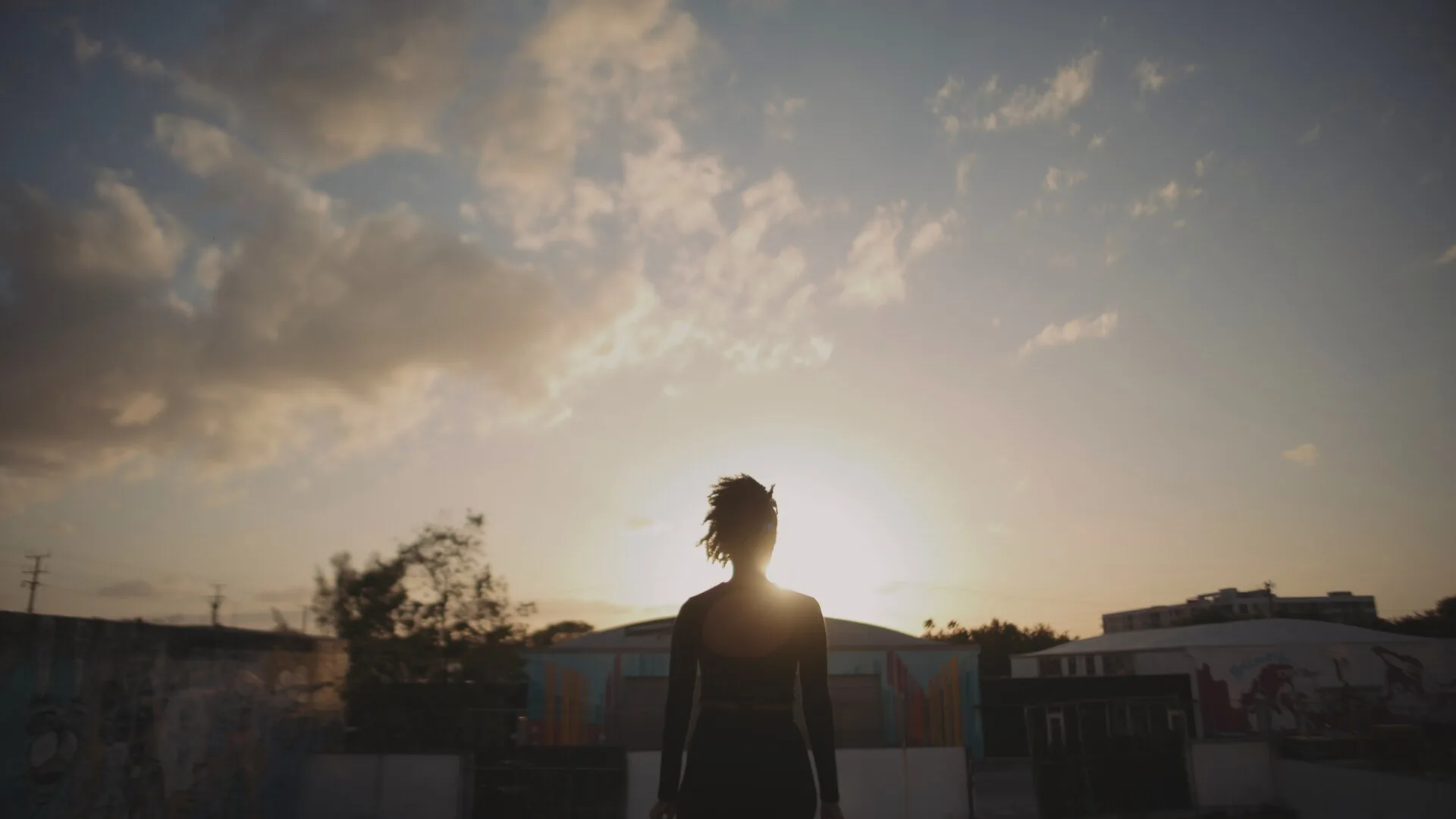
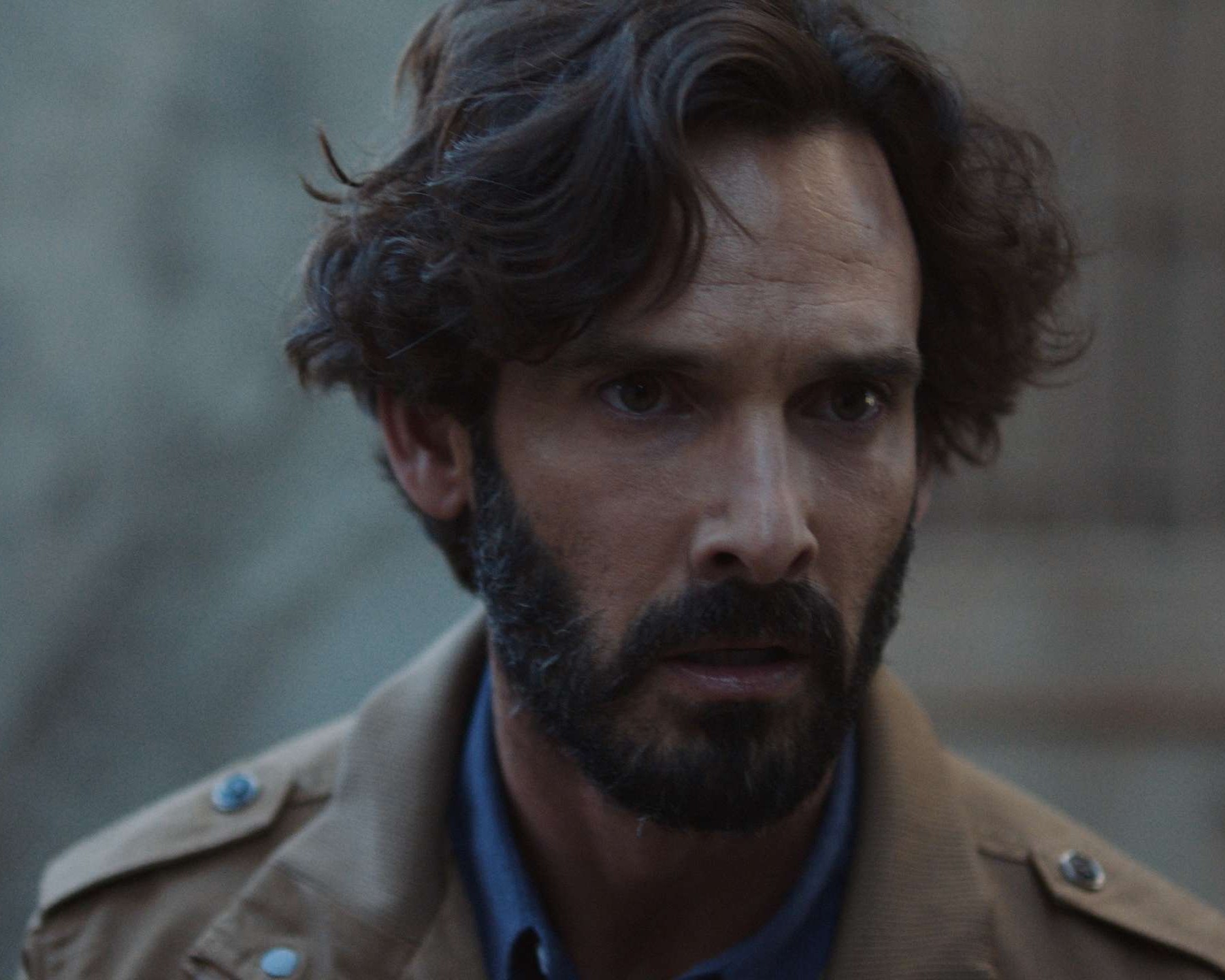
The key art is where that lands in a single frame. Casting, wardrobe, the light on the cyc and the grade all had to agree with each other, because a poster is the first thing anyone sees and often the only thing they remember. We put a lot of ourselves into this one, and we wanted that visible from the first image.
Photography and Motion
Shooting Stills and Video in New York
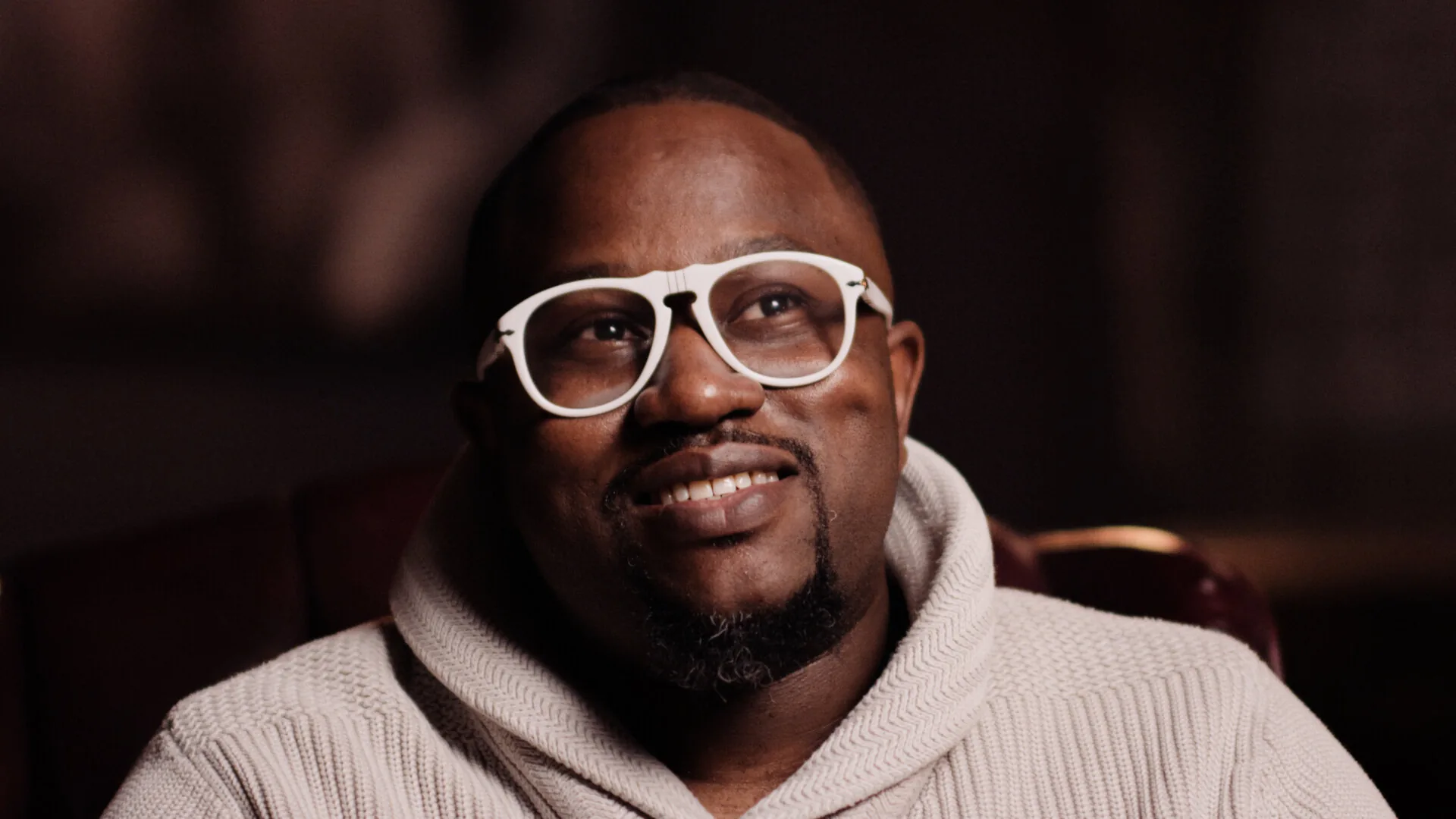
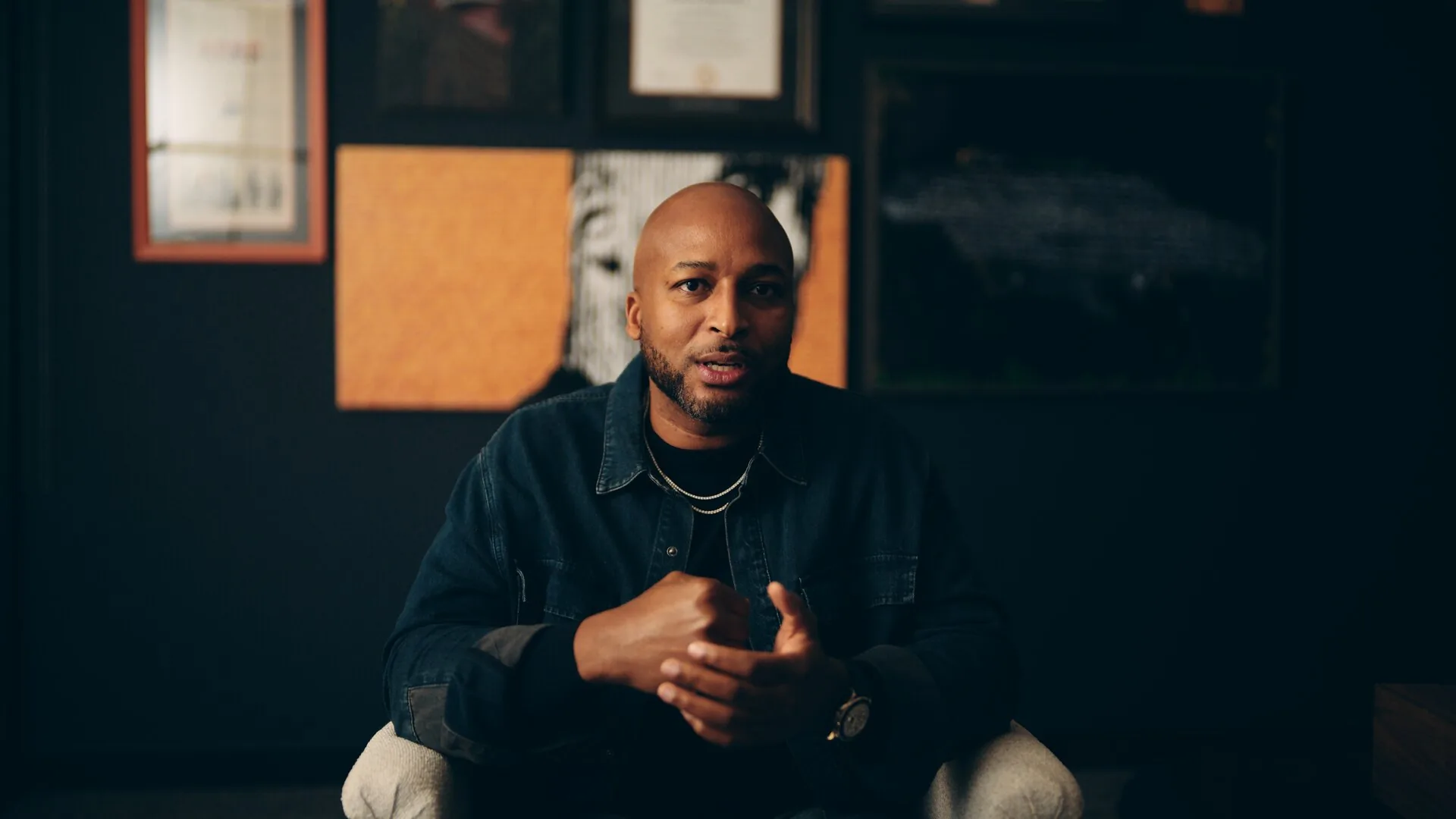
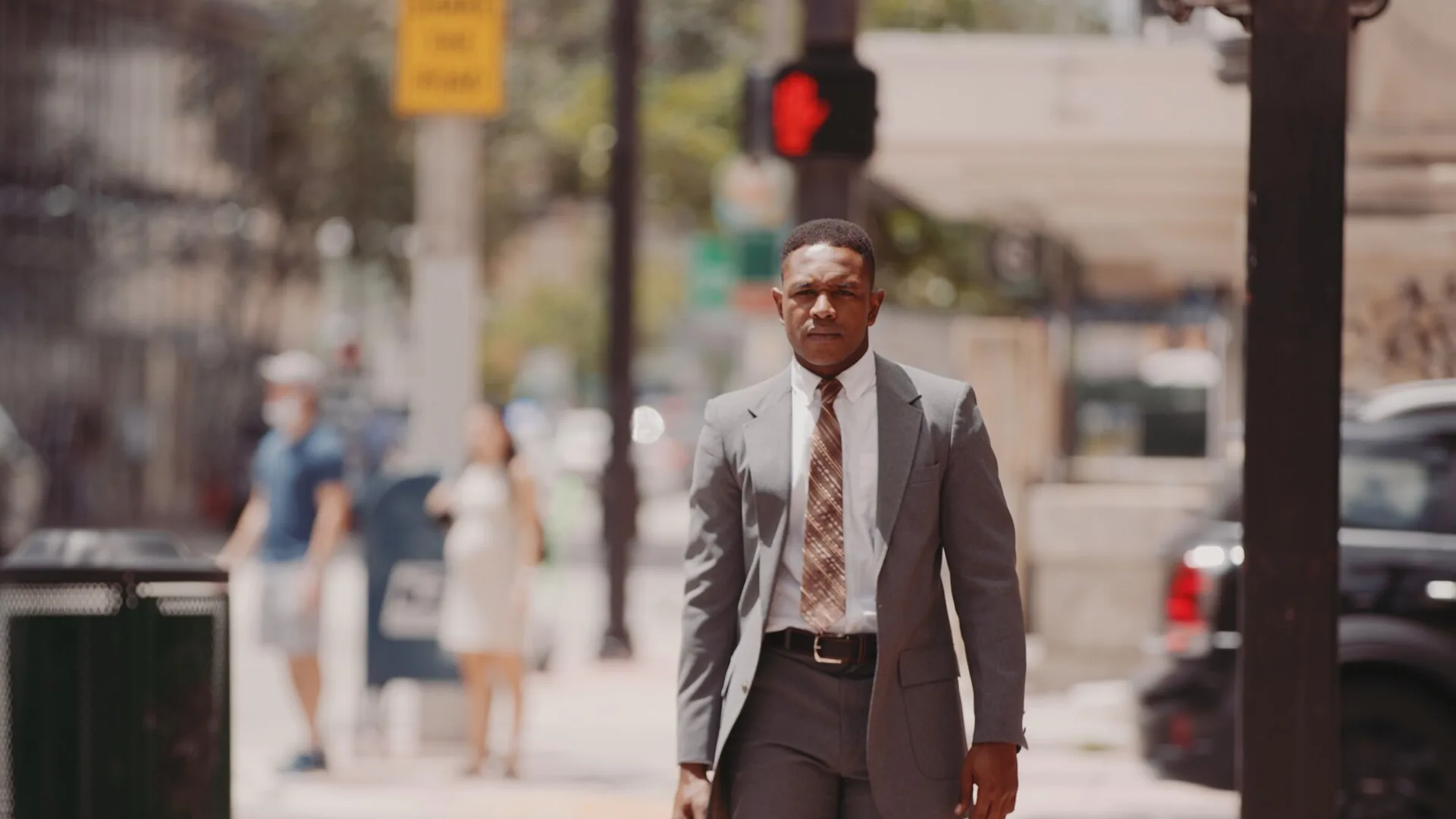
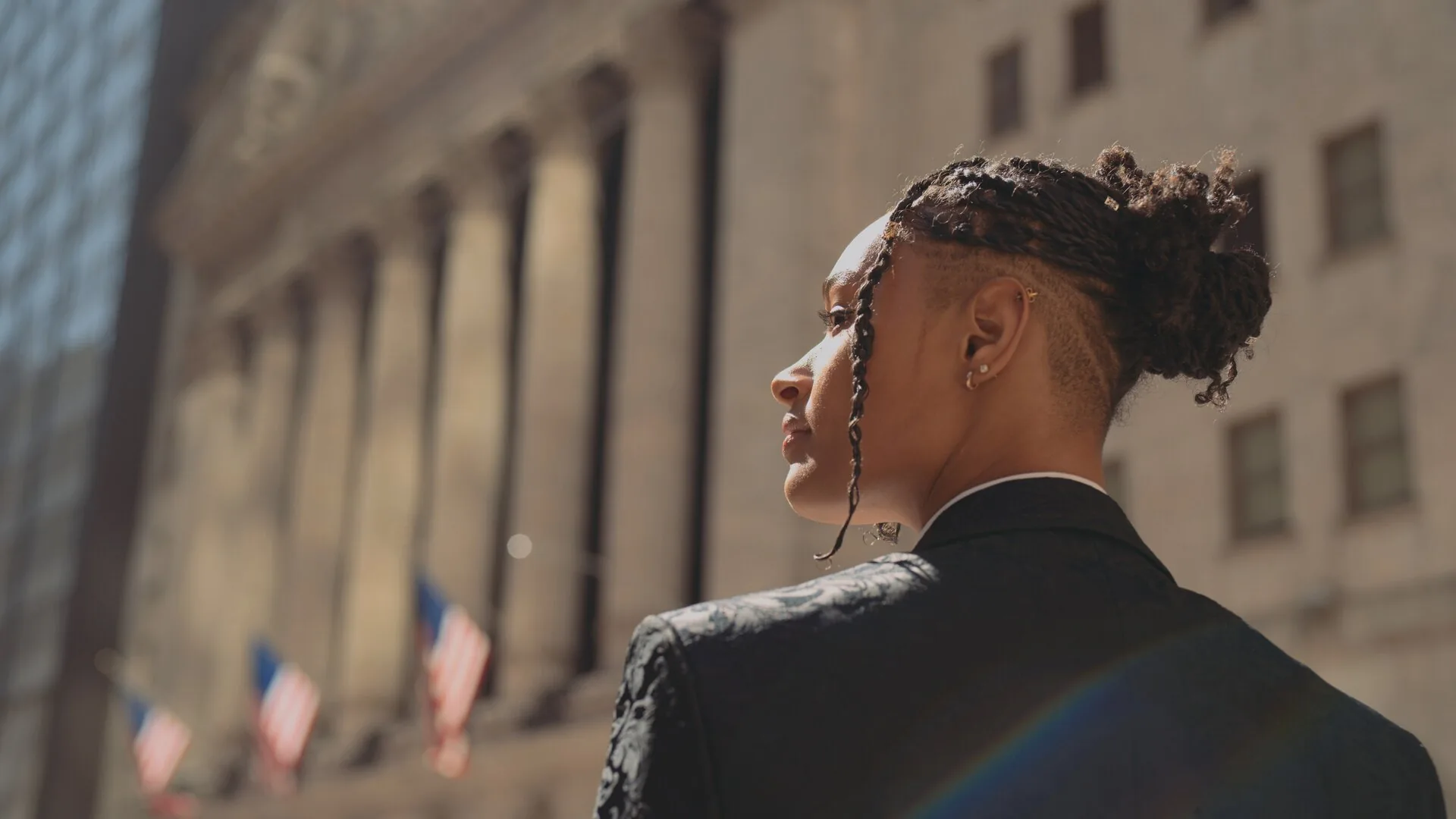
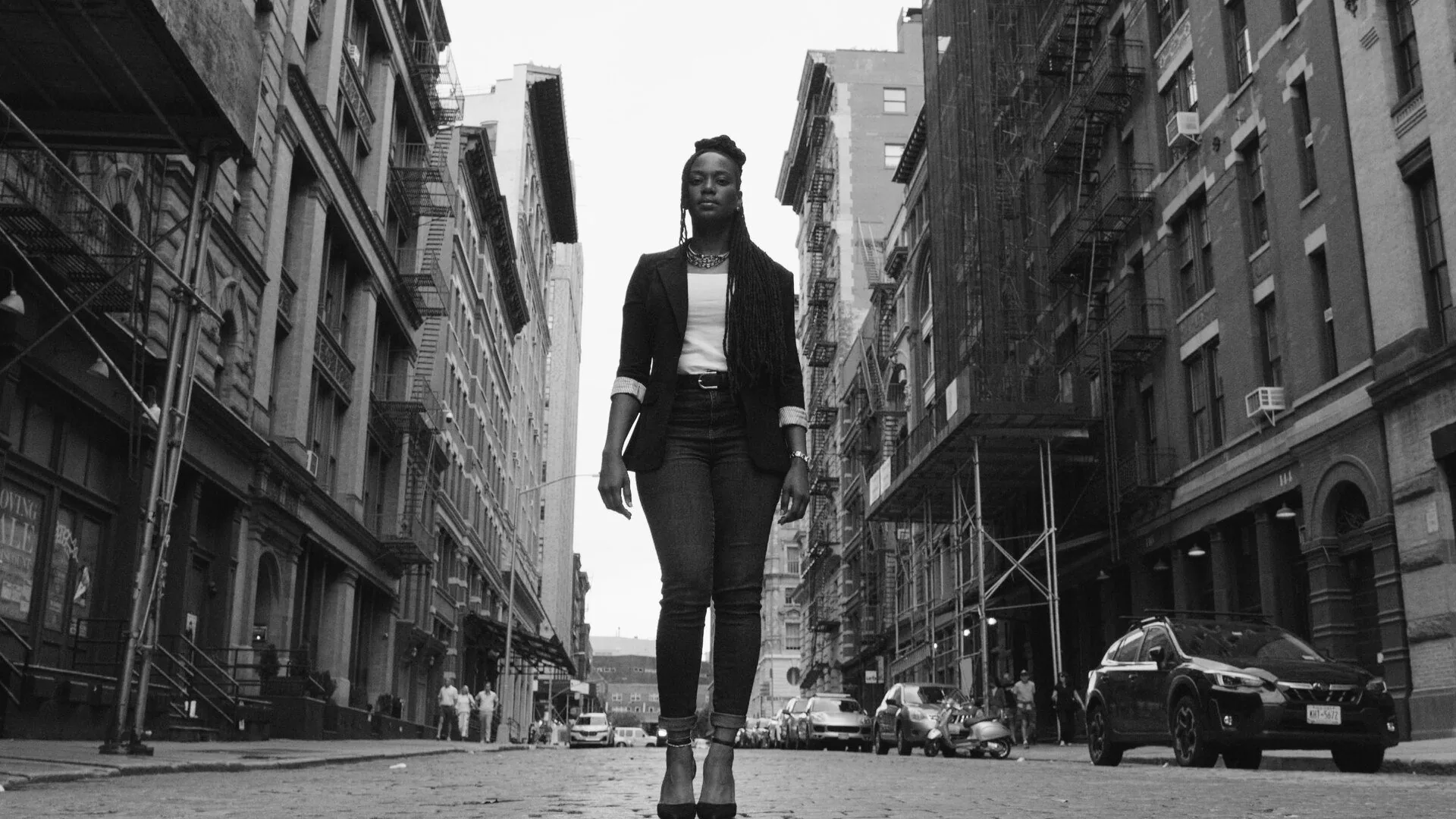
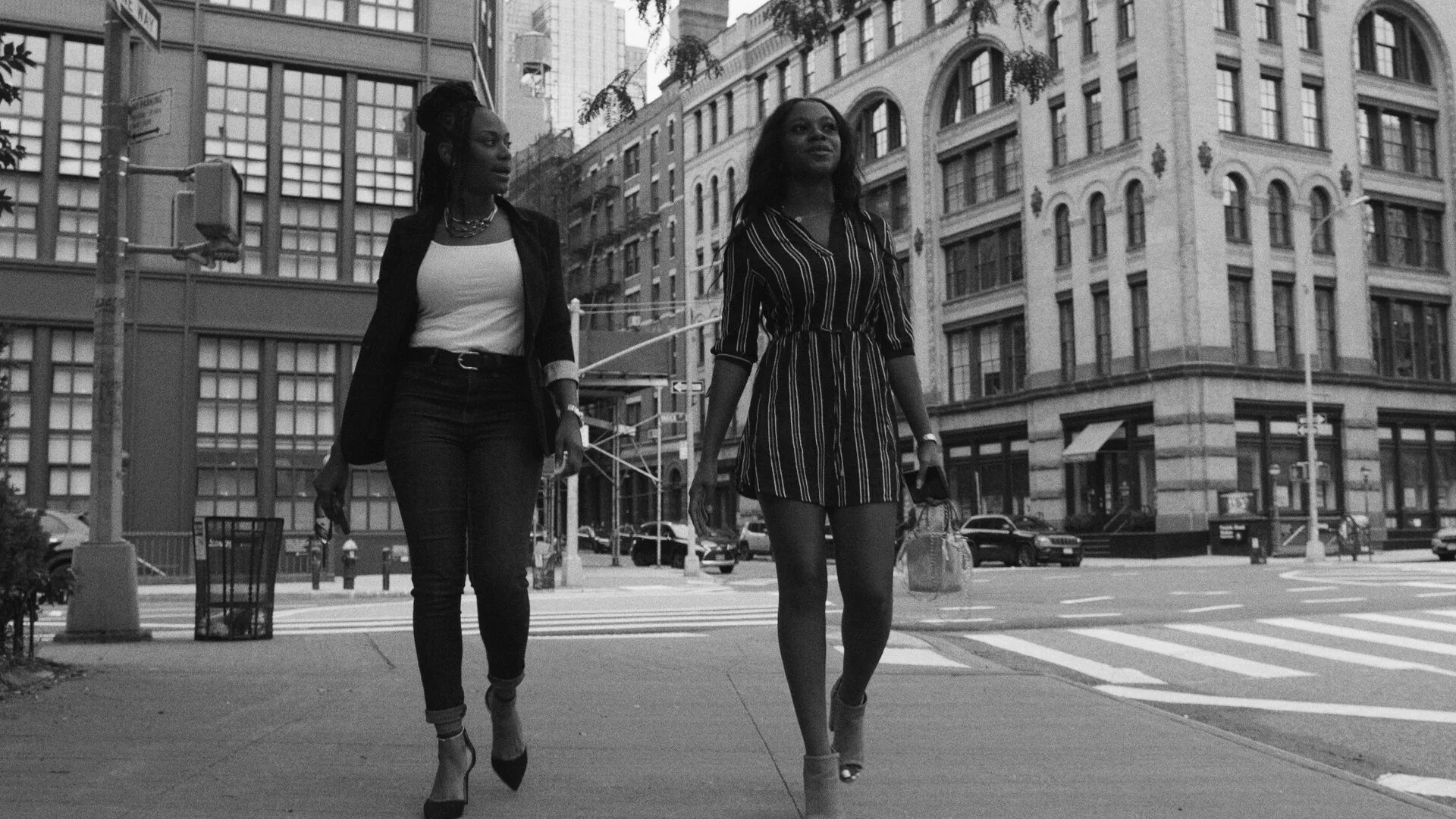
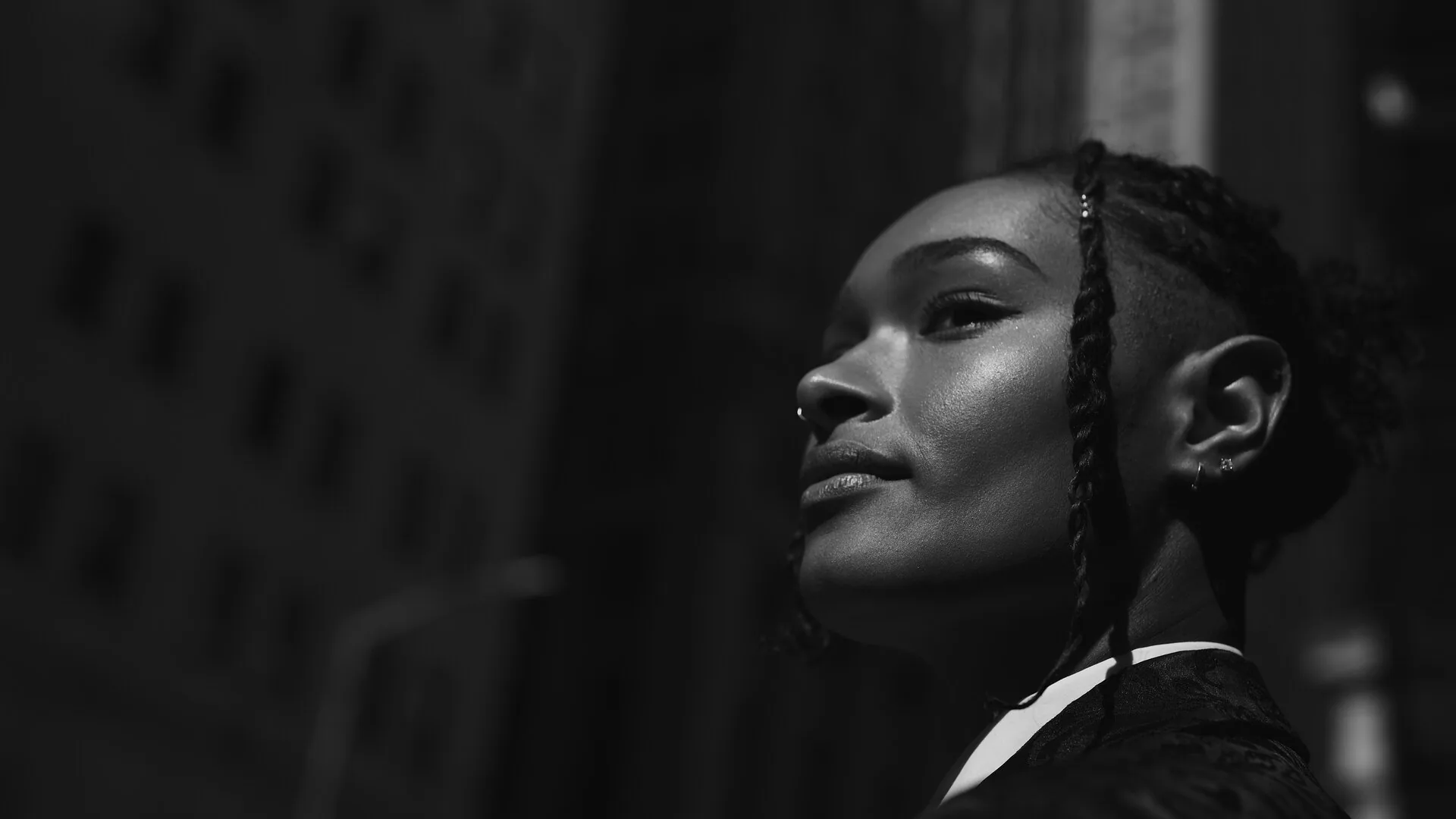
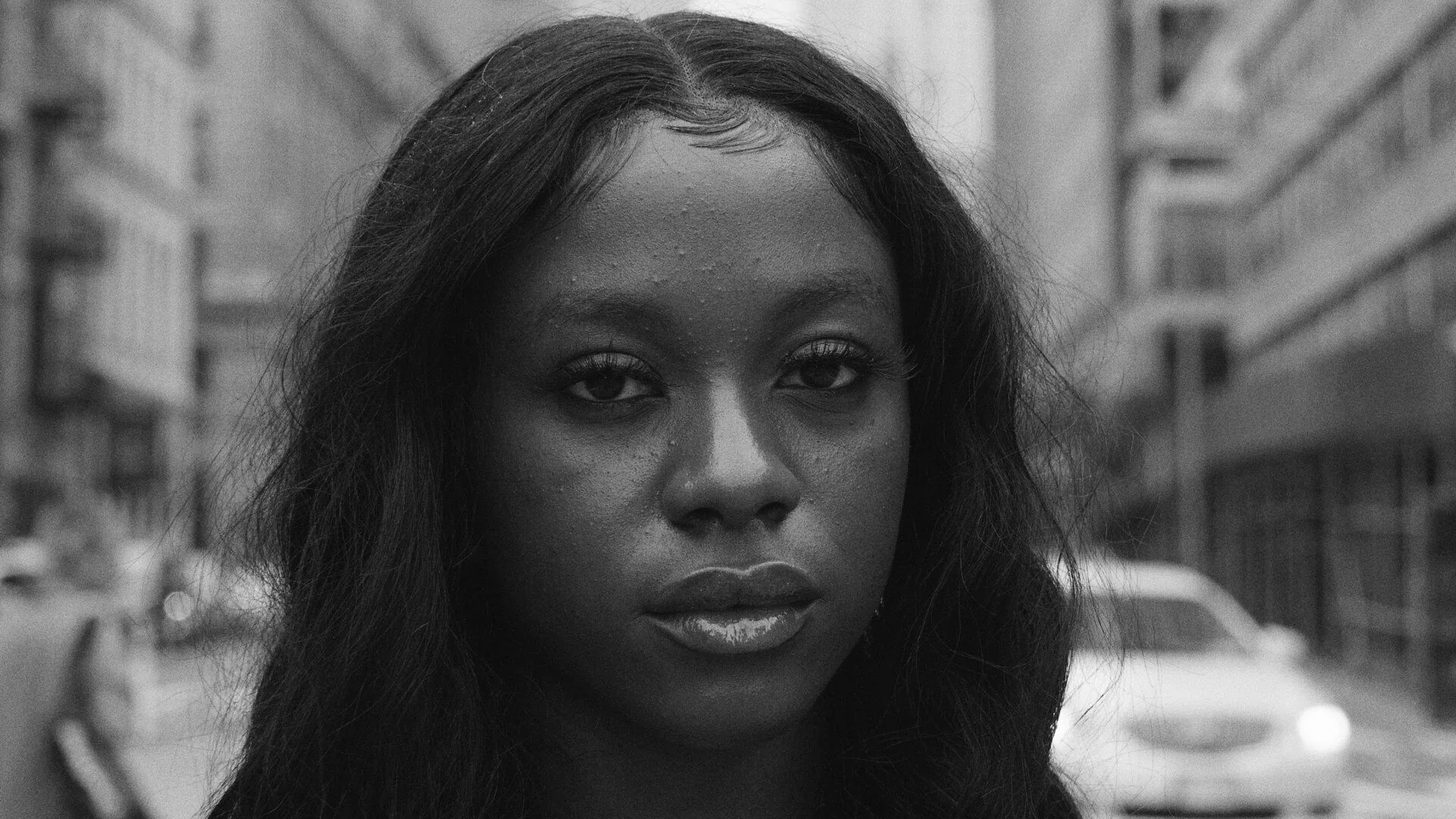
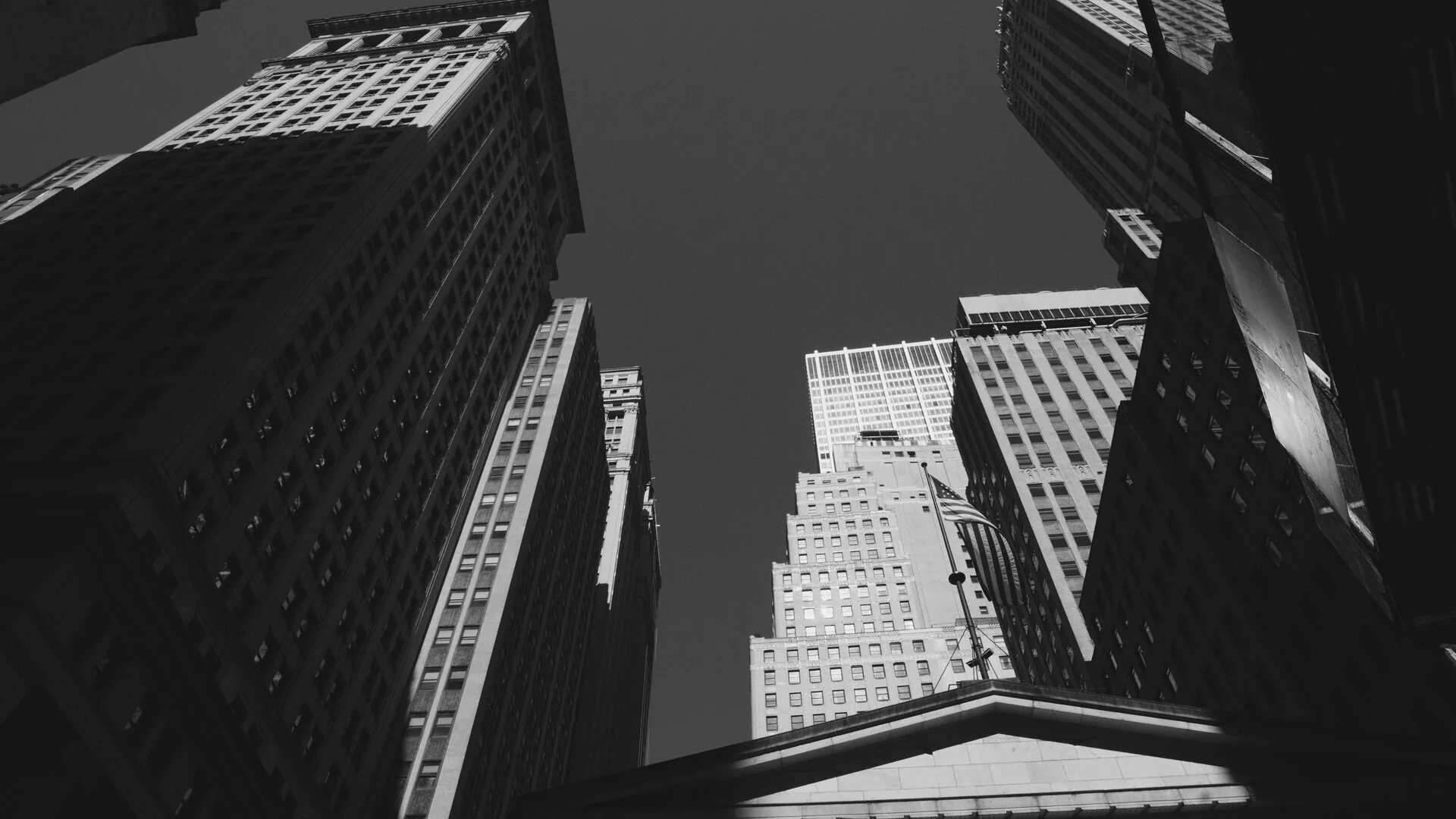
Capturing the vision of the production meant more than interview coverage. C&I travelled into the city and shot stills and motion on the same days, with the same crew and the same look, so the photography and the series came back as one body of work rather than two separate deliveries.
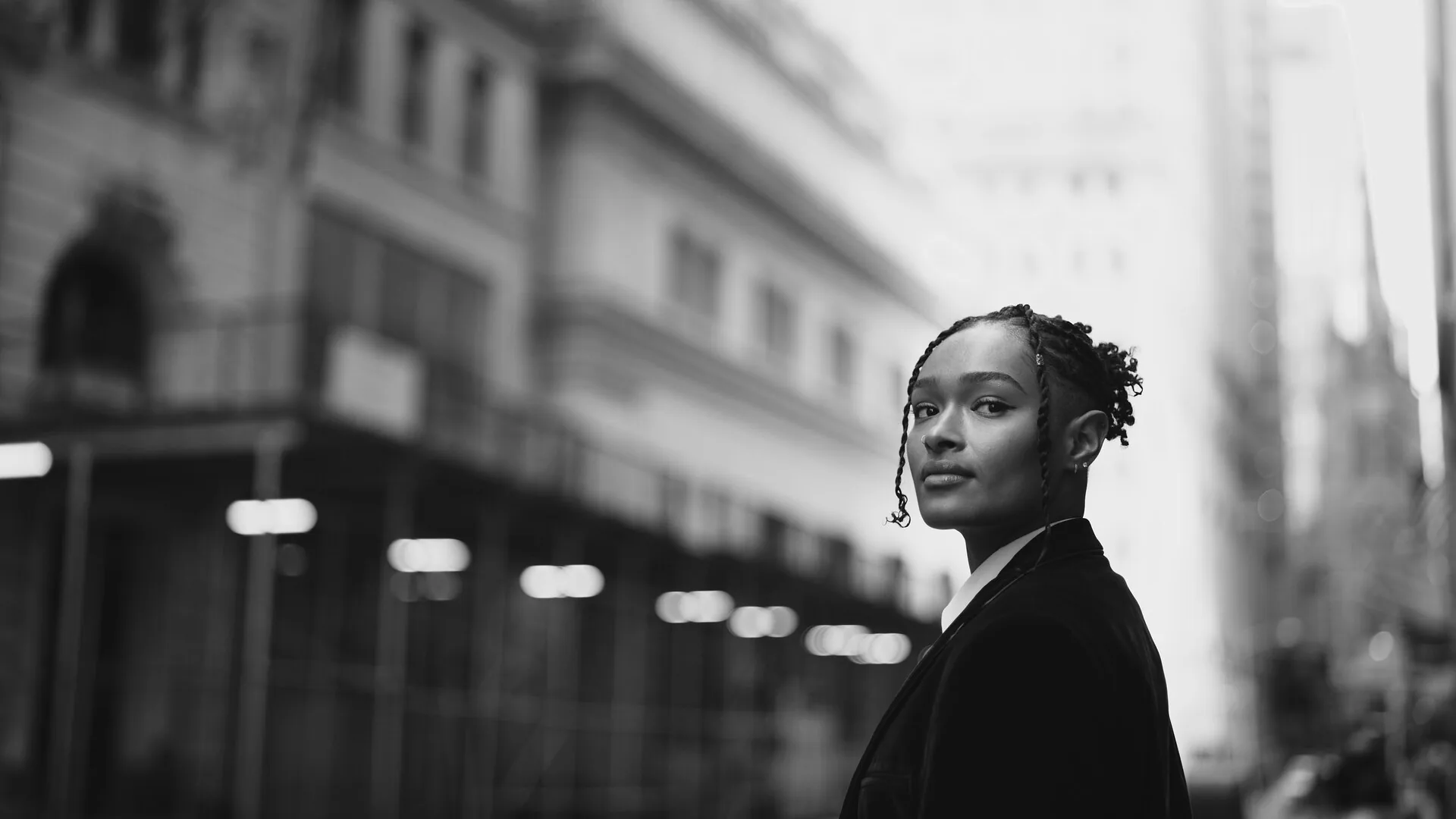
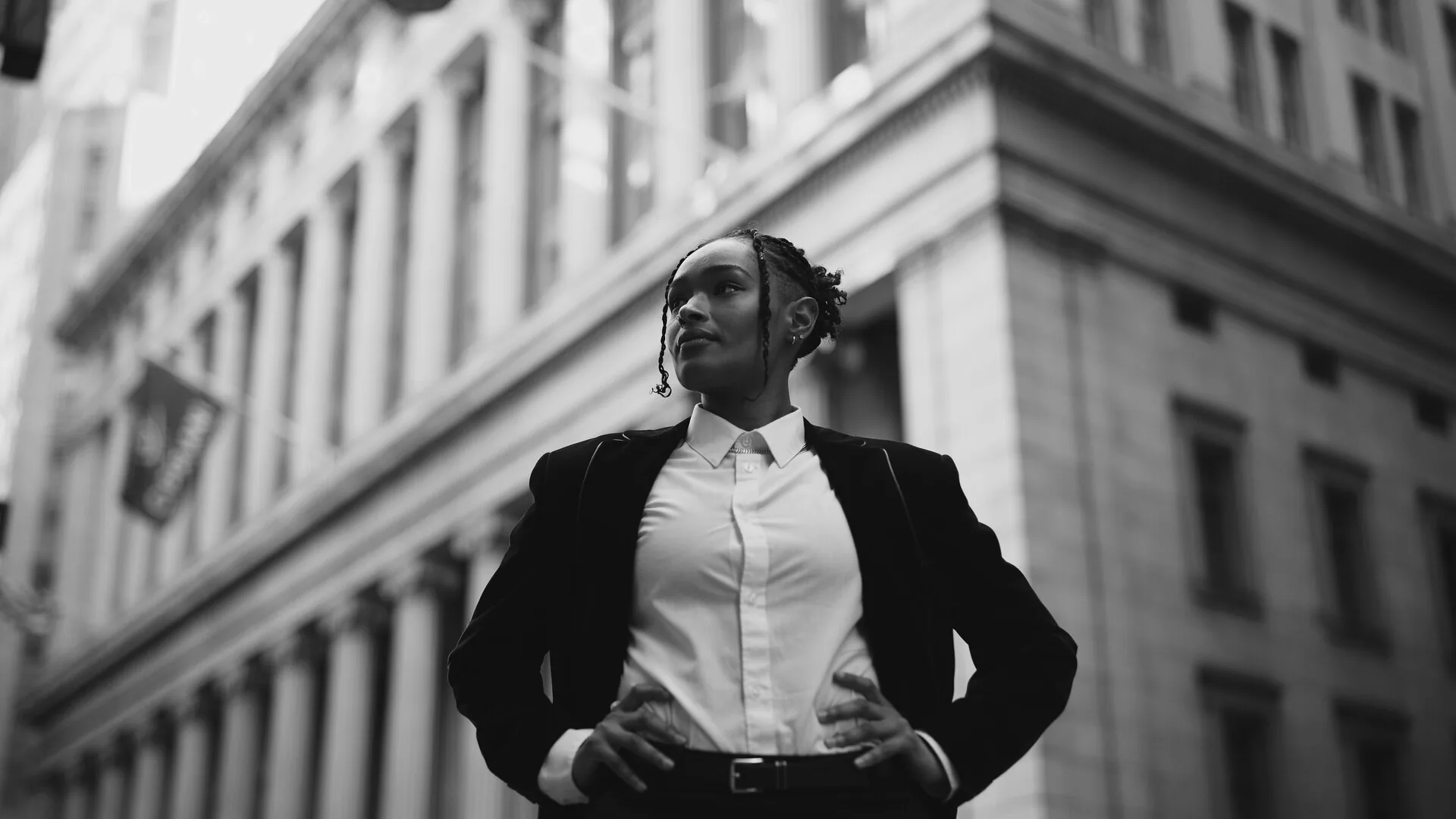
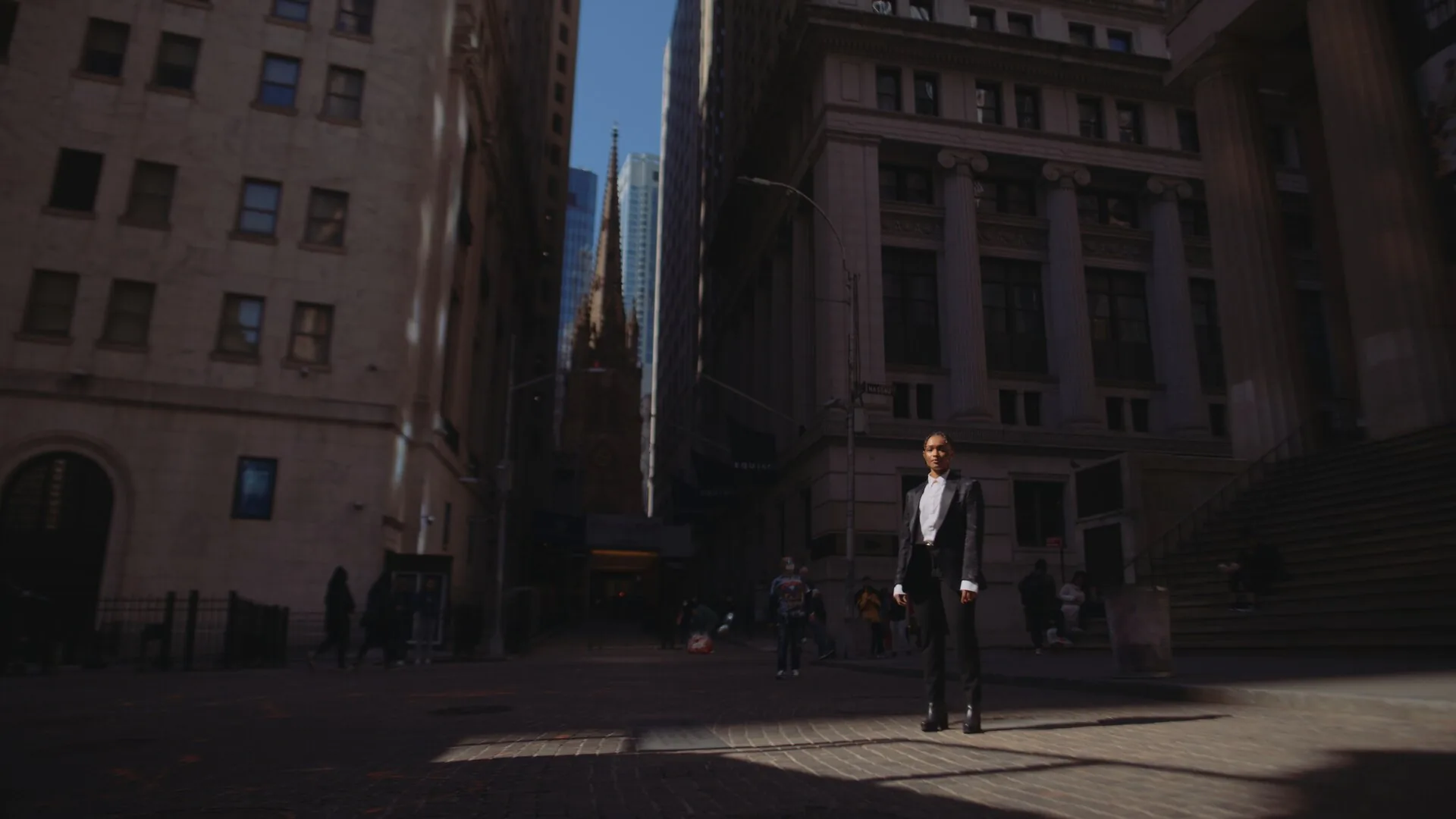
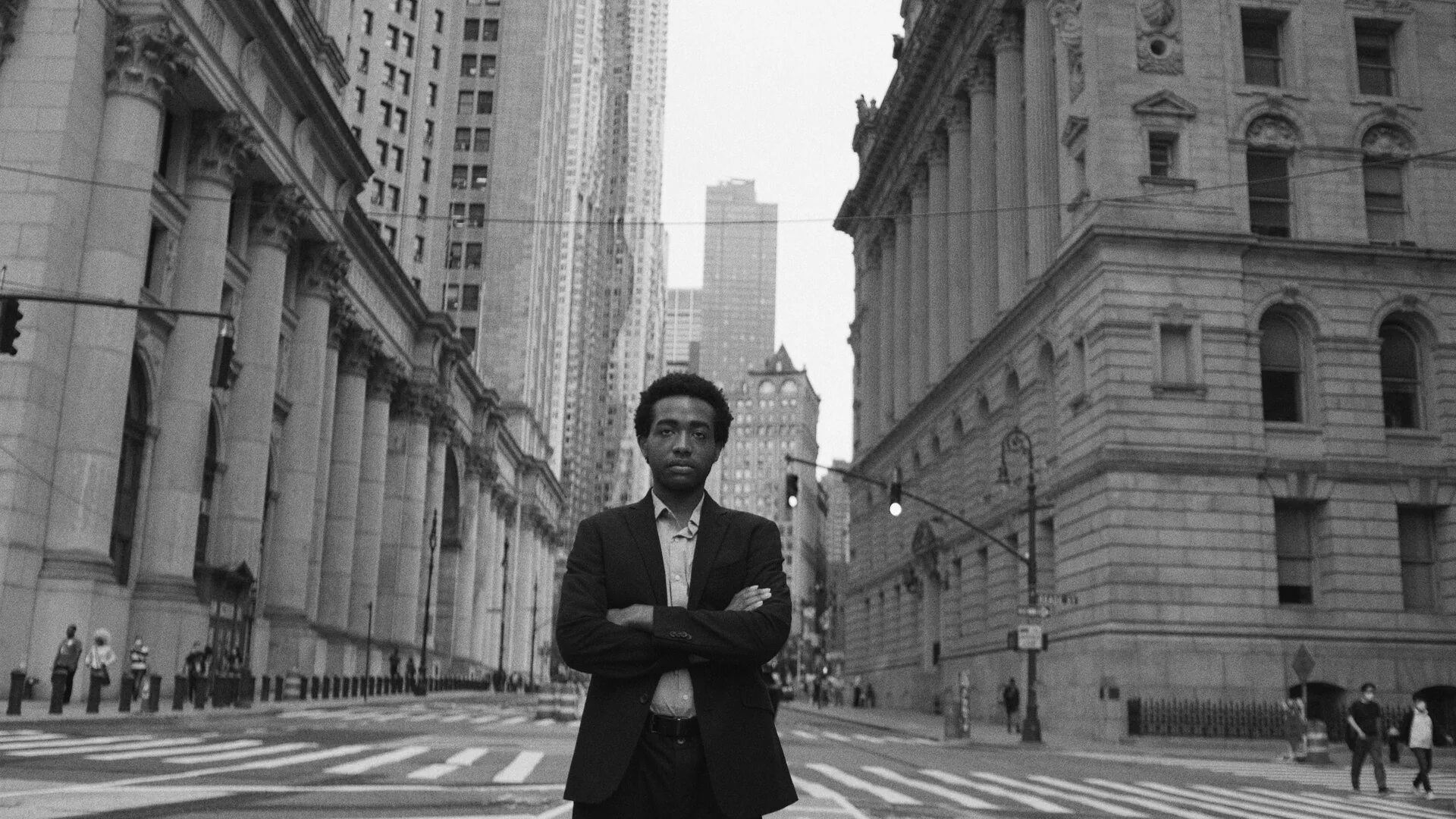
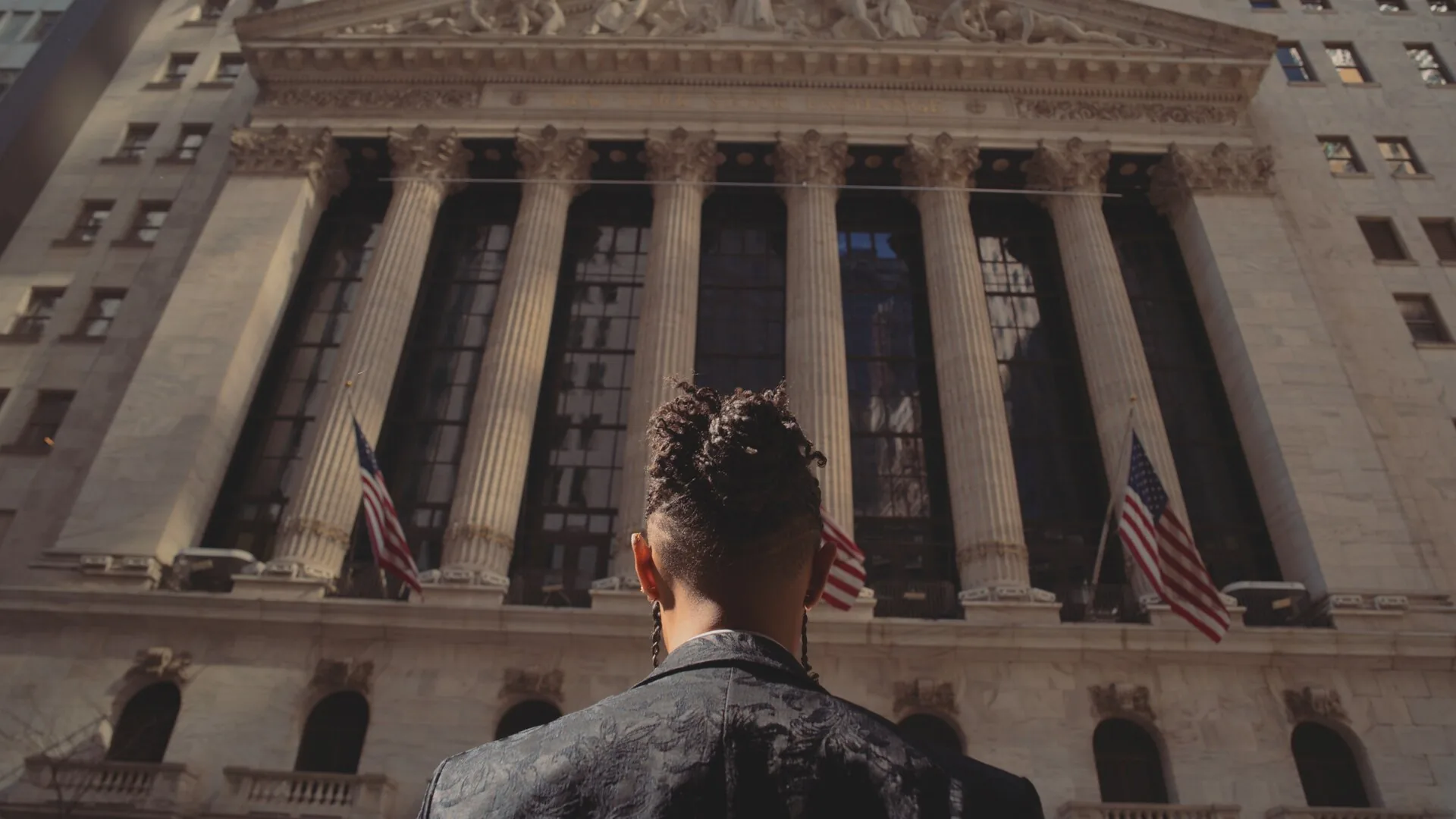
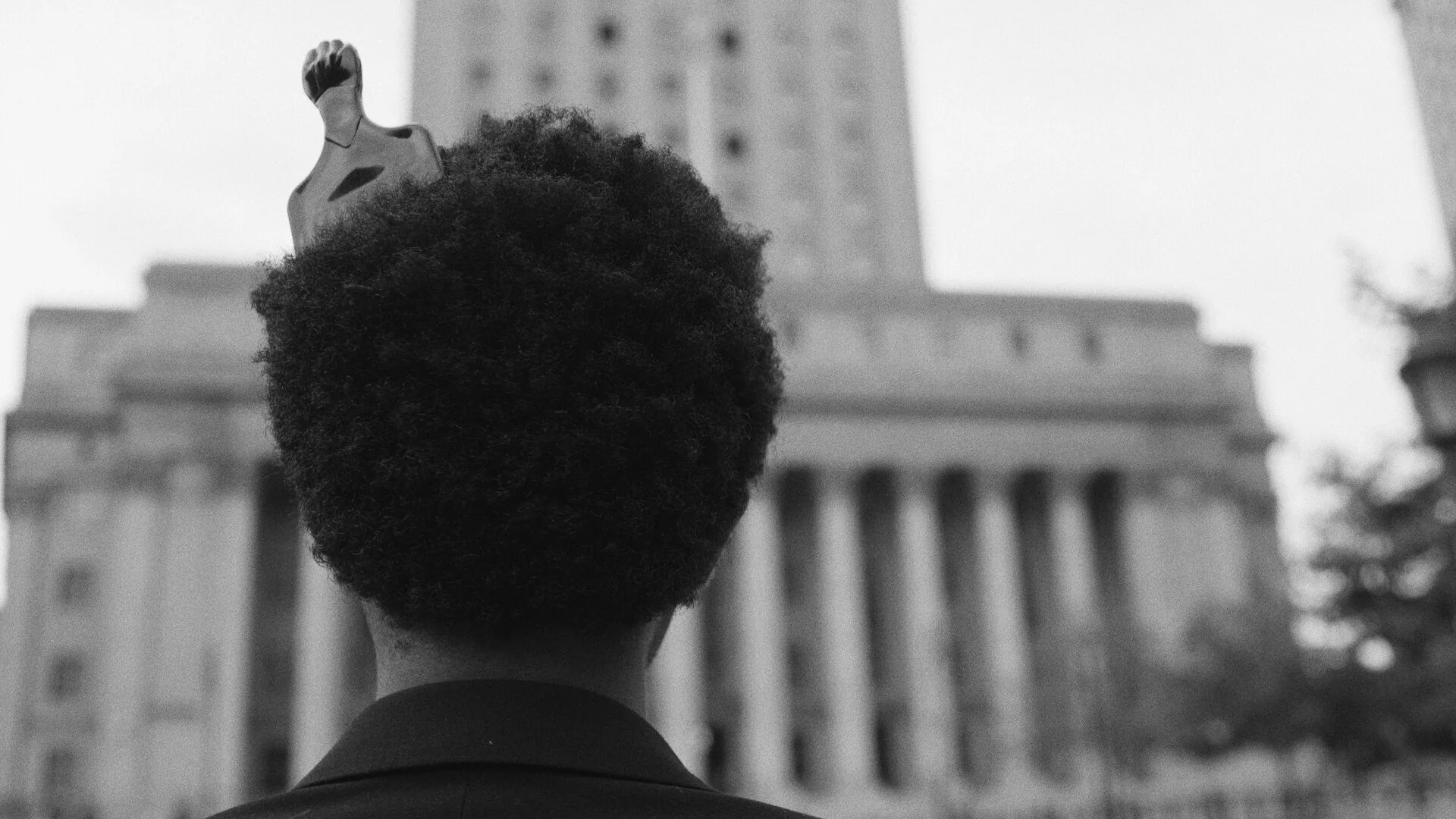
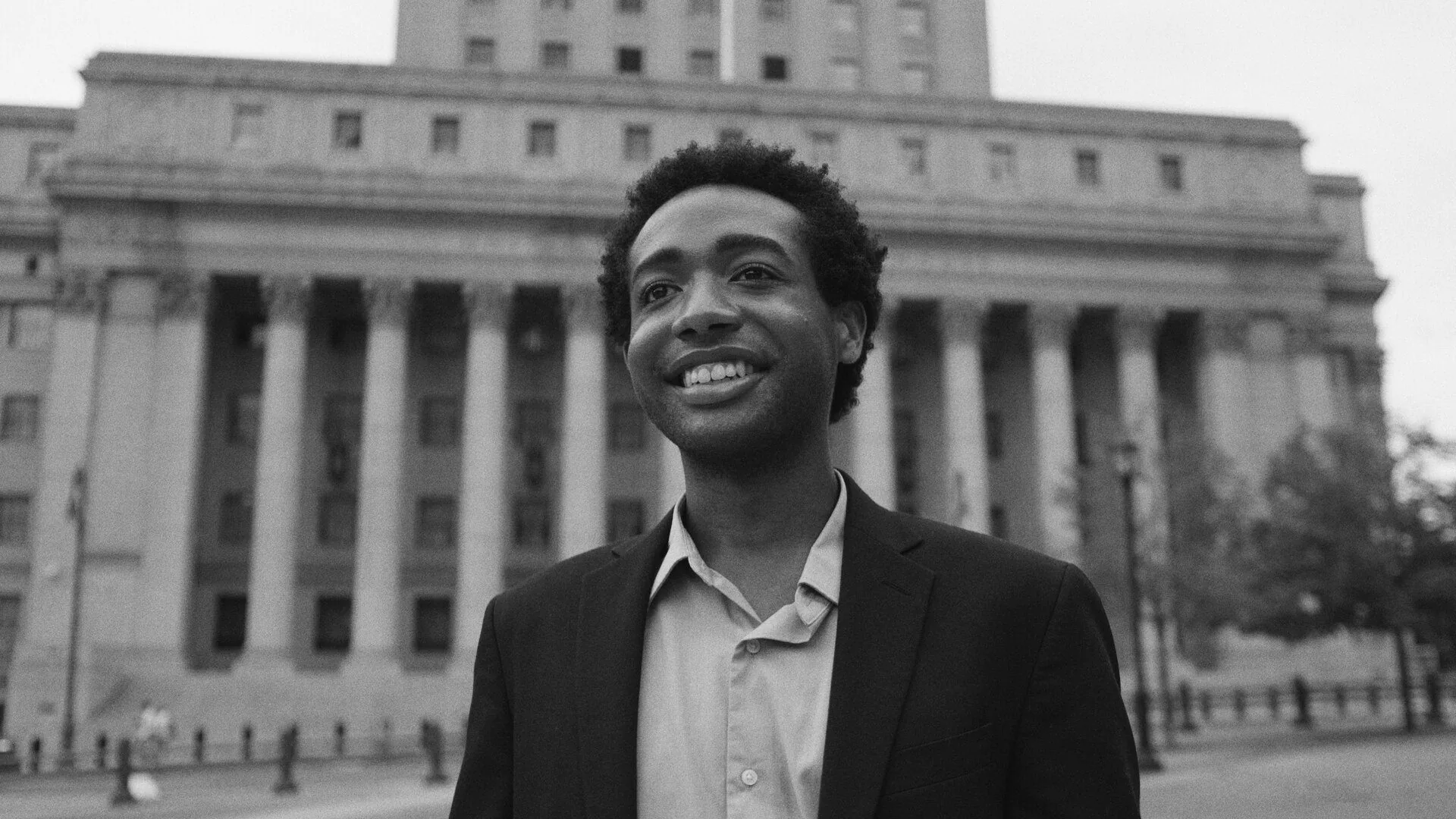
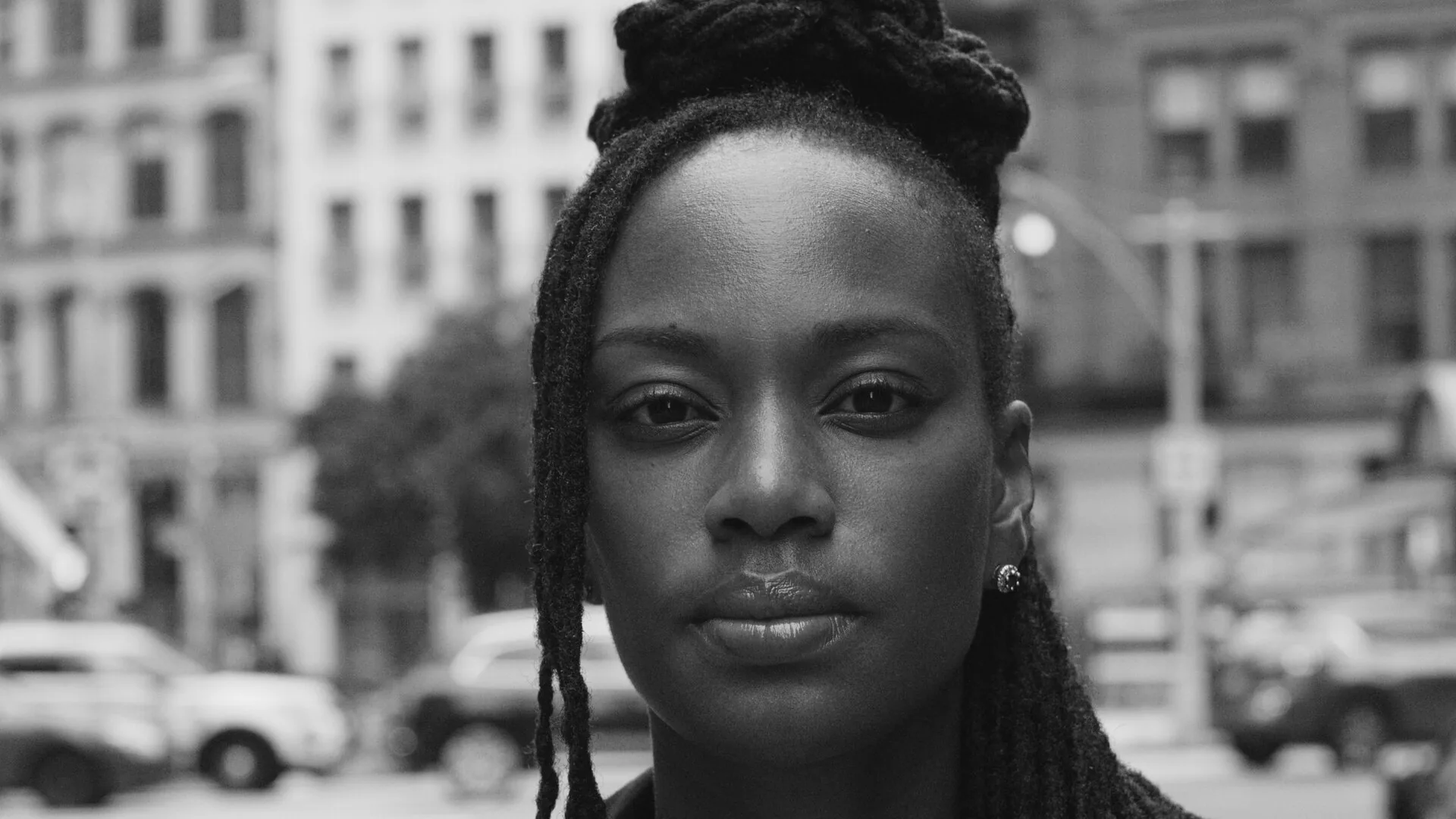
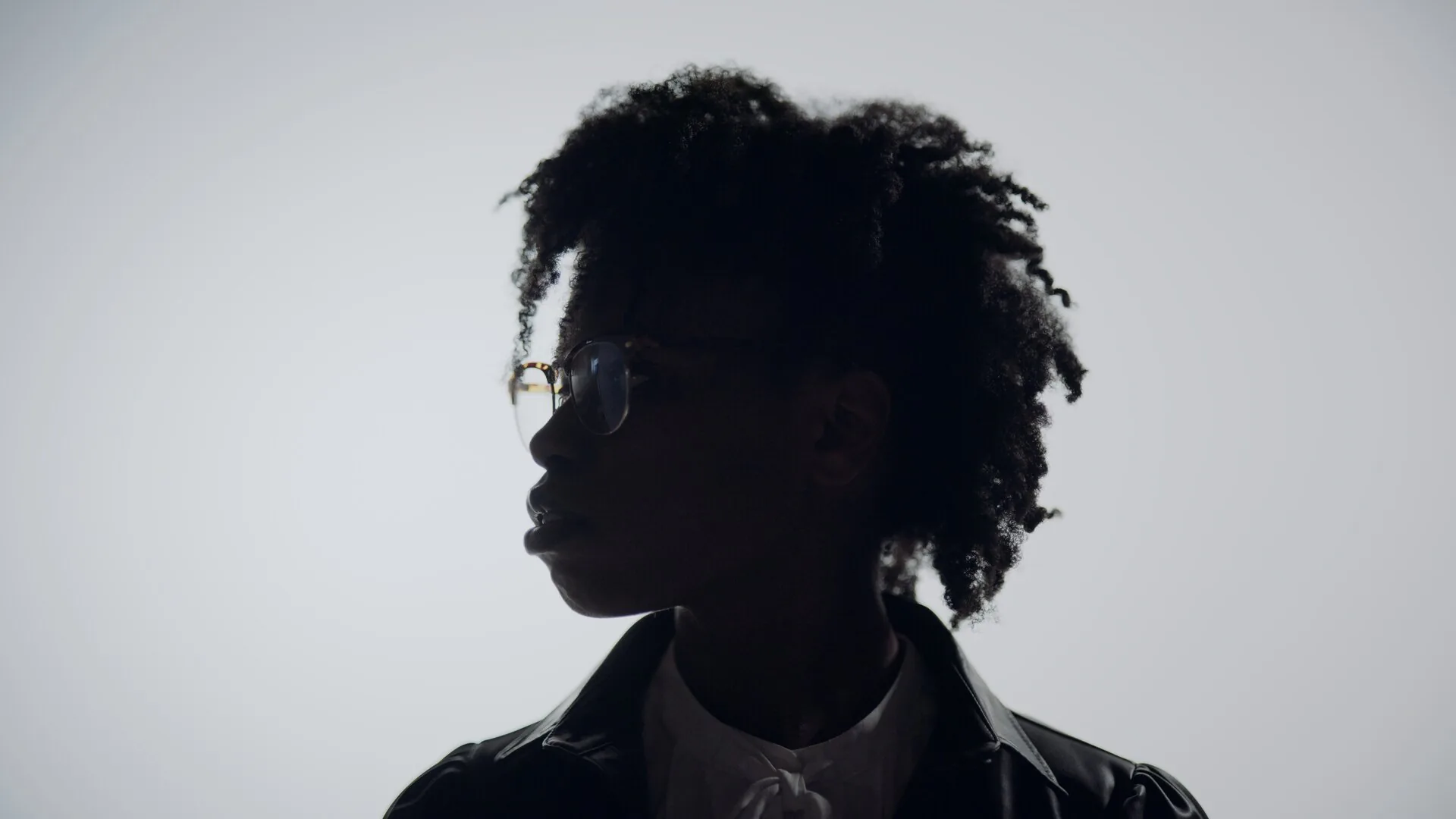
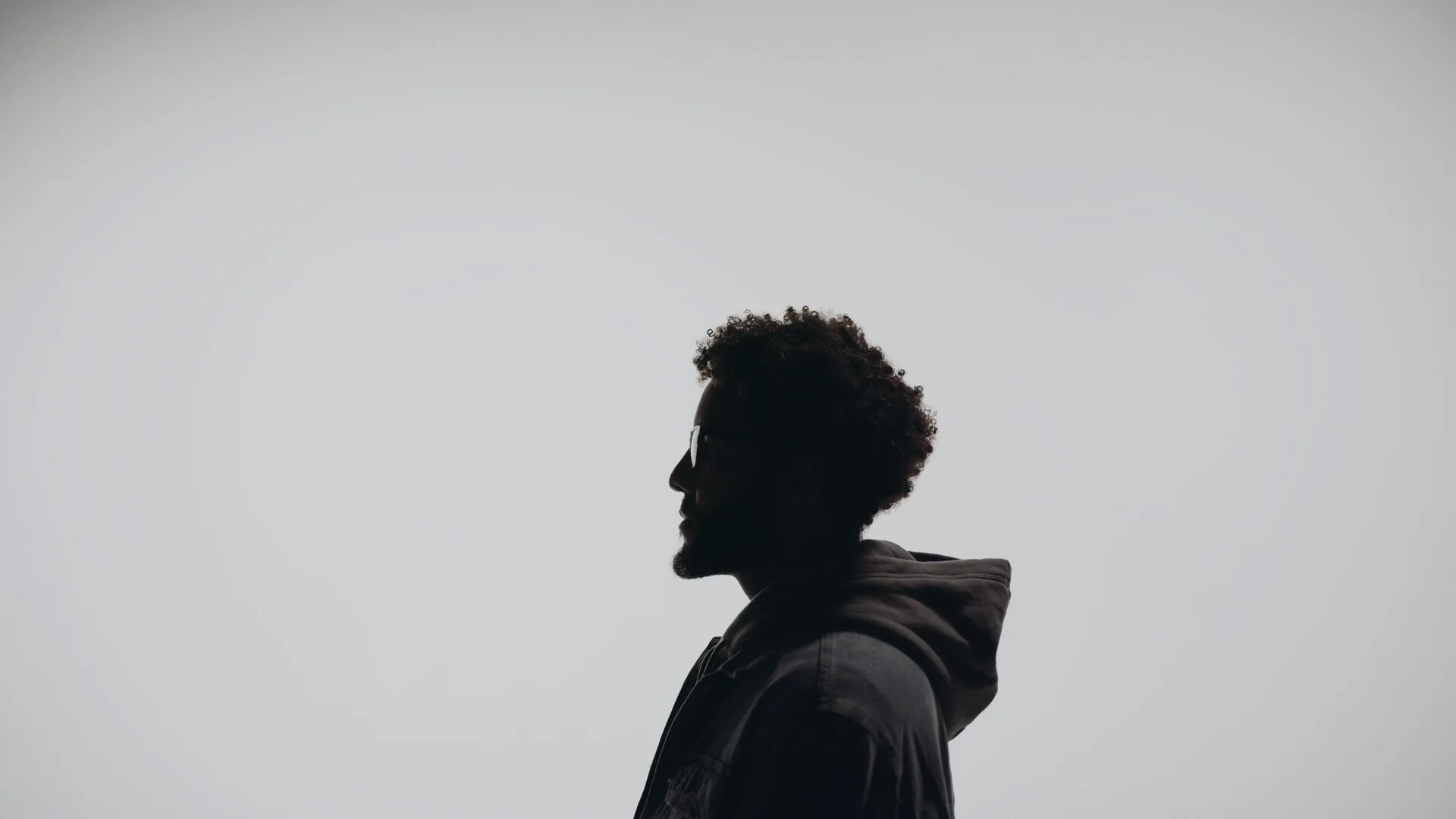
Several faces carry it, photographed on Wall Street, on the courthouse steps, in SoHo and on rooftops at sunset, in color and in black and white, so the campaign, the poster art and the series all draw on the same visual language.
The Film
Watch the Trailer
Five minutes cut from three years of production. Everything in it, the interviews, the cinematography, the titles, the grade and the sound, was made by C&I. This is what the whole apparatus on this page was built to produce.
Poster and Key Art
Shooting the Poster and the Opening Sequence
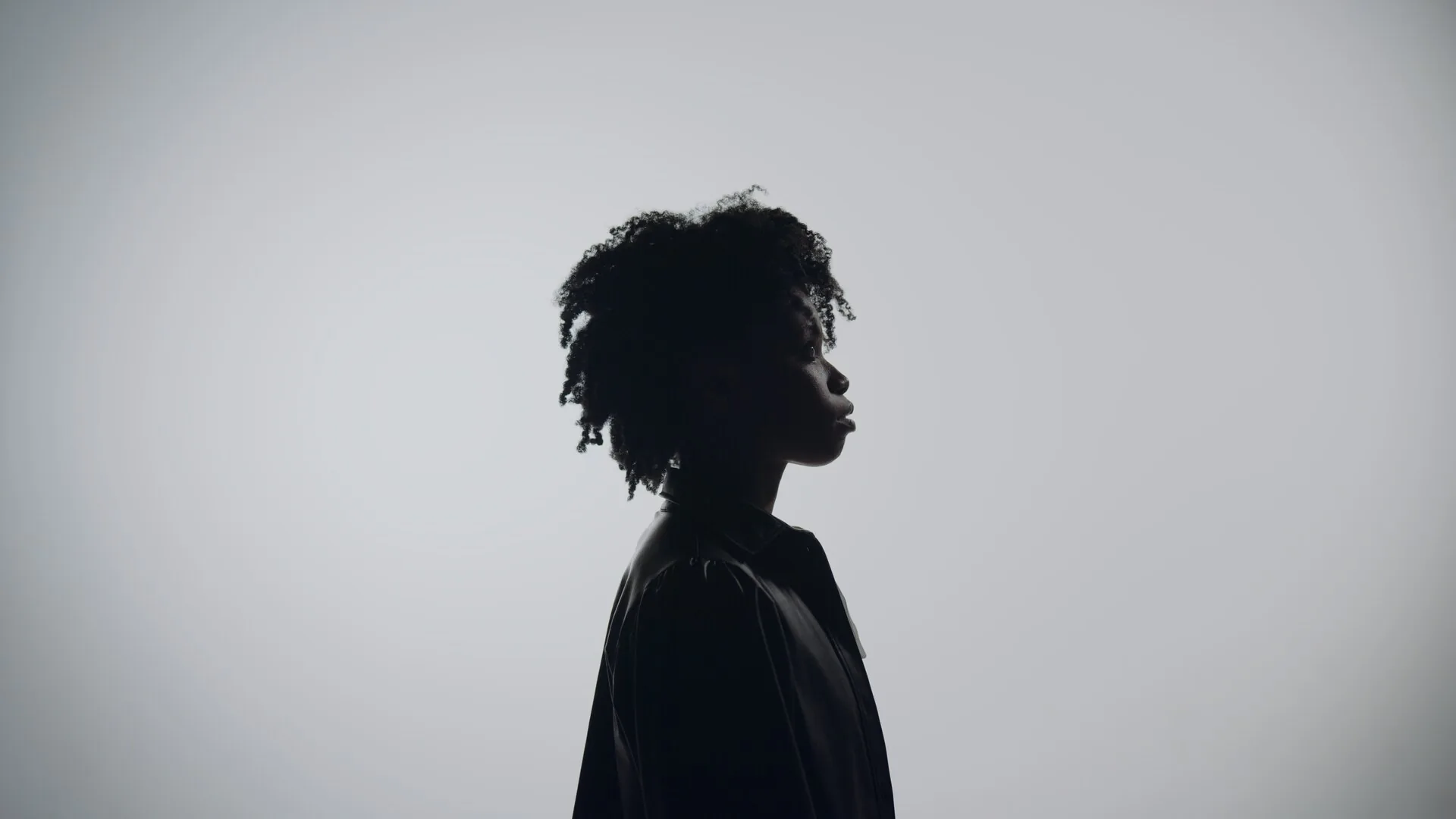
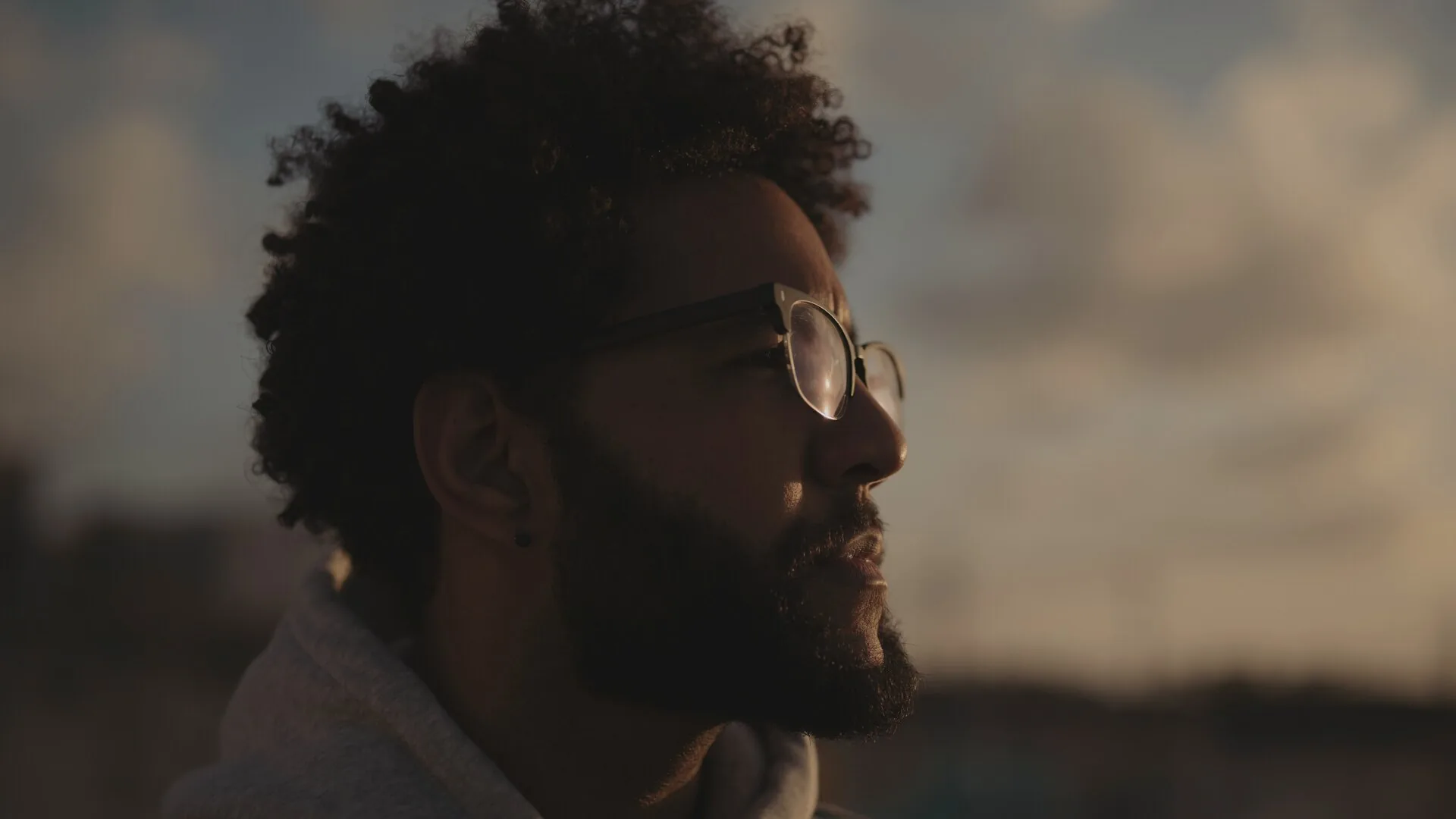
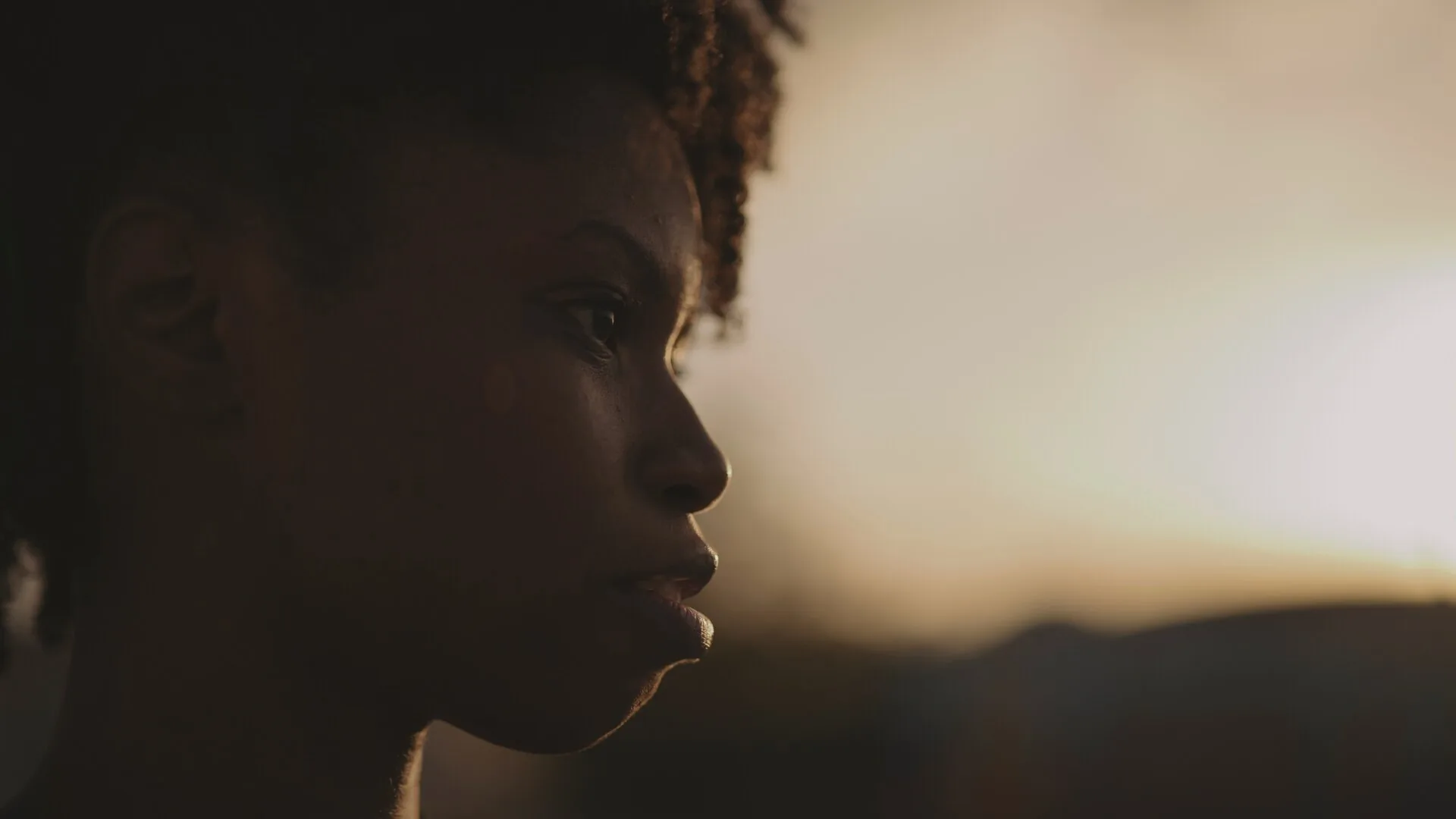
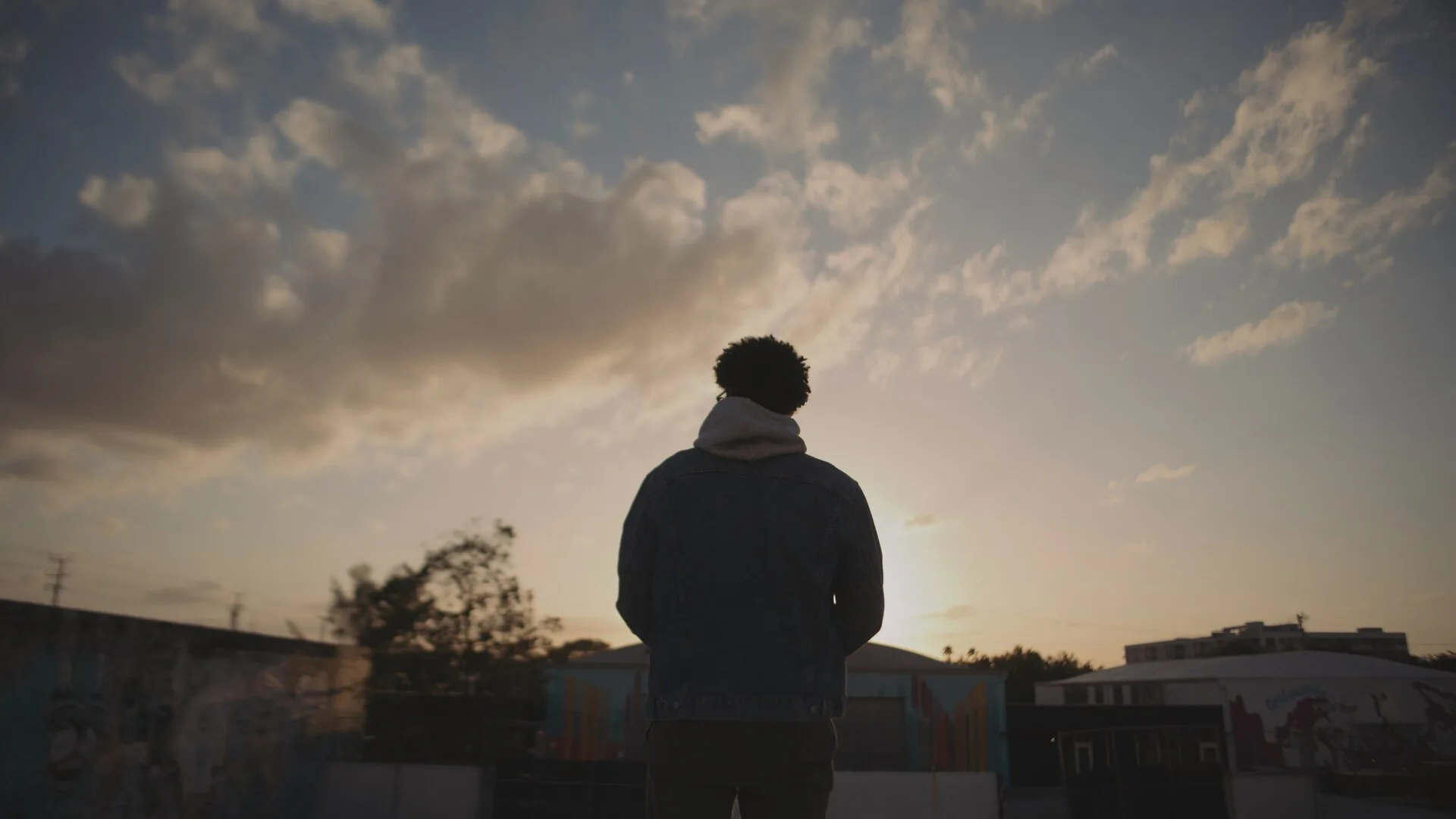
Two of the most visible pieces of a film are made long before anyone sees the series itself. The poster has to hold a whole story in one frame, and the opening sequence has to set the register for everything after it.
C&I shot for both at once, on a white cyc for the silhouettes that the titles are cut into, and at golden hour on a rooftop for the key art, so the two share a single visual idea rather than arriving from separate shoots. What follows is what the title design in the next section was built from.
Title Design and Motion Graphics
Watch the Opening Sequence
The main titles were designed and animated in house. Portraits of the people in the series are cut into type, skylines and archival photographs, so the credits and the subject matter occupy the same frame instead of running over a plate. Graphic design, motion graphics and grade all answer to one look, and the sequence sets the register for everything behind it.
The Making Of
Fund Black Tech
Almost every industry got better when it opened up. Music, sports, fashion and advertising all changed because new people got in the room. Technology did not move the same way, and the money is where you can see it most clearly.
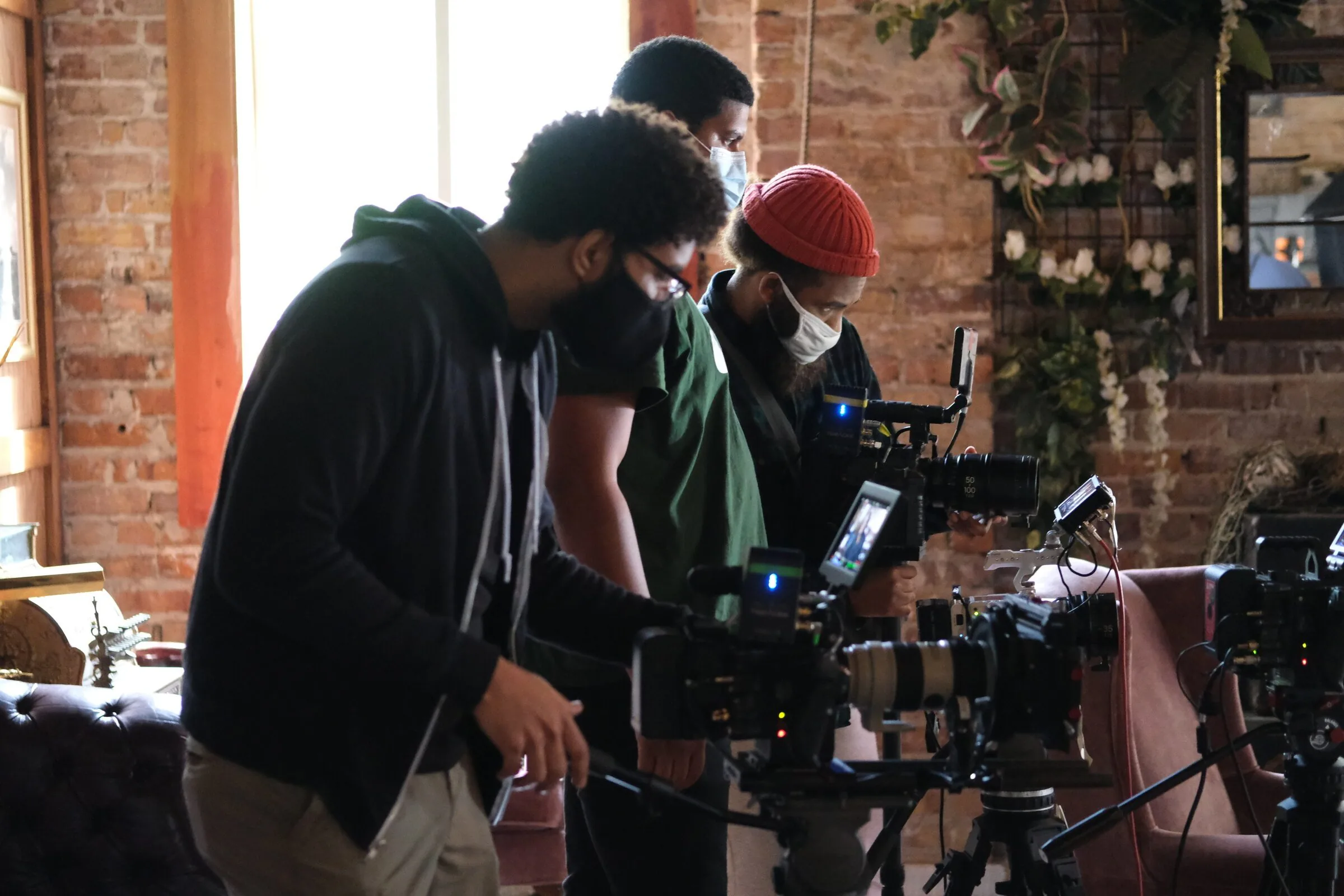
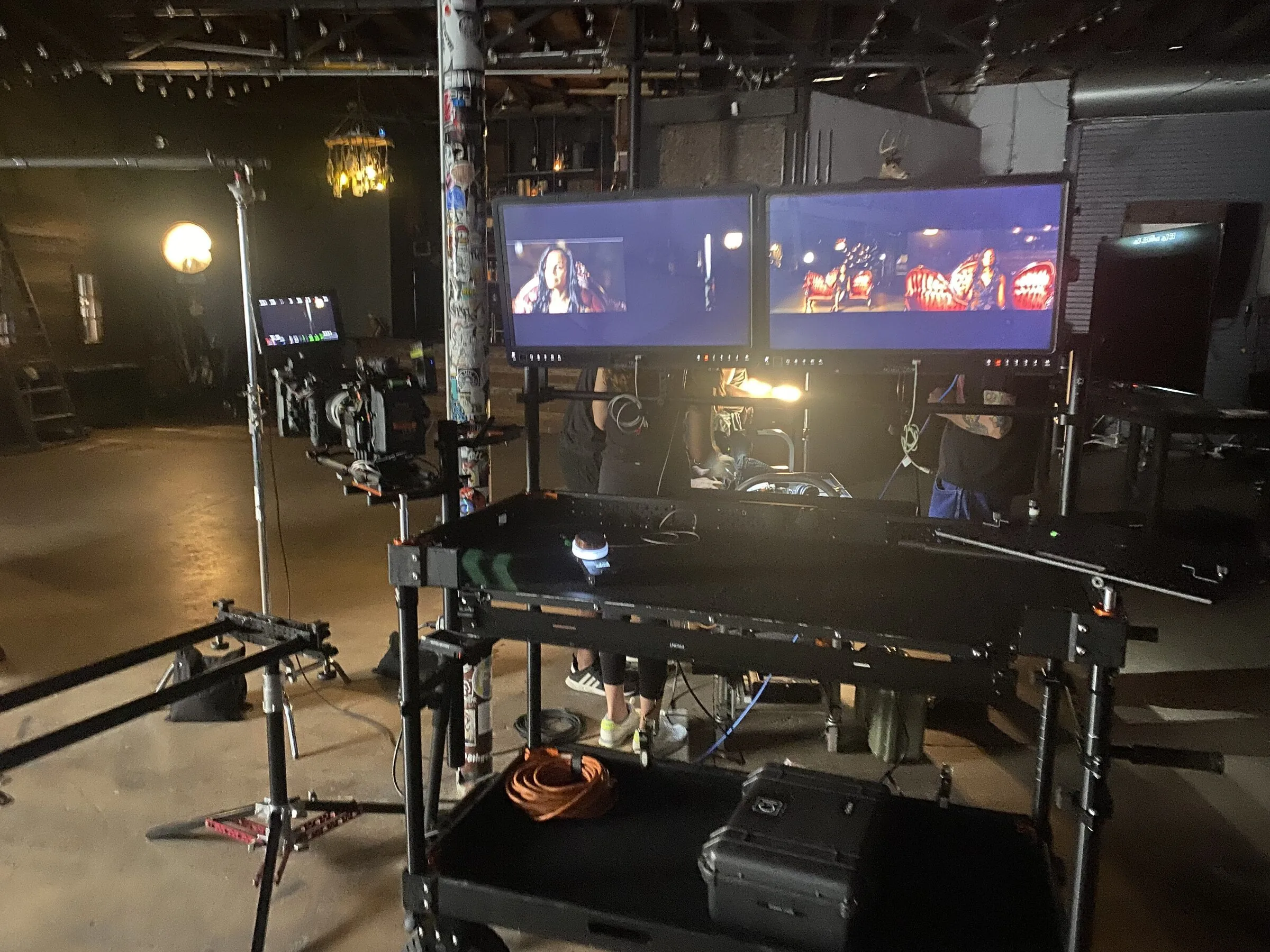
Filming the answer took three years. The first shoot was in March 2021 and we were still picking up footage in 2024. Twelve people sat down with us, and the largest of those setups ran five cameras and a separate audio recorder at once so nobody had to say anything twice for coverage.
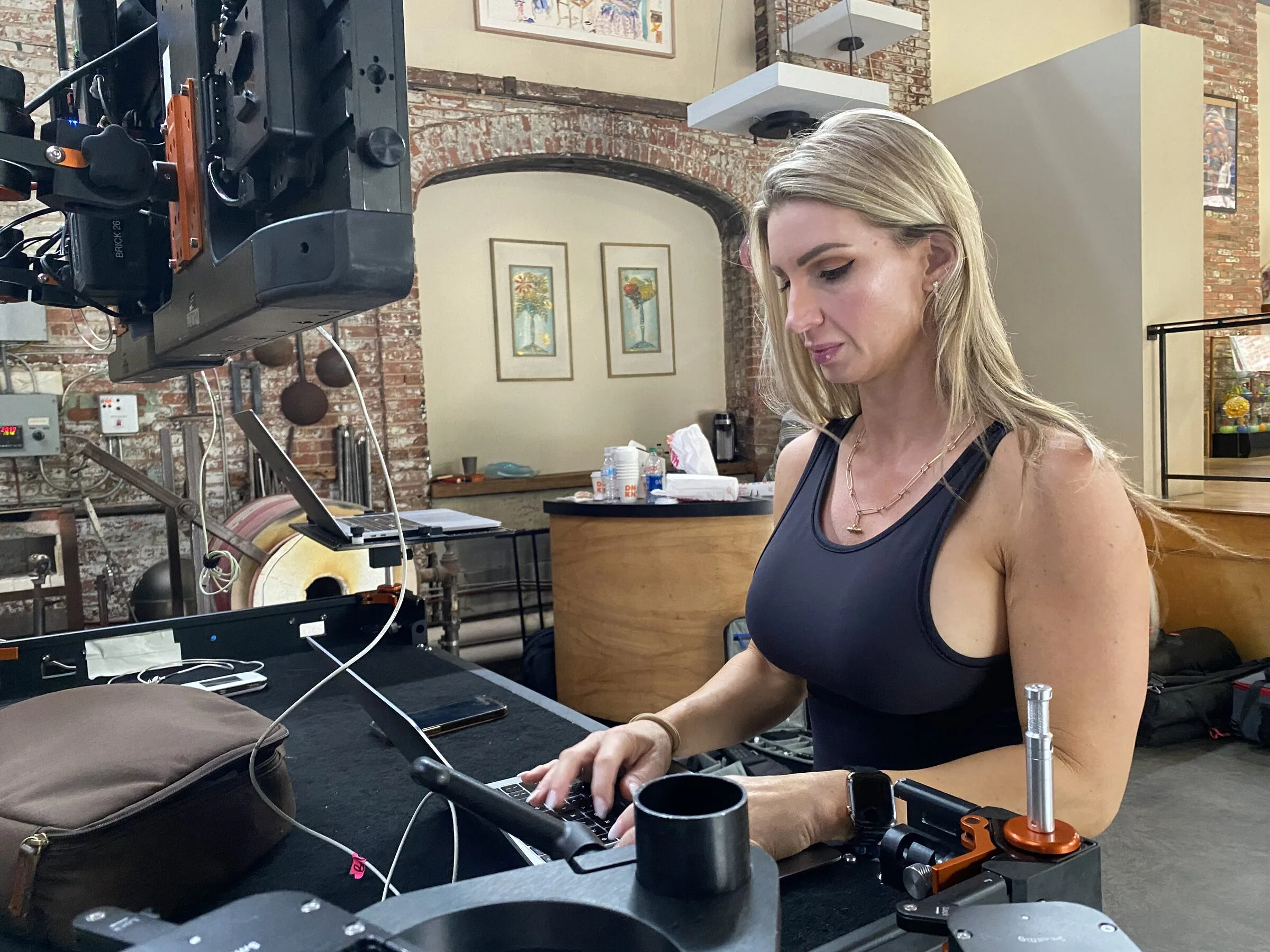
What came back fills close to 23 terabytes of RED raw across nineteen drives. This page is what that actually looked like. The sets we built, the gear we moved between cities, the days we spent in one room to earn twenty usable minutes, and the edit and color work that is still going.
Pre Production
Outreach and Scheduling
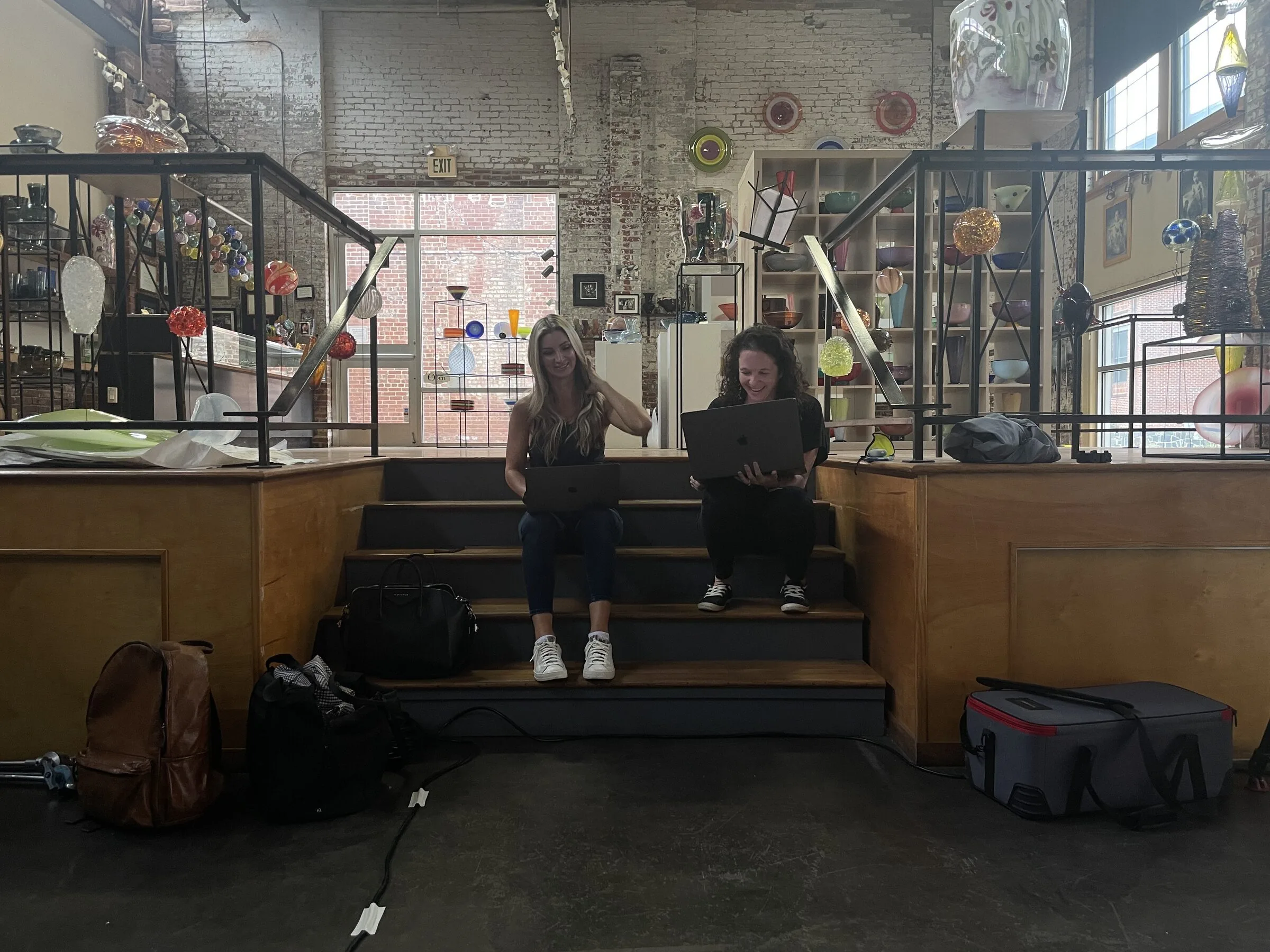
None of this exists until people agree to be in it. Every interview in the series started as an email or a phone call to somebody who had no particular reason to hand us a day of their time, and most of them took several rounds of back and forth before a date existed at all.
That is its own job. Keeping lines open with a dozen busy people at once, following up often enough to matter without becoming a nuisance, getting a confirmation and then getting it again when a schedule moved, and holding a crew and a location against a date that was not truly locked until the day arrived. One interview day sits on top of weeks of that.
Pre Production
Location Scouting and Set Design
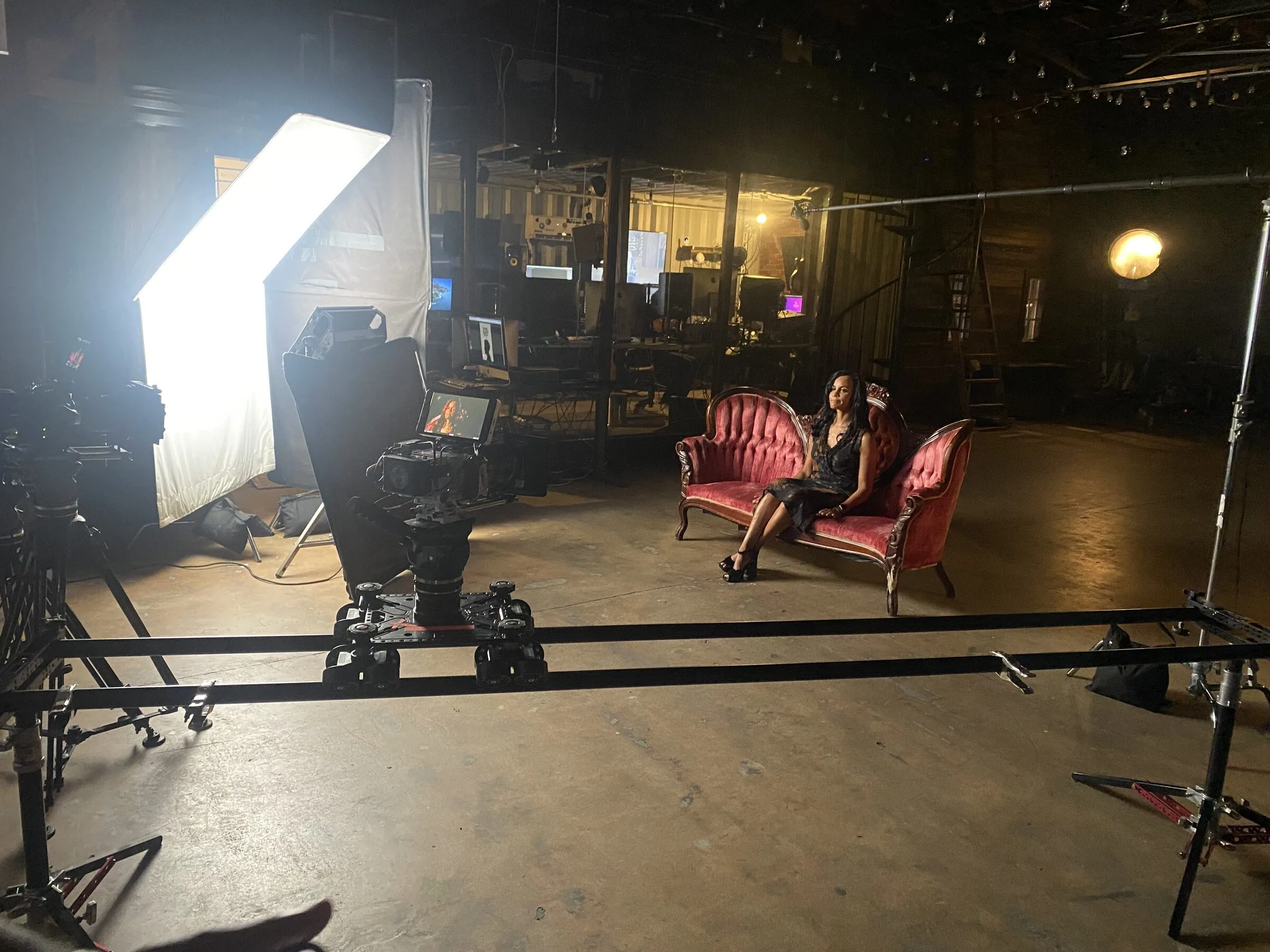
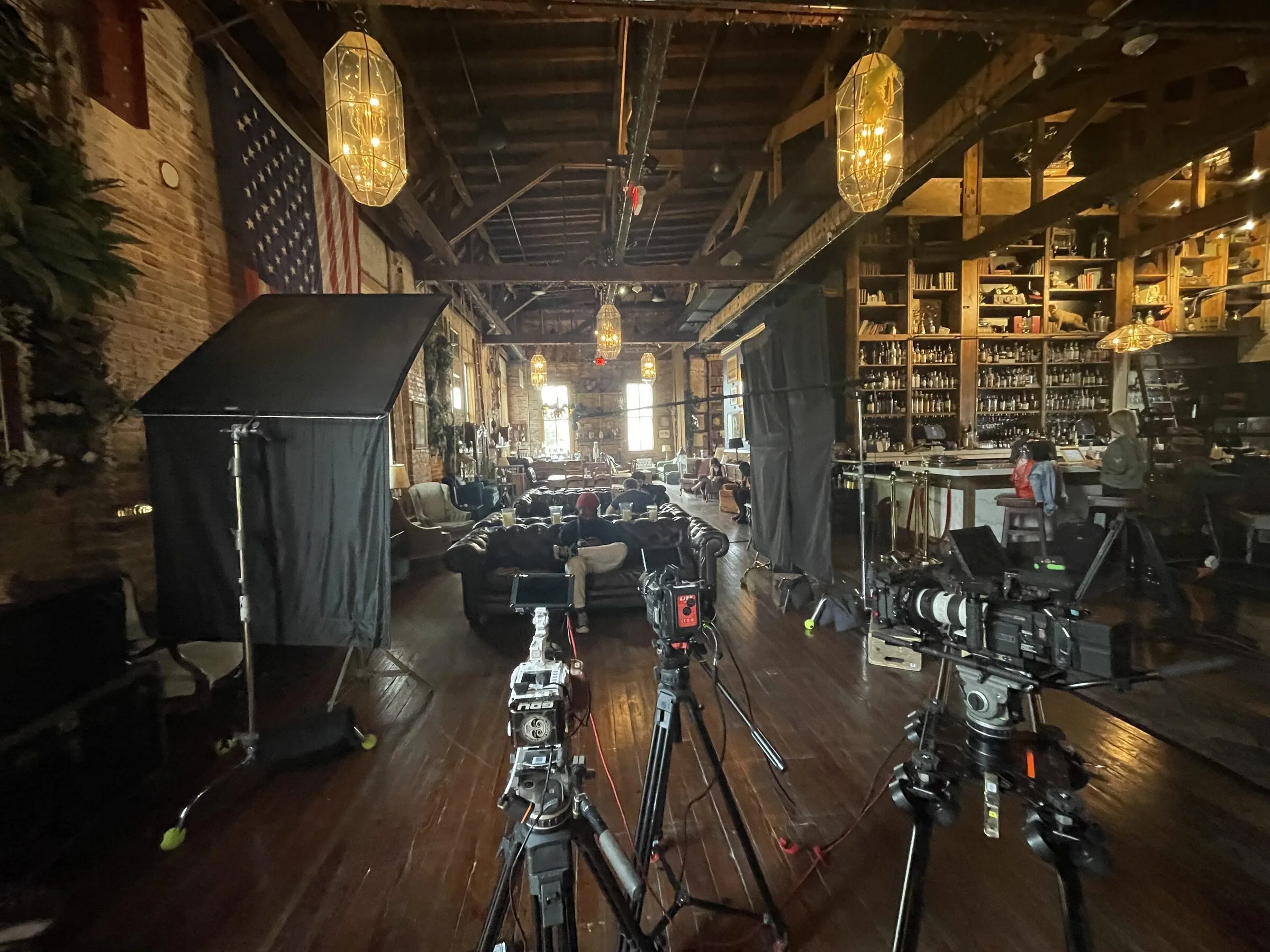
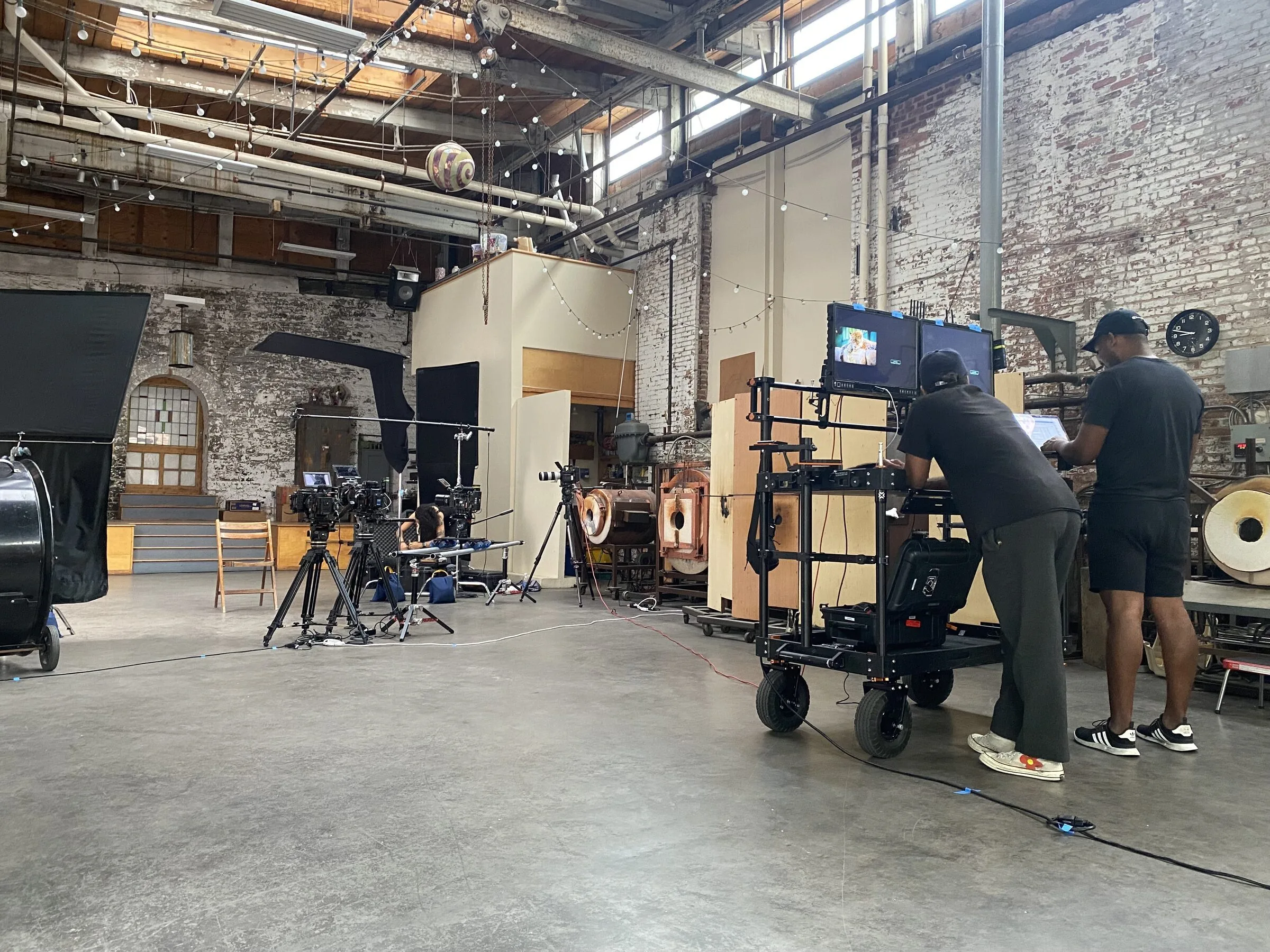
The people in this series are spread across the country, so we went to them. New York, Los Angeles, Washington DC, and more, sitting down with real people to hear their opinions and experiences. Every one of those cities meant we had to location scout first, walking the space, working out where a camera could live and what the room was going to sound like once it was full of gear. Then the set had to be dressed. It had to be visually engaging for two hours and it had to be comfortable for the interviewee. All of these boxes had to be checked within limited windows of time.
Some of these interviews were shot on sets we built from the ground up in our Los Angeles studio, which let us design the room around the conversation instead of working around whatever a venue would let us move. Across the production it ran as a balance of the two, rented locations dressed properly, and full sets built in our own space.
One Theme, Twelve Scripts
We conducted 12 interviews, each one across a full production day.
The questions carried the same sentiment on purpose, because the series had to stay on one theme. Everything else changed. Every person got their own script, and we studied each of them before they walked in, what they had built, where their story met the money, what they were actually in a position to answer. This was never a copy paste scenario, and it would have shown on camera if we had run it like one.
Production
Nobody Got This on the First Take
It is always a goal in the interview process to keep the person being interviewed comfortable enough that they can open up in front of the camera. Somebody who feels like they are stuck on a stage gives you a performance. We needed our environment to have the opposite effect, to instead bring out their open, honest and real answers.
The Fritz Orlando interview ran five cameras and a separate audio recorder at the same time, which came back as two full drives of footage from one sitting. That is a lot of setup for one person in a chair, but it is necessary.
With limited shooting time you have to over prepare. After traveling, coordinating schedules, hauling gear and setting the scene, we only get one sitting with our subjects. If a camera missed the moment they finally said the thing they came to say, it is gone, and asking a person to go back and repeat is rarely an option. So we cover every angle, pay close attention, and make the most of the time we have.
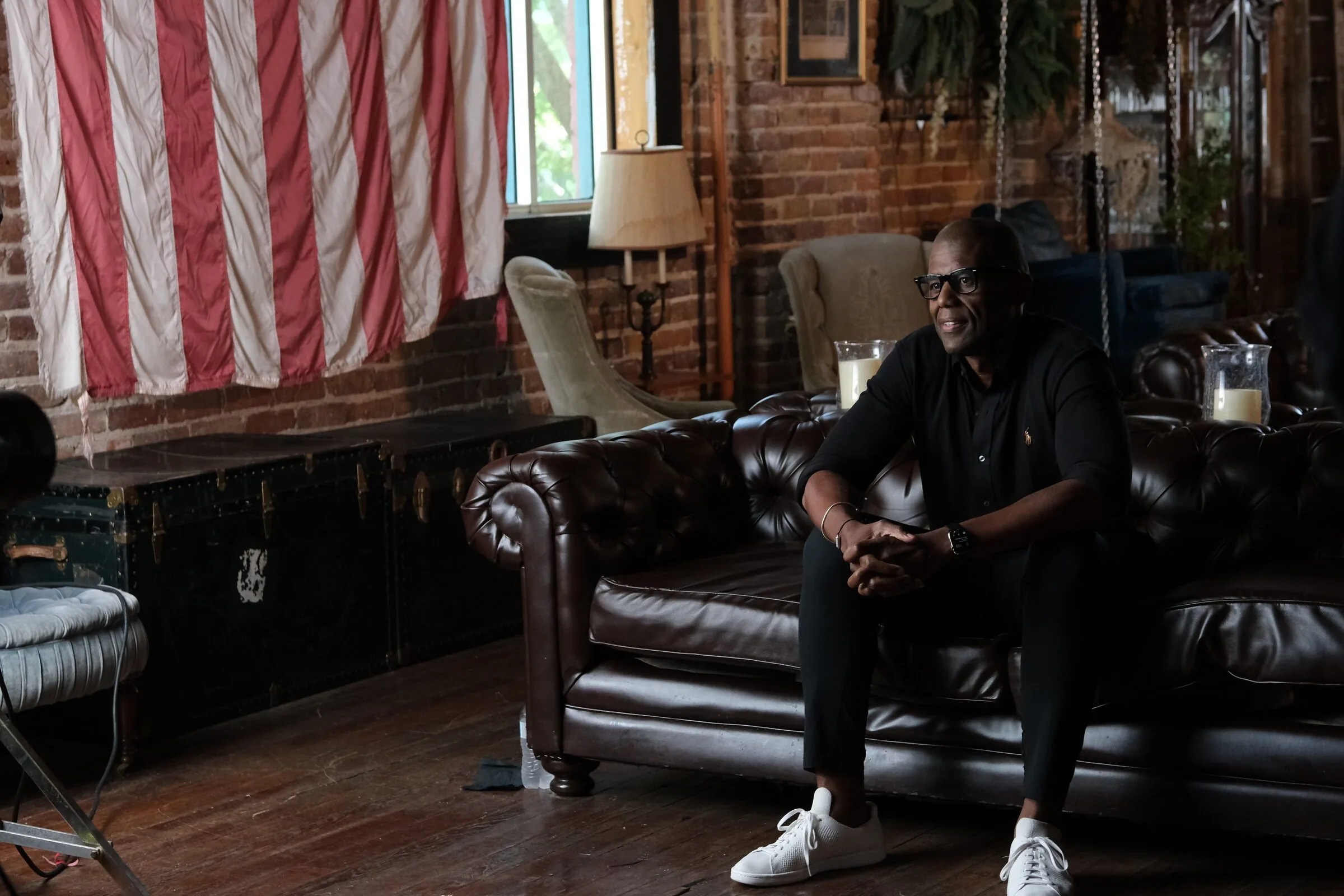
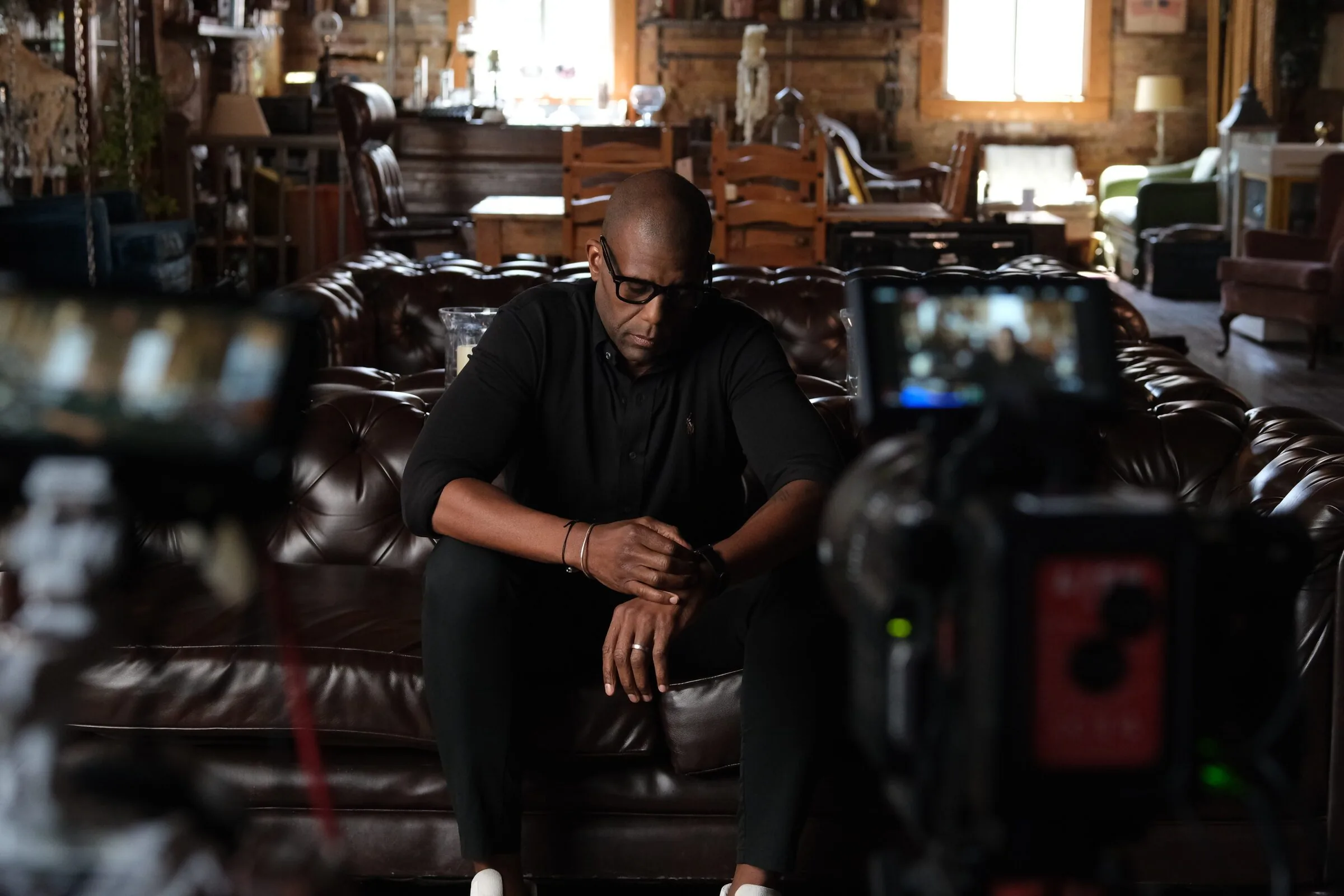
On Set
Behind the Scenes
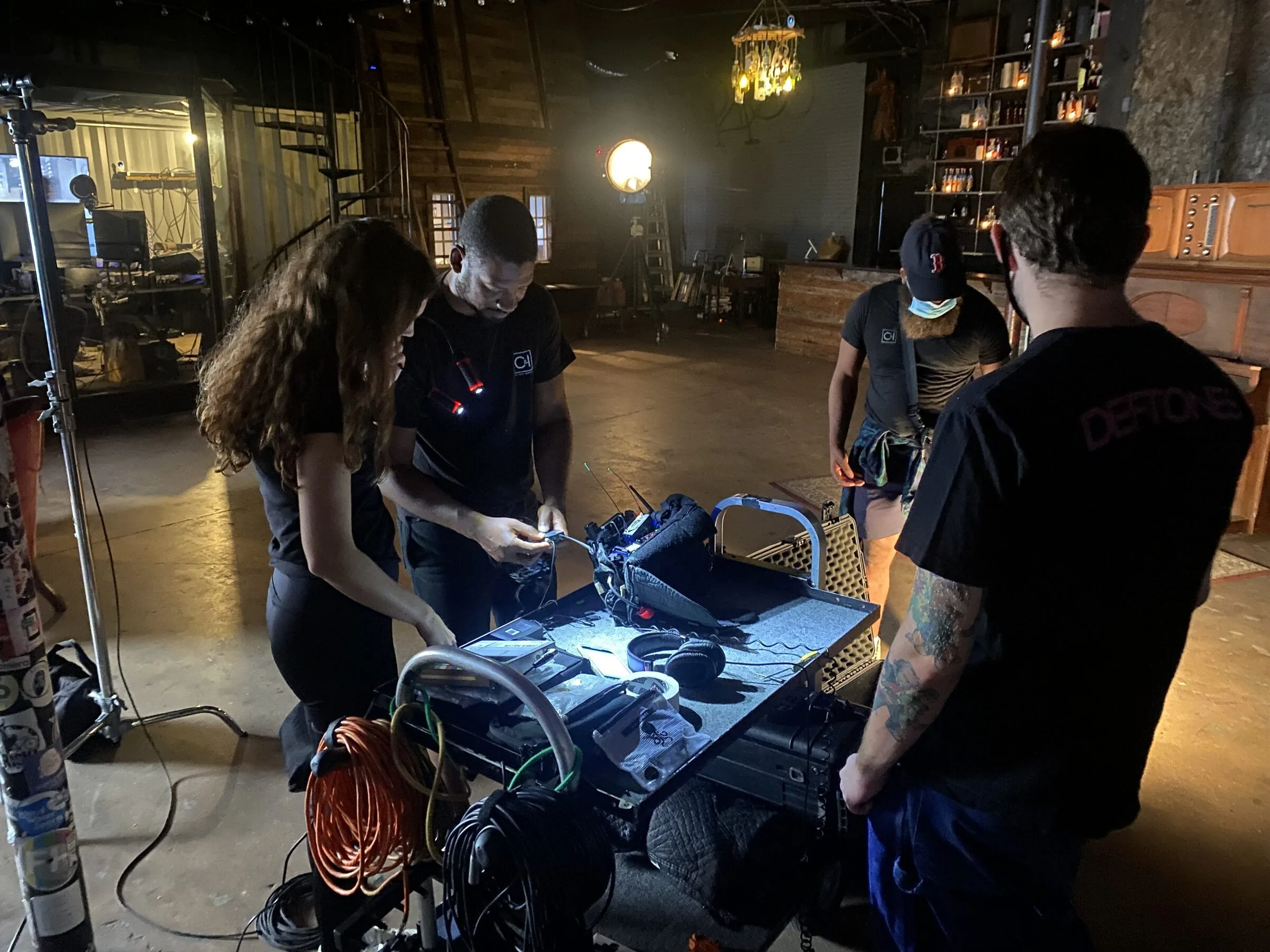
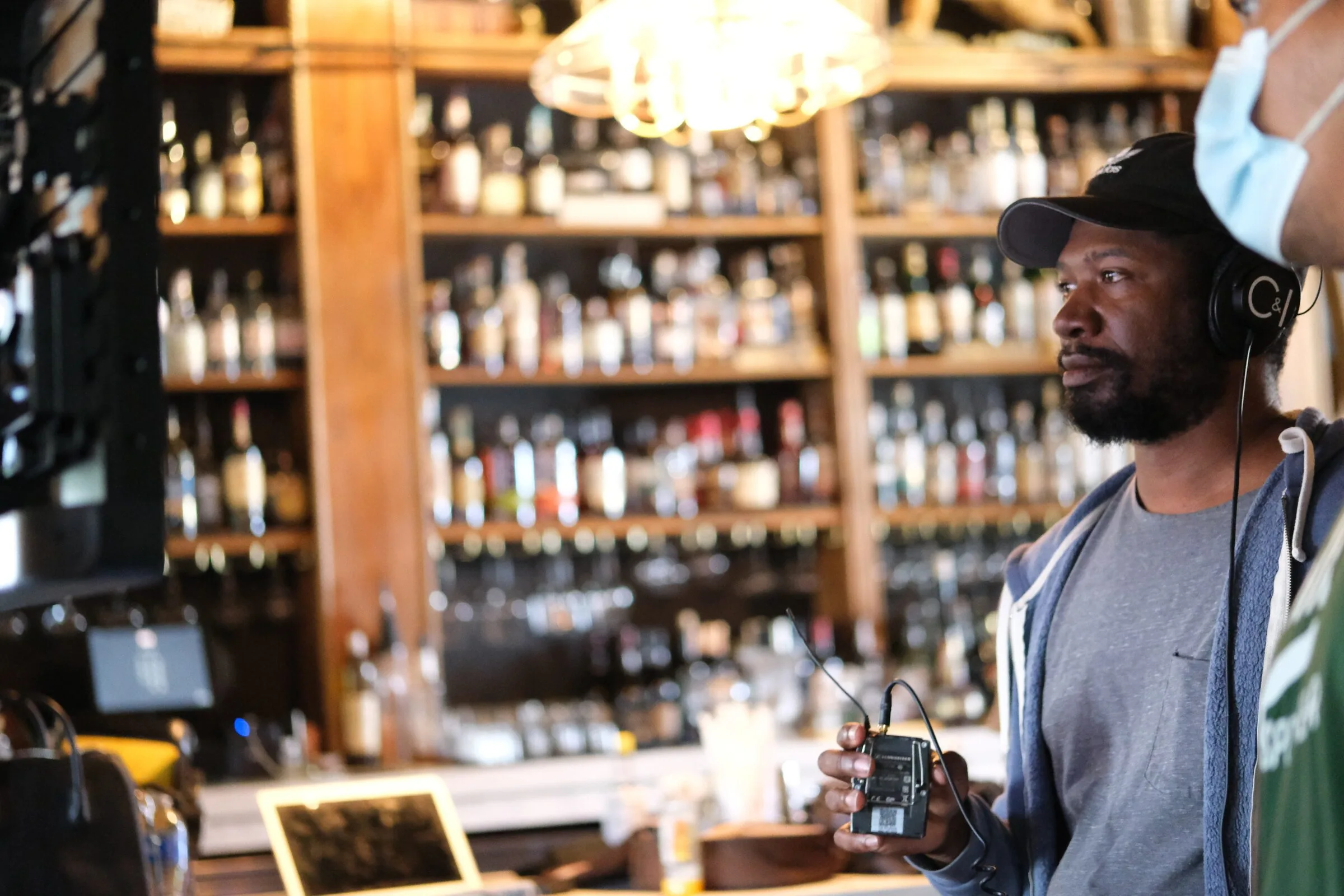
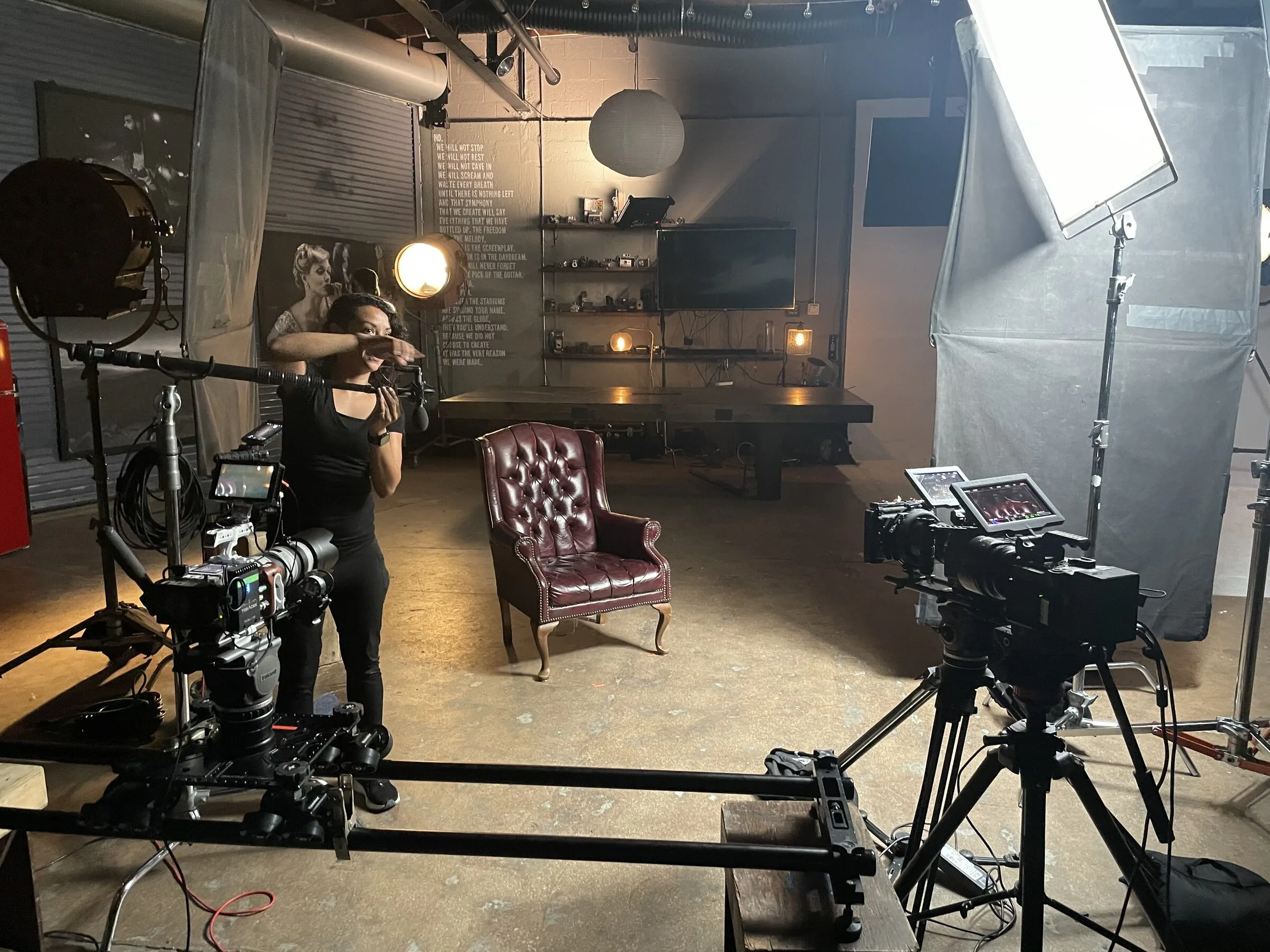
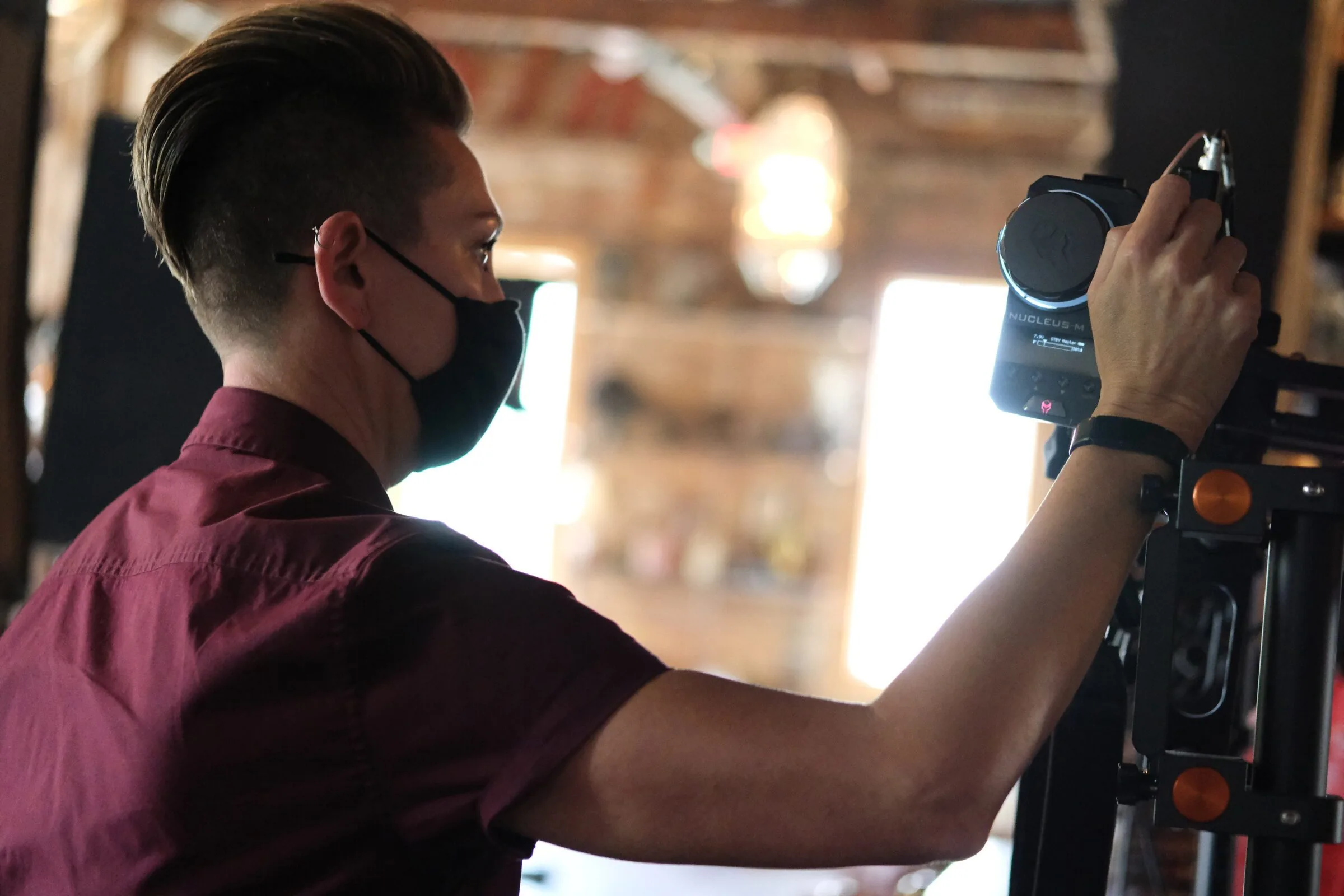
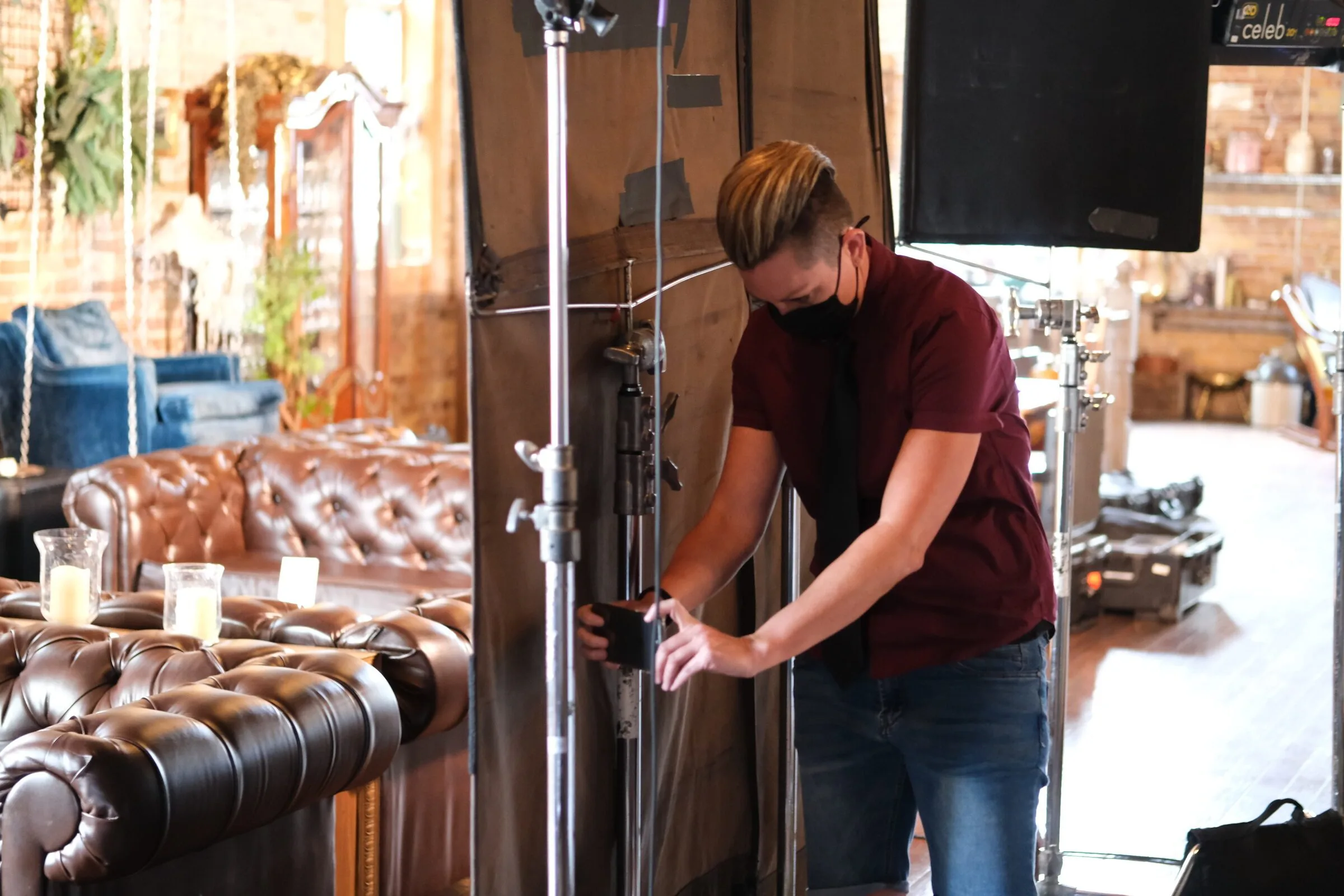
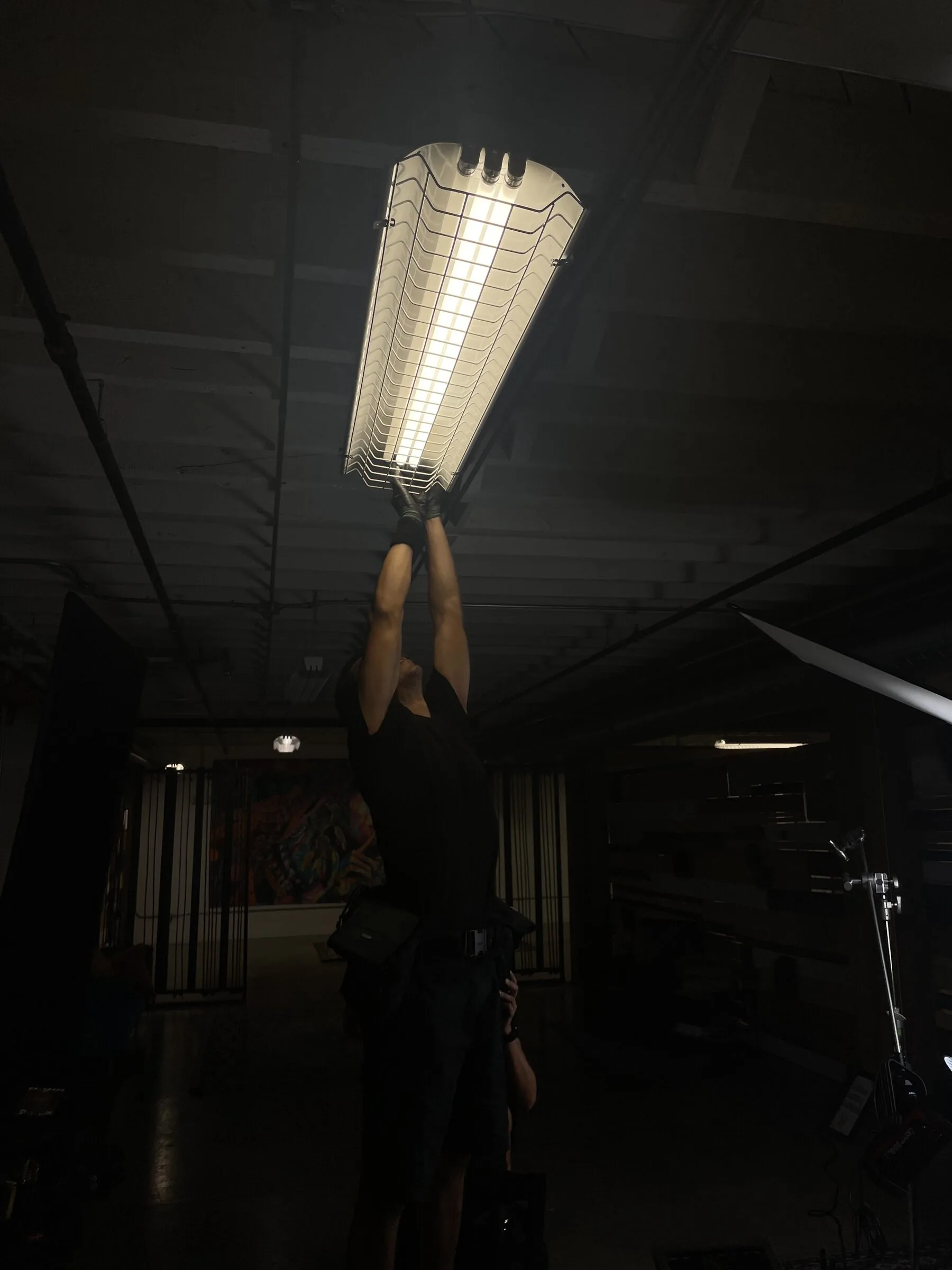
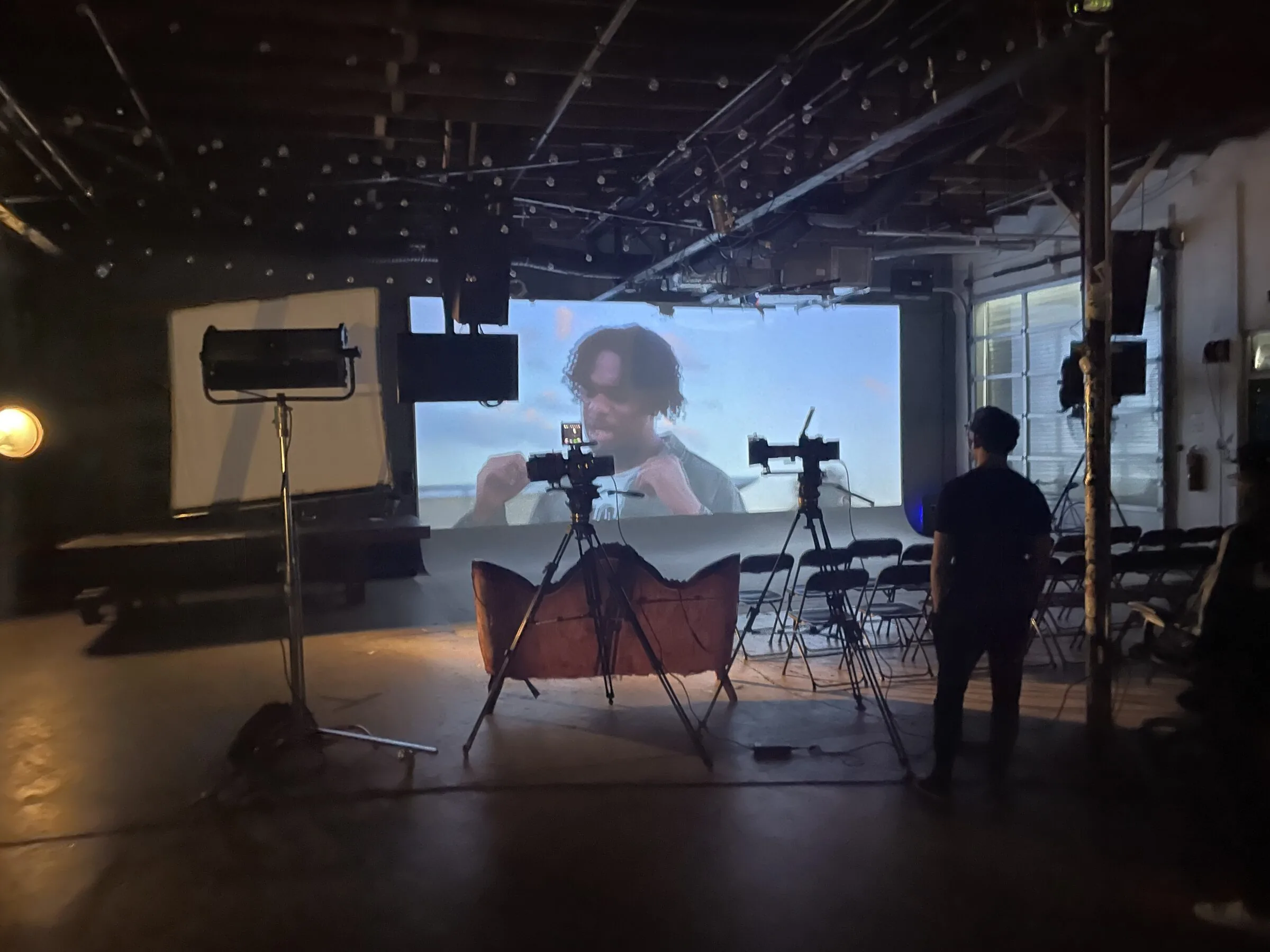
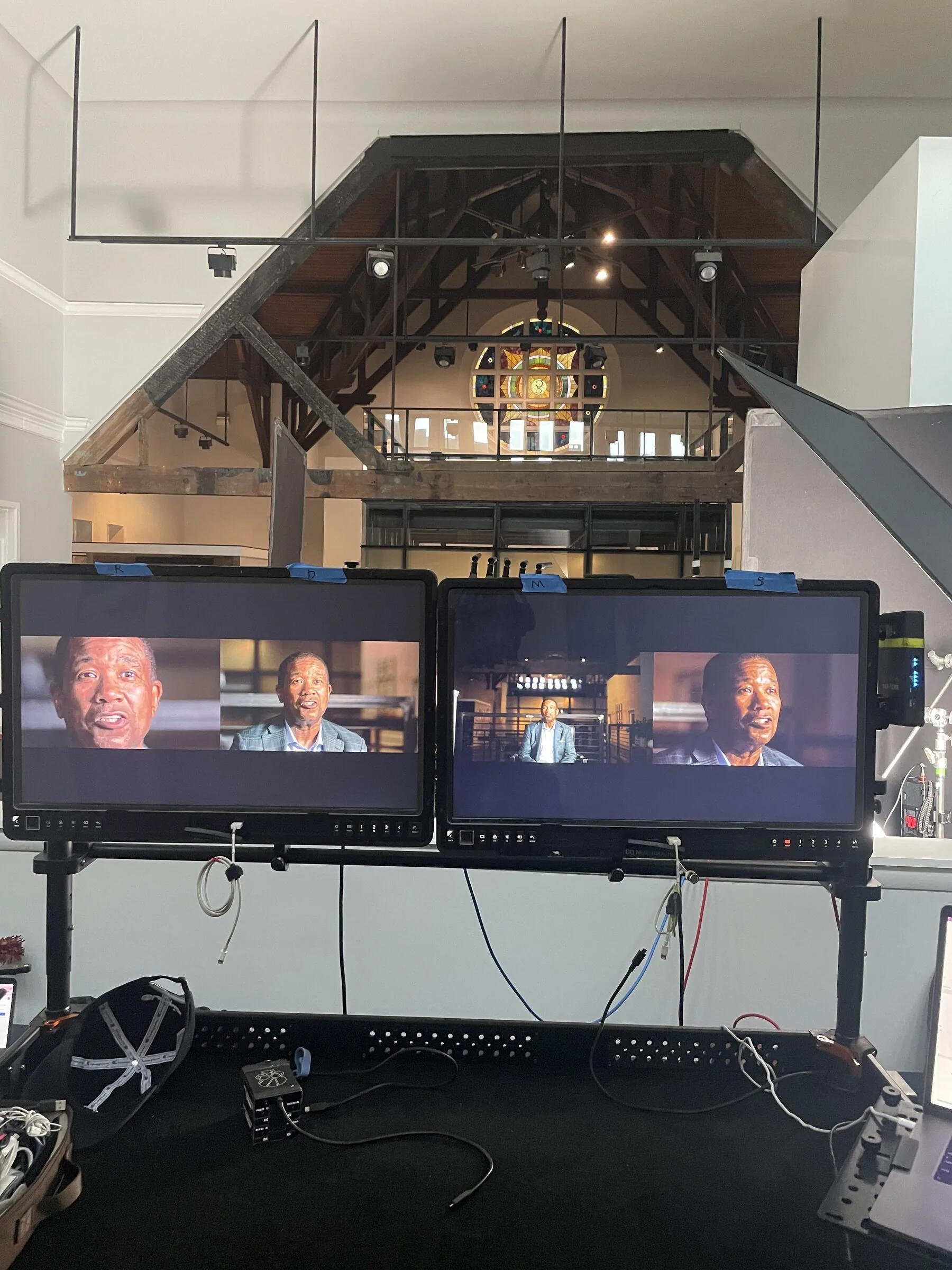
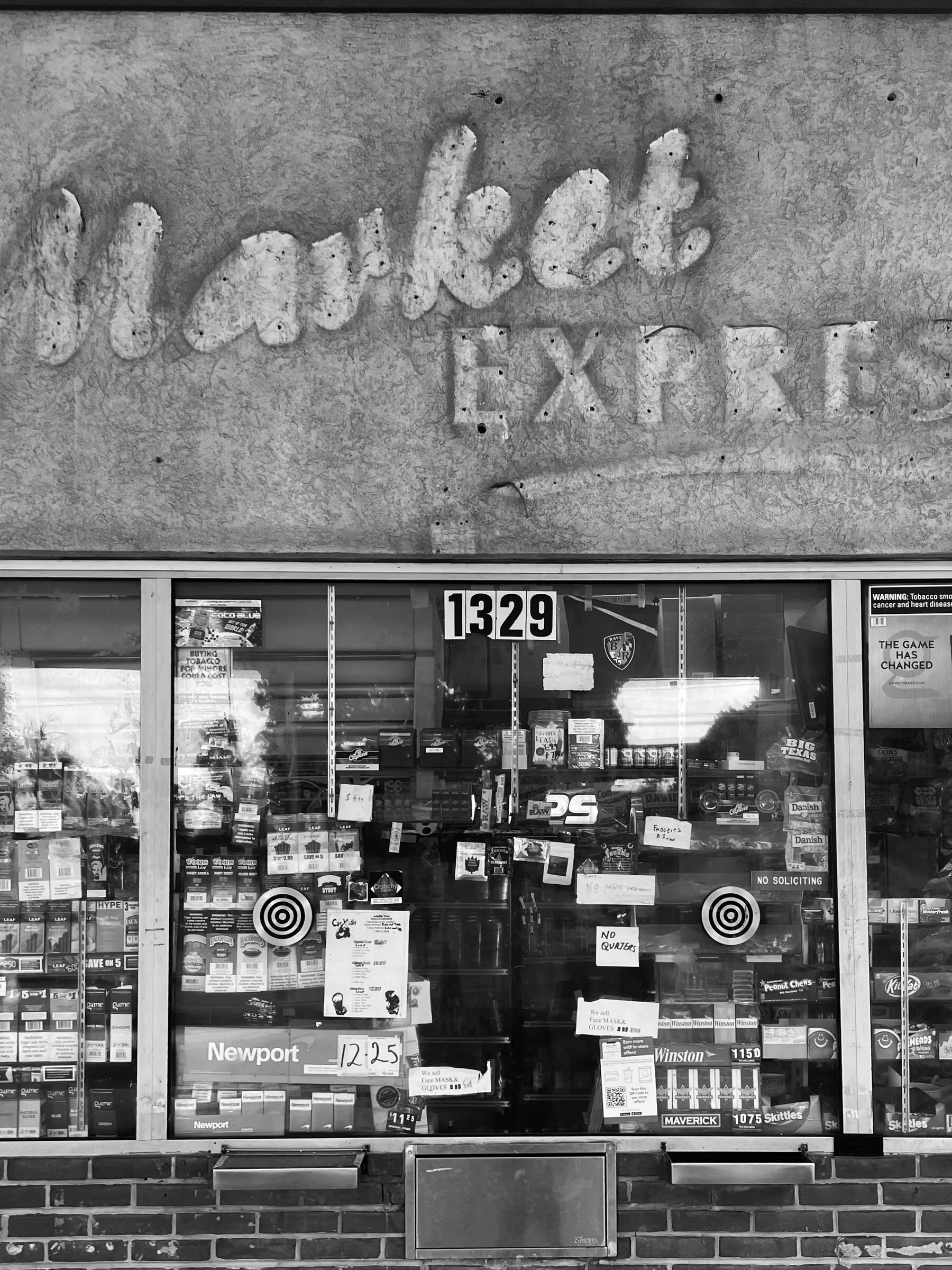
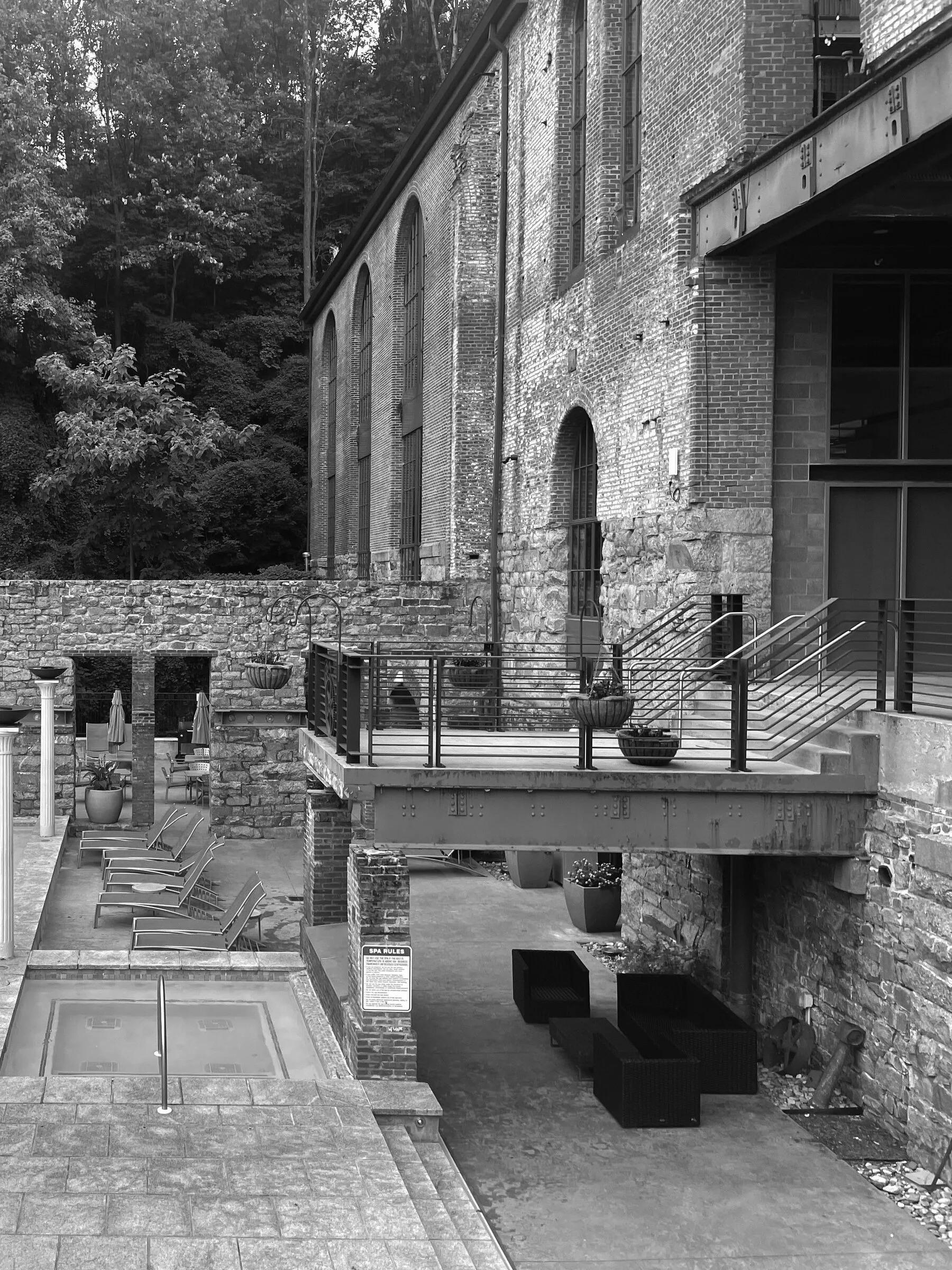
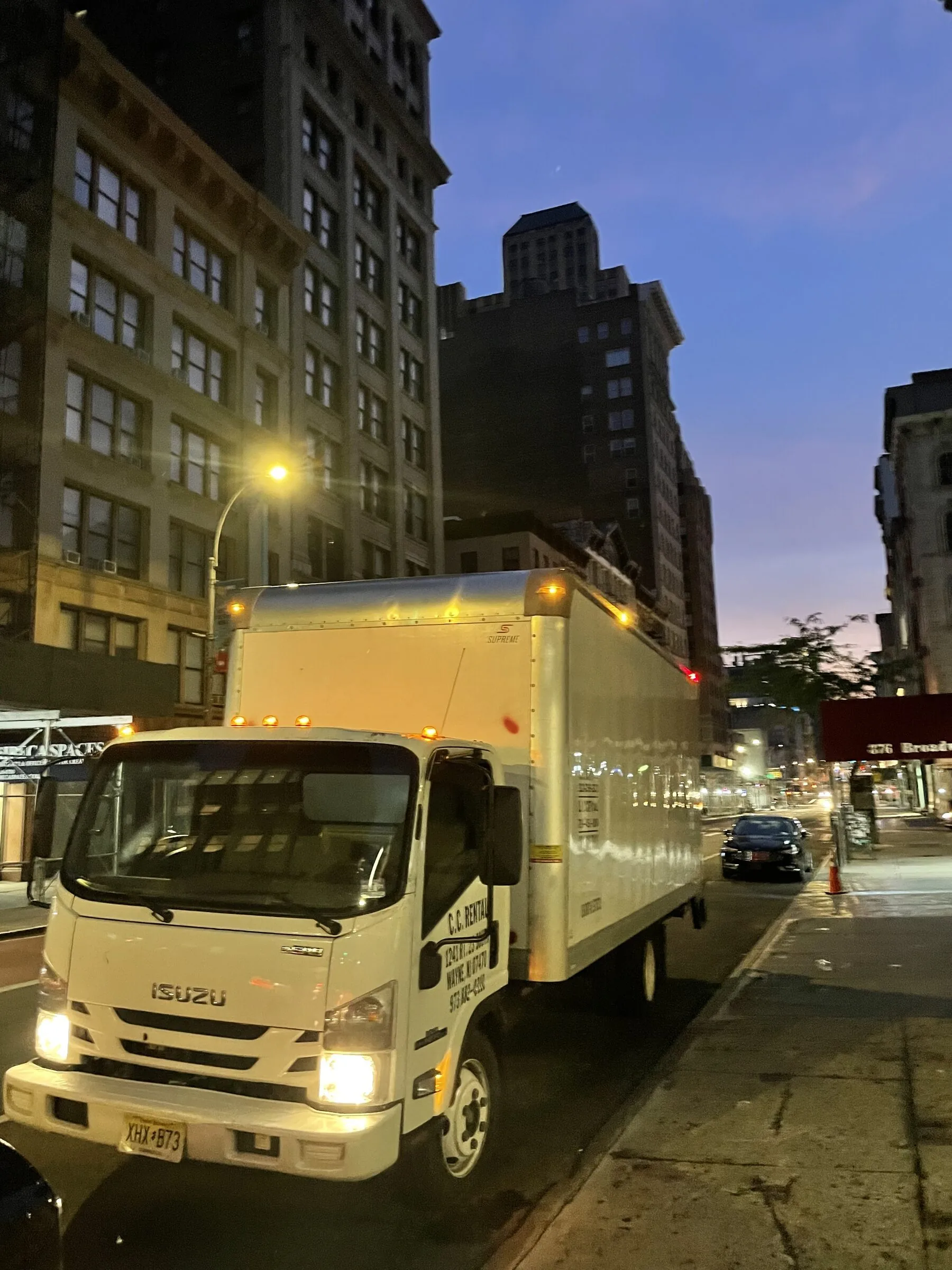
On the Road
Where the Story Took Us
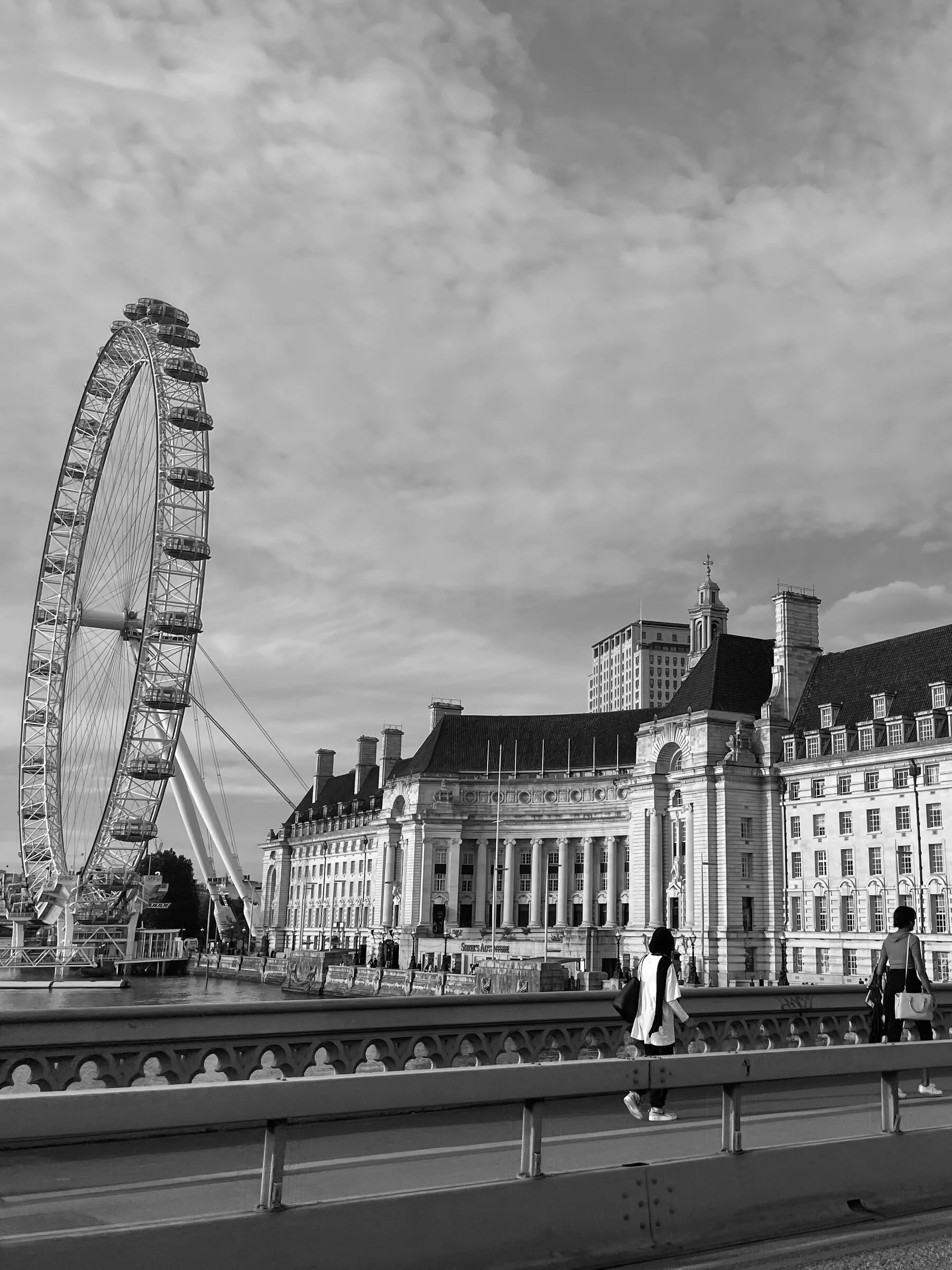
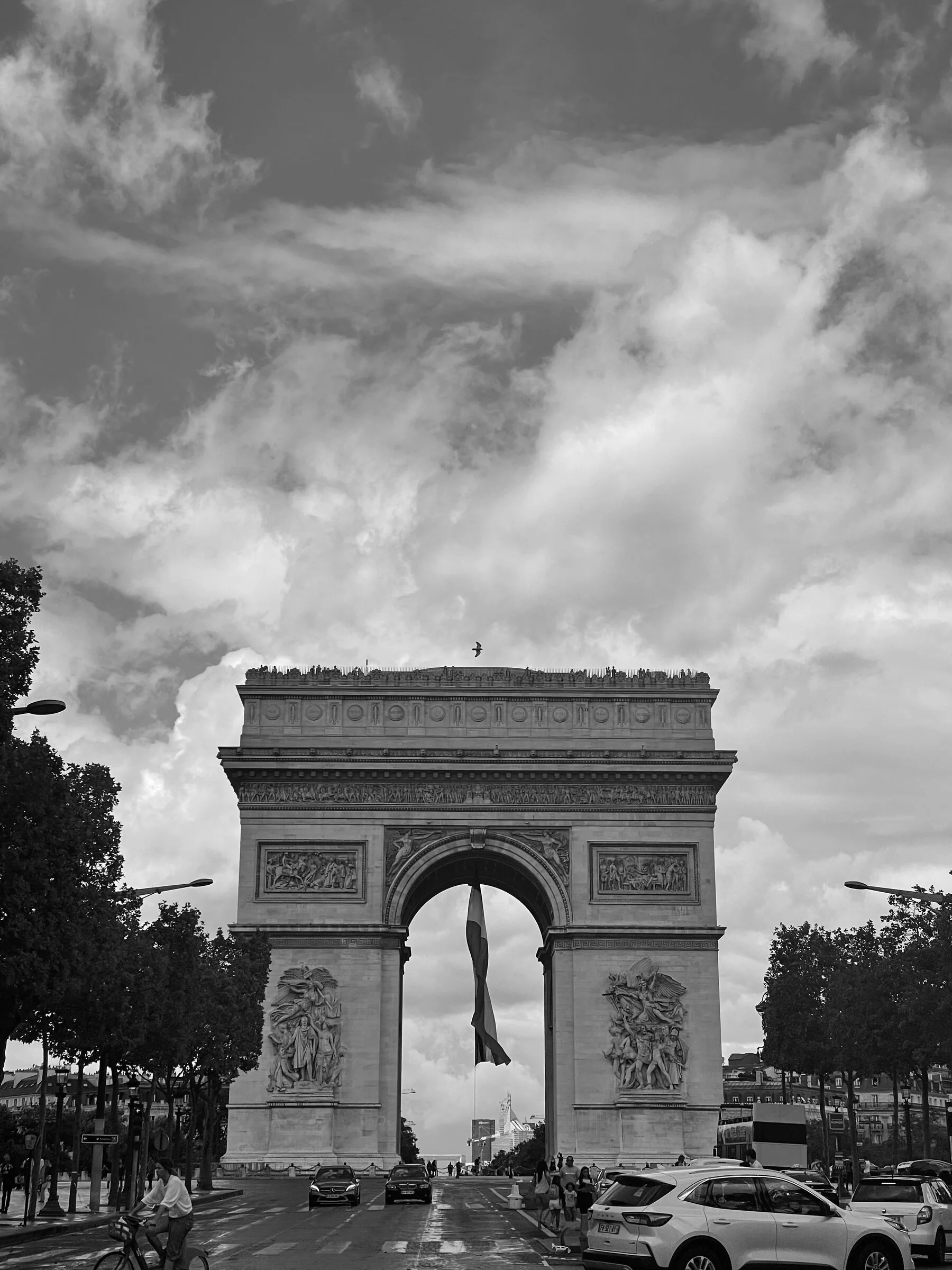
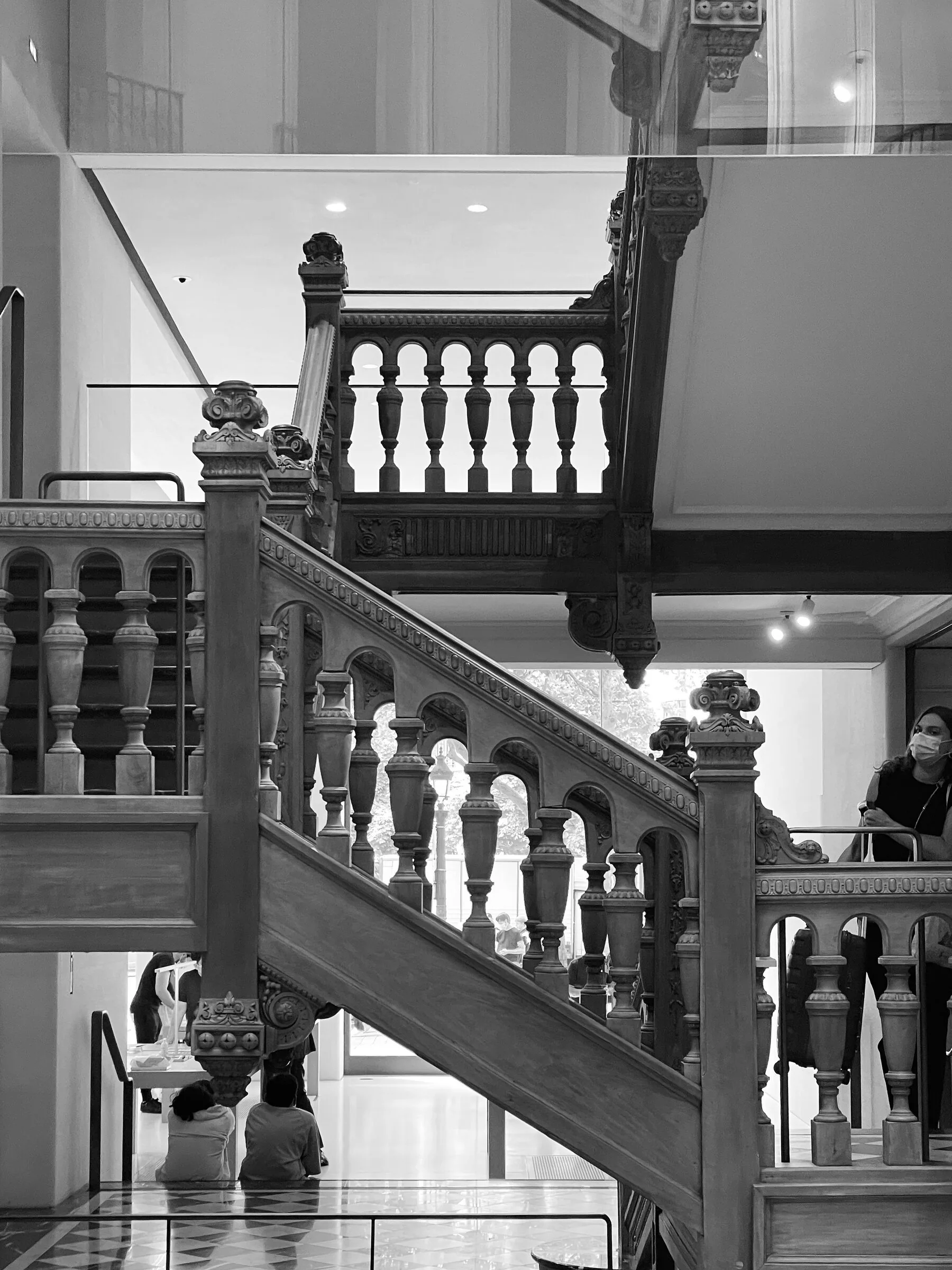
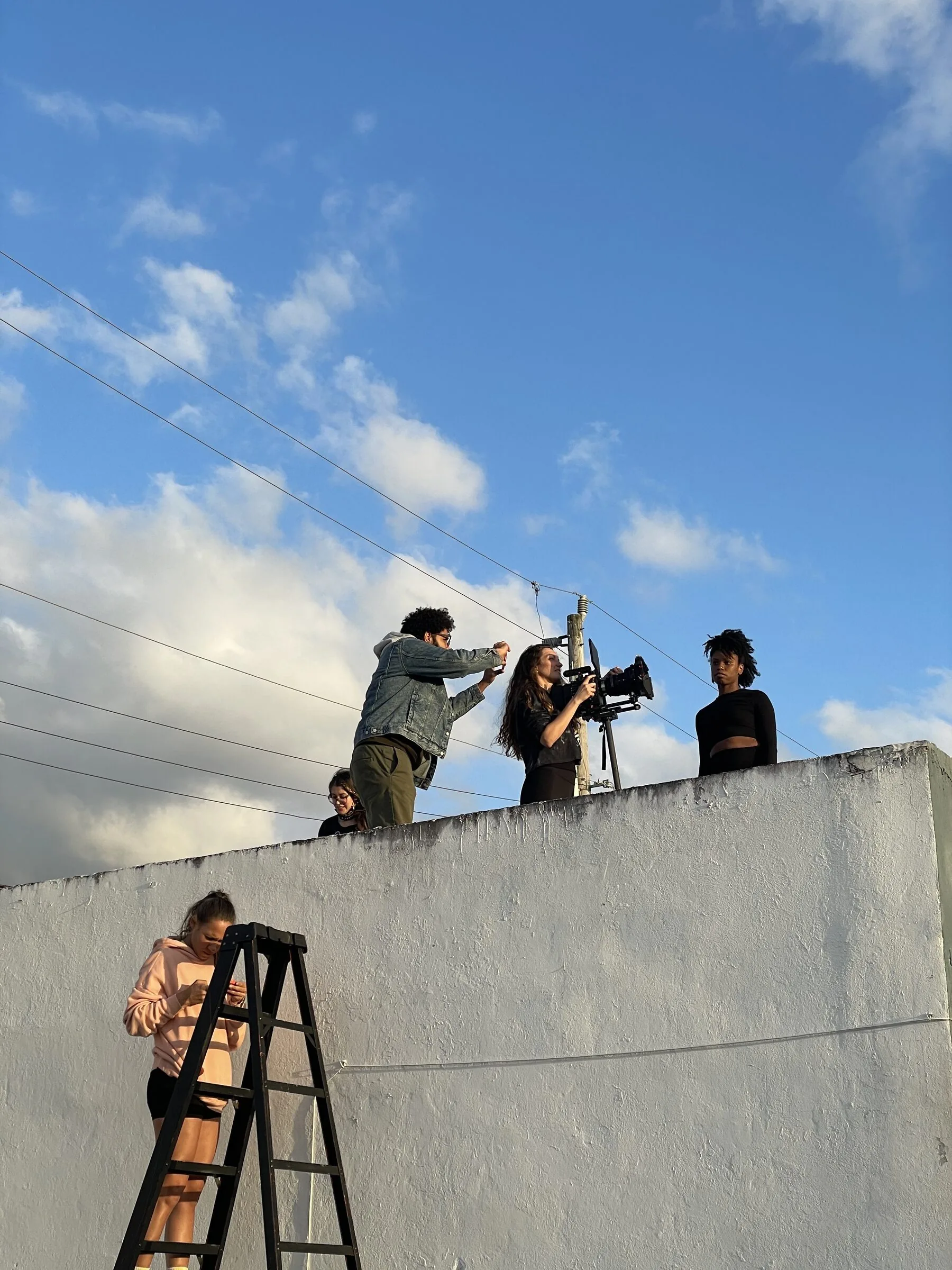
Twelve interviews did not happen in one city. The gear went into cases and the crew went with it. Over and over, for three years of production.
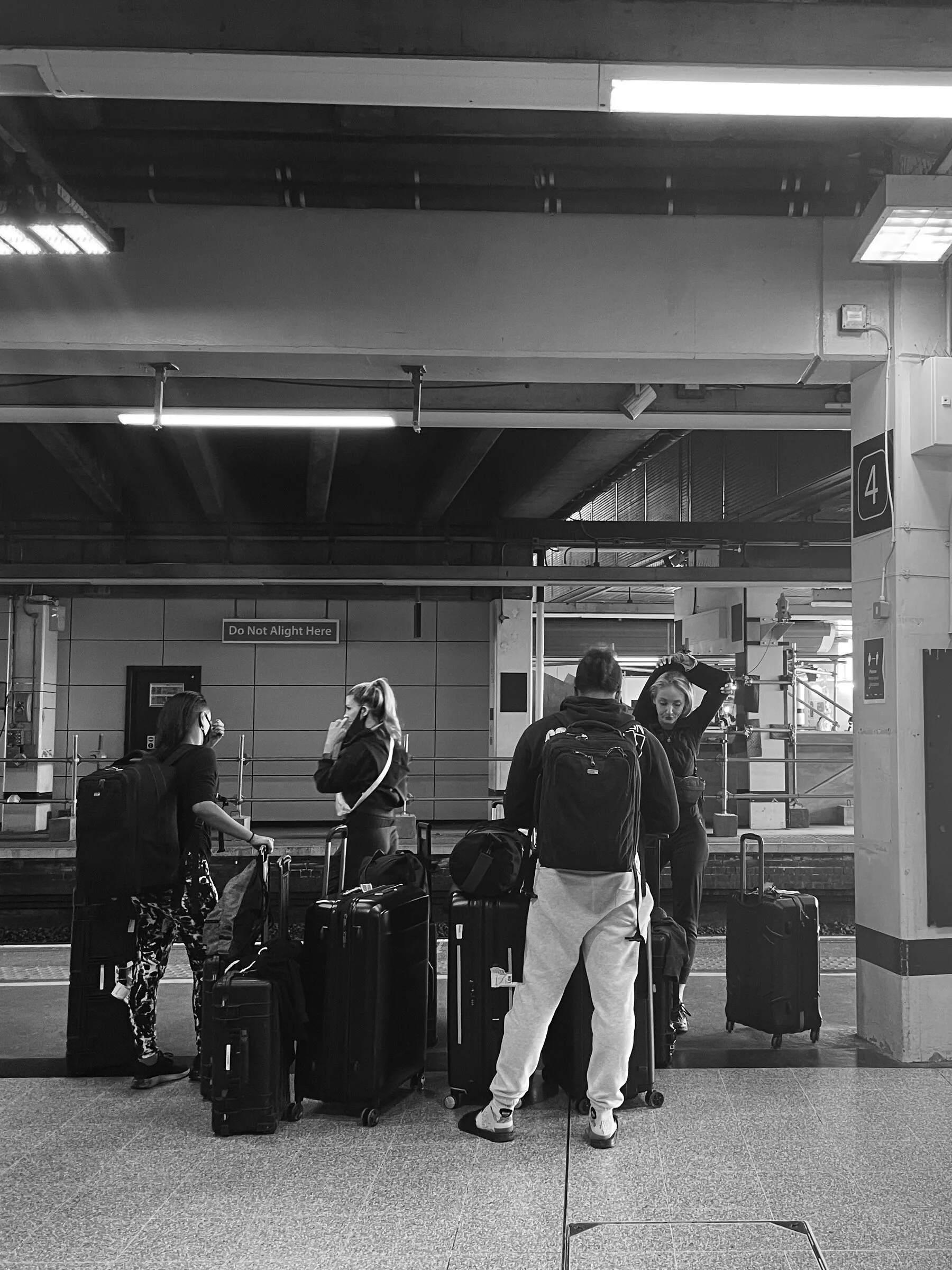
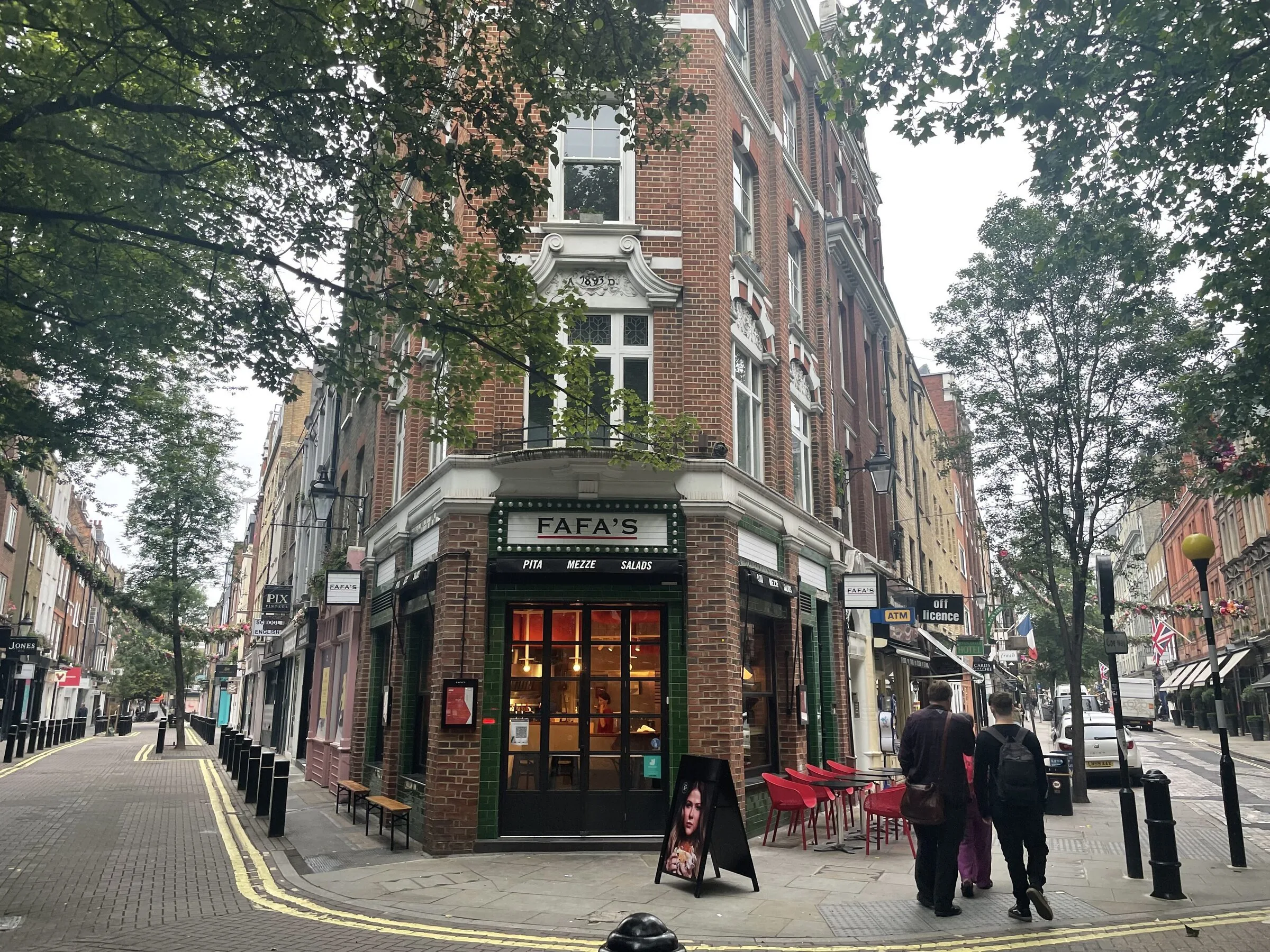
Post Production
Inside the Grade
Twelve interviews shot across three years in different rooms, on different days, under different light, all have to end up looking like one film. The harder part is matching. Five cameras on a single interview, and decades of archival material cut in beside them, all have to sit in the same picture without an audience noticing the joins. This is a color pass on a single interview, sped up, node by node, until the skin tone and the room agree with each other. Then it starts again on the next one.
More From C&I
Explore More C&I Films

Work With C&I
Bring Us Your Next Project
Three years, twelve interviews and nearly 23 terabytes later, Fund Black Tech is still being finished by the same team that built the first set. We do not hand this work out. If you have something that is going to take more than a weekend, we can take it the whole way there.