
Index Template
The History Behind the First Photograph
The History Behind the First Photograph
Did you know that the first camera-like device was invented almost 1,000 years ago?
Professional photography has come a long way since then, but it’s always important to know the roots from which an art form sprung into being.
To help you get the full picture, we’ve outlined a history of photography timeline just for you. It stretches from the first photograph ever to our modern technology and more.
How did what we see evolve into something we could grasp at our fingertips from anywhere in the world?
The First Camera
To begin our brief history of photography, we’ll start with the first-ever camera, which was the size of a room and not exactly a camera as we know them today.
Called camera obscura, which translates from the Latin as ‘dark chamber,’ the device was simply a large dark room with a hole in it. When light entered the hole, an inverted, slightly whitened image of the scenery outside was cast against the furthest wall.
The earliest remaining description of this device dates all the way back to ancient China in the 4th century BCE.
This ancestor of the camera was eventually used by astronomers to safely observe eclipses. It was also used by artists who wanted to sketch their models on a piece of paper. They held the blank sheet up against the light-receiving wall and sketched away.
As you can see, camera obscuras didn’t use anything we would call the film. Thus, they didn’t actually take photographs.
In the 16th century, portable versions, like miniature rooms, were eventually created, but even those did not use film to permanently capture the image.
The First Photograph
It wasn’t until 1826 or 1827 that the French inventor Joseph Nicéphore Niépce took what is considered the first photograph.
Using a light-sensitive plate, he took a picture of the Burgundy section of his homeland of France. It’s the same view you would have seen had you been standing all those years ago by the upstairs window of the photographer’s house.
Because the photograph is so old and the method was so primitive, we can now only see vague outlines. If you squint, you can see the buildings’ roofs and perhaps the top of a tree.
If you want to see this singular photograph for yourself, you’ll have to take a trip to the University of Texas-Austin where they keep it in their permanent collection.
The First Selfie
Paris Hilton may have tried to take credit for inventing the selfie with Britney Spears in 2006, but Robert Cornelius has her beat by well over 150 years.
The first selfie, or self-portrait, was taken by Cornelius in 1839 after he sat like a statue in front of the camera for around a minute. When he was done sitting still, he quickly covered the lens of the camera and voila, the first selfie was born.
If that sounds like a long time, it still beats sitting for hours to get your self-portrait done by an artist.
Nowadays, it’s so easy to create one that even monkeys can take selfies, all thanks to Cornelius’s pioneering achievement.
The First Digital Photograph
The history of digital photography begins with the first digital photo, which was taken in 1957 by the American engineer Russell Kirsch, about 20 years before the invention of the first actual digital camera.
The photograph depicts the face of Kirsch’s baby boy in distant contemplation, perhaps thinking about where he lost his rattle.
So how did Russell Kirsch take a digital photograph without a digital camera? His sly trick involved a film image that he then digitally scanned in order to produce what is called the first digital photograph. We’ll let you decide if it’s cheating.
The First Digital Camera
True digital photography arrived on the scene in 1975. That was when the first digital camera was invented by American inventor Steve Sasson while he was working at the company Eastman Kodak, now known simply as Kodak.
This camera was not like the cameras we have today that can take thousands of photos and keep them all on one tiny storage device or on a cloud in cyberspace. Rather, you could only take about 30 images that were stored on a fragile, bulky cassette.
When Sasson tested the device out for the first time, he took a picture of Joy, a lab technician who worked with him. However, Sasson didn’t save the image so it has been lost to history.
Afterward, the 80s and 90s saw a wide range of point-and-click digital camera being produced by various companies. It wasn’t until 1991 that Kodak created a digital camera that could be used easily by professional photographers. SLR and DSLR cameras were then perfected and updated by other companies, such as Nikon, Pentax, Canon, and others.
Now, digital cameras have a wealth of advanced and amazing features that can be put to use, such as frame rate change, flash type, focusing modes, highlight control, ISO settings, and much more.
And the rest is, as they say, history.
The First Photograph of a Black Hole
What does the future hold for photography?
Well, for the longest time, black holes were theoretical phenomena described by the late, great Stephen Hawking and other physicists and astronomers, but earlier this year, the first-ever photograph of a black hole was taken.
Although it’s a blurry, misshapen disc of light, it’s still direct evidence of a black hole’s existence. Remember how blurry and indistinct the view from Niépce’s window in France was?
Imagine how much clearer photographs of black holes and other unimaginably distant objects will be. When it comes to photography, the sky is not the limit.
Are You Ready to Be a Part of the History of Photography?
Now that you can picture the history of photography, you can begin to be a part of it.
C&I is an idea agency that can bring your business to life using top of the line video production and professional photography. Who knows, maybe our advertising solutions will be discovered a hundred years into the future as an amazing relic of the past. Contact us to learn more about our highly-rated creative services.
C&I Studios offers professional professional photography services from our 30,000 sq ft facility. Get a free consultation.
Landscape Photography: 7 Tricks For Capturing Irresistible Pictures
7 Essential Photography Tips for Capturing Landscapes
Capturing Landscapes: 7 Irresistible Photography Tips
People have been taking landscape photography for well over a hundred years.
In that time, the technology may have changed, but the goal hasn’t: to take landscape pictures that do justice to the incredible scenery they are trying to capture.
There are plenty of things you can do to increase your chances of capturing the perfect landscape photo.
Let’s dive into the secrets captured upon the edges of planet earth.
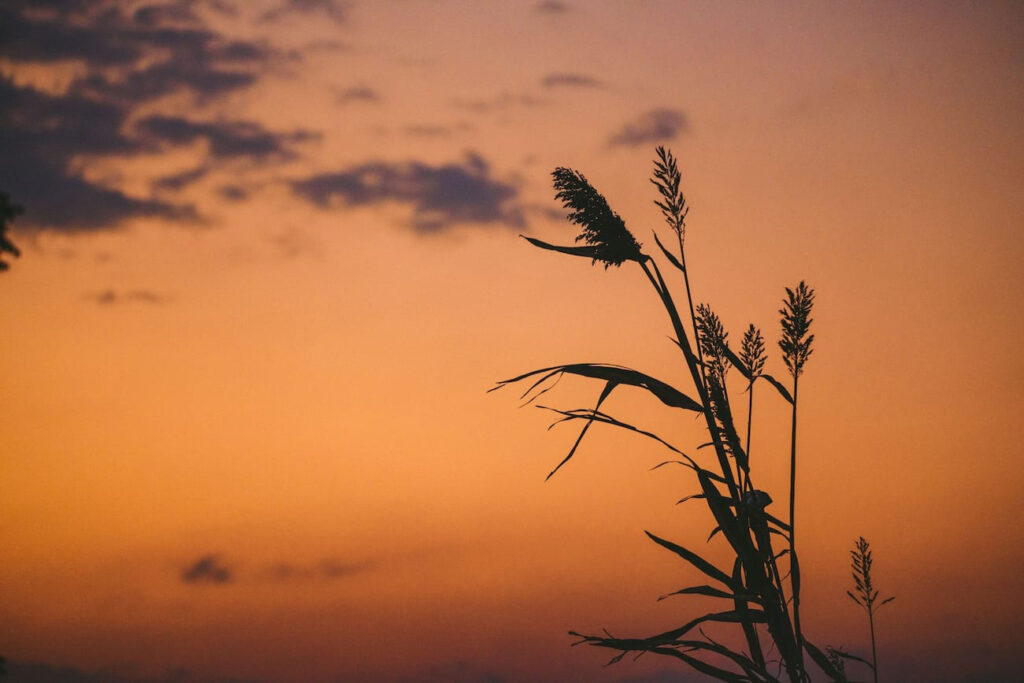
1. Consider Your Timings
Taking a great landscape photograph requires a lot of planning.
The chances are that the perfect spot for taking your photo will not be that easy to reach.
You’ll need to factor in exactly how long it’s going to take for you to get there and set up. You’ll also need to take into account exactly when you want to be taking your shots.
The golden hour may not last anywhere near an hour when you have mountain peaks blocking your sunlight.
Plan carefully to ensure that you’re where you want to be in plenty of time to take the perfect shots at the perfect moment.
2. Choose a Small Aperture
The most stunning landscape photographs give a real sense of the enormous scale of the view you’re trying to capture.
The best way to do this is to have as much of the scene as you can in sharp focus.
That means opting for a small aperture to ensure that both near and far objects will be equally crisp.
Since a smaller aperture lets in less light, you’ll need to opt for a longer exposure, so make sure you’re using a high-quality tripod.
3. Capturing Landscapes with a Wide Angle Lens
Another great way to do justice to the panorama you’re trying to capture is to use a wide-angle lens.
Using this kind of lens allows you to take in a much wider area of the landscape that you are trying to capture.
With the ability to capture such a large section of the landscape, it makes composing your image even more critical.
Try to use leading lines to guide the viewer’s eyes through the image, which can create a sense of even more depth.
If you’re going to take a shot in portrait rather than landscape, the distortion of a wide-angle lens can also make tall objects such as trees or mountains seem even taller too.
4. Add Some Foreground Interest
One issue with taking landscape photographs is that it’s sometimes hard to do justice to the sheer scale of the landscape that you’re trying to capture.
A simple way to give a clear sense of scale is to add some foreground interest to your shots.
If you’re photographing some mountains, for example, you can include some objects in the foreground of your shots that will guide the viewer’s eye towards the mountain peaks. Plants or flowers make perfect choices for a bit of foreground interest.
If you want to give people a true sense of scale, then consider placing a person in the foreground of your shot. This will immediately translate exactly how vast the landscape is.
5. Remember Your Filters
If you’re planning on taking some landscape photographs, then be sure to bring your filters with you.
A polarizing filter is an essential tool for any professional photographer, especially when it comes to landscapes.
You may find that your unfiltered shots look a little bland and colorless due to all the reflected light that ends up in your camera.
A polarizing filter will cut some of this out, leaving your images looking much more vivid and colorful.
If it’s a particularly bright day, you may also want to consider using a Neutral Density filter.
These filters block out some of the light, allowing you to increase exposure time. They can also be used to make some truly stunning images by allowing you to take a long exposure of flowing water, for example.
6. Find Time to Reflect
If your landscape includes a body of water, then be sure to make use of it.
Capturing the reflection of a stunning landscape can allow you to create even more dramatic images that can almost seem to go on forever.
Feel free to experiment; you could try just capturing the reflection of the landscape rather than the scene itself, or go for a combination of both.
Other water features, such as waterfalls or even smaller rivers or streams, can add real interest to your images too.
7. Consider Exposure Bracketing
With such a wide vista to take in, it can be challenging to find a single exposure that will do justice to every part of the scene.
Capturing a perfect sky might mean sacrificing some of the detail amongst the trees. Exposing a foreground flower perfectly might leave you with overexposed clouds. That’s where exposure bracketing can help.
Using your tripod, take several images at different levels of exposure. Once you are home, you can then combine these images using software to create an HDR image that has far more detail than any of the individual images.
Are You Looking for Landscape Photography for Your Business?
Following these tips should help you to capture the landscape pictures you’ve always dreamed of.
If you’re looking for landscape photos for your business, and don’t have the time to try and capture the perfect image yourself, then we can help.
Our professional photographers can help you create the perfect image, whether it’s a stunning landscape or the ideal portrait of your product.
We work with you in a discovery session to find out precisely what you want your images to achieve, before drafting concepts, creating shot lists, and then taking, editing, and even distributing your images.
We also offer a wide range of other services that go beyond video production and photography. Get in touch today to see how we can help you.
Looking for professional video production? Explore C&I Studios full-service video production with offices in Fort Lauderdale, Los Angeles, and New York.
Create Purposeful Video Storytelling in 6 Steps
Create Purposeful Video Storytelling in 6 Steps
Create Purposeful Video Storytelling in 6 Steps
Purposeful video storytelling can get you up to 77% more responses.
Meaningful and out of the box video storytelling is more likely to be shared, liked, and commented on. It is more likely to go viral and be remembered. But it has to have a purpose behind it.
From making life simpler to changing perspectives, it’s time to be purposeful.
Strong storytelling will build trust with prospective clients and show them your commitment to quality goods and services.
If you can build a story tailored to the needs, struggles, and desires that define humanity and what connects us, you will have accomplished marketing at its finest- a way to change the world.
How can you tell an impressive story through video and make a difference too? Let’s take a look at what it means to plant seeds through this incredible technology, artwork, and platform for sharing.
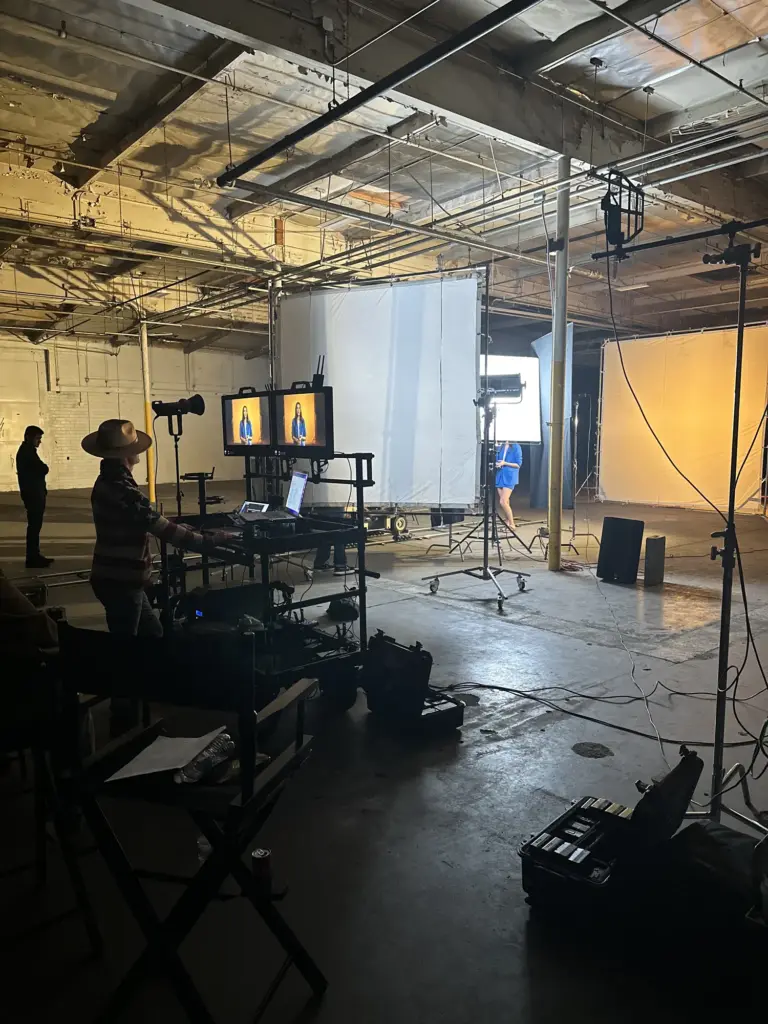
1. Tell A Traditional Story
Many videos are designed simply to give clients as much information as they can about the business in a short period.
A video story, however, is more concise; it will awaken the soul and invoke emotional memories. Professional video services can also help you by asking expert questions that will help you find your story.
Our brains love stories as much as our hearts do. They release oxytocin into your body, altering the way your audience thinks and feels.
A traditional plot structure still works beautifully within a minute and a half. Begin by introducing us to your characters, who have a goal or dream.
They can be met with a problem or obstacle that resolves in the end, ideally because of your product or service.
For example, we used our idea of creative videography to film Faithbox, and a way for kids in Honduras to have three healthy meals a day. Because the next generation of children on planet earth will define its outcome, and we care.
What do you care about?
Show the world.
2. Use It All
There is no shortage of marketing videos on the internet. If you want your audience to engage with your story and remember what they learned, don’t be afraid to use audio, text, animation, and music.
Any impressive statistics, for example, can be shown as text while you talk about them. Be sure not to bombard your audience with too much information. Highlighting what will interest or impress others will keep them engaged.
You may have to do a little data analysis or conduct surveys within your key demographic. Once you have some interesting facts, present them as infographics or ask a graphic designer to help make them readable.
3. Get A Video Interview
Video interviews are relatively inexpensive ways to get your message across to prospective customers. You will need to choose subjects with a look and personality that will engage audiences.
Ask around to find happy customers with unique and relatable stories. You might find these folks on your webpage or social media groups.
In a narrative interview, the interviewer asks open-ended questions that invite the interviewee to respond in narrative form. These questions may begin with, “can you tell me about?” or “can you explain your experience with?”
It is essential that customers not overshare.
Your subjects can share some personal details without giving information that folks will not get interested in. Remember that your video story is best limited to around three minutes.
Relatable subjects should share experiences that reveal a problem, but not a lack of character. It is important to create a revelation or an uplifting takeaway that will both educate and inspire your listeners.
We create Our Stories so that others can be inspired.
The power to make a difference is in your hands.
You can be the subject of your inspiring interview. Tell about your vision for your business, any obstacles you may have encountered, and how you emerged with an even more refined and effective product or service. You can also create a montage of smaller interviews with clients who had similar experiences.
4. Use Stock Video
It is possible to tell a new video story using stock video. This will also save you money. It will need, however, to present new videos or voiceovers that complement it and offer your product or service in a unique light.
However, many videos or voiceovers you use with stock footage should be united in their mood and purpose. Consider using music videos that spark emotion or advertisements that will indulge nostalgia and attract new customers.
5. Embrace Visual Imagery
Magnificent scenery automatically makes a video more clickable. If you want people to visit your resort or apartment complex, show them photos they will find elegant and can see themselves in.
For examples of visual inspiration, browse popular social media sites like Instagram or Pinterest.
Consider the types of backdrops or videos you would like to create to best sell your story. And you can even try shooting some gorgeous scenery yourself to make your video unique and engaging.
6. Know Your Purpose
Before deciding on your story, you will want to have a clearly defined purpose for the video.
You may, for example, want to grow awareness of your product or service. You may want to attract new customers. Or you may want to increase loyalty and trust among your existing client base.
Heck, you may even want to change the climate of the era.
Strategizing will result in a much more effective campaign. If you wish to attract new customers, for example, you can provide information that will help them approach their daily lives better.
If you wish to reach customers, consider letting them know about a new product or service and showing how it could improve their current use of your product.
And If you wish to reach an expansive world, bring people together.
This is the power of purposeful video storytelling.
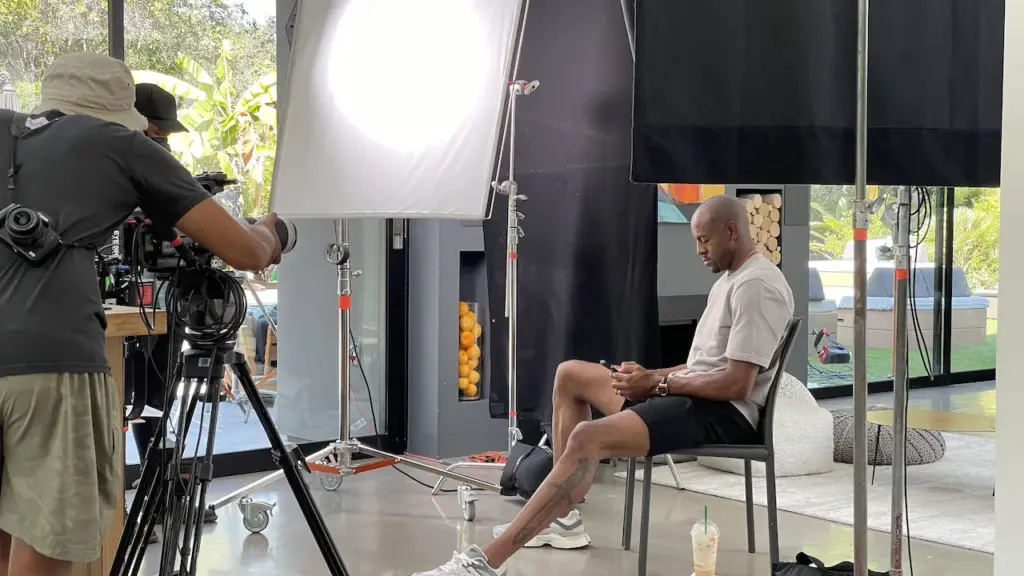
The Art Of Purposeful Video Storytelling
Video storytelling can give your brand the emotional impact and creative edge that will help you stand out among the competition.
With the right story and personalities, you could see your booming brand, and inspiring ideas take flight.
For more information on professional video services, contact us today.
C&I Studios offers professional video production services from our 30,000 sq ft facility. Get a free consultation.
History Matters | Medgar Evers

The Life and Legacy of Medgar Evers
by Joseph Miller
Joseph Miller, General Manager of C&I Studios, dives into the life of Medgar Evers – a World War II veteran and civil rights activist in Mississippi, who acted as the state’s field secretary of the NAACP. This is why History Matters.
History Matters | Katherine Johnson

The Lifetime Contributions of Katherine Johnson
by Gonzalo Ballesteros
Gonzalo Ballesteros of C&I Studios tells the bright history of Katherine Johnson – an African-American mathematician whose calculations of orbital mechanics at NASA were critical to the success of the first and subsequent U.S. manned spaceflights.
History Matters | Booker T. Washington

The Life and Legacy of Booker T. Washington
by Laurie Menekou
History Matters is a series of shorts that briefly tell the stories of influential people in history.
We want to bring you stories about the people that changed our hearts, minds, and history books. This episode is about Booker T. Washington and is narrated by Laurie Menekou from Conceptual Communications.
History Matters | Benjamin Banneker

The Life and Legacy of Benjamin Banneker
by Erica Diaz
Erica Diaz tells the story of Benjamin Banneker – a free African-American almanac author, surveyor, naturalist, and farmer who corresponded with Thomas Jefferson on the topics of slavery and racial equality.
History Matters | Alex Haley

The Poetic Life of Alex Haley
by Luci Ungerbuehler
Black History Month marked the first episodes of our new mini-series History Matters. In this episode, our good friend Lucianne Ungerbuehler of F2F Studios recounts the story behind the famous African-American writer Alex Haley.
Alex Haley’s book Roots is one of the most well-known books in American history. We felt that Alex Haley is an extremely significant figure who caused a cultural sensation throughout the United States. His legacy holds some of the most important works of U.S. history.
History Matters | Eric Garner

The Life and Legacy of Eric Garner
by Otis Miller
Otis Miller means more to C&I Studios than you can imagine. His influence reigns high all around us. We thought there was no better person to narrate this episode of History Matters – our mini series that looks to pay homage to those influential people from history.
Eric Garner is part of the reverence we want to pay Black History Month and we thought Otis would do so better than anyone else. Without a past, there is no future. Without mistakes, there is no progress. We want to exalt the people that have changed our lives forever.
History Matters | Hank Aaron

The Great Hank Aaron
by Bob Denison
Bob Denison of Denison Yacht Sales narrates this episode covering the imprint Hank Aaron left on the face of our history.
Aaron was one of the greatest American baseball players of all time and one of the first African-Americans in the Major Leagues. For thirty-three years Aaron held the record for home runs made in a career, breaking Babe Ruth‘s record. He played twenty-one seasons in the MLB.
History Matters | Thurgood Marshall

The Influential Achievements of Thurgood Marshall
by Jack Seiler
We invited our city’s mayor, Jack Seiler to narrate this session of History Matters. History Matters is a short film series about influential figures from history. We want recognize the people that are responsible for the most important topics of our time.
This episode is about Thurgood Marshall, the first African American Supreme Court Justice. Enjoy listening to this installment, and be sure to keep up with the episodes past and those to come.
History Matters | Oprah Winfrey

The Momentous Life of Oprah Winfrey
by Lindsay Walden
This is a brief video forming part of our History Matters mini series about Oprah Winfrey. If you don’t know who Oprah Winfrey is, your first step should be to go buy a television since you aren’t from this century, then come back and watch this video.
Oprah is an inspiring and humble and unique woman who has dedicated her life helping millions of people and helping change the world by way of her public persona. We asked Lindsay Walden, owner of Hustle Vintage — a hand picked women’s vintage clothing line — if she could please narrate this episode. She’s a beautiful lady with a voice that clearly knows who Oprah Winfrey is in our society.