
A Look Inside Our Post‑Production Pipeline
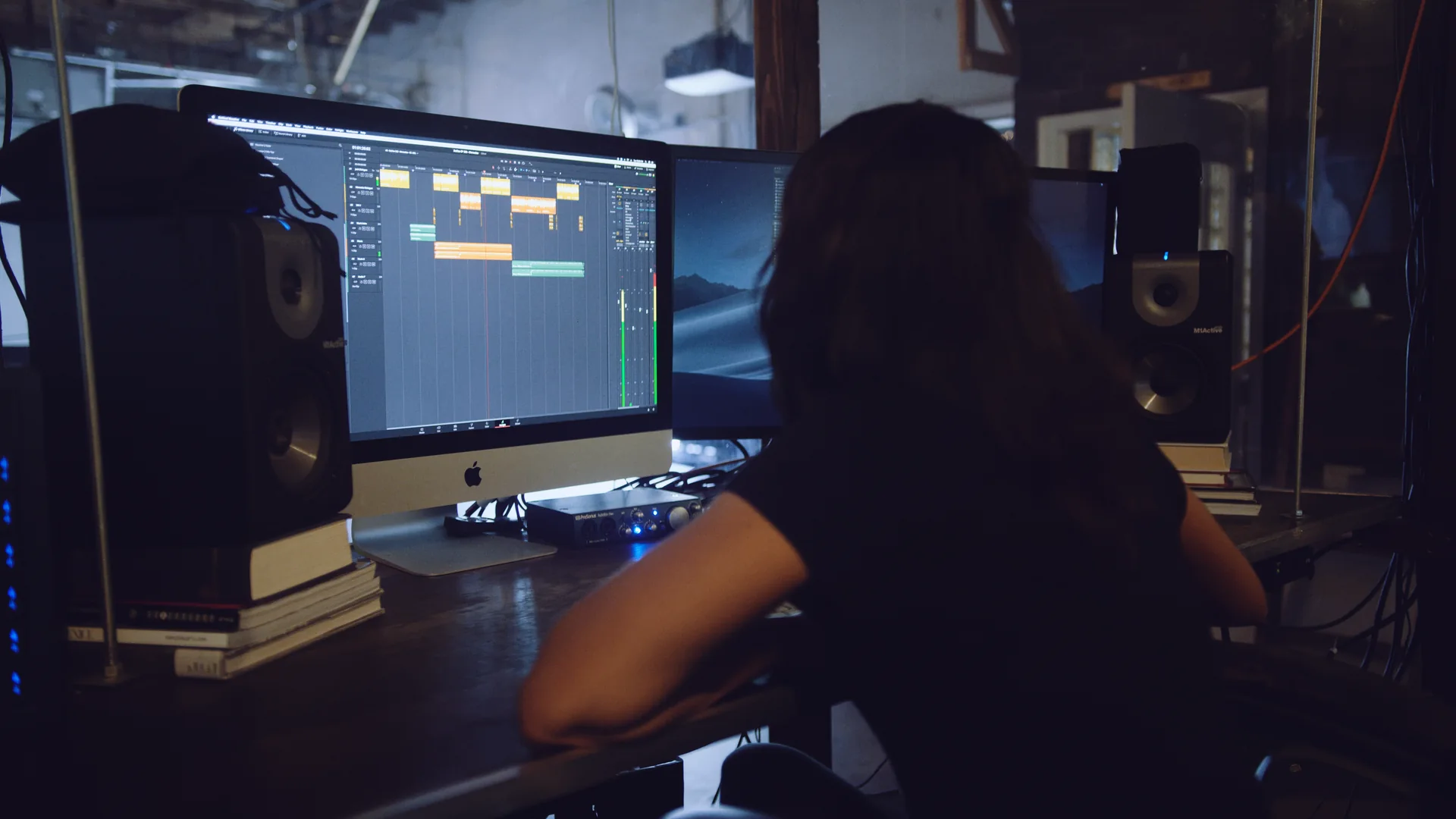
Most people meet the video post production process only through the finished cut, the version that lands clean and confident and looks like it fell out of the camera that way. It never does. Everything you feel in a good film gets built after the shoot wraps, in rooms that are quiet, dark, and a little obsessive. This is the honest version of what happens in ours, from the moment the last drive comes back from set to the day we hand you a master.
We are not writing this as a glossary. There are plenty of guides that define the terms, and we link a few of the good ones below. This is the walkthrough we give clients who ask what they are actually paying for when they book post production services with us, told the way it really runs.
Post starts before anyone opens an editor
The first day of post is not glamorous. Before a single cut gets made, footage has to come home, get checked, and get backed up in a way that would survive a dropped drive at two in the morning. Our assistants pull every card, verify the copies against the originals, and log what we got against the shot list. Missing coverage is a problem you want to find now, while the crew and the location are still reachable, not three weeks later when the edit stalls on a hole nobody flagged.
Organization sounds boring until it saves a project. Clean folder structures, consistent naming, and proofed backups are the reason an editor can sit down and work instead of hunting for the take everyone remembers but no one can locate. If you want the version of this written for teams working across cities, we broke it down in our guide to remote collaboration tools and setup. The short answer is that the boring part is where reliability comes from.
The edit is the first real draft of the story
Editing gets talked about like trimming, as if the story is already there and someone just cleans it up. It is closer to writing. The editor is deciding what the film is, one choice at a time, and the first assembly is almost always long, loose, and a little wrong on purpose. That is the point. You build the whole shape first so you can feel where it drags, then you cut toward the version that actually moves.
Our editors work in passes. The assembly proves the footage holds together. The rough cut finds the rhythm and the argument. The fine cut is where seconds start to matter and a held beat can change how a whole scene reads. Somewhere in there a client watches, reacts, and we adjust, because the person who commissioned the piece knows things about their audience that no editor can guess. If you want the practical craft side of this, our team keeps a running list of editing efficiency habits that keep the work fast without making it feel rushed.
What we will not do is treat the edit as a formality on the way to effects and color. The cut is the film. Everything after it is there to serve the story the edit already found, not to rescue one it never did.
Why sound matters as much as the picture
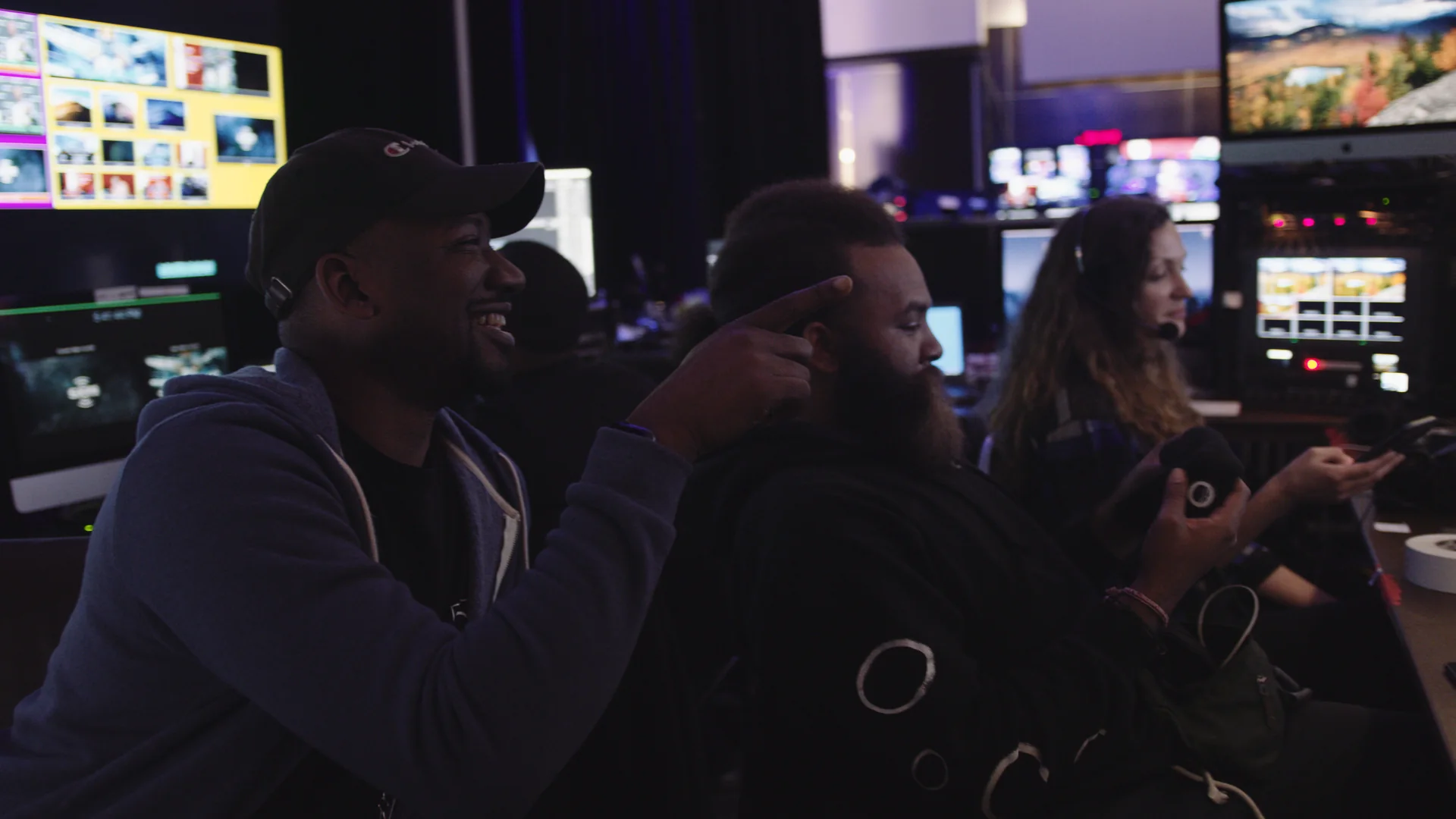
Audiences forgive a lot in an image and almost nothing in sound. A shot can be soft and still land. A line that is muddy, a room tone that jumps between cuts, a music bed that fights the dialogue, those pull a viewer out instantly, even when they cannot name why. So sound is not the last thing we do. It is a whole department.
The work splits into a few lanes that eventually braid together. Dialogue editing cleans and evens every line so a conversation feels like it happened in one room instead of across nine takes. Sound design builds the world you are not consciously listening for, the footsteps, the traffic two blocks over, the low hum that makes a space feel real. Music gets placed and shaped so it lifts a moment without announcing itself. Then the mix balances all of it so nothing steps on the thing that matters most in each beat. We wrote a fuller piece on why clean sound editing carries more of a film than most people expect, and everything in it comes from doing this on real projects.
Color is the last ten percent that changes everything
Color grading is the stage where a competent video starts to feel like it has a point of view. It is not a filter and it is not fixing mistakes, although it can do some of that too. It is deciding how the piece should feel and then pushing every frame toward that feeling with intent. A warm, generous look for a family brand. A cooler, harder edge for something that wants to feel serious. Skin that reads true across every setup so the people on screen look like themselves.
We grade in DaVinci Resolve, working in a color managed pipeline built on the ACES standard so that what leaves our suite looks the same on a phone, a laptop, and a broadcast screen. That consistency is not a nicety. It is the difference between a spot that holds up everywhere it runs and one that looks great in the room and wrong in the wild. If you want the deeper craft explanation, our colorists put it in writing in this piece on color grading, and the service itself lives on our color grading page.
You can see the range of what a considered grade does across our work. The energy of a commercial like Thundr, the clean product feel of a beauty campaign like KISS, and the softer, human tone of a piece like Ethx are three different color decisions doing three different jobs.
Finishing, titles, and the master nobody sees us make
Finishing is where the film becomes deliverable. Visual effects and cleanup handle the things that should not be there and the things that should. A boom dipping into frame, a modern sign in a period scene, a sky that needs replacing, a logo that needs to sit inside the shot instead of on top of it. Titles and graphics get built to match the film rather than fight it, which sounds obvious and is broken constantly in work that treats text as an afterthought.
Then comes conform and mastering, the unglamorous stage where every element is assembled at full quality and checked frame by frame. We build the master, then we build the versions the master becomes. A sixty second cut and a fifteen. A square crop for social and a vertical one for phones. Captions, a broadcast safe pass, a file that meets a platform spec down to the codec. This is the part clients rarely think about and always need, and it is a real reason to have one team carry a project from the first assembly to the final export instead of stitching it together across vendors.
How client review actually works here
Post is not a black box you get to open at the end. The worst version of this process is the one where a client hands over footage, disappears for a month, and gets back a finished cut built on a hundred small guesses. When one of those guesses is wrong, it is expensive to unwind, because the mistake is now baked under sound and color.
So we build review into the schedule on purpose. The first place we want your eyes is the rough cut, while the story is still soft and a big change costs almost nothing. That is where structural notes belong. Is the opening earning its length. Does the third act say what you need it to say. Is the wrong idea leading. Fixing that at the rough cut stage is a conversation. Fixing it after the mix is a rebuild.
By the fine cut, notes get smaller and more specific, and by the time we are in color and sound we are protecting a decision everyone already agreed on rather than relitigating it. Clients who understand this rhythm get better films for less money, because their attention lands where it actually moves the work. If your team is spread across offices, the same review discipline still holds, and our notes on remote collaboration setups cover how we keep feedback clean when nobody is in the same room.
What separates footage that finishes fast from footage that fights you
After enough projects you can feel within a day which ones will be smooth. It is almost never about the size of the shoot. It is about how the material shows up. Two productions with the same budget can have wildly different post schedules based entirely on what came home on the drives.
The footage that finishes fast tends to share a few traits. It was shot with the edit in mind, so there is coverage instead of one precious take of everything. Audio was recorded properly on set, because no plugin fully rescues a scene that was noisy at the source. The project arrives organized and complete, with the sound rolls, the notes, and the reference the director had in their head. When those things are true, we spend the budget making the film better. When they are not, we spend the first stretch of it making the film usable, and that time comes out of the part you actually wanted.
None of this requires a big crew to get right. It requires intent on the day, and it is the single biggest lever a client controls over what post costs and how long it takes. If you want the version of this aimed at avoiding the common traps, we wrote it up in our guide to post production mistakes that hurt video quality.
The part most guides skip, how the departments actually talk
Here is what almost no explainer tells you. The reason a film feels whole is not that each department did good work in isolation. It is that they did not work in isolation at all. When our editors, sound team, and colorists sit under one roof, a problem gets solved in the room where it is cheapest to solve instead of getting shipped downstream.
A scene that is not landing might not be an edit problem. Sometimes the fix is a music cue placed two seconds earlier, or a grade that lets a face carry the moment, or a line of dialogue lifted from another take. When those calls happen in a hallway conversation instead of an email thread across three companies, the film gets better and the schedule gets shorter. That is the structural advantage of a real pipeline over a chain of handoffs, and it is the thing you cannot buy back later once a project has been chopped across four providers who never spoke.
It is also why we are careful about the front of the process. The cleaner the footage arrives and the clearer the intent, the more of post we spend making the piece better rather than making it work. If you are still upstream of all this, our overview of what a post production company actually does and our post-shoot guide for brands are good places to understand where your footage is headed.
The video post production process, stage by stage
Put simply, the video post production process is the same handful of stages every time, run with more or less rigor depending on who is running it. Here is how the pieces fit and what leaves each one.
| Stage | What happens in it | What we hand off |
|---|---|---|
| Ingest and organize | Footage verified, backed up, logged against the shot list | A clean, proofed project ready to edit |
| Editing | Assembly, rough cut, fine cut, client review passes | A locked cut, the story decided |
| Sound | Dialogue edit, sound design, music, final mix | A mixed, balanced soundtrack |
| Color | Color managed grade for look and consistency | A graded picture that reads true everywhere |
| Finishing and delivery | VFX, titles, conform, mastering, versioning | Every master and cutdown you need, to spec |
For a longer written walkthrough of these stages on their own, our team also published a step by step guide from editing to final delivery, and a more behind the scenes take in what really happens in post.
How long does the video post production process take
It depends on the cut, but the real ranges are wide. A single social spot can move from footage to final in a few days when the shoot was clean and the brief is settled. A branded film with real sound work and a full grade usually lives in the two to four week range. A documentary or anything with heavy VFX runs longer, because the edit itself is where the film is still being discovered. The variable that moves the schedule most is not the tools. It is how locked the story is before the finishing stages start.
What is the difference between editing and post production
Editing is one stage inside post production. Post production is the whole span after the shoot, editing plus sound, color, visual effects, finishing, and delivery. People use the two words interchangeably because the edit is the stage everyone can picture, but the other stages are where a competent cut becomes a finished piece.
Can you handle post for footage we shot ourselves
Yes, and we do it often. Plenty of clients arrive with footage from their own crew or a shoot we were not on, and want a team to carry it through edit, sound, color, and delivery. The one thing we ask for early is the material organized and complete, because the cleaner it arrives, the more of the budget goes into making it better instead of making it usable.
What software do you use for post production
Our color and finishing run in DaVinci Resolve, and we cut in the editing tools that fit the project rather than forcing every job into one app. The tool matters far less than most people assume. A great editor on modest software will beat a weak one on the best setup money can buy every time. What actually protects your project is a color managed pipeline and a team that has finished this kind of work before, not a logo on a box.
How much does the video post production process cost
There is no flat number, because a single social cutdown and a fully finished brand film are not the same job. The honest drivers are scope and finish level. How long the edit runs, how much sound and color the piece needs, whether there is visual effects work, and how many versions you need at the end. The best way to get a real figure is to tell us what the footage is and where it needs to run, which you can do on our post production services page.
Bring your project to C&I Studios
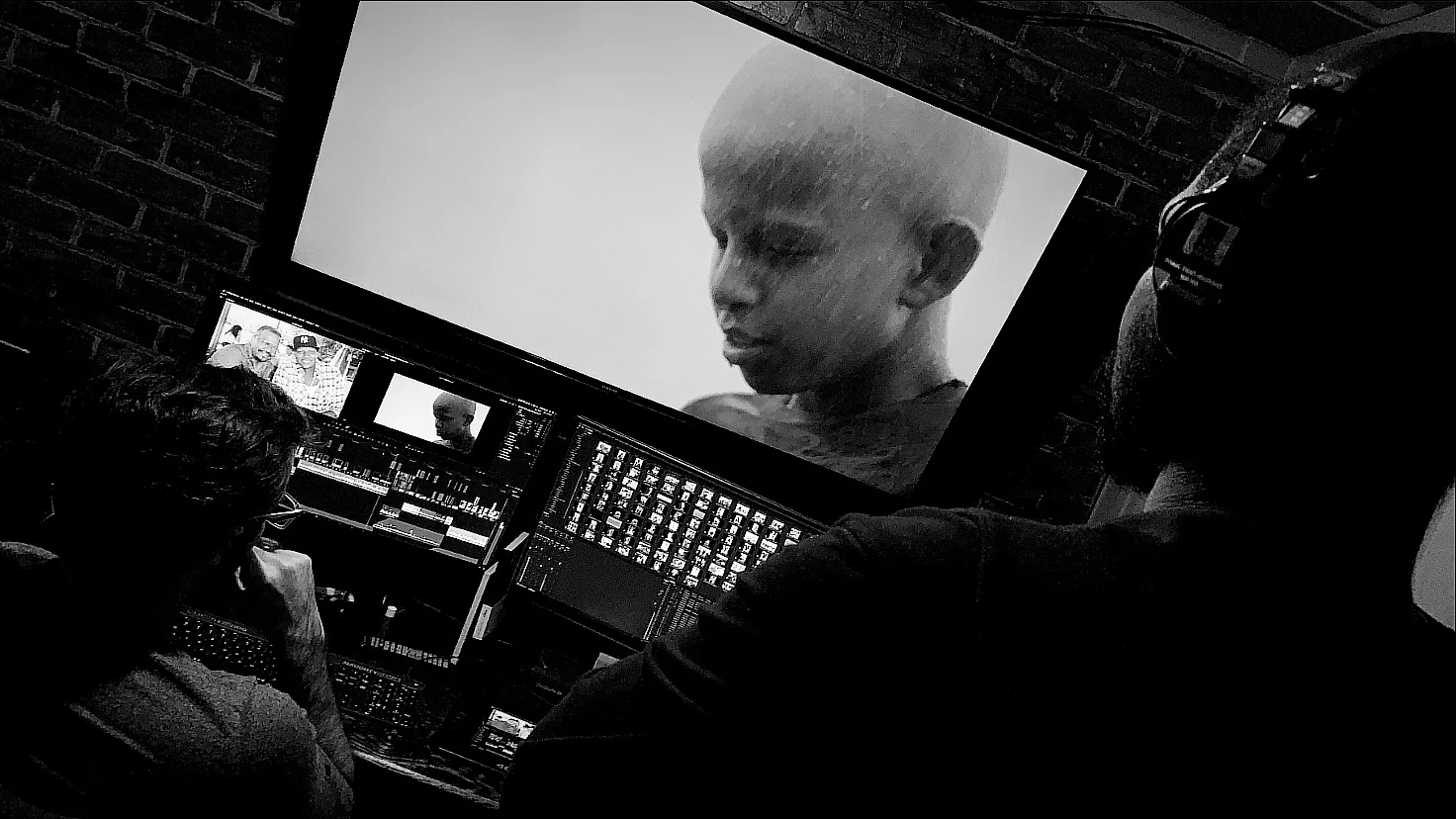
A finished film hides its own making, and that is the goal. But the reason ours feel finished is that every stage above happens under one roof, with the same team carrying your project from the returned drives to the delivered master. That is what our post production services are built to do, whether you shot with us or are handing off footage from your own production. You can see the range across our work, and if you also need it distributed as it happens, we run live streaming from the same building.
If you have a project sitting on a drive waiting to become something, tell us about it. We will walk you through where your footage would go and what the timeline really looks like before you commit to anything.