Director’s Reel
Our Work Behind the Camera
Most of a director’s work is invisible. Where the camera sits, how long a shot holds, what an actor hears between takes and what stays out of the frame all shape how an audience feels before anyone has spoken a line.
C&I Studios directs narrative and branded work as a full production. The same team develops the idea, runs the set and sits in the edit, so the film that was planned is the film that gets finished. What follows is scenes from our own short films, visuals for a feature pitch and a day on set for a narrative short.
Full Director’s Reel
Every scene in this reel comes from a C&I Studios production.
Nine and a half minutes of scenes from our narrative work in one cut. Short films, pitch visuals and dramatic scenes shot on city streets, rooftops, cabins and small rooms, each one made by our own team.
Think of it as the overview. The rest of this page breaks the work down, with more scenes from the reel and the projects behind them, so you can see how a director’s choices carry through to a finished film.
The River Cabin
Directed in house by C&I Studios.
A small cast and a single location put the whole film on the performances. Scenes are blocked around the actors first and the camera second, so the audience watches people rather than coverage.
Weather and light do part of the directing. Rain, dusk and firelight each set a mood the dialogue never has to announce, and the edit is planned on set so that mood holds from one scene to the next.
Pianos and Rooftops
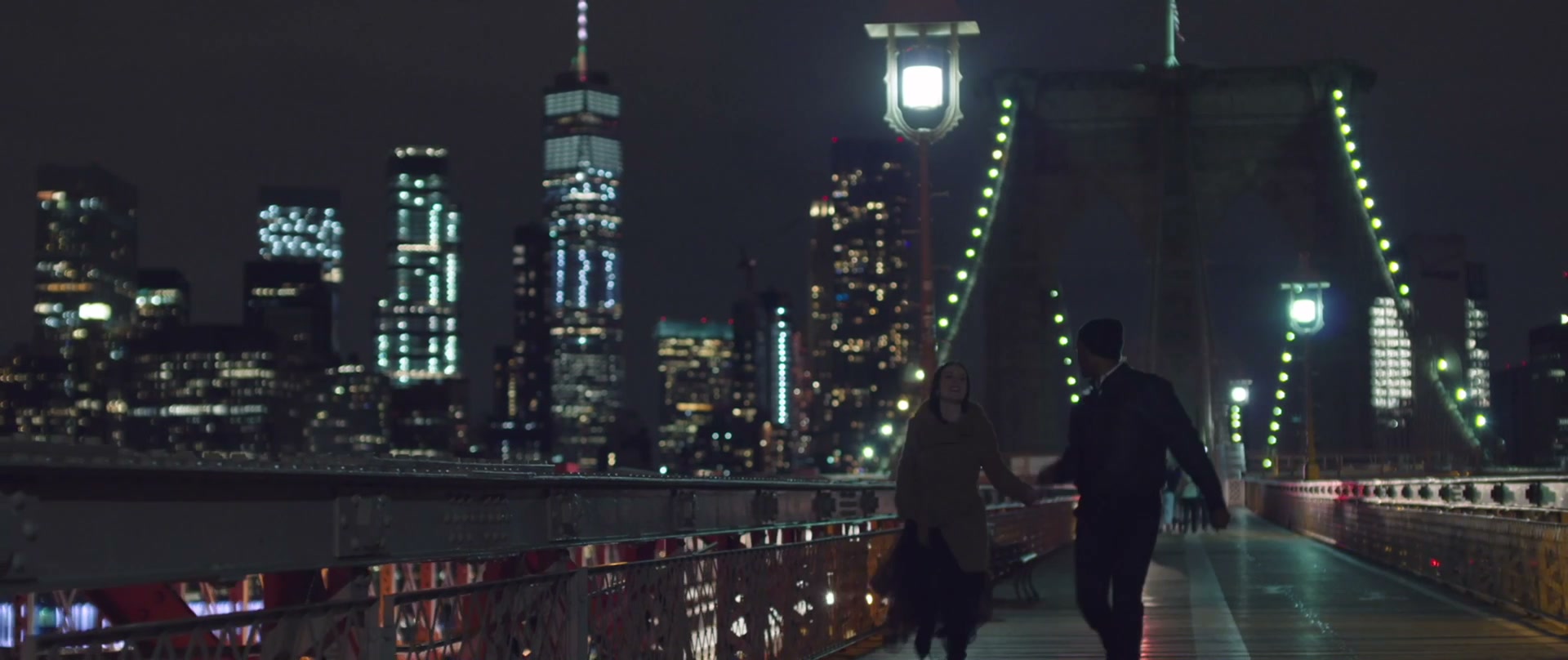
Shot by our crew in New York for the pitch.
A pitch has to show how a film will feel before anyone has paid for it. These scenes were shot to the look of the finished feature, so the tone, the color and the pace are on screen instead of described in a deck.
Restraint is part of the job. A quiet apartment, a piano and a single performer are given room to breathe, and the camera moves only when the scene asks it to.
For Niko
Behind the scenes on the set our team ran for For Niko.
Directing a narrative short is as much about running a set as calling action. Rehearsal, blocking and a shared shot list keep cast and crew moving together, so the hours on the day go to performance instead of logistics.
The close work with actors is where scenes are won. Notes are given quietly between takes and the camera team knows what each moment needs, which is how a small scene ends up carrying real weight.