
Behind the Scenes of the House-17 Masterclass Shoot
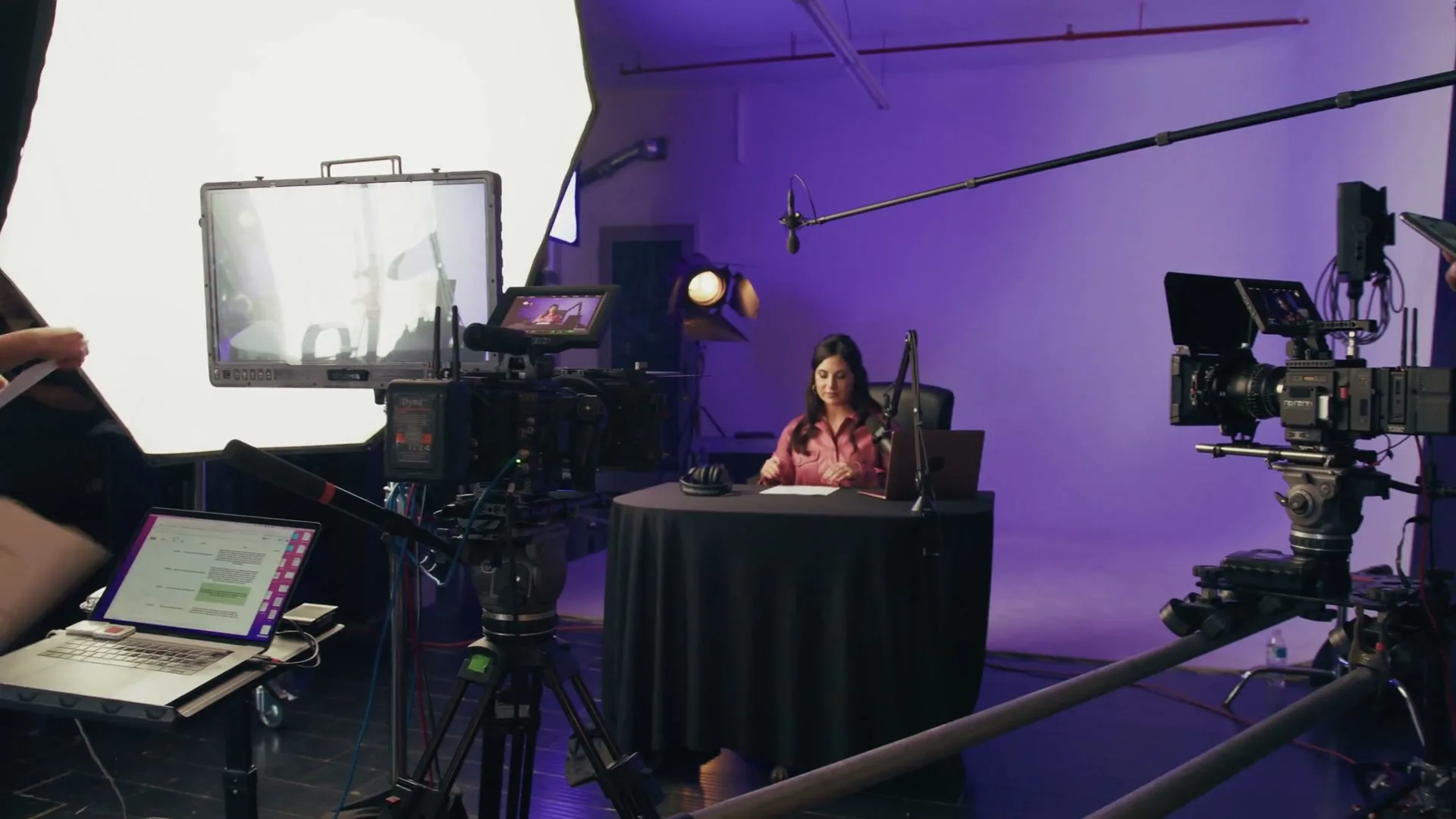
House-17 makes expert led content with real production value behind it. When they brought us in to film a masterclass in Los Angeles with journalist and podcast producer Rebecca Sananes, the goal was clear from the start. The teaching had to look as polished as the lesson itself.
This is a look at how that shoot came together. We split one production into three different looks, gave the podcast stage the most attention, and worked to keep a full day of footage consistent from the first setup to the last. If you are planning something similar, it doubles as a practical guide to what a production studio day really involves. You can see the finished work on the House-17 project page.
One shoot built as three worlds
A masterclass can easily look like it was filmed in one corner of a room. Viewers feel that sameness within a few minutes, even if they could not tell you why. So instead of a single static setup, we designed three distinct worlds inside one production.
The main one was a moody podcast stage where the teaching happens. Next to it we built a warmer sit down interview space with motivated lighting. The third world lived outside, a run of lifestyle b-roll across the city that gave the finished piece room to breathe. Glam and prep got its own coverage too, because those quiet moments before the talking starts set the tone for everything after.
Each look was lit and framed to feel like its own moment, then cut together so the whole thing plays as one cinematic piece.
Lighting the podcast stage
The podcast stage carried most of the content, so it got the most care. We built it as a purpose lit set rather than a room that happened to have lights in it. You can see the approach in the frames from that day. A deep purple wash sits on the backdrop, large soft sources shape the key, and practical fixtures add depth behind the speaker.
Soft, controlled light matters more on a teaching shoot than most people expect. The speaker is on camera for long stretches, often talking straight to the audience. Hard light or a key that shifts between segments gets tiring to watch fast. A consistent, flattering setup lets viewers stop noticing the picture and start listening.
Multiple cameras and clean audio
We covered the stage with multiple cameras so the edit would never be stuck on one angle. A wide shot establishes the set and tighter angles catch expression and gesture. A camera on a dolly track adds slow movement that keeps a long segment alive. Everything was shot in 4K, so the footage holds up in a promo, a recap reel, or a vertical cut for social.
Sound got the same attention as picture. A boom mic over the speaker kept the audio clean and natural while staying out of frame, so the set never looked cluttered. On a masterclass the audio is the lesson. If the picture is beautiful and the sound is thin, people leave.
The work nobody sees on camera
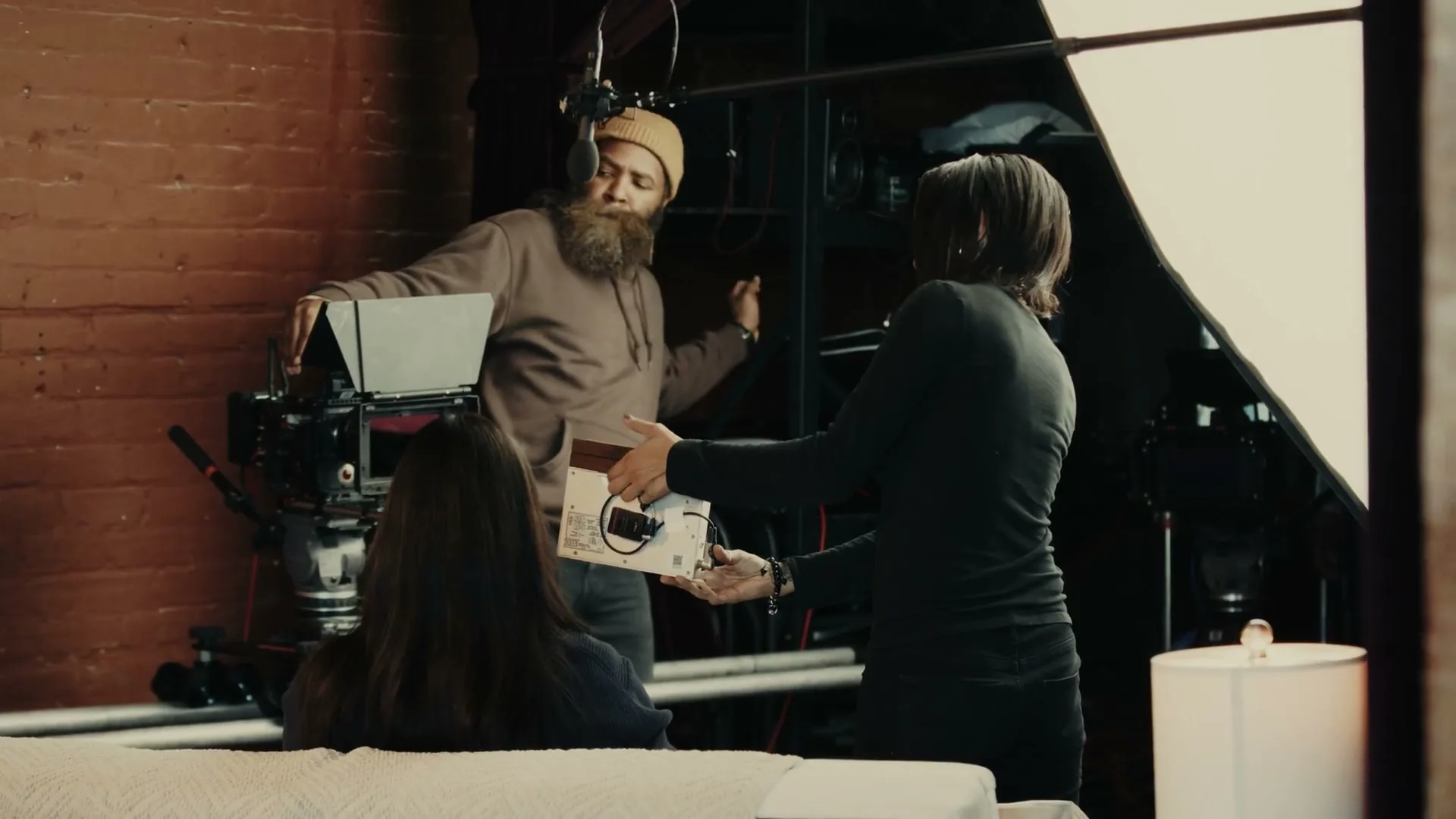
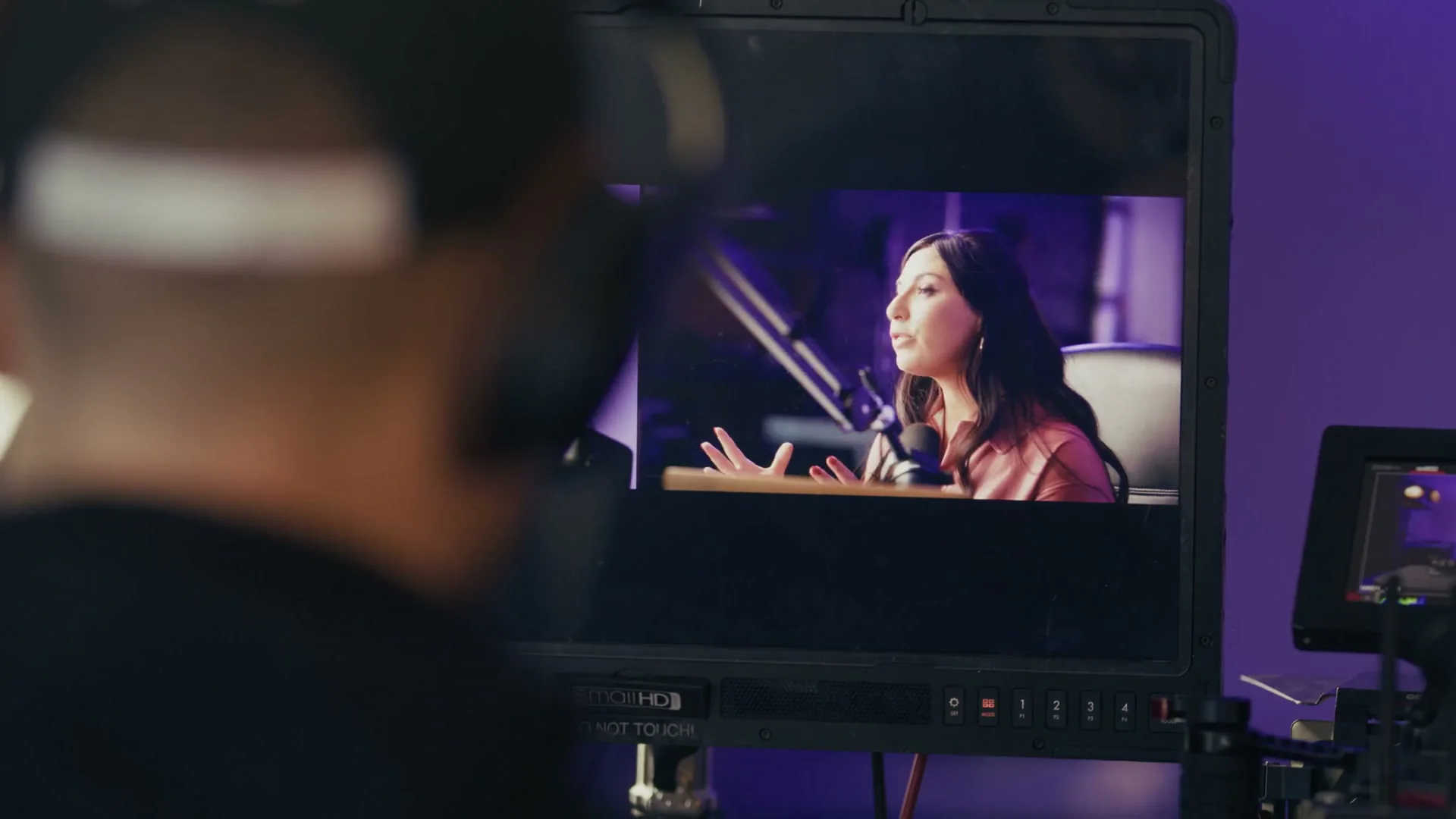
Behind every clean frame there is a crew making small calls in real time. Our video production team handled camera, lighting, audio, and on set direction from call time to wrap. Monitors let us check focus, framing, and performance as each segment was recorded, so problems got fixed on the day instead of discovered in the edit.
Holding a look for a full day is harder than building it once. Gear gets moved, light drifts, and energy dips after lunch. Keeping the lighting, the audio, and the coverage steady from start to finish is what gave the editors clean, matching material to shape the final cut.
What House-17 walked away with
The footage was cut into a polished sizzle that moves fast where it should and slows down where the content gets personal. Beyond the sizzle, the shoot produced a library of brand moments House-17 can pull from all year across social and web. One production ended up feeding far more than one video, which is the real payoff of planning coverage carefully. If you want to see what happens to footage after the shoot, our walkthrough of the post production process picks up where this piece leaves off.
What this shoot says about a production studio day
People often ask what a production studio actually gives them over a nice room with good light. The House-17 shoot is a good answer. A controlled space means the light you set in the morning still looks the same at the end of the day. Enough room to build more than one set means you get range without moving locations. A crew that knows how to work a stage spends its time on the performance instead of fighting the room.
If you are scoping a masterclass, a course, or a talking head series, start with the looks you need and the hours of content you plan to record. That tells you how much space, light, and crew the day requires. Our studio rentals page is the place to start if you need the space, and our Los Angeles video production team can bring the full crew when you want the whole day handled.
Questions we get asked
How many cameras does a masterclass need
It depends on how long people will watch. For a long teaching segment we like at least a wide and a tighter angle, plus a moving camera when the budget allows it. That gives the editor enough options to keep the pace up without cutting back to the same shot over and over.
Should a masterclass be shot in a studio or on location
The teaching itself usually belongs in a studio, where you can control light and sound for hours at a time. Location footage works best as supporting b-roll. On the House-17 shoot we did both. The core content came from the stage, and the city footage added texture around it.
What should I have ready before a masterclass shoot
An outline of the lesson, a sense of the looks you want, and any brand assets the set should reflect. The clearer the content plan is, the easier it is to build a set and a coverage plan that fit it.
Plan your own studio shoot
If you are planning a masterclass, a course, or a brand film, tell us about the content and the looks you have in mind through our contact page. We will scope the space, the lighting, and the crew around it.