
Top Audio Mixing Software for Film and TV. Complete Guide for Editors and Sound Professionals
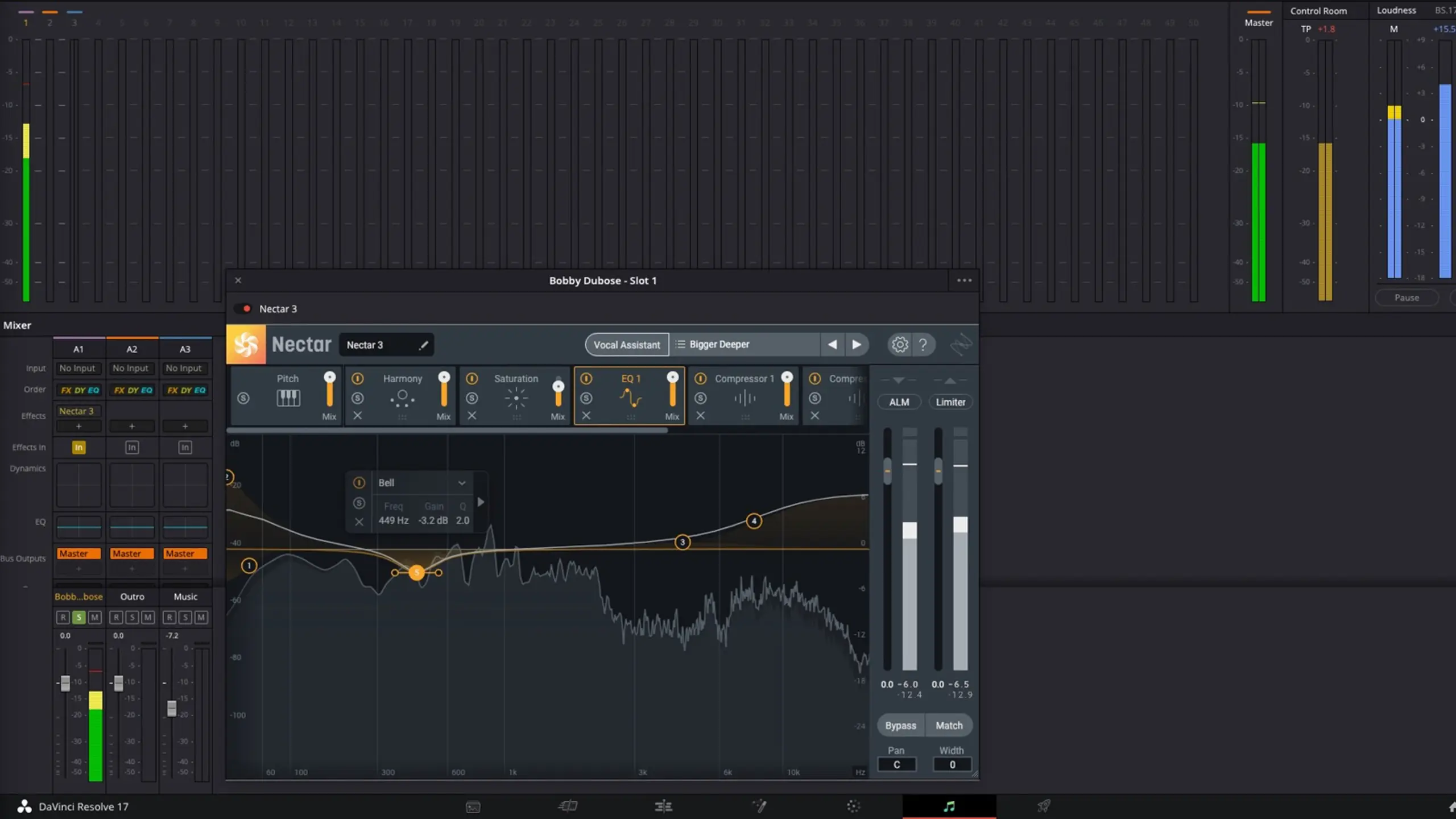
Audio plays a central role in storytelling, and the tools used to shape that audio are every bit as important as cameras, lighting, or editing platforms. The shift toward immersive formats, multi-platform distribution, and loudness normalization has pushed the industry to adopt more specialized software workflows.
Software no longer functions as a simple tool. It is a creative environment. It determines how quickly mixers can work, how precisely they can sculpt frequencies, and how immersive their soundscapes can become.
Many filmmakers discover this firsthand when they visit C&I Studios after exploring our Video Production Services. Conversations often shift toward the tools behind the final sound because the choice of software affects mix flow, creative options, and compatibility with professional facilities.
As the industry continues embracing remote workflows and multi-format deliverables, there is more to evaluate than feature lists. Reliability, ecosystem compatibility, learning curve, plug-in integration, and export standards all shape whether a software package can keep up with modern production.
The standards that define professional audio software
What separates pro tools from consumer-level apps
The difference between entry-level programs and professional audio mixing software for film is noticeable as soon as you open a multitrack session. Industry platforms are built for complex soundscapes, often with hundreds of tracks, dynamic automation, detailed editing layers, and real-time processing.
Professional software must support tasks such as:
- Precision dialogue cleanup
- Loudness compliance for broadcast and streaming
- Advanced routing options
- High-performance plug-in support
- Reliable dynamic automation
- Stem creation and multi-format exports
A study from the Audio Engineering Society points out how spatial audio requirements have grown across major platforms. This shift requires software that can handle object-based mixes as easily as traditional stereo sessions. Having the right tools ensures that creative decisions translate cleanly whether a film is played on a theater system, a soundbar, or headphones.
Production companies with in-house post teams like C&I Studios understand this well, especially when developing longform content. Many of their projects showcased on our Our Work page rely on audio tools capable of supporting heavy sessions without sacrificing speed or stability.
The industry heavyweight. Pro Tools
Avid Pro Tools is the single most recognized name in film and television mixing environments. It is used in studio facilities, freelance workflows, and large-scale post houses worldwide. Its reputation is tied to its ability to manage large sessions with impressive stability.
Editors rely on Pro Tools for:
- High track counts
- Advanced send and routing options
- Sample-accurate editing
- Powerful automation
- Support for major hardware controllers
- Dolby Atmos integration
The system is also known for its reliability under pressure. When complex film sessions reach the final mixing stage, engineers can trust Pro Tools to handle scene changes, session revisions, and last-minute adjustments without corruption or lag.
Another reason Pro Tools dominates the industry is its deep compatibility with third-party plug-ins. Tools like iZotope RX, FabFilter, and Waves integrate seamlessly, allowing mixers to clean and shape audio through noise reduction, EQ, multiband compression, and spatial effects.
Professionals working closely with C&I Studios often choose Pro Tools for projects that need full theatrical mixing. Its integration with Dolby standards aligns with industry compliance guidelines, such as those outlined in the official Dolby Audio Loudness documentation from Dolby Labs.
The rising all-in-one solution
DaVinci Resolve has evolved far beyond color correction. Its Fairlight audio engine rivals dedicated audio platforms, offering an integrated solution for editing, mixing, ADR, Foley, and delivery. Many filmmakers appreciate having everything inside a single environment, including sound, color, picture editing, and VFX.
Fairlight supports:
- Advanced bussing
- Automated dialogue replacement
- 3D audio workflows
- Sound libraries
- Real-time EQ and dynamics
- High-performance processing with Fairlight hardware
Fairlight’s strength lies in collaborative pipelines. Editors can begin laying out basic tracks on the picture timeline, then mixers can expand the audio workflow in the Fairlight page without round-tripping through other applications.
Resolve is becoming a preferred tool in creative development for commercials, branded content, and short films. Teams that utilize Creative Marketing services at C&I Studios often benefit from Fairlight workflows because art direction, editorial, and audio can all stay synchronized.
Flexible workflows for commercial and streaming projects
Ideal for mid-size productions and content creators
Adobe Audition appeals to filmmakers who rely on the Adobe Creative Cloud ecosystem. Integration with Premiere Pro simplifies audio round trips, making it a strong option for commercials, social campaigns, and narrative projects with moderate complexity.
Audition supports:
- Spectral waveform editing
- Noise and echo reduction
- Track-based mixing
- Multiband compression
- Loudness corrections
- Export presets for broadcast standards
Spectral editing remains one of Audition’s strongest features. Mixers can visually isolate background noise, clicks, or intrusive sounds and remove them with high precision. This approach aligns with scientific visual-audio analysis methods, such as those referenced in the Fletcher-Munson equal-loudness contours research by ISO and various psychoacoustic studies.
Audition’s interface is accessible for new mixers while still offering depth for professionals. It is especially useful in environments where editors, sound designers, and mixers need quick asset turnover without sacrificing quality.
Power and flexibility with a customizable engine
Reaper has built a devoted following due to its efficiency, low resource usage, and near-infinite customization. Although it requires more setup than other platforms, experienced mixers appreciate how quickly they can create tailored workflows.
Reaper stands out for:
- High-performance audio processing
- Custom actions and scripts
- Unlimited track capabilities (hardware dependent)
- Advanced automation
- Open plug-in compatibility
- Lightning-fast load times
Its flexibility makes it popular among sound designers who prefer lightweight software that can handle large sound libraries without slowdowns. Reaper also excels in modular post facilities where hardware changes frequently.
Some film mixers use Reaper as their main tool, while others pair it with Pro Tools or Resolve. This hybrid approach allows them to take advantage of Reaper’s speed during design-intensive phases, then handle final delivery inside a more standardized environment.
Because Reaper does not lock users into a single ecosystem, teams collaborating with C&I Studios sometimes choose it when they need portable sessions that adapt to remote workflows.
A creative environment for composers and sound designers
Popular in music-driven productions
Logic Pro remains a favorite among composers, especially in productions where music drives the emotional tone. Its expansive sound library, user-friendly interface, and MIDI capabilities make it ideal for scoring, sound design, and pre-mix stages.
Logic supports:
- High-quality virtual instruments
- Advanced MIDI sequencing
- Integrated plug-ins
- Track stacks
- Spatial audio mixing
- Fast bounce workflows
Composers often start a project in Logic, then export stems into Pro Tools or Fairlight for final mixing. This approach balances creativity with technical polish.
Music-centric productions showcased on C&I Studios projects often use a combination of Logic for composition and Pro Tools for final delivery. The synergy gives composers full creative freedom while ensuring that the final audio meets theatrical or broadcast standards.
The sound designer’s specialized toolkit
Steinberg Nuendo has become a go-to choice for sound designers working on immersive projects. Its tools cater to detailed sound effects work, Foley layering, adaptive sound design, and spatial environments.
Nuendo offers
- Intelligent dialog editing
- Game audio middleware integration
- Immersive mix rendering
- Re-conforming tools
- ADR systems
- Multichannel routing
Nuendo’s strength lies in its precise editing tools and efficient workflow for revision-heavy productions. A study shared by Stanford University on audio and emotional processing highlights the complexity of layered sound and how it affects attention. Software like Nuendo supports this complexity with tools tailored to detail-heavy sessions.
While not as universally adopted as Pro Tools, Nuendo is respected in film and TV post, especially for workflows involving extensive sound design or game-inspired audio techniques.
Choosing the best tool for your workflow
Matching software to the needs of the project
There is no single best audio mixing software for film, because each platform excels at something different. The right choice depends on session complexity, collaboration needs, hardware environment, and delivery requirements.
Pro Tools excels in theatrical mixing.
- Fairlight is ideal for integrated picture and sound workflows.
- Audition fits commercial and shortform projects with quick turnaround.
- Reaper appeals to mixers who value speed and customization.
- Logic shines in music-driven productions.
- Nuendo is built for sound design at a deep technical level.
When teams work with a studio environment like C&I Studios, they often design their sound workflow around the specific goals of the production. During development for longform stories or commercial campaigns, the choice of software is often discussed early to ensure smooth collaboration across editorial, color, and audio.
For creators who are producing their first large-scale work, exploring a studio space such as C&I’s Studio Rental environment can also provide hands-on exposure to different tools and hardware setups.
The growing importance of scalable audio software
With platforms like Netflix, Max, and Apple expanding their technical requirements, mixers need software that can support loudness compliance, immersive mixes, and consistent playback across devices. Dolby Atmos and spatial audio continue to push expectations higher, requiring tools that handle object-based mixes and multi-format exports.
Standards from organizations such as the Audio Engineering Society and Dolby Laboratories emphasize the need for predictable and accurate reproduction across listening environments. The right software ensures creative decisions stay intact whether the content plays in a theater, a living room, or a mobile device.
Production teams building longform and episodic content often rely on structured development pathways that begin with concept planning. This is one reason many clients engage C&I Studios through our early Creative Development services before moving into post-production. Choosing the right audio software becomes part of the creative process rather than a last-minute decision.
How teams integrate software into the full production pipeline
Collaboration across departments
Unlike music production, film and TV audio requires constant communication between departments. Picture editors, VFX teams, colorists, and audio mixers all depend on software that supports efficient exchange of assets.
Filmmakers who work with C&I Studios often discover how seamless this collaboration becomes when everything moves through a unified creative process. Software integration affects not only the mix, but also:
- Editorial revisions
- On-set sound capture
- Foley continuity
- ADR cues
- Scene timing
- Delivery schedules
Teams benefit from having experienced professionals guide the workflow, especially during complex multi-track mixing sessions or projects with extensive design elements.
Clients exploring C&I’s services often reach out using our Contact page when they need help planning these details or assembling a full post-production strategy.
A softer way to bring everything together
Choosing the right audio platform has a tangible effect on the emotional depth and technical polish of any film or TV project. The software acts as the mixer’s creative space, the editor’s workspace, and the director’s bridge to the final vision.
When filmmakers take the time to understand these tools and how they shape the flow of a project, they give themselves more freedom in every stage of production.
Professionals who work with experienced teams often find that sound quality improves long before the final mix begins. With the right setup, the right tools, and support from a dedicated studio, the entire journey becomes more creative, intentional, and enjoyable.
For more information on industry standards and best practices, visit the American Marketing Association.
Work with C&I Studios
If you are planning a project like this, our team can take it from concept to final delivery. Explore our AI video services, browse our work to see how we tell brand stories, and get in touch when you are ready to start.