
What a Music Video Production Budget Covers
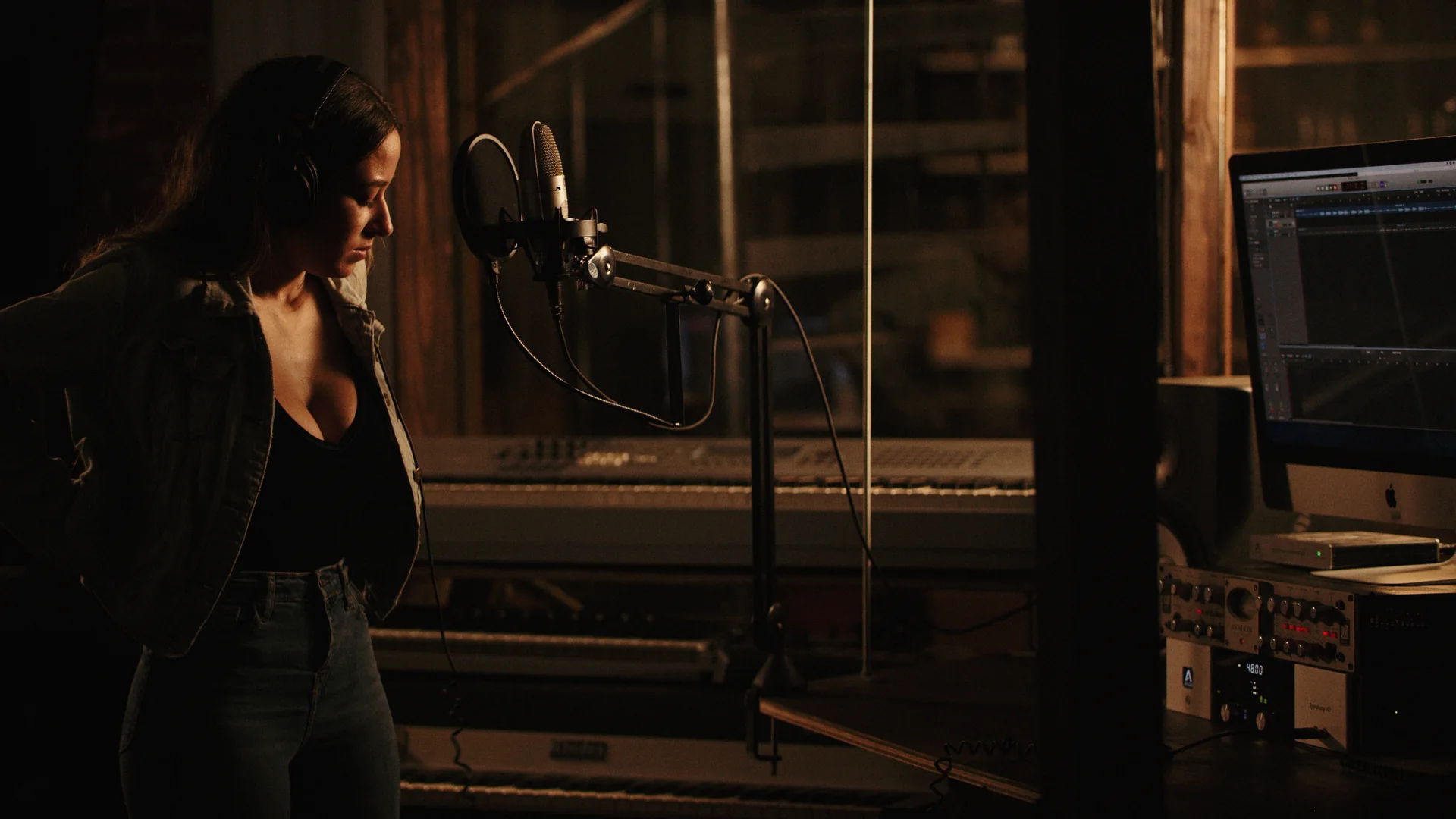
A music video budget is the line by line plan for what it takes to turn a song into a finished video, from the treatment through crew, location, gear, post, and delivery. When an artist or a label asks us to quote a video, the first thing we do is take that music video budget apart line by line. Not to pad it. To show where the money actually goes, because almost every argument about cost is really an argument about scope nobody named out loud. Once you can read a budget, you make smart trades instead of blind cuts.
Our music video production work covers performance pieces, narrative pieces, and hybrids, and the structure of the spend barely changes. What changes is which lines carry the weight. Here is the whole anatomy, in the order we build it, with the one thing that moves each line.
The treatment comes first
Before a single light gets rented, somebody writes the treatment. It is the document that turns a song into a shot plan. Mood, locations, wardrobe direction, the arc of the performance, the look of the color. A good treatment is where a video gets cheaper, because it kills the expensive indecision that shows up on set with the clock running.
The lever here is clarity. A vague brief forces us to prep for three possible versions of the same video, and prepping for three costs more than committing to one. Across our video production services, treatments that read like a blueprint come in clean. Wish lists drift. Spend real attention here and the rest of the music video budget calms down behind it.
When Black Violin asked us to write, direct, and produce videos for their album Take The Stairs, the treatment for Impossible is Possible went through several concepts first, a concert hall with a ballerina among them, before we committed to one script. The story of a young boy born into poverty and the family that backs him. Choosing one story before production is the whole job of a treatment.
Director and the creative lead
The director is not a line you shop on price. The director sets the shot list, runs the floor, and decides in the moment what to keep and what to cut. That judgment is the difference between a video that looks like the treatment and one that looks like a compromise.
What moves this line is scope and shoot length. A director on a one day performance piece is a different commitment than one carrying a multi location narrative across three days with a cast. We go deeper in what a music video director does, and the short version is that you are paying for decisions, not hours. The bigger the creative, the more this line carries.
Crew is the engine room
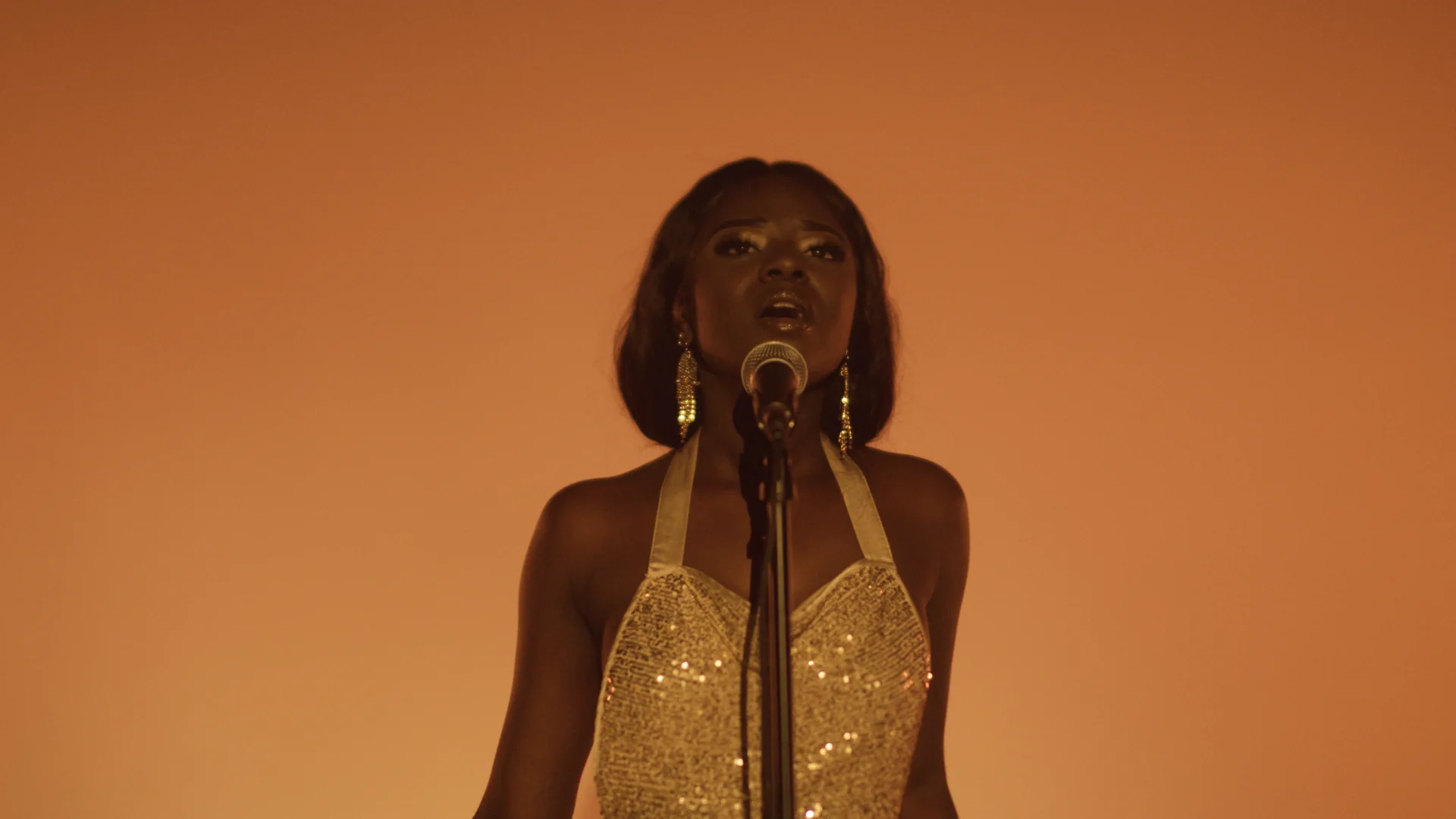
Crew is usually the single largest piece of the spend, and the one most people underestimate. A music video is not one camera operator and a friend holding a reflector. It is a camera team, a grip and electric team, a gaffer, an assistant director keeping the day on schedule, a sound team for any live element, and the production assistants who keep it all moving.
The lever is day count and crew size, and the two multiply. A longer day with a bigger crew does not add cost in a straight line, it compounds, because every extra person draws gear, meals, and coordination. We think about assembling the right people in how to find a video production crew worth hiring. Build the day around the crew and this line stays honest.
Location or the studio
Every video happens somewhere, and somewhere costs money. A practical location means permits, parking, power, and often a location fee plus the hours of a scout who locked it. A controlled space trades that uncertainty for a flat rate and far less risk. Our own studio rentals exist for this reason, because a 30,000 square foot stage in Los Angeles lets us build a world without begging the weather or a neighbor for permission.
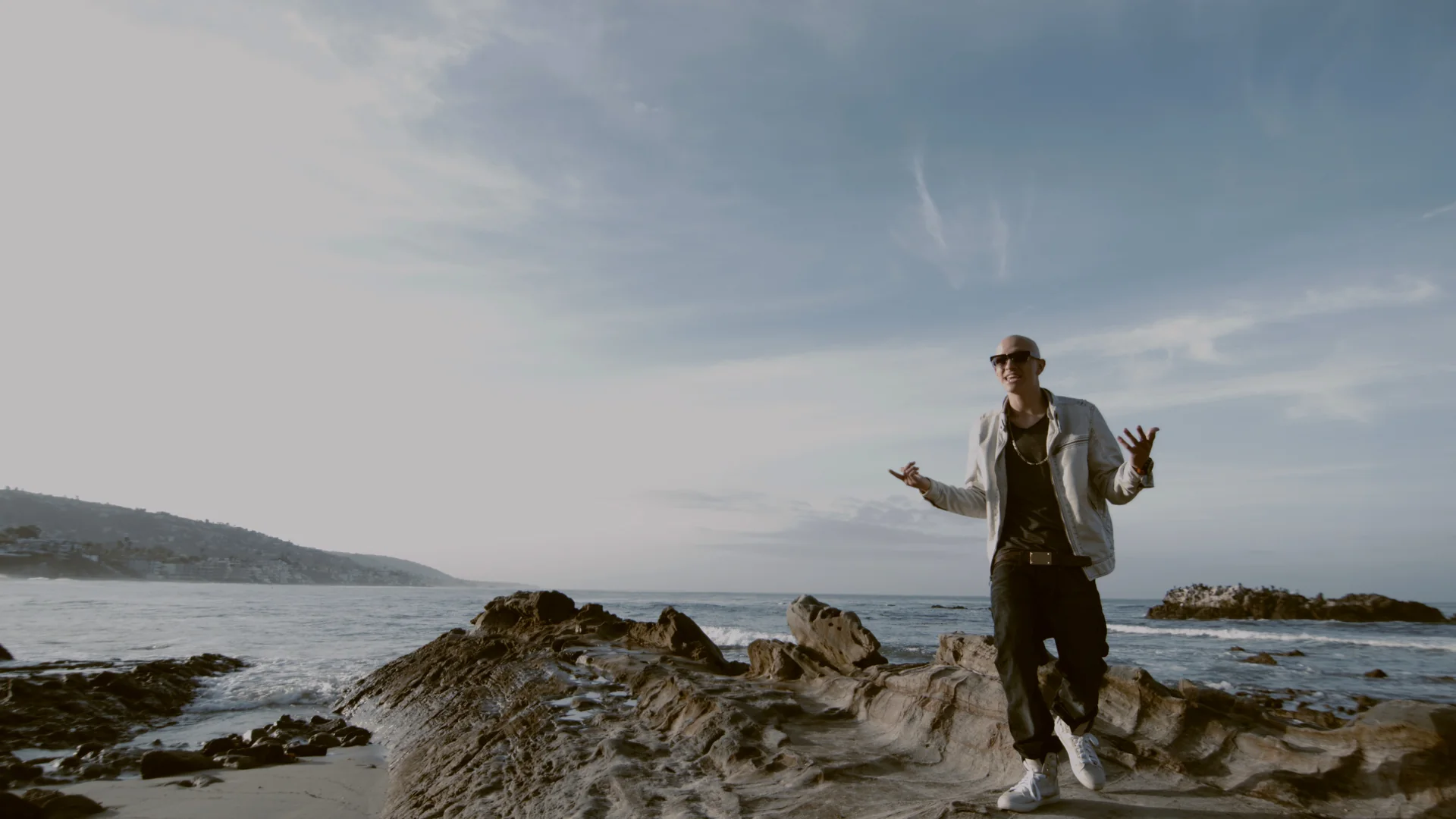
The lever is control versus character. A real rooftop at golden hour has a texture a stage cannot fake, but it also brings wind, light that will not wait, and a permit office. A stage gives you the whole day and total command of the room. Most artists split the difference, one day on location for texture and one on the stage for coverage they can count on. For Sammy C we did both. His official OC Fella video went big on the coast with aerial coverage and classic cars, and his acoustic set was captured at our LA loft.
Art department builds the world
Art department is the set, the props, the surfaces, the production design that makes a frame feel intentional instead of found. On a stripped performance video it can be almost nothing. On a built narrative it can rival the crew line, because someone must source, build, dress, and strike every object you see.
What moves this line is how much of the world is invented versus borrowed. A space that already looks right pulls it down. Building a look from bare walls pushes it up fast. On the Cris Cab Feliz Navidad video in Miami, the art department carried a full holiday party, with string lights, stockings, and a tree, while a vintage convertible carried the street scenes. The question we ask on every video is the same. How much exists already, and how much do we have to make. The honest answer sets the number.
Wardrobe styling and performer days
Wardrobe and styling cover the looks on camera, the stylist who pulls and fits them, and hair and makeup keeping the artist camera ready all day. Performer days are the artist plus any dancers, extras, or featured talent, and each person is a call time, a meal, and sometimes a rate.
The lever is the size of the cast and the number of looks. One artist in one look is a light line. Add dancers, multiple wardrobe changes, and featured talent and this becomes a real planning problem, because every look needs time in the schedule and every body on set needs feeding and coordinating. We keep it sane by deciding looks in the treatment, not on the morning of the shoot.
Gear is rented and never assumed
Camera bodies, lenses, lighting, grip, and the support that holds all of it. Gear is where people love to spec up, and also where a clear creative saves the most money, because the right package is almost always smaller than the one someone imagined. A performance piece on a clean prime lens does not need the kit a heavy effects piece does.
What moves this line is the look and the format. More cameras, specialty lenses, large lighting, motion control, any of it adds up through the rental house. We touched on the glass side in our rundown of the best lens for filmmaking. Pick the gear the video needs, not the gear that sounds impressive in a meeting.
Post production is half the movie
The shoot ends and the video is not done. Editing shapes the performance, cuts it to the track, and finds the rhythm that makes a viewer stay. This is where first time clients get surprised, because they budgeted the shoot and forgot the half that happens after everyone goes home. Our full approach lives on the post production services page, and it is not an afterthought in any serious quote.
The lever is the number of versions and the complexity of the cut. A straight performance edit moves quickly. Effects, compositing, or a lot of coverage to sift takes real time at the workstation. We walked through it in what really happens in post production.
Color sets the final mood
Color grade is its own line because it is its own craft. It is where a flat capture becomes the look the treatment promised, where skin tones get honest and the piece holds together across every cut. A good grade can make a modest shoot feel expensive. A skipped grade can make an expensive shoot feel cheap.
What moves this line is the ambition of the look and whether the footage was shot to support it. Footage captured with the grade in mind grades fast. Careless footage fights the colorist, and that fight costs time. We handle this inside our wider film and TV production work too, because the principle holds across formats.
Delivery is the last line
Delivery is the set of files that actually leave the building. The master, the cutdowns for social, the vertical versions, the platform exports, the stills pulled for press. It sounds small and it is not, because every version is an export, a check, and a correct file name that keeps launch day from breaking.
The lever is how many places the video needs to live. A single horizontal master is one delivery. A full campaign across a channel, feeds, stories, and a press kit is many, and each earns a moment in the schedule. We think about platform fit the way we do for brands in our branding and content work, because a video nobody formatted for the feed is a video nobody finishes watching.
Reading a budget as a set of trades
Once you can see all the lines at once, the conversation changes. You stop asking us to make it cheaper and start asking which line to trade. Fewer locations buys more crew hours. A stage day buys back the time a scattered schedule burns. Fewer wardrobe looks buys a longer grade. Every number connects to another, and the artists who get the most out of a shoot treat the music video budget as a set of levers instead of a single wall. If you want to see how those lines turn into pricing, our music video pricing guide covers it.
Here is the shape of it, in the order we build and the one thing that moves each line.
| Line | What moves it |
|---|---|
| Treatment | Clarity of the brief |
| Director and creative lead | Scope and shoot length |
| Crew | Day count times crew size |
| Location or studio | Control versus character |
| Art department | Invented versus borrowed world |
| Wardrobe and performer days | Cast size and number of looks |
| Gear | Look and format of the shoot |
| Post production | Versions and complexity of the cut |
| Color | Ambition of the look |
| Delivery | How many places it has to live |
Questions we get asked
Why does the gear line swing so much between two similar videos
Because two videos that look similar on screen can be built completely differently. One might be a single camera on a stage with three lights. The other might be four cameras, a technocrane, and a full lighting grid. Same vibe, very different rental order.
What is the one line most people underestimate
Post and color together. People budget the day they can picture, the shoot, and shortchange the weeks they cannot, the edit and the grade. Half the craft lives after the camera is packed, and a budget that ignores it pays for it late and in a hurry.
Can a smaller budget still look great
Yes, when the creative is disciplined. A tight brief, one strong location, a right sized crew, and a real grade will beat a scattered shoot with twice the gear. Less money is a constraint, not a ceiling.
Build it with us at C&I Studios
If you have a track and a vision and want it turned into a budget you can actually read, that is the part we love. We take the treatment, break it into the lines above, and show you where every dollar earns its place before we ever roll a camera. Tell us about the song, the look, and the rollout on our contact page, and we will come back with a plan that makes the trades visible instead of hiding them. The anatomy is the same for every video, and so is the honesty we build it with.