
Behind the Scenes of a Brand Photo Shoot
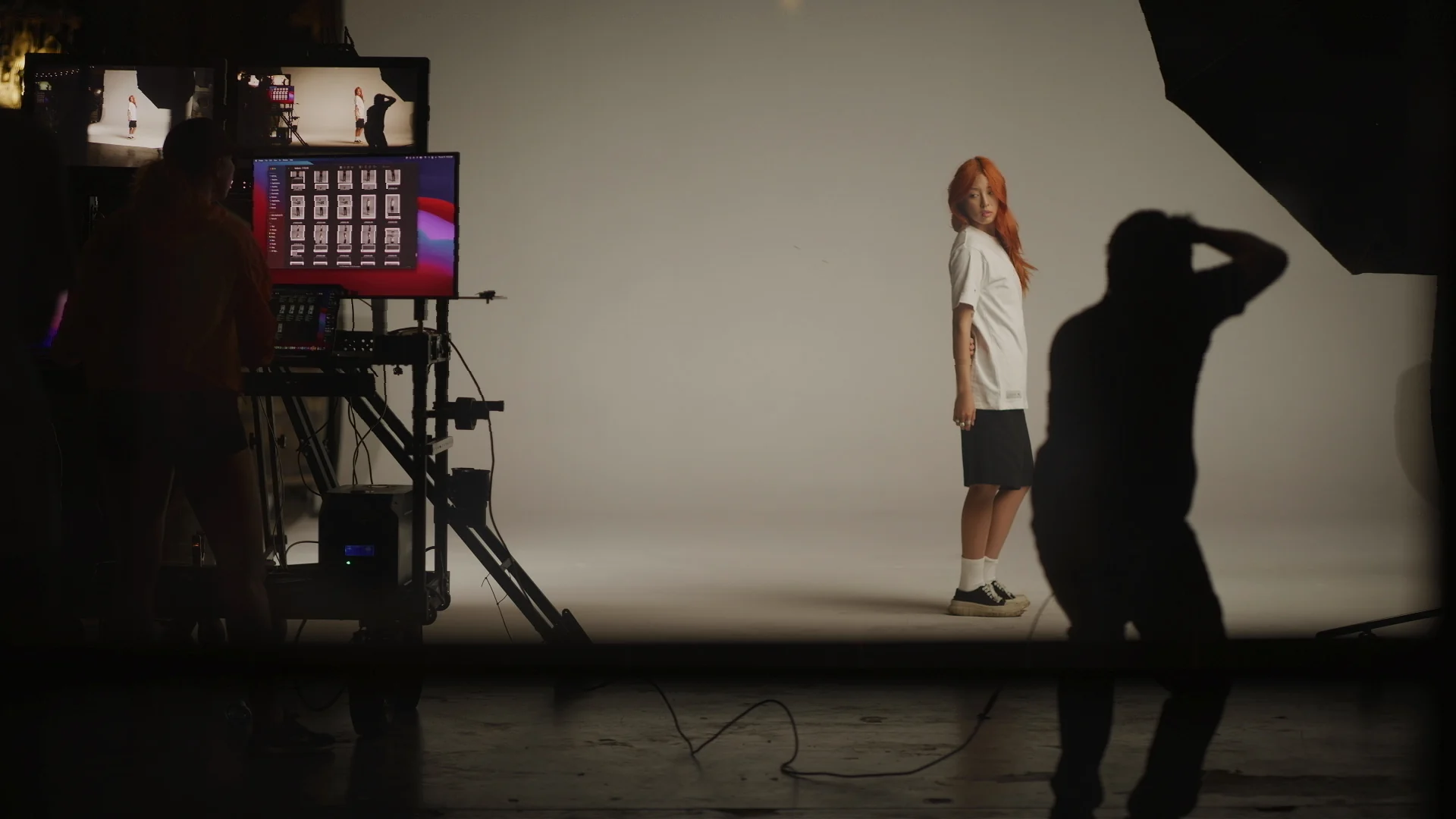
Most of what decides a brand photo shoot happens before anyone picks up a camera. By the time the first frame fires on the C&I Studios stage in Los Angeles, the products have been unboxed and inspected, the talent has been cast against a specific claim on the packaging, the surfaces are painted and the shot list has been argued over twice. The shoot day is the visible part. This is what the whole thing looks like from the inside, using the campaign work we produced for KISS across six of its brands as the working example.
Two weeks out the brief turns into a shot list
A brief usually arrives as a deck of reference images and a list of products. It is a mood, not a plan. The first job is turning it into a shot list, and the shot list counts setups rather than frames. Each line names the product, the surface it sits on, whether there is talent in frame, the crops that have to come out of it, and the channel each crop is for. A retail tile wants a square. A story wants a vertical. A web banner wants something wide with room for copy. Writing those down in advance is the difference between a day that gets everything and a day that gets most of it.
A single line of the list looks like this.
| Setup | Product | Surface | Talent | Crops |
|---|---|---|---|---|
| 4 | Falscara lash kit, hero unit A | Lilac painted cyc | Hands only | Square retail tile, vertical story, wide banner with copy space |
| 5 | Falscara applied, beauty close up | Warm neutral seamless | Model 2, baby’s breath in hair | Square, vertical, tight eye detail |
| 6 | JOAH palette trio | Pink seamless, overhead rig | None | Square, wide, product only for 3D reference |
Twelve to fifteen of those lines is a full day. The table is boring on purpose. It is what everyone on the stage is working from, and on the day it gets checked off line by line.
For KISS the list ran across imPRESS, KISS Colors and Care, JOAH Beauty, Falscara, KISS USA and KISS International. Retail teams in different countries needed to pull the same asset without arranging a local reshoot, so every hero product got shot once in a way that would survive every market. That decision was made at the shot list stage, not on the floor.
The list is also the schedule. A realistic commercial day is eight to fifteen finished setups for product work and four to eight for lifestyle with talent, wardrobe changes and background changes. A brief that says one day and then lists sixty required shots is not a one day shoot. We would rather have that conversation two weeks out than at four in the afternoon. Our breakdown of what brand photography costs covers how that arithmetic lands on the invoice.
Casting is a product test before it is a look
We cast out of our own talent database, and for a brand photo shoot the casting call is written against the product, not against a general idea of who looks good on camera. On the KISS hair category the claims on the packaging only hold up if the hair on camera is doing what the packaging says it does. So the casting notes were about texture and length before they were about anything else. Press on nails need a nail bed the product sits on cleanly. Lashes need a lash line the applicator can work with.
Paperwork happens here too. Every person in frame signs a release before call time that names where the images will run and for how long, because a model booked for organic social and a model booked for national retail are not the same booking. The American Society of Media Photographers has a plain answer sheet on what a model release actually covers that is worth reading before you sign one on either side.
Surfaces and props are built on prep day
Product arrives the day before. Every unit gets counted and inspected, because packaging revisions and dented boxes show up in shipments more often than anyone expects. One perfect hero unit per product is set aside and labeled, with backups behind it, and that hero unit is the one that appears in every frame so the set stays consistent when a retail team lays the images side by side.
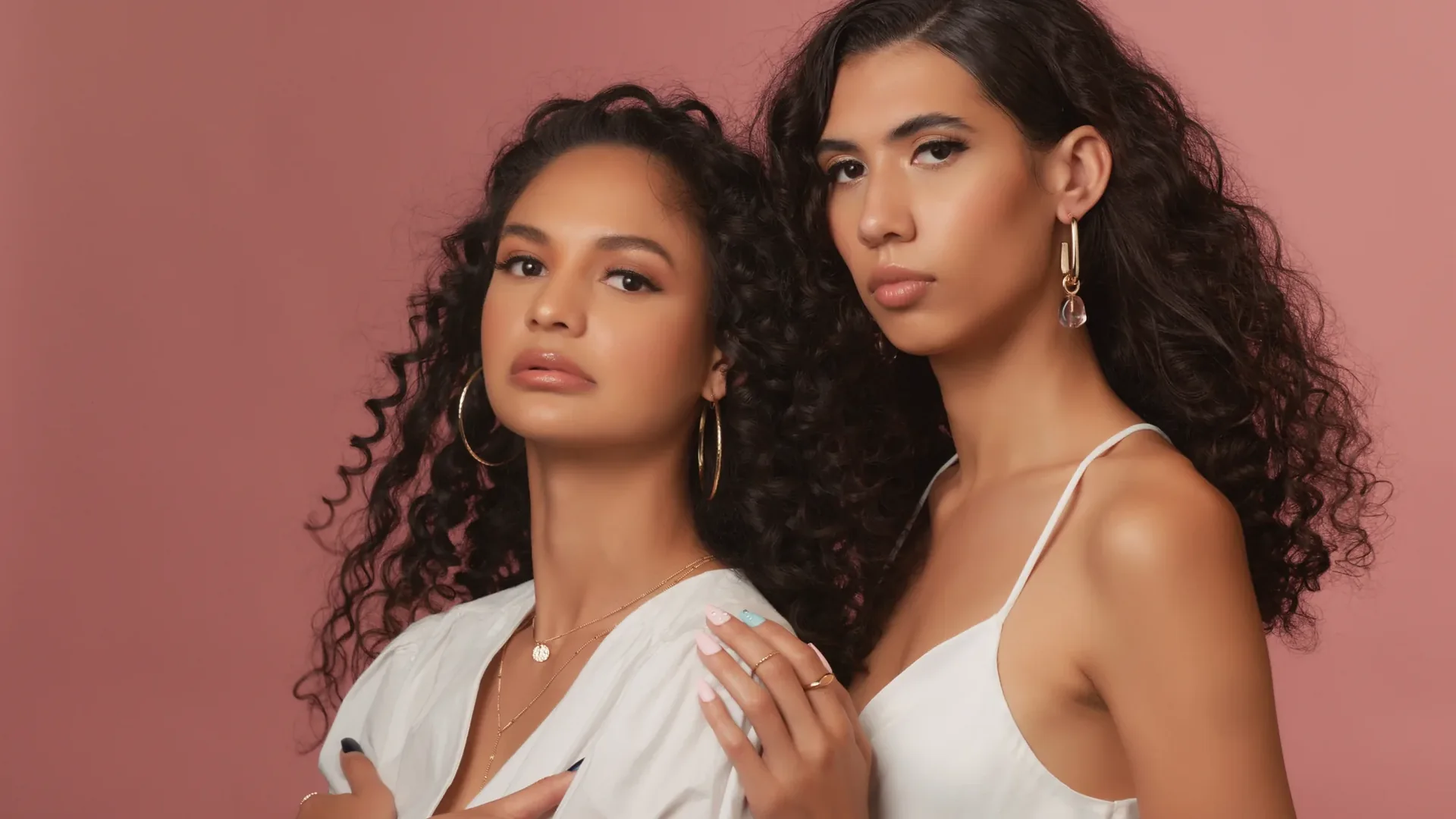
Then the surfaces get built. The KISS work was shot on painted color cycs in our facility, and the color of each one was matched to the brand it was carrying. Some setups needed props, so the JOAH palettes were laid out with macarons in the same tones and the Falscara beauty frames used baby’s breath in the hair. None of that gets sourced on the morning. It is on a list, it is bought, and it is on the stage before anyone with a camera walks in.
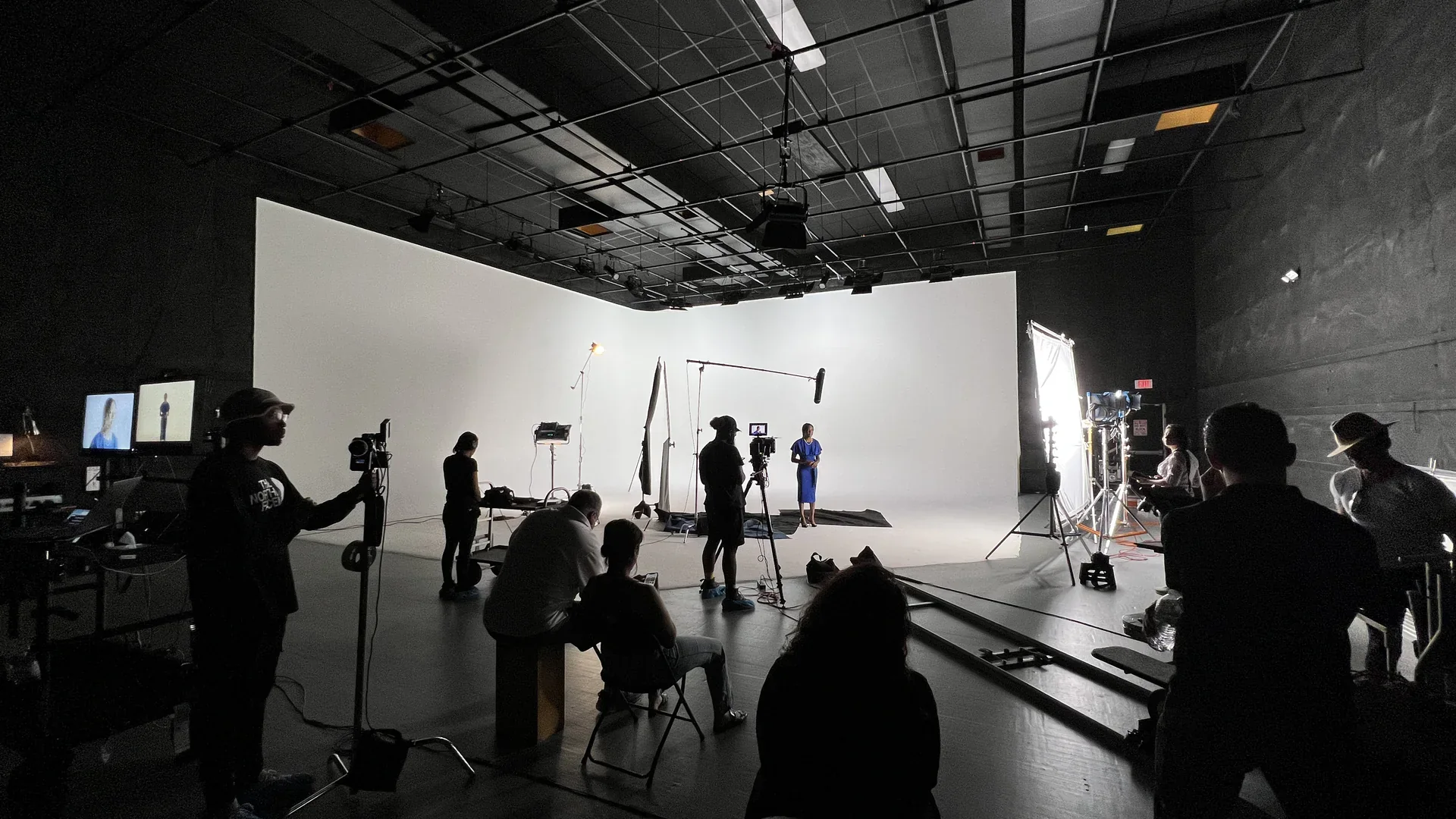
The stage itself matters more on prep day than on shoot day. Ours is 30,000 square feet under 25 foot ceilings with a 2,000 square foot floor to ceiling seamless cyc wall, a 300 amp three phase tie in and a lighting grid that blacks out, which means a lit product setup can be built the night before and shoot exactly the same at 7am as it does at 7pm. There is more on the practical specs in our guide to the Los Angeles stage if you are deciding between studio and location.
Call time and the first hour
Crew is in first. Talent goes straight to hair and makeup. The first setup is lit on a stand in before anyone from the cast is anywhere near it, so the moment they walk on the frame is already working and the only thing left to solve is them.
The camera is tethered to a monitor on set from the first frame. A digital technician manages capture, checks focus at full size and keeps the color honest, and every setup opens with a color reference card in frame. We use a ColorChecker Passport for that, because a pink cyc under strobe and the same pink on a retail shelf are two different problems, and the card is what lets retouching solve the second one without guessing. White balance and exposure are locked per setup after that and nobody touches them until the setup strikes.
What the day looks like from the client chair
The client sits at the monitor. That is the whole answer to whether you should be on set. Frames land on screen a second after they fire, and the person who owns the final decision marks favorites while the set is still standing. Each setup is approved on the monitor before it strikes, which is why a shoot run this way almost never needs a return visit.
It also means the cheapest content of the year gets made. Once lights are up and the talent is in position, the vertical crop, the copy space version and the tight detail frame cost minutes rather than money. We shoot them while everything is standing, because coming back for them later means paying for the whole day again.
The one thing that slows this part down is a committee. A brand photo shoot with one decision maker at the monitor moves. A shoot with four opinions on the monitor spends the afternoon on the setup that was already fine. Name the person who chooses before the day, not during.
Product on set is its own discipline
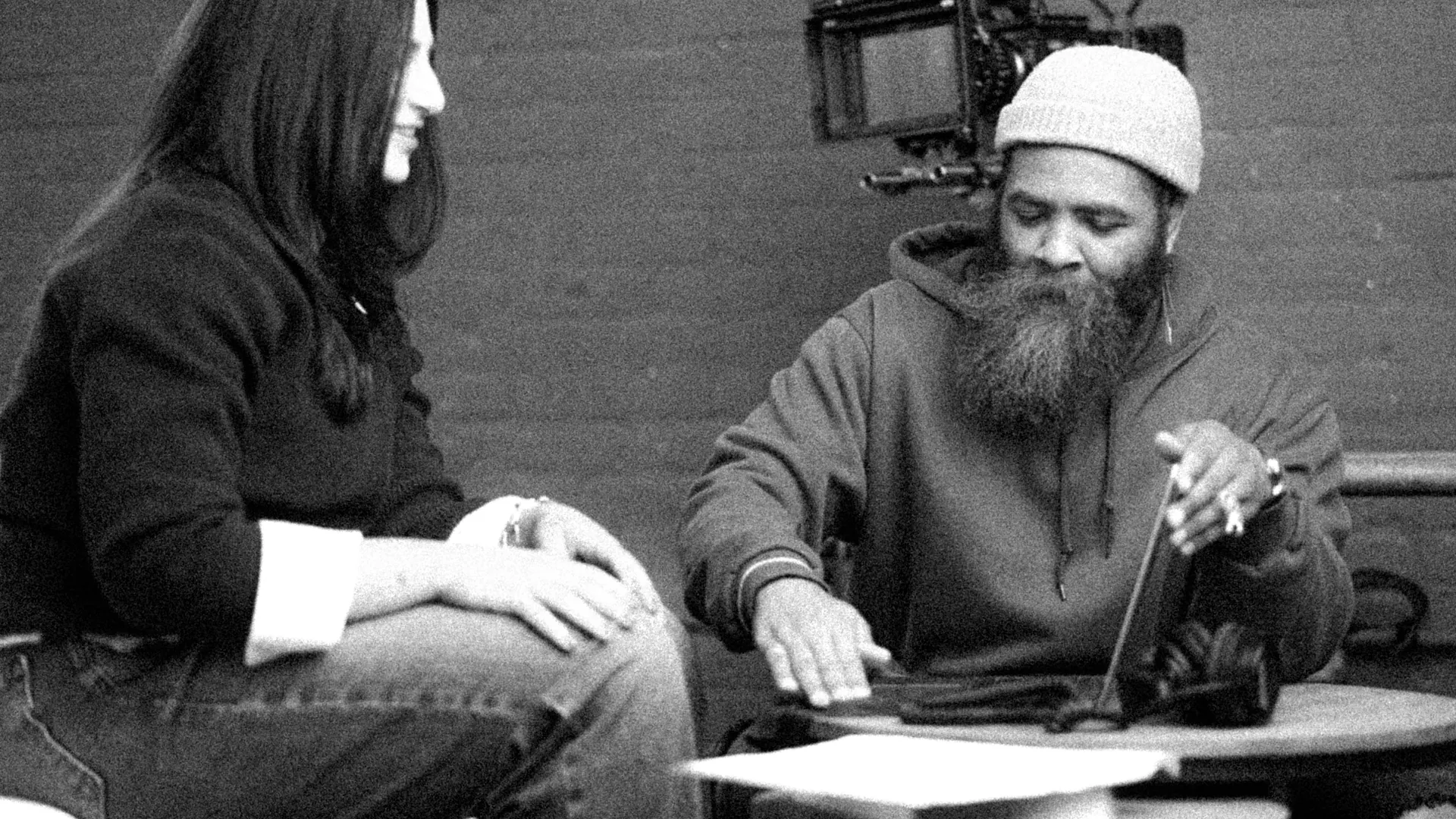
Product photography and talent photography share a stage and almost nothing else. Product gets handled in gloves. Every unit gets dusted between frames. Packaging glare is controlled with a polarizer and with flags rather than fixed in post, because a reflection retouched out of a glossy box never looks quite right. Small objects like a lash pack or a nail kit are shot as a short focus stack so the whole product is sharp from front to back, and the overhead flat lay setups run on a dedicated rig so the camera position does not drift between products.
The rule that saves the most time is the hero unit. The same labeled unit appears in every frame of that product, in the same orientation, with the same face forward. When sixty products need to line up on an ecommerce page that consistency is the whole job, and it is far easier to hold on set than to manufacture in retouching. Our notes on product on white photography go deeper on the ecommerce end of this.
Every KISS media day carried video as well as photography, shot by the same team on the same setups. That is why the motion work cuts against the stills cleanly. The lighting, the cast, the surfaces and the styling are identical, so a six second product loop and the hero still sit next to each other on a retail page without a seam. Deliverables ran short form for social and longer cuts for retail and web.
It only works if it is planned that way. Strobe and continuous light do not behave the same, so a setup that has to serve both is designed in prep with that compromise already made. Bolting a video camera onto a stills setup at noon is how you get footage that looks like an afterthought. Our video production services page covers how we run the two together.
The beauty close up is the slowest setup of the day
The frame that looks simplest on the page is the one that takes the longest on set. A beauty close up is skin, lashes and eyes at a size where every decision shows. The light gets moved by inches rather than feet. Catchlights are placed on purpose. Hair and makeup touches up between nearly every frame, and the lash or the liner that the shot is actually selling gets checked at full size on the monitor before the setup is called done.
We budget the beauty setups at roughly double the time of a standard product setup, and we schedule them for the part of the day when the cast is fresh rather than the end. A tired face at 5pm shows in a macro frame in a way it never does in a full length portrait.
Photographing products before they exist
A large share of the KISS work was never in front of a camera. We modeled the nail kits, lash products, applicators, mascara, tweezers, palettes and packaging from scratch in 3D, then built lighting and sets around the models. That let KISS put products in front of a camera before the products physically existed, and it let retail teams in different markets pull the same asset without a local reshoot.
The behind the scenes part of that is matching. A render that is going to sit beside a photograph has to be lit like the photograph, with the same softness, the same falloff and the same surface response, or the two read as two different campaigns. So the C&I Studios 3D team works from the same reference cards and the same setups the photographer used on the stage. Our comparison of photography against 3D product rendering covers when each one is the right call.
How the day absorbs what goes wrong
Something always does. Samples arrive late. A packaging revision lands mid shoot and the hero unit is suddenly the wrong one. A product color that looked right on the shelf reads differently under strobe. Hair does not cooperate. Talent hits traffic. None of that is unusual, and none of it should cost a reshoot.
The day absorbs it because the shot list has buffer built into it, the stage blacks out so the clock does not matter, and the approval happens on the monitor so nothing gets discovered a week later. When the packaging changes we shoot the old unit and the new one, because a retail team somewhere is going to need both. When the color is off we fix it in the light and confirm it against the reference card rather than promising to sort it in post.
Wrap and what happens to the frames
Cards are backed up to two drives on set before anyone leaves the building. Selects go to the client within a couple of days as a gallery, the client picks against the count that was agreed in the shot list, and only those frames go to retouching. Retouching is billed per image, so a clean selects round is where a brand photo shoot either stays on budget or quietly doubles. The cost guide has the numbers on that.
Retouching itself is mostly consistency. Skin, product surfaces, minor removals, and above all matching color across a set that was shot over several setups and several hours. Every product then ships in the crop set that was named on the shot list, one folder per channel, named so a retail team in another country can find the right file without asking. Our post production services page describes how that pipeline is built.
Questions we get asked about a brand photo shoot
How long does a brand photo shoot take?
Plan on two weeks from brief to shoot, one or two days on the stage depending on the setup count, and one to two weeks after for selects and retouching. Compressing the front end is what costs money, because the crew and the styling you want are already booked.
Do we need to be on set?
Someone with the authority to approve should be, either in the room or on a remote monitor feed. Approving on set is what removes the reshoot. Sending the whole team is what slows the day.
How many products can we shoot in a day?
For catalog style product on a consistent setup, sixty is realistic across two days with a digital technician running the line. For styled hero product with props and surface changes, eight to fifteen setups a day. Count the setups, not the frames, and the estimate will hold up.
Can we shoot video at the same time?
Yes, and it is far cheaper than a second production, as long as the setups are designed for both from prep. That is how the KISS motion work was made and it is how we would recommend any brand approach it.
Plan your brand photo shoot with C&I Studios
We shoot brand campaigns out of our own stage in Los Angeles and on location anywhere in the country, and we run them the way this article describes, with the shot list written first, the casting done in house and the client at the monitor. The KISS portfolio shows the photography, the 3D and the video that came out of the days above. If you have a product line and a launch date, tell us what you are making through our professional photography services page or reach out for a quote, and if you are still deciding who to hire, our advice on choosing a photography company and on why stock imagery hurts a brand are both worth ten minutes.