Before and After: Color Grading Transformations by C&I Studios
There is something visually powerful about seeing a transformation unfold through color grading. The contrast between raw footage and the final graded version reveals how much emotion and meaning can be shaped in post-production. Color grading is not just a technical step; it is a storytelling tool that guides how viewers feel and interpret each scene. Whether adjusting tones to highlight tension or enriching warmth to draw empathy, it plays a critical role in every frame.
C&I Studios has mastered this craft, consistently delivering visual work that captures attention, supports the narrative, and leaves a lasting impression on the audience.
The Impact of Color Grading in Visual Storytelling
Color grading is the process of adjusting and enhancing the color of footage during post-production to achieve a specific aesthetic, mood, or visual tone. While often mistaken as a purely cosmetic step, it is actually a deeply intentional part of storytelling. Color grading transformations help to unify a visual narrative, correct lighting imbalances, match scenes shot under different conditions, and guide audience emotions in powerful, sometimes subtle ways.
In the context of documentary film production, color grading becomes essential in preserving realism while enhancing emotional resonance. For instance, interviews in natural light often have inconsistencies in exposure and color temperature. Through professional color grading transformations, these issues are corrected while maintaining the raw authenticity of the moment. The result is a polished film that feels grounded in reality, yet visually cohesive and emotionally impactful.
Similarly, in political campaigns, color grading transformations can be a strategic tool. A well-graded campaign video might lean into warmer tones to evoke trust and connection, or cooler tones to project stability and seriousness. This process ensures that every frame aligns with the candidate’s desired message and public image. Without proper color grading, even the most well-crafted message can fall flat or feel disjointed to viewers.
Technically, color grading also plays a key role in workflows involving VFX compositing & animation. When visual effects are integrated into live-action footage, mismatched color or lighting can immediately break the illusion. Grading ensures seamless blending of CGI, animation layers, or stylized overlays into the surrounding environment. This enhances realism and keeps the audience immersed in the visual narrative without distraction.
The difference between raw and color-graded footage is often startling. Unedited clips may appear dull, flat, or inconsistent across scenes. After a color grading transformation, those same clips carry vibrant energy, rich contrast, and visual harmony. They look intentional rather than incidental. Whether it’s shaping the bleak tones of a wartime documentary or the vibrant palette of a youth-focused campaign, the color grade is what helps define the story’s emotional architecture.
In essence, color grading is not just about aesthetics. It is about intention. It is about helping stories speak louder, look sharper, and connect more deeply. And in professional spaces like documentary film production, VFX compositing & animation, and political campaigns, it is an indispensable part of the creative process.
Before and After: Real Case Studies by C&I Studios
One of the most effective ways to appreciate the power of color grading transformations is by examining before and after examples. These side-by-side comparisons show how much visual and emotional depth can be added through professional grading. At C&I Studios, this process is carefully executed to serve both the technical quality and the storytelling needs of each project. Whether it is a commercial, a short film, or a music video, color grading helps shape the viewer’s perception and experience.
In a branded short film, the raw footage might look flat or unbalanced, with inconsistent lighting and lifeless tones. Once color grading is applied, the footage gains dimension and character. Skin tones become more natural, lighting is corrected for consistency, and colors are adjusted to create the desired atmosphere. For content created for political campaigns, color choices can even influence emotional response. Warm tones can create a sense of approachability, while cooler tones may signal seriousness and trustworthiness.
Projects in documentary film production often come with unique challenges. Natural lighting varies between locations, and there is rarely time for perfectly controlled setups. This results in raw footage that can feel visually scattered. Through careful grading, C&I Studios ensures that every shot shares a unified tone and style. This keeps the focus on the story and maintains immersion for the audience, even when the visuals originate from very different environments.
The need for precise color grading becomes even more important in projects involving VFX compositing & animation. Without grading, the blend between live-action footage and digital effects can feel disconnected or artificial. By matching tones, adjusting shadows, and balancing the overall look, the studio ensures all elements feel part of the same visual world. This attention to detail makes the final product feel polished and professional.
Before and after footage reveals just how transformative the process really is. What starts as ordinary video often becomes a piece of visual art once grading is complete. Every change serves a purpose, whether it is guiding emotion, enhancing clarity, or reinforcing a brand’s identity.
At C&I Studios, color grading is not just a finishing touch. It is a storytelling tool that helps bring each frame to life and ensures the final product resonates with its intended audience.
Behind the Scenes: The Color Grading Process
Color grading is a creative and technical journey that begins once the filming is complete. It is not a single adjustment but a series of carefully layered decisions that take raw footage and transform it into a visually cohesive story. At C&I Studios, this process is treated as a core part of the post-production workflow. Every project, no matter its size or scope, goes through a tailored grading pipeline that aligns with the overall vision of the piece.
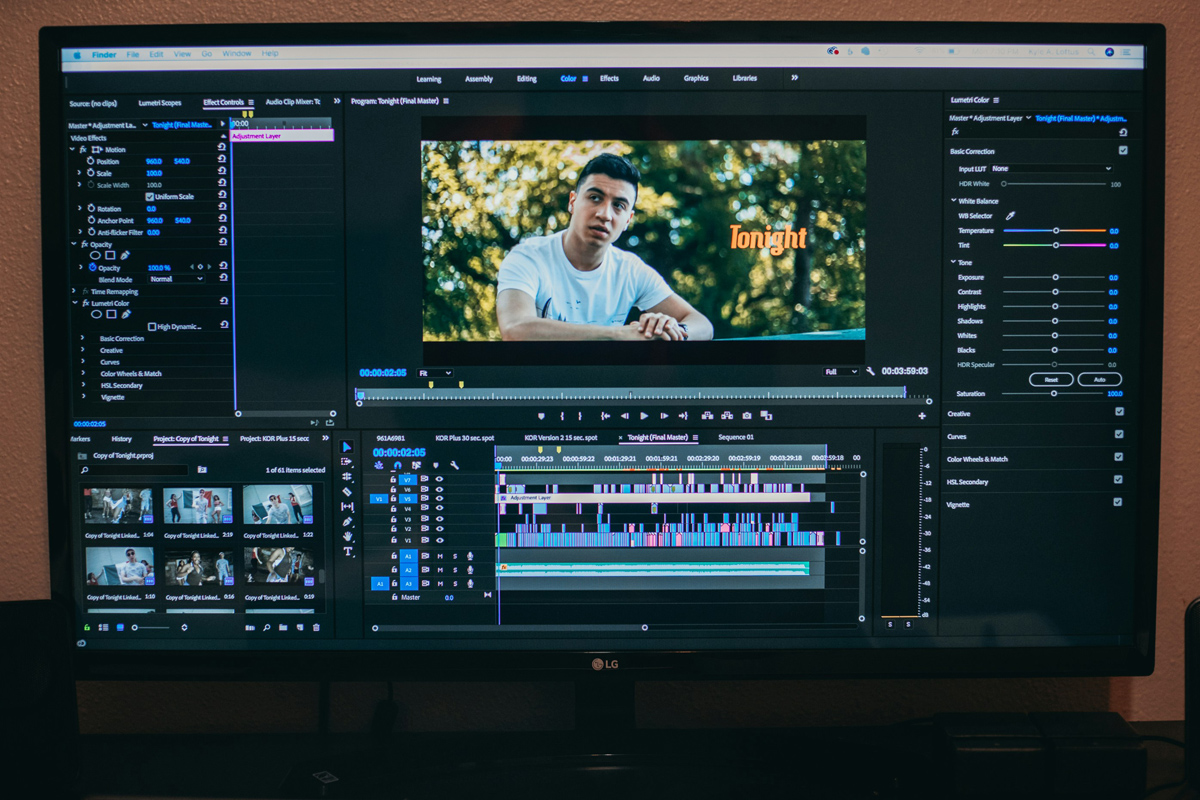
The process starts with color correction, which is the technical foundation. This step involves adjusting exposure, contrast, white balance, and saturation to fix any inconsistencies from the original shoot. Without this baseline, the footage might contain color imbalances that distract from the story. Once corrected, the grading begins. This is where visual mood, tone, and emotional depth are sculpted to match the narrative direction of the film or video.
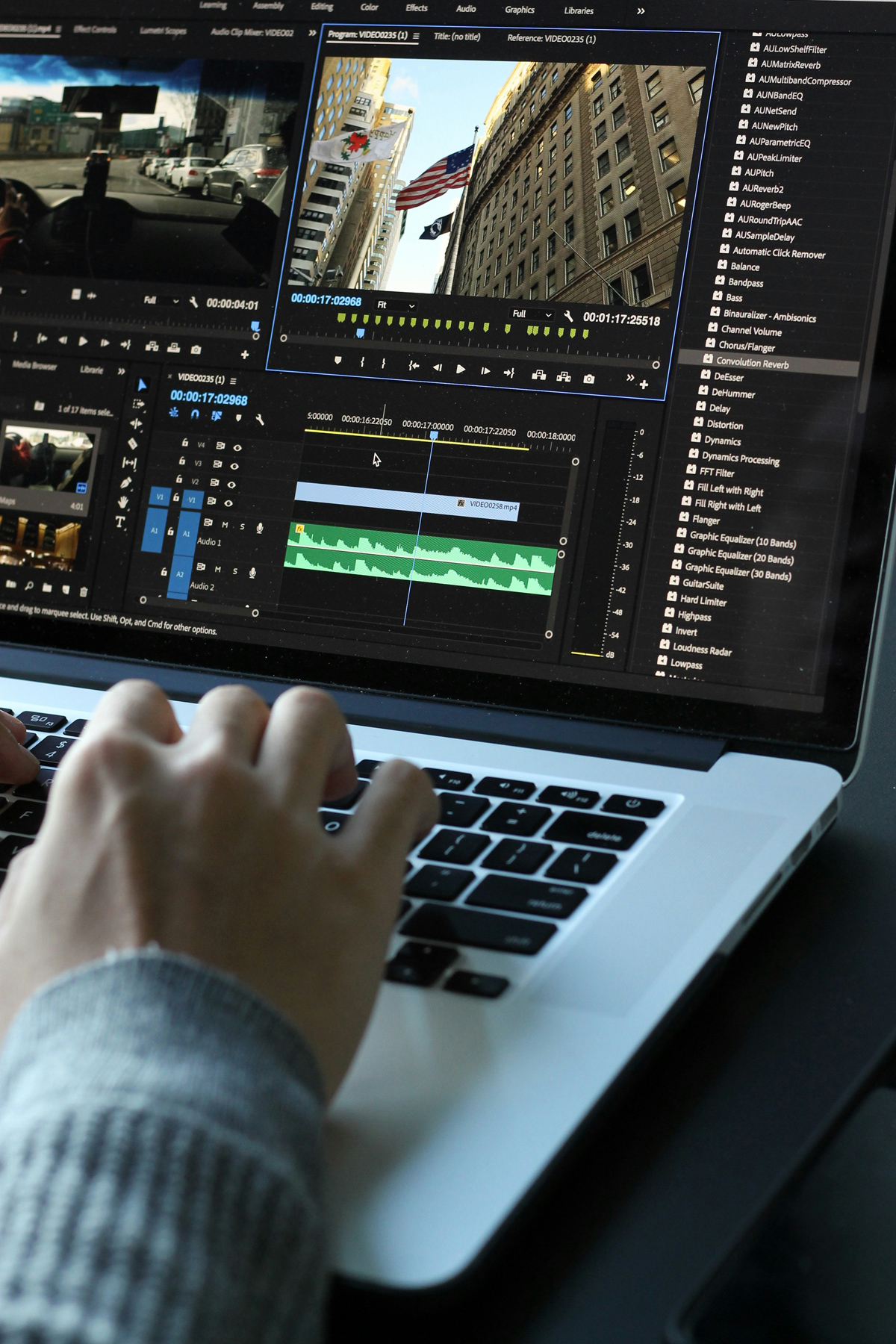
C&I Studios uses industry-standard software and tools to manage their color workflows. Applications such as DaVinci Resolve allow for granular control over every visual element. Advanced features like masking, power windows, and tracking give colorists the ability to highlight or downplay specific parts of a frame. This becomes essential when shaping the tone of complex scenes or ensuring a unified aesthetic across diverse footage sources.
The collaboration between colorists and creative leads is also central to the process. Directors, cinematographers, and even brand consultants often weigh in on the grading direction. This is especially true in projects such as documentary film production or political campaigns, where maintaining realism while evoking emotion is a delicate balance. Through iterative review sessions, the team fine-tunes each scene to meet both artistic and strategic goals.
Projects that involve VFX compositing & animation add another layer of complexity. Each visual effect must blend seamlessly with the live-action footage. Color grading ensures that CGI elements do not appear out of place. Matching shadows, adjusting highlights, and syncing color palettes are all necessary steps to create a believable and visually appealing final product.
By the end of the process, the footage has gone through a complete transformation. The changes may be subtle or dramatic, but they all serve the same purpose: to elevate the story and enhance the emotional response. At C&I Studios, color grading is never treated as an afterthought. It is a deliberate and essential phase that turns raw material into a refined, visually compelling narrative.
How Color Grading Shapes Different Formats
Color grading is not a one-size-fits-all process. Every format, whether it is a full-length documentary, a social media video, a commercial, or a television pitch, requires a different grading strategy to meet its unique visual and emotional needs. At C&I Studios, the team approaches each format with a clear understanding of its purpose, audience, and distribution channel, ensuring that the final look is both technically sound and creatively aligned.
In documentary film production, the goal is often to maintain authenticity while elevating the story visually. Color grading here is used to balance footage shot in uncontrolled environments, unify tones across multiple locations, and gently enhance visual cues without compromising realism. A well-graded documentary can feel cinematic while remaining grounded and credible, helping viewers connect more deeply with the subject matter.
For projects related to TV show pitching, color grading helps to define a visual signature for the show. Pitch decks or sizzle reels often need to capture attention quickly and leave a strong impression. In these cases, grading is bold and deliberate, emphasizing the show’s tone—whether dark and gritty, warm and nostalgic, or sleek and futuristic. These visual decisions are crucial in making a concept stand out during presentations to producers or networks.
Short-form content created for social media marketing requires an entirely different approach. Videos designed for platforms like Instagram, TikTok, or YouTube often demand vibrant, eye-catching grades that pop on mobile screens. The grading process here focuses on clarity, contrast, and color intensity to ensure the content grabs attention in the first few seconds. At the same time, it must maintain consistency with brand guidelines and messaging to support broader marketing strategies.
In video & audio live streaming, grading needs to be optimized for real-time delivery. While live footage cannot be graded in post-production, C&I Studios often builds in pre-configured color profiles and lighting setups to simulate a graded look during streaming. This ensures the brand’s visual identity is preserved even in live broadcasts and events.
Each of these formats calls for a specific grading technique, yet the underlying goal remains the same, to enhance storytelling, support visual coherence, and align with the intended audience experience. C&I Studios adapts their color grading expertise to suit the format, the message, and the mood, delivering customized visual experiences across all media types.
Style Meets Strategy: Branding Through Color
Color grading is not just a technical tool for enhancing footage; it is a strategic element of brand storytelling. Every brand has a visual identity, and color plays a major role in how that identity is perceived. At C&I Studios, the grading process is often closely aligned with a client’s brand style guide to ensure that every piece of content not only looks stunning but also communicates brand consistency and emotional resonance.
In commercial projects, color grading helps reinforce a brand’s personality. For example, a youthful, energetic brand might lean toward vibrant, high-contrast grades with saturated tones, while a luxury or wellness brand may prefer softer palettes with muted highlights and warm skin tones. These decisions are made deliberately to evoke certain feelings, build trust, and increase brand recognition over time. When executed well, the color palette becomes as memorable as the logo or slogan.
The collaboration between C&I Studios’ editorial teams and their branding & graphic design specialists ensures a seamless transition from design to video. This alignment is critical for campaigns that span both digital and physical mediums, such as product launch videos, website visuals, print materials, and advertising assets. Consistent color treatment across all touchpoints reinforces the brand’s credibility and visual strength.
In content created for political campaigns, color choices carry even more weight. Slight variations in temperature, contrast, or saturation can dramatically change how a candidate or cause is perceived. Warm hues can suggest approachability and optimism, while cooler shades may imply authority and discipline. The grading process in these campaigns is strategically aligned with public image goals, speech content, and even the platforms where the videos will be distributed.
Even in high-concept projects like artist management & media creation, color grading can serve as a visual signature. Music videos, fashion reels, and editorial films benefit from stylized grading that reflects the unique voice and aesthetic of the artist. By crafting a distinct visual tone, C&I Studios helps these clients build a recognizable and consistent brand across platforms.
In every project, color grading becomes the bridge between creativity and strategy. It is where artistic expression meets deliberate brand communication. C&I Studios uses this intersection to help clients move beyond generic visuals, creating work that is not only beautiful to look at but also deeply aligned with brand values and marketing objectives.
Color Grading in Modern Digital Campaigns
In today’s fast-moving digital landscape, color grading has evolved into a vital component of cross-platform marketing strategies. Audiences consume content across a wide range of devices and platforms, from high-resolution desktops to mobile screens and streaming services, so visual consistency is more important than ever. At C&I Studios, color grading is approached with platform diversity and audience behavior in mind, ensuring that each campaign delivers a strong and cohesive visual identity no matter where it appears.
When working on digital campaigns, one of the main goals is to ensure that brand colors appear consistent across all formats. This applies to everything from short-form social media videos to long-form website banners and streaming commercials. A campaign might involve content published across Instagram, YouTube, a company homepage, and an email newsletter. Through expert grading, C&I Studios guarantees that the color experience feels unified, professional, and engaging across every screen.
This is especially important when color grading supports other digital services such as web development and web maintenance. Videos embedded on websites need to reflect the site’s design language, brand palette, and content hierarchy. If a brand’s site uses soft blues and neutral backgrounds, a video with clashing color tones can create visual dissonance. C&I Studios addresses this by tailoring each video’s color scheme to align with the digital environment in which it will live.
Similarly, color grading impacts SEO-focused visual content, including blog videos and landing page clips. While SEO copywriting drives textual engagement, visuals still influence user retention, bounce rate, and emotional resonance. A well-graded video not only looks better but also holds attention longer, which contributes indirectly to improved search performance. Color can also guide user focus, helping direct attention to CTAs, featured products, or key brand moments.
The studio also considers how color behaves across streaming platforms and in real-time scenarios like video & audio live streaming. Although live streaming does not allow for post-production grading, pre-configured LUTs (look-up tables) and camera settings are applied to achieve a consistent visual tone that matches brand standards. This approach ensures that even live content maintains the same polished appearance as pre-recorded videos.
In digital-first marketing, color grading is no longer optional, it is a foundational element. C&I Studios applies it as a strategic asset, not just a visual enhancement. Every shade, highlight, and contrast choice supports the larger campaign goals, ensuring that the visual message lands clearly and powerfully, wherever it is viewed.
Why Professional Gear and Talent Matter
Behind every stunning color grade is not just software, it is the combination of high-quality equipment, skilled talent, and a well-structured workflow. At C&I Studios, the process starts long before post-production begins. The choices made on set, from lighting setups to camera selection, directly influence how well a project can be graded later. Without the right tools and expertise, even the most creative vision can fall short in execution.
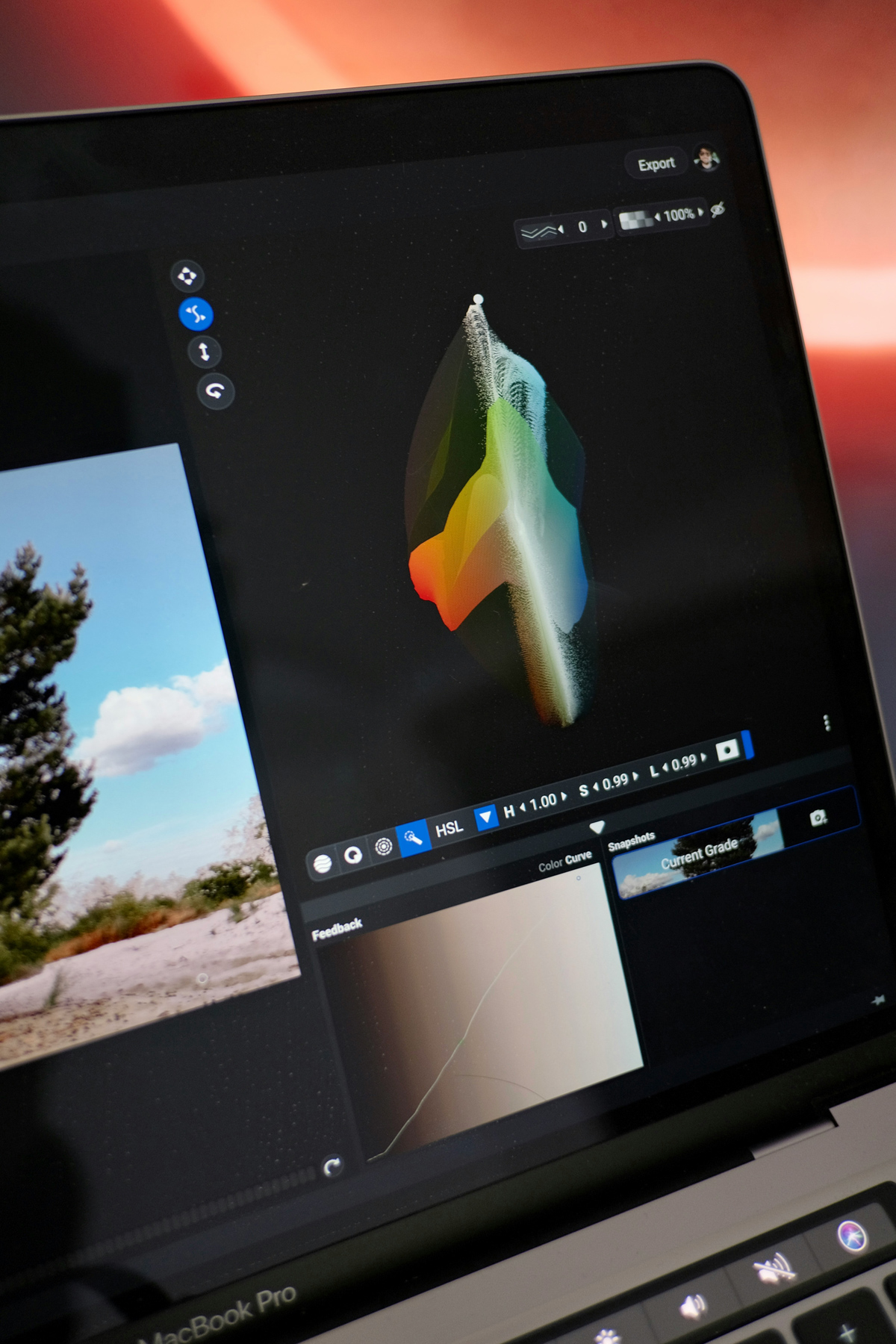
Using professional video production gear lays the foundation for excellent grading results. Cameras with high dynamic range, accurate color science, and RAW or log recording capabilities capture more visual data. This allows colorists to push and refine the footage in post without degrading image quality. High-resolution monitors, calibrated workstations, and precision control surfaces also play a key role in ensuring every detail is graded accurately and consistently.
However, tools alone are not enough. Skilled colorists are essential to translate raw footage into polished, emotionally resonant visuals. They understand how to manipulate tone curves, isolate colors, and build LUTs that serve both creative and branding objectives.
C&I Studios prioritizes working with professionals who have a deep understanding of not only the software but also the language of storytelling. Whether the goal is to evoke nostalgia, highlight tension, or amplify energy, the human touch behind the grade is what makes the difference.
In projects that involve film & TV production, the demands are even higher. These productions often require scene-by-scene continuity, cinematic tone matching, and collaboration across departments. The talent at C&I Studios understands how to work closely with directors, cinematographers, and editors to maintain a consistent visual story from frame to frame. Color grading is not done in isolation, it is a team effort that supports the creative vision of the entire project.
When visual effects are involved, such as in VFX compositing & animation, the expertise required increases again. Live-action footage must blend seamlessly with digitally created elements. This involves balancing lighting, texture, and atmosphere across multiple layers. Without a professional eye and the right grading pipeline, the illusion can easily break.
At its core, color grading is both an art and a science. The gear matters, the talent matters, and the decisions made at every stage, from shooting to delivery, shape the final result. C&I Studios brings these elements together with precision and creativity, ensuring that every project achieves the highest standard of visual storytelling.
Conclusion
At C&I Studios, we transform raw footage into visual masterpieces through the art and precision of color grading. Every project we touch is crafted to evoke emotion, strengthen storytelling, and elevate your brand’s visual identity. Whether you’re building a campaign, launching a new product, or developing original content, our team is here to bring your vision to life.
To see how our work speaks for itself, explore our portfolio, discover more about our services, or connect with us through our contact page or directly at C&I studios