
How We Cast a Docuseries on a Real Budget
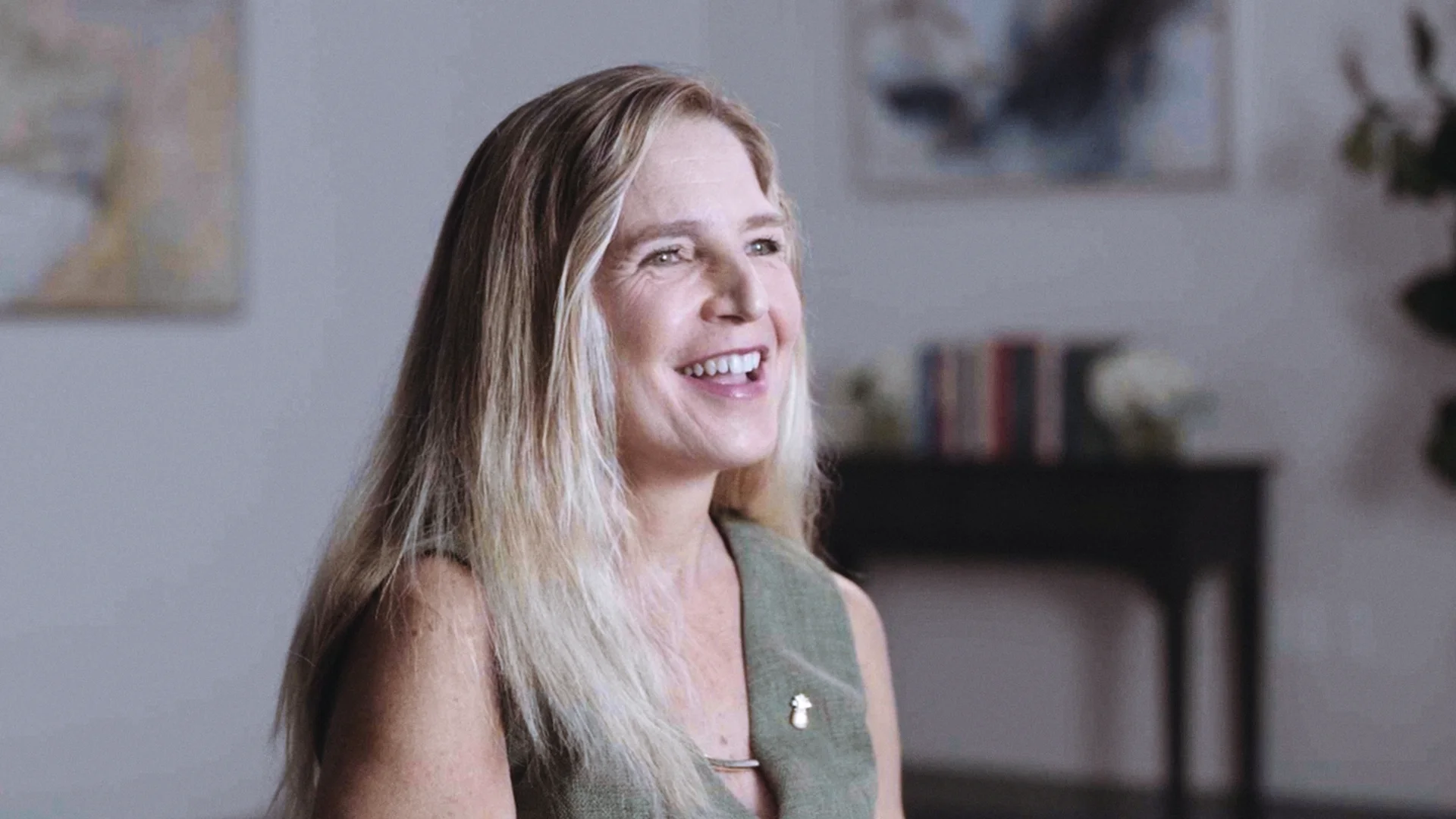
Good documentary casting rarely looks like a casting call. It looks like a lot of coffee, a lot of phone calls that go nowhere, and one afternoon where somebody you were not sure about says a single sentence that reorders the whole story. We have cast enough of these at C&I Studios to stop pretending the glamorous version is real. Here is how we actually do it when the budget is honest and the people on screen are not actors.
Most writing about casting assumes you are looking for performers. Docuseries work inverts that. You are finding real people whose lives carry the story, and then earning enough of their trust that they let a camera into it. That changes every decision, starting with where the money goes.
Why docuseries casting is its own discipline
When you cast a scripted project you audition for fit against a written role. Our film and TV production teams run that process all the time, and reality formats sit somewhere in between, which is why our notes on casting for reality TV focus on finding big personalities. Docuseries casting is something else. It is the work of finding real people whose lives can carry a multi episode documentary, then earning their informed consent to film them over months or years. Documentary casting is a different animal. There is no role to read against. There is a subject, a point of view, and a question of whether a given person can carry a thread of the larger story across many hours of footage without ever performing.
So the first thing we protect in the budget is research time. Not camera days. Not a big open call. Research. The weeks we spend on the phone, in community rooms, and reading our way into a subject are the highest return we get, because the wrong subject is the most expensive mistake in the production. You cannot edit your way out of a person who does not belong in the film.
We learned this the slow way on Fund Black Tech, a documentary series about who gets funded in technology. The first shoot was in March 2021 and we were still picking up footage in 2024. Twelve people sat down with us across those three years, and some days we spent in one room to earn twenty usable minutes. When the ratio is that steep, every hour spent choosing the right people before a camera rolls pays for itself many times over.
Finding real people who are not actors
Our sourcing for real subjects runs on three tracks at once, all cheap in dollars and expensive in hours.
The first track is the network of the story itself. Every documentary subject knows other people inside the same world. One subject points you to a mentor, the mentor points you to someone who has quietly shaped the whole field, and that person can end up carrying an entire episode. None of it needs an ad. You keep asking each person who else you need to understand.
The second track is community organizations and local institutions. The people who run a neighborhood program, a trade association, or a church group are gatekeepers in the best sense. They know who is credible, who is overexposed, and who has a story nobody has asked about yet. Earning their confidence takes time, and that time is the real cost. Their introduction is worth more than any paid casting platform because it arrives with trust already attached.
The third track is plain field research. We read, we watch local coverage, we go to the rooms where the subject actually lives. When our teams scout a city for a video production or a documentary, we are also quietly casting, noticing who people defer to and who they interrupt. That tells you more about who carries a story than any headshot will.
The tradeoffs we make when the budget is tight
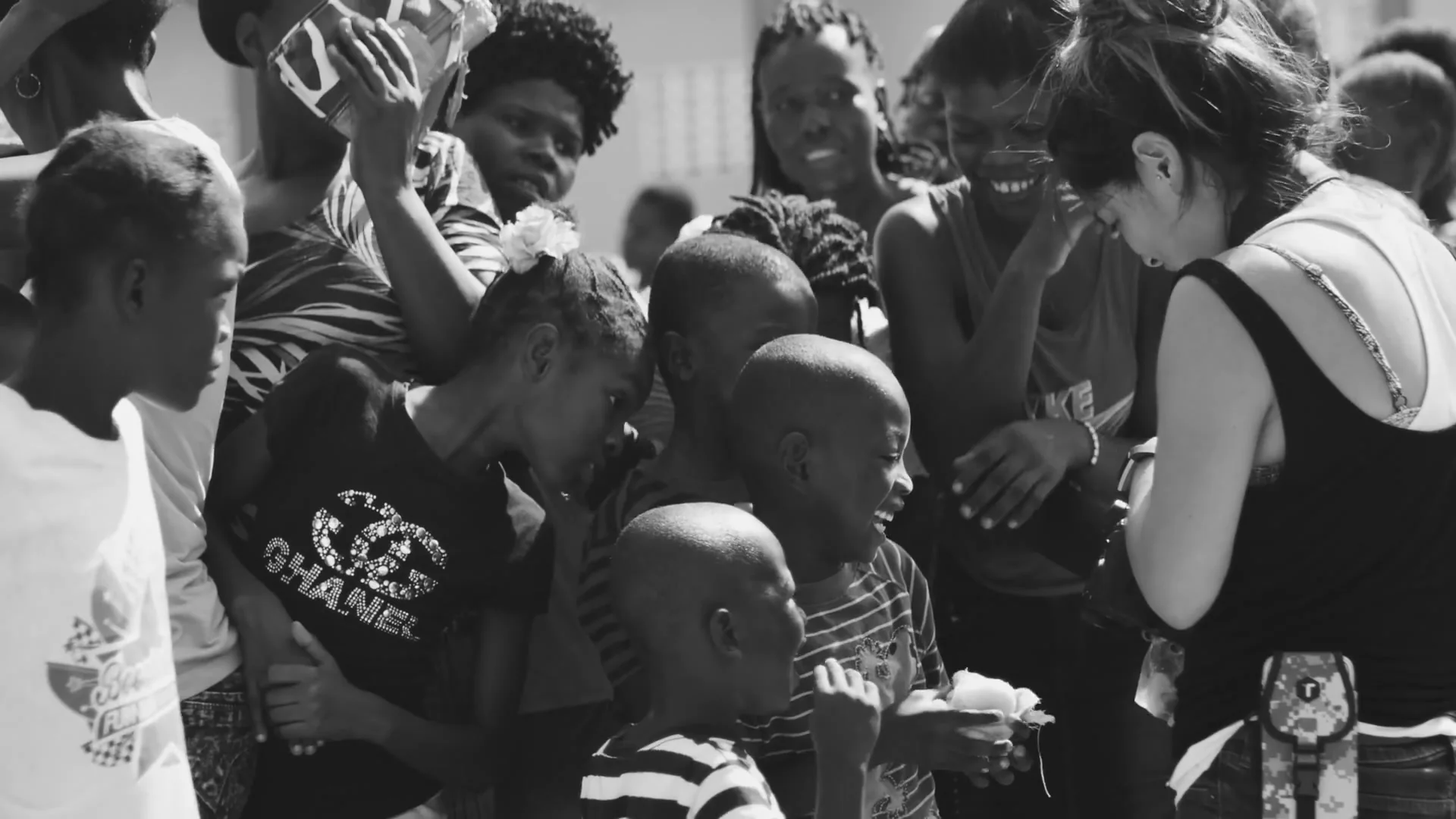
A real budget forces real choices, and we would rather name them than pretend they do not exist. What drives cost is more useful than any figure, because the figure changes with every project and the tradeoffs do not.
The biggest driver is how many subjects you try to follow. Every additional person is another schedule to chase, another release to manage, another thread the edit has to resolve. On a tight budget we would rather follow four people deeply than ten people thinly. Depth reads as truth on screen. Breadth reads as a highlight reel, and our post production team pays for that breadth later, where shallow coverage turns into weeks of untangling.
The second driver is travel and repeat visits. Real lives do not deliver their best moments on your first camera day. If the budget cannot support going back, we cast toward subjects we can reach again without a plane, and we are honest with ourselves that a documentary asking for repeat access to a hard to reach person needs a budget that respects that ask.
The third driver is how produced you want the look. A subject filmed in their own kitchen costs a fraction of the same subject staged on a set, and sometimes the kitchen is the better choice anyway because it is true. When a project genuinely needs a controlled environment we turn to our Los Angeles studio, but we make that call on story grounds first and budget grounds second, never the reverse.
The honest version of a casting budget looks less like a line for talent and more like a set of priorities.
| What the money protects | Why it matters most on a documentary |
|---|---|
| Research and outreach time | The wrong subject cannot be fixed in the edit, so finding the right one is the cheapest insurance you can buy |
| Repeat access to key subjects | Trust and the best moments both arrive on later visits, not the first one |
| Fewer subjects, followed deeper | Depth reads as truth, while breadth turns into a longer, costlier edit |
| Clean consent and release handling | A missing signature can pull a finished scene out of the film |
Handling release and consent with real people
This is the part that separates a documentary team you can trust from one you cannot. Actors understand a release form as part of the job. A real person who agreed to talk about something painful in their life often has no idea what they just signed up for, and it is on us to make sure they do.
We walk every subject through consent in plain language before anything is recorded. What the footage is for. Where it may appear. What it means that we cannot promise a final cut will include them. We would rather lose a subject who hesitates at that conversation than discover halfway through the edit that they never understood it. The model release frameworks used across the industry are a floor, not a finish line, and we treat informed, ongoing consent as the real standard.
On sensitive stories we keep a running record of what each person agreed to and when. If a subject later wants a moment pulled, we honor that fast, which means knowing exactly what we hold and under what terms. That record also protects the finished film when it reaches distribution, where every clip has to be cleared before it goes public.
Scheduling a shoot around real lives
You do not schedule a documentary subject the way you schedule a crew. A nurse working nights, a founder raising a round, a parent with no childcare on a Tuesday. These constraints decide your calendar, and the more real your subjects are, the less they bend to yours.
We build schedules backward from the subject rather than forward from the crew. That usually means a smaller, more flexible unit that can move on short notice, which is also friendlier to a tight budget than a full crew on standby. When our photography and camera teams work this way they travel light, set up fast, and are gone before the subject feels observed into stiffness. Half of good documentary footage is just being unobtrusive enough that people forget you are there.
We also leave room for the day falling apart. A subject cancels, a venue closes, a story you were sure of evaporates in the first ten minutes. Fund Black Tech took three years of shooting partly for this reason. Real lives set the pace, and the schedule has to absorb every change without breaking the film. A calendar that assumes everything goes right has not met a real person.
What we look for in a real subject
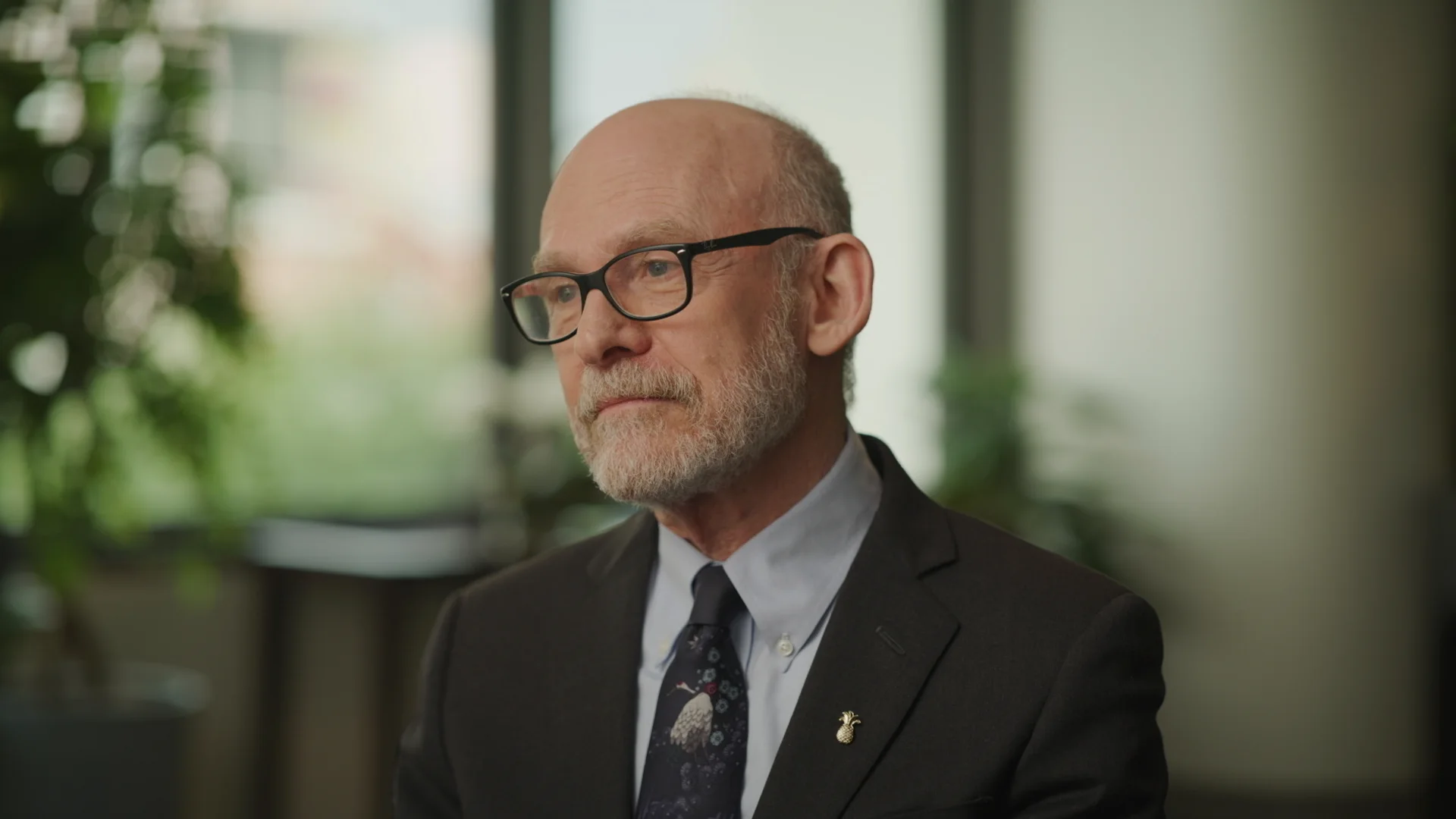
After enough of these, we trust a short list of signals over any resume. None of them are about looking good on camera.
They tell the truth before they are ready
The subjects who carry a film say the honest thing early, often before they have decided how they feel about saying it. That rawness cannot be coached, and it is the difference between a documentary and a long commercial.
Their story has somewhere to go
A real subject worth following is in the middle of something, not reminiscing about something finished. Change is what gives a docuseries its engine, and we cast for people whose lives are still in motion.
They can hold a thread across many hours
Docuseries runtime is long. We look for people whose presence does not wear thin, who stay compelling in the twentieth hour of footage the way they were in the first. That stamina is rarer than charisma and matters more.
How this fits the rest of the work
Casting is the first domino, and it decides what every later stage inherits. A well cast documentary flows into a cleaner edit and a finish our post team can shape. A badly cast one becomes a rescue mission. The same discipline carries across our work, whether a documentary, a branded video, or a web and content project that needs real voices rather than stock ones. Find the true person first, then build around them.
If you have read our other notes on documentary production, you know we care more about the question a film is asking than the gear it was shot on. Casting is where that question gets its answer, because the people you choose are the argument the film will make.
Docuseries casting questions
What is docuseries casting?
Docuseries casting is the process of finding real people, not actors, whose lives can carry a documentary across multiple episodes, and earning their informed consent to film them over time. It runs on research and trust rather than auditions.
How is documentary casting different from scripted casting?
Scripted casting auditions performers against a written role. Documentary casting has no role to read. You look for people who tell the truth early, whose story is still in motion, and who stay compelling across many hours of footage. Consent is also an ongoing conversation rather than a single signature.
How many subjects should a docuseries follow?
Fewer than most people expect. On a tight budget we would rather follow four people deeply than ten people thinly, because every added subject means another schedule, another release and another thread the edit has to resolve.
Casting your own documentary
If you are planning a docuseries and you want the people on screen to feel like they belong there, the work starts long before a camera. It starts with research time you are willing to pay for, a short honest list of subjects, and a team that treats consent as a conversation rather than a signature. That is the way we approach every documentary at C&I Studios, and it is the reason the real people in our films tend to stay with viewers long after the credits. When you are ready to talk through who your story is really about, reach out to our team and we will help you find them.