
The Difference Between a DP and a Videographer
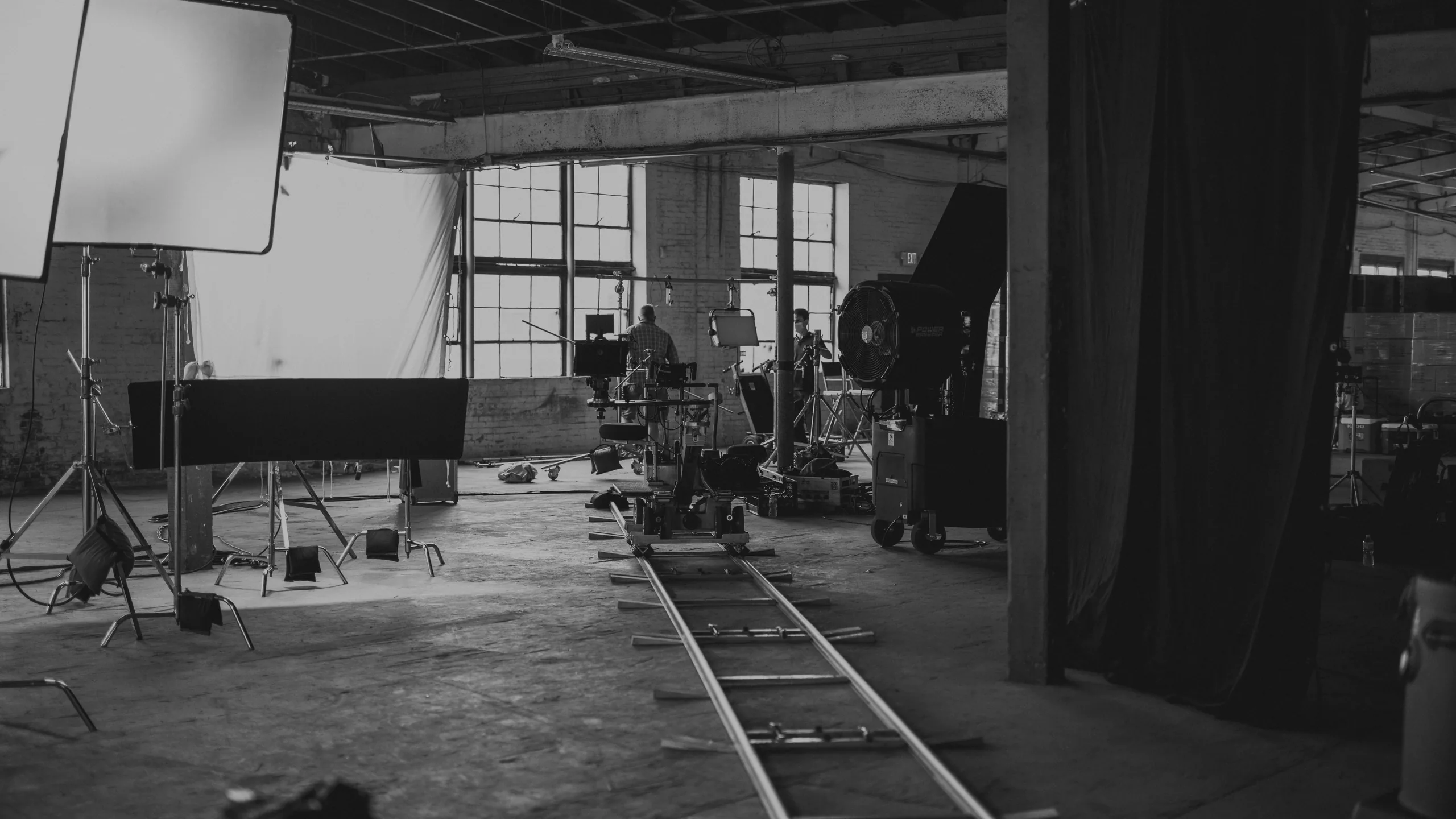
People use the words interchangeably, and most of the time nobody gets hurt by it. But when a brand calls us and says they need a videographer, and what they actually want is a director of photography, the gap shows up fast. It shows up in the budget, in the look of the final piece, and in whether the footage cuts together the way they imagined. We have staffed both roles on hundreds of shoots, and the honest answer is that they are not two names for the same job. They are two different jobs that happen to both involve a camera.
So this is the plain version, written the way we would explain it to a client on a scoping call. What a videographer does, what a director of photography does, and how to tell which one your project actually needs before you spend a dollar on the wrong one.
What a videographer actually does
A videographer is a one person operation most of the time. They show up, they run the camera, they often handle their own audio and their own lights, and they walk away with usable footage. That is a real skill and we are not minimizing it. For a conference recap, a testimonial, a quick founder interview, or a social clip you need turned around by the weekend, a good videographer is exactly right and anything more is waste.
The videographer owns the whole chain alone. They frame it, they press record, they monitor their own sound, and they often cut it themselves afterward. The tradeoff is that one person can only do so much at once. When the shot calls for a moving camera, a second light, a lav that will not pop, and a subject who keeps drifting out of focus, the single operator starts dropping balls. Not because they are bad at the job, but because the job quietly became three jobs.
If what you are pricing is closer to this scale, our breakdown of how much a videographer costs in 2026 is a better place to start than this article, and it will keep your budget honest.
What a director of photography actually does
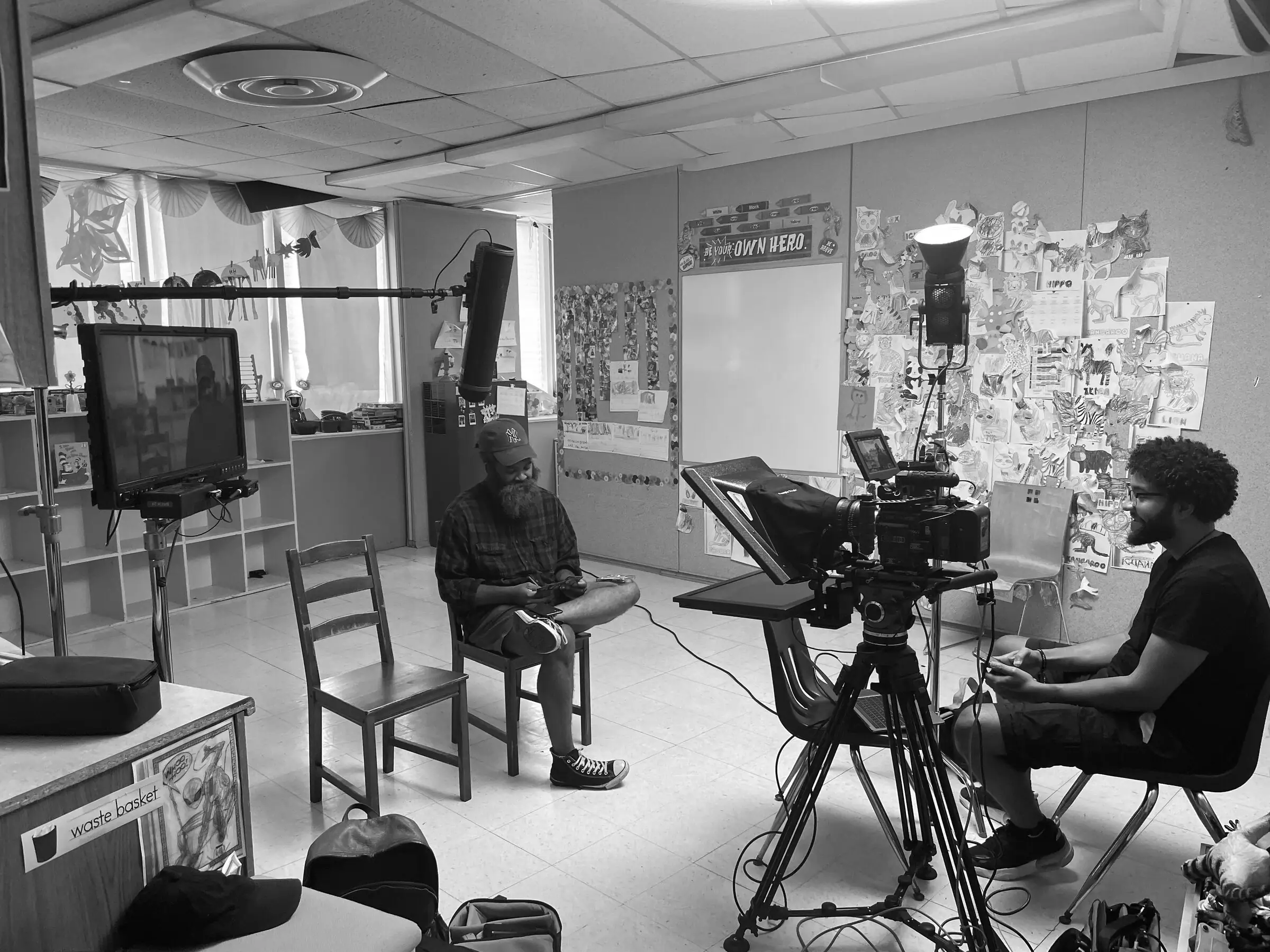
A director of photography, the DP, is not primarily a camera operator. The DP is the person responsible for how the whole thing looks. Lens choice, lighting, color, movement, the mood of a scene, the way a product reads on screen. On a real set the DP usually is not even touching the camera. They are standing at the monitor directing a camera operator, a gaffer running the lights, and a grip crew shaping the frame. The DP is a department head, and the camera is only one tool in their department.
That distinction is the whole article in one sentence. A videographer operates a camera. A DP designs an image and commands a crew to build it. When we shot the Thundr commercial, the client was not paying for someone pressing record. They were paying for a camera department, with operators, first and second ACs, a gaffer and grips, working a bedroom set at our Los Angeles loft and a green screen stage so a laptop video chat would feel real on screen. That is a DP job, even though the product is just an app.
The DP also thinks in edits before a single frame is captured. They know the director wants a certain cut, so they shoot coverage that will actually assemble. A videographer shooting solo rarely has the bandwidth to think two steps into post while also running sound. If you want to understand how that camera department sits inside the larger team, our guide to what a video production crew really includes walks through every seat and who owns what.
Why the lighting answer is the real tell
If you remember one practical test from this whole piece, make it this one. Ask the person how they plan to light it. A videographer will usually answer with what they can carry. A DP answers with what the shot needs and then figures out how to rig it. Lighting is where the difference between fine and cinematic lives, and it is the single most common reason a brand looks at footage and feels let down without being able to say why.
We have written before about how a strong DP, gaffer, and crew keep a shoot moving, because lighting is never one person flipping a switch. It is a plan. The DP sets the look, the gaffer executes it, and the grips shape and cut it. A videographer carrying a two light kit is not doing a worse version of that. They are doing a different, smaller thing that is correct for smaller work.
When a brand needs a videographer
Reach for a videographer when the value is in speed and volume, not in a crafted look. Here is where we point clients toward the lighter option and feel good about it.
If you need a recurring stream of talking head clips, event coverage, or vertical social content, a single skilled operator keeps your cost sane and your turnaround quick. Trying to light every one of those like a commercial would burn budget you should be spending on more of them. This is the lane where our branding and content work often leans on nimble solo shooters rather than a full camera department.
Documentation and internal video
Training footage, process documentation, and internal comms rarely need a cinematic grade. They need to be clear, well framed, and in your hands on time. A videographer is built for that, and a lot of our post production pipeline exists precisely to make that kind of raw material clean and consistent without a heavy shoot behind it.
When a brand needs a director of photography
Bring in a DP the moment the look is the point. A flagship brand film, a commercial that will run as a paid ad, a music video, a scripted piece, a hero product launch. Anything where the footage itself is supposed to carry emotion and persuade, not just inform.
Commercials and brand films
When Celsius needed a commercial built around athletes in multiple US cities, that was a DP job from the first conversation. Every city meant a new location and new light, and the footage still had to cut together as one campaign instead of a stack of separate shoots. Our video production and film and TV production teams are built around that department structure, so the DP always has the operators, grips, and gaffers they need to deliver the look they promised.
Documentary and long form
Documentary work is interesting because it lives between the two. A doc crew is often small and fast like a videographer setup, but the person running it still thinks like a DP about available light, long lenses, and how footage will cut across hours of material. If that is your project, our documentary film production page lays out how we scale a crew up or down around the story without losing the cinematic eye. Our own series Fund Black Tech took three years of shooting, and its look was worked out as a team in long conversations before anybody committed to a lens or a color.
The budget question nobody asks out loud
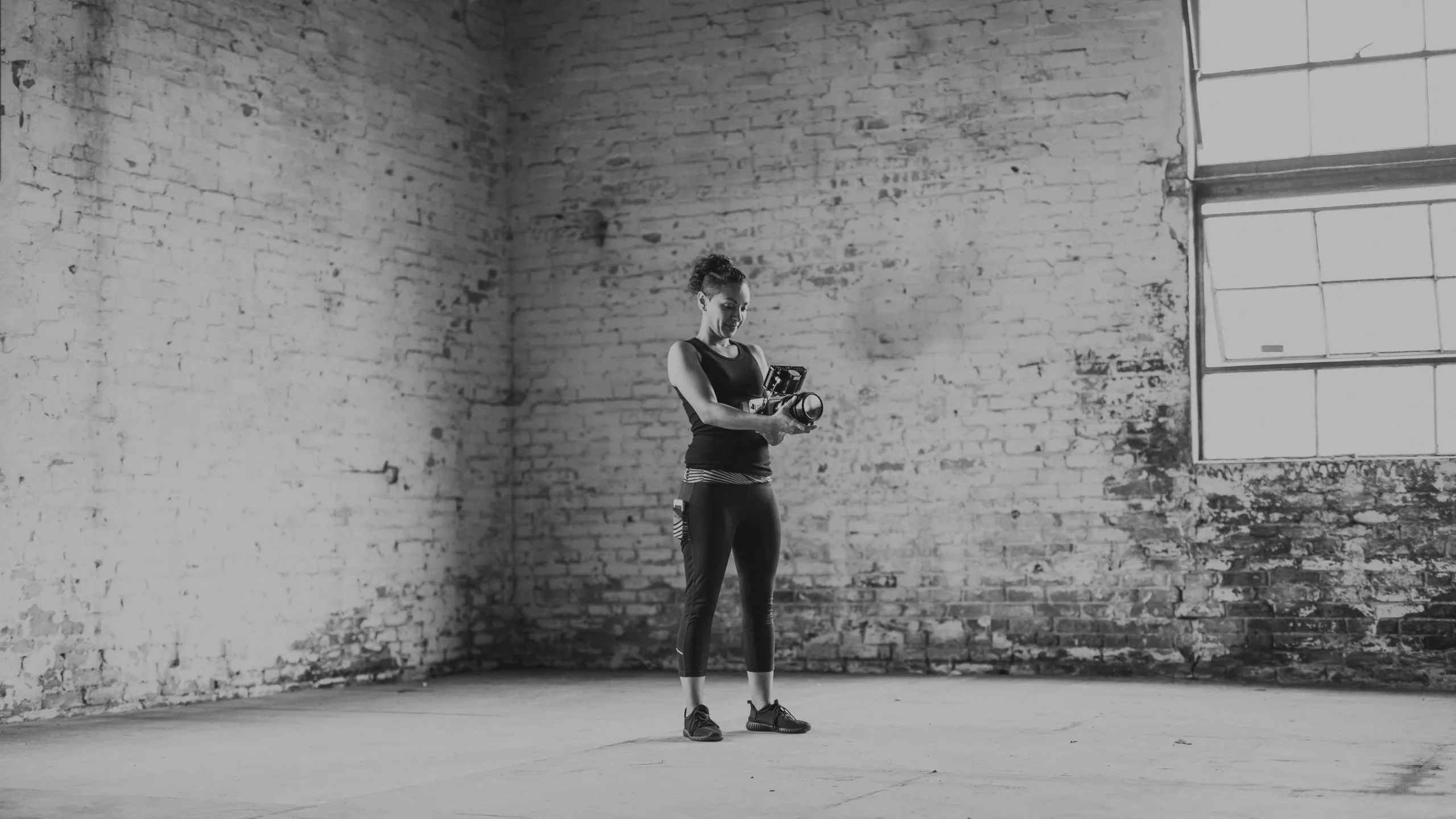
Here is the part clients are usually too polite to raise. A DP costs more, and the crew around a DP costs more, because you are paying for a department and a look, not a single pair of hands. That is not a markup, it is a different product. The mistake we see most often is a brand hiring a videographer to save money on a project that genuinely needed a DP, then paying twice when the footage cannot carry the campaign and the whole thing gets reshot.
The reverse mistake is just as real. Booking a full camera department for a batch of simple testimonials is a fast way to blow a budget on craft nobody asked for. The right move is to match the role to the job, and if you are not sure which you are looking at, that is exactly the conversation we would rather have with you up front. For brands weighing where a solo shooter ends and a full team begins, our piece on how to find a production crew worth hiring is a useful next read.

How we decide on a real project
When a project comes in, we start with the end use, not the camera. Where will this live, who is it trying to move, and does the look have to do emotional work. If the answer is a quick clip that informs, we staff a videographer and keep it lean. If the answer is a piece that has to feel like something, we build a camera department around a DP. On KISS, where we shot stills and video for six brands on the color cycs in our own studio, the deciding factor was always the same question. Does the image need to be designed, or does it just need to be captured.
That framing cuts through almost every version of this debate. A videographer captures. A DP designs. Both are the right answer sometimes, and the only wrong answer is picking without knowing which one the work demands. The industry itself blurs the line constantly, and even the reference definitions from the American Society of Cinematographers treat cinematography as a craft of designed light rather than mere operation, which is why the title carries the weight it does.
Talk it through before you book
If you are staring at a project and genuinely cannot tell whether you need one skilled operator or a full camera department, that uncertainty is the signal to talk to us before you spend. We will ask about the end use, the look you are after, and the budget you are working with, and we will tell you honestly which role fits, even when the honest answer is the cheaper one. Reach out through our contact page and we will help you scope it right the first time, whether that means a videographer for the week or a DP and a crew for the flagship.