
Why Brands Are Investing in Documentary Storytelling
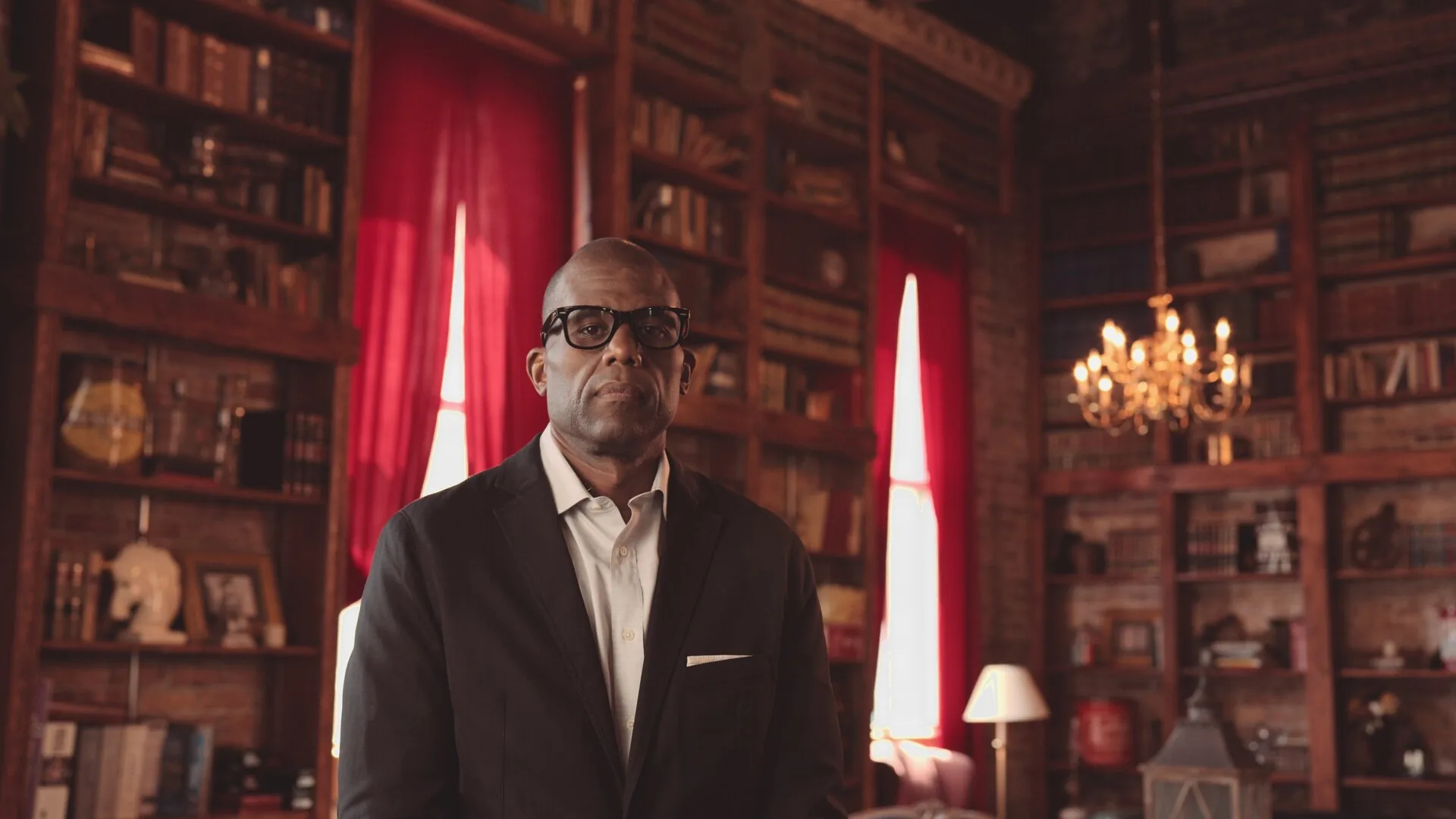
For years the brands that called us wanted a spot. Thirty seconds, a hook, a logo at the end, buy the media, move on. Lately the ask has changed. More of them want brand documentary storytelling that runs long, earns attention honestly, and still belongs to them a year after it ships. That shift is not a trend we invented to sell something. It is the clearest pattern we see in the work coming through our studio right now.
So this is the honest version of why that money is moving. Not the pitch deck version. What we actually watch happen when a company decides to fund a documentary instead of another campaign, and what it buys them that a campaign never could.
The attention math finally broke
The old trade was simple. You rented attention. You paid for a slot, interrupted someone, and hoped a few of them remembered you. That trade keeps getting more expensive and less effective at the same time, which is a bad place for any budget to live. People skip, block, and scroll past advertising faster every year, and the industry has the numbers to prove it. The research on how people actually watch points the same direction we see on set. Nobody is sitting still for an interruption anymore.
Documentary flips the trade. Instead of renting attention you earn it, because the thing you made is worth someone’s time on its own. A founder’s real story, a community that got built, a problem nobody was talking about. When the content is the reason someone pressed play, the brand does not have to buy its way into the room. That is a different kind of spend, and brands with patience are noticing it pays back over a much longer window than a flight of ads. If you want the mechanics of how a longer piece actually gets built, our documentary film production team walks that process start to finish.
Trust is the thing they are actually buying
Here is what a well made documentary does that an ad structurally cannot. It lets a brand stop talking about itself. The second a company narrates its own greatness, the audience discounts it, and everyone knows this now. But hand the microphone to real people with real stakes, let a filmmaker shape it honestly, and the same message lands because the audience did the believing themselves.
We saw this directly on a feature we produce through our film arm, Fund Black Tech. It is a documentary about why so few Black founders get past the venture gatekeepers in tech, and we shot it over three years with twelve interview subjects, from voices like Ben Jealous and Felicia Hatcher to founders nobody had put on camera yet. Nobody in that film is selling anything. That is exactly why people trust what it says. A brand that attaches itself to that kind of truth telling, and does it without hijacking the story, inherits a credibility it could never claim on its own behalf.
Depth is a feature, not a cost
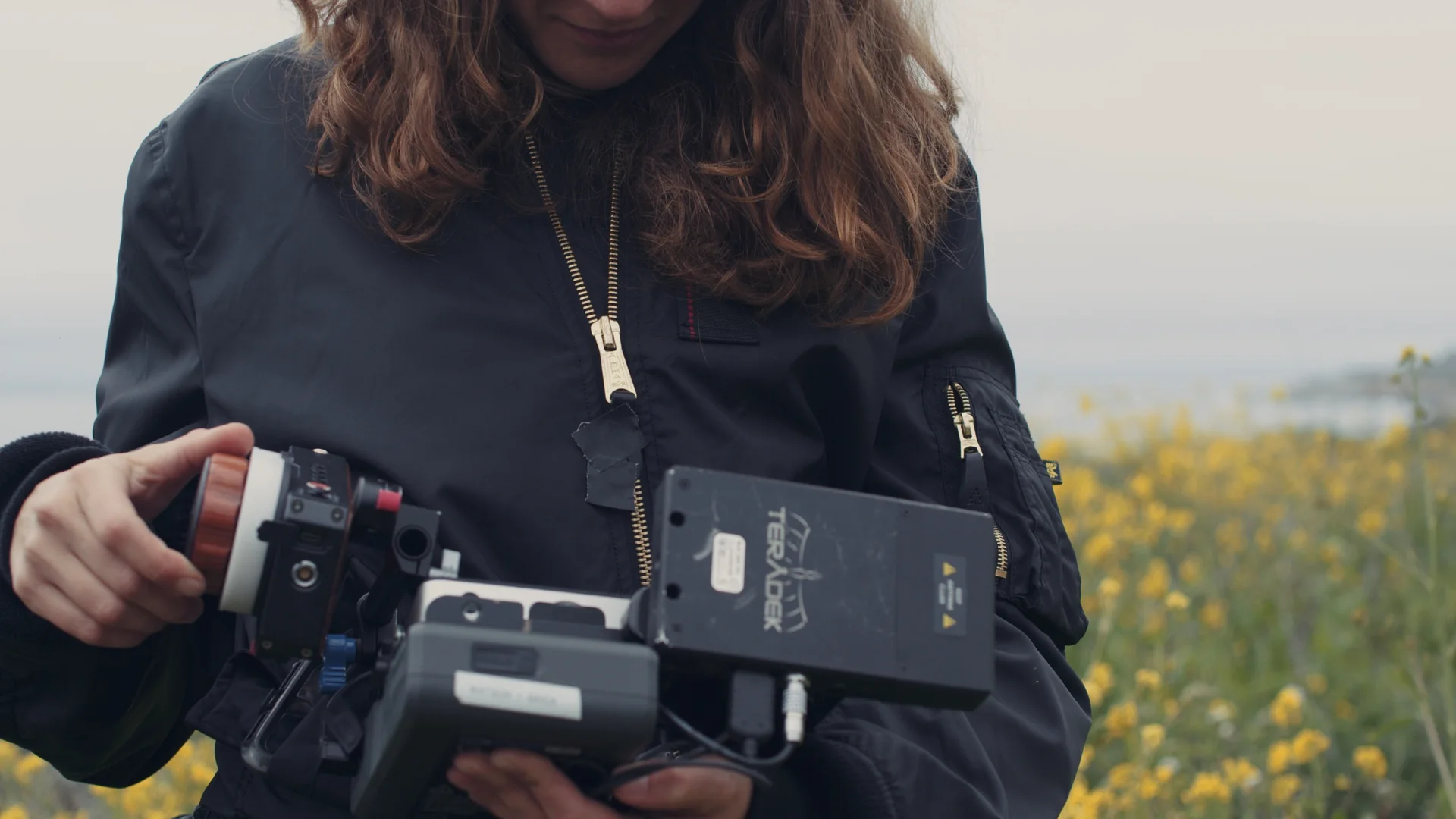
A commercial has to win in seconds, so it strips everything down to one idea and shouts it. That works for what it is. But some stories cannot survive that compression, and the most valuable brand stories almost never can. How a product got made, what a cause actually means, why a company exists at all. Those need room to breathe, and documentary is the only format that gives it to them without feeling like filler.
Depth also changes who shows up. A thoughtful long piece reaches the people who care enough to watch something real, and those are usually the people worth reaching anyway. We have built brand films at feature length and we have built tight ten minute pieces that still carry a full arc, and the format bends to the story rather than the clock. The same crews and the same film and TV production discipline drive both, which is why a brand piece of ours looks like cinema and not like a long advertisement.
Owned IP beats rented reach
This is the part that quietly wins over the finance side of the room. When a brand funds a documentary, it owns an asset. Not a media buy that evaporates the day the budget runs out, but a film it can run on its own channels, license, screen at events, cut into clips, and still have in three years. The money does not disappear into someone else’s platform. It builds something the company keeps.
That ownership is where the real value compounds. A single well produced film becomes a trailer, a set of social cuts, a stills library, a stage piece for a conference, and a recruiting tool, all from one shoot. We plan for that reuse from the first conversation, and a lot of it happens in post production where one strong edit gets repurposed into a dozen deliverables. Brands like Thundr and Celsius have leaned on exactly that reuse, taking one core piece and living on it across a whole year instead of refilling the top of the funnel every month.
Shelf life is the quiet advantage
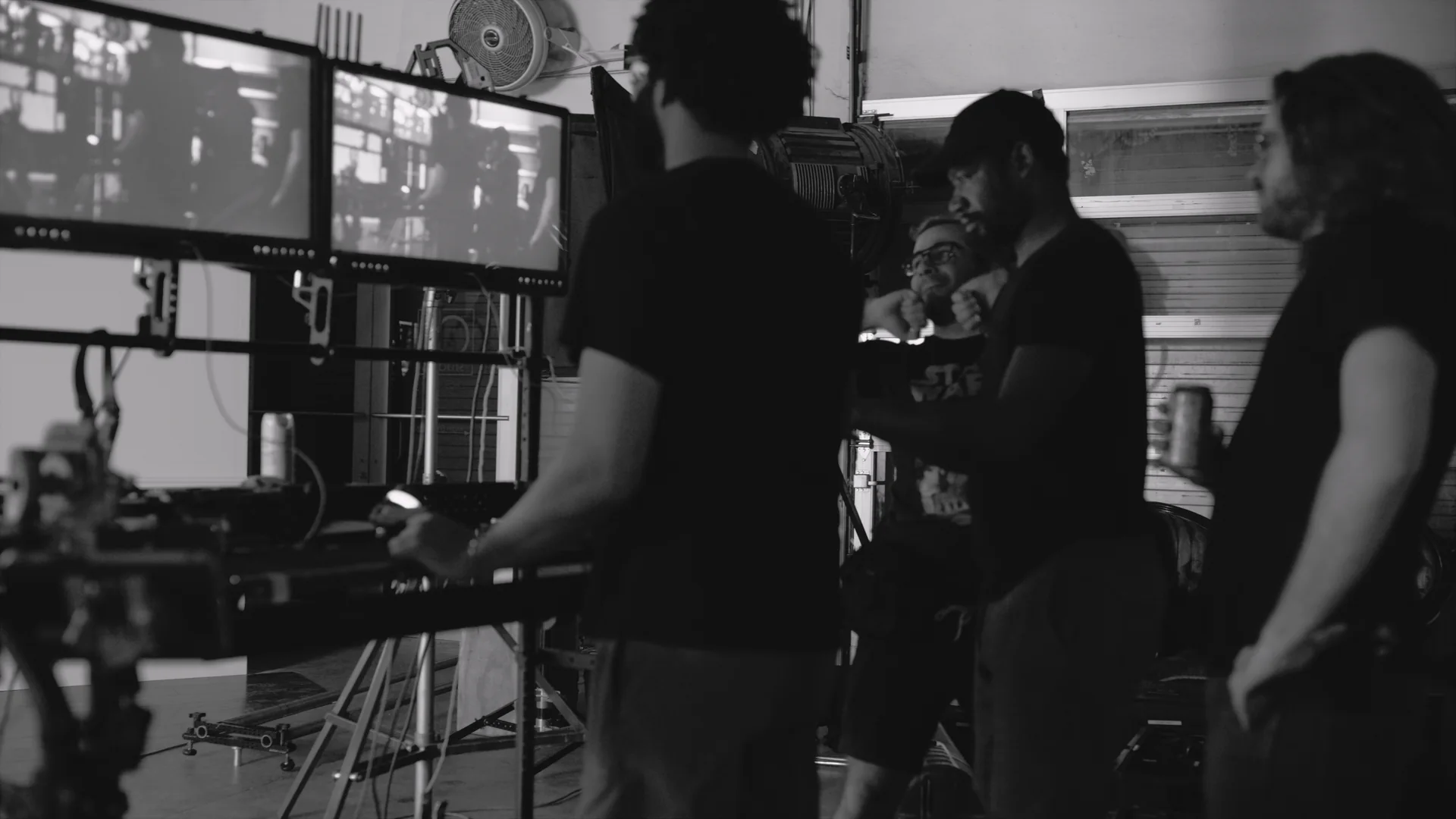
Ads expire by design. The campaign ends, the creative dates itself, and whatever attention it bought is gone. A documentary built around something true does not rot the same way, because the truth it captured is still true next year. That long shelf life is the reason the cost per useful view on a good documentary keeps dropping long after a campaign would have gone dark.
We have watched films we delivered years ago still get screened, still get shared, still pull people toward the brand that backed them. That is not an accident of luck. It comes from shooting for permanence, protecting the footage, and finishing to a standard that will not look cheap when someone watches it on a big screen. It is the same reason we obsess over craft on every video production job, because the work has to survive being watched more than once.
Cause alignment people actually believe
Every brand says it stands for something. Almost none of them get believed, because a tagline is cheap and audiences have learned to tune out the claim. A documentary is the opposite of cheap, and that is the point. When a company puts real resources behind telling a story that matters, and tells it honestly instead of using it as a backdrop, people read that as proof rather than posture.
The trap is obvious and we say it out loud with every client. If the cause is just a costume for the logo, the audience sees through it in about a minute and the film does more harm than a silence would have. The ones that work are the ones where the brand genuinely has a stake in the outcome. That honesty is also why a documentary pairs so well with a brand’s wider branding and content program, because the film becomes the spine the rest of the messaging can finally stand on.
What it actually takes to do this right
None of this is free of difficulty, and anyone who tells a brand a documentary is easy is lying to them. It takes real time in the field, a crew that knows how to earn a subject’s trust, and the patience to let a story find its shape instead of forcing it. Fund Black Tech took three years for a reason. You cannot rush honesty onto a screen.
It also takes a production partner who can carry the whole thing, because a documentary touches every discipline we run. You need interviews shot well, which is a professional photography and lighting problem as much as a camera one. You need a space to work when the story calls for a controlled set, which is why access to our studio rentals matters. You need an edit that can hold a feature together and a distribution plan so the finished film does not just sit on a drive. We handle all of it under one roof, and for the brands that want to see how a piece travels after the edit locks, our web and tech team builds the home it lives on.
Is a documentary right for every brand
No, and we will tell a company so before they spend anything. If the goal is a quick seasonal push, a sharp spot is the smarter tool and we will make that instead. Documentary earns its keep when a brand has a story with real depth, a reason to be believed, and the patience to let the work pay back over time rather than overnight.
How long does a brand documentary run
It depends entirely on the story. We have delivered feature length films and we have delivered tight pieces that run under fifteen minutes, and both can be documentary in the truest sense. The runtime should serve the story, never a slot, which is the whole difference between this and an advertisement.
Where to take it from here
If your brand has a story worth more than thirty seconds, the kind that gets stronger the longer someone sits with it, that is exactly the work we were built for. We have produced documentaries for our own film label and for brands who wanted to own something real, and we would rather talk through your actual story than sell you a format. Come tell us what you are trying to say, and we will tell you honestly whether a documentary is the way to say it.