Skip to content

Index Template

5 Photoshop Tricks to Make Your Picture Pop

5 Photoshop Tricks to Make Your Picture Pop

Photoshop Tricks

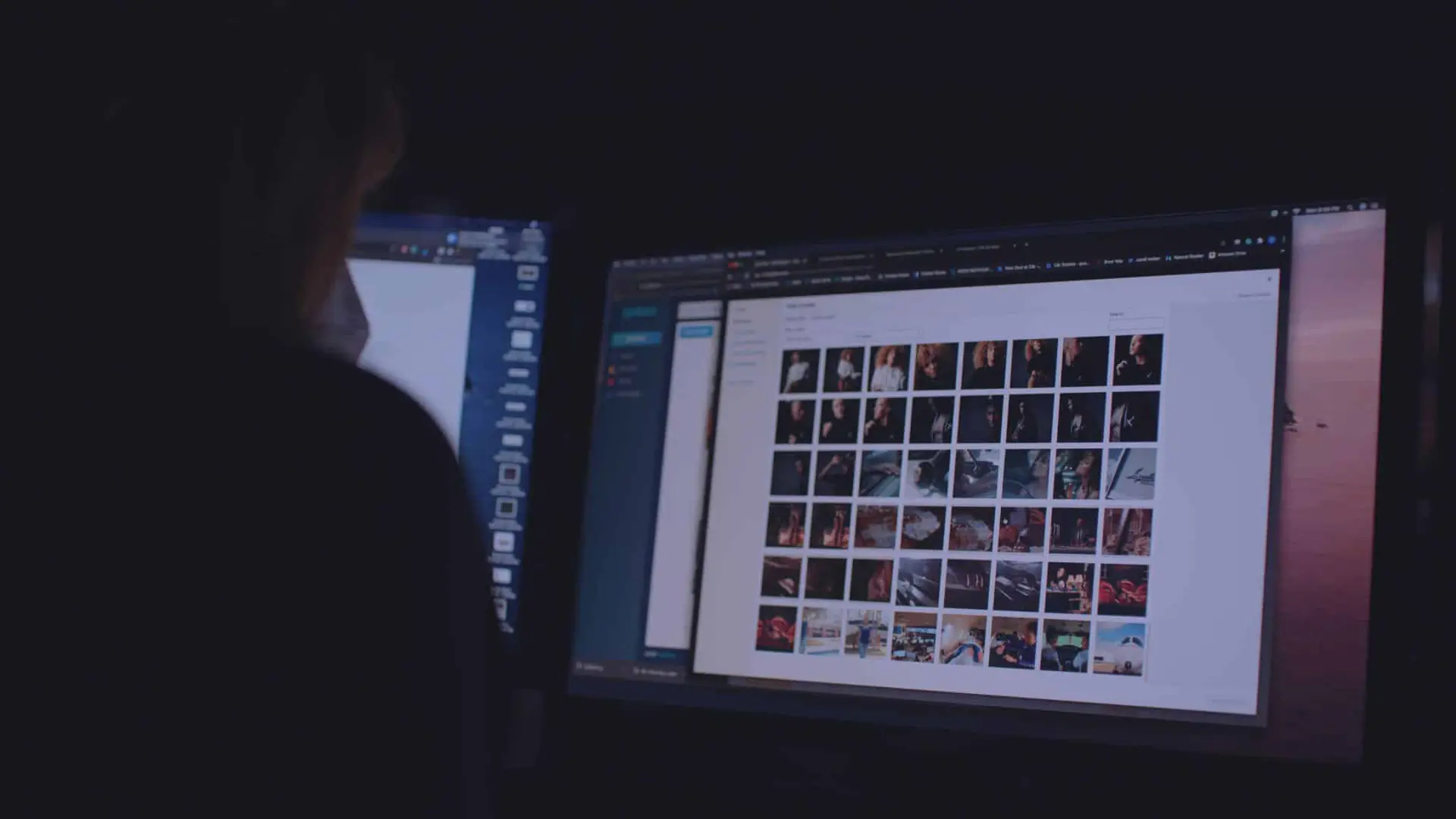
Adobe Photoshop is a well-known tool for anyone who wants to make their pictures look amazing. Whether you’re taking product photos for your eCommerce store, taking headshots for your company’s website, or creating content for your social media profiles; knowing how to edit your photos is key to making sure your brand comes across professional and polished.

Photoshop is a powerful tool that can help you take your photography to the next level. With its vast array of features, Photoshop can seem daunting at first. Photoshop has a lot of features and can be overwhelming for beginners. However, there are some basic Photoshop tricks that even beginners can use to make their photos look better. Once you learn a few of these key tricks, you’ll be able to edit your photos like a pro!

Why Photoshop?

Photoshop is a software that’s been around for… well, decades now, but even though it’s on the older side as far as technology goes, it’s nowhere near outdated! Adobe has done a decent job keeping the software updated and easy to learn. Photoshop is used by professionals in a wide range of industries, including photographers, graphic designers, and even web developers. Photoshop is a versatile program that can be used to edit photos in a number of different ways.

Color Correction

One of the most basic things you can do in Photoshop is color correction. If your photo looks too dark or too bright, you can adjust the levels to fix it. Photoshop also has a number of other color correction tools, such as hue/saturation, vibrance, and curves. These tools can be used to fine-tune the colors in your photo and make them pop.

There’s also a black and white tool that can be used to convert your photos to black and white. This is a great way to create a more artsy look for your photos.

Removing Unwanted Objects

Photoshop can be used to remove unwanted objects from your photos. If there’s a branch or power line in the background of your photo, you can use the clone stamp tool to remove it. Photoshop’s Content-Aware Fill is also great for removing larger objects from photos.

You can also use Photoshop to add objects to your photos. This can be useful if you want to add a watermark or logo to your photo.

Improving Lighting

Poor lighting can ruin even the best photo. But Photoshop has a number of tools that can be used to fix lighting issues. The levels tool can be used to brighten or darken a photo. Photoshop also has a number of other lighting tools, such as shadows/highlights, exposure, and brightness/contrast. These tools can be used to fine-tune the lighting in your photos and make them look their best.

Sharpening

If your photo looks a bit blurry, you can use Photoshop’s sharpen tool to fix it. This is a great way to make sure your photos are looking their best before you share them online or print them out.

Resizing

Photoshop can be used to resize photos. This is useful if you want to change the dimensions of your photo or if you want to create a smaller version of your photo for use on the web.

Saving for the Web

When you’re sharing photos online, it’s important to save them in the correct file format. Photoshop can be used to save photos in a number of different file formats, including JPEG, PNG, and GIF. Each file format has its own advantages and disadvantages, so it’s important to choose the right one for your needs.

Photoshop is a versatile tool that can be used to improve your photos in a number of different ways. Now, let’s dig a little deeper into 5 Tricks to really get the most out of your photos in Photoshop. With a little practice, you’ll be able to edit your photos like a pro!

What are a few tricks to use Photoshop to its fullest potential to really make my pictures pop?

Now that you know the basics of Photoshop, let’s get into some tips and tricks to really make your photo edits pop!

Tip 1: Edit your photos for maximum impact

Photoshop is a great way to make small tweaks that can have a big impact on your photos. So don’t be afraid to experiment with different edits until you find something that looks just right. Using the features we’ve already talked about, you’re going to want to make your pictures clear, clean, and colored as you want them before doing anything else.

You can edit the basics like brightness, contrast, and saturation. Or you can get more creative with your edits and play around with Photoshop’s filters and effects.

There’s no wrong way to edit a photo in Photoshop – it’s all about finding what works for you and your photos.

Tip 2: Use layers to your advantage

Photoshop’s layer system is one of its most powerful features. By using layers, you can make non-destructive edits to your photos, which means you can always go back and change something if you don’t like the way it looks.

Layers allows you to add different elements to your photos, such as text, graphics, or even another photo. You can also adjust the opacity of each layer, which is great for creating light effects or making certain elements stand out.

Tip 3: Use textures and effects to add interest

Photoshop’s layer system also allows you to add textures and effects to your photos. This can be a great way to add interest. It’s also a good way to rescue photos that might otherwise be boring. Adding a texture or an effect can really change the entire look of a photo, so don’t be afraid to experiment until you find something you like.

Tip 4: Know when to use Photoshop’s powerful tools

Photoshop has a lot of different tools, and it can be tempting to use them all on every photo. But that’s not always necessary and in some cases, it can actually make your photos look worse. So it’s important to know when to use Photoshop’s powerful features, and when to keep things simple.

These tools include, but are certainly not limited to:

  • The clone stamp tool: This is great for removing unwanted elements from your photos, such as power lines or trash on the ground.
  • The spot healing brush tool: This is perfect for quickly fixing small imperfections, such as blemishes or wrinkles.
  • The Content-Aware Fill: This is an amazing Photoshop feature that can automatically fill in empty areas of your photo.

Tip 5: Get creative with Photoshop’s many features! Experiment!

Photoshop is a versatile tool that can be used for much more than just fixing flaws in your photos. So don’t be afraid to experiment with all of its features. You might be surprised at what you can create!

Photoshop is a great place to experiment with different looks for your photos. So don’t be afraid to try out new things! If you’re not sure how to do something, there are plenty of tutorials and resources available online.

Experimenting itself might be the best tutorial for you. Why? Because you’ll find new tools or ways to use certain tools that might not be covered in YouTube tutorials or other written Photoshop guides. Of course, don’t discount online tutorials altogether. They can be very helpful!

I want to take my photos to a completely different level, what can I do?

If you’re looking for other ways to edit your photos, or you don’t have the time, energy, or resources to edit your own photos, contact C&I Studios!

C&I Studios is well-versed in editing, both photographs and videos! We have a wide range of experience in Photoshop and photography, we can help you with anything from simple edits to complete photo makeovers.

We understand that not everyone is a Photoshop expert, and that’s okay! We’re here to help you create the photos or videos you’ve always wanted. We have experience with product photography, professional headshots, and much more.

So if you’re ready to take your photos or videos to the next level, contact C&I Studios, we’d be happy to help you out.

For more information on industry standards and best practices, visit the American Marketing Association.

Related Reading

How to automate your Instagram

How to automate your Instagram

Having to post to all of your social media platforms constantly can get difficult to maintain as your business grows. It can quickly become overwhelming and things can get mixed up very easily. That is why it can be incredibly helpful to look into automating your social media posts.

In this blog, we’re going to teach you about automating your Instagram presence so that you can focus on more than just your Instagram account. Here are some tips and techniques that you can use to automate your Instagram posts.

Why should I automate my Instagram?

Automating your social media is much easier than it sounds, and you’ll be able to put out more content more regularly and spend more time engaging with your followers.

Instagram in particular is a platform that is easy to automate, as you can use tools and apps specifically designed to help automate your posts. Automating your posts can help save you time, which you can then use to focus on other aspects of your business.

Save Time

Automating social media like Instagram will save you time and money in the long run. You’ll be able to load up content for weeks at a time in one single sitting instead of spending time each day making posts in order to get the amount of traction you need from your Instagram posts.

You Can Edit Your Content In Different Ways

Content creators rejoice! You’ll be able to really show off your content creation skills when you automate your Instagram posts!

While Instagram is a photo sharing platform, it comes with limited editing tools in-app. Fortunately, there are many different apps and tools that you can use to help automate your Instagram posts. One great example is Canva, which is a free graphic design tool that allows you to easily create graphics for your social media content. (They also have a premium version that gives you access to more content and tools for you to use, but their free version is fantastic!)

There are also the traditional options like Adobe applications such as Photoshop and Lightroom. These are more expensive but offer a wider range of editing options for your photos.

You Can Post Regularly

By automating your posts, you can make sure that you’re posting regularly to your Instagram account without having to worry about forgetting or being too busy to post. Automating your posts can help you maintain a consistent presence on Instagram, which is crucial for engaging with your followers and growing your following.

So if you’re tired of having to spend hours each day on social media, automate your Instagram posts using the tools and techniques outlined above. With a little bit of setup time, you’ll be able to automate your posts so that you can focus on other aspects of your business without worrying about your social media presence.

How can I automate my Instagram posts?

There are several different techniques and ideas you can try when automating your Instagram posts. In this blog post, we’re going to introduce you to all of the different ways to automate your Instagram posts.

Posting Automatically from Your RSS Feed

If you have a blog or website, you can automate your Instagram posts by using your RSS feed. This means that every time you publish a new blog post or update your website, the content will automatically be pushed to your Instagram account and posted as a new image.

To do this, you’ll need to connect your RSS feed to an Instagram automation tool like IFTTT or Zapier.

Once you’ve done that, your RSS feed will automatically post new content to your Instagram account whenever you update your website or blog.

This is a great way to make sure that your Instagram account is always up-to-date with your latest content, and it’s a great way to automate your Instagram posts without having to spend a lot of time doing it manually.

Using Social Media Tools

If you’re looking for an even more automated way to post to Instagram, there are several social media management tools that can help automate your content posting. These tools typically connect with all of your social media accounts and then automate the posting process for you.

Some popular social media automation tools include Hootsuite, Sprout Social, and Buffer, among a plethora of many others to choose from. These tools allow you to automate your Instagram posts along with all of your other social media accounts so that you don’t need to worry about posting on a regular basis.

While automating your Instagram posts can be a great way to save time, it’s important to remember that you still need to put in the effort to engage with your audience. Automating your posts does not mean that you can just set it and forget it – you still need to be active on the platforms and interact with your followers on a regular basis. But if you’re looking for a way to automate your content posting and save yourself some time, using a social media automation tool is a great option.

Reposting User-Generated Content

Another great way to automate your Instagram posts is by reposting user-generated content (UGC). UGC is any content that your followers or fans have created that features your brand. This can be anything from photos they’ve posted to your account, videos they’ve created, or even mentions of your brand on social media.

By reposting UGC to your Instagram account, you can automate the process of sharing other people’s content and give credit to the original creator. Plus, UGC is a great way to boost engagement with your followers and show them that you value their contributions to your brand.

There are several different ways to automate the reposting of UGC on Instagram, including using a third-party app like Repost or Regrammer. You can also automate this process by connecting your social media accounts to Hootsuite or Buffer so that they will automatically post UGC as soon as you see it.

Regardless of the method you choose to automate your UGC reposting, this is a great way to automate your Instagram posts without having to spend too much time doing it manually.

Help! I want to automate my Instagram but…

There are many reasons for needing help getting started automating your Instagram account. Maybe you don’t have time to do it yourself, maybe you’re not sure how to set it up, or maybe you’re just looking for some expert tips on how to get the most out of your automation. If that’s the case, we can help!

C&I Studios offers a variety of services to help businesses automate their social media accounts, including Instagram. Our team of experts have years of experience in social media marketing and automation, so we can help you automate your Instagram account quickly and easily.

Whether you need help choosing the right tools for automating your Instagram posts, setting up an automated content schedule, or managing your followers more effectively, C&I Studios is here to offer our expert advice and support. So if you’re looking for help with automating your Instagram, don’t hesitate to contact us!

What are you waiting for?

As you can see, there are several different ways that you can automate your Instagram posts in order to save yourself some time and focus on other aspects of your business. Automating your posts can be a great way to ensure that your account is always up-to-date and that you’re regularly sharing fresh content.

But remember, automating does not mean that you’re automating everything – you still need to be active on the platform and engage with your followers on a regular basis. With a little bit of effort, automating your Instagram posts can be a great way to save time and keep your account active.

So don’t wait any longer to automate your Instagram! Contact C&I Studios today and we can get started automating your Instagram account and help you to gain more followers, views, and engagements!

Related Reading

10 Tips for Every Content Creator

10 Tips for Every Content Creator

Content creation is one of the most important parts of marketing in today’s digital world. It has to be kept fresh and new constantly because the online world moves quickly.

Content is king when it comes to marketing. It’s what helps you attract attention and interest from your target audiences, and it’s also what helps you sell your product or services.

What kinds of content is out there?

Creating content can be a challenge, but there are some tried-and-true methods that can help you produce successful content, no matter what kind it is.

The first step in creating content is knowing what is out there! If you don’t know about certain content types, you can’t create them, so making sure that you’re keeping up with new content is important. Some content types to consider might include written content, video content, infographics, and social media posts. Written content can be used in many different ways, including blog posts and other online marketing areas. Video content is great for engaging with your audience on a more personal level, while infographics are great for sharing information quickly and concisely. Social media content is essential for connecting more personally with your audience.

What content should I create?

The answer to this question is different for everyone, as it depends on your content strategy and what you’re looking to achieve. However, some content ideas that always perform well include ebooks, infographics, blog posts, and how-to guides. These are all content types that can be easily shared and consumed, making them ideal for content marketing. Additionally, content that is specific to your industry or niche can be a powerful way to engage your target audience quickly and build a lasting trust with your customers.

With the help of an idea agency like C&I Studios, you can work with content creators to develop content ideas tailored specifically to your brand. Whether it’s content to promote your business or content to educate and engage your target audience, content that is well-crafted, engaging, and relevant can make all the difference in helping you achieve your marketing goals. So don’t be afraid to experiment with different content types and do what works best for you!

Here are 10 tips for content creators to make sure their content is successful.

  1. Start with a clear content strategy in mind.

Before you begin creating content, think carefully about your target audience and what they are looking for online. You can get a better understanding of what your audience and customers want by creating a Buyer Persona. This will help guide all of your content creation decisions going forward, from topic selection to writing style and tone.

  1. Set measurable content goals based on your content strategy.

Whether you’re looking to increase brand awareness, drive website traffic, or generate leads, make sure you have specific metrics in mind that you can track over time.

You want to make sure you’re reaching the right goals so that you can see where you need to change your strategy. Maybe the videos you post on Facebook aren’t doing as well as you thought they would. That means you’ll want to change up what you’re doing to find the right amount of engagement from your audience. Metrics are one of the most important parts of marketing, and understanding them can make your job creating the right content much easier!

  1. Make a content calendar and stick to it.

Once you have your content strategy and goals in place, it’s time to start planning out your content production schedule. Having a content calendar helps keep you on track and ensures you’re regularly publishing new content.

Of course, it doesn’t hurt to have some flexibility, too. You never know when an emergency comes up and you need to change a few things around quickly. But for the most part, try to stick to your content calendar as best as you can.

  1. Create a variety of content types.

Boring content is a surefire way to lose your audience’s attention. To keep things interesting, mix up the content you produce and include a variety of different content types such as blog posts, infographics, videos, ebooks, webinars, and more.

By creating multiple types of content, you’ll be able to reach a wider audience. Between the different types of social media platforms out there and the different content formats each one prefers, you’ll want to make sure you’re prepared with a mix of content types.

  1. Invest in quality content creation tools.

From content ideation to content promotion, there are many different tools available to help content creators succeed. Do your research and find the right tools that work best for you and your content strategy goals.

These tools can be anything from a quality camera and proper lighting for taking good photos of your products,  to events, computers, and software that allow you to edit your content. You don’t need to spend a lot of money on content creation tools, but investing in quality tools will help you create better content overall.

  1. Leverage content repurposing to save time and resources.

Once you’ve spent the time and effort creating content, don’t let it go to waste! Find ways to repurpose content that you can use on other channels or in different formats, such as turning blog posts into ebooks or using content from your social media feeds for a newsletter.

You can even repurpose a lot of video content you’ve created, as well. You can learn more about that in our previous blog post here.

  1. Build relationships with influencers in your industry.

Influencer marketing is an effective content promotion tactic and can help you reach new audiences that are already engaged with content produced by key influencers in your community.

Influencers are an inexpensive way to spread your message. Many of them only require products or percentages off of your products and/or services. By leveraging content for your goods, you can create original media that these influencers will want to share with their own audiences.

  1. Engage with your audience on social media and other channels.

Content creators should be active and responsive on social media, where their content can be easily discovered by their target audiences. Use social listening tools to find conversations related to your content and join in, engaging with others and building relationships can help promote your content across different channels.

Customers like to know that they’re being heard. Whether it’s feedback about your specific company’s content or even about products adjacent to what you sell and so on, listening to their opinions and critique will help you better understand what types of content you should be creating.

  1. Seek out feedback from content readers to improve over time.

Your content is never truly finished – there’s always room to improve and refine your content production process. Make an effort to solicit feedback from content readers on a regular basis, whether through online surveys or through social media comments and messages. This will help you identify areas where your content can be improved or adapted for better results.

Content creators should strive to use data and feedback from content readers in order to learn what is performing the best for them, so they can create more content like that.

  1. Stay up-to-date with content trends and best practices.

To keep your content relevant and effective, it’s important to stay on top of content trends and industry news. Subscribe to content marketing newsletters, attend webinars and conferences, or join industry groups on social media to stay up-to-date on the latest content techniques that can help you succeed as a content creator.

Creating great content is key to a successful online presence. By following these content creation tips, you can ensure your content is helping you achieve your business marketing goals.

When should I hire help?

Hiring outside help to create content is not a weakness and should never be seen as such. In fact, it’s something that will bring you greater success than just creating in-house. By working with a company like C&I Studios, you’re going to be able to create content that will bring your strategy more success and more leads. You’ll be able to collaborate with people who have different perspectives than you and get an outsider’s opinion on your current content strategy.

You can hire outside help in the form of an idea agency, like C&I Studios, to help you create content from start to finish or rent out specific things to aid you in your production, such as a studio.

Don’t hesitate to drop us a line! No matter what the content is we can help you to create it and make sure that it’s successful and engaging for your audience.

For more information on industry standards and best practices, visit the American Marketing Association.

Related Reading

5 Elements Every 30-Second Commercial Should Feature

5 Elements Every 30-Second Commercial Should Feature

In a world of digital marketing, some might say commercials are a thing of the past. Commercials are still relevant, we have to view one every time we try to watch a video, stream cable, or if we’re just trying to listen to music.

There are many reasons for the continued relevance of commercials!

First, commercials reach a wide audience whether you realize it or not. They air on TV, before movies, and even on radio stations. You run into them while watching videos on YouTube or Hulu, too. There are few places where commercial advertising isn’t welcome, such as streaming services that consumers pay for so they can avoid commercial interruptions from their music or video entertainment.

Second, commercials are designed to be persuasive. They use all the techniques of film production to capture our attention and then deliver a message that is intended to change our behavior. This makes them very powerful marketing tools.

Finally, commercial advertising is a crucial part of film production. Whether you’re a director, producer, or editor working behind the scenes of a commercial shoot, commercial work can be just as important and demanding as any other type of film production.

What should every 30-Second commercial have?

If you’re interested in commercial filmmaking, it’s important to understand the key elements that every commercial should have. Here are five of the most important elements to keep in mind:

  1. A Clear Message and Strong Narrative

The first and most important element of any commercial is a clear message. What is the commercial trying to sell? What does the product do? Why should the viewer care? The commercial must answer these questions quickly and effectively. If the commercial is too vague or confusing, viewers will simply switch the channel or fast-forward through the ad, if at all possible.

A strong narrative doesn’t necessarily mean that it needs to be a story-driven commercial, but the commercial should present the message in an engaging way that keeps their attention until the very end. Whether you’re working on a documentary commercial or something more lighthearted, make sure the commercial has a strong narrative arc that will keep viewers hooked.

The writing of the commercial should be concise and compelling, with carefully chosen words that grab the viewer’s attention and drive home the commercial’s message. Keywords and hashtags aren’t just for online use they’ve always been an important part of successful marketing campaign! Buzzwords and keywords will grab your audience’s attention quickly and easily, so don’t leave them out!

Creating the narrative of a commercial is typically done by a professional commercial writer who understands how to write for commercials specifically. If you choose to work with a marketing company, most agencies and production companies already have a team of writers on staff.

  1. A Distinctive Style

A commercial must also have a distinctive style. It should be visually interesting and memorable so that it stands out from all the other ads the viewers are bombarded with on a daily basis. The commercial should take advantage of all the techniques of film production, from music and visual effects to drama and humor.

How you come up with your style will depend upon your target audience. You can better understand your target audience by creating a Buyer Persona. You’ll be better equipped with information that will help you decide between different styles, such as animation or live action, as well as what kind of tone would be appropriate for your commercial.

  1. Strong Visuals and Effects

Commercials also need strong visuals. Whether you’re working on a commercial for TV or online advertising, your video should be high-quality and visually appealing. This means using professional lighting, camera equipment, editing tools, and so on.

You’ll get the best results when you have strong visuals in your original video footage and add more in post-production. Skimping on post-production processes can really hurt a commercial. You want to make sure that you’re adding in well-done voiceovers, music that really adds to the style of the commercial, and awesome graphics if the production calls for them.

  1. A Call to Action

A commercial should also have a call-to-action. This is the final step in the commercial’s persuasive message. The viewer should be left with a clear idea of what they need to do, whether it’s buying the product, visiting the website, or calling the toll-free number.

Call-to-actions are important for every kind of marketing material you put out into the world. If you audience doesn’t know what you want them to do, they’re going to ignore your commercial and move on with their lives. The call-to-action needs to be clearly stated, not just alluded to. This is why commercial writers often use buzzwords, keywords, and hashtags. They add a sense of urgency to your commercial that will compel viewers to take action.

  1. A Strategic Advertising Campaign

Finally, a commercial needs to be part of a larger advertising campaign. This can involve different kinds of media, including print, online, radio, and TV. It’s important to create a strategy for how all these different pieces will work together to create a cohesive campaign.

Your commercial should be just one part of your larger marketing efforts. You need to make sure that it fits in with the rest of your campaign and that viewers will be able to see the commercial as part of a larger whole. The commercial also needs to work well with the other ads that are included in your campaign, from voiceovers, music, to visuals effects.

If you’re looking for ways to create a commercial that’s high-quality, memorable, and effective at persuading viewers to take action, be sure to include these five important elements. Whether you’re working with an agency or producing your commercial in-house, these tips will help you write a commercial that will stand out from the crowd and capture the attention of your target audience.

How can I create a 30-second commercial without any experience?

Creating a commercial on your own probably isn’t the best idea if you don’t know what you’re doing or don’t have the proper equipment. In fact, it might even save you money in the long run to work with an agency in order to create your commercial!

Agencies like C&I Studios already have the knowledge, equipment, and human-power to create commercials for companies like yours. Not only can we film great footage for any kind of commercial or film production, but we can create animations, graphics, add in music and handle all of your post-production needs. We can help you to create voice-overs, write scripts, and even help you to come up with a comprehensive advertising campaign that will ideally be successful in reaching your target audience.

So if you’re looking to create a commercial without any experience, working with an agency like C&I Studios might be the best way to create one that is high-quality, professional, and effective at persuading your viewers to take action. Contact us to learn more about how we can help you with commercial production!

In the end…

The elements we’ve listed above are just a few of the key elements that every commercial should have, including those that run a mere 30 seconds. If you’re interested in commercial filmmaking, keep these elements in mind and you’ll be well on your way to creating successful and persuasive ads.

Whether this means purchasing a product or service, contacting a business for more information, or simply remembering the commercial long after it has ended, all commercial success ultimately comes down to leaving an impression on your viewers. So, take the next step and contact us! We’ll help you to create a commercial that fits your brand, message, and products; that you’ll be proud to share everywhere and anywhere that you can!

For more information on industry standards and best practices, visit the American Marketing Association.

Related Reading

Drone Shots vs FPV, Our Opinion

Drone Shots vs FPV, Our Opinion

When you’re trying to get the right footage for your film production, you want to consider the different options you have available. Drone shots and FPV can both give you great footage for your video, but each has its own advantages and disadvantages. It can be difficult to choose between the two, especially if you don’t yet know the differences between them.

Overhead shots are great for any kind of film production! They work well for establishing setting in a documentary or building suspense in a thriller. It’s a great way to really add a new element to any kind of film, even short-form films and brand films. It’s footage that can be reused, over and over again!

At their core, drone shots and FPV are similar in that they both give you the ability to get great aerial footage. But what are their differences? Is one actually better than the other? How can I make the right decision on which one to utilize for my next film production?

In this blog post, we’re going to go through the pros and cons of both, and give you C&I Studios’ personal opinion on the matter with which we prefer to work with.

Let’s take a look at each option:

Drone Shots

Drone shots have become increasingly popular in recent years, and for good reason. They offer a unique perspective that can really add a lot to a video or film. Drone shots are a popular choice for many filmmakers, as they allow you to capture stunning visuals from above. With drone technology quickly advancing, drone shots can now be done with impressive levels of precision and stability. However, there are also some potential downsides to drone shots that should be considered.

Drones allow for freedom from cables and cords. They let you get some great shots that would otherwise be too expensive to recreate. Some can be relatively affordable and easy to use, which makes them a great option for productions, but others might cost a pretty penny. It all depends on what you’re looking for and what you can afford.

However, drones can also be noisy and intrusive. If you’re shooting in a crowded area, you may need to get special permission to use a drone.

Additionally, drone shots are not allowed in all areas. If you’re shooting in a sensitive area or near an airport, you may not be able to use a drone. 

All in all, drone shots can be a great option for many productions. They offer a lot of advantages, but there are also some potential downsides to consider.

FPV

FPV, or First Person View, is another option that can give you great footage for your video or film. FPV cameras are typically mounted on the drone, which gives you a view from the drone’s perspective.

This can be a great way to get some really cool shots, but it does have some potential drawbacks. First, FPV cameras can be expensive. Additionally, you may not always get the best footage with an FPV camera. The drone’s movements can sometimes be jerky, and the footage may not be as smooth as you would like.

Additionally, FPV can be difficult to use if you’re not familiar with it. It will take some practice to get the hang of flying the drone and getting good footage.

The pros of FPV are similar to drone shots. With FPV, you can capture stunning aerial footage that only a drone can provide. FPV cameras are also typically very small and lightweight. Which makes them ideal for drone use, as they won’t add much weight or drag to the drone.

However, one big drawback of FPV is that it often requires special permission from the drone operator. This is because FPV gives you a live feed of what the drone is seeing, and the drone operator needs to be able to see that feed in order to fly the drone safely.

Additionally, FPV can be more difficult to shoot than drone shots. This is because you need to be able to see the live feed in order to fly the drone, which can be difficult if you’re not familiar with it.

All in all, FPV is a great option for many productions. It offers a lot of advantages, but there are also some potential drawbacks to consider.

So, which is better? Drone shots or FPV?

It really depends on your needs and what you’re looking for in a shot. If you’re looking for something unique and different, FPV shots may be the way to go. However, if you’re looking for smooth, steady footage, drone may be a better option. It’s all about what the individual production needs and what the desired look is.

Ultimately, it’s up to you to decide which is best for your production. There is no right or wrong answer overall, but there is when it comes to your own production. So, choose wisely and keep these pros and cons in mind as you make your decision!

What is our opinion on the subject?

Here at C&I Studios we appreciate both options. However, we do tend to favor one over the other: FPV can give you some great shots, but we generally prefer drone shots. They offer a wider range of options and tend to be less expensive. However, it ultimately comes down to what you’re looking for in a shot and what will work best for your production.

Knowing what your video production needs are will help you narrow down which option is the best for your situation. At the end of the day, drone shots or FPV can both give you great footage, so it’s up to you to decide what works best for your production.

Aerial view of city

How can I make that decision on my own?

Are you not sure where to begin? Drop C&I Studios a line and we can get started on your next production. We can help you decide on which route will get you the shots you need and the best footage for your project. Contact us and let’s get started on making your vision a reality!

For more information on industry standards and best practices, visit the American Marketing Association.

Related Reading

How to Create an Immersive Installations (3D/4D Animation)

How to Create an Immersive Installations (3D/4D Animation)

Immersive installations are an engaging way to get your audience into your animation content. Whether you are creating a 3D or 4D animation, it is a great way to really share your content with your viewers and immerse them into your animation story.

Animation doesn’t have to be the bubbly style you’re used to seeing. Animation can be anything! It can be an immersive, life-like animation that transports viewers into a real-world environment, or it can be a fantastical animation with original characters, unlike anything they’ve ever seen before. Before we jump into “the how” let’s talk about what an immersive installation can be and what it can do for your brand.

What are Immersive Installations?

Immersive installations are a type of animation. This can be done through 3D or 4D animation, which gives the illusion of depth and movement. Immersive installations are often used in advertising, gaming, and education. They can be used to create a realistic environment or to simulate a situation that would otherwise be difficult or impossible to experience.

Some examples of immersive installations include:

  • A 3D animation of a city that can be explored by the viewer
  • A 4D animation of a space shuttle taking off
  • An educational installation that simulates a dangerous situation, such as a fire or earthquake

Immersive installations can be created using various software programs. Some common software programs used for this purpose include Unity, Unreal Engine, and Maya.

Creating an immersive installation requires a high level of technical skill. However, with the right software and some creativity, anyone can create an immersive experience.

What sort of business benefits can an immersive installation bring to your brand?

Some of the key benefits of using immersive installations for your business include increased brand awareness, improved customer engagement, and enhanced marketing potential. By creating an immersive animation that is engaging and realistic, you can catch the attention of your target audience and build a lasting connection with them. Additionally, immersive installations can be used to promote new products and services. By creating an animation that is interactive and informative, you can give your viewers a taste of what your brand has to offer.

Now that we’ve covered the basics of immersive installations, let’s jump into the how. If you’re interested in creating an immersive installation, here are some things to keep in mind.

How can I plan an Immersive Installation?

First, you need to have a plan for your immersive installation. Without a plan, you can’t budget properly, and you can’t be prepared with a back-up plan if something goes awry. Some important things to consider when planning your immersive installation include the technology you will be using, the animation style you want to use, and any aesthetic considerations.

This might include determining the purpose of your animation, researching relevant software programs and techniques, and developing a story or set of goals for your animation.

You need to choose your animation tools ahead of time. Depending on the type of animation you want to create and the level of realism that you’re aiming for, this may involve using 3D modeling software, animation software, or motion capture technology. Researching the best software and other tools will allow you to choose the right one for your current project and future projects. You can learn about how to choose the right software on our previous blog post here.

Where are you going to create this? How much money will you have to spend on extras or to use in case of emergency? You should make sure that you can answer all of these questions and more. A good plan will set you up for smooth sailing when it comes time to actually create the immersive installation!

Once you have a plan in place, you can begin working on your animation or simulation!

How can I create an Immersive Installation?

Now that you have your plan, it’s time to dive in and begin creating your Immersive Installation! The first step is to create a 3D or 4D animation. This can be done using various software programs, such as Unity, Unreal Engine, or Maya. Refer back to the research you did in the planning stages on the different software that’s out there.

You’ll want to have the best people behind the software. They should know what they’re doing when it comes to animation and modeling, and be able to create a realistic animation that truly immerses the viewer.

Once you have your animation created, you’ll need to incorporate special effects and other sensory elements into the animation. This could include using lighting, sound effects, haptic feedback (such as vibrations or temperature changes), or even smell and touch. Post-production processes will bring an added layer of life and realism to your project. You’ll want to make sure that the music adds the right vibes to your installation as well as any other effects and additions to your animation.

You might also want to consider hiring actors or other live performers to interact with your animation and bring it to life. This can add another level of engagement with your audience! Actors bridge a gap between the audience and the animation on the screen by providing information that isn’t included in the animation. It can be anything from directions and warnings or flashing lights to helping them to interact with the animation itself.

The last step is to test the animation out, collect feedback, and make any necessary changes or improvements. You’ll want to check that the animation runs smoothly and that all the sensory elements are working correctly. Make sure to get feedback from viewers, too! After all, they’re the ones who will be experiencing your animation. Remember that your immersive animation should be engaging and realistic in order to fully connect your viewers to your brand. Testing can be done by yourself or with a small group of people. Once you have tested your animation and made any necessary changes, you are ready to share your masterpiece with the world!

Creating an immersive installation can seem like a daunting task, but with the right planning, tools, and team, you can create an animation that will truly wow your viewers!

No matter what you choose to do, the important thing is that you create an animation that is realistic and immersive. With careful planning and execution, you can create an animation that will truly amaze and engage your audience!

How can I create an Immersive Installation if I don’t have the means?

C&I Studios has your back!

We are an idea agency, meaning we do more than just film production. In fact, we offer a smorgasbord of services that are meant to bring your brand’s marketing to a whole new level, and that includes 3D animation.

We can also help you decide which animation style will fit your projects and your brand!

In conclusion…

Creating an immersive installation is a complex process, but with the right planning and execution it can be a very rewarding experience. With a little creativity and effort, you can create an animation that will transport viewers to another world!

So, what are you waiting for? Start planning your immersive installation today! Contact C&I Studios and we’ll help you plan and execute your immersive installation right away!

Pros and Cons of Marketing in the Metaverse

Pros and Cons of Marketing in the Metaverse

How much content have you created for your business so far? If not a lot is your answer, you’re really missing out on a lot of opportunities. Content is one of the most important aspects of having a great marketing strategy.

Even if you’ve been creating content for your marketing strategy, it can seem like a daunting task to keep producing more fresher content. After all, content creation is a time-consuming process that can be difficult to keep up with. Or is it?

Content creation can be really intimidating, especially if you’ve been led to believe some of the myths about content creation. Some do have their merits, but when it comes to content creation, no rules are set in stone. You get to make all of the creative decisions. Here are some of the biggest myths about content creation that you shouldn’t let deter you from creating content for your business:

“Content Creation Takes Too Much Time”

One of the biggest myths about content creation is that it takes too much time. However, this doesn’t have to be the case. There are many ways to create content quickly and efficiently. For example, you can repurpose existing content, use content curation, or even outsource your content creation.

Everything that is fruitful to your business will take time. There’s no way around that. Nothing will magically take five minutes and bring in thousands and thousands of dollars in revenue. That’s just not possible. But, it doesn’t have to take up your whole day!

Finding the time to create quality content can be difficult if you don’t know where to start. Try setting aside a small portion of each work day to dedicate to creating some content. It could be writing a few Instagram captions or Tweets. It could be going around the workplace and taking pictures of the office culture, or new products that your company is selling. It doesn’t have to be an in-depth video shoot every day. If you really don’t have the time, consider farming out the work to a content production company!

“You Need to Be a Professional Writer”

Another myth about content creation is that you need to be a professional writer in order to create high-quality content. However, this isn’t necessarily true. While it helps to have writing experience, it’s not necessary. There are many ways to create high-quality content without being a professional writer.

How do professional writers become professional? They practice. A lot. And they keep practicing. That’s what you need to be doing, too! That’s how you improve your writing skills and learn what works.

Of course, if you’re not comfortable with your writing skills just yet or you just don’t have the time or the manpower, hiring a writer can really benefit your content.

“Content Creation is Expensive”

Another common myth about content creation is that it’s expensive. However, this isn’t always the case. In fact, there are many ways to create content for free or for a minimal cost. You just need to be creative and resourceful.

There are times that you will want to spend that shiny penny to get great content. But, content creation doesn’t have to break the bank. You can find free or inexpensive content resources if you know where to look.

Quality content is an investment. So, if you do end up hiring an outside company or freelancers to do the job, or even part of the job, for you it’s not the worst thing.

“You Need to Create a Lot of Content”

Finally, one of the biggest myths about content creation is that you need to create a lot of content. While it’s true that you need to create content regularly, you don’t need to create a ton of content all at once. In fact, quality is more important than quantity when it comes to content creation.

It doesn’t matter if you’re creating one piece of content or 100 pieces of content. What matters is that the content is high quality and provides value to your audience. So, don’t stress about creating a ton of content. Just focus on creating quality content that will help your business grow.

“You Need to Have a lot of Traffic in order to Create Content”

Yet another myth about content creation is that you need to have a lot of traffic in order to create content. However, this isn’t true. You can create content if you don’t have a lot of traffic. The key is to create content that is targeted and relevant to your audience.

The more you create and post, the more likely you’ll be to make it onto more viewers’ feeds through social media or website ads, which means you’ll be reaching new potential customers who will likely click on your content and drive traffic to your website!

“You Need to be an Expert in Your Field”

One of the biggest myths about content creation is that you need to be an expert in your field. However, this isn’t always true. You can create content even if you’re not an expert in your field. In fact, it can be a great way to learn more about your industry and to share your knowledge with others.

“You Need to Create Original Content”

Another myth about content creation is that you need to create original content. However, this isn’t necessarily untrue. It’s great to create original content, but you don’t always have to. You can also curate content or repurpose existing content.

Of course, original content does produce better success than reused content. It’s not necessary to always be creating original content, especially if you don’t have the time, budget, or manpower to be constantly creating new content.

It also depends on what you consider to be original content. Is it a 1,000-word blog post? 500-word article? 3 tweets? A 2-minute video? A few new product photos? Some original content takes less effort to produce than others, so you should think about what content you can produce on a regular basis without breaking your back.

“You Need to be Everywhere”

One of the biggest myths about content creation is that you need to be everywhere. However, this isn’t always true. You don’t need to create content for every channel. Instead, focus on the channels where your audience is most active.

Focusing on where your audience is will save you time and energy because you won’t be posting places that won’t get you very much success. It’s more important to produce high-quality content on a couple of channels than it is to produce low-quality content on many channels.

“All of Your Content Needs to Be Perfect”

One of the biggest myths about content creation is that all of your content needs to be perfect. However, this couldn’t be further from the truth. In fact, it’s perfectly fine to publish content that isn’t perfect. It can actually be beneficial. Publishing imperfect content can help you connect with your audience and show that you’re human.

It makes your company seem relatable, and it also allows you to get feedback from your audience so that you can improve your content. So, don’t strive for perfection with your content. Instead, focus on creating content that is helpful and informative.

“You Can’t Promote Your Business with Content”

Another common myth about content creation is that you can’t promote your business with content. However, this isn’t true. You can absolutely promote your business with content. In fact, content marketing is a great way to promote your business and drive traffic to your website. Any content you post online will help boost your SEO (Search Engine Optimization), and pique the interest of someone out on the internet.

Just remember to focus on creating content that is relevant and interesting to your target audience, and that provides value. Make sure you’re keeping up with important keywords and hashtags. You want to make sure you’re posting in the right places, too. If you don’t do that, you won’t be able to promote your business effectively with the content you created.

“You’re Not Supposed to Promote Yourself”

One of the biggest content creation myths is that you’re not supposed to promote yourself. However, this isn’t true. It’s perfectly fine to promote yourself with content. Content marketing is a great way to promote your business and to drive traffic to your website.

Let’s just throw out the whole idea that people and companies aren’t supposed to to be prideful. Promoting ourselves, our ventures, and our successes isn’t a bad thing. It’s what helps us move forward and achieve more. Promoting fun, creative, and informative content will really make it so that your company’s success continues!

“Content is only about social media”

Although creating content for social media is a great way to reach more people, it’s not the only type of content that you can create. In fact, there are many other types of content that you can create, including blog posts, e-books, white papers, and even videos.

Blog posts will help you to gain better Search Engine Optimization (SEO). E-books will increase your sales and downloads. Videos can be embedded on websites and in newsletters! It’s not just about Facebook or TikTok, though you really don’t want to rule them out of your marketing strategy; just make sure to pay attention to every kind of content marketing platform out there!

“You Need to Publish New Content All the Time”

Another myth about content creation is that you need to publish new content all the time. However, this isn’t always necessary. In fact, you can publish content on a less frequent basis and still see great results. It all depends on your audience and what content they’re most interested in.

Constant posting is exhausting. Of course, it can be done in easy ways. There are social media scheduling websites such as Buffer, HootSuite, and Sprout Social, just to name a few, that will do the actual posting for you on social media. You simply need to upload the media in which you want to post and insert the copy, schedule it, and your content will be posted when you want it to be! It’s a very helpful tool for the busy marketing department. It looks like you’re posting around the clock, but really you’ve only put in an hour or two of work for the entire week.

“Content Creation is Only for Big Businesses”

One of the biggest content creation myths is that content creation is only for big businesses. However, this isn’t true. In fact, content marketing can be a great way for small businesses to reach more people and promote their businesses.

Small businesses tend to have some of the most creative content out there. Not only do they have fewer resources, but they also have to work harder to be seen and heard. Content marketing is a great way for them to achieve this.

“You Need to Use a Content Creation Service”

We’ve talked a lot about hiring outside help from content creation companies. We, C&I Studios, is exactly one of those companies. We create amazing content in the form of videos, photography, and so much more for a vast array of businesses. You can take a look at all of our services here.There are many different kinds of content creation services available that can help you create content quickly and easily. However, you don’t necessarily need to use a content creation service. You can create content on your own with a little time and effort.

Of course, it doesn’t hurt to hire outside help to create your content. If you have the budget, hiring a content creation service can be a great way to get high-quality content quickly and easily.

The bottom line is that content is one of the most important aspects of marketing your business.

In conclusion, there are several myths about content creation that you shouldn’t let deter you from creating content for your business. Content creation is a time-consuming process, but it doesn’t have to be difficult or expensive. You can create content on your own or hire out help. And you don’t need to be an expert in your field to create content.

Just remember that not all of your content needs to be perfect, and you can absolutely promote your business with this content. Don’t feel like you need to publish new content all the time. Just publish content when it makes sense for your audience and your business.

Related Reading

Visual and Digital Advantages of Hiring a Arri Camera

Visual and Digital Advantages of Hiring a Arri Camera

For your next film production, be it content creation for your company’s TikTok, a commercial to promote your latest business endeavors, or a dynamic feature film. You should consider hiring an Arri Camera Crew to help you capture the perfect visuals you are looking for.

With a wide range of cameras designed to suit different filming needs, Arri is the go-to brand for industry professionals seeking top-quality video production and equipment. Whether you’re looking for high-definition videos or ultra-high-resolution images, Arri’s camera technology delivers stunning visuals that will set your content apart from the competition.

So, if you’re in the market for professional film production services, Arri is a great option to consider. Arri Camera crews are highly experienced and skilled in both video and digital production, making them a valuable asset to any project.

Here are just a few of the awesome advantages of hiring an Arri Camera crew

If you’re still on the fence about what type of camera crew you should be hiring, you’ll want to keep reading to understand what an Arri Camera crew can offer you and your entire film production!

Arri Camera crews are experts in both video and digital production.

This means they can handle any type of project, from small video projects to large-scale film productions. They are experts in short-form videos, episodic content for social media, documentaries, and any other kind of video production you can think of! When a production crew has expertise in multiple formats, you can be confident in the quality and consistency of your final product.

Arri Camera crews deliver

Another advantage of Arri Camera crews is their ability to deliver high-quality results quickly and efficiently. Thanks to their advanced technology and state-of-the-art equipment, they are able to produce videos that look great while minimizing editing time and costs. If you can save money without sacrificing the film itself, do it!

They know what they’re doing

They know the industry and their jobs. You can trust that they’ll make sure your film production turns out exactly as you envisioned it. If you’re looking for a professional film production crew that can deliver quality results quickly and affordably, Arri is a great option to consider. Their crews are some of the best in the business!

Arri Camera crews are affordable

Despite their high level of expertise, Arri Camera crews are surprisingly affordable. This makes them a great option for businesses or individuals on a budget.

It was stated earlier that if you can save money somewhere without affecting the finished product, then you should be considering it. Saving money allows you to plan for any hiccups along the way or to put more money into areas that might be lacking funding such as makeup, wardrobe, marketing, or even distribution!

Arri Camera crews are easy to work with

Arri Camera crews are extremely versatile and can easily adapt to changing project requirements. Whether you need a last-minute change or an entirely different production approach, they will be able to accommodate your needs without any problems.

Flexibility from your crew is essential when planning out your production. You never know what can happen last minute so it’s good to have a team that can think on their feet!

Arri Camera crews are reliable

You can count on Arri Camera crews to show up on time and ready to work. They’ll be there when you need them and they’ll get the job done right. Reliability is one of the most important things you need to vet when hiring any sort of contract worker, and camera crews are no different.

Punctuality and reliability are key when working with any type of film production crew. You need to know that they’ll be there when they say they will be and that they’ll be able to get the job done as promised.

When you save time, you end up saving money, and yourselves from stress. Knowing that your crew is reliable means that you’ll be able to have peace of mind during the entire run of the production

Arri Camera crews are experienced

Arri Camera crews have years of experience in the industry and know what it takes to get the job done right. This wealth of experience means that they can troubleshoot any problems that may arise and find creative solutions to those challenges that come up during the production.

No matter what type of project you’re working on, you’ll want a team that knows what they’re doing and has the experience to back it up. Arri Camera crews have both of these qualities in spades!

Arri Camera crews are experienced in a variety of production styles

Most Arri crews are experienced across the board. They can handle social media videos, TV commercials, movie trailers, and more. If you need someone to take the lead on your next film production project, Arri Camera crews are a great choice.

There’s really no limit to what their experiences can bring to your production. Arri Camera crews have a wealth of knowledge and skills that they can bring to your project, no matter what it may be.

Whether you need a traditional film crew or a more modern approach, Arri has the perfect crew for your project. They have the know-how to really add some amazing visual effects to your production!

Arri Camera crews are highly skilled in visual effects

This means your video or film will look professional and polished! With an Arri Camera crew behind your production, you can be sure that it will impress both viewers and clients alike.

What kinds of visual effects are Arri Camera Crews skilled in? Arri Camera crews are highly skilled in a variety of visual effects from color grading and compositing, to motion graphics and animation. Their advanced knowledge of these techniques allows them to produce high-quality videos that really stand out from the crowd. Whether you’re working on a film production or video marketing campaign, Arri Camera crews are sure to impress.

What are the digital and visual advantages to an Arri Camera Crew?

An Arri Camera crew offers a variety of digital and visual advantages to your film or video production project. With their flexibility, experience, and extensive knowledge of visual effects techniques, Arri crews can help you create stunning videos that impress viewers and clients alike.

Whether you’re working on a social media video campaign or shooting a film for release, Arri Camera crews can help you achieve your production goals and take your video marketing efforts to the next level! If you’re looking to create high-quality videos, be sure to consider Arri Camera crews for your next project.

Where can I find an Arri Camera Crew that fits my production, my budget, and my team?

It’s easier to find the right Arri Camera crew than you might think! First, you’ll want to check out our previous blog post “The Best Routes to Find an Arri Camera Crew“! Here, you’ll find an overview of different resources and platforms that you can use to connect with Arri Camera crew members, including us here at C&I Studios!

Whether you’re looking for a team locally or across the globe, there are plenty of options available to help you find the perfect Arri Camera crew!

Looking for more information on Arri Camera crews or just film production in general? Then you should check out the Arri website or our own services page to learn more. You can also read about the basics of Arri cameras here on our blog!

The Breakdown

If you’re looking for a top-quality film or video production crew, consider hiring an Arri Camera crew. With their expert skills and experience, you can be confident that your project will be a success. Ready to get started? Visit our website today to learn more about C&I Studios’ services and pricing. Contact us any time to talk to us directly!

We want you to succeed in all of your video production endeavors. If you have any questions or need any advice, our team at C&I Studios is always here to help.

Related Reading

Everything you need to know to be a video editing wizard

Everything you need to know to be a video editing wizard

There is a lot that goes into video editing and I am going to do my best to touch on everything from the very basics; like what programs you need to start, all the way up to more advanced topics like color correction. While this article will be very long it will not be as comprehensive as I would like. In order to make it easier to understand and follow I will be dividing up video editing into simple categories.

Video editing is done on a video editing program, which you will need to download before you can do anything. If you are looking for something free then I suggest checking out one of the following options:

Option 1

Windows Movie Maker: Microsofts video editor is free but only works with windows, it’s easy to use and allows for video editing on your desktop.

Option 2

iMovie: Apple’s video editor is also free but can only be used by apple products, it is very simple to use but the advanced features are slightly more complicated than windows movie maker.

Option 3

If neither of these options work for you I suggest checking out this website for video editing programs.

Video formats can get complicated so I’m going to break it down for you real quick:

MPEG4

This video format is most commonly used in video editing and is the easiest video codec to edit with because of its size and quality however video editing programs like windows movie maker and iMovie cannot read video files with the .mp4 extension.

AVI

This video format can be used in video editing but is not as commonly used because of its large file size and the fact that video editors like windows movie maker and iMovie can’t open it (Note: There are some video editing programs that can work with video files with the .avi extension).

MP4

This video format is similar to MPEG4 but is slightly more compressed and has less artifacts. This video codec however cannot be used in certain video editors like windows movie maker.


There are two basic video editing styles, video montage and video editing suite. Both styles can be used to achieve basically the same results but video montage is more commonly used because it does not require as much video processing power and video editing suites are generally made for pros.

Color correction is done by adjusting the levels of your video footage, to do this you need to adjust your video footage in a video editing suite. Please keep in mind that video editing suites are a lot more complicated than video montage methods and video editing can be done on both programs.

A video color filter is a video editing effect that you can add to video footage in video editing suites or video editors with built-in video effects. To use video color filters, look for video filter effects in your video editing suite and apply them to the video footage you want to change.

Video editors like Premiere Pro, After Effects, and Final Cut Pro are video editing suites that have more advanced video processing power than video montage programs. This makes video editing suites better for video color correction because the extra video processing power allows for smoother video editing that does not sacrifice quality.

Once you have video footage and a video editing program, you can now start the video editing process! If video editing is something you wish to do more seriously then I suggest taking the time to learn video editing theory and acting accordingly because not only will it make video editing easier but it might even help you get a job in the industry.

Title graphics usually appear at the beginning of a video. They can be used to convey video information or a video style. Title graphics can be added to your video by using video editing suites, if you are going for something simple, I suggest looking into video editors that have templates you can use or download free video effects from websites like videohelp.com. If you want something more complicated then video editing suites are the way to go.

There are many video effects that can be used when video editing. Some of them are video transitions. Video transitions are video effects that transition between video clips in your video footage. You can use video editing suites to add video effects like dissolves to make video transitions smoother (due to video editing suites using video effects, video editors with built-in video effects cannot make video transitions smoother).

Video splits are video effects that split your video into two or more parts. Video split screens let you place video footage next to each other, but it’s not always available in different video editing software suites. If video split-screen effect are available in your video editing program then you can apply video split-screen to your video footage. However, video split-screen is less common than the video scrolling effect and video waves effect. If you want to do it the hard way then you can download these types of video motion effects from videohelp.com.

Video special effects include things like the picture in picture video, video blur effects, and video time-lapse effects. To use these video effects, simply look for the video effect you want to use in the video editing program you are using and apply it to your video footage where desired.

Once you have edited your video the way you want it simply export it as a video file (video formats like .mp4 or .avi) video stabilization video effect cannot be achieved by video editing programs.

Video voiceovers can be added to video footage by video editing programs, video clips with sound effects and video clips with music are common types of video footage that have voiceovers. Like video effects, to add a video voice over you simply look for your video effect in the video editing program you are using and apply it to video footage where desired.

Video speed is a video editing technique used to slow down or speed up video footage. This video effect cannot be achieved by video editing programs. For video speed, you can use video editing suites that have built-in video effects, which would require video editing software like windows movie maker or iMovie. You could also download video speed video effects from videohelp.com if you want to do it the harder way. Paid video editing suites like Adobe Premier Pro CC 2015, Sony Vegas Pro 14, and Avid Media Composer 8.5 will also work well.

Changing the video aspect ratio is something done in video editing suites. It is a video editing technique where the video frame gets cropped and/or stretched to fit a video resolution. Video editors with built-in video effects cannot change the video aspect ratio of your video footage. With video aspect ratio you can change video footage from, for example, widescreen video footage to standard definition video footage or vice versa. Widescreen video footage is video footage that has a video aspect ratio of 16:9, standard video footage has a video aspect ratio of 4:3. Many video editing suites come with video templates for both widescreen and standard definition video. To change the video aspect ratio in your video editing software you simply import your original video to the template.

A video motion effect is a video effect that simulates motion, like video scrolling effects and video waves effects. Video motion effects aren’t always available in different video editors, if that’s the case you will have to download video motion effects from videohelp.com.

A video loop effect is a video editing technique for when you want to add video footage that plays over and over again in a video. You can add the video loop effect with video editing suites like Adobe Premier Pro CC 2015, Sony Vegas Pro 14, and Avid Media Composer 8.5.

A video fade effect is a video editing technique where you change the level of transparency between two video footage. There are many kinds of video fade effects, which makes it easy to add fades effects to your video footage.

A video glow effect is a video editing technique for adding video glows to your video footage under certain video transitions like video cross fade, video dissolve, and more. Video glows effects are great for creating dreamy or ethereal style videos.

Changing video contrast and video saturation is a video editing effect that can be done in video editing suites, video editors with built in video effects cannot change video contrast or video saturation of your footage. If you’re still using a video suite you can download a free version of the effect from websites like videohelp.com.

In this blog post, we’ve given you the basics of what it takes to be a video editing wizard. We hope that these tips have been helpful and that they will help you create videos with less frustration in the future. But if for some reason there is still something on your mind or a question about our advice, feel free to reach out! We want all photographers and videographers alike to enjoy their work without worrying too much about how they can do better.

Related Reading

How to Craft the Perfect Buyer Persona

How to Craft the Perfect Buyer Persona

When it comes to your marketing strategy and content creation, are you trying random things just to see what works for your audience? Or are you making calculated decisions based on market research and creating a Buyer Persona to help you see what content will work best for your strategy?

Creating buyer personas can really boost your content creation. Why? Because buyer personas help you understand your target audience on a much deeper level and understanding your target audience is key to creating content that resonates with them.

If you’re not familiar with buyer personas, let’s dive into what they are, how they can help you in your overall marketing strategy, and how to create them.

What is a Buyer Persona?

A buyer persona is a semi-fictional character that represents a specific segment of your target audience. Personas are based on market research and help you to understand your customers better. Global content creation teams use buyer personas to create content that appeals to the needs and interests of their target readers.

It is based on real data, so you need to do real market research in order to get the right persona that will aid you the best. Buyer Personas are meant to aid you in your content creation, understanding what topics to write about, and what interests your target reader so that you can make sure your marketing is on point.

Creating buyer personas can help you:

  • Know who you’re talking to via your marketing efforts
  • Understand your target audience’s needs and interests
  • Appeal to your target audience’s emotion in your content strategies

They’re an important tool that you should consider creating!

Why are Buyer Personas Important?

Buyer personas are important because they help content creators to understand their target audience and produce material that is appealing to them. With a well-defined buyer persona, you can create content that resonates with your audience and drives conversions.

Buyer Personas are especially important for global content creation teams who need to take into account the cultural differences of their target readers. By understanding the buyer persona, they can adjust their tone and style of writing to better appeal to the needs of their audience. Since they’re based on real information, you’ll be able to make better decisions about your media content and marketing strategy.

They can tell you whether your audience is more likely to respond to video marketing content, or if you should have your brand join the Metaverse.

How to Create a Buyer Persona

When creating a buyer persona, you should consider factors such as age, location, gender, interests, and needs. You can use market research tools like surveys and interviews to gather data about your target audience. Once you have this information, you can start to create a buyer persona that accurately represents your target audience. There are a few key things to keep in mind when crafting buyer personas…

First, buyer personas should be based on real data. That means conducting research and surveys to collect information about your target audience. You want to be as detailed as possible while doing this research. The more detailed your buyer persona is, the better you will be able to target your content toward that audience.

Making sure that your data is correct and well researched is incredibly important, or else you’ll be doing all of this work for nothing. If your numbers and other information are off even by a small margin, you’ll have the wrong buyer persona for your needs.

Second, buyer personas should be realistic. That means avoiding making them too specific or too general. If your buyer persona is too specific, you may exclude potential customers that don’t fit that description perfectly. On the other hand, if your buyer persona is too general, you’ll have a hard time creating content that appeals to everyone.

Third, buyer personas should be reviewed and updated on a regular basis. As your business grows and changes, so too will your target audience. It’s important to keep your buyer personas up-to-date to ensure that your content is always relevant.

Finally, buyer personas should be flexible. Your target audience may change over time, and the regions you decide to market in. It’s important to revisit your buyer persona every now and then to make sure that it’s still accurate.

If you keep these things in mind, you’ll be well on your way to creating an effective buyer persona for your global content creation team.

But what are the steps to creating a Buyer Persona?

Creating buyer personas doesn’t have to be complicated. In fact, there are just a few key steps that you need to follow:

  1. Conduct market research
  2. Define your target audience
  3. Create a buyer persona
  4. Review and update your buyer persona on a regular basis

By following these steps, you can create a buyer persona that accurately reflects your target audience. But let’s go into the nitty-gritty of each step so you understand what is really needed to do this process right…

Conduct Market Research

The first step to creating a buyer persona is to conduct market research. This can be done through surveys, interviews, industry articles, the internet, and other methods of data collection. It’s important to gather as much information as possible about your target audience so that you can create an accurate buyer persona. Some questions that you may want to consider when conducting market research include:

  • Where does your target audience like to shop?
  • What are their needs?
  • What are their interests?
  • What motivates them?
  • How do they make buying decisions?

Answering these questions will give you a better understanding of your target audience and what they’re looking for.

Define Your Target Audience

Once you’ve conducted market research, you can start to define your target audience. This step is important because it will help you create a buyer persona that is realistic and relevant to your marketing content.

Create a Buyer Persona

After you’ve defined your target audience, you can start to create a buyer persona. This step is important because it will help you understand your target reader and what they’re looking for. When creating a buyer persona, consider factors such as age, gender, location, interests, needs, and motivation.

Review and Update Your Buyer Persona

Once you’ve created a buyer persona, it’s important to review and update it on a regular basis. This step is important because your target audience may change over time. As your business grows and changes, so too will your target audience. It’s important to keep your buyer persona up-to-date so that your content is always relevant.

A flexible buyer persona will help you understand your target readers and what they’re looking for. When creating a buyer persona, consider factors such as age, gender, location, interests, needs, and motivation. Review and update your buyer persona on a regular basis to keep it accurate.

If you’re still daunted by the task, ask for help!

We understand that it can be difficult to find the time and the people to do all of the work to create a proper buyer persona. And that’s ok. Contacting C&I Studios will help you to get started!

We offer a wide array of services, from film production, advertising, production gear rentals, and so much more!

In Conclusion…

Creating buyer personas may seem like a lot of work, but it’s worth it. By taking the time to understand your target audience, you’ll be able to create content that resonates with them and drives results.

You’ll appreciate being able to make educated decisions instead of just trying things for the sake of trying new marketing content. So get out there and start understanding your buyer persona today!

Do you still have more questions about buyer personas or global content creation? Reach out to us – we’re always happy to chat!

Related Reading

What They Won’t Teach You In Photography Class

What They Won’t Teach You In Photography Class

You can go to a fancy photography school, do everything as required, and ace your course.

However, being a good photographer is much more than reading concepts and theories.

You need some inspiration, field exposure, and pro tips to ignite the creative spark. We spent time with the CCI photography team to pick their brain. They were generous enough to share some valuable tips and hacks.

Let’s get started:

So what is it they aren’t teaching you in photography class?

Photography classes talk about the technical bits about photography, like how to expose an image, what ISO is and why it’s needed, or what F-stop is. Don’t get us wrong! We love all that technical stuff just as much as the next photography nerd. But photography class doesn’t teach you how to use that particular technique to take great photos.

We are here to tell you exactly what they don’t teach you in photography class. So grab your camera, and let’s go! *snap, snap*

  1. Aperture does not make the image

The aperture is most commonly referred to as the “F-stop” and is labeled with numbers like f/1.4, f/2.0, f/2.8, etc. The F-stop guides you on how wide the aperture (the gap between your lens) is opened when taking a photo. That doesn’t sound like much of an explanation, but it’s not confusing. If you have an f/1.4 lens, the gap is 1.4 times wider than f/2.8.

Why does this matter?

When you are taking a photo, the aperture controls the light. It also regulates focus (yes! we know you studied that in photography class). So, what exactly aren’t photography classes teaching you about aperture? It is not the size of the image. The aperture does not make your image or picture bigger or smaller, even though that’s how it works in photography class.

When people see an f/1.4 lens, they automatically think, “wow! That must be a great portrait lens!” The truth is, you still have to be able to take a great photo with the aperture. An f/1.4 is an amazing portrait lens, but not because it makes your picture look bigger. It’s all about the focus. Focus is easily controlled by aperture and can create some great images.

  1. Depth of Field doesn’t make the image better

Depth of Field (DoF) is most commonly referred to as “blurry background.” Photography class may also go over it along with aperture. The DoF is the distance between where your lens can focus. Photography classes teach you that the smaller aperture (higher number) will give you a blurrier background. But, they don’t often explain how this works or how to use DoF to your advantage.

Why does this matter?

The DoF makes images eye-catching. What photography class doesn’t teach you is that if you use an aperture low enough your background will be in focus. If the background is completely blurry, it can make your subject look like they are floating or not of this world (or maybe even lost in time).

  1. ISO does not adjust light sensitivity

In photography class, you were probably taught that the higher the number, the more sensitive your image sensor is to light and vice versa.

Why does this matter?

If you have a low ISO (200-400) there will be less noise, but it’s also less bright. If you have a higher ISO 800+, the image can be flashy. However, there is more light which makes your final image look grainy. Photography classes usually don’t tell you that ISO does not just adjust your sensitivity to light. It can also make your images more grainy.

  1. The histogram is not optional

Photography classes make it seem like the histogram is only there to check if your picture was exposed correctly. They tell that the histogram is there to show you whether or not the image is underexposed (left) or overexposed (right).

Why does this matter?

What photography class doesn’t teach you, is that the histogram is also an image reading scale. The utility of histogram goes beyond exposure!

  1. Deciding whether to shoot jpeg or raw images can be overwhelming


Photography classes make it seem like you are deciding between the lesser of two evils when choosing what file type to shoot in. Unfortunately, you never learn about the benefits of both file types. Photography class also forgets to mention that you should take advantage of both file types to get the best-looking picture. They don’t get into detail about how a jpeg is a solid option for a quick edit and a small picture size, but raw is better if you want to edit your photos.

Why does this matter?

There is a time and place for both jpeg and raw. Photography classes make it seem like one is better. There usually is no mention of using both file types to get the best-looking photo. Decide on your own which one works best for your style of photography.

  1. White balance settings are not universal

There is not enough emphasis on the importance of knowing the white balance. Photography classes don’t elaborate on how to set a custom white balance. They forget to mention that your camera gives you a ‘daylight’ setting for a reason.

  1. Focusing is not as easy as it seems

Most of the courses tend to make it look like, it is as easy as pointing and shooting. Photography classes only mention the auto-focus setting and don’t tell you about the other settings. If you focus on an object close to your camera, there is a higher chance of getting a blurry photo. If your camera doesn’t have a focusing square, it means you are probably not in the autofocus setting.

  1. Edits are also not as simple as they seem

Photography class only covers the basics of making edits to your pictures. They never delve deep. They mention color balance and may mention some editing, but they never give details about what the heck a LAB color is.

Why does this matter?

Photography classes do not go in-depth about how messing with your LAB colors can make a world of difference to your pictures. Editing photography courses only mention some basic editing options. They never explain why some pictures work better with specific edits. Editing can make or break some pictures. That’s why it’s crazy that photography courses never tell you about the power of adding texture to your photos.

  1. Lighting is the key to photography.

Classes teach you about natural lighting. They never mention that there are many other options. They don’t tell you how to use the position of the light to make better shadows and highlights on your subjects, or explore why strobing might be the best way to get a good photo. Most photography classes forget to mention that you can use different types of light in photography.

  1. Composition is more than just a rule


Photography classes give you a few rules about composition, and sometimes they only mention the rule of thirds. You don’t have to follow all the boring rules of photography.

Rotating your camera an inch in either direction can make a big difference in your picture. Photography classes do not cover that sometimes certain techniques might be more effective than others.

  1. There is less focus on the type of equipment you need.

Photography classes don’t mention that photography lenses have different focal points. By changing your lens can change your perspective. The lenses can affect your photos. They hardly tell your photography lenses matters.

  1. Photography classes never mention how shutter speed can make a big difference.

They forget to mention how photography shutter speed works. Photography courses, in general, shy away from teaching about photography’s more advanced subjects. Shutter speed can make or break your picture.

  1. Photography class should show more than just tutorials on “how to edit photos.”

Classes should go in-depth about the basics of taking good photographs to make it easier on people who are new to photography. Photography classes don’t tell you that you need to edit your pictures, even if they are technically good.

  1. Photography classes should go over photography history.

Photography class does not mention that photography used to be a secret science. Photography is a lot older than many people think. It started as a contribution to society and culture. It wasn’t until photography was nearly one hundred years old that it became available to the mainstream public.

  1. Photography classes should teach about the different types of photography in detail.

They only provide an in-depth analysis of mainstream photography. Take your pick…

  • Nature/Wildlife
  • Macro Street
  • Sports
  • Astrophotography,
  • Portraiture
  • Documentary

What they should teach in Photography Class…

  • Aperture
  • Shutter speed
  • Gear (lenses)
  • Compositions (other than the rule of thirds and golden ratio)
  • Lighting techniques
  • Post-processing
  • Photography history

Photography classes are great, but you need to branch out and find other resources. They won’t teach you everything that a good photographer needs to know to become successful. It is important to seek other sources of knowledge as well. For example, the article titled “How To Shoot Film” by Nathan Birch on A Photo Editor is a helpful resource. It covers basic techniques about shooting film for beginners.

There’s also a wealth of information regarding photography available on YouTube and the C&I Uncreative Blog. If you want live feedback, you can post your work on Flicker and get critiqued by a wide range of professional photographers.

How to Find Ample Studio Space for Filming and Setup

How to Find Ample Studio Space for Filming and Setup

If you’re in the midst of planning your next film production, be it large or small, you’re probably trying to figure out where to film. You’ve considered all of your options and you’re ready to rent a space. Depending on what kind of video you’re creating, whether it’s a television program, a commercial, or music video, a studio will probably be your best bet. But not all studios are created equal.

Let’s go over everything you should be looking for in a studio before you decide to rent one for your next production. There’s a lot to consider, the size of the space is just one of them. Here’s what to look for in a studio so that you can make sure you have enough room to work easily.

What to Look for in a Studio:

When you’re planning your next film production, it’s important to make sure you have enough space to film and set up easily. Booking the right studio can make or break your production. Here are a few things to look for in a studio:

Ample space:

You’ll need enough space to film comfortably, as well as room to set up any equipment you might need. You need to have enough space for the set, the equipment, and the crew to all fit comfortably in the space. You need to be able to move around and not feel cramped or even hindered by a lack of space. We’ll touch a bit more on this particular topic later.

Flexibility:

The studio should be flexible and able to accommodate your film production needs, whether you need to film for a few hours or a few days. You want to make sure that the studio you choose is able to be adaptable to your needs. Things like having parking lot space in case you need to expand some of your crew’s working areas into trailers, or having a loading dock for when you need to film inside and outside of the studio are important to consider before you rent a studio space.

The studio should also be able to accommodate any changes that might come up last minute, such as adding a few more crew members or changing the set design.

Good lighting:

Make sure the studio has good lighting, so you can film in any conditions. The studio should have good lighting that you can control so that you can film in any type of light, whether it’s natural or artificial.

Lighting is essential to any kind of production. If the lighting in the studio isn’t good enough for what you’re trying to create, make sure there’s enough space to bring in your own lighting equipment.

Soundproofing:

You’ll want to make sure the studio is soundproofed, so you can film without any background noise. If you know that you need to record voice overs, you’ll want to make sure you have room for a sound booth, so that you can get everything you want recorded at the same time.

Affordable:

The studio should be affordable and fit within your film production’s budget. You don’t want to overspend on the studio and have less money for other aspects of your film production.

Customer service:

The studio should have good customer service, so you can easily get in touch with someone if you have any questions or problems. The staff should be helpful and accommodating. They should be able to answer any of your questions.

Proximity:

The studio should be located close enough to the other locations you’ll be filming at so that you don’t have to waste time traveling back and forth. You want to make sure that your film production is efficient and that you’re not wasting time traveling to and from the studio.

By keeping these things in mind, you can be sure to find a studio that will work well for your next film production.

How to Make Sure You Have Ample Space

How does one decide how much space they need in a studio? How can you make sure that you don’t have any issues with tight spaces on the day of your shoot? Here are a few things to consider:

The size of your film crew:

If you have a large film crew, you’ll need a larger studio. If you have a smaller film crew, you can get away with a smaller studio.

Your crew needs to be able to set up their respective equipment and spaces. You’ll need to be able to move around them easily so that nothing gets damaged or delayed. You don’t want to be packed into a small space like sardines only to have someone accidentally knock over a piece of equipment, do you?

You should be thinking about more than just your film crew. You have wardrobe, hair and makeup, and anyone else you’ll be bringing along to work on the production to fit into your studio space. Every working person needs to be considered for how much space they require to do their job and do it well.

The size of your equipment:

We already mentioned the idea of accidents happening to the equipment and set if there isn’t enough space. Equipment is an expensive thing to sacrifice if you’re looking to save space, so we really don’t recommend it. Especially if you’re looking to rent the equipment from the studio itself.

If you have a lot of equipment, you’ll need a larger studio. If you have less equipment, you can get away with a smaller studio so long as your other spacial needs are still being met. It’s that simple.

The size of your set:

To put it simply: if you have a large set, you’ll need a larger studio. If you have a smaller set, you can get away with a smaller studio.

If you need the space to build an elaborate set, you need to make sure that you have the space to build it as well as the space to set up around it when you’re filming.

If you’re looking to use a single backdrop or the studio you’re looking at has a cyc wall already built that you’re wanting to use, you don’t need to plan for as much space as you would if you’re building something elaborate and custom.

Your film production needs:

Be sure to consider what your film production needs are before booking a studio. If you need a lot of space for filming and setting up, be sure to book a larger studio. If you don’t need as much space, you can book a smaller studio.

These are just a few of the things that you need to take into consideration when you’re looking for studio space for your film production. By thinking about your needs and the needs of your film crew, you can be sure to find a studio that will work well for your next film production. Not just in size, but in all aspects of renting a studio for video production.

How to Find a Studio

Now that we’ve gone over what to look for in a studio, let’s talk about how to find the right studio for your film production.

Look online:

One of the best ways to find a studio is to search online. There are many websites that list studios for film productions, and you can easily find one that’s close to you and has the amenities you’re looking for.

Ask around:

If you know anyone in the film industry, ask them for recommendations. They might know of a studio that would be perfect for your film production. Word of mouth not only gets you the information you’re after, but it can also provide first-hand reviews and experiences.

Check out production companies:

Another way to find a studio is to check out production companies. Many production companies have their own studios that they use for film productions, and they might be able to accommodate you.

C&I Studios is one of those companies that can help you find a great studio. We have our own studios in big cities like New York City, Los Angeles, and Fort Lauderdale, just to name a few. Our studios provide more than just studio rentals, we also provide equipment rentals and post-production services!

By following these tips, you should be able to find a studio that’s perfect for your film production needs. Just make sure to do your research and ask around so that you can find the best possible options for your budget and type of film production.

The Bottom Line

When you’re planning your next film production, it’s important to make sure you have enough studio space to film and set up easily. Booking the right studio can make or break your production. Be sure to keep these things in mind when looking for a studio, so that you can be sure to find one that will work well for your needs.

If you need help finding the right studio for your production, consider reaching out to C&I Studios. Not only do we have the know-how to help you figure out your needs in a studio, but we also have studio rentals and other production services. We have services for everyone, any budget, from equipment rentals to hiring film crews to even renting out our ample studio spaces that can be found all across the United States. So, if you’re in need of any kind of film production assistance, give us a call or drop us a message on our website!

Related Reading

Search

Call C&I Studios

323-844-3326

Mon – Fri  ·  9 AM – 6 PM EST