
How Brands Use Short Form Video
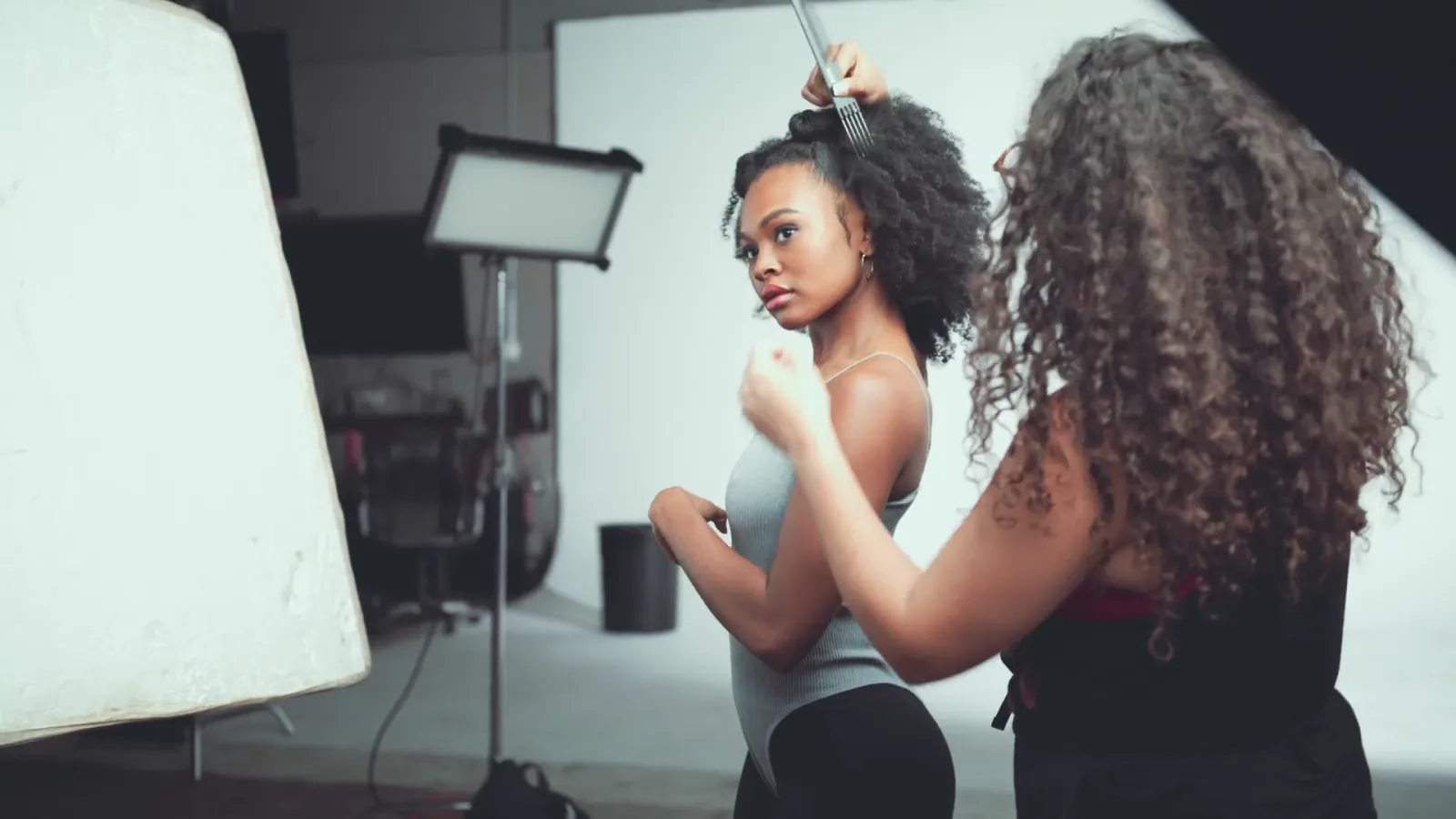
Short form video for brands stopped being a trend and became the front door. A customer meets most companies now in the first second of a vertical clip, long before they ever reach a website or a sales call. We build those seconds for a living, and the brands that win with them are rarely the ones spending the most. They are the ones who understand what the format actually rewards.
At C&I Studios we shoot across the United States and around the world from a thirty thousand square foot studio in Los Angeles with teams in Florida and New York. The question clients bring us most often is a version of the same thing. How do we keep up with the feed without burning out or looking like everyone else. This piece is our honest answer, pulled from the work we do for brands like Celsius, H&M, Thundr, and KISS.
What short form actually is
Let us be precise, because the label gets thrown around loosely. Short form is any video built to be understood inside fifteen to sixty seconds, shaped for a vertical frame, and designed to work with the sound off as readily as the sound on. That covers reels, the clips people still call TikToks out of habit, YouTube Shorts, and the vertical ad units that now run before almost everything. It is a format, not a platform, and treating it as a format is the first thing that separates brands who get traction from brands who post into the void.
The reason it matters is attention. People scroll fast, and the window where a viewer decides to stay or flick away is brutally short. A thirty second brand film is not a sixty second commercial trimmed down. It is its own craft, and it rewards a particular discipline that we will walk through here. If you want the broader strategic view first, our take on why brands cannot ignore vertical video is a good companion read.
The hook earns the rest of the video
Everything in short form is downstream of the first two seconds. If the opening does not give a viewer a reason to stay, nothing you spent on the rest of the shoot matters, because almost no one will see it. We treat the hook as its own deliverable, and we often write six or eight versions before a shoot so we can test which framing lands.
A hook is not a logo and it is not a title card. It is a moment of tension, a question, a surprising image, or a promise of payoff. For Thundr we opened a product clip on a single hand doing something unexpected, and the brand reveal did not arrive until the viewer was already hooked on the motion. For a fitness brand like Celsius, the hook is often the result shown before the product, because the viewer wants to know what the thing does before they care what it is called.
The rule we give every client is simple. Front load the most interesting frame you have. Do not save your best shot for the end, because in short form there is no end if the beginning fails. This is why we storyboard hooks separately from the rest of the piece, a habit we carry over from our longer video production work where the opening sets the contract with the audience.
One shoot, a month of content
The expensive way to feed the feed is to treat every post as its own production. The smart way is to batch. When we plan a short form campaign we are not planning one clip, we are planning a shoot day engineered to produce a run of clips that each stand alone yet share a look. That is how a brand posts consistently without a new budget every week.
Batching changes how we approach the set. We light for several setups at once, we schedule wardrobe and talent so a single call covers a dozen concepts, and we capture extra coverage on purpose so the editorial team has raw material to build variations later. H&M style fashion work lends itself to this especially well, because one styled look photographed from a few angles becomes a week of posts rather than a single drop.
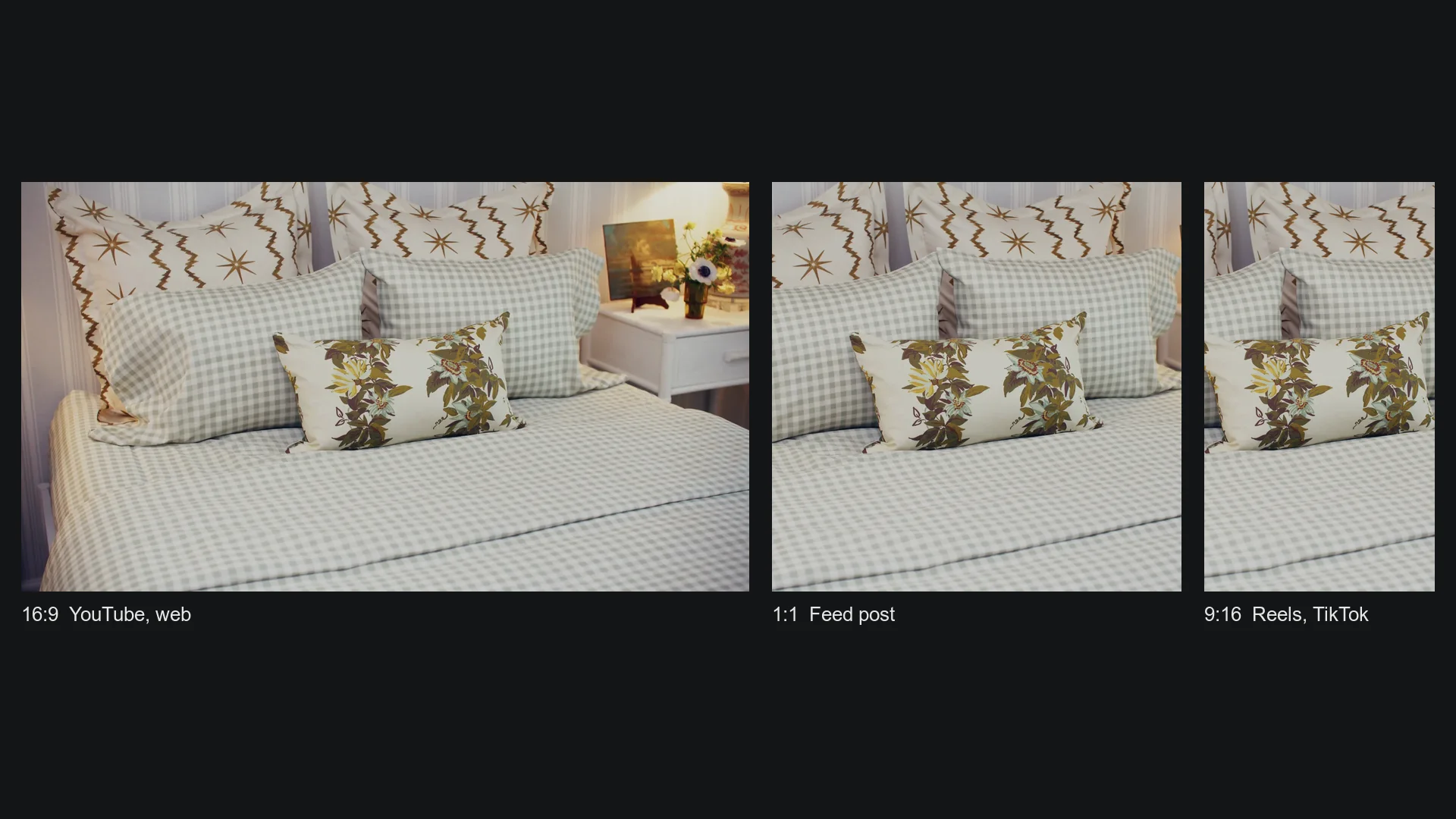
We also shoot with repurposing baked in from the first frame, which means capturing clean plates, alternate takes, and both vertical and wider framings so the same day feeds more than one channel. If you want the full mechanics of this, we wrote a dedicated guide on how to turn one brand video into ten pieces of content that pairs directly with everything in this section.
What a batched day looks like
To make it concrete, here is the rough shape of how we structure a short form batch for a brand that wants a month of presence from a single day on set.
| Block | What we capture | Clips it yields |
|---|---|---|
| Morning | Hero product moments, hooks, hands and detail work | Feature clips and ad cutdowns |
| Midday | Talent, lifestyle, reaction and voice | Story driven reels and testimonials |
| Afternoon | B roll, texture, behind the scenes | Filler posts, bumpers, repurposed stock |
None of this requires a bigger crew. It requires a plan that treats the day as a content engine rather than a single scene. That planning is where most of the value lives, and it is the part brands most often skip.
Platform fit is a craft, not a resize
The most common mistake we see is a brand shooting one clip, exporting it, and pasting the same file onto every platform. Each feed has its own grammar. A reel rewards a tight loop and a payoff. A Shorts viewer tends to tolerate a touch more setup if the thumbnail and title promise something specific. Vertical ad placements need the brand to land early because the skip button is always one tap away.
Fitting a video to a platform is not cropping it to the right aspect ratio. It is deciding where the safe zones sit so captions and interface buttons do not cover the subject, pacing the cut to the feed it lives in, and designing the sound so the piece works muted and rewards anyone who turns it up. We handle this in the edit, not the shoot, which is one more reason our post production team is involved in planning from the start rather than handed footage at the end.
Captions deserve their own mention. A large share of short form plays silent, so the on screen text is not an afterthought, it is the primary channel for your message. We treat caption styling as design, matching it to the brand and timing it so a muted viewer gets the full story. Platforms publish their own guidance on Shorts best practices that is worth reading, but guidance is a floor, not a finish.
Repurposing long form into short form
Some of the best short form a brand will ever post is already sitting in footage it has paid for. A documentary interview, a commercial, a product launch film, an event recap. Inside each of those is a run of vertical clips waiting to be pulled, and the brands that treat their long form work as a quarry get far more mileage than brands that keep shooting from scratch.
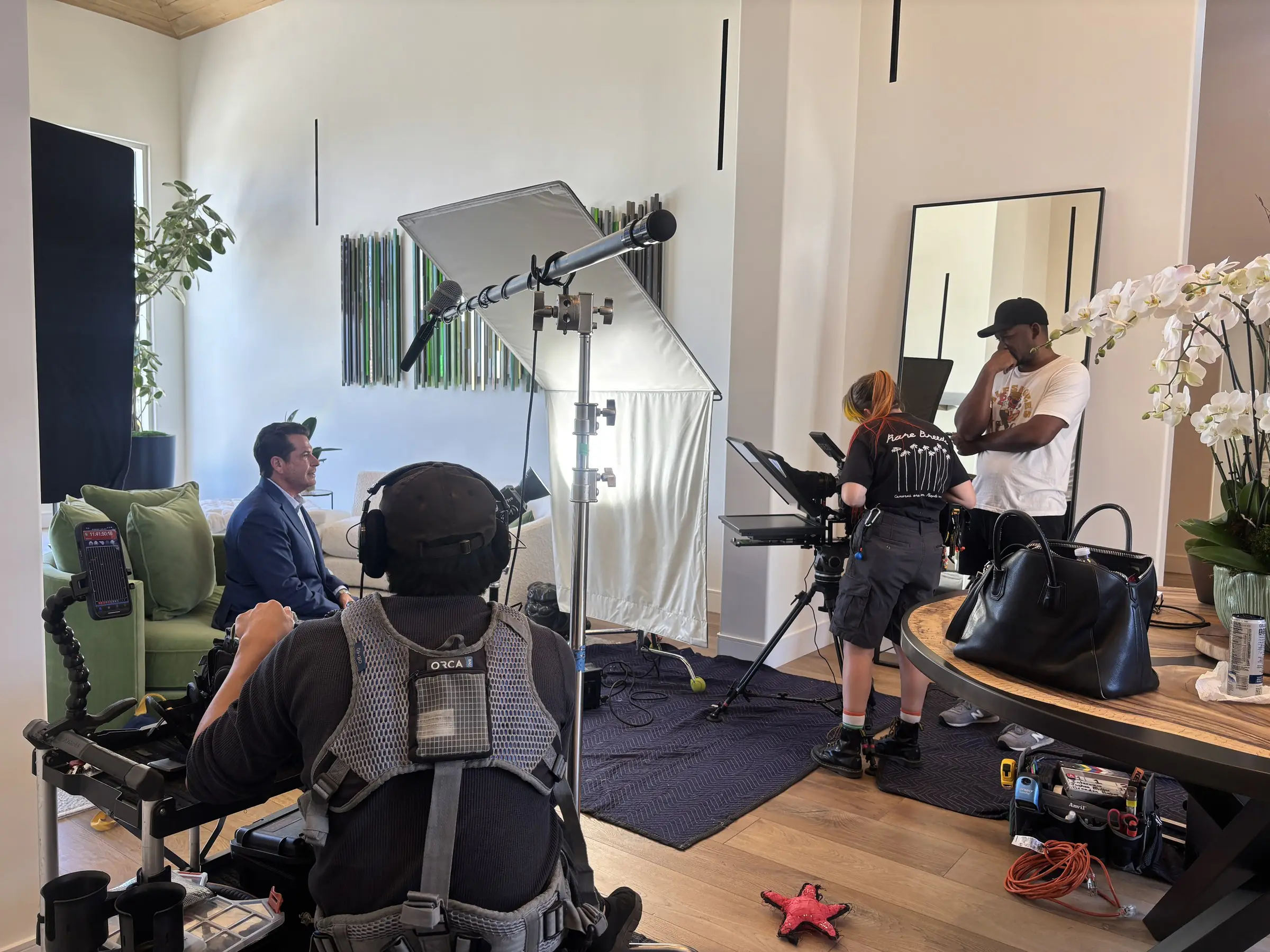
For Fund Black Tech, longer founder interviews became a stream of short clips, each built around one sharp quote with the kind of pacing that makes a viewer stop. The interview was shot once. The short form came out of it for months. The same logic applies to a brand film, a documentary production, or a case study. The trick is to shoot the long form knowing the short form will come from it, which means capturing clean audio, tight framing, and moments that can stand alone out of context.
This is where a brand’s archive turns into an asset rather than a cost. If you have ever produced a film or series or a stack of commercial work, there is almost certainly a season of short form inside it. We regularly go back into a client library and surface clips they forgot they owned, the cheapest content a brand will ever run because the camera has already been paid for.
Where it all lives and how it gets made
A short form program needs a place to be made. The work ranges from a styled tabletop setup to a full talent shoot, and having our own space means a brand can book a studio rental for a batch day without chasing a location every time the calendar calls for new content. Consistency of setting is part of what makes a feed feel like one brand rather than a scattered pile of posts.
On the creative side, short form rarely lives alone. It sits inside a larger system of branding and content work, and the brands that treat their vertical clips as an extension of a visual identity rather than a separate chore are the ones whose feeds feel intentional. For KISS, the short form inherited the same palette, typography, and energy as the rest of the brand, so a viewer who met the company through a single reel already recognized it everywhere else.
And when a brand wants the still image to match the motion, our photography team shoots on the same day so the stills and the clips come out of one session with one look. For 76 Words that meant a photo set and a short form set captured in a single call, which kept the brand visually tight. When the program needs to connect to a site or landing page, our web and tech team ties it together so the clip and the click lead somewhere coherent.
The mindset that makes it work
If there is one thing we want a brand to take from all of this, it is that short form rewards planning far more than it rewards spending. The hook earns the view. The batch earns the consistency. The platform fit earns the completion. The repurposing earns the efficiency. None of that costs more. It costs forethought, and forethought is what a good production partner brings before a single frame is shot.
The brands that struggle are usually chasing volume without a system, posting more while each clip performs worse than the last. The brands that win build a small engine, feed it well, and let one good shoot day carry them for weeks. That advantage is available to a brand of almost any size.
Build your short form engine with us
We would rather help a brand build a system than sell it a pile of disconnected clips. If you are trying to show up in the feed with work that actually looks like you and actually performs, that is the conversation we have every day. Tell us what you are trying to say and where it needs to live, and we will plan the shoot day, the hooks, and the repurposing around it. Start by telling us about the project on our contact page and we will take it from there.