
How We Scout Locations for a National Shoot
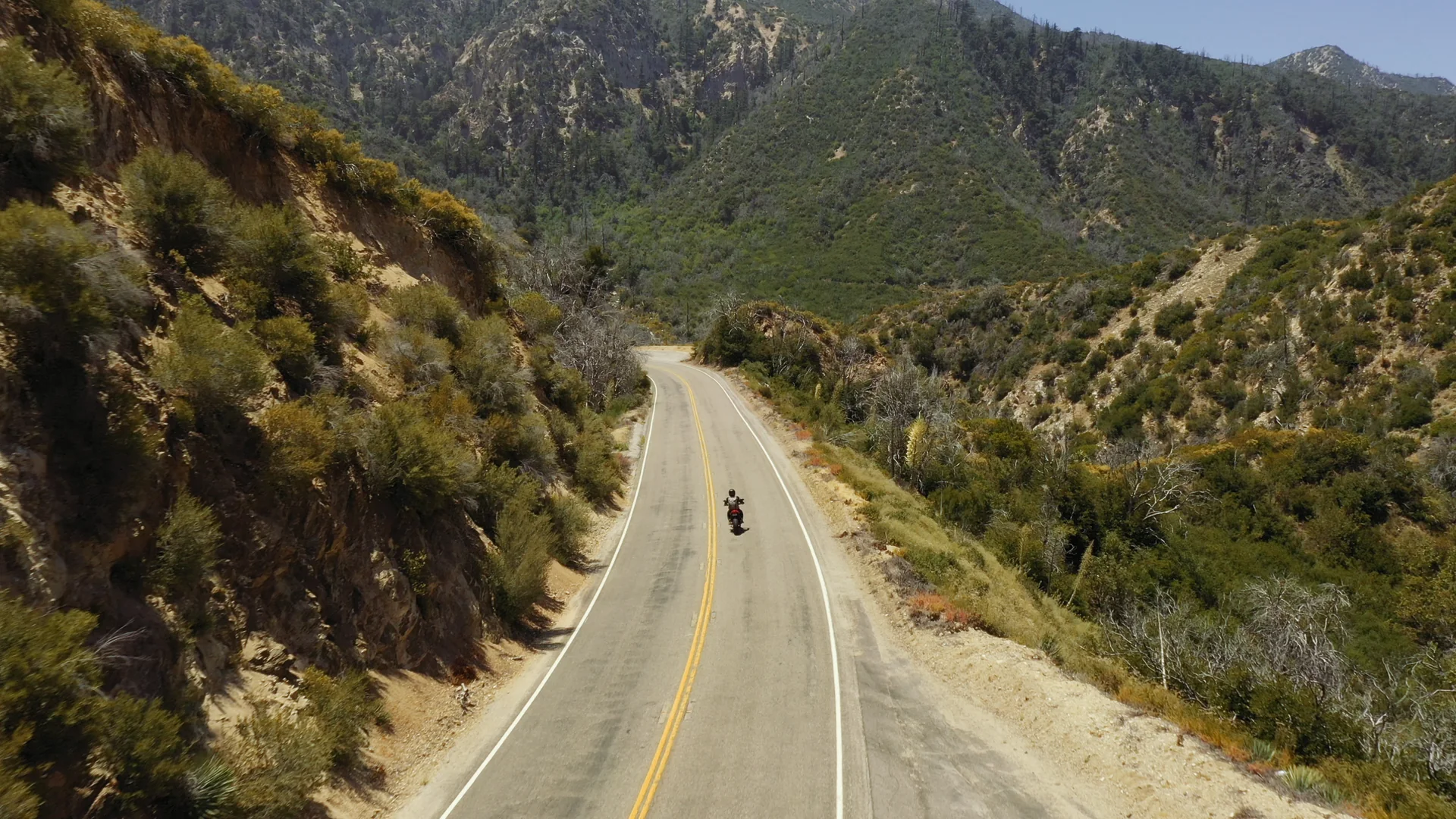
Good location scouting for video rarely looks like what people imagine. It is not one magic building. It is a chain of decisions that starts the day a brand sends us a brief and ends when a truck parks at a curb that we already know will work. We shoot across roughly seventeen metros, so most of our projects move between cities, and the location is the part of the plan most likely to break a schedule if we treat it casually. Here is how we actually do it.
It starts with the brief, not the map
Before anyone opens a scouting app, we read the brief the way a director reads it. What does the brand want the audience to feel. Who is on camera. How many setups in a day. An athlete commercial for Celsius that moved across multiple US cities needed nothing like the interview sets we built for our documentary series Fund Black Tech, and the location follows that answer rather than the other way around. We translate the creative into a short list of practical needs. Ceiling height, power, how much daylight we can count on, whether sound has a fighting chance, and how a grip truck gets within reach of the door.
That shortlist is the real scouting brief. If a brand already has a written plan we lean on it, and if they do not we build one with them. Our guide on how to write a production brief that gets results covers the questions we ask, because a vague brief sends a scout chasing the wrong rooms for a week. The clearer the brief, the faster the right space surfaces.
Desktop scout before the recce
Most of the elimination happens before anyone leaves the office. We build a map of candidate spaces per city, pulling from location libraries, our own archive of places we have shot, permit office listings, and plain satellite imagery. A roof we can see from above tells us where the sun lands at ten in the morning. A street view pass tells us whether the block is residential, which almost always means a noise curfew we need to respect.
By the end of the desktop pass we usually have three or four candidates per setup rather than twenty. That ratio matters, because a scout day is expensive in time even when it is cheap in gear. We want to walk into a recce already believing the space can work and spend the visit confirming it, not discovering it. For brands weighing whether a controlled space beats a found one, our piece on studio versus on location video production is the framework we hand them before the first scout.
The recce, where light and sound decide it
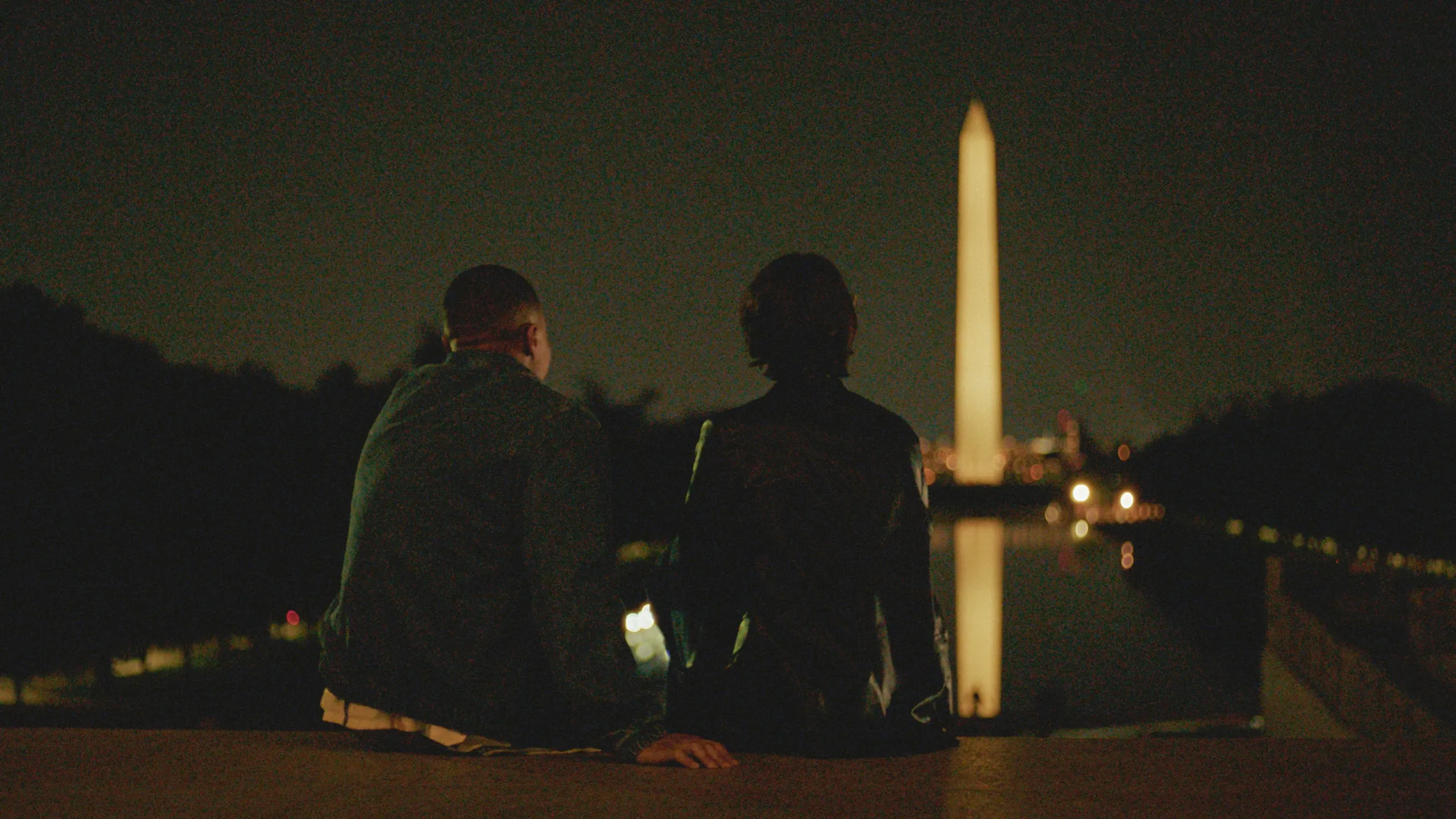
A recce is a site visit with a purpose. We go at or near the hour we plan to shoot, because a room that glows at noon can turn flat and gray by four. We watch where the light enters, how long it stays, and whether a window becomes a problem when the sun swings around. If the plan is a professional photography setup alongside the video, the same window that flatters a wide can blow out a tight portrait, so we note both.
Then we stop talking and listen. We stand in the space in silence for a full minute. Traffic, an elevator motor, an air handler that cycles every few minutes, a school across the street that lets out at three. Sound is the quiet killer of a location, because you cannot fix in post production what a bad room baked into every take. A space that looks perfect and sits under a flight path is not a candidate. We would rather lose the view than lose the dialogue.
We also measure the boring things. Where power comes from and how much of it. How far the nearest load in door sits from where the camera lands. Whether the elevator fits a cart or whether the crew hand carries cases up three flights. Those details do not show up on camera, but they decide whether a ten hour day stays a ten hour day.
Permits and insurance, handled early
Permits are where national work separates the teams that have done it from the teams that have not. Every city runs its own film office, its own lead times, and its own idea of what counts as a small shoot. New York is not Chicago and Chicago is not Miami. We pull the permit the moment a location firms up, because a permit office does not care that your talent flies in Tuesday. Many cities publish their rules openly, and the New York Mayor’s Office of Media and Entertainment is a good example of how specific the requirements get once you read them.
Insurance rides alongside the permit. A certificate of insurance naming the venue or the city is often the thing that unlocks the permit in the first place, and private owners usually ask for one before they hand over a key. We carry it as standard, and we build the certificate requests into the same week we lock the space so nothing waits on paperwork at the end. When we quote a video production project, this layer is already in the plan rather than a surprise the client meets on the call sheet.
Always carry a backup location
We do not consider a location locked until we have a second one behind it. Weather turns, a building sells, a tenant changes their mind the night before, a water main floods a basement stage. If the primary is a rooftop, the fallback is a covered interior nearby, because the forecast can flip overnight and the crew is already booked. The backup is not a luxury. It is the difference between moving a setup and losing a shoot day the client already paid a crew to show up for.
The strongest backups share a logistics profile with the primary. Same part of town, similar power, similar access, so the crew call and the truck plan barely change if we pivot. When we scope a film and television schedule, the backup is a line in the plan, not an afterthought we scramble for at dawn.
Logistics make or break the day
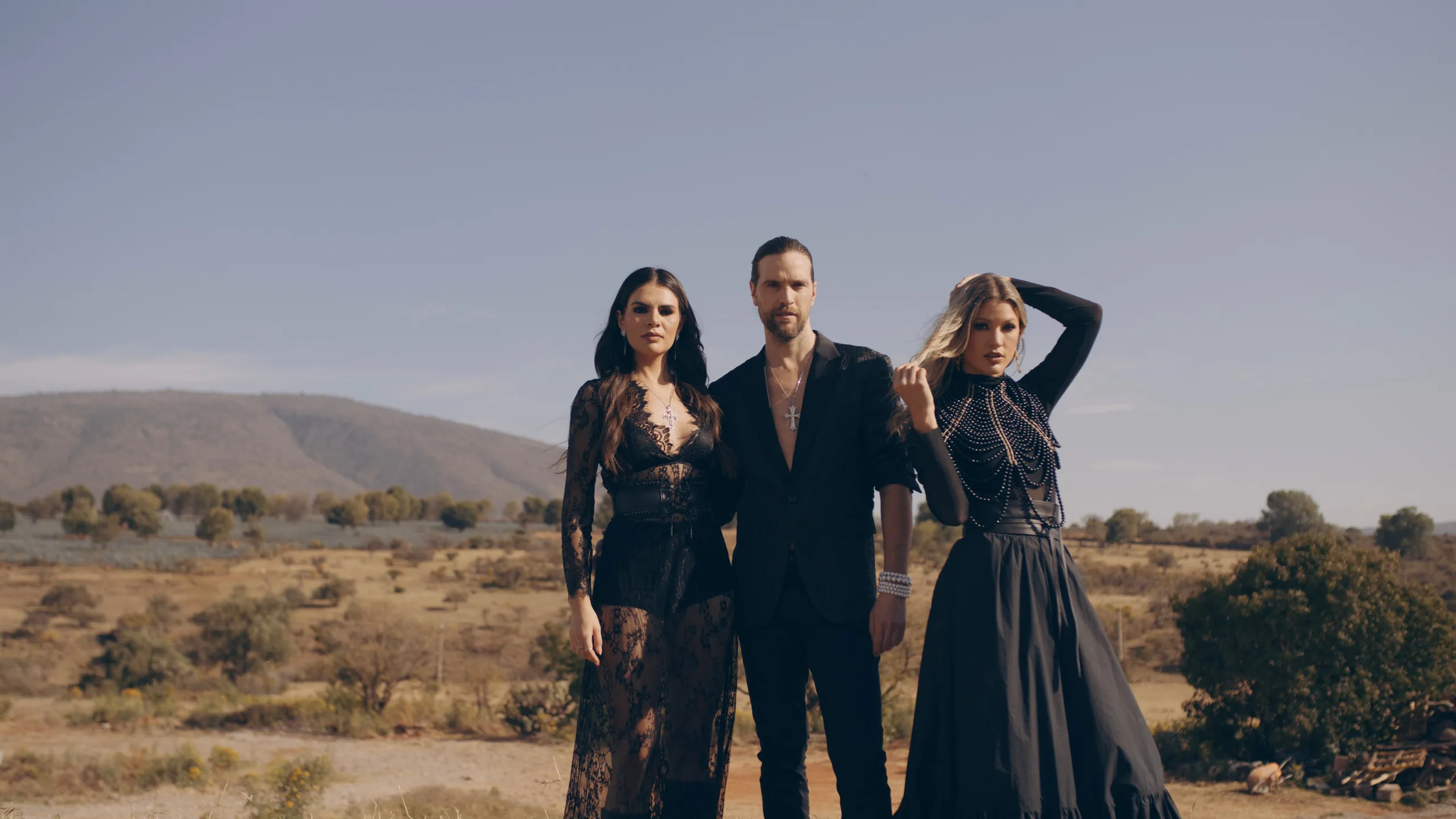
Once the space is real, logistics take over. Parking for the trucks, a staging area for cases, a holding room for talent, power that does not trip a breaker when the lights come up, and a path from the curb to the set that a loaded cart can travel. We walk that path on the recce with a tape measure in hand, because a freight elevator that is six inches too narrow can cost an hour every single time the crew moves.
City by city, the logistics change in ways a brand would not expect. A Miami rooftop fights humidity and afternoon storms. A Chicago exterior fights wind and winter light that fades by the middle of the afternoon. A New York interior fights a load in window that the building hands you for ninety minutes and not a minute more. We plan the day around the constraint rather than pretending it is not there, and our overview of the cities we shoot in and why brands pick each walks through those tradeoffs in detail.
We also think about the crew between setups. A branded content day that hops across three neighborhoods is really a transport problem wearing a creative hat, and if the travel math does not close we cut a location before we cut a shot. Our branding and content teams and our web and technology teams often shoot assets on the same day, which raises the stakes on getting the move times right.
When we bring it back to the studio
Sometimes the smartest scout ends with a decision to stop scouting. When a brand needs total control over light, sound, and schedule, or when the look is clean and graphic rather than tied to a real place, our thirty thousand square foot Los Angeles stage beats any location we could find. No permit clock, no weather, no neighbor, no load in window. We light it the way the brief wants and we shoot until the work is right.
Our beauty work for KISS is a good example. Six brands of stills and video, shot on studio color cycs in our own facility, because the product had to look identical from one media day to the next. That was never a location job. It was a studio job from the first read of the brief. Our studio rental space gives us that control on our own floor, and for documentary work that still wants a few staged interviews, we mix a real documentary environment with a controlled setup back on the stage. The right answer is often both, and scouting well means knowing when the location is the story and when the location is just friction.
Scouting is planning, and planning is the work
A location that fails on the day was almost always a planning failure weeks earlier. That is why we treat scouting as the front of the whole production rather than an errand. Every step above, the brief, the desktop pass, the recce, the permits, the backup, the logistics, exists to protect the shoot day and the brand’s budget. When you are ready to put a shoot on the ground in any city we cover, the fastest way to start is to tell us what you are shooting and where, and we will take it from the brief to the right room.