
Event Videography That Captures What Matters
Event videography is one of those services that looks deceptively simple from the outside — point a camera at something happening, press record, hand over a file. Anyone who has actually produced event video at a professional level knows that description is laughably incomplete. A live event is one of the most unforgiving production environments that exists. There are no second takes, no controlled lighting rigs (usually), no quiet set where you can stop and troubleshoot. Every moment that gets missed is gone permanently, and the client will absolutely notice.
Our team at C&I has covered events ranging from intimate product launches to multi-stage NFL broadcasts, and the throughline is always the same: preparation and adaptability. This guide is for anyone trying to understand what professional event videography actually involves — whether you are a brand deciding how to invest your event budget, a coordinator trying to brief a production partner, or a filmmaker looking to level up your live coverage game.
What Event Videography Actually Encompasses
The term gets used loosely. Sometimes it means a single operator with a DSLR shooting a wedding reception. Sometimes it means twelve crew members with broadcast cameras, a mobile production truck, and a live switching suite covering a Fortune 500 conference. Both qualify as event videography, but the gap between them is enormous.
At the professional end of the spectrum, event video production involves pre-production planning, multi-camera setups, dedicated audio capture, real-time coordination between crew members, and a post-production pipeline that transforms raw footage into a polished deliverable. Our video production services approach every event with that full-stack mentality, regardless of whether it is a 200-person corporate summit or a brand activation with a single keynote speaker.
The deliverables also vary significantly. A single highlight reel used to be the standard ask. Now clients typically want a package: a two-minute social cut, a five-minute recap for internal use, individual speaker segments formatted for LinkedIn, and sometimes a full-length documentary edit for archival purposes. That last format — the long-form event documentary — has become increasingly valuable as brands recognize that their events carry content weight far beyond the day itself.
Why Most Event Video Falls Short
Here is an honest take: a large percentage of event footage produced every year is mediocre, and the reasons are almost always the same. Underestimating audio. Insufficient camera coverage. No real pre-production. These are not exotic problems. They are the predictable result of treating event videography as a commodity rather than a craft.
Audio Is the First Thing That Gets Compromised
Footage with mediocre visuals but clean audio is watchable. Footage with beautiful visuals and muddy audio is unwatchable. This is not a matter of preference — it is backed by how audiences actually respond to content. According to research published by Nielsen Norman Group, poor audio quality is one of the primary drivers of video abandonment, even when the visual content is otherwise compelling.
At events, audio is genuinely difficult. Room reverb, ambient crowd noise, handheld microphones held inconsistently by nervous speakers, A/V systems that were not designed with recording in mind — all of it compounds. Professional event videography accounts for this in advance. Our audio engineering team coordinates with venue A/V staff before the event date, establishes a clean feed from the main board where possible, and plants redundant capture systems so that no single point of failure kills the recording.
Single-Camera Coverage Creates Uneditable Footage
One camera at an event produces footage that is extremely difficult to edit into something compelling. You have no cutaways, no reaction shots, no alternative angles to cover a stumble in the speaker’s delivery or a technical glitch in the presentation. Professional event videography almost always requires a minimum of two cameras, and for anything with real production value, three or more is standard.
The camera positions matter enormously too. A locked-off wide shot on a tripod gives you a safety net. A roving operator getting crowd reactions, detail shots, and environmental texture gives you the editorial flexibility to build a real story in post. Without that coverage architecture established in advance, editors are left trying to make something out of footage that was never designed to cut together.
No Shot List or Run-of-Show Means Missed Moments
An experienced event videography team arrives with a run-of-show document that maps every segment of the event to a camera strategy. Which camera leads the keynote? Who is covering the panel discussions? Where does the operator position themselves for the award presentation? What is the signal to shift coverage when the dinner reception begins?
Without this structure, crew members are improvising in real time, and not in the good way. Critical moments get missed because nobody was assigned to cover them. This is pre-production work, and it is genuinely non-negotiable for events above a certain complexity threshold.
The Pre-Production Phase: Where Event Video Is Really Made
We tell clients this all the time: an event video is largely determined before anyone picks up a camera. The location scout, the technical rider, the shot list, the coordination call with the venue — that groundwork is what separates footage that becomes a great final product from footage that becomes a problem to solve in the edit.
Location Scouting and Technical Assessment
Every venue presents different challenges. Natural light availability, ceiling height affecting audio behavior, load-in restrictions, the quality of the house lighting rig, network connectivity for any live streaming component — all of these factors shape the production approach. Our team based out of our Fort Lauderdale facility conducts thorough venue assessments before any event of scale, and our crews in Los Angeles and New York City follow the same protocol for events in their markets.
Client Creative Brief and Deliverable Planning
Before the cameras come out, we need to know what success looks like. Is the primary deliverable a two-minute highlight reel for social? A longer recap for internal stakeholders? A series of speaker clips formatted for individual distribution? The answer changes the shooting strategy significantly. A highlight reel demands strong emotional moments and visual energy. A speaker series demands clean single-subject framing and pristine audio. You cannot optimize for both with the same approach.
Getting this clarity upfront is part of why the pre-production conversation matters so much. It also feeds into our post-production services pipeline, since our editors need to know what they are building before they begin the assembly cut.
Crew Briefing and Role Assignment
A four-person event crew that has not been properly briefed is barely better than one person. Role clarity — who operates which camera, who manages the director monitor, who coordinates with the client contact on the day — eliminates the hesitation and confusion that causes missed shots. This briefing happens in advance, not in the parking lot at load-in.
Covering Different Event Types: What Changes and What Does Not
Event videography is not one discipline — it is a family of related disciplines that share some core principles but require meaningfully different execution strategies.
Corporate Conferences and Summits
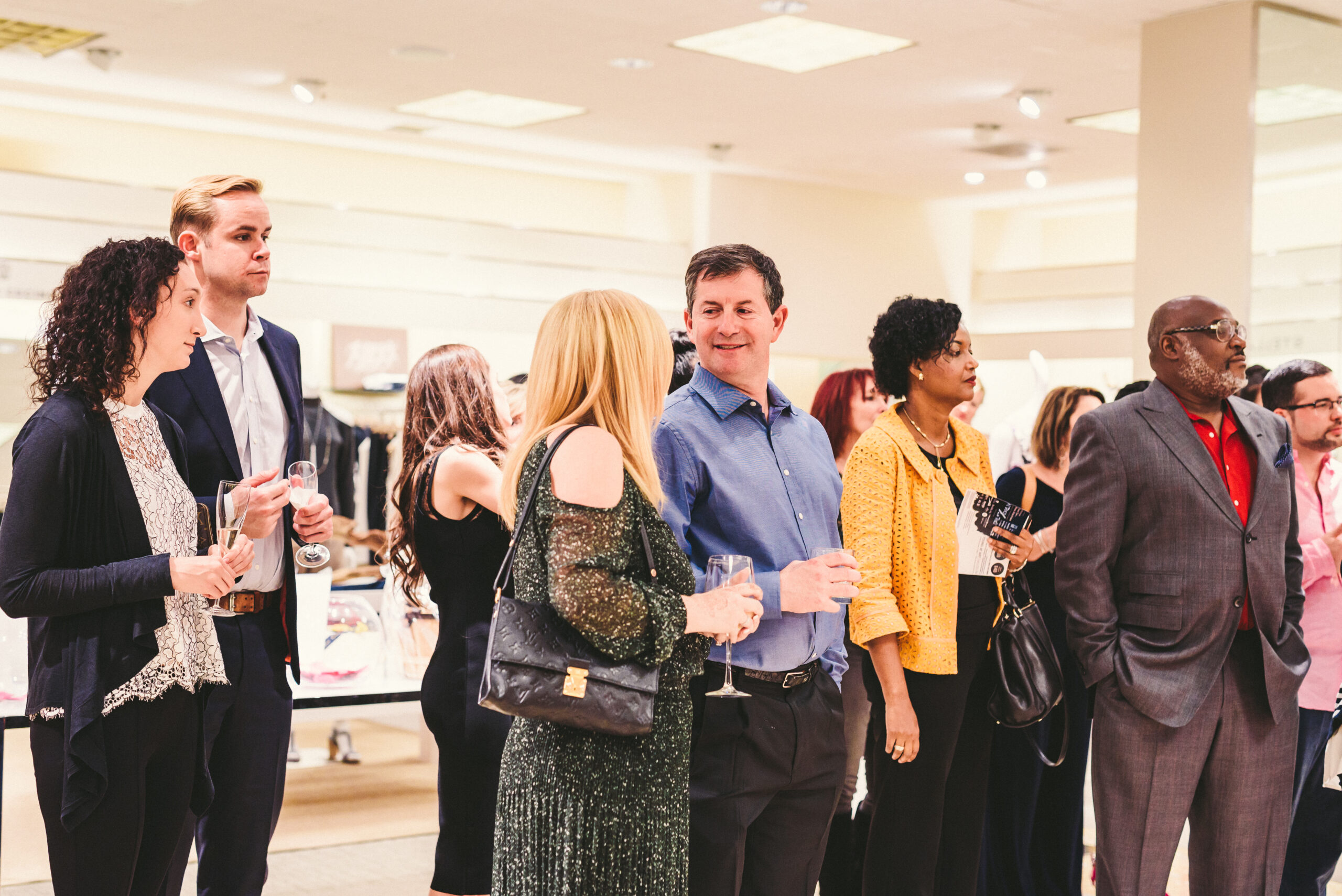
Corporate events prioritize clarity, professionalism, and comprehensive coverage. Stakeholders and speakers need to look authoritative on camera. The edit needs to reflect the brand’s positioning. C&I Studios has produced video for corporate events at the scale of AT&T and NFL conference programming, which means we understand both the logistical complexity and the brand standards that govern deliverables at that level.
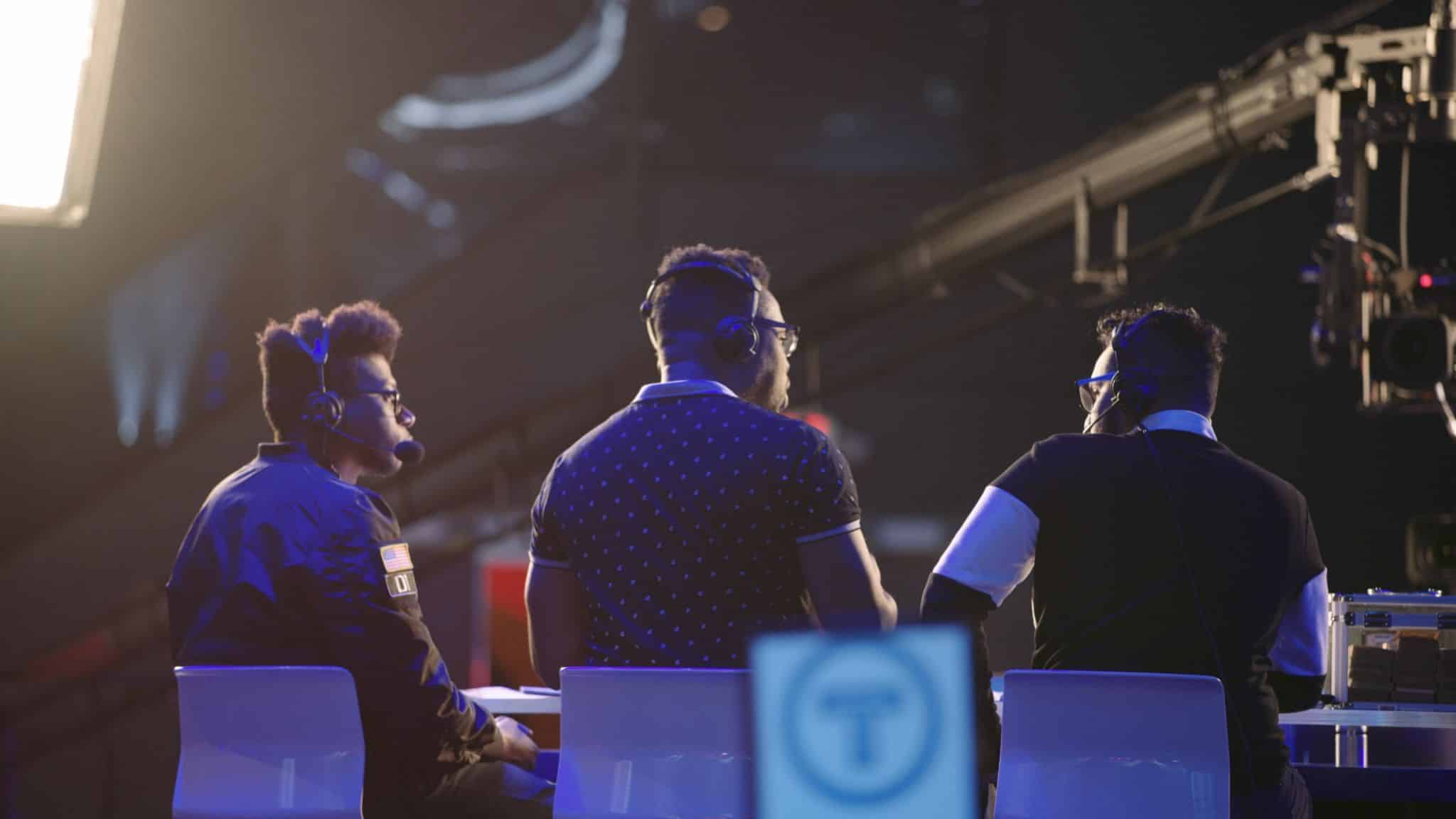
For conferences, we typically deploy a primary camera on a jib or slider for dynamic keynote coverage, a locked-off wide for full-stage capture, and a roving operator handling audience reactions, sponsor signage, and networking moments. The audio feed comes directly from the house system supplemented by a dedicated boom or plant microphones at the podium.
Brand Activations and Product Launches
Brand activations are a different animal. The energy is usually higher, the environment is less structured, and the visual goal is to communicate excitement and momentum rather than information. These events are also often connected to broader advertising campaigns, which means the footage needs to align with creative assets that already exist or are being produced simultaneously.
For activations, our team prioritizes mobility and moment capture. Operators move through the space continuously. We use cinema-grade cameras with fast lenses that perform well in variable lighting, because brand activation venues are notoriously inconsistent in that regard. The edit is usually faster-paced, music-driven, and cut to optimize for social media distribution.
Galas, Awards Ceremonies, and Fundraising Events
These events carry significant emotional weight. The award presentations, the tribute videos, the moments where recipients are visibly moved — these are the beats that define the event video and give it long-term value for the organization. Missing them is simply not an option.
Coverage for galas requires excellent low-light camera capability, because ballroom lighting is almost universally challenging for video. It also requires operators who understand how to move gracefully through a formal event environment without disrupting the guest experience — a skill that is genuinely different from production set etiquette.
Festivals, Multi-Stage Events, and Large-Scale Productions
At this scale, event videography starts to blur into broadcast production. Multiple stages or venues, simultaneous programming, thousands of attendees, and dozens of stakeholders with competing priorities. This is where a full-service production team with deep infrastructure — like our 30,000 square foot facility in Fort Lauderdale — has a real operational advantage over smaller operators.
For large-scale events, we deploy multiple crews that operate semi-independently but feed into a coordinated production hub. The production coordinator role becomes critical here, serving as the connective tissue between crew teams, client contacts, and the post-production pipeline that begins digesting footage in real time.
Technical Standards That Separate Professional Event Videography
Clients do not always know to ask about these, but they notice the results. Here are the technical benchmarks that matter.
Camera and Sensor Quality
Event lighting is unpredictable. A camera that performs brilliantly in controlled studio conditions may produce unusable footage in the mixed practical lighting of a convention center. Professional event videography requires cameras with strong dynamic range and excellent high-ISO performance. At C&I, our camera package for events is selected based on the specific venue and lighting conditions identified during pre-production — not a one-size-fits-all kit that goes to every job.
Stabilization Systems
Shaky, unstable footage communicates amateur production regardless of the camera’s sensor quality. For event work, we use a combination of tripods for locked shots, gimbals for fluid movement sequences, and shoulder rigs for run-and-gun situations where responsiveness matters more than buttery smoothness. The choice between these systems is determined by what the shot demands, not by what the operator prefers to carry.
Redundant Recording and Data Management
At a live event, a media card failure or a camera body malfunction is not just inconvenient — it can mean losing irreplaceable footage. Professional event videography builds redundancy into the system. We record to multiple cards simultaneously where the camera body supports it, maintain backups on external drives during the event day, and follow a strict data management protocol during wrap so that no footage is ever at single-point-of-failure risk.
Live Monitoring and Director Oversight
On larger productions, having a director or producer monitoring the full camera feed in real time — rather than just trusting individual operators to self-direct — dramatically improves the quality of coverage decisions. When the director can see what all cameras are doing simultaneously, they can redirect resources to moments that are developing, pull an operator off a redundant shot, and ensure that critical beats have dedicated coverage.
Post-Production for Event Video: Turning Footage Into a Story
Raw event footage does not tell a story — editing does. The post-production phase for event videography is where a chaotic day of coverage becomes a coherent, emotionally compelling piece of content that serves the client’s objectives.
Our post-production team approaches event edits with a narrative-first mentality. Before touching the timeline, editors identify the strongest moments — the speech that landed, the crowd reaction that captured the energy of the room, the visual detail that communicates the brand — and build outward from those anchors. The mistake is starting with chronology and trying to find the story later. The story should drive the structure.
Music selection is critical for event highlights. The right track creates momentum and emotional resonance; the wrong one makes the footage feel generic. We maintain relationships with music licensing platforms and work with our audio engineering team to ensure that the final mix — music, ambient sound, speech — serves the intended viewing experience rather than just filling the channel.
Color grading for event footage also requires a specific set of skills. Because the lighting at events is often mixed and inconsistent across the day, creating a cohesive visual look requires careful grading work that normalizes footage shot under very different conditions. This is not a quick filter application — it is deliberate craft work that makes the difference between footage that looks assembled and footage that looks produced.
How Event Video Feeds Your Broader Content Strategy
One of the most underutilized aspects of event videography is the content that events generate beyond the highlight reel. A single well-covered event can produce weeks or months of content if approached with that lens during production planning.
Speaker clips pulled from keynote coverage become thought leadership content on LinkedIn. B-roll of the event environment becomes visual texture for future advertising materials. Customer testimonials captured in the moment — when people are energized and emotionally present — become among the most authentic sales assets a brand can have. Candid footage of team members interacting communicates company culture in ways that staged studio content cannot replicate.
This is why we encourage clients to think about event video not as a single deliverable but as a content production session that happens to be centered on an event. With the right shooting strategy and a clear content map, the return on the production investment multiplies significantly. Our social media marketing team often works directly with our video crews to ensure that footage captured at events is formatted and optimized for specific platform requirements from the start.
For brands that have ongoing event calendars, this approach also builds a visual library over time. Events that are documented consistently create a record of growth, community, and brand evolution that has value far beyond any individual production. According to HubSpot’s marketing data, video content consistently outperforms other formats in engagement and retention metrics across virtually every platform — which makes the investment in quality event documentation a compounding asset rather than a one-time expense.
What to Look for When Hiring an Event Videography Team
If you are evaluating production partners for an upcoming event, here are the things that actually matter — as opposed to the things that sound impressive but do not correlate with quality output.
A Portfolio That Reflects Your Event Type
A team that has primarily shot weddings and a team that has covered corporate conferences are not interchangeable, even if both describe themselves as event videographers. Look for demonstrated experience in events similar to yours in scale and format. Our work portfolio shows the range of event and brand content we have produced — the variety is intentional, because different clients have legitimately different production needs.
Clear Communication About Deliverables and Timeline
A professional team should be able to tell you exactly what you will receive, in what format, by what date, before you sign anything. Vague answers to these questions are a red flag. Tight event schedules often create pressure on post-production timelines, and knowing upfront whether your team can meet a 48-hour turnaround for a social cut versus a two-week timeline for a full edit is essential planning information.
Experience With Live Audio Capture
Ask specifically about how the team handles audio at events. If the answer is primarily about on-camera microphones and they do not mention board feeds, wireless lavaliers, or coordination with venue A/V teams, that is a meaningful gap. Quality event audio requires active management, not passive recording.
Production Insurance and Professional Infrastructure
Most venues above a certain size require production liability insurance. Any professional event videography company should carry it. Beyond insurance, look for evidence of real production infrastructure: a physical facility, dedicated post-production capabilities, a team that includes specialists rather than one generalist doing everything. Our film production services operation runs out of a 30,000 square foot facility with dedicated sound stages, editing suites, and a full equipment inventory — that infrastructure directly benefits event clients because it means we are never constrained by what we have to rent or improvise.
Event Videography and Documentary Production: Closer Than You Think
The best event videos share something fundamental with documentary filmmaking: they observe and reveal rather than construct and perform. The discipline of documentary film production — patient observation, awareness of developing moments, the ability to find narrative structure in unscripted reality — is directly applicable to high-quality event video coverage.
This is one reason why our team brings a documentary filmmaker’s sensibility to event coverage even when the deliverable is a three-minute highlight reel. The instincts that make a documentary compelling — anticipating where the emotion is, knowing when to hold on a face rather than cut, understanding how to use ambient sound to create a sense of place — translate directly into event footage that feels alive rather than just documented.
For clients who want something more substantial than a highlight reel, we also produce longer-form event documentaries that serve as permanent records of a brand moment. These productions follow a full documentary production workflow — scripted framework, interviews captured on the day, archival integration, and a structured narrative arc — delivering something genuinely cinematic rather than a simple recap.
C&I Studios and Event Video: Our Approach
We have been covering events for brands that expect a high bar. Nike activations, Coca-Cola brand moments, SiriusXM programming events, H&M launches — these clients have options, and they come back because the footage we produce is genuinely better than the alternative. That is not marketing language. It reflects the infrastructure, crew experience, and production discipline that we bring to every job.
What distinguishes our event videography work is not just the camera quality or the crew size — it is the integration between departments. Our video production, audio, and post-production teams operate as a single unit rather than separate services stitched together. That integration eliminates the handoff problems that plague productions where different vendors manage different components. The person who captures the audio is talking to the person who will mix it in post. The editor who cuts the highlights was briefed by the director who called the shots on the day. The result is a coherent production process rather than a collection of separate contributions.
If you are planning an event and want to talk through what video coverage would look like — what the crew size should be, what deliverables make sense, what the timeline looks like — we would genuinely rather have that conversation early in your planning process than be brought in two weeks before the event date. Early involvement lets us do our best work. Reach out to our team and we can start from wherever you are in the process.
Event videography at the professional level is a serious craft that demands planning, technical fluency, experienced crew, and a genuine post-production commitment. Done well, it transforms a single day into a content asset that serves your brand for years. Done poorly, it is an expensive way to end up with footage nobody wants to watch. The difference is almost entirely in who you hire and how seriously they approach the work before the cameras ever roll.