Skip to content

Index Template

15 Recommended shooting locations for your next Los Angeles Video Marketing Campaign

15 Recommended shooting locations for your next Los Angeles Video Marketing Campaign

Los Angeles is one of the most popular filming locations in the world. The city has a rich history in film and television and continues to be a top choice for filmmakers today.

Producing a film or video marketing campaign is a great idea for any business. And if you’re located in Los Angeles, showing off the local sites and color in your videos will only further your brand’s integrity among not only your local customers and clients but within the wider world as well. If you haven’t yet considered a video marketing campaign for your own business, you can check out our previous post How to Start a Video Marketing Campaign.

There are many reasons why Los Angeles is such a popular filming location. The city has a diverse range of environments to choose from, including beaches, mountains, deserts, community spaces, monuments, and urban settings. Los Angeles is also home to a large number of professional film and television studios.

What You Should Know Before Filming in Los Angeles

Before you begin your Los Angeles video marketing campaign, there are a few things you should keep in mind.

First, Los Angeles is a very large city, so it’s important to choose a filming location that is appropriate for your project. For example, you don’t want to shoot a commercial for a beach resort in the middle of downtown Los Angeles.

Second, Los Angeles has strict filming regulations, so be sure to research the requirements before you begin filming. Many public spaces will require permits for filming, especially if you’re looking to block off spaces that would otherwise be open to other people regularly. You also want to make sure that you have clearance when filming on private property. You’ll want to check what spaces you’re allowed to use specifically, how long you’re allowed to be there, and anything else that the property owner might need to regulate.

Third, Los Angeles is a very diverse city, so you’ll need to make sure your cast and crew are comfortable working in a variety of different cultures and environments.

Finally, Los Angeles is a busy city, so be sure to schedule your filming around other events and activities. Los Angeles also has a lot of traffic, so you’ll need to factor that into your filming schedule, too. You don’t want to be stuck in traffic when you’re trying to shoot a scene.

Read 12 Mistakes to Avoid When Choosing a Filming Location

Filming Locations

If you’re planning a Los Angeles video marketing campaign, here are 15 recommended filming locations to consider:

  1. Venice Beach

Venice Beach is one of the most popular tourist destinations in Los Angeles, and it’s also a great place to film. The beach is well-known for its Muscle Beach outdoor gym, its colorful canals, and its abundance of street performers.

  1. Santa Monica Pier

The Santa Monica Pier is another popular tourist destination that makes for a great filming location. The pier is home to a Ferris wheel, an aquarium, and a number of shops and restaurants.

  1. Hollywood Walk of Fame

The Hollywood Walk of Fame is one of the most iconic Los Angeles landmarks. The walk is lined with more than 2,000 stars, each one honoring a different celebrity.

  1. Griffith Observatory

The Griffith Observatory is a Los Angeles landmark that offers stunning views of the city. The observatory is also a popular tourist destination, and it’s a great place to film if you’re looking for an iconic Los Angeles location.

  1. Los Angeles County Museum of Art

The Los Angeles County Museum of Art is the largest art museum in the Western United States. The museum is home to a number of iconic Los Angeles landmarks, including the Hollywood Sign and the La Brea Tar Pits.

  1. Walt Disney Concert Hall

The Walt Disney Concert Hall is the home of the Los Angeles Philharmonic. The concert hall is an iconic Los Angeles landmark, and it’s a great place to film if you’re looking for an upscale Los Angeles location.

  1. Staples Center

The Staples Center is a Los Angeles landmark and home of the sports teams, the Los Angeles Lakers, Clippers, and Kings. The Staples Center is also a popular concert venue, and it’s a great place to film if you’re looking for a Los Angeles location with a lot of energy.

  1. Los Angeles City Hall

Los Angeles City Hall is the seat of the Los Angeles city government. The building is an iconic Los Angeles landmark, and it’s a great place to film if you’re looking for a classic Los Angeles feel.

  1. Grauman’s Chinese Theatre

Grauman’s Chinese Theatre is a Los Angeles landmark that is home to the world’s largest IMAX screen. The theatre is also a popular tourist destination, and it’s a great place to film if you’re looking for an iconic Los Angeles location.

  1. Dodger Stadium

Dodger Stadium is the home of the baseball team, Los Angeles Dodgers. The stadium is a Los Angeles landmark, and it’s a great place to film if you’re looking for a Los Angeles location with a lot of energy.

  1. Rodeo Drive

Rodeo Drive is a Los Angeles landmark that is home to some of the most expensive shops in the world. The drive is also a popular tourist destination, and it’s a great place to film if you’re looking for an upscale Los Angeles location.

  1. Sunset Boulevard

Sunset Boulevard is one of the most famous streets in Los Angeles. The boulevard is home to a number of iconic Los Angeles landmarks, including the Hollywood Sign and the Los Angeles County Museum of Art.

  1. Universal Studios Hollywood

Universal Studios Hollywood is a Los Angeles landmark and the largest movie studio in the world.

  1. The Getty Center

The Getty Center is a Los Angeles landmark and the home of the Getty Museum. The center is also a popular tourist destination, and it’s a great place to film if you’re looking for an upscale Los Angeles location.

  1. Downtown Los Angeles

For a classic Los Angeles look, film your video downtown. The skyline and urban environment provides a unique backdrop for any type of video.

These are just a few ideas of some great places to use as filming locations around Los Angeles. Of course, you’re not limited to these famous locations. Los Angeles is a large and diverse city, so there are endless possibilities for finding the perfect place to film your next video marketing campaign.

If you’re looking for more ideas, you can check out our previous blog post How to Find the Best Filming Locations in Los Angeles.

If You Need Help Finding the Right Location…

If you’re looking for help in this arena, C&I Studios can help. As a professional film production studio, we have a wealth of experience producing in Los Angeles. We know all the best locations for filming, and we can help you find the perfect place to shoot your next Los Angeles video marketing campaign.

C&I Studios also has not just one, but two studio locations available for rent in Los Angeles. Our Los Angeles video production studios are fully equipped with the latest filming equipment and technology. And our team of experienced professionals can help you every step of the way, from location scouting to post-production.

Read: 19 Questions to Ask the Studio You are Booking for Your Next Production

So if you’re looking for the perfect Los Angeles filming location for your next video marketing campaign, look no further than C&I Studios. Contact us to learn more about our Los Angeles video production services and studios.
C&I Studios Blog What is the Best Style of Camera for Your Documentary Production?

C&I Studios Blog What is the Best Style of Camera for Your Documentary Production?

Documentaries are becoming more and more popular, as they are able to provide an in-depth look at a particular subject. They’re easily available on streaming services such as Netflix and Hulu. They are even social media sites like YouTube and TikTok.

If you’re thinking of making your own documentary, one of the first things you’ll need to consider is what style of camera to use. In this article, we will take a look at the different types of cameras that are suitable for documentary production.

Why Produce a Documentary?

Documentaries are TV series or movies that provide an in-depth exploration of a particular subject. They are able to capture real-life stories and events as they unfold, which can be both educational and entertaining. Documentary filmmaking can be a very rewarding experience, both personally and professionally.

There has been a rise in the popularity of documentaries as of late. With access to streaming sources of all kinds, documentaries are readily available everywhere on any kind of subject. From true crime, to how things are made, and historical documentaries; there’s a documentary out there for everyone to enjoy.

Documentaries can have many different forms. You’re not stuck to just one single movie-length documentary format. Instead, you can create documentaries that span over several episodes of varying lengths like episodic content on social media, or you can produce hybrid documentaries.

If you have something to say, documentary filmmaking can be a great outlet for you to share your story and any kind of interesting information with the world. If you find it fascinating, others will too!

For more information about how to make a successful documentary, read How to Make a Documentary that Leaves a Lasting Impression.

What Cameras Should I Consider Using?

There are many different types of cameras that can be used for documentary productions. The type of camera you choose will depend on a number of factors including, the budget you have available, the style of documentary you’re making, and the type of equipment you already have.

Some of the most popular types of cameras used in documentary production are:

DSLR

The most common type of camera used in documentary production is the DSLR camera. DSLR cameras are popular because they offer a high level of flexibility and control. With a DSLR camera, you can easily change lenses to get different types of shots, and you can also set the shutter speed and aperture to get the perfect exposure for your scene.

The downside to this style of camera is that they can be quite heavy and bulky, which can make them difficult to carry around for long periods of time. They also generally have a shorter battery life than other types of cameras.

Camcorder

Another type of camera that is often used for documentary production is the camcorder. Camcorders are small, lightweight, and easy to use, which makes them ideal for documentary filmmakers who need to be able to move quickly and capture spontaneous moments. One downside of camcorders is that they typically don’t offer the same level of quality, control, and flexibility as DSLR cameras.

The downside to using a camcorder to create a documentary is that the image quality is not as high as it would be if you used a DSLR camera.

Action Camera

If your documentary involves a lot of movement and action, then you may want to consider using an action camera. Action cameras are designed to be used in situations where there is a lot of movement, such as when filming extreme sports or chasing after a subject.

Action cameras are small and lightweight, and they often come with mounts that allow you to attach them to your body or a piece of equipment. This can be helpful if you need to film while keeping your hands free. The downside to action cameras is that they generally have a lower image quality than DSLR cameras or camcorders.

Phone Camera

In recent years, the quality of phone cameras has increased dramatically. Many modern phones now have cameras that are capable of taking high-quality photos and videos. If you’re on a tight budget, using your phone camera to film your documentary can be a great option.

The advantage of using a phone camera is that it’s small and easy to carry with you. You also don’t need to worry about carrying around extra batteries or lenses. The downside is that phone cameras generally have a shorter battery life than other types of cameras, and they also don’t offer the same level of control and flexibility as DSLR cameras or camcorders.

Mirrorless

If you’re looking for a camera that offers the best of both worlds, consider using a mirrorless camera. Mirrorless cameras are similar to DSLRs in that they offer a high level of control and flexibility, but they are smaller and lighter than DSLRs. Making them easier to carry around for the filmmaker on the go.

The downside to using a mirrorless camera for your documentary production is that it can be more expensive than other types of cameras.

Large Format

Large format cameras are another option for documentary filmmakers. Large format cameras offer a very high level of detail and resolution, making them ideal for capturing close-up shots or shots that will be blown up to be displayed on a large screen. However, large-format cameras can be expensive and difficult to use, so they may not be the best option for all documentary filmmakers. You can easily hire a camera crew to work these cameras, they will really put a professional touch on your documentary. The higher quality your documentary is, the more likely it is to be a success.

No matter what type of camera you use, it’s important to experiment and find the style that works best for you and your documentary. The most important thing is to tell your story in a way that is compelling and engaging for your audience.

Where Can I Find a Camera to Use?

Getting your hands on a camera for your documentary production can be very easy! You just have to know how you want to procure it.

First, you can consider purchasing a camera. This is a great option if you’re looking to create many films in the near future and have the budget for any maintenance the camera will need in its lifetime. Purchasing can also be a great option if you have a very specific camera in mind for your documentary.

You could also look into renting a camera. This is a great option if you only need the camera for a short period of time or if you’re on a tight budget. Renting also gives you the peace of mind of not needing to maintain the equipment. You can simply return it once you’re finished with your project.

Renting also has the added bonus of trying a piece of equipment before you purchase it. If you’re still not sure what kind of camera you want to use for your documentary productions, renting is a great way to narrow it down and get expert advice from the company you’re renting from.

Where Can I Rent a Camera for My Next Production?

Lucky for you, you’ve already found a great place to rent filming equipment from! C&I Studios offers competitive rentals of cameras for film production; including documentary production as well as feature film production, social media content creation, and photography.

We have many camera rentals in stock that will suit many different production needs and budgets.

You should also note that we have a full range of production equipment available to rent. Whether you require lighting or audio equipment to film your documentary, or you’re looking for a computer to edit your film during post-production; C&I Studios has the gear you need available to rent.

Read: What Kind of Gear Do You Need to Produce a Film

C&I Studios also rents out studio spaces and production crews. If you need a studio to film interviews for your documentary, C&I Studios is the place to do it! Rentals are available any time of day, by the hour, so that you can film on your schedule.

No matter what camera you choose to use, documentary filmmaking can be a great way to share your story with the world. Just remember to have fun and experiment with different styles to find what works best for you!

A Quick Look at the Different Lighting Options Available in a Video and Film Production Studio

A Quick Look at the Different Lighting Options Available in a Video and Film Production Studio

Having access to the right kind of lighting for your film or video production is key. That’s why renting a studio that comes equipped with professional lighting is a great option.

When renting a studio, you should understand the differences in lighting equipment, their purposes, and how they can enhance or hurt your production. Knowing this information will help you decide what studio to rent and how to best utilize the lighting available to you.

First, why not learn about the differences in lighting in our previous blog post, Natural Lighting vs. Studio Lighting.

Why is having the right lighting important?

The right lighting can set the tone and mood for your film or video and can make a huge difference in the overall quality of your production.

Proper lighting can help you to avoid later edits in post-production. Post-production can get expensive, so it’s always best to try and get everything right on camera. Proper lighting, whether it’s to suit the mood or making sure everything that needs to be seen in the scene is well-lit, will help you to avoid later color correction editing.

What are the types of lighting available?

There are a variety of film production studios available for rent, and each one offers different lighting options. Here’s a quick look at some of the most popular types of lighting equipment found in these studios:

LED Lights:

These are becoming increasingly popular due to their energy efficiency and long lifespan. They also produce very little heat, making them ideal for use in confined spaces.

LED Lights are used for a variety of purposes, including lighting sets, film productions, photography studios, and more.

Fluorescent Lights:

These are a popular choice for film productions because they are relatively inexpensive to operate and produce little heat. However, they can produce a flicker that can be visible on film.

Incandescent Lights:

These are the traditional film lights, and while they are very hot to operate, they produce a very natural-looking light.

Incandescent lights can be used for a variety of purposes, including accent lighting, film lighting, and more.

Ambient lighting:

This is the lighting that already exists in the environment, such as sunlight or fluorescent lights in an office. This type of lighting can be used to supplement the other types of lighting used in film production.

It’s important to know the ambient light situation before you start gathering your lighting equipment because you don’t want to end up using too much light and causing your film production to look washed out and artificial.

Fresnel Lights:

Fresnel lights are commonly used in film and video production. They offer a wide range of light intensity and can be focused to create a spotlight effect.

They’ve been used in film and television productions for decades and are still a popular choice among filmmakers.

Flood Lights:

Flood lights are used to illuminate large areas. They’re often used in film and video production to light up sets or film exteriors.

They’re best suited for use in wide-open spaces because they can cast a very bright light over a large area.

Spotlights:

Spotlights are used to create a focused beam of light. They’re often used in film and television productions to highlight a particular object or person.

They can be used to create a dramatic effect or to simply make sure that something is well-lit in a scene.

Beam Projectors:

Beam projectors are used to create a wide beam of light. They’re often used in film and video production to light up sets or film exteriors.

Beam projectors are great for productions that require a lot of light, such as musicals or live events.

Par Cans:

Par cans are commonly used in film and video production. They’re often used to light up sets or film exteriors.

Par cans are primarily used for their portability and their ability to produce a wide range of light intensities. You can change the colors of these lights with gel sheets that filter the light through. Having colored options can really set a specific mood for a production.

HMI Lights:

These lights are often used in film productions because they produce a very bright light. However, they also produce a lot of heat and can be expensive to operate.

HMI lights are great for productions that require a lot of light, such as musicals or live events. They allow for easy color changes, too.


No matter the type of film production you’re working on, there’s a lighting option available to suit your needs. Renting a studio with the right lighting equipment is essential to ensuring that your film looks its high-quality.

Now that you know a little bit more about the different types of lighting available, you can make an informed decision about what will work best for your film

Renting a studio, what should I know about lighting?

When renting a film production studio, be sure to ask about the different lighting options available so you can choose the best one for your project.

What should you know about your project before renting a studio?

There are a few things you should have in mind when deciding on which studio to rent out.

  • What type of film or video are you shooting?
  • What is the budget for your production?
  • What is the mood or tone of your film?
  • What camera are you using or want to use?
  • How big of a crew do you have or will you need to accommodate?

Be sure to keep these questions in mind when speaking with film production studio rental companies so you can find the perfect space for your film or video project.

What questions should you be asking the studio about the lighting situation?

You should have a list of questions ready to interview the studio. Here are a few ideas.

  • What type of lighting equipment is available in the studio?
  • What is included in the price of a rental?
  • What are the power outlets like in the studio?
  • Are there any restrictions on what types of lighting can be used in the studio?
  • Am I allowed to bring in lighting equipment from the outside?
  • Do you have other equipment available for rent?
  • What power sources are available?

By asking these questions, you can get a better idea of what lighting the film production studio has to offer and if it’s the right fit for your project.

For more ideas, check out our previous post on the subject: 19 Questions to Ask the Studio You are Booking for Your Next Production.

C&I Studios has plenty of studios to go around!

If you’re ready to look into studio rentals, contact C&I Studios.

Our studios are well equipped with the latest and greatest film production equipment. We also have gear such as cameras, audio equipment, and computers for rent so that you have complete access to everything you need for your next production! We even have fantastic crews available for hire, in case you need experts to operate the equipment.

Read: Why Hiring a Camera Crew is Worth the Investment

We have a variety of film production studios to choose from, so we’re sure to have the perfect one for your next project. We have studios located throughout the United States in cities like Los Angeles, New York City, and South Florida!

C&I Studios is dedicated to providing our clients with the best possible film production experience. We can’t wait to work with you on your next project!

A closer look at the NUCLEUS Wireless Lens Controller and why you need it for your next New York City Video Production

A closer look at the NUCLEUS Wireless Lens Controller and why you need it for your next New York City Video Production

Are you looking for a way to make your next film production easy and inexpensive? Then you should consider utilizing the Nucleus Wireless Lens Controller!

Let’s take a closer look at the Nucleus Wireless Lens Controller and why renting one will really make your next film production exceptional.

What is a Nucleus Wireless Lens Controller?

This amazing device allows you to remotely control your camera’s focus, iris, and zoom. It’s great for film production because it gives you the power to make changes on the fly – without having to take your camera out of position.

This piece of equipment is essential for film production in New York City. The reason is that it eliminates the need for a follow focus system. A follow focus system can be expensive and time-consuming to set up and work. If you’re working with a tight budget, the Nucleus Wireless Lens Controller is a great alternative.

It’s also inexpensive. You can rent a Nucleus Wireless Lens Controller for less than the purchase price. That way, you can save money if you only need it once or twice. This also gives you the chance to test it out before you decide if you want to purchase a Nucleus Wireless Lens Controller. If you’re working on a film production that has a lot of moving parts, this is a small price to pay for the peace of mind and convenience that it offers.

It can be used for many different types of productions, including music videos, commercials, and feature films. There’s really no limit to when and where you can use the Nucleus Wireless Lens Controller! So why not use it for every production?

Why would you want to use a Nucleus Wireless Lens Controller?

There are many reasons why you should consider using the Nucleus in your next New York City film production.

First, it’s a great way to save money. Renting a Nucleus is much cheaper than buying a new camera, and it will still give you the same high-quality results. It’s also cheaper than hiring someone to operate a follow focus system for you.

Second, it’s easy to use. The Nucleus is very user-friendly. Even if you’re not familiar with film production, you’ll be able to figure out how to use it quickly and easily.

Third, it’s versatile. It’s really able to be used for any film project! You can use the Nucleus for a variety of different types of productions, including music videos, commercials, and feature films.

And fourth, it’s reliable. You can count on the Nucleus to work properly and give you the results you want. It’s a sturdy piece of equipment that will provide you amazing results every time.

If you’re looking for an easy and inexpensive way to film your next production in New York City, then you should definitely consider using the Nucleus Wireless Lens Controller. It’s a great piece of equipment that will save you time and money, and it’s also very user-friendly. So why not give it a try? You won’t be disappointed.

Why rent a Nucleus Wireless Lens Controller?

There are many reasons why renting a Nucleus Wireless Lens Controller is a great idea, especially for your next film production in New York City.

Renting can be a great alternative to purchasing one outright. If you’re working with a tight budget, then renting can be a great way to save money. Plus, it’s a lot less hassle than buying one.

Another great reason to rent is you can easily pick it up from a rental company and hit the ground running with your production. The Nucleus is very user-friendly, and even if you’re not familiar with film production, you’ll be able to figure out how to use it quickly and easily.

Last but not least, renting is a great way to try out the Nucleus before you commit to purchasing one. This way, you can make sure that it’s the right piece of equipment for your production needs.

Are you interested in renting a Nucleus?

C&I Studios can help get the Nucleus Wireless Lens Controller into your hands for your next film production. We offer competitive rates, and we’re always here to answer any questions you may have.

But why stop there? Let C&I Studios be your one-stop-shop for all your film production needs! From gear like teleprompters, specialty cameras, TERO cars, and so much more, we have all sorts of equipment available for you to rent. If you need lighting equipment, we have it! Microphones for podcasting? You bet we can rent it to you! If you’re looking for something specific, don’t hesitate to reach out to us – we likely have exactly what you’re looking for.

We even have amazing studios located throughout the United States. Our studios are available for rent any time of day or night. You can easily build sets, use our cyc walls, and utilize the large spaces we provide in our studios.

Are you in need of a camera crew? C&I Studios can provide that, too! We work with amazing, professional crews that know the industry in and out. We can connect you with the perfect film crew for your needs, no matter what type of production you’re working on. It’s important to us that you have only the best crew working on your production.

When it comes to film production, C&I Studios is your one-stop-shop. We have everything you need to make your film a success. Contact us and let us help you make your next film production in New York City a success!

Are you looking for more pieces of equipment to rent? Check out our previous posts about the different production equipment that we have available for rent:

Invest in Your Brand with the Right Film Production Equipment: RED Epic-W 8k Camera

Invest in Your Brand with the Right Film Production Equipment: RED Epic-W 8k Camera

Investing in your brand is one of the most important things you can do for your business. It’s how you show the world who you are and what you stand for. And one of the best ways to invest in your brand is through film production equipment. You want to make sure that when you’re filming, that you have only the best equipment. It will save you time and money, having the proper equipment for the job at hand. Whether that means making sure you have the most up-to-date camera, renting a TERO car, or making sure that you have the right teleprompter for the job at hand, it’s truly an investment in your brand.

If you’re serious about film production, then you know that having the right equipment is essential. The RED Epic-W 8K Camera is one of the best cameras on the market, and it’s perfect for film production. Not only does it offer stunning image quality, but it also has a variety of features that make it perfect for film production.

Why would using the RED Epic-W 8K Camera for film production be an investment in your brand?

The RED Epic-W 8K is one of the best cameras on the market for film production. It’s an investment that will pay off, because it will allow you to produce high-quality content that accurately represents your brand. When you’re looking at film production equipment rental, make sure to ask about the RED Epic-W 8K. It’s an investment that will definitely pay off.

There are many reasons why this amazing camera is one that will only boost your brand when using it for your video productions.

Let’s take a quick look at the benefits of using the RED Epic-W Camera:

  • Incredible Image Quality
  • Slow Motion Capabilities
  • Flexible Lens Mount
  • Adaptable Mounting Capabilities

First and foremost, the RED Epic-W 8K Camera offers incredible image quality. With a resolution of 8,192 x 4,320, it’s capable of capturing stunning detail and clarity. This makes it perfect for film production, where you need to be able to capture every detail. And you’ll be able to add amazing special effects with the camera’s high dynamic range. But, you more than likely won’t need to touch the footage up too much as the footage is extremely high quality. It’s also great in low light, so you’ll be able to film in a variety of environments.

The camera also has a variety of features that make it perfect for film production. It offers slow-motion capabilities, which allows you to capture beautiful, cinematic footage.

The RED Epic-W 8K Camera also has a flexible lens mount, which gives you the ability to use a variety of lenses. This is perfect for film production, as you’ll be able to use the lens that best suits your needs.

Finally, the camera has adaptable mounting capabilities. This means that you can mount it on a tripod, gimbal, or even a drone. This is perfect for film production, as you’ll be able to get the shots that you need without having to worry about the camera.

It’s truly an amazing professional camera that will really make your brand shine when using it for film production. If you’re looking for an investment that will pay off in your brand, then look no further than the RED Epic-W 8K Camera. You won’t be disappointed.

How can you get your hands on a RED Epic-W 8K Camera?

If you’re interested in using the RED Epic-W 8K Camera for your next film production, then you’ll need to find a place to rent or purchase one.

There are a few ways you can go about getting a RED Epics-W 8K camera: you can either purchase or rent one.

Purchasing a RED Epic-W 8K is, well, expensive. But, if you have it in the budget and plan on using the camera for multiple projects, it can certainly be an investment. However, most people cannot afford to purchase one, especially if they’re just going to be using the camera once in a while. And it’s rare to find one in great working condition for sale second hand.

Renting a RED Epic-W 8K Camera is a great option for those who don’t want to purchase one outright. You can rent the camera for a day, a week, or even a month. This makes it perfect for film production, as you’ll only need to pay for the time that you use the camera.

Renting your film production equipment has a few benefits:

You can try before you buy- if you think you might want to purchase a RED Epic-W 8K Camera down the line, then renting is a great way to try it out first.

It’s more affordable than purchasing- if you’re on a tight budget, then renting is definitely the way to go.

It’s more flexible- if you only need the camera for a short period of time, then renting is more flexible than purchasing.

There are plenty of places that offer RED Epic-W 8K Camera rentals, so you’ll be able to find one that fits your needs and budget.

And there’s no need to keep up on maintainence or proper storage of the camera. The place you’re renting from will take care of all of that for you.

Where can I rent a RED Epic-W 8K Camera?

C&I Studios can help!

We offer camera rentals of all kinds, including the RED Epic-W 8K camera!

We have a variety of RED cameras for rent, so you’ll be able to find the perfect one for your film production needs.

C&I Studios is a great option for those who are looking to rent a camera, as we offer flexible rental terms and competitive prices. We also offer rentals for many different pieces of filming production gear, too! You’ll be able to rent everything you need for your next production from C&I Studios.

We also have a team of experienced professionals who can help you with your film production needs. We offer a wide range of services and can help you with all of your media production needs, including photography, podcasting, livestreaming, and more!

Read: Why Hiring a Camera Crew is Worth the Investment

If you’re interested in renting a RED Epic-W 8K Camera or any other film production equipment, then don’t hesitate to contact us today! We’ll be happy to help you with all of your film production needs. We have camera crews, makeup artists, and anyone else you need to complete your production.

What are you waiting for? You’ll want to get your hands on his amazing camera for your next film production! So, don’t wait any longer and contact us today to get started!

Types of Microphones to Get the Best Sound in a Podcast Studio

Types of Microphones to Get the Best Sound in a Podcast Studio

Creating podcasts on any subject is a fantastic way to build an audience and share information on the topics you love; but you’ll need to have the right gear in order to create a podcast your audience will want to tune into on a regular basis.

In order to make sure your podcast sounds great, you need to use the right microphone.

What are the Benefits of Podcasting?

Podcasting has become an increasingly popular way to share information and build an audience. There are many benefits to podcasting, including:

Reaching a larger audience: Podcasts can be distributed to a wide range of podcasting platforms and listened to by people all over the world.

Building engagement: Podcasts provide an engaging way for listeners to consume information.

Fostering connections: Podcasts provide a personal way to connect with listeners and build relationships.

What Types of Microphones are Good for Podcasting?

When choosing a microphone for podcast production, it is important to consider the type of microphone, the frequency response, and the sensitivity. These factors will all affect the quality of your podcast recording.

There are a few different types of microphones that are well-suited for podcast production in a professional podcast studio. These include:

  1. Dynamic microphones

Dynamic microphones are typically less expensive than condenser microphones, and they don’t require an external power source. That said, they’re not as sensitive as condenser microphones. They might not pick up all of the subtle nuances in your voice, which is only an issue if you’re not as animated in your storytelling.

The pros for this style of microphone are that they don’t require an external power source and are typically less expensive.

A con is that they might not pick up all of the subtle nuances in your voice and can be more difficult to position.

  1. Condenser microphones

Condenser microphones are more expensive than dynamic microphones, but they’re also more sensitive. This means that they’ll pick up more of the subtleties in your voice, which can result in a richer sound. They also tend to be better at rejecting background noise.

The pros of these types of microphones are that you can get the richer sound that your audience will appreciate and they also help to reduce background noise.

The cons of this style of microphone are that they require an external power source and can be more expensive than dynamic microphones.

  1. USB microphones

USB microphones are a type of condenser microphone that plugs directly into your computer via USB. They’re relatively affordable and easy to set up, making them a good option for podcasting beginners. That said, they don’t usually offer the same sound quality as more expensive condenser microphones.

The pros of this style of microphone are that they’re easy to set up and relatively affordable. If you’re on a strict budget, then this might be the best route for you to take.

The cons of this style of microphone are that they don’t offer the same sound quality as more expensive models and they can be more susceptible to background noise. If you’re in a studio that doesn’t have too much background noise, then that might not be an issue for you.

  1. Lapel microphones

Lapel microphones are small, discreet microphones that can be clipped to your clothing. They’re a good option if you want to podcast on the go, as they’re easy to transport and set up. They’re also great if you’re filming your podcast while also recording and don’t want equipment in the way. That said, they can be more susceptible to background noise than other types of microphones.

The pros of this style of microphone are that they’re small and discreet, making them easy to transport and set up.

The cons of this style of microphone are that they can be more susceptible to background noise than other types of microphones. If you’re in a studio that doesn’t have too much background noise, then that might not be an issue you need to consider. Although if you are on the go, then it’s something you should factor in when deciding on this purchase.

What Are Some Things I Should Consider When Picking a Microphone?

If you really want to get into the different aspects and technicalities of the microphones you want to employ in your podcast production, here are some factors you should consider:

What is the pickup pattern of a microphone?

This is how the microphone will “hear” sound. There are three main types of pickup patterns: omnidirectional, unidirectional, and bidirectional.

Omnidirectional means that the microphone will pick up sound from all around it. This is good if you want to podcast in a group setting or if you’re recording an interview and want to pick up both voices.

Unidirectional means that the microphone will only pick up sound from one direction. This is good if you’re the only person speaking into the microphone or if you want to reduce background noise.

Bidirectional means that the microphone will pick up sound from two directions. This is good if you’re podcasting with another person and want to be able to face each other while recording.

What is the frequency response of a microphone?

The frequency response of a microphone is the range of frequencies that the microphone can pick up. Ideally, you want a microphone with a wide frequency response so that it can pick up all the nuances in your voice. However, keep in mind that a wider frequency response also means that the microphone will be more sensitive to background noise.

It’s important to note that the human ear can hear frequencies between 20 Hz and 20,000 Hz. However, the frequency response of most microphones is much wider than that. For example, a typical dynamic microphone has a frequency response of 50 Hz to 15,000 Hz; while a typical condenser microphone has a frequency response of 20 Hz to 20,000 Hz.

What is the sensitivity of a microphone?

The sensitivity of a microphone is a measure of how well the microphone can pick up sound. The higher the sensitivity, the better the microphone will be at picking up sound. However, keep in mind that a more sensitive microphone will also be more susceptible to background noise.

The sensitivity of a microphone is measured in decibels (dB). For reference, the threshold of human hearing is 0 dB. This means that anything below 0 dB is not audible to the human ear.

The sensitivity of a microphone can be either positive or negative. A positive sensitivity means that the microphone will amplify sound, while a negative sensitivity means that the microphone will reduce sound.

How Can I Get My Hands on a Microphone Suitable for Podcasting?

First, you can always purchase a microphone outright. If you know you’re going to be using one regularly, it might make sense to just buy the microphone you need. You can find podcasting-suitable microphones at most electronics stores or online retailers.

However, purchasing can be expensive, especially if you’re looking to produce a high-quality podcast where you want people to be able to enjoy the sound quality. Sound quality can really make or break your podcast as poor sound quality can turn an audience off.

Second, you can also rent podcast microphones from audio rental companies. This is a good option if you only need a microphone for a one-time event or if you want to try out a microphone before you commit to buying it.

Renting has a lot of benefits. You can get access to equipment that you might not be able to afford normally. Additionally, you don’t have to worry about storage or maintenance of the equipment. It’s really a great option for anyone who regularly creates podcasts.

Where can I rent a Microphone?

C&I Studios has many microphones available for rent! We have many different varieties that you can choose from so that you have the opportunity to try out different types and styles.

We don’t stop at just renting out microphones for podcast productions. We also have cables, computers, headphones, and other production equipment that you might need in order to produce the best podcast possibly.

C&I Studios offers podcast production equipment rentals so that you can focus on what’s important: your podcast content. Give us a call and see how we can help you get the best sound quality for your podcast studio.

The Different Types of Teleprompters Used on Live Broadcast Productions

The Different Types of Teleprompters Used on Live Broadcast Productions

Using a teleprompter is a great idea for any kind of video production, but they’re especially useful during live broadcasts. Live broadcasts require the subjects on camera to look rehearsed, professional, and polished – teleprompters can help with that.

Read Best Uses for a Teleprompter: What You Need to Know and How to Get the Most Out of a Teleprompter in Your Production

The benefits to using a teleprompter are that it can help keep your production running smoothly, prevent you from forgetting your lines, and help you stay on script. They’re one of the most important pieces of equipment used in live broadcast productions as they help to avoid any awkward pauses or mistakes. Teleprompters are used for live productions such as political speeches and debates, newscasts, award shows, and more.

There are several different types of teleprompters that can be used in live broadcast productions. Each type has its own set of pros and cons that you should consider when deciding which one to use for your project.

Teleprompter Types

There are many different types of teleprompters that can be used for live broadcasts. The type of teleprompter you can use will depend on your budget, the size of your production, and the needs of your presenter. Teleprompters, like other gear, come in a few different shapes, sizes, and costs so it’s important to know the needs of your production before you purchase or rent one.

Camera Mounted Teleprompter

A camera mounted teleprompter is a teleprompter that is attached to the top or bottom of a video camera. This type of teleprompter is ideal for use in live broadcasts because it allows the presenter to read the teleprompter script while looking directly into the camera lens. This helps to create a more natural and engaging delivery.

However, camera mounted teleprompters can be more expensive than other types of teleprompters and they can be difficult to set up and use.

Camera mounted teleprompters are used primarily for newscasts, political speeches, and other live broadcasts where the presenter needs to be able to deliver a polished and professional performance while seemingly making eye contact with the audience at home.

Portable Teleprompter

A portable teleprompter is a teleprompter that is not attached to a video camera. This type of teleprompter can be placed on a tripod or another support structure. It is ideal for use in live broadcasts where the presenter does not have to be directly next to the camera.

Portable teleprompters are less expensive than camera mounted teleprompters and they are easier to set up and use. However, they can be more difficult to read because the presenter has to look down at the teleprompter screen instead of directly into the camera lens.

These teleprompters can be used for many different types of live broadcasts. They’re great for sketch comedy shows, impromptu newscasts, and other broadcasts where the presenter needs to be able to move around freely.

Floor Mounted Teleprompter

A floor mounted teleprompter is a teleprompter that is placed on the floor in front of the presenter. This type of teleprompter is ideal for use in live broadcasts where the presenter is not able to be directly next to the camera.

Floor mounted teleprompters are less expensive than camera mounted teleprompters and they are easier to set up and use. However, they can be more difficult to read because the presenter has to look down at the teleprompter screen instead of directly into the camera lens.

Tabletop Teleprompter

A tabletop teleprompter is a teleprompter that is placed on a table or other flat surface. This type of teleprompter is ideal for use in live broadcasts where the presenter is not able to be directly next to the camera.

Tabletop teleprompters are less expensive than camera mounted teleprompters and they are easier to set up and use. However, they can be more difficult to read because the presenter has to look down at the teleprompter screen instead of directly into the camera lens.

Tabletops are great for live productions such as webcasts, webinars, and other broadcasts where the presenter might have limited space for production equipment, but still want to make use of a teleprompter.

Presidential Teleprompter

A presidential teleprompter is a teleprompter that is designed for use by the President of the United States. This type of teleprompter is the most expensive and difficult to use teleprompter. Presidential teleprompters are typically only used for major speeches or events.

These teleprompters need to be large enough for the President, or whomever is using it, to be able to read the teleprompter script while looking directly into the camera lens. Presidential teleprompters are typically operated by two people and they require a lot of setup and testing before they can be used.

Presidential teleprompters are only used for the most important speeches and events. They are not practical for use in live broadcasts where the presenter needs to be able to move around freely or make impromptu changes to the script. Nor are they practical cost-wise.

Teleprompter Screen Types

Now that we’ve discussed different teleprompter set ups, we should also discuss screen types. Screen types can really make a difference in how easy a speaker can read it and how they affect the power source you’ll need to have access to.

LED Teleprompter

An LED teleprompter is a teleprompter that uses an LED screen instead of a traditional LCD screen. This type of teleprompter is more expensive than a traditional teleprompter, but it has several advantages.

The biggest advantage of an LED teleprompter is that the screen can be seen in direct sunlight. This is a big advantage for use in live broadcasts where the teleprompter might be placed outside. LED teleprompters are also less likely to have glare issues than LCD teleprompters.

The downside of LED teleprompters is that they typically have a shorter battery life than LCD teleprompters. They also can’t be used with all teleprompter software, so you’ll need to research what you can and cannot use with this type of machine.

LCD Teleprompter

An LCD teleprompter is a teleprompter that uses an LCD screen instead of a traditional LED screen. This type of teleprompter is less expensive than an LED teleprompter, but it has several disadvantages.

The biggest disadvantage of an LCD teleprompter is that the screen can’t be seen in direct sunlight. This is a big disadvantage for use in live broadcasts where the teleprompter might be placed outside. LCD teleprompters are also more likely to have glare issues than LED teleprompters.

The upside of LCD teleprompters is that they typically have a longer battery life than LED teleprompters. They can also be used with virtually all teleprompter software.

How can I get my hands on a teleprompter for my next live broadcast production?

The first option is an obvious, but expensive one: you can purchase a teleprompter. This is a good option if you’ll be broadcasting regularly and know exactly what kind of teleprompter you’re going to need for every live production you’re going to do in the future.

However, purchasing has a few downsides. First, teleprompters can be expensive. They range in price from a few hundred dollars to several thousand dollars depending on the features you need. Second, teleprompters are not always easy to transport or set up, so you’ll need to factor that into the cost as well. Also, you can’t just test them out before you purchase them to make sure that it’s the right teleprompter for the job at hand, let alone for all of your future productions.

The second option is to rent one. This option is great for many different reasons!

First, you can rent to test out a specific teleprompter style to see if it would work for your future productions before you make a purchase. That way, you can be sure that you like the style, can set it up properly, and can easily read it.

Secondly, renting can save you money when you’re not regularly producing live broadcasts. If you only need to use a teleprompter once in a while, purchasing one doesn’t make sense monetarily. However, when you do need it, renting gives you the opportunity to get your hands on one without breaking the bank. Not to mention, you also get access to the newest models and know you’re not using outdated technology.

Renting also has the advantage of convenience. When you’re ready to use a teleprompter, it can be delivered right to your door and be set up for you. Which can save you a lot of time and hassle.

So, if you’re looking for a teleprompter for your next live broadcast production, consider renting one! It could be the best option for you.

Where can I rent a teleprompter?

You can easily rent a teleprompter, as well as other types of production equipment from C&I Studios!

We offer rental services for production equipment, crew, and studios. That means that you can easily access our library of cameras, lenses, microphones, lighting equipment, and, of course, teleprompters any time!

Our studios are fully equipped, sound proofed, and ready to go for your next production. We have studios located throughout the United States, in New York City, Los Angeles, and Fort Lauderdale.

If you’re ready to rent a teleprompter for your next live broadcast production, reach out to us! We’ll help you start the rental process and help you get access to any production equipment and crew that you need to make your production a success!

Can’t get enough? Read more: What to Look for in a Broadcast Studio in LA

Everything You Need to Know About Producing Political and Corporate Videos

Everything You Need to Know About Producing Political and Corporate Videos

Are you thinking about producing a political or corporate video? These videos are a great way to spread your brand and your message to the rest of the world.

C&I Studios has produced many videos of both varieties, political and corporate. We know what it takes to create successful videos for the political realm as well as the corporate world. And we’re here to share our expert knowledge.

First, let’s take a look at the benefits of creating a political or corporate video:

Videos are a great marketing tool. They can help you promote your brand, build awareness about your company, and generate leads.

Videos can also be used to educate your audience about your products or services. Through the use of testimonials and reviews from actual customers and constituents, you can show potential customers why your product or services are the best solution for their needs.

Videos are also a great way to build trust and credibility with your audience. When people see you and hear you speaking directly to them, it helps establish a connection and builds trust. This is especially important when you’re trying to reach a new audience or target market.

Read Video Content for Company Keynotes and Annual Reports.

Videos are a great way to connect with your audience on an emotional level. It evokes more senses than just words or photographs alone and therefore connects with the viewers on a higher level.

Videos are also shareable. They can be shared across social media platforms, emails, and other channels. This helps to increase your reach and gets your message out to more people.

Finally, videos can be a powerful tool for change. They can help you raise awareness about important issues and make a difference in the world.

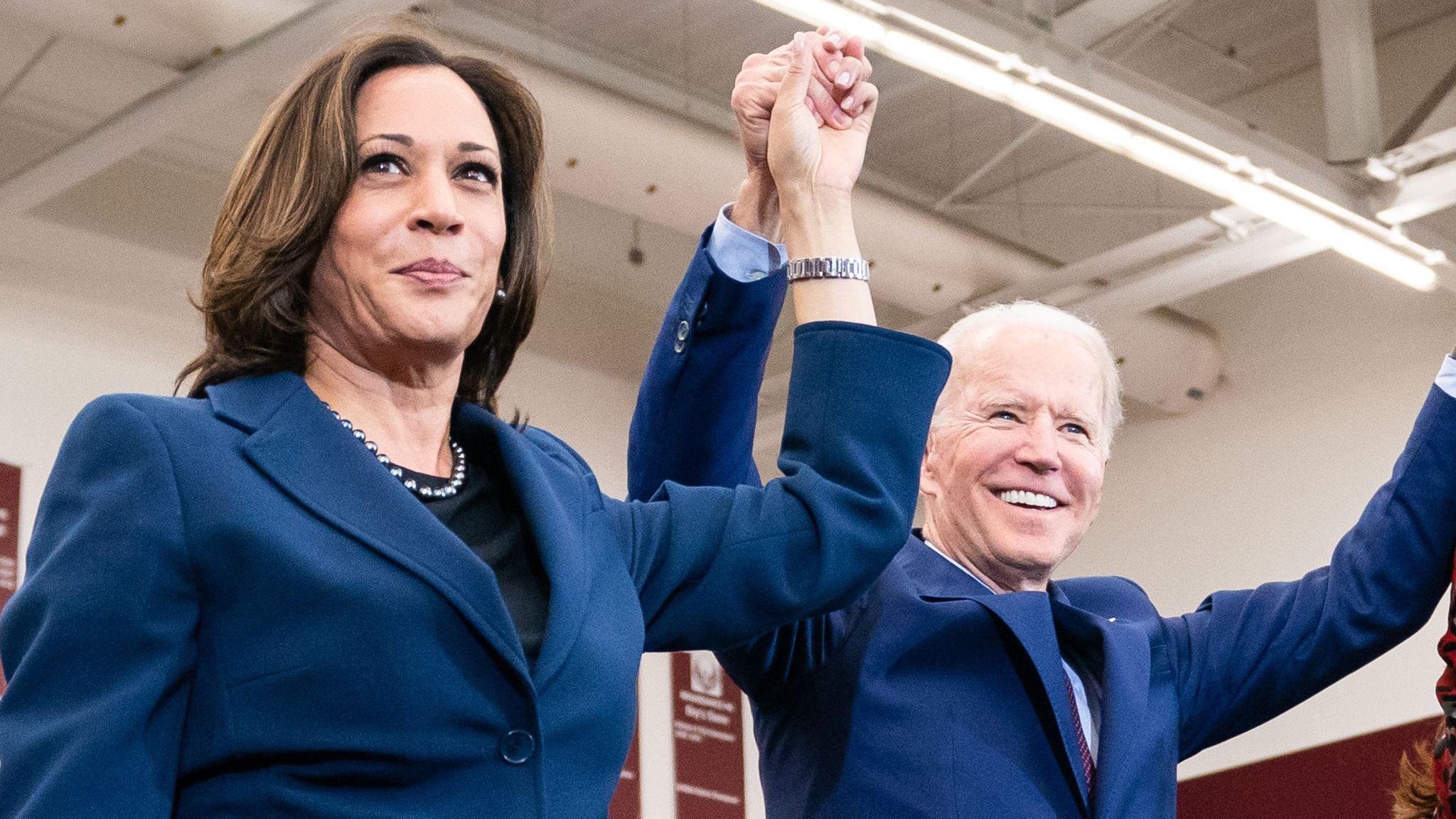
Headshot of Joe Biden and Kamala Harris holding hands up in celebration

C&I Studios Political Video Production Portfolio

Now that we’ve looked at the benefits of producing a political or corporate video, let’s take a look at some things you should keep in mind during production:

  1. Define your goals and target audience. Before you start producing your video, it’s important to define your goals and target audience. What do you want to achieve with your video? Are you simply spreading the word of your political agenda or are you looking to promote your corporate brand? Who is your target audience? Knowing your goals and target audience will help you determine the best approach to take during production.
  2. Keep it short and sweet. People have shorter attention spans than ever before, so it’s important to keep your video short and sweet. The average person only watches about 20 minutes of video per day. Ideally, you should keep it under three minutes. If you have a lot of information to share, consider breaking it up into a series of shorter videos.
  3. Use persuasive language. When you’re writing a script for your videos, it’s important to use persuasive language. This means using words that will trigger an emotional response in your viewers. Words like “you” and “your” are great for making a connection with your audience. Other persuasive words include: “imagine,” “discover,” “transform,” and “solution.”
  4. Use strong visuals. In addition to persuasive language, it’s also important to use strong visuals in your video. This means using high-quality images and video footage that will capture the attention of your viewers. Remember, people are visual creatures, so make sure your visuals are on point.
video
play-sharp-fill

C&I Studios Corporate Video Production Portfolio

  1. Tell a story. People love stories. And when you tell a story in your video, it helps to build an emotional connection with your viewer. When you’re writing the script for your video, think about how you can tell a story that will resonate with your audience.
  2. Include a call to action. At the end of your video, it’s important to include a call to action. This is something that you want your viewers to do after they watch your video. It could be something as simple as subscribing to your email list or following you on social media. Whatever it is, make sure it’s clear and concise.
  3. Promote your video. Once your video is complete, it’s time to promote it. There are a number of ways to do this, including social media, email marketing, and paid advertising. Make sure you put some thought into your promotion strategy and get your video in front of as many people as possible.

If you follow these tips, you’ll be on your way to producing a political or corporate video that packs a punch. Just remember to keep your goals in mind, use persuasive language, and promote your video to reach the widest audience possible.

How can I produce a political or corporate video?

Now that you have all of your goals figured out and know what kind of story you’re going to tell, it’s time to actually shoot the video. How can you do that?

There are several routes you can take to create the actual video.

First, you can go out and buy all of the tools and gear, hire the talent and crews on your own, and navigate post-production editing on your own. While that can sound like the cheapest and easiest option, it might not be.

If you’re looking to go the DIY route, you might want to consider renting your gear instead of purchasing outright. This can be a great way to save money, especially if you only plan on using the gear for one project.

Another option is to hire a video production company. This can be a great option if you’re not sure how to go about the actual production process or if you don’t have the time to do it all yourself.

A video production company can handle all aspects of the production process, from pre to post-production. They can also help with things like distribution and promotion.

Check out What Kind of Gear do You Need for a Commercial Production.

You can even hire a production company for bits and pieces of the video production process, too. For example, if you’ve already shot the footage but have no idea how to navigate post-production or just don’t have the equipment, you can outsource just that step.

There are a number of things to consider when hiring a video production company. First, you’ll want to make sure they’re reputable and have a good track record. You should also get quotes from a few different companies to compare pricing.

And finally, make sure you have a clear idea of what you want before you start working with a production company. This will help the process go more smoothly and ensure that you’re happy with the final product.

No matter what route you decide to take, remember that producing a political or corporate video can be a big undertaking. If you put in the time and effort, it can be a great way to reach your target audience and achieve your goals.

How can C&I Studios help?

C&I Studios can help you produce amazing videos in several ways.

First, we’re a full-service production studio. You can hire us to take care of the whole process from start-to-finish! We have an extensive portfolio of videos we’ve produced for many different companies and people. Take a look at it to see what kinds of videos and films we can produce for you.

Secondly, we offer many different types of rentals to assist you if you’d prefer to do the filming or post-production yourself! You can take a look at all of our available rentals here.

We offer gear rentals, to start. Need a camera? We carry many different types of cameras and lenses that suit any kind of production you might be working on. We carry ARRI cameras, Red cameras, which are some of the most utilized in the film industry today. We also have audio gear and lighting equipment available, too, so that you can make sure that your shots are perfectly lit and that you’ll have a great sound quality to work with in post-production.

If you’re in need of a studio to work in, we’ve got you covered! Our studios are available to rent any time of day, and all 24 hours are available to you. Studio rentals are great because it’s an already sound-proofed area and you’ll be able to build any kind of stage you need for your production.

We also offer post-production services! So if you need help with the editing or color grading process, we have a full team of editors and colorists that would be more than happy to help you out. We even offer animation services, so that if you’re looking to animate any part of your production, we can do that too!

Whether you’re looking for a video production company to handle everything from start-to-finish or just need some assistance with a specific part of the process, we’re here to help. Contact us today to get started!

7 Reasons to Rent a Tero Car from a Film Production Studio

7 Reasons to Rent a Tero Car from a Film Production Studio

There are many different types of production equipment that will help you to get high-quality footage and specialized shots during your film production; a TERO car is one of them!

Having the right gear for your production is one of the most important aspects of filmmaking. It can make or break your film. TERO cars are specially designed to provide filmmakers with the smooth tracking shots they need. They are easily accessible because they’re available for rent from many professional film production studios.

What is a TERO car?

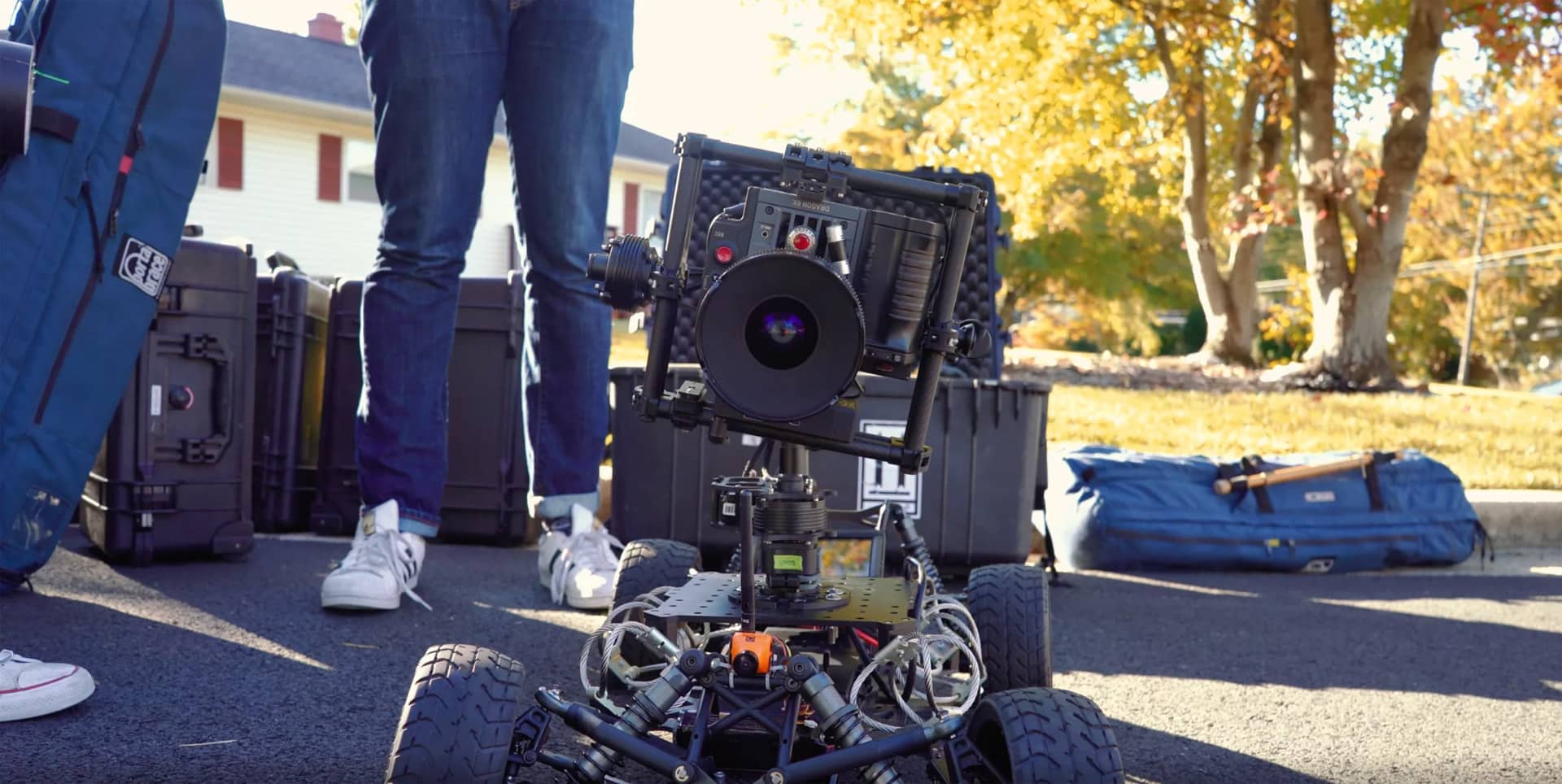
TERO cars are specially designed and built to provide filmmakers with the ability to get smooth, tracking shots. TERO cars are also sometimes called dollies, film carts, or Steadicams on wheels. They’re very useful for many different types of productions; like films, commercials, and music videos.

It is used to give the film a sense of movement or to simply make it look like the audience is following the action without shaking the camera. It’s a smooth shot, to put it as simply as possible. They have a low center of gravity and a wide wheelbase, which make their movements stable.

video
play-sharp-fill

Why would you want to rent a TERO car for your next Film Production?

Here are 7 reasons to rent a TERO car from a professional film production company:

  1. TERO cars provide very smooth tracking shots. This is perfect for following a subject or getting creative with your camera angles.
  2. TERO cars are much easier to use than a traditional dolly. This means that you can get the shots you want without having to hire a separate crew member to operate the dolly.
  3. TERO cars are very versatile and can be used in a variety of different situations. You can use them for both indoor and outdoor shots.
  4. TERO cars are relatively inexpensive to rent, especially when compared to other types of filmmaking gear. It’s a great option for anyone who is either on a tight budget or who just wants to make sure they’re saving money without sacrificing the integrity of the footage they’re shooting.
  5. TERO cars are easy to set up and take down, which saves time on your film production schedule. Saving time means that you’re going to save money!
  6. TERO cars are durable and can withstand a lot of wear and tear. They’re meant to move around as much or as little as needed. They are built well enough to withstand both constant movement and standing still for long periods of time.
  7. TERO cars are available for rent from most professional film production studios. They’re easy to access if you know where to go, and professional production studios are the places to go when you’re ready to secure a production equipment rental!

Renting a TERO car from a professional film production studio is the best way to ensure that you have the gear you need to get the shots you want. Film production studios have the experience and expertise to help you choose the right gear for your project. They can also provide you with guidance and support during your shoot. TERO cars are an essential piece of filmmaking gear, and renting from a film production studio is the best way to get your hands on one.

What are the benefits of renting vs. purchasing a TERO car?

There are a few key benefits to renting TERO cars from a professional film production studio, as opposed to purchasing one outright.

  1. Cost – Renting TERO cars is much more cost-effective than purchasing them, especially if you only need them for a specific project or if you’re on a tight budget. This gear is very specialized. Meaning that a lot of research and work has gone into perfecting the design of the car, so they’re going to be expensive.
  2. Convenience – When you rent TERO cars from a film production studio, they will deliver the cars to your shoot location and pick them up when you’re finished. This is a huge time-saver, and it ensures that you have the gear you need without having to worry about transporting it yourself.
  3. Service – When you rent TERO cars from a professional film production studio, you’re also getting access to their expertise and customer service. This means that if you have any questions or problems during your shoot, you can rely on the studio to help you out.
  4. Quality – When you rent TERO cars from a professional film production studio, you can be confident that you’re getting high-quality, well-maintained gear. Film production studios rely on their TERO cars to produce quality films, so they make sure to maintain their equipment and keep them in good condition.

Renting TERO cars from a professional film production studio is the best way to get your hands on this essential piece of filmmaking gear. By renting, you can save money, save time, and get the peace of mind that comes with knowing you’re working with experienced professionals.

Where can I get my hands on a TERO car to rent?

Look no further because C&I Studios has TERO cars available for rent at any of our studios throughout the United States, 24/7!

Our company is a professional film production studio with locations in Los Angeles, New York, and South Florida. We have all sorts of film production equipment available for rent. If you need it, we have it! Computers, cameras and corresponding lenses, lighting, audio equipment, and even our full-service crew can be rented from C&I Studios.

Need a space for a photoshoot because you need access to professional lighting? Or are you looking to shoot your next commercial? Our studios are versatile and easy to rent! We offer 24-hour, 7 day a week studio rental spaces for any kind of production.

Read: Why Hiring a Camera Crew is Worth the Investment

The Benefits of Renting a 6K Red Epic Dragon

The Benefits of Renting a 6K Red Epic Dragon

Your next film production is creeping up on you. Do you know what camera you’re planning to use? Or are you still looking for the perfect camera?

If you’re working on a film production that you want or need high-resolution footage, you should consider using the 6K Red Epic Dragon camera. This powerful camera can provide you with the amazing footage that you need for your project, no matter what that project is!

It’s one of the cameras that C&I Studios loves to use for many different projects and we stand by this camera and all it can offer in any kind of production. If you’re looking to use a 6K Red Epic Dragon camera, there are options to rent from our company! We love watching the amazing films and videos our clients create when they rent this camera!

What is a 6K Red Epic Dragon Camera?

The 6K Red Epic Dragon is a professional digital cinema camera that was first released in early 2014. It features a high-resolution sensor, advanced image processing, and support for up to 6K resolution recording.

The high resolution of this camera allows you to do so much with the footage it records that other cameras don’t. With such high resolution, you’ll be able to edit it without worrying about messing with the quality of the film.

This camera is popular among filmmakers and videographers for its image quality and versatility. If you’re not utilizing this amazing piece of equipment you’re surely missing out!

What productions are the 6K Red Epic Dragon best suited for?

The 6K Red Epic Dragon is a great choice for high-budget feature films, commercials, and music videos.

The 6K Red Epic Dragon is also a great choice if you’re planning on doing a lot of visual effects or green screen work. As we already stated, with such high resolution, you’ll be able to easily edit the footage and be able to experiment with manipulating the film in post-production.

It’s been used on projects such as “The Revenant”, “The Martian”, and “Guardians of the Galaxy”. It’s provided amazing footage that really brings the audience into the film.

If you’re planning to use this camera for a lower-budget production or just want to try to cut costs where it’s feasible without sacrificing the quality of your production, you may want to consider renting 6K Red Epic Dragon instead of purchasing it outright.

What are the Benefits of Renting a 6K Red Epic Dragon?

There are several benefits to renting a 6K Red Epic Dragon instead of purchasing one outright.

First and foremost, it’s significantly cheaper to rent than to buy. If you’re working with a tight budget, this can be a deciding factor. You can save a good chunk of money by renting, that’s for sure!

You’ll be able to access the latest models for a fraction of the price of purchasing a brand new one. You’ll be able to see if this model is the camera you want to purchase down the road, if you’re in the market to actually purchase one in the long run.

If you’re only planning on producing one video here and there or are just looking to dip your toes into this type of media production, renting is a great way to be able to test the waters while still having access to the best gear out there.

Another benefit of renting is that you don’t have to worry about maintaining or repairing the camera if something goes wrong. This can be a costly and time-consuming endeavor, especially if you’re not familiar with the inner workings of the camera or don’t have the budget to keep up on basic maintenance.

Renting also gives you the opportunity to try out the camera before you commit to purchasing it. If you’re already in the market for a camera to purchase, this is a great way to figure out which camera is the best for you to use in the future. This way, you can be sure that it’s the right fit for your production needs.

Finally, it’s simply better for the environment to share gear like this. If you’re going to use your camera seldomly, it’s helpful to reuse gear that others have used as well and will continue to use for years to come!

Basically, the reasons you’ll want to rent this camera are:

  1. Renting is often cheaper than buying outright.
  2. You can get access to the latest models.
  3. If you only need the camera for a short period of time, there’s no need to purchase it and then have it sit around unused.
  4. You can try out the camera before you commit to purchasing it.
  5. It’s better for the environment to share gear when you can!

Where can I find a 6K Red Epic Dragon Camera to rent?

C&I Studios offers rentals of all sorts of film production gear, including the 6K Red Epic Dragon camera! Our rentals are flexible, available 24/7, and easy to navigate.

We can also be a one-stop shop when it comes to renting any kind of production gear. We have lighting, audio equipment, cameras, lenses, drones, and so much more to really make your film production professional and high-quality. You can even rent a computer from us to add in special effects and edit your footage as needed! If you need it, we have it available to rent anytime, any day!

C&I Studios also offers studio rentals. We have studios throughout the United States in cities that are easy to access. Our studio rentals are great for any kind of video production. From filming a series of episodic TikToks to a broadcast event, our studios are perfect for your production!

We’re truly passionate about film and video production. We want to help you make the best production possible. Renting is a great way to get your hands on production equipment that you might not normally be able to afford or just want to try out for your next production. Contact us if you’re interested in renting a 6K Red Epic Dragon or any other production equipment we have available!

Features Your Website Should Already Have

Features Your Website Should Already Have

It’s important to make sure that your website looks amazing. It’s the first impression your potential customers have of you and your business after all. But, it’s not just about making sure that your website looks good on the surface. In order to ensure that your website is successful, there are some features that you have to have in order to be functional for you and your customers.

Every website is different and will have different features based on its purpose, but there are certain features that every successful website needs to have. Here are 10 of the most important features that you should integrate into your website:

1. A clear purpose or mission statement

Your website needs to have a clear purpose that is easy for visitors to understand. This could be something as simple as providing information about your business or promoting a specific product or service. Without a clear purpose, your website is likely to confuse and frustrate visitors, which will hurt your chances of conversion.

Be clear about what you’re selling, why people should buy from you, and what sets you apart from your competition.

2. A well-designed layout

Your website’s layout should be well-designed and easy to navigate. Visitors should be able to find what they’re looking for quickly and easily, without having to search through a maze of pages. A well-designed layout will also help to improve your website’s search engine optimization (SEO), as it will be easier for search engines to crawl and index your site.

You’ll want to make sure that that layout is consistent throughout the website, too. If you use bar navigation on your landing and “about us” pages, but then drop-down menus on every other page of your website, that’s not consistent. If your customers get confused about what type of navigation to expect on each page, it will only lead to frustration which will then make them leave your website.

3. Relevant and high-quality content

Your website’s content must be relevant to your target audience and offer something of value. It should be well-written and free of any grammar or spelling errors. If you’re selling products or services on your website, your content should also be persuasive and encourage visitors to take action.

This content can be anything that is relevant to what your website is about. For example, if you have a blog, your content could be blog posts and photographs. If you have an eCommerce website, your content could be product descriptions and creative product photography; and if you have a portfolio website, your content could be case studies or project summaries, depending on what you do and want to show the world.

Check out 10 Tips for Every Content Creator and How to Make A Video for Your Shopify Store for more inspiration and ideas about content you can post on your website and social media!

4. Optimization for search engines

If you want your website to be successful, it needs to be optimized for search engines. This means using the right keywords and phrases in your content so that it ranks high on search engine results pages (SERPs). It also involves making sure your website’s code is clean and error-free, as this can impact your website’s crawling and indexing.

How can you make sure that your website is optimized for search engines? Start by doing your keyword research and then incorporating those keywords into your website’s content, titles, and tags.

5. A call-to-action (CTA)

Your website should have a CTA that is clear and easy to spot. This could be a button that says “Buy now,” “Sign up for our newsletter,” or “Download our free e-book.” Your CTA should be relevant to your website’s purpose and target audience, and it should be placed in a prominent location on your website so that visitors can’t miss it.

A Call to Action can really help to drive conversions on a website by giving visitors a clear next step to take. Without a CTA, many visitors will simply leave your website without taking any action.

6. Social media integration

Social media is a powerful tool that can help to promote your website and increase its traffic. Make sure your website includes social media buttons or links so that visitors can easily share your content on their favorite platforms. You can also use social media to create a community around your brand and connect with potential and current customers.

By making your social media more accessible to your potential customers, you’re making sure that they have access and can follow along with you as you share your journey and show off new products and projects from your company. It allows them to interact with you on more than just a purchase/customer service level and can create loyalty and brand ambassadors if that’s a marketing route you want to take.

7. A mobile-friendly design

With more and more people using mobile devices to access the internet, it’s important to make sure your website is optimized for mobile. This means having a responsive design that automatically adjusts to fit any screen size. It also involves making sure your website’s content is easy to read on a small screen and that your website loads quickly on mobile devices.

Most people are searching and shopping on their phones now. Shopping on a laptop or desktop computer, while still relevant, just isn’t utilized as often as it used to be. If you want to make sure your website is successful, it needs to be mobile-friendly.

8. Customer testimonials or reviews

If you have happy customers, make sure to showcase their testimonials or reviews on your website. This social proof can help to build trust with potential customers and encourage them to do business with you. Testimonials should be real and relevant, and they should be placed in a prominent location on your website.

Testimonials are a really important part of building trust with potential customers. But do you know the best way to present your happy customers’ testimonials? By video, of course! Read about 10 Reasons Why a Testimonial Video will Increase Your Sales Today.

9. A contact form or live chat

Your website should have a way for visitors to contact you, whether it’s a contact form, live chat, or email address. This is important so that visitors can get in touch if they have questions or problems. It also helps to build trust and improve your customer service.

Any contact form or live chat should be easy to use by anyone. If your website is for a business, you should also make sure to include your business’s contact information. Such as your address, phone number, and email address; in case there’s an issue with your website’s technology or someone needs accessibility access.

10. Security features

If you’re selling products or services on your website, you need to make sure it is secure. This means having an SSL certificate to encrypt sensitive information like credit card numbers. It also involves making sure your website is regularly backed up so that you don’t lose any data if something goes wrong.

Security features could be as simple as an SSL certificate for eCommerce websites. Others might want to consider website backups, two-factor authentication, or malware scanning. Depending on the size and type of website, the security needs will vary.

These are just some of the essential features that every successful website needs to have. If you make sure your website has all of these things, you’ll be well on your way to achieving your business goals.

How Can I Make Sure that My Website Has the Right Features?

You can build a website on your own very easily these days. From site builders like WIX to open-source content management systems like WordPress, there are plenty of options available. However, if you want to make sure your website has all the features it needs to be successful, it’s best to work with a professional web design company.

C&I Studios offers Website Design services to an array of different businesses and individuals. We will be able to help you determine which features your website needs and how to implement them in the most effective way possible. We also offer other services from content creation to film production, and production gear rentals.

If you’re looking for a professional company to help you build or maintain your website, or for any other creative marketing venture, drop us a line!

How to show your brand positioning statement in your ads

How to show your brand positioning statement in your ads

Are you looking for ways to incorporate your brand positioning statement in your advertising better? If so, then you’ve come to the right place. Incorporating your brand positioning statement into your advertising efforts will help you to create more memorable and functional ads that your target audience can connect with.

C&I Studios has a lot of experience working with a plethora of different businesses on their advertising efforts. We make sure that any advertisements we create always reflect the client’s brand positioning statement. We understand that marketing is a large beast to tackle on your own, so we’re here to help in any way we can by offering content creation or even just some sage advice.

today we’re going to share with you some tips on how you can better reflect your brand positioning statement in your ads.

What is a brand positioning statement?

First, let’s start with a refresher on what a brand positioning statement is.

A brand positioning statement is a brief sentence or two that sums up what your brand is all about. It should be clear, concise, and memorable. It is meant to capture the essence of your brand in a way that is easily understood by your target audience.

Your brand positioning statement should be reflected in all of your marketing and advertising materials. This includes your website, social media profiles, and, your ads! That way, your audience is well aware of who you are as a brand and what you stand for.

Why it’s important to incorporate your brand positioning statement in your advertisements

Now that we’ve gone over what a brand positioning statement is, let’s talk about why it’s so important to incorporate it into your ads.

As we mentioned before, your brand positioning statement should be a clear and concise reflection of who you are as a brand. Therefore, it only makes sense that you would want to include it in your advertising.

Your ads are the first point of contact that a potential customer has with your brand. So, it’s important to make sure that they are able to understand who you are and what you stand for right away.

Including your brand positioning statement in your ads is a great way to do just that.

Not only will it help new customers to understand your brand, but it will also serve as a reminder to your existing customers of what you stand for.

Plus, it can help to differentiate you from your competitors. If your target audience is seeing the same message from multiple brands, then they are more likely to remember the one that is most clear and concise.

Incorporating your brand positioning statement in your ads

There are a few different ways that you can incorporate your brand positioning statement into your advertising.

The most direct way is to simply include it as part of your ad copy. For example, if your brand positioning statement is “We are the leading provider of X,” then you can include that in your ad headline or tagline.

Another way to incorporate your brand positioning statement into your ads is to use it as a call-to-action. For example, if your brand positioning statement is “We make it easy for you to find the perfect X,” then you can use that as a call-to-action in your ads.

You can also use your brand positioning statement to create a unique selling proposition for your brand. For example, if your brand positioning statement is “We are the only company that offers X,” then you can use that to create a unique selling proposition for your brand.

Here are some tips to help you add your brand positioning statement to your ads:

  • Use simple language that can be easily understood by your target audience
  • Keep it short and to the point
  • Make sure it is clear and concise
  • Use it as a call to action
  • Reflect your brand’s personality in your ads
  • Be consistent with your use of the brand positioning statement across all advertising platforms

By following these tips, you can be sure that your brand positioning statement is being properly reflected in your ads. As a result, you’ll be able to better connect with your target audience.

What your ads should have a brand positioning statement?

To put it simple, every ad should include your brand positioning statement or at least a piece of it. This is because your brand positioning statement includes the most important information about your brand.

You shouldn’t just focus on your video ads or commercials. Your printed advertisements, such as billboards or transit ads, and anything from images to customer testimonials shared on social media, should also reflect your brand positioning statement.

In fact, every single touchpoint that a potential customer has with your brand should include your brand positioning statement. This includes your website, social media profiles, and of course, your ads. That way, your audience is well aware of who you are as a brand, no matter where they encounter you.

That being said, you don’t want to be too heavy-handed with it. You should still make sure that your ads are creative and attention-grabbing. After all, your goal is to get people to take notice of your brand, not just read a boring statement.

Avoid these common mistakes when incorporating your brand positioning statement into your advertising

When incorporating your brand positioning statement into your ads, there are a few mistakes that you should avoid.

First, don’t make your brand positioning statement too long or complicated. Remember, it should be clear, concise, and memorable. If it’s too long or complicated, then your audience is likely to forget it.

Second, don’t use jargon or technical terms in your brand positioning statement. Stick to language that is easy to understand. Not everyone is going to be an expert in the field in that your company exists, so it’s important to make your advertising accessible to as many people as possible in one fell swoop.

Finally, don’t make your brand positioning statement all about you. Remember, your audience is the most important thing. Make sure that your brand positioning statement speaks to them and their needs.

By following these tips, you can ensure that your brand positioning statement is incorporated into your ads in the best way possible.

How can I absolutely make sure I’m doing this right?

If you’re still not sure how to properly incorporate your brand positioning statement into your ads, then consider working with a professional marketing or advertising agency. They will be able to help you create ads that effectively reflect your brand positioning statement and connect with your target audience.

Here at C&I Studios, we’re experts in creating attention-grabbing, creative ads that reflect your brand’s unique voice. Contact us to learn more about how we can help you create successful advertising campaigns.

It doesn’t matter if you’re looking to hire us to create your advertisement from start-to-finish, or you just need our expertise on one small portion of your project, we can help. Book with us today for any of our amazing services, including production studio and equipment rentals!

Search
Hide picture