
Index Template
Best Locations to Film in New York City
Top Locations to Film in New York City
New York City has been the shooting location of hundreds of iconic movie locations. We’re here to help you find the best locations to film in New York City. The City presents a tableau rich in diversity and is sure to offer the perfect backdrop for your video production.
Professional Location Scouting Tips
Understanding the basics of scouting for outdoor shoots is critical to selecting the best location for your production. Knowing how to work with the light of your location, plan for your shoot, and compare potential sites will get you on your way to a great location selection. Here are some tips form the professionals.
Before any cameras come out, you’ll need to evaluate your location, looking at the lighting, space, and any other special requirements. You’ll probably look at several locations, so be sure to document your observations for consideration later carefully.
- Working with your story
Much of your site selection process will be driven by the story you are telling. Your script may call for a particular location, such as Times Square. From there, you’ll use good location scouting basics to narrow down exactly where, when, and how you’ll shoot. On the other hand, if your script calls for a gritty scene backdrop, there are plenty of those in NYC!. And you’ll have much more choice to work around lighting, traffic and other considerations. Your interpretation of “gritty” or “chic” may be unique to you. Be sure your production company is on the same page as you by talking this through, perhaps even creating a mood board.
- Working with Light
Light is always one of the most critical elements of a shot, regardless of your subject or content. After all, video is a visual medium. Proper use of light can make your project a winner.
Many pros prefer the summer for the longer days of light. A rule of thumb is that early in the day and closer to sunset, you’ll get the best light. The backgrounds can better be showcased during these times.
Mid-day provides the strongest light, and it can be harsh. This is a time for your tighter shots. Later in the day, the light can cast a lovely, warm color on your subjects. Be super aware of the light and make it work for you. When scouting, document the light with still images at various times of day, such as early morning, noon, twilight, and sundown. The photos will help your recollection later as you select your location.
- Working with distractions
When scouting, be sure to listen as well as you look! Listen for ambient noise like passing trains, traffic, overhead flights, or a crashing ocean. These change dramatically throughout the day and from weekday to weekend. Ask around about other special considerations you may not have considered. These won’t necessarily rule out the location – you may even decide to incorporate these idiosyncrasies into your project to add layers and interest.
- Document your scouting trips and results
You’ll need to carefully document the aesthetics of the site as well as the logistics. For each potential site, you’ll want the pictures, notes on sound, and special considerations, as noted above. You should also consider accessibility, permitting parking, space for your crew and cast, security, and the best directions to reach the location. All of this should enter into your decision process. Some additional things to consider are pedestrians, winds, buildings, or trees that block light, restrooms, workspace for makeup artists, and artwork that may be protected.
- Get permission, insurance, and permits!
Your production company will handle this for you but confirm that this base is covered, proper release forms and city permits are in place, and any insurance policy that may be required.
Iconic Film Locations in New York City
Scouting New York City – Finding the perfect location if the City is part of your production.

The Big Apple isn’t called “the city that never sleeps” for anything!
It is a videographer’s heaven with its amazing skylines, tons of iconic locations, and diverse street scenes. If you want your video production to scream “New York City,” here are some of the top spots to check out.
- The Brooklyn Bridge
The Brooklyn Bridge, which connects Manhattan and Brooklyn, is perhaps one of the most iconic and identifiable locations in New York City. Its pedestrian walkway provides fantastic panoramic shots of the City, including significant New York buildings like the Empire State Building and the Chrysler Building. Give some thought to winter temps from the bridge and remember that it is a suspension bridge, so the vibration is continuous.
- Grand Central Station
Grand Central Station is a familiar location worldwide. Abuzz with people and activity, it provides incredible street photography and great shots of the gorgeous architecture of the building. The possibilities are endless.
- Atlas at Rockefeller Center
Any 30 Rock fan has seen the statue of Atlas carrying the heavens that graces the front of Rockefeller Centre. Basking in the light of surrounding buildings, it makes for fantastic night imagery and communicates a sense of place to viewers worldwide.
- Times Square
Times Square trumps all locations when it comes to street photography and lots of local and tourist activity. Take it wide viewing Times Square from above in the R Lounge of Renaissance Times Square or focus on the ground level and the bustling and hustling activity.
- Central Park
Thinking of something outdoors and more natural? Central Park offers dozens, if not hundreds of photo ops, ranging from the Bethesda Fountains and Terrace, Strawberry Fields and the “Imagine” mosaic, to the many arches that populate the park, to the people watching mecca of The Mall. For a peaceful spot in the park, visit the Jackie Kennedy Onassis Reservoir. The possibilities are endless
Looking for something less identifiable?
New York City, comprising the five boroughs, is sure to have the perfect location for your masterpiece. A good New York Video Production company will know exactly where the best place is to bring your video story to life. They will have the connections to find, permit, and shoot the locations best suited to be cast in your video.
- Old school New York street scenes
There are plenty of places that offer quieter and less commercial side streets from Soho to Brooklyn. Soho, short for South of Houston features intricate cast-iron architecture from the late 19th century and its unique cobblestone streets paved with Belgian blocks, A nice touch! Soho is a top shopping area and popular tourist attraction but still offers quieter areas once you’re off-Broadway.
- Just the right local restaurant
Union Square is still a hub for shopping, dining, and people watching. It’s a convenient connection spot for travelers and has an excellent park for filming and provides easy access to some great neighborhoods. Pop into the Flatiron District, Greenwich Village or Gramercy and pick your shot. You’ll also be at the gateway to lots of charming neighborhoods and parks. You may recognize the site of Citizen Kane.
- Want to channel a fashionable and trendy vibe?
Tribeca’s neighborhood is home to an affluent population and has trendy shops and restaurants to prove it. It is still a filming favorite, but you can stake out your unique location. Tribeca is home to the Tribeca Film Festival and the famous site of the filming of Ghostbusters.
- Let the cultural diversity of the City step forward.
Chinatown, with the largest population of Chinese people in the Western hemisphere, is located in Manhattan. It borders another cultural mecca, Little Italy. It’s home to close to 100,000 Chinese residents and is beloved by tourists and locals alike. This amazing filming location is home to grocers, street vendors, and restaurants that will make you forget you are in America! Us it to create the vibe of Chine or to capture this unique New York City locale.
- Want to put diversity front and center?
Don’t overlook the rich cultural and architectural experience that is Harlem. Located in northern Manhattan, it is a nexus of both African- American culture and Latin American population. Many landmarks such as the Cotton Club, the Apollo Theater, and Sylvia’s Soul Food stand as a testament to the achievements of African-American residents and led the way for the area to become very popular, and a contributor also to hip-hop. There are plenty of spots to inspire and bring your production alive.
- Are you feeling tony?
The villages and hamlets of Southhampton and East Hampton on Long Island have long been recognized as the weekend seaside home of wealthy New Yorkers. It’s the stunning countryside, and waterfront vistas offer many opportunities to strike just the right chord with your production.
- Up and coming
Brooklyn is gaining attention as an excellent hub for artists and professionals. It has many neighborhoods and offers incredible diversity for video production in terms of the may locations within one single borough. Find a great industrial vibe in the Brooklyn Navy Yards or beautiful brownstones in Cobble Hill.
Working with location scouts in New York City
A good New York video production company will take care of planning out your scouting and will recommend locations that best work to bring your story and project to light. They will work with location scouting agencies or directly with representatives of the location itself. They will arrange for site inspections, licenses, insurance requirements, and anything else necessary for your shoot.
A location scout agency is a listing site that manages bookings and inspections for a variety of locations. Their listing will range from industrial buildings, farms, mansions, tenements, beach houses, restaurants, a public library, and everything in between.
Many now make use of digital materials and often offer a full preview of a location for your preview before visiting. Relationships are essential in filmmaking, and a good video production company like C&I Studios will know who to call and how much to pay!
An update on the status of film production in New York City
Filmmaking has been impacted like all other industries across the world. NewYork City has been closed to filming for some months. In July, Mayor Bill de Blasio announced that film and video production in the City could resume subject to two requirements. Production at production or recording studios, on location or on set can resume with the following provisions: Producers much present documentation of plan for preventing the spread of COVID-19 and must comply with the requirements of Media Production Guidelines established by the state in June.
The state requirements are comprehensive and address crew and cast testing training, provision of proper hygiene, care of props and wardrobe, and food and beverage on set. Rules require masks at all times, the social distancing of six feet except when needed, such as makeup or performing, and following all Department of Health guidelines. Washing stations, sanitizer dispensers, and frequent and thorough cleaning of all areas being used are required.
Props and wardrobe are cleaned and disinfected between each use and sealed in containers when not in use. Live audiences are prohibited, and non-essential personnel such as visitors are not allowed onto the set.
Working with an established and reputable production company will ensure that all safety standards are maintained, licensing and permitting guidelines are adhered to, and all details are covered.
Work with the best!
When you’re ready to create your video masterpiece, work with a New York production company that can find you the best location to film in New York City. They’ll take care of all of the details for you from conception to final edits and make the perfect video to tell your story.
Give us a call at C&I Studios to discuss how we can help bring your project alive. (954) 357-3934
C&I Studios offers professional film production services from our 30,000 sq ft facility. Get a free consultation.
Lighting Tips for Shooting in Los Angeles
Top Lighting Tips for Shooting in Los Angeles
Filming in Los Angeles can be challenging, particularly when it comes to lighting.
Lighting a video shoot can be a tricky proposition anyhow, especially for a “non-pro.” The camera has a different perception of light than the naked eye, and it takes practice to learn how to use that.
Lighting can be far more nuanced than you may realize, and it takes practice and a good eye to understand how to work with that. Some people avoid shooting on location because of the volatility of the lighting, but with the fantastic locations offered in a city like Los Angeles, the results are often worth it.
Why film in Los Angeles?
Los Angles is the entertainment capital, no doubt. But you don’t need to have Hollywood aspirations to appreciate the wildly diverse and vibrant filming destination that is Los Angeles.
They are the home of many wildly iconic locations, a limitless pool of talent, and filming infrastructure.
With 315 days of sunshine annually, sites that populate the 840 miles of coastline, vast deserts, sand dunes, urban spots, and various cultural centers, why would a filmmaker go elsewhere? Los Angeles is sure to provide precisely what you need to create your video production masterpiece.
Video lighting tips and tricks- the basics
- Shoot Preparation
Shoot preparation is everything. Always scout your location in advance at the same time you will be shooting. Natural light will cast shadows and can change in an instant with the weather. If the sun slips behind a cloud, everything changes, and keeping consistency from shot to shot is a challenge.
- Lighting equipment
Lighting equipment plays a vital role in controlling the lighting in a shoot. Options for lighting setups range from fundamental (and inexpensive) clamp lights. These lights do not allow for dimming, which means the lighting can be too stark. Diffusion will help spread the light and creating a softer effect.
A middle range lighting setup will put you back up to $500 but will give you what you need for diffusion, quick set up, and pretty good control of the lighting.
If you’re in it for the long-haul, the better lighting setups will have features like full range dimmers, wireless, more robust output, and high diffusion. Think carefully about your specific requirements as you may be able to get by without this expense.
- Using a 3-point lighting setup.
A 3-point setup is very common and uses a key light: your primary light source, a fill light to eliminate shadows, and a backlight to create depth. This is an efficient set up for YouTube videos, promo videos, and other situations.
- Beware the glare!
If your subject is wearing glasses, you’ll need to adjust for this to avoid glare by raising the lights higher, or moving the key and fill flights out farther from the subject. Use flags and reflectors when filming outdoors. They will help you balance the lighting on your actors and even out glare.
'ONE STEP' MUSIC VIDEO
FILMED IN DOWNTOWN L.A.

THE DAILIES
BTS WITH BLACK VIOLIN

Tips for shooting video outside with natural light
The fascinating range of locations in Los Angeles is reason enough to jump outside the comfort zone of a controlled indoor shooting environment and hit the hills, streets, or whatever best tells your story. Try our top tips for working with and controlling lighting on your outside shoot.
- Timing is critical. Everything can change in a blink, so plan accordingly.
- Shoot before the sun gets too high. Preferred times are just after sunrise or directly before sunset. Just after sunrise or sunset is called the Blue Hour when the sky is still colorful, but the sun is not a problem. The “magic hour” is the hour leading up to sunset or just after sunrise and will provide flattering sunlight since the sun will be low on the horizon.
When the sun is too high, lighting can cast shadows on your subject. Blue hour leaves enough light to give a definition, but car lights and house lights are still visible and create the feel of nighttime. Magic hour provides a beautiful, soft natural light.
- Keep an eye out for potential strange shadow patterns like huge trees or buildings.
- Cloudy days are great for shooting.
- Be sure to choose the best lenses for the job. Daytime shoots call for low contrast and wide shots. Nightime shots do better with fast lenses, preferably one wide-angle. Take advantage of focal length and depth by using wide-angle lenses to establish the shot and create a sense of space.
- Use the sun as blacklight. Keep it behind your actors, so their faces aren’t covered with harsh sunlight on them, creating shadows. And you don’t want them to squint!
- Choose your location carefully! Be sure you know how the light hits at every hour of your shoot. Watch for shadows from buildings or trees, and know sunset and sunrise times.
Tips for location scouting
- It’s easy to become enamored with an iconic location, or breathtaking vista. Los Angeles offers everything you can dream from rambling warehouses to luxurious mansions, incredible natural vistas, or the inner city’s underbelly. Before settling on a location, be sure you understand your script and purpose for your video production, so you pick a site that best frames your story and does not detract from it.
- Pay attention to where the sun is. Is it full sun, partial sun or shade? You may get the best results on an overcast day or in full shade.
- Don’t ignore audio. Will there be noise from traffic, crashing waves, or other entertainment or activity? Listen through your camera’s microphone on headphones to get the best read on the noise level.
- Invest in neutral l density filters for your lenses to better manage the day’s brightness and changing conditions. You don’t want the sun to overpower your shot, and a neutral filter, speed, and F/stop adjustments can help you get to the right levels.
- Consider the elements – your camera lens can easily smear from the salt air, or moisture from a nearby waterfall. Cold temperatures can drain your battery (and freeze out your talent) while extreme heat can overheat your equipment.
- Remember, you may not have power. Bring your extra battery packs. And consider how you’ll power your lighting and chargers.
- Make sure the location has enough room for your equipment, crew, and talent. And remember to cover getting permission! You will likely need a permit in Los Angeles or any place where you impede traffic. Is it private property? Be sure to get proper permitting and permission in writing.
Learn more about the best locations in Los Angeles to film, check out “Best Locations to Shoot in Los Angeles “.
Ramp up the quality of your video production (for amateurs!)
If you’re just getting started in videography, you may want to leave your promotional or brand video’s video production to the pros. Meanwhile, you can still be working on upping your video game. Here are a couple of pro tips just for You!
Assuming you know the basics of pulling together your equipment, planning your shoot, using proper lighting techniques, here are some tips to make your production look professional.
- Keep your shot clean by using a simple background. You want to eliminate any elements that take attention from your subject or make the shot look cluttered. Unless the cluttered background is part of your story, try to avoid it.
- Good composition is the mark of a pro! Aim and shoot won’t cut it. Work on your framing and composition. Change out the camera’s framing to make the scene more appealing. A well known basic rule of composition is the Rule of Thirds. Put our subject’s head slightly higher and off-center in the frame and allow space when facing sides.
- Consider camera placement. For a close-up, never put the camera close to the subject. Place it a few feet away and zoom with your lens.
- Don’t be lazy with autofocus. Use the exposure/focus lock on your smartphone or use manual focus and trust your own eyes to set the focus.
- Try out your cinematic techniques. Use a mix of camera movements to tell your story and maintain viewer interest. Don’t overdo it.
- Timing matters. Try to limit your shots to between 5 and 10 seconds to hold your viewer’s attention. Keep them steady at 10 seconds, without panning or zooming before then. This will help minimize shaky shots, and keep things simple post-production.
- Think like an editor when filming. Take extra shots to allow more choice later.
Los Angeles is home to many talented and creative full-service production companies. They will know the locations, the talent pool, and the local requirements for filming. Set up a discovery call with C&I today to discuss your project.
Looking for a professional production team in LA? Learn about C&I Studios video production services in Los Angeles.
Guide to the Best Filming Locations in Los Angeles
The Best Filming Locations in Los Angeles
Location, location, location.
The setting of your video can be as important as your cast or your messaging.
It can amplify your message, showcase your product, illustrate your cause, or set the mood to warm up your audience.
Location is everything.
When it comes to location diversity and opportunity, Los Angeles offers an embarrassment of riches. You’ll find iconic film locations, the unmatched natural beauty of California beaches, luxurious mansions, dream-worthy beach homes, or plenty of the grittier side of Los Angeles. It’s all there to star in your production, or provide the perfect backdrop.
When filming in the City of Angels, it’ll be easy to scout your perfect location.
A good production company will know what’s available and will have the right connections with location scouts and venue owners to make it happen.
And they will build that perfect location into your storyboards early in the process.
Maybe your cause is local, and you need to establish a sense of place.
What says LA like the Hollywood sign?
Or your ultra-luxury swim line needs to be showcased in the perfect location. If your video production company is hooked up, they’ll know how to find the ideal secluded beach or exotic pool to showcase your stuff.
Prefer something off the beaten path?
Your video production agency can hook you the perfect ultra-modern enclave in the hills, or take you to a secluded spot on California’s beaches.
Set up shop in a sun-drenched loft or an industrial warehouse if that better tells your story.
Regardless of where you set your masterpiece, you’ll want to harness the magic of Los Angeles. Take advantage of gorgeous natural light, atmospheric smog over the city, or the city’s raw sounds.


Got your heart set on a Los Angeles beach location?
We don’t blame you at all!
With the sunny weather and gorgeous and scenic coastline, a beachside shoot is a no-brainer.
There are tons of oceanfront spots to choose from, whether it’s a seaside town or a secluded beach stretch.
Here are some top coastal locations that have made their debut in films or TV shows.
Check them out; they were chosen for a reason!
1. Malibu and Malibu Pier
Nothing screams “LA Beach” like iconic Malibu.
Rent out a rustic beach shack, oceanfront beach house, or an oceanfront estate.
Showcase historic Malibu Pier that juts out 780 feet over well-known Surfrider Beach, and sports an observation deck and fishing spot that the locals love.
Are you looking for the perfect seaside shack for your backdrop?
Check out Neptune’s Net or one of its neighboring spots.
The options in Malibu are unlimited.
2. Westward Beach
Westward Beach, located on the northwestern side of Point Dume, offers amazing views of a dramatic 200-foot cliff. The beach, also known as Point Dume State Park is a half-mile long and has been featured in many films and music videos. Maybe you recognize it from one of Taylor Swift’s 22 music videos that have been filmed there.
3. El Segundo Beach
If you’re looking for something less crowded, El Segundo Beach may just be your location. It usually is less crowded than some of its neighboring beaches. You’ll find volleyball nets, plenty of surfers, and a bike path with some great views. The LAX plane traffic overhead or the El Segundo, Power Plant smokestacks, could add a powerful and unique touch to your production (or not).
4. Venice Beach
The world-famous Venice Beach Boardwalk is a bustling and iconic spot and famed for its people watching. If you want eclectic, this is it. Choose from one of the many hangouts on the boardwalk or just let the boardwalk be the star.

5. Lee Carrillo State Park
Carrillo State Park has all the diversity you can want in a beach location. Its 1.5-mile coastline features breathtaking rocky cliffs, reefs, tide pools, and caves. Cast this seaside wonderland in your next production.
6. El Matador State Park
For sheer beauty, El Matador State Park is unmatched.
With sparkling azure waters, large rock formations, scattered boulders, and caves, it’s a stunner and known as one of LA’s most picturesque sites. You will have to haul yourself and equipment down a steep dirt path to get to the sand – but it’s well worth the hike.
How do you get access to the Best filming location in Los Angeles?
You know how LA works. “It’s all in who you know.”
And a good production company will know the right people.
Los Angeles, the film industry hub, is full of location scouts, some good, and some, well. You know.
Location scouts understand how vital location is to production and work very hard to build a spectacular and interesting database. They can be useful in finding just the right spot if you have a unique request that’s not in their database. They will negotiate access to filming locations on behalf of photography, filming, or advertising professionals.
Many amazing locations are made available for photoshoots, commercials, and film shoots.
Property owners will often list their property for quick shoots or longer projects with booking agents just as they would list a property rental with AirBnB. Production professionals from film, TV, and advertising will scout the locations and book through these agencies.
Your location scout or production professional will be responsible for insurance and filming permits. Be sure that’s in place!!
Tips to scouting your perfect location
- Budget
“Money talks” – sometimes.
Many of the key locations will require that your location scout or agency “sell” your project, convincing the owners or managers that your agency is responsible, trustworthy, and low-risk.
This is where relationships and reputation rule.
Unless your location budget is unlimited (doubtful), you may need to make some concessions. A $1000 budget in West LA won’t go far, while it may get you what you want in the San Fernando Valley.
- The details
Your agency will need to share the details of the shoot upfront.
Will you be shooting late at night, will it involve pets, stunts, or require exterior lighting rigs or noise? This may preclude you from securing some locations.
- House rules
Many locations have very specific house rules, and your production company will need to be sure that you can adhere to them without jeopardizing your production or adding costs.
When you’re ready to shoot your production in the “City of the Angels,” be sure to work with a reputable and experienced agency that will take their knowledge and connections into consideration when fulfilling your vision for your production.
Check out some of our previous work filmed in Los Angeles
Looking for a professional production team in LA? Learn about C&I Studios video production services in Los Angeles.
For more information on industry standards and best practices, visit the American Marketing Association.
What is a Vlog? The Ultimate Guide to Vlogging
What is a vlog and what is a vlogger?
A vlog is simply a site or channel where someone posts videos that express their point of view or experiences or promotes a product or point of view. The term vlog is a combination of the words “video” and “log,” so – a video log. And the peeps that create vlogs are “vloggers.” Vlogs are no more than blogs that use a video format or a video blog!
Vlogging is an extremely popular format in social media and digital entertainment, with YouTube being the most popular video sharing site. YouTube is one of the top most-visited sites on the internet and a massive platform for vloggers to present their videos.
Vloggers create huge social communities and bring together people of common interests and goals. A vlogger may promote a point of view, a product, cause, or service or designed to entertain or educate. The vlogger’s goal is to connect with the audience, build and influence a “tribe” of committed fans, and share their insights, ideas, and experiences with them.
Vlog content is personalized for a specific audience and they are often filmed with handheld point and shoot cameras or an advanced phone but may involve more elaborate production. Bloggers manage their channels as a blogger would a blog site, and most often monetize their following and traffic.
Vlogs can be about anything!

Vlog content is as varied as blog content. If you’re thinking about starting a vlog, you probably know what you’ll focus on. If you’re not there yet, there are online tools to help you research topics.
Your vlog content is going to be driven by your motivation to vlog.
- Is your goal to entertain and share your insights, point of view, and experience?
- Are you sharing information like product reviews or promoting a cause that is important to you?
- Is your goal to educate your target audience with “how-to “info or tutorials on your topic, demonstrations, or interviews to help people figure out how to do something like cooking a perfect keto dinner or building an Ikea desk?
What a vlog can’t be:
CAUTION: A vlog can’t be illegal, insulting, hateful, nudity, or sexual content harmful or dangerous or in violation of copyrights.
How to start a vlog
Here are some things you need to know to get your vlog started, from picking your platform and niche, creating a YouTube channel, publishing videos, and getting ready to monetize.
- Pick your platform
YouTube is the top video platform on the web. It is Google-owned and provides access to a vast global audience. YouTube is the second most visited video channel globally, with over 2 billion users monthly and the second most-used search engine, right after Google.
- Create your YouTube channel.
- Log into YouTube and access “Your channel list” where you’ll click on “Create a new channel.” You’ll need to verify our account by entering your phone number and confirming the code they’ll send you. Bam! Your YouTube channel is live.
- You can customize your channel to make the look match your branding, tone, or personality by clicking on “Customize Channel.” There you can add imagery, descriptions, a trailer, icon, or other links.
- “Channel Settings” lets you pre-approve viewer comments before publication, which is recommended for a beginner.
- You can integrate your channel with Google Analytics and AdWords or hide your subscriber count (again – not a bad idea for a beginner).
- A good tip – you can customize your YouTube URL to youtube.com/yourname once you have 100 plus subscribers, or your site is 30 days old and has uploaded art and icon.
- You can choose to upload a video or go live!
- Your viewer comments and stats will all live on your Channel Dashboard. It’s a good idea to learn what’s in there.
- You are ready to go! But you may want to lock in your domain name too and build out a simple site. That’s a separate topic! Stay tuned.
- The next step is to get the equipment you’ll need to create your videos.
- Log into YouTube and access “Your channel list” where you’ll click on “Create a new channel.” You’ll need to verify our account by entering your phone number and confirming the code they’ll send you. Bam! Your YouTube channel is live.
What equipment is needed to start a vlog?
Many bloggers start with the bare minimum of a decent phone camera and an idea. Here is a look at some of the other decisions you’ll need to make as your vlog grows.
- Camera,
- Microphones
- Lighting
There is a long list of equipment you could buy to get started. But that is NOT necessary. Get your feet wet with a video made right on your iPhone or Android. Most recent phone cameras have decent technology, which is a great way to try out the video platform if you haven’t been working with it.
Find a private and quiet spot and shoot away! Maybe you’re a natural, or perhaps you need a little polish. No shade! Practice with a script, or with a screen capture video if that’s something you expect to do to get more comfortable.
Here are some products to think about if you’re a little more experienced with videos and want to upgrade your equipment.
Cameras
The main qualities you need in a camera will depend on what you are shooting. Cameras come in lots of sizes and price points. A
Are you shooting in a studio?
Will you be doing outdoor shoots, moving shoots?
You get the idea.
Overall, mirrorless cameras are recommended for vloggers, but you can also get good footage with a DSLR, a compact camera, or a phone. Some features to consider are external mike port, 4K video, an articulating screen, and the ability to produce high-quality stills.
Take some time to list out the types of videos you expect to produce and then shop your new phone. Meanwhile, use your phone video to get an understanding of the features you might need. Pricing can run for a couple of hundred dollars to thousands.
Microphones
Audio quality is critical to making an engaging and high-quality video. Your in-camera microphone is probably not going to get you the quality or flexibility you need. You’ll need to suppress background noise and manage what your audience hears. Top vloggers use a variety of mikes.
Wireless microphones are excellent for providing a hassle-free solution. They often come with a lavalier microphone that can clip onto clothing. Another option is a shotgun microphone mounted on your camera or a rig beside the camera. It is directional, so it records from wherever you point it. This is an excellent option if pinning a microphone to your subject is out of the question. Good audio will make a tremendous impact on your video.
Lighting
Lighting is another critical aspect of creating professional videos. Your viewers won’t stick with you if they have to squint to follow your video. Natural light is always great, but it is not always an option. Your home lighting is probably not going to work.
Some options to consider:
- Softbox lights, which will direct the light where you want it and avoid shadows.
- Umbrella lights provide a broader light source and can light the entire scene.
- Ring lights are great to keep the video’s subject perfectly lit and may be best for you if you are on-camera for most of your videos.
Do your homework and understand features like beam spread, light stand height, portability reflectors, and diffusers before you buy. Lights can range from less than a hundred dollars to a few hundred.
Editing Your Video – What will you need?
Unless you are live streaming, you may want to edit your video.
There are tons of simple video shooting and video editing apps for your phone or your desktop.
Here are a couple of popular options:
- Some top video editing tools are Window’s MovieMaker and Mac’s iMovie.
- An excellent FREE live-streaming app is OBS Project.
- Kap is a great screen recording solution.
- To edit lots of footage, use Shred Video, which is excellent for beginners.
- Filmic Pro is a video camera for your iPhone or Android that will give you more shooting options.
- Videoleap and ProCam will also help you make the most of shooting on your iPhone.
Pro Tip
Check out Mixkit for a ton of HD videos that you can use for FREE.
And now for the sound
There are numerous royalty-free sources of music and sound effects.
Check them out and follow their tutorials.
- YouTube offers free music and sound effects audio library.
- Others to check out: SoundCloud Search, Jukedeck, or Audionautix.
Pro Tip – It’s essential to use royalty-free music as YouTube uses ContentID, which means copyright owners can monitor anything uploaded for their protected material. You could get de-monetized, or get a copyright strike.
And now – Action! Tips for making your first vlog
The appeal of video format is that people hear and see you, allowing you to connect in a super-personal way. Make the most of that. Keep these vlogging tips in mind as you start creating your video content.
- Keep it personal by looking right into the camera (and at your peeps!)
- Make your tone consistent with your material and brand, but be friendly.
- Talk directly to the viewer, using the word “you” and asking questions. Leave space to “hear” your viewers.
Your video’s structure is important too!
- Create your hook – How many times have you tuned out a movie after the first few seconds? Don’t let that happen to you. Create a compelling hook and get right to it in the first few seconds. Show your audience what’s in it for them, and why they shouldn’t bail on you.
Like your high school speech teacher told you – “Know your audience!”
- There is a keyword tool available for YouTube. Check out Keyword Tool for YouTube to see what’s already out there on your topic, and what your audience is searching for. Assuming you know these answers can cost you lots of wasted time.
Stay current! Make sure you know what videos are trending and are popular with our audience.
- Tools like YouTube, trending videos, and YouTube search trends will help you stay relevant and cutting edge!
- Drill down on the most popular articles and see why people are watching them.
A few final tips
- Be sure you have chosen your niche carefully.
- Does anyone care?
- Are you passionate and knowledgeable about it to vlog about it for years?
- It is too saturated or do you bring a new perspective?
- Be consistent. To maintain an audience, you must consistently feed them with entertaining, informative, and well-expressed content.
- Don’t look like a hack! The more professional your video looks, the better. This means you may need to invest in a good camera at some point.
- Pay careful attention to your lighting and your audio.
- Your audio needs to be super-clear. Invest in a decent microphone. Add music to give your videos an additional impact.
- Practice your editing and make use of titles and thumbnails.
Now it’s all up to you.
YouTube can help you drive traffic, build your brand, create leads, and generate revenue.
Let your personality and content shine, step into optimizing, monetizing, and building your following of raving fans.
How to Pick the Right Video Production Company for Your Business
Video marketing is sure to make up the lion’s share of marketing and customer engagement moving forward. We can safely say that the future is now since, according to Oberlo, 54% of consumers want to see more video content from the brands they support.
Why?
Simply put, video production is a visually engaging way of presenting your business. It makes it easy for your customer to understand your services, methodologies, and much more, as well as articulate the message that you want to convey in a simple manner.
To cater to this tall order, you need a video production company that understands your vision and is able to sketch it out in the form of an enticing video that fits your industry, as well as your target audience.
In this article, we will help you pick the right video production company that will bolster your marketing efforts and campaigns.
What Does a Video Production Company Do?
A video production company creates videos that focus on an array of elements of a business. These videos can be about the company overview, part of a marketing promotion, social media, or important announcements, to name a few.
Video production companies go beyond the concept of simply recording and uploading a video – they sketch a complete strategy.
An experienced video production company helps you:
- Create a production plan
- Chart the direction for the video that is in tandem with your business’s message and mission.
- Deliver a clear understanding of your product/service via videos.
- Ensure that your video hits the sweet spot of informative and educational.
- Create a story for your customer to follow-through.
- Promote the video efficiently on desired platforms.
Speaking of promotion, did you know that a video display on social media platforms has the ability to improve brand perception? In fact, as per an IDG report, exposure to a product across social increases the likelihood of a purchase by a whopping 44%.
How to Choose the Right Video Production Company?
Do you know about the flood of generic videos and ads in the early 2010s?
Well, you don’t want that same tone, overused words, and presentation to epitomize your company again.
A smart and experienced video production company knows that and will save your company’s image from burning in the generic fire.
Here are a few key facts to consider while you are on your quest to find the right video partner for your company.
1- Is Their Portfolio Extensive & Does it Align With Your Concept?
An experienced video production company with a diverse portfolio understands its way around the market. It not only creates a video for you but offers consultation in helping you craft the message; It stays in line with the current trends and keeps it as customer-friendly as possible. Moreover, the video production company you choose should understand your POV and align its creatives with your concept.
2- Get Multiple Quotes
It is always a good idea to have multiple quotes on hand. While some video production companies may charge higher for low-quality service, other credible companies might work with a lower budget yet have a high-quality bar. Do a little research, contact all the video production companies that catch your eye and request a quote. Weigh the pros and cons of each, and go with the company that you feel can cater to your needs.
3- Know How the Production Process will be Handled
Though you cannot possibly know everything about the video-making process, it always helps to be aware of how the production journey will be managed. Here are some questions you can ask your service provider to get the lowdown on how YOUR video will be made.
- Are they able to resonate with your idea, and do they need more clarity regarding the business perspective?
- Do they have experience in creating a variety of videos like explainer videos, social videos, etc.?
- Do they have a professional scriptwriter on board?
- What are the types of equipment that they will use for production?
- If this is not an animated video, will they be taking care of the actors? If not, can they help you out with the right casting company for your video?
- Will editing be included in the final cut, or is it extra?
- How long will the process take?
4- Ask Whether they Offer Marketing
Marketing your video lies at the crux of your campaign and brand management. Ask your video partner if they will help you promote this video on the right platforms with the right strategies.
5- Ask for References
Maybe you have an idea, but you cannot project it on paper. Ask your video production partner if they can provide you with references relevant to your industry or style. This way, you can help your video partner understand what you are looking for and formulate the video that will align with your preferences.
Pro Tip: While your video partner is creating a stellar video, you should work on SEO optimization. SEO video marketing strategy works like a charm at attracting potential customers. Tools like Ahrefs and Google Keyword Planner can help you conduct keyword research that you can implement in your video marketing strategy to boost your growth and visibility. However, do not create click-bait titles as customers hate that. It can also adversely impact the viewing time of your video.
Understanding the Video Production Process

Now that you know how to choose the right video production company, it’s important to educate yourself about the process. If you think video production is all about pressing the record button on the video camera, you are in for a surprise.
We can classify the entire video production process into Pre-Production, Production, and Post-Production.
- Pre-Production: Planning and coordination based on the client brief.
- Production: Pressing the record button AND then capturing the elements from specific angles and positions required for the video.
- Post-Production: Editing the captured elements and weaving them together to create a story.
So while this was a bird’s eye-view into video production, let us dive deeper and look for the pearls that can help you understand the nitty-gritty of the entire process.
Phase #1: Pre-Production
This is the first step in video production. Producing a great video is all about researching and laying the groundwork that usually goes into what we call a pre-production phase.
This is the pen-paper phase where all stakeholders brainstorm together for ideas; through research, and problem-solving. These are important elements to cover for streamlining the producing process.
The pre-production phase includes the following:
- Charting out video’s goals and strategy.
- Understanding the scope of the video.
- Creating a timeline for the process.
- Creating a budget for the project.
- Creating a script for the video.
- Picking out talent for the video.
- Listing the tools and equipment required for production.
- Location scouting.
During this phase, it is important for the team to brainstorm on the aforementioned elements and work out a process together for the video before diving into the production phase.
Here are a few common steps to be undertaken by the team during the pre-production phase.
Researching
In this meetup, the business stakeholders and the video production company come together to understand the aim of the video. Since an explainer video is different from a testimonial, it is important to understand the scope of the video. The team will research the subject matter and project it to the target audience. This can be akin to a roadmap where you follow the route and reach the final destination of a complete and perfect video.
Pre-Production Meeting
The company stakeholder and the production head (along with key contributors) communicate to chart the timeline, budget, and resources involved in the project.
Preparing for the Shoot
This step involves preparing for the shoot. In this step, the video makers ensure that the site is right for the project (this can also be done while scouting for shooting locations), the equipment is working, the scripts have been reviewed, the actors are well-versed with their characters and everything is projected to follow the decided timeline.
Phase #2: Production Phase
The planning is done, and all the resources are in place. Now is the time for ACTION! This is the meaty phase where the production company collates all the raw materials for your video, captures relevant footage, and brings the story to life. Here, the producers and video makers execute all the steps that have been planned during the pre-production phase.
You (the business owner) or the producer might have a eureka moment and can suggest new elements and concepts that might complement the trajectory of your video. Creativity is always welcomed, but these new changes must be discussed with relevant stakeholders before they can be implemented in the reel.
In the production phase, the following procedures are undertaken:
- Light, sound, and video set up.
- Acting out the script or conducting interviews – whatever may be the requirement.
- Recording voice-overs.
- Capturing b-roll or the extra footage for the storyline.
Phase #3 – Post Production
So this is the final phase of your production where the recording and on-site work is finished. Now is the time to fine-tune the footage that was recorded and plan, as well as, edit it to make it into a compelling visual story that aligns with the company’s concept.
The producer carefully reviews the entire footage and transcribes the interviews if conducted. Once the editor snips and tweaks the actual video, the producer brings the entire video together to create the final piece, which is enhanced with features and ready to be rolled out.
Steps Following Post Production Phase
Once the actual footage has been transcribed, snipped, and edited, it is time for the stakeholders to view the final outcome and give their feedback & reviews.
Edits and Revisions
The first draft of the video is complete and ready to view. The key business and production company stakeholders can review the work and, if needed, suggest changes and tweaks that can be implemented.
This is the revision process, and you can ask your video partner to specify the number of revisions allowed at no extra cost. As a client and the video owner, you need to be careful with your revision process and should note all major & minor points that you feel can be revisited for a better cut.
Final Delivery
Once the revision is over and the video has been finalized and approved by you, the production company will convert it into its final format.
While these experts convert videos into the most compatible formats, there are a few platforms that require a different approach. However, make sure that you communicate your wishes for using a different platform for your video beforehand.
Why is the Video Production Process so Important?


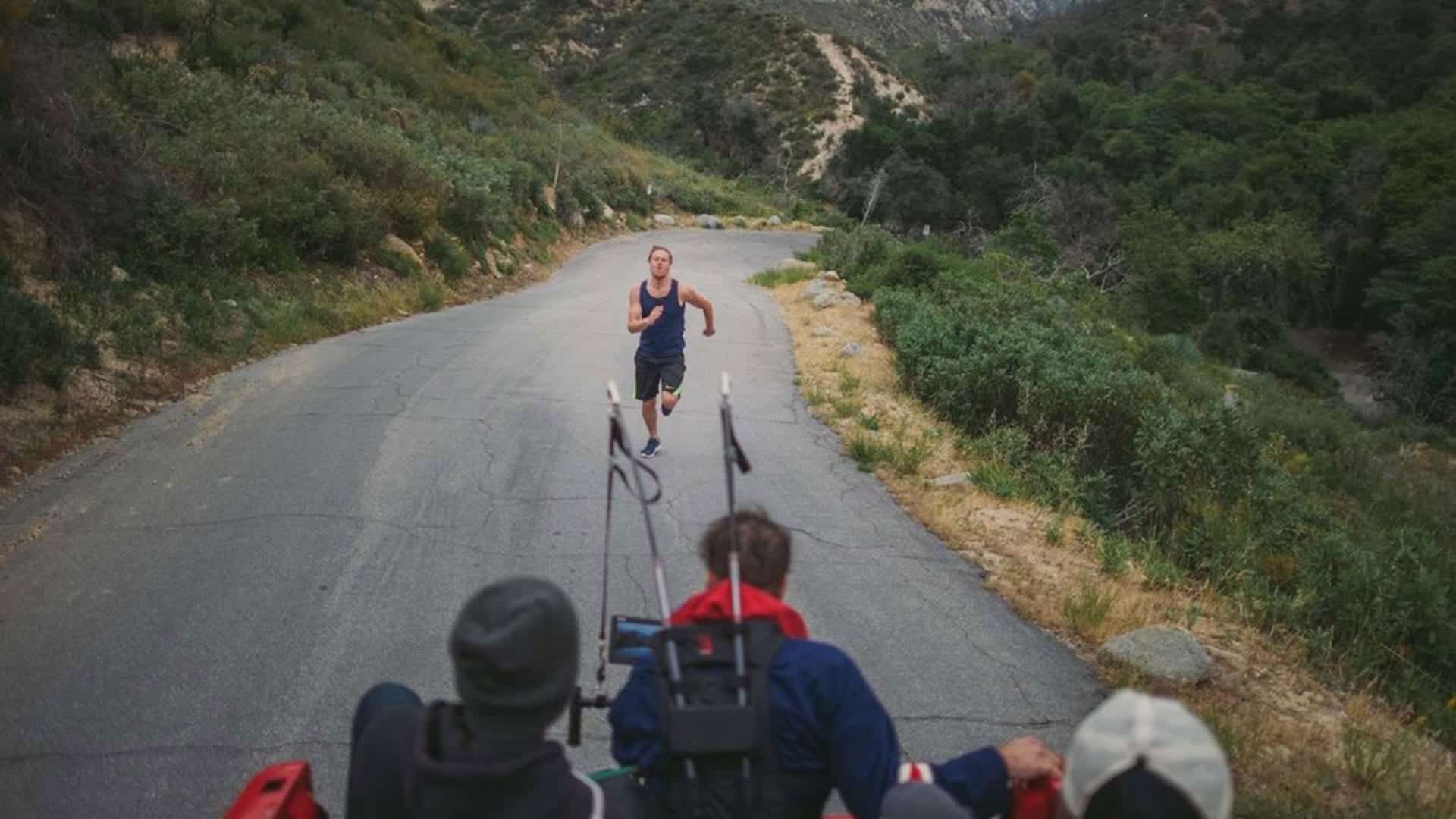
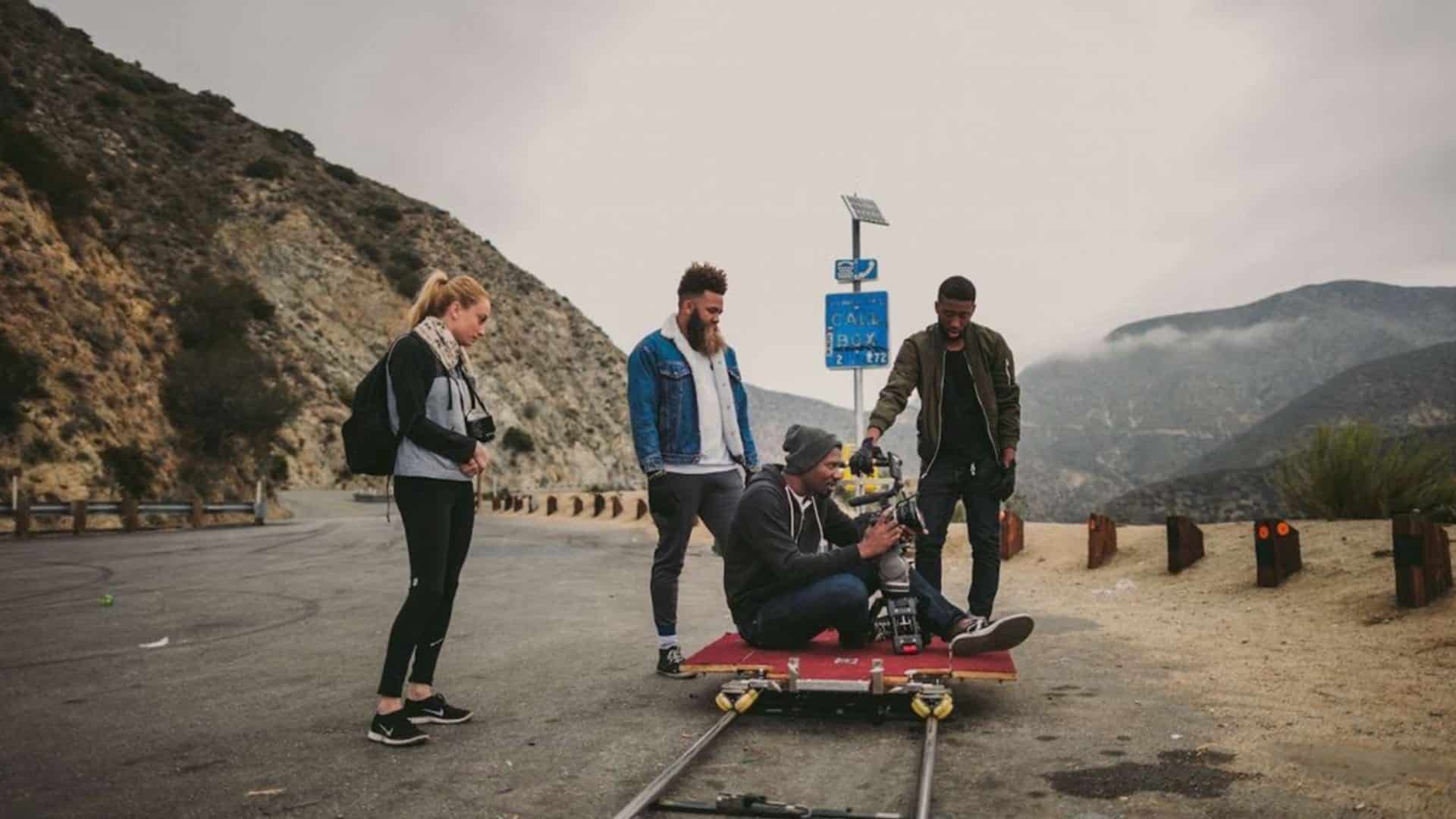
BTS FROM TWO NIKE SHOOTS
We see companies making videos and investing heavily in video marketing, where companies facilitate them with an end-to-end video production process. Why is this video production process so important?
A Process Improves Accountability
Having a process in place helps assign ownership pockets that make every stakeholder responsible for the elements involved in the production journey. This makes them accountable for their actions and improves the quality of the process.
For instance, if a person is responsible for scouting the location, they will note whether the location fits the script, is easily accessible for the shoot, and works for all the members of the shoot.
Creates a Timeline
Video production is not a ‘said and done’ activity. With so many steps and elements involved, it requires time. Having a process defines an approximate timeline for every part, which helps the team achieve their goal without succumbing to the haphazard monopoly of guesswork.
For example, a time set for arranging the equipment can help maintain the deadline for the shooting process, which in turn ensures that editors also receive ample time to cut and polish the actual footage.
Fewer Revisions and Fewer Back & Forth
The process for producing a video will be drawn out, which means that the business owner needs to be in the loop. Since you are now aware of the objective of the video, see if it matches your concept. This way, there are likely to be less revisions at the end of the process.
Not following a process can result in a confused state peppered with heated discussions, incessant revisions, and missed deadlines – not to mention a mountain of frustration.
A Clear-Cut Pricing
Generally speaking, production rates are hourly based. Having a process helps determine the number of hours that will be required for the project. However, keep in mind that some video production companies may give you the option of set-rate packages.
Conclusion
Every video production companies workflow and process are slightly different. However, these are the basic points that you can keep in mind while scouting for a video production provider. This will help ensure that the final result is effective and cost-efficient.
Video Production Tips for Filming in Florida
Why Film in Florida?
When you’re talking video production, Florida is the state that has it all – an amazing diversity of locations, cooperative weather and shooting conditions, a vast pool of talent, and special light and vibe that’s found only in the Sunshine State.
Florida can be the perfect backdrop for your video, or it can be the star of your show.
With all of its richness and diversity, it also brings special conditions and requirements you’ll need to address in order to get the most out of your video production.
Here are some tips to make the most of one of the country’s premier video locations:
Location, location, location.
If your production, whether a product promo, loft-style video, commercial, philanthropic, green screen interview, or music video is best communicated in the controlled environment of a studio, no worries.
Florida boasts myriad production facilities featuring state-of-the-art equipment and big-city league support teams. Check out the C&I Production Studio, South Florida’s premier studio, which is also available as a studio rental where you can create your own magic.
If you’re ready to take advantage of the diversity, natural beauty, and culture of Florida, here are a few tips that will help make your video production seamless and smooth.
More than beaches – Choosing a location
The scenery ranges from inspiring east coast sunrises to spectacular west coast sunsets, tangled and mysterious mangroves, secluded everglades, and rolling hills, and fragrant orange groves.
Historic St. Augustine, sophisticated and urban and international Miami, tony Palm Beach, the heat of Little Havana or artsy and bohemian Key West each offer a special community backdrop for your production. You’ll also have access to many events, both international (think Art Basel) and local such as Calle Ocho, a celebration of all things Cuban.
Looking for that perfect mansion, or yacht for your video to inhabit? Easy.
You’ll find ample opportunities for B-roll ranging from the Miami Zoo to 17th Street Causeway Bridge to a Little Havana street scene.
An experienced Florida video production company will help you harness just the right location or prop to illustrate your story and move your audience.

Florida talent pool – Casting your production
Florida is blessed with many casting agencies and a large, diverse pool of on-camera talent. Your agency will have connections to find just the right actors to be the face of your product, service, or cause.
Do your pre-production homework
Pre-production is where the client’s goals, the creative team, and the production team all collaborate to pull together the concept, script, and location that will bring your story to life. Selecting the right location is essential and is part of the creative process. Florida has special considerations like weather, tourists, traffic, and permitting that can impact the budget, timing, and tone of your production. Take the time now to get it right and make sure the location is the perfect match for our goals and brand.
If possible, visit the location at the time of day you intend to shoot, to make sure there are no surprises such as unexpected noise, traffic congestion, or other hazards. Observe the lighting and vibe.
Working with Florida Climate and Seasonality
Yes.
There are seasonal changes in Florida. The right video production company will plan your video at the best time to let the climate star in your show without hampering or slowing production. Hurricane season officially runs from June 1 through November 30 and can wreak havoc with a production schedule. Unless your project relies upon heavy and destructive winds, torrential rainfall, and record surf, you’d do well to avoid the peak hurricane season and to monitor weather reports if your shoot is scheduled for that time.
In-season vs Off-season
There are vast differences in accommodation rates, occupancy at hotels, and the ability to have your special needs met, as well as the density of tourists between peak and non-peak seasons. For a budget-friendly shoot, try to stay off-season.
And one word of caution: Traffic! A 10-minute drive can easily morph into a one hor tangle. Plan for this in your scheduling.
You may want to work with seasonal events like the Boat Parade, sports events, or other outdoor activities. There are many to choose from.
Hot, hot, hot!
Florida can be excessively hot and humid, and daily showers in the afternoon are not uncommon during some times of the year. The temps can exceed 100 degrees!
Provide protection against the weather.
Be sure to protect your cast, crew, and equipment against the sun, heat, and rain. Having your crew fatigued from the heat, or run for cover will be a costly delay and will knock you off your schedule. This should be part of pre-production planning.
Consider the heat when choosing a wardrobe.
Loose, breathable fabrics, if appropriate for your video, will hold up better and be more comfortable. Bring plenty of water and keep everyone hydrated.
Heads up! It can also get cool in the winter so plan accordingly. Great times to shoot are February and October.
Make-up!
If you are shooting from March through October, plan for a makeup artist on set. You’ll probably need touch-ups and the wind can have a mind of its own.
Shooting on the beach?

If you’re shooting footage yourself, there are a couple of extra considerations for when you’re shooting on the sand.
- It can be tough to get good clean audio. Waves, birds, and wind can all contribute to unnoticed messy audio. Beware!
- The reflections from the sand and from the water, along with quickly changing lighting can all be challenging. Shoot and manage accordingly.
- The saltwater spray can be subtle. Beware build up on your lens and clean any lens often.
Abiding by the law – The legal side of things
A good production company will handle all of this, but you should be aware of the legal requirements of shooting in Florida. Every location-based shoot for professional photography, even still, required a shooting permit. This permit confirms that the local city or federal government has given permission for the shoot. There are exceptions for a shoot with a handheld camera with a cast and crew of three or less, that does not impact the city, county, or state. Make sure this is included in your agreement and that they are in place.
A certificate of insurance is also required. This is a $1,000,000 liability policy to ensure the county or city you are shooting in. Lastly, Florida is a “right to work” state which means union labor is not required in certain situations.
Choosing a Florida video production company
When planning your Florida shoot, make sure your agency fully understands your goal and vision for your project. Ask about their crew, their studio, and equipment and view dome of their past projects. Ask for references.
And to optimize the Florida experience, be sure they have experience with shooting in Florida to ensure they have the contacts and connections to secure the best locations and talent for your project.
SEO Copywriting – Must Know Digital Agency’s Secrets
Imagine giving your friend your home address without the street name. They might reach the area but likely wouldn’t find your home.
Similarly, writing content can deliver the message to an audience, but without SEO optimization, you might find it difficult to deliver it to the right audience.
Are you still wondering if SEO copywriting is important for your website?
What is SEO Copywriting?
In simple terms, SEO copywriting is enriched writing where there is a fine blend of readability and marketability. It is about improving the quality and value of content with the right keywords, making it useful for your audience and helpful for your brand.
SEO copywriting:
- Comprises keywords that your target user is most likely to enter into a search engine.
- Optimizes your content to be of value and attract relevant traffic to your website.
- Helps improve your position/search ranking on search engines (the most relevant being Google).
Having said that, using the right key phrases is not enough. How and when to use these phrases also determine the quality of your content.
- Say no to ‘stuffing’ and instead weave keywords naturally into your sentences.
- Use these keyphrases across your content, instead of sticking to the first paragraph for visibility.
How does SEO Copywriting Differ from Traditional Writing?
SEO copywriting is peppered with key phrases, and traditional writing is focused more on the substance versus strategy.
However, there is more to SEO writing than inserting keywords. This type of content is great for improving your site’s Domain Authority (DA); i.e., its strength among competitors.
Google’s new BERT update checks into the content’s relevance and keyword strategy that provides readers a wholesome experience. If your content passes the test, it will be duly rewarded with a higher search rank.
In a nutshell, your content needs to satisfy your readers in terms of engagement and information as well as Google in terms of right content practices and key phrases.
This is where SEO copywriting takes the cake when compared to the traditional format of writing.
Here are the 5 Must-Know Tips on SEO Copywriting
These 5 tips will help you rank on Google as well as improve your conversion rate. Blend it with on-page optimization, and you shall strike gold!
Tip # 1 – Write Compelling Headlines to Rank in Search Engines
As per Copyblogger, 80% of your visitors will read your headline, but only 20% of them will ever go beyond reading the whole article.
A good headline is a concise version of what your article will be about and whether they should be spending their time on your article when there is a ton of content to choose from.
Adding data or stats can also pique interest and bring in a visitor. Of course, adding your focus keyword to your title is a given.
Tip #2 – Know Your Audience
We spoke about the BERT update that looks for content relevance. So, how do you determine whether your content is relevant or not? Simple! You undertake an audience analysis and tally it with what they are looking for. Do they complement each other?
Congratulations! You have an engaging and potentially viral copy in your hands.
Having relevant content ensures that your reader does not leave your article midway because it isn’t what they are looking for. As a result, you have higher engagement, session duration, organic traffic, and aren’t too reliant on paid ads to get your word out.
Tip #3 – Understand Search Engines
SEO optimization heavily relies on search engines and the way they work. One of the best things you can do is write a concise SEO title and meta description to direct the search engine to your content.
Another way of achieving search engine favor is by segregating your copy into specific headlines, namely H1, H2, H3, and so on, which improves the reader’s experience and crawl-ability of your page.
An additional element you need to understand about search engines, especially in the case of Google, is it understands keyword stuffing. Hence, make sure that your keyword placement across your copy is well-placed and optimized.
Tip # 4 – Call Your Readers to Take Action on Your Message
As a part of your SEO copywriting process, it is your job to drive engagement through content, and a clear, concise CTA (call to action) makes a world of difference in converting your reader into a customer.
Your content is most effective when it drives action on behalf of the reader. It can be a link to another article, a link to check out a product, a lead form, or inviting the user to join a newsletter – whatever the CTA maybe, an action by the reader is an absolute must.
Tip # 5 – Use Keyword Tools to Choose the Best Keywords in Copywriting
Using a reliable keyword search tool like Ahrefs, SEMRush, or even Google’s keyword planner will help you find great keyword ideas. These can be seed keywords or long-tail keywords that are based on your niche – those that can help you attract your audience to your copy.
In addition to relevance, these tools also help you determine the keyword metrics that can optimize your content and rank it high in a short amount of time.
The Importance of Keyword Research for SEO
Now that you have the five must-know tips for SEO copywriting, let’s take a deep dive into the world of SEO.
This is where the story begins. Keyword research is the primary step you take while crafting an SEO strategy for your content. The origin story for any website, keyword research sets the foundation for your website/blog/article, based on your target audience’s search activity.
Keywords are essential to add value to your content. Since all good things take time, keyword research also takes a lot of digging into the customer psyche, search engine trends, and your competitor’s ranking.
Should you go for a long-tail keyword? Should you focus only on catchphrases? All this can be answered during your keyword research and can help you generate quality content and garner attention.
Essential Concepts of Keyword Research
Before we get into the nitty-gritty of the process, let us understand a few essential concepts that will come up during keyword research.
- Focus Keyword of Keyphrase: As we have discussed above, a keyphrase or focus keyword is the high target element that resonates with your business. It is also what your potential customers are searching for. Various SEO tools help you determine the right key phrases for your business.
- Keyword Strategy: This process revolves around taking steps to make your content more SEO compliant based on keyword research. When performing a keyword strategy, you will determine the type, flow, the need for visuals, and keyphrases (along with their positioning) you will be using in your content.
- Long Tail Keyword: The idea behind using a long tail keyword is to encompass specific as well as remotely similar searches under one phrase so that the chances for your content popping up upon that word search will increase exponentially. With long-tail keywords in your copy, you can also gain an edge over your competition and gain greater visibility.
- Search Intent: Simply put, this step goes beyond just adding keywords to your copy but also determining the tonality and the perception you want to convey to your readers. If you are looking to educate your readers, setting an educative tone with relevant information should be key.
How to do Keyword Research
Let’s dive straight into it.
- Study Your Niche: Once you know what you are looking for, it is easy to look for relevant keywords and strategize a vibrant content design. Once you have determined the niche, you can make a laundry list of keywords that resonate with your business and help build the foundation for your keyword strategy.
- Start with Seed Keywords: An extension to your business aim, seed words are the first step towards content development. They are the direct link between what your target audience is looking for and the copy you will be creating. It is great to define your niche, and your competitor’s as well. For instance, while music is your seed word, it is extremely competitive. You can extend from it to keywords like ‘music theme for Game of Thrones’, ‘music lovers group’, and so on.
- Generate Keyword Ideas: Now that you have a list of keywords, the next step is to generate keyword ideas – the knack of knowing which keywords you should use to gain traction and how you can implement them into your copy for SEO optimization. See what keywords you and your competitors are ranking for, and cherry-pick ones you can use to bolster your growth.
- Know Your Keyword Metrics: Metrics like keyword volume, keyword difficulty, clicks, organic search, traffic potential, and cost per click are some of the most important metrics that can help you determine which keyword you should go for. For instance, keyword difficulty determines how hard it will be to rank in Google and the number of backlinks you would have to create to bring it to the top. Going for less difficult keywords means a higher chance to rank and get more readers. Similarly, volume determines the traffic that keyword attracts.
What are the Three Phases of Writing an SEO Article?
Step #1 – Preparation
This involves preparing your text where you are planning your entire article. Even though you have a topic in mind, look for answers for the following questions for more clarity:
- Why are you writing this article? What is your purpose behind crafting this copy, and what do you wish to achieve?
- What is the main message of your content, and how would you like to convey it?
- What questions are you looking to solve via this article?
- What is the intent of your content?
- Have you determined your target audience? Do you know the type of content that is normally consumed by them?
- What will the structure of your piece be?
Step#2 – Writing
Now that you have your structure in place, it is now time to get down to business. It is surprisingly easy to write your piece once you are prepared with facts and flow.
Do not think about how you will place your keywords or what should be integrated where. The key to SEO copywriting is to simply start writing! If you feel that the introduction is a bit tricky, leave that and work with the next paragraph.
However, it is important that you stick to the structure that you drafted in your outline. Digressing will confuse your mind, and you will be back to square one. Sometimes, an abundance of creativity while writing will delay deadlines.
Step #3 – Correcting
Proofreading and reading your content out loud is what you will be doing in this phase of your SEO copywriting process. This step is especially helpful for editing the unnecessary verbose and, of course, the dreaded grammatical mistakes. Don’t be wary of throwing stuff out if the piece is too wordy. This step will make your content more legible and crisp – both huge pluses.
Conclusion
The best thing about SEO copywriting is that it requires constant innovation. Writers always find themselves breaking old rules and creating new techniques to help their articles get the crown. It requires writers to be vigilant of search engine algorithm updates and keep optimizing the content. But if you have content that can add value to the customer anytime they look for it; you have a goldmine.
Always remember – Relevance + Value + Optimisation = SEO copywriting!
Video Production – A Look Behind the Scenes!
What are the goals of video production?
Videos are one of the most artful and creative forms of storytelling.
A well-imagined and executed video can communicate emotions and teach, transform, inspire, or move a viewer to action. Whether the commercial goal of the video is to build a brand, create awareness, or sell a product, at its highest form, the video must powerfully communicate a story or message that changes the intended audience.
A successful video uses emotion, imagination, and creativity to touch the viewer while balancing art with commercial intent and purpose. While the best and most effective videos create a seamless and compelling story, the process behind the scenes is complicated, time-consuming, often tedious. Video production requires a cadre of creative and technical talent and the best in state-of-the-art gear.
Let’s go BTS – behind the scenes and see at what happens to create that magical few seconds or minutes.
What is the process of video production?
The video production process varies significantly based on goals, budget, and style, but the production is typically broken into three major steps or phases. Pre-production is the critical phase that includes laying the foundation for your video, from concept to budget. Phase two is the actual production of your video, from set-up to filming. In the final stage, pre-production is when raw video footage is transformed into a final product.
Pre-production
The planning of your video starts here. A collaboration of client, creative team, and production team, this is where the client goals are woven into a concept that best tells your story. It is scripted, cast, sited, and the schedules and budgets are set. Planning and organization are fundamental to the success of a video, and this is where that happens.
Concept
The team will develop options for the most effective concepts to tell your story, including stylistic direction and mood. At this stage, you’ll see a comprehensive overview of the production and will be in a position to decide which concept best aligns with your goals and your brand. A storyboard will help you visualize what you will see on the screen and compresses everything into a cohesive story and vision.
Script
The screenwriters take over now to fill in with dialogue that tells your story perfectly to your target audience. It must grab your viewer, convey your message, and inspire the desired action, all in a very compressed timeframe.
Location Scouting
An essential element of pre-production planning is selecting the right location. The right location can be a “make it or break it” decision for video production. The budget is often a factor, and a production company with a state-of-the-art studio is always a plus. If the filming takes place outside of a studio, there are many other considerations like weather, time of day, and permits.
Casting
Who do you want to represent you and tell your story? Remember, they become the face, and visual representation of your company and must connect with your audience. Your agency will have a database of talent and will hold a casting call to bring in a selection of talent.
Scheduling and Shoot Preparation
Shoot preparation has tons of moving parts and will include script reviews, developing the shot list, scheduling talent, coordinating the camera operator and entire production company, getting the equipment to the location, clearing the shooting time at the site, security, permits, and more. Wardrobe, make-up, and all other details will be nailed down in pre-production.
Budget
At this point, the budget will be fully dialed in, and all decisions moving forward will be taken with this top of mind.
What happens in the video post-production phase?
In post-production, all the elements of the previous stages begin to converge. Every component of your video, each frame, each image, every word is scrutinized. The editing team works together to find the perfect blend of shots, camera angles, lighting, and sound to bring your story to life in a captivating and compelling video.
Editing
Good editing requires a creative and critical eye and incredible technical skill. Here is where thousands of frames are culled down to only the strongest. The camera angles and the most effective lighting are selected and woven together to produce a video with maximum impact. Transitions must be smooth and artful, the film should “feel” like it is the just perfect length, and the color contrast from frame to frame must work.
Color correction
Raw footage can often be over-saturated, particularly when it’s shot outdoors. Color correction is done to make sure the footage looks like what the naked eye would see. White and black levels are matched and used as a guideline. Color grading is another step, which is part of the “art” of your video. Color grading may be used to convey a mood or tone for your film.
Audio Editing and Engineering
Editing software improves each year, but a professional audio engineer can make an amazing difference in your film. They will master the voiceover, soundtrack, and any ambient sound to perfection. Audio clarity is paramount, and any errors in sound can damage your video.
Client Review and Acceptance
Once the video is in draft, the team will want the client to take a look to make sure the client’s vision has been realized. Now is a time for minor revisions and tweaks to get your video to perfection!
Why is a tight video production process important?
There are hundreds of moving pieces to video production. The coordination of locations, talent, team, and crew and equipment all need to come together in a carefully orchestrated plan. Details matter and a well thought out plan will keep things on track.
Video production is a complex process that takes time. The best way to create and stick to a timeline is to maintain a tight process. And time is money! Avoiding overruns and extra shoots ensure your project comes in on time and on budget.
And finally, planning upfront reduces revisions on the backend.
Teamwork brings the vision to life!
Video production requires a multitude of talents and skillsets. Every agency or production company and project is different, but a video project is a collaboration. The success of your project relies upon the skill and talent if every team member.
Our team at C&I is a highly skilled and well-vetted group of marketing and creative professionals, and we offer full video production services including a full production studio. We are experts in digital communication and emotive storytelling. Check out our portfolio or visit our Youtube Channel to see all of the video productions we have executed for corporations, small businesses, artists, politicians, and more.
Give us a call, and let us tell your story.
7 Proven Tips On How to Pick a Graphic Design Company
Let’s talk numbers, shall we? Around 49% of SMBs consider graphic design to be an extremely vital part of a business’s success story while 31% do not have similar faith but are aware of its positive impact on a brand’s growth. Only 3% of the total goes ‘meh’ when it comes to graphic designing, which puts them in reverse gear, moving them away from customer engagement and a positive brand image.
As per Merriam Webster, graphic designing is “the art or profession of using design elements (such as typography and images) to convey information or create an effect.”
Today, these designs convey visual information across devices as well as traditional media. You name it! Graphic design is everywhere and is adding visual appeal to everything we see, touch, or hear.
What is a Graphic Design Company?
Graphic design companies are the hub of this new art form. These are agencies that create designs and collateral for businesses and brands. These designs can either be logos, web interface, marketing materials, and much more.
While these agencies function with creativity and art as their foundation, they also possess the business acumen of understanding the client demand, the target audience’s psychology, and the market trends, which will bolster the said campaign.
What is the Difference Between Digital Designers vs. Graphic Designers?
Though the two may seem similar due to their fundamental understanding of creative arts, there is a significant difference between a digital designer and a graphic designer.
| Graphic Designer | Digital Designer |
| A graphic designer has the artistic ability with a focus on creating pre-print production collaterals like logos, posters, virtual images, etc. They are adept at using design-related tools like Illustrator, Photoshop, and much more. | A digital designer is, of course, creative but dives into digital tasks as well, such as creating the user interface and user experience, which helps brands convey their message via digital platforms like websites, social media, and a lot more. |
7 Tips for Choosing the Right Graphic Design Company
Now that you are aware of the standard terms and definitions, here are our expert tips for choosing a graphic design company for your business!
Tip #1: Check Their Portfolio and References
Research is the first step towards getting the right graphic design agency onboard. Not having a credible agency website and proper portfolio is the biggest red flag, and you should steer clear of that agency.
If all is good, go through their design portfolio, and inquire, specifically which designer for the company executed said designs. This will ensure that you are assigned the right designer for your brand’s look and feel.
That said, the overall design and quality can help you assess the agency’s experience and whether it is the right fit for you or not. Apart from online research, try connecting with their clients and ask them about their experience.
Tip #2: Look for a Wide Range of Services
A comprehensive agency with a wide range of services can score brownie points for your design goals. How?
This agency has experience executing multiple campaigns in both the traditional and digital space, which makes them experienced and intuitive. Such agencies have designated teams of experts who offer much more than just graphics.
They can help you align your visual goals, choose better tools, have a better narrative for your brand, add points that are brilliant but may have escaped your notice, and much more!
An agency with a wide range of services not only provides you with results demanded but also adds value to your overall business.
Tip#3: Communicate Your Concerns
There can be a disconnect between client and agency when it comes to creative concepts. You might have a few ideas concerning the design while the agency is viewing the concept vastly differently.
Most misinterpretations boil down to unclear communication between the two parties.
Have a clear communication plan with your design partner. Before choosing a graphic design agency, make sure that they have a process in place that works for you. Ask them what that process entails, as well as the tools used, and modes of communication.
Help them understand what you are looking for and if it helps support the explanation with references, tonality, the feel, and results that you are looking for. Ask questions if you do not understand design terms and jargon. This will only help clarify any confusion.
Tip # 4 – Find out the Designer’s Requirements
Granted, it is you who requires graphic design services for your business. However, you need to help your designer help you.
Understanding your designer’s needs will smoothen the bumps throughout the journey. These needs can range from documentation, proofing concepts, or time-related tasks like briefings or feedback.
It is stating the obvious, but you can also talk to them about freedom, flexibility, and other virtue-based requirements that the designer needs to deliver the best possible results for you.
Tip # 5 – What Skills do You Want in a Designer?
Though you do not have to understand the nitty-gritty of graphic design, it is always a good idea to have some basic knowledge about the subject.
If you are someone who wants to go for both traditional and digital campaigns, you need a designer with working knowledge in print design as well as virtual tools and processes. (This is especially important if you need collateral for trade shows etc. in conjunction with online initiatives.)
It helps if your assigned designer knows how to work across platforms and tools as well.
Tip # 6 – Consider a Trial Project
Asking for a trial project is a great way to gauge the designer’s experience, their ability to align thoughts with your vision, and of course, understand their professional capabilities.
These trial projects do not have to be extensive and time-consuming, but something simple that can be done in a couple of hours.
However, make sure that you ask the agency if they offer limited-contract trial project options.
Tip # 7 – Know their Time Constraints and Process
Last but not least, engage in open discussion and ask them about their design process. This will help you get an idea about what is being done for your brand and whether it is what you are looking for.
Similar to the overall communication process, not knowing the actual design process leads to conflicts and repetitive edits. The incessant back and forth dampens creativity and also increases the bill.
Understanding their timelines and deadlines will also help you plan your strategy accordingly. Allow the assigned designer and agency as a whole to talk about their time constraints, if any, and work around that to support the project.
What are Your Design Goals?
Now that you know how to pick the right graphic design agency, it is imperative to outline your design goals. Every brand has a different message and creative medium.
Let us try to break this question into simpler blocks.
Customer Experience
Your product’s success has a lot to do with first impressions, and this is where visually pleasing graphic designs come in. The way the branding of your products look impacts directly how your customers are bound to experience them. Aesthetic pleasantry sometimes overrules minor usability flaws. Your primary design goal should be all about the customer experience.
Setting the Theme
Graphic design sets the base for visual communication, which, in turn, sets the tone for your brand’s theme. The theme for McDonald’s is very different from Mont Blanc. Therefore setting the theme for your brand is an integral part of design goals.
Brand Messaging
How you design your corporate identity has a direct impact on how your brand will be depicted to your audience. Setting a clear brand message beforehand helps the graphic designer chart different creatives relevant to your business.
Customer Communication and Engagement
While digital designers are instrumental for the user experience, graphic designers form the foundation of this experience. If you, as a brand, set customer communication and engagement as a goal, it automatically gives way for attractive designs and visualization, which your designer will digitally sketch out to help attract eyeballs.
What is Your Graphic Design Budget?
The world of design is full of colorful and aesthetic possibilities that can excite you like a kid in a candy store! However, not all design services are within your price range and can even exceed your budget.
Have a detailed conversation with your design agency concerning your project and clearly define the monetary investment this project will demand.
You can base your budget on these aspects:
- The ROI you are expecting
- The timeline of your project
- The tools you might need for the designs
- Number of revisions that might be needed
- Are you more comfortable with flat rates or per-hour rates
In Conclusion: The Importance of Good Graphic Design
The graphic design company that you will be hiring will be responsible for creating a visual image for your brand that your audience will associate you with. It can be playful, serious, or minimal, but any theme requires someone with a good eye to interpret your needs.
Many brands move from designer to designer until they find the right graphic design agency. This is often seen in the many rebranding activities brands endure. You can also spot the inconsistencies in their messaging. Therefore, it pays to be careful and detail-oriented while making your decision as to which agency to choose.
It pays to take some time, work closely with the team, and establish a harmonious working process until you have absolutely nailed it. After all, with brands, the first impression is often the last.
References: https://financesonline.com/graphic-design-statistics/
Digital Marketing Agency – How to Choose The Right One
In this era of technology, virtually all businesses have an online presence. This has increased competition. Not only that, but businesses also need to appear in search results by potential customers looking for a specific product or service. This is where digital marketing agencies come in. They help you grow your business using various marketing strategies and tools. Phew!! You must be glad digital marketing agencies exist, but how do you choose the right one?
The right agency will customize a plan of action tailored to your industry and business and effectively track and measure the results. The right firm will also develop an effective strategy for meeting your goals. With the right agency, a company will prosper with amazing results.
Choosing The Right Digital Marketing Agency
Are you confused as to which agency is the right one for you? Well, it is indeed a big decision and has its own sweet benefits too. Not only can a good digital marketing agency help generate revenue for you, but it can also transform your business. Take a look at some of the points below that can help you to choose the right agency for you and your business.
1- Budget:
The last thing you want to do is spend all your money on a marketing agency and marketing activities and receive no results. It is advisable to have your budget ready before you approach an agency. It’s all about how much you can afford.
2- Goals:
It is important first to determine what your need is. You must answer questions like: Why do I want to run digital campaigns? What do I need from a digital marketing agency? What is the goal of my business?
It is important for you to be clear about your business model, strategy, and objective. Digital marketing agencies promote your business across multiple channels, and there are different activities involved. However, these activities are completely based on your goals and requirements.
Take our advice: Sit back, relax, let’s go a little traditional with pen and a paper (or tablet) and start to jot down what your business is about, who your customers are, what your expectations are, and more.
3- Credibility
Once you’ve shortlisted the agency, it is now essential to check how advanced and worthy they are to run your marketing. Be aware to check reviews and vet them fully. There are a number of ways to check the credibility of an agency. A few of them are:
- Team
- Awards
- Client List
- Media Presence
- Testimonials
- Footprints in the industry
4-Technology
This is ideally another supreme aspect. Advanced tools and technology for marketing help an agency to promote, manage, and grow your business. A digital agency must be equipped to handle your business type, and if a problem occurs, they must be updated with the latest technology to resolve the issue.
5-Marketing Tools
As mentioned in the above point, there are a number of tools that the agency must be updated with. You must ask the agency to demonstrate the list of tools which will be used to help you with your requirements. For campaigns like inbound campaigns, it requires an end-to-end experience and, having the right tools is extremely important. You can check:
- Are they using Mailchimp or SendInBlue or something else for email marketing?
- Are they using MOZ or Ahref for tracking keywords?
- What are the communications tools used within the agency? One popular communication tool is Slack.
- How much access will you have to the agency in terms of calls and support?
- What are the tools or project management software used to track the progress of the work?
- What are the tools used for graphic related tasks?
- What are the tools used to handle social media?
Common Marketing Tactics Used
Now that we’ve gone over tips on how to choose the right digital agency, are you on the verge of making a jump to hire a digital marketing agency? There are plenty of tactics used by digital marketing agencies to boost the business of their clients. Let’s take a look at some commonly used tactics used by agencies.
1-Paid Advertising
Paid ads can be expensive. Chances are, you can end up spending a lot of money on paid ads like Google Adwords, Facebook, YouTube. There are numerous ad platforms for your business; however, before you decide on any platform, it’s important to understand more about them.
Google Adwords: This type of advertisement appears on Google search. Businesses pay to get their ad shown on Google. Ads show as sponsored search results; versus organic listings.
A Word About Ad Extensions:
This option adds additional information about the business, like the contact details, about the company. Clicking on these links will lead the users to the specific page on the website for further details. This helps to improve visibility and get more clicks.
Important!! The type of advertisement chosen to promote your business will be based on your business type and goal.
Facebook Advertising
Facebook ads have become one of the easiest and fastest ways to reach the desired audience.
First things first, you should know what the goal is for using this type of paid advertising. Facebook offers various objective options, from brand awareness to lead generation, and more.
Secondly, It’s important to narrow down your audience over a broad one. There are billions of users on Facebook, and choosing your audience is critical. This can be done based on audience interest, age, demographic, behavior, and much more.
Last but not least, Facebook gives you an option to set a budget for your ads daily or on a lifetime budget. There’s also an option to optimize the price by opting for bidding for clicks or impressions.
YouTube Advertising
This platform is the second most popular and widely preferred media platform because it has a huge audience. However, the truth is that it takes a lot of time, effort, and money to run ads here. It takes time to learn the various features and how to utilize them in order to get good returns. You have the option to choose from the below types of ads:
- Skippable ads: Viewers have the opportunity to skip this ad after 5 seconds. This ad is usually played before or during a video.
- Non-skippable ads: Viewers will not have the option to skip these ads. There is no skip button available. The duration of this type of ad can vary from country to country. Depending on the country, the limit is 15 seconds to 20 seconds.
- Video discovery ads: Viewers will be able to see these ads in the search results. It consists of text ads and thumbnails. When these ads are clicked, it redirects the user to the YouTube channel.
- Overlays and banners: These just display ads that occur on the right sidebar on YouTube. They are not videos however as the ad has a website link.
With YouTube having billions of views every day, it opens the gate for businesses to reach a maximum amount of people nationwide and all around the world.
2-SEO
After all, everyone wants to rank on Google. Here comes another tactic to help you rank.
Search Engine Optimization (SEO) is a process used to improve your website ranking on Google and to increase quality traffic to the website through organic(non paid) search results.
SEO factors to make the website rank:
On-Page SEO (Technical)
The technical SEO aims to:
- Improve the crawling of the website so that Google can rank it
- Speed up website response in terms of the load time of the pages. It includes all the activities except the content of the website.
- Make the website look visually pleasing
- Introduce a neat URL structure of the website
In a nutshell, technical SEO is everything but the content of the website.
On-Page SEO (Content)
The process of On-Page SEO includes:
- Improving the content of the website
- Develop new content
- Remove any irrelevant content of links
On-page has a pretty straight forward goal where if the content on the page is bad or irrelevant, the website will not rank.
Off-Page SEO
This activity makes a major impact on whether the website will have better authority in terms of ranking. It includes:
- Relevant and quality inbound links
- High-quality citations
- Brand mention in media or press
This process includes all the activities carried on to improve the website authority by getting quality links and backlinks from other websites.
Final Thoughts
Last but not least, once you’ve moved ahead to sign and close the deal, carefully go through the contract and ask questions if you have any before you commit to the terms. You should collect all the necessary information about the digital marketing agency’s policies, its do’s and don’ts to avoid problems down the line. If any of the agencies are not clear about their terms and conditions, it might be troublesome in the future.
References:
- https://www.forbes.com/sites/forbesagencycouncil/2018/07/02/how-to-choose-the-right-digital-agency-for-your-business/#131a7fdbe120
- https://blog.hubspot.com/marketing/digital-marketing-tools
- https://www.singlegrain.com/res/digital-marketing-agency/
- https://moz.com/learn/seo/what-is-seo
- https://blog.hubspot.com/marketing/facebook-paid-ad-checklist
7 Proven Tips on How to Take a Perfect Drone Video
If you’re someone who wants to dip their toes in the lake of drone video and photography, the sky’s the limit (notice the pun there?).
Drones — technically known as unmanned aerial vehicles — have been doing rounds for quite some time and have become a favorite of many video and photography aficionados and of course, professionals.
The Rising Popularity of Drones
As per the Federal Aviation Administration, hobbyist drones are predicted to grow up to 3.5 million by 2021 and commercial drones will rise to a herculean number of 420,000 by 2021.
Speaking of commercial drones, these amazing tech headliners have been an integral part of the Super Bowl Light shows, as a part of media coverage, disaster relief assistance during the catastrophic hurricanes (especially Hurricane Harvey), and much more!
Thanks to their supreme technology, it comes as no surprise that many industrial giants like the British Broadcasting Corporation use drones for aerial views to aerial images and videos for coverage while Shell Oil Refinery uses this technology to keep an eye on the refineries, conduct inspections on the worksite and machines.
With the big industrial names in line, small scale organizations can’t be far behind.
Small to Medium Businesses and Drones
Even SMBs are taking advantage of drone technology to reinforce their businesses. For instance, California based Drone Cowboys not only shoot video blogs but also use drones to make sure that the cattle are rounded up.
Similarly, Ohio based home inspector Kevin McGrath puts these drones to use to check on roof conditions and out of access portions of the multi-million dollar homes!
Additionally, thanks to those tempting click-bait videos on YouTube, we have also seen many paranormal investigations that are executed using drones to spot supernatural activities! Talk about being creative!
Drone Technology
Now, this is where a drone pilot comes in.
Today, drone pilots have the advantage of superior technology that allows them to take shots of hundreds of feet above the ground without leaving the safety of the land. Taking aerial shots were not so easy for those who came before us.
To give you an example, there’s a shot of an aerial photograph taken in 1860 from a hot air balloon by James Wallace Black – an American innovator, overlooking the beautiful city of Boston from almost a height of 2000 feet from the ground. Mr. Black was a passionate man with an appetite for risk.
Though a good drone pilot of today does not have to undertake such measures, they do face their fair share of difficulties when it comes to taking the perfect aerial drone video.
Shooting the Best Aerial Footage with Your Drone
While novice and the unaware may believe that flying a drone is all about twiddling thumbs with a joystick, there is a surprise at the end of the tunnel. It involves the knowledge of the terrain, the camera, awareness of your surroundings, and a lot of patience which cannot be substantiated with expensive equipment.
However, once you know your way around the drone and the camera, capturing cinematic shots will be all about the small adjustments and movements that add a layer to your video and quality to your entire footage.
Here are some techniques you can use for a memorable shot.
- Coming Into Shot: This handy yet simple technique can help you add depth to your video by focusing on the main subject in the video without compromising the visibility of other elements that are essential to your story.
- Going Low: This technique, when combined with a panoramic view, can add more detail to your shots instead of going high. Of course, this depends upon the storyline.
- The Crane: The favorite of Hollywood – this descending shot tells a story on its own without the need for any words or actions.
- The Rising Shot: An incredibly easy shot mimicking sunrise makes storytelling a piece of cake.
- Vertigo: Most often seen on Instagram handles, this shot adds a beautiful and dramatic twist to your shot.
- The Slider: Unveil the essential elements of your storyline and pique your audience’s interest with this effective shot.
Before we dive into our professional tips and best practices, check out this video we filmed for the Miami International Boat Show, in which we used drone video to capture the best aspects of the event.

7 Tips for Taking a Perfect Drone Video
Some might find it difficult to control their camera, some are unable to maneuver across rough terrain. The possibilities of your video going wrong are endless. However, fate favors the prepared. Here are 7 tips on how to take a perfect drone video.
Table of Contents
- Minimizing Jerky Movements
- Flying Backwards – Mastering the Art of flight
- Using Special Effects
- Capturing in the Best Natural Environment
- Understanding Filmmaking
- Lighting is important
- Flight Speed
1. Minimizing Jerky Movements
It is not uncommon to witness operators jerk their camera from left to right or top to bottom.
Understandably, they need to change positions to capture the shot but these jerky movements can completely ruin the video experience and make editing a less than pleasant experience.
Drone shots are meant to be more natural and flowy as per the story/subject sans the stiff and robotic movements.
These jerky movements can be avoided by first finding an angle that you are comfortable with. This comfort enables you to be more free and transitional with your movements that allow your shots to glide instead of those spasmodic movements.
Tip: Align your shot with respect as per the drone instead of prioritizing the camera. It is the drone that controls the movement.
2. Flying Backwards – Mastering the Art of flight
Flying backward adds the extra dimension to your shot, where you are revisiting the elements instead of just gliding over them.
When your drone camera does a reverse gear, it unearths small yet significant objects like hills, people, a lighthouse (why not), instead of visualizing just one specific subject.
For some, flying backward can be a challenge. You can reverse the complete footage using the speed duration tool, but keep practicing those backward movements!
3. Using Special Effects
Mastering the manual movement of your drone with clean and crip shots is only the half battle won. Editing is the other side of the same spectrum where you get to add special effects and sound effects to add a burst of life to your work and engage your audience.
For example, using 3rd party plugins like Reel Smart Motion Blur, you can add the Pixel Motion Blur effect, which creates a blur (if required for your video) or you can speed up certain portions of your footage to make it more life-like.
Free tools like Windows Movie Maker 6.0, Windows Live Movie Maker, and GoPro Fusion Studio are a great choice if you are a beginner. However, paid tools like WeVideo and Cyberlink Power Director are excellent choices for business owners looking for a 360-degree solution.
For sound effects, you should be careful of the sounds you would add to your video. For instance, while flying over a busy city bridge, adding faint honks and tires rolling with a dash of the wind noise will be more realistic. Avoid the buzzing sound of the drone at all costs!
You can either record the sounds yourself with a decent microphone or use tools like Zap Splat and Audio Blocks that house thousands of accurate sounds that you can implement in your drone videos.
4. Capturing in the Best Natural Environment
Going au-natural for your drone videos (if possible) is the best way to go. Without installing extra filters and merely capturing the landscape below is what gives authenticity to your footage.
Having said that, if your video needs additional reinforcement, using these filters sparsely is the ideal way to go.
5. Understanding Filmmaking
Filmmaking makes up for the foundation of your video. A drone is simply a tool ( a handy one, of course) but unless you know how to apply filmmaking skills, you cannot do much.
The best way to go is to think like a filmmaker. Create a storyline and based on that, create a storyboard that you fill with appropriate shots that can breathe life into your story. Visualizing these shots via this storyboard will help you get that perfect cut based on which you can shoot your entire video.
You can sign up for online courses where you will be taught how to create frameworks, outline storyboards, tips & tricks to handle your drone camera movement and create a remarkable visual story.
6. Lighting is Important
It goes without saying that wrong lighting can dilute the experience of your entire footage. Many times, drones cannot adjust to ever-changing contrasts in the scenery and all you can see are images hidden under the white flash.
The simplest way to go about it is to angle your camera according to the sun. Set it at a lower angle if facing the sun to avoid direct impact. Check for the effect of the direct light on your camera before you shoot.
You can also use software and tools to adjust the lighting to your final footage.
7. Flight Speed
As mentioned above, speeding up is sometimes a desirable effect that can improve the quality of your drone video. The reason behind this is that in the case of landscapes like mountains, conventional drones might capture videos that seem a little slow when checked.
All you have to do is speed up the screen to make it more consumable by your viewers and add more movement to the scene. Experts suggest amping the speed up to 300 in the speed tool.
A Word About The Rules of Drone Flying
The flying of drones comes with its own set of rules and regulations. Adhering to these rules will keep you out of trouble.
You and your drone must be registered with the FAA. Whether you are doing it for recreational purposes or commercial requirements, you need to register via the FAADroneZone portal. If you are traveling with your drone domestically, you need to bring it along with you in carry-on luggage only and not with the check-in baggage.
If you are flying a drone recreationally and as a hobbyist.
- You cannot use your drone for commercial purposes.
- Your drone must be registered with the FAA.
- You must follow community-based safety guidelines abiding by regulations set by the AMA (Academy of Model Aeronautics).
- Your drone must weigh less than 55 lbs unless certified by a CMO (community-based organization).
- You cannot and will not fly your drone next to an aircraft.
- Your limit of flying space in the Class G airspace and in order to fly in Class B, C, D, or E, you need to get authorization from the airspace.
- You cannot and must not fly near emergency response regions.
If you are flying your drone for commercial purposes
- You should have a Remote Pilot Certificate authorized and certified by the FAA for commercial purposes.
- You must fly your drone during daylight or civil twilight.
- Your drone/UAC should weigh less than 55 pounds altogether.
- You must give way to manned aircraft.
- You can only fly in the G Class airspace. For other classes, you require the CMO authorization.
- You must not fly directly over people.
- Your maximum height should not go beyond 400 feet.
- You are not allowed to fly your drone from a moving vehicle unless the location has a sparse population.
- Your drone’s maximum speed limit is 400mph.
Conclusion
A drone video shoot is a challenging but satisfying endeavor. If you are someone who can master this skill, there is a world of opportunities in the commercial sector. You can also check out the top aerial photographers and videographers on Instagram for some inspiration.
Hope these tips and information help you in your quest to become a drone video expert!
Top 5 Proven Tips to Brand Building on Social Media
Brand Building on Social Media
Social media used optimally is a powerful way to build your brand awareness, engagement, and to bring traffic to your brand.
So what does “used optimally” look like in 2020?
It still means getting the right messaging in the right format to the right customers at the right time. But the best way to do that continually evolves. Platforms change, audiences change, and product and service offerings change.
What doesn’t change?
Every post, follow, tweet, or like is extending your presence and telling the world something about your brand. Your brand remains the key to your success and is sometimes more important than your services or products. It informs the world at a glance, sometimes in a word, who you are and what you stand for.
Once your brand has matured and is defined to the point that you have detailed brand guidelines, you can harness social media to help your brand take flight! This means you have a logo, color palette, brand vocabulary, and standards that express your brand effectively and consistently across any platform.
(PS- If you don’t have brand guidelines, we can help you out with that. –Give a call!)
Here are 5 proven brand building strategies to help you effectively attract, engage, and build your digital audience across your social media accounts.
1- Picking the right platform.
Today, most companies don’t have the resources or the time to play full tilt across all social media platforms. And frankly, not all platforms are going to be right for your brand anyhow. The secret to optimizing your online presence lies in choosing the platform(s) that allow you to best express and promote your brand identity and share your brand POV.
Start with your audience.
Where do your customers hang out?
What platforms will let you most effectively engage with that target audience and best showcases our products or services?
Every channel has its own set of opportunities and challenges. Let’s start with the Big 5.
- Facebook is perfect for promoting brand awareness due to its enormous size and the heterogeneous nature of its audience. Facebook’s audience is the largest in the world and crosses all ages, with a slight skew to female. Heads up! If your product targets Gen-Z, this may not be where you want to put your time and effort. Teen usage is down, and this is not where the cool kids are. Trust me. But for any other age group, this is a great place for brand building on social media, running promotions and discounts, and engaging with your base. Facebook rocks in most spaces, with some limitations in terms of medical products.
- Instagram is becoming essential to visually focused products and services such as design, gardening, home design, or fashion and is very popular with brands and influencers. According to Statista, 35% of US teens consider Instagram their favorite social network. The Instagram live video and story features are unique and growing in popularity. Their audience of age group 13- 29 is significant, with 47% of 30- 49-year-olds using it. Usage drops off at the age 50-64-year-old group to 23%.
- Twitter has more than 336 million monthly users globally, with 22% of US adult using. Twitter lends itself to time-sensitive content and conversation and is a great place to have industry interactions, build industry contacts, and share news about your brand. Surprisingly 44% of 18-24-year-olds use Twitter.
- Pinterest is increasingly used as a visual search engine and is likely an excellent place for you to invest. Pinterest is an ideal social network for brands that rely upon visuals, and for graphics, to share information, showcase products or share inspirational content. Their audience of 300 million people spreads across the ages of 18- 64.
- LinkedIn clearly leans toward professional career content and has less frequent daily usage. LinkedIn remains relevant for B2b content and making corporate connections.
- YouTube – YouTube ranks higher than Facebook for US adult usage and now has more than 1.9 billion users. It is a great way to share your brand and engage with your audience. Video is emerging as a leading format, and YouTube is one of the most widely used video platforms. YouTube skews toward men.
Demographics are going to help you choose the best channels for your brand and how best to engage with them. For a deeper dive into demographics, including where the respective audiences live, how often they are online, gender, income, and education, check out these 2020 metrics. Recent demographics for each network that are readily available. –https://sproutsocial.com/insights/new-social-media-demographics/
2 – Be true to your brand!
Remember, your brand guidelines are your bible and should be your final litmus test on anything your clients or potential clients will see, hear, or experience.
If communication is not in sync with your brand, don’t do it. Period.
We’ve all seen examples of the seemingly innocuous posts or memes that have taken down the best of brands. Social media is forever, guys.
Your digital presence is vital to your brand. It must be curated, brand forward, consistent, and current. Your images and your content must ooze of your brand. Your customers should be able to recognize your visual brand in your posts before reading a word.
Over time, you will develop a “brand voice” that is unmistakable. Let your tone and brand personality develop until your audience views you and hears you as an old friend.
3 – Content
Give your audience a reason to follow your social media accounts and remind them to do so at every opportunity. Make it simple for them to follow, comment, engage and share.
It all starts with content.
Your content must be valuable, engaging, or entertaining, current, and relevant to break through the plethora of content available on the web today.! Your readers don’t care about your dog’s antics.
Make your content fresh and memorable, and attractive by using compelling images.
Make your content visually appealing by creating lots of paragraph breaks and avoiding long sentences. Use headers and subheaders. Nobody wants to scale a wall of copy.
Adding graphics and illustrations if a great way to make your content shareable.
Once your epic content is posted, remember to stay active on your platforms. Reply to any comments promptly, letting readers know that they matter.
IMPORTANT!
Each platform may have a different strategy, which is another reason to focus on the ones with the most juice for your brand.
Every platform has a different audience, and it is essential that you understand them and create a marketing persona for each platform.
Repurpose your content, so it best resonates across each specific platform. Pin down who you are talking to on each channel and adjust your messaging and voice accordingly. Recycle, repurpose, share.
4 – Aim for consistency on your social media accounts
The end game of social media is exposure and engagement.
Post and stay active on each social media account.
Connect continuously with your customers through your social media accounts.
5- Leverage influencers in your space
Find the influencers in your space and follow them, comment on their posts, and even post about their work.
Mention them or tag them on your site. The influencer will likely get a Google alert.
Email them if you mention them on your site or reference them.
Get on their radar in a respectful and way.
Your goal is to get them eventually to share a piece of your content with their followers. Working with influencers is a long game and it will take time to build a relationship, but it will happen if you’re consistent, and your content is fantastic.
Are you ready for your brand to take off on social media?
We manage it all from branding and graphic design, video production, content creation, web design, social media marketing, SEO copywriting, and more.