
Music Composition For Emotional Story Arcs In Film
For more information on industry standards and best practices, visit the American Marketing Association.

For more information on industry standards and best practices, visit the American Marketing Association.
For more information on industry standards and best practices, visit the American Marketing Association.

Film festival submissions require precise technical specifications that ensure optimal theatrical presentation while maintaining creative vision and professional quality standards throughout diverse screening environments. Professional DCP creation for narrative film festivals transforms completed films into Digital Cinema Package formats that meet international projection standards while preserving visual and audio quality that enables filmmakers to present their work effectively to festival audiences, industry professionals, and potential distributors across global festival circuits.
Digital Cinema Packages represent the industry standard for theatrical presentation, requiring specialized knowledge of technical specifications, quality control processes, and festival-specific requirements that ensure narrative films present optimally across different venues and projection systems.
Film festivals maintain specific technical requirements for Digital Cinema Packages that ensure consistent presentation quality while accommodating diverse projection systems and venue configurations that characterize international festival screening environments.
According to the Cinematiq, properly formatted DCPs can improve festival acceptance rates while ensuring optimal presentation quality that enhances filmmaker reputation and industry recognition throughout competitive festival environments.
Professional DCP creation requires understanding comprehensive technical specifications including resolution standards, frame rates, color spaces, and audio configurations that ensure narrative films meet festival requirements while maintaining optimal presentation quality.
Technical standards include 2K and 4K resolution options, color space compliance, and audio channel configuration that enable films to present consistently across different cinema systems while maintaining creative vision and technical excellence throughout festival screening processes.
Professional DCP creation for narrative film festivals involves understanding specific festival requirements while ensuring technical compliance that prevents screening issues and enables optimal presentation quality throughout competitive festival environments and industry screenings.
DCP creation requires comprehensive quality control processes that verify technical compliance while ensuring audio and visual quality meets professional standards throughout festival submission and screening requirements that affect filmmaker reputation and industry recognition.
Compliance verification includes technical specification checking, audio level verification, and visual quality assessment that ensures DCPs meet festival requirements while maintaining creative integrity and professional presentation standards.
Quality control processes prevent technical issues that could compromise festival presentation while ensuring narrative films present optimally across diverse venue configurations and projection systems that characterize international festival circuits.
Professional DCP creation involves systematic workflows that transform completed films into festival-ready digital cinema packages while maintaining quality standards and ensuring technical compliance throughout complex conversion and verification processes.

DCP creation begins with comprehensive source material preparation that ensures optimal quality while meeting technical requirements for festival submission through proper file formatting and quality optimization throughout preparation processes.
Source preparation includes color space conversion, resolution optimization, and audio formatting that ensures master materials translate effectively to DCP format while maintaining creative vision and technical quality throughout conversion processes.
Professional source optimization considers festival projection requirements while preserving creative intent through strategic technical preparation that ensures narrative films present optimally across diverse screening environments and projection systems.
DCP audio and visual processing requires specialized techniques that maintain quality while ensuring compliance with digital cinema standards through professional conversion processes that preserve creative content while meeting technical requirements.
Visual processing includes color grading verification, resolution optimization, and compression management that ensures video quality while meeting file size and technical requirements that characterize professional DCP creation and festival submission.
Audio processing involves channel mapping, level optimization, and format conversion that ensures audio quality while meeting cinema audio standards and festival requirements throughout professional DCP creation and delivery processes.
Different film festivals maintain unique technical requirements and submission guidelines that affect DCP creation while requiring specialized knowledge of festival preferences and screening system configurations that impact presentation quality.
International film festivals often maintain specific technical preferences that affect DCP creation including resolution requirements, frame rate specifications, and audio configuration preferences that ensure optimal presentation within festival screening environments.
Major festival requirements include understanding Cannes, Sundance, Toronto, and other prestigious festival technical specifications while ensuring DCPs meet specific requirements that enable successful submission and optimal screening quality.
Professional DCP creation for narrative film festivals requires knowledge of festival-specific requirements while maintaining technical flexibility that accommodates diverse submission guidelines and screening system configurations throughout international festival circuits.
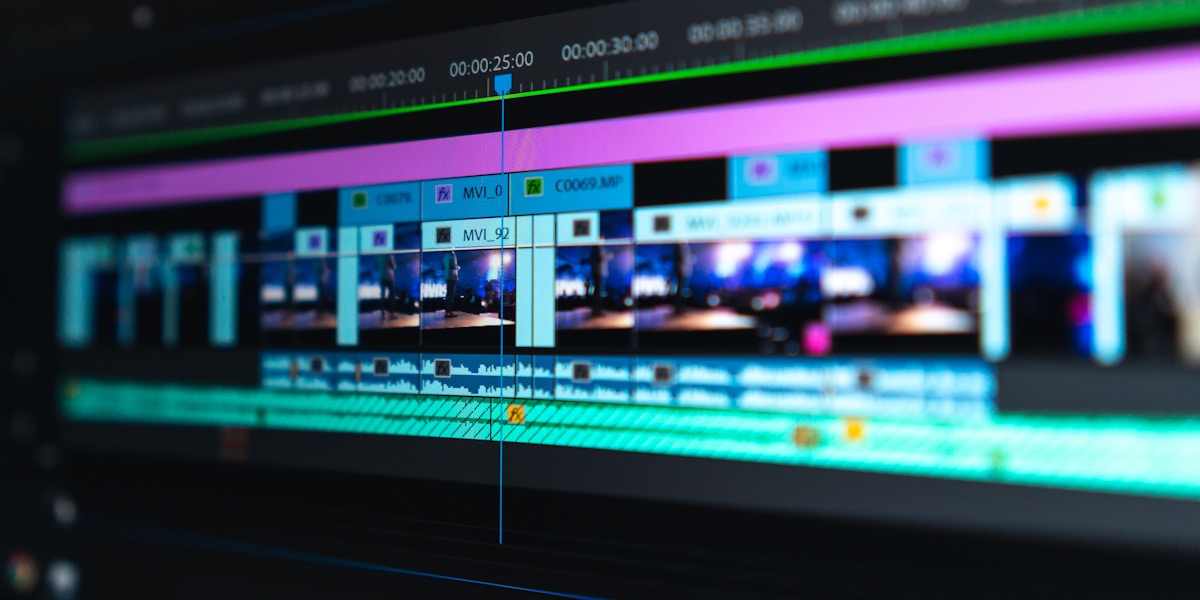
Regional festivals and specialty screening events may maintain different technical requirements that affect DCP creation while requiring understanding of venue limitations and projection system capabilities that impact presentation quality and screening success.
Specialty considerations include venue-specific requirements, projection system limitations, and technical support availability that affect DCP formatting and delivery while ensuring optimal presentation quality throughout diverse festival environments.
Regional festival requirements often involve balancing technical standards with venue capabilities while ensuring narrative films present professionally across different screening environments and projection system configurations that characterize smaller festival circuits.
Modern film festivals increasingly require accessibility features including subtitle integration and closed captioning that enhance audience accessibility while meeting legal requirements and festival guidelines for inclusive presentation.
Professional subtitle integration involves creating accurate subtitle tracks while ensuring proper timing and formatting that supports audience comprehension without compromising visual presentation quality throughout narrative content and dialogue sequences.
Subtitle creation includes translation accuracy, timing precision, and visual formatting that ensures accessibility while maintaining professional presentation standards that support international festival submission and diverse audience engagement.
Professional subtitle integration requires understanding technical specifications while ensuring subtitle quality supports narrative comprehension and audience accessibility throughout festival screening environments and international presentation contexts.
Accessibility features include closed captioning integration that ensures hearing-impaired audience access while meeting legal requirements and festival guidelines that support inclusive screening environments and comprehensive audience accommodation.
Closed captioning involves accurate transcription, proper formatting, and technical integration that ensures accessibility while maintaining professional presentation quality throughout festival screening and audience engagement requirements.
Professional accessibility integration ensures narrative films meet modern festival requirements while supporting diverse audience needs through comprehensive captioning and subtitle services that enhance festival presentation and audience accessibility.
Festival DCPs often require security features that protect content while enabling screening flexibility through professional copy protection and access control systems that balance security with operational requirements throughout festival presentation.

Professional DCP security includes encryption systems that protect content while enabling authorized screening through key delivery management systems that ensure secure presentation while maintaining operational flexibility throughout festival screening schedules.
Key delivery systems enable controlled access while maintaining security through professional encryption management that ensures content protection while supporting festival operational requirements and screening schedule flexibility.
Security integration balances content protection with screening accessibility while ensuring festival venues can present films effectively without compromising security requirements that protect filmmaker intellectual property and distribution rights.
Professional content protection ensures filmmaker rights while enabling festival presentation through comprehensive rights management systems that protect intellectual property while supporting festival screening and industry presentation requirements.
Rights management includes usage tracking, access control, and security monitoring that ensures appropriate content protection while enabling legitimate festival screening and industry presentation throughout competitive festival environments.
Professional DCP creation for narrative film festivals includes comprehensive security consultation that ensures content protection while maintaining screening accessibility and operational flexibility throughout festival presentation and industry screening requirements.
Festival DCP delivery requires careful logistics coordination that ensures timely submission while maintaining content security and technical quality throughout transportation and venue delivery processes that affect festival presentation.
DCP delivery includes multiple distribution options including physical media shipment and digital delivery systems that accommodate festival preferences while ensuring content security and technical quality throughout delivery processes.
Physical delivery involves secure media preparation and shipping coordination while digital delivery includes secure transfer systems that ensure content protection and technical quality throughout electronic distribution and festival submission processes.
Professional delivery services manage logistics coordination while ensuring timely submission and content security through comprehensive delivery systems that accommodate diverse festival requirements and submission guidelines throughout international festival circuits.
Festival presentation requires technical support availability that addresses potential screening issues while ensuring optimal presentation quality through professional troubleshooting and technical assistance throughout festival screening events.
Technical support includes remote assistance, on-site troubleshooting, and emergency replacement services that ensure festival screening success while maintaining professional presentation quality throughout competitive festival environments.
Professional DCP services provide comprehensive technical support that ensures festival presentation success while addressing potential issues through experienced troubleshooting and technical assistance that maintains filmmaker reputation and industry recognition.
Professional DCP creation requires strategic budget planning that balances technical quality with cost efficiency while ensuring festival compliance and presentation quality within financial constraints that characterize independent film production.

Professional DCP services offer various package options that accommodate different budget levels while ensuring technical quality and festival compliance through strategic service selection that meets specific requirements within financial constraints.
Package selection includes basic DCP creation, comprehensive services with subtitles and security, and premium options with technical support that enable filmmakers to select appropriate services while maintaining budget efficiency and technical quality.
Cost optimization involves understanding which services provide essential value while avoiding unnecessary expenses that exceed budget limitations without providing proportional improvement to festival presentation quality and submission success.
Multiple festival submissions often benefit from bulk DCP creation that achieves cost efficiency while ensuring consistent technical quality across different festival requirements through strategic production planning and resource optimization.
Efficiency strategies include master DCP creation with festival-specific variations that accommodate different requirements while maintaining cost-effectiveness and technical consistency throughout multiple submission processes and festival circuits.
Professional services provide guidance on multi-festival strategies that ensure comprehensive festival coverage while maintaining budget efficiency and technical quality throughout competitive submission processes and industry presentation opportunities.
DCP technology continues evolving while maintaining backward compatibility and industry standards that ensure consistent presentation quality across diverse venue configurations and projection systems throughout international cinema networks.
Digital cinema technology advancement includes higher resolution standards, enhanced audio formats, and improved compression techniques that expand creative possibilities while maintaining compatibility with existing projection infrastructure.
Future developments focus on quality enhancement and accessibility improvement while maintaining technical compatibility that ensures continued presentation capability across diverse venue configurations and international festival requirements.
Professional DCP creation adapts to technological advancement while maintaining industry standards that ensure consistent presentation quality and technical compatibility throughout evolving digital cinema infrastructure and festival requirements.
Modern DCP creation increasingly emphasizes environmental sustainability through digital delivery systems and efficient production processes that reduce environmental impact while maintaining technical quality and professional service standards.
Sustainability initiatives include reduced physical media usage, efficient digital distribution, and environmentally conscious production processes that support ecological responsibility while maintaining professional DCP creation and festival submission services.
Professional services incorporate sustainability practices while ensuring technical quality and service reliability that meets filmmaker requirements and festival specifications throughout environmentally responsible DCP creation and distribution processes.
Ready to prepare your narrative film for festival success with professional DCP creation that ensures optimal presentation quality while meeting international festival standards? Our experienced technical team understands the complex requirements of film festival submission and provides comprehensive DCP services that transform your completed film into festival-ready digital cinema packages. From technical preparation through secure delivery, we offer complete DCP creation solutions that ensure your narrative project presents professionally across prestigious festival circuits and industry screening environments.
Contact us today to discuss your film festival DCP requirements and discover how professional digital cinema package creation can enhance your festival submission strategy while ensuring optimal presentation quality that reflects your creative vision and professional standards throughout competitive festival environments.
Theatrical presentation of narrative films requires sophisticated audio mastering that optimizes content for cinema acoustics while maintaining creative vision and ensuring consistent presentation quality across diverse venue configurations and sound systems. Mastering audio for theatrical narrative releases involves specialized technical processes that enhance dialogue clarity, optimize dynamic range, and ensure surround sound integration that creates immersive audience experiences while meeting digital cinema standards and theatrical presentation requirements that distinguish professional releases from amateur productions.

Cinema audio mastering combines technical expertise with creative sensitivity to achieve optimal theatrical presentation while accommodating venue acoustics and projection system variations that affect audience audio experience throughout diverse screening environments.
Cinema presentation demands specific audio characteristics that differ significantly from home viewing or streaming consumption, requiring specialized mastering approaches that optimize content for large venue acoustics and professional sound systems.
According to cinema audio specialists, properly mastered theatrical audio can enhance audience engagement by up to 65% while ensuring consistent presentation quality across certified cinema venues that maintain professional acoustic standards and sound system configurations.
Theatrical venues present unique acoustic challenges including large room acoustics, audience absorption, and reverberation characteristics that affect audio presentation and require specialized mastering approaches that compensate for venue-specific acoustic properties.
Acoustic optimization involves understanding frequency response variations, dynamic range requirements, and spatial audio characteristics that ensure narrative films present optimally across different cinema configurations while maintaining creative vision and audience engagement.
Mastering audio for theatrical narrative releases requires balancing creative intent with venue acoustic realities while ensuring dialogue clarity and emotional impact remain consistent across diverse screening environments and audience configurations.
Professional cinema presentation requires compliance with digital cinema audio standards including specific loudness levels, dynamic range specifications, and channel configuration requirements that ensure consistent presentation across certified venues while maintaining creative freedom and artistic vision.
Digital cinema standards include understanding SMPTE specifications, DCI compliance requirements, and venue certification standards that affect audio mastering decisions while ensuring narrative films meet professional presentation requirements throughout theatrical distribution.
Technical compliance involves comprehensive understanding of cinema audio specifications while maintaining creative flexibility that enables artistic expression within technical constraints that characterize professional theatrical presentation and audience engagement.
Theatrical narrative releases benefit from sophisticated surround sound design that creates immersive audio experiences while supporting storytelling objectives through strategic spatial audio placement and environmental enhancement that distinguishes cinema presentation from home viewing.
Professional surround sound implementation requires understanding 5.1, 7.1, and immersive audio formats while creating spatial audio experiences that enhance narrative immersion without overwhelming dialogue content or drawing attention to technical audio manipulation.
Spatial design involves strategic placement of environmental audio, sound effects, and atmospheric elements that create realistic three-dimensional soundscapes while maintaining narrative focus and dialogue clarity throughout complex audio arrangements.
Channel optimization ensures effective utilization of surround sound capabilities while maintaining compatibility with different cinema configurations and ensuring degradation gracefully to smaller sound systems without compromising essential audio elements.
Surround sound design for narrative films emphasizes environmental immersion that supports storytelling while avoiding overwhelming audience attention through subtle spatial audio enhancement that creates believable acoustic environments and emotional atmosphere.
Environmental design includes realistic location audio, atmospheric enhancement, and spatial movement that creates immersive experiences while maintaining appropriate balance with dialogue and musical score throughout narrative development and character interaction.
Mastering audio for theatrical narrative releases involves understanding how surround sound elements contribute to storytelling while ensuring technical quality and creative vision remain consistent across diverse cinema venues and sound system configurations.
Theatrical presentation enables greater dynamic range utilization compared to broadcast or streaming media, requiring specialized mastering approaches that optimize impact while maintaining dialogue intelligibility and audience comfort throughout extended viewing experiences.
Cinema loudness standards differ significantly from broadcast requirements, enabling greater dynamic impact while requiring careful peak management that ensures audience comfort and prevents distortion throughout high-impact sequences and dramatic moments.
Peak management involves understanding cinema playback levels while optimizing dynamic range that creates emotional impact without causing audience discomfort or compromising dialogue clarity during quiet conversational sequences that require intimate audio presentation.
Professional loudness optimization balances dramatic impact with audience experience while ensuring compliance with venue standards and maintaining consistent presentation quality across different cinema configurations and acoustic environments.
Theatrical audio mastering requires maintaining dialogue clarity within complex audio arrangements that include environmental audio, sound effects, and musical score while utilizing full dynamic range capabilities that characterize professional cinema presentation.
Dialogue optimization involves frequency management, spatial positioning, and dynamic control that ensures conversational content remains intelligible while enabling rich environmental audio and dramatic musical enhancement throughout narrative development.
Professional dialogue mastering balances clarity requirements with creative freedom while ensuring conversational content translates effectively across diverse cinema venues and acoustic configurations that affect audience comprehension and engagement.
Theatrical presentation enables sophisticated music integration that enhances emotional impact while maintaining appropriate balance with dialogue and environmental audio through professional mastering that optimizes musical content for cinema acoustics.
Cinema presentation allows full orchestral range utilization while requiring careful integration with dialogue and sound effects through frequency management and spatial positioning that creates comprehensive audio experiences without compromising narrative clarity.
Score optimization involves understanding frequency relationships between musical content and other audio elements while ensuring emotional impact and artistic vision translate effectively across different cinema configurations and acoustic environments.
Professional music mastering enables dramatic musical enhancement while maintaining dialogue prominence and environmental audio presence that supports narrative storytelling and audience engagement throughout theatrical presentation.
Musical score mastering for theatrical release emphasizes emotional enhancement that supports narrative themes while creating atmospheric depth through strategic frequency enhancement and spatial audio positioning that distinguishes cinema presentation.
Atmospheric music integration involves understanding how musical elements contribute to environmental immersion while maintaining appropriate balance with practical audio elements that anchor narrative events in realistic acoustic contexts.
Mastering audio for theatrical narrative releases requires comprehensive music integration that enhances emotional storytelling while maintaining technical quality and ensuring consistent presentation across diverse venue configurations and sound systems.
Professional theatrical audio mastering involves systematic processes that ensure technical compliance while maintaining creative vision through comprehensive quality control and verification procedures that prevent presentation issues.
Theatrical mastering utilizes specialized processing chains that optimize audio for cinema presentation while maintaining natural characteristics and avoiding over-processing that could compromise audio quality or creative authenticity throughout distribution and presentation.
Processing optimization includes understanding which audio elements require enhancement versus preservation while ensuring technical compliance with digital cinema standards and venue requirements that affect presentation quality and audience experience.
Professional mastering chains balance technical optimization with creative preservation while ensuring audio quality translates effectively across different cinema venues and maintains consistent presentation standards throughout theatrical distribution.
Accurate theatrical mastering requires calibrated monitoring systems that replicate cinema presentation conditions while enabling confident mastering decisions that translate effectively to diverse venue configurations and sound system specifications.
Reference monitoring includes understanding cinema playback characteristics while maintaining accurate assessment capabilities that ensure mastering decisions support optimal presentation across different venue types and acoustic configurations.
Professional monitoring calibration ensures mastering work translates effectively to cinema presentation while maintaining creative vision and technical quality throughout diverse screening environments and sound system configurations.
Theatrical releases require compatibility with diverse venue configurations while maintaining presentation quality across different cinema chains and independent theaters that utilize varying sound system specifications and acoustic treatments.
Major cinema chains maintain specific technical requirements that affect audio mastering while requiring understanding of venue-specific considerations and sound system configurations that ensure optimal presentation across corporate theater networks.
Chain compatibility involves understanding technical specifications while ensuring audio mastering accommodates different venue sizes and configurations without compromising creative vision or presentation quality throughout corporate theatrical distribution.
Professional mastering considers venue variations while maintaining consistent presentation quality that ensures narrative films present optimally across different cinema chains and market segments throughout theatrical release campaigns.
Independent theaters often present unique technical challenges including older sound systems and non-standard configurations that require flexible mastering approaches while maintaining presentation quality and creative integrity throughout diverse venue types.
Independent venue compatibility involves understanding technical limitations while ensuring audio mastering remains effective across various equipment configurations and acoustic environments that characterize independent theater presentations.
Mastering audio for theatrical narrative releases includes consideration of venue diversity while ensuring consistent presentation quality and audience experience across different theater types and market segments throughout comprehensive theatrical distribution.
Theatrical audio mastering requires creating multiple delivery formats that accommodate different distribution requirements while maintaining consistent quality and ensuring compatibility across various cinema systems and presentation contexts.
Professional audio mastering integrates seamlessly with Digital Cinema Package creation while ensuring audio quality and technical compliance throughout DCP preparation and venue delivery processes that affect theatrical presentation quality.
DCP integration involves understanding technical specifications while ensuring audio mastering translates effectively to digital cinema format without compromising quality or creative vision throughout distribution and presentation processes.
Professional DCP audio preparation ensures optimal presentation quality while maintaining compatibility with cinema projection systems and ensuring consistent audience experience across different venue configurations and screening environments.
Theatrical distribution may require multiple audio formats including traditional film prints and alternative digital systems while maintaining consistent presentation quality across different technical specifications and venue requirements.
Format optimization involves understanding technical requirements while ensuring audio mastering remains effective across various delivery systems without compromising creative vision or presentation quality throughout diverse distribution channels.
Professional format preparation ensures comprehensive distribution capability while maintaining audio quality and ensuring consistent presentation across different venue types and technical configurations throughout theatrical release campaigns.
Professional theatrical audio mastering requires strategic budget allocation that achieves optimal presentation quality while managing costs through efficient workflows and appropriate service selection within production financial constraints.
Theatrical mastering services offer various options that accommodate different budget levels while ensuring technical compliance and presentation quality through strategic service selection that meets specific requirements within financial limitations.
Value optimization involves understanding which mastering elements provide essential presentation enhancement while avoiding unnecessary services that exceed budget constraints without providing proportional improvement to theatrical audio quality.
Professional mastering services provide guidance on budget allocation that ensures essential theatrical optimization while maintaining cost efficiency and creative satisfaction throughout audio post-production and delivery preparation.
Theatrical release schedules require careful timeline coordination that ensures mastering completion meets distribution deadlines while maintaining quality standards and creative satisfaction throughout complex post-production and delivery processes.
Timeline management involves understanding distribution requirements while ensuring sufficient mastering time that achieves optimal results without compromising release schedules or creative objectives throughout theatrical preparation and delivery coordination.
Mastering audio for theatrical narrative releases requires strategic planning that ensures comprehensive audio optimization while meeting delivery deadlines and maintaining presentation quality throughout theatrical distribution and venue delivery processes.
Quality theatrical audio mastering contributes to industry recognition while building filmmaker reputation through professional presentation that meets industry standards and enhances career development opportunities throughout competitive theatrical markets.
Industry-certified mastering ensures compliance with professional standards while providing quality assurance that supports filmmaker credibility and industry recognition throughout competitive theatrical distribution and critical evaluation processes.
Certification compliance includes understanding industry standards while ensuring mastering work meets professional requirements that support career development and industry recognition throughout ongoing filmmaker career advancement.
Professional standards adherence demonstrates technical competence while ensuring theatrical releases maintain presentation quality that reflects positively on filmmaker reputation and industry standing throughout competitive market environments.
Quality theatrical mastering creates portfolio pieces that demonstrate professional capability while building industry relationships that support ongoing career development and future project opportunities throughout expanding filmmaker careers.
Professional mastering partnerships provide learning opportunities while building industry connections that support career advancement through demonstrated technical excellence and creative collaboration throughout successful theatrical releases.
Excellence in theatrical audio presentation opens doors to larger projects while establishing industry credibility that supports long-term career development and professional recognition throughout competitive independent and commercial film markets.
Ready to prepare your narrative film for theatrical release with professional audio mastering that optimizes cinema presentation while maintaining creative vision and emotional impact? Our experienced mastering engineers understand the unique requirements of theatrical presentation and provide comprehensive audio services that ensure your film achieves maximum impact in cinema environments. From dialogue optimization through surround sound integration, we offer complete theatrical mastering solutions that transform your narrative project into a compelling theatrical experience that engages audiences and supports your creative vision.
Contact us today to discuss your theatrical audio mastering needs and discover how professional cinema optimization can enhance your narrative film while ensuring optimal presentation quality across diverse venue configurations and sound systems throughout successful theatrical distribution campaigns.
Post-production visual effects integration enables filmmakers to enhance completed footage while addressing production limitations and expanding creative possibilities through strategic digital enhancement that supports storytelling objectives. Professional VFX integration for completed film footage transforms existing narrative content through invisible effects work, environmental enhancement, and creative augmentation that elevates production value while maintaining narrative authenticity and ensuring seamless integration that supports rather than overwhelms story content and character development throughout post-production enhancement.

Visual effects integration requires balancing creative enhancement with narrative authenticity while ensuring technical excellence and maintaining the realistic foundation that supports audience engagement and story believability throughout complex digital enhancement processes.
Narrative filmmaking benefits from strategic visual effects integration that enhances storytelling while maintaining realistic presentation through professional VFX work that addresses production challenges and expands creative possibilities without compromising story authenticity.
According to veteran compositor Hank Chang, invisible VFX work makes up the majority of modern film visual effects, emphasizing the importance of seamless integration that enhances narrative content without drawing attention to digital manipulation or technical intervention.
Professional VFX integration emphasizes invisible effects that solve production challenges while enhancing visual quality through digital techniques that remain undetectable to audiences while improving overall production value and narrative presentation quality.
Invisible enhancement includes environment cleanup, object removal, and visual consistency correction that addresses production limitations while maintaining realistic presentation that supports audience immersion and story believability throughout narrative development.
VFX integration for completed film footage focuses on enhancement rather than spectacle, ensuring digital work supports storytelling objectives while maintaining the authentic foundation that characterizes effective narrative filmmaking and audience engagement.
Strategic VFX integration expands creative possibilities while addressing budget limitations through digital solutions that achieve visual objectives within post-production timelines and financial constraints that characterize independent and low-budget narrative productions.
Creative enhancement includes environmental expansion, atmospheric improvement, and visual refinement that elevates production value while maintaining narrative focus and ensuring digital work enhances rather than distracts from character development and story progression.
Professional VFX work enables filmmakers to achieve visual objectives that exceeded production capabilities while maintaining creative vision and ensuring enhanced footage integrates seamlessly with existing content throughout narrative presentation and audience viewing experience.
Different types of visual effects serve specific narrative purposes while addressing various production challenges through specialized digital techniques that enhance completed footage without compromising story authenticity or audience engagement.

Environmental VFX enables location enhancement and expansion while maintaining realistic presentation through digital environment work that extends practical locations and creates believable settings that support narrative requirements and creative vision.
Environment extension includes background replacement, location enhancement, and atmospheric addition that creates comprehensive visual environments while maintaining photographic realism and ensuring digital environments integrate seamlessly with practical footage.
Professional environmental VFX balances creative enhancement with realistic presentation while ensuring digital environments support narrative authenticity and maintain the believable foundation that characterizes effective storytelling and audience engagement.
Cleanup VFX addresses production challenges including unwanted objects, anachronisms, and visual inconsistencies while maintaining realistic presentation through professional digital techniques that preserve authentic visual character and narrative believability.
Object removal includes eliminating production equipment, correcting continuity errors, and addressing visual distractions that could compromise narrative immersion while maintaining photographic quality and realistic visual presentation throughout enhanced footage.
VFX integration for completed film footage often involves extensive cleanup work that addresses production limitations while ensuring final content meets professional presentation standards and maintains visual consistency throughout narrative development.
Professional VFX integration requires systematic workflows that ensure quality while maintaining efficient production timelines through organized processes that accommodate creative revision and maintain technical excellence throughout complex digital enhancement projects.
VFX integration begins with comprehensive footage analysis that identifies enhancement opportunities while understanding technical limitations and establishing realistic objectives that balance creative ambition with production constraints and timeline requirements.
Analysis includes understanding camera movement, lighting conditions, and visual characteristics that affect VFX integration while identifying scenes that provide maximum narrative benefit through digital enhancement and creative augmentation.
Professional planning ensures VFX work addresses priority sequences while maintaining budget efficiency and ensuring enhanced footage meets creative objectives within established timelines and technical requirements throughout post-production completion.
Accurate camera tracking enables precise VFX integration while ensuring digital elements match camera movement and perspective throughout complex shots that require seamless integration between practical footage and digital enhancement work.
Matchmoving includes understanding camera characteristics while creating accurate tracking data that enables digital elements to integrate seamlessly with practical footage through professional tracking techniques and quality control processes.
Professional tracking ensures VFX elements maintain realistic perspective and movement while integrating seamlessly with practical footage throughout complex camera movements and challenging integration sequences that require technical precision.
Successful VFX integration requires comprehensive color matching and visual consistency management that ensures digital elements integrate seamlessly with practical footage while maintaining realistic presentation and narrative authenticity.
Professional color integration ensures VFX elements match practical footage while maintaining consistent visual quality through strategic color grading and matching techniques that create seamless integration between digital and practical elements.
Color matching includes understanding lighting conditions while ensuring digital elements reproduce accurately within established color palettes and visual aesthetics that characterize specific narrative projects and creative vision.
VFX integration for completed film footage requires comprehensive color work that ensures enhanced sequences maintain visual consistency while integrating seamlessly with existing footage throughout narrative presentation and audience viewing experience.
Realistic lighting integration ensures VFX elements respond appropriately to practical lighting conditions while maintaining photographic quality that supports narrative believability and audience immersion throughout enhanced sequences.
Lighting integration includes understanding practical illumination while ensuring digital elements maintain realistic response to environmental lighting conditions and shadow characteristics that support photographic authenticity.
Professional lighting work enables seamless integration while maintaining realistic presentation that supports narrative authenticity and ensures enhanced footage maintains the believable foundation that characterizes effective storytelling.
Independent narrative films require VFX approaches that maximize visual impact while managing costs through strategic enhancement selection and efficient production techniques that achieve professional results within budget constraints.
Budget-conscious VFX focuses on enhancement work that provides maximum narrative benefit while managing costs through strategic sequence selection and efficient production techniques that achieve professional results within financial limitations.
Strategic selection includes identifying sequences that benefit most from VFX enhancement while understanding which effects provide proportional value relative to production costs and creative objectives throughout post-production optimization.
Professional VFX services provide guidance on enhancement prioritization that ensures essential visual improvements receive appropriate attention while maintaining budget efficiency and creative satisfaction throughout narrative film completion.
Cost-effective VFX production utilizes efficient techniques and workflow optimization that achieve professional results while managing time and resource constraints through strategic production approaches and technical optimization.
Efficient techniques include understanding which VFX approaches provide optimal results while maintaining production efficiency through strategic tool selection and workflow optimization that supports budget constraints and timeline requirements.
VFX integration for completed film footage requires efficient planning that ensures essential enhancement work receives appropriate attention while maintaining cost-effectiveness and ensuring creative objectives remain achievable within established budgets.
Professional VFX integration requires comprehensive quality control that ensures seamless integration while maintaining technical excellence through systematic review processes that identify and address integration issues before final delivery.
Quality control includes comprehensive integration testing that ensures VFX elements blend seamlessly with practical footage while maintaining realistic presentation and technical quality throughout enhanced sequences and narrative content.
Integration verification involves understanding visual consistency requirements while ensuring digital elements maintain appropriate quality standards and realistic presentation that supports narrative authenticity and audience engagement.
Professional quality assurance ensures VFX work enhances rather than compromises narrative content while maintaining technical excellence and creative vision throughout complex integration projects and delivery preparation.
VFX integration must meet technical standards for various distribution platforms while maintaining quality and ensuring compatibility with delivery requirements throughout theatrical, streaming, and broadcast presentation contexts.
Technical compliance includes understanding platform requirements while ensuring VFX work maintains quality across different viewing contexts and technical specifications that characterize modern distribution and audience consumption.
Professional VFX delivery ensures enhanced footage meets distribution requirements while maintaining creative vision and technical quality throughout various presentation contexts and audience viewing experiences.
Successful VFX integration requires extensive collaboration between filmmakers and VFX artists to ensure digital enhancement supports creative vision while maintaining narrative authenticity throughout complex enhancement projects.
Effective VFX collaboration requires clear communication between filmmakers and artists while maintaining creative flexibility that accommodates revision and refinement throughout complex enhancement projects and creative development.
Creative communication includes reference sharing, vision alignment, and iterative refinement that ensures VFX work supports narrative objectives while maintaining artistic integrity and creative satisfaction throughout enhancement development.
Professional collaboration enables creative exploration while maintaining project focus and ensuring VFX integration enhances rather than compromises directorial vision and narrative authenticity throughout post-production enhancement.
VFX projects require flexible revision processes that accommodate creative refinement while maintaining production efficiency through organized feedback systems and version control that supports creative development within timeline constraints.
Revision management includes understanding creative development cycles while maintaining production momentum and ensuring VFX work achieves creative objectives within established timelines and budget parameters.
VFX integration for completed film footage benefits from structured revision processes that enable creative refinement while maintaining project efficiency and ensuring enhanced content meets creative standards and narrative objectives.
Modern VFX integration utilizes sophisticated software and technology that enables professional results while maintaining efficient workflows through strategic tool selection and technical optimization that supports creative objectives.
VFX integration requires professional software solutions that enable complex enhancement work while maintaining compatibility with post-production workflows through strategic tool selection and pipeline optimization that supports creative objectives.
Software integration includes understanding compatibility requirements while ensuring VFX tools integrate effectively with existing post-production workflows and delivery requirements throughout complex enhancement projects.
Professional VFX pipelines ensure efficient workflow integration while maintaining quality standards and creative flexibility that supports narrative enhancement and ensures seamless production coordination throughout post-production completion.
Professional VFX work requires substantial computing resources while maintaining efficient production workflows through hardware optimization and performance management that supports complex enhancement projects within timeline constraints.
Hardware optimization includes understanding performance requirements while ensuring VFX production maintains efficiency through strategic resource management and technical optimization that supports creative objectives and timeline compliance.
Professional VFX facilities provide comprehensive technical infrastructure that enables complex enhancement work while maintaining production efficiency and ensuring creative objectives remain achievable within established timelines and budget parameters.
VFX technology continues evolving while maintaining fundamental principles of narrative support and seamless integration that define effective visual enhancement in narrative filmmaking and audience engagement throughout technological advancement.
Emerging AI technologies enable more efficient VFX production while maintaining creative control and quality standards through automated processes that support rather than replace artistic decision-making and creative vision throughout enhancement development.
AI integration includes understanding automation capabilities while maintaining creative oversight that ensures technology supports rather than compromises artistic vision and narrative authenticity throughout VFX enhancement and post-production completion.
Professional VFX services adapt emerging technologies while maintaining creative excellence and narrative focus that ensures technological advancement supports rather than distracts from storytelling objectives and audience engagement.
Advanced rendering technologies enable more efficient VFX production while maintaining quality standards through real-time processing capabilities that support creative exploration and revision throughout complex enhancement projects.
Real-time capabilities include understanding workflow advantages while maintaining quality standards that ensure enhanced footage meets professional presentation requirements and creative objectives throughout narrative film completion.
VFX integration for completed film footage benefits from technological advancement while maintaining focus on narrative support and seamless integration that characterizes effective visual enhancement and audience engagement throughout evolving production capabilities.
Ready to enhance your completed narrative film with professional VFX integration that expands creative possibilities while maintaining story authenticity? Our experienced visual effects team specializes in invisible enhancement and seamless integration that elevates production value while supporting your creative vision. From environmental enhancement through complex cleanup work, we provide comprehensive VFX solutions that transform your completed footage while maintaining the realistic foundation that defines compelling narrative filmmaking.
Contact us today to discuss your film enhancement needs and discover how professional VFX integration can expand your creative possibilities while maintaining narrative authenticity and ensuring seamless enhancement that supports rather than overwhelms your storytelling objectives throughout post-production completion.
Post-production is the phase where a short film truly comes to life. It begins once the picture is locked, meaning all major editing decisions have been finalized. From this point on, the focus shifts toward refining every frame, sound, and visual element to ensure the story is delivered as powerfully as intended.
This journey involves multiple layers, sound design, color grading, visual effects, mastering, and final packaging, each contributing to the film’s emotional and technical impact. In this article, we’ll walk through the complete post-production workflow, outlining each crucial step that transforms raw footage into a polished, distributable final product.
The term “locked picture” refers to the stage in post-production where the edit is finalized, and no further changes are made to the arrangement or duration of the shots. This milestone is critical because it signals that the story structure, pacing, and visual sequence have been approved by the key creative team.
From this point forward, all subsequent work, such as color grading, sound design, and VFX, will be built on this final edit. Altering the picture after it has been locked can cause a cascade of problems in later stages, from misaligned audio cues to wasted time and resources in redoing visual effects.
The editor plays a central role in reaching the locked picture stage. Working closely with the director, the editor shapes the raw footage into a coherent and emotionally engaging narrative. This involves selecting the best takes, determining the pacing, and ensuring continuity across scenes.
The director provides the creative vision and oversees the storytelling choices, while the producer ensures that the timeline and budget are maintained. This collaboration is crucial in arriving at a version of the film that satisfies both artistic goals and production realities.
Reaching the locked picture is not simply a technical checkpoint. It represents a shared creative agreement across departments. Once the picture is locked, the film enters a new phase of video production planning. Every subsequent team, sound, color, and animation needs a stable foundation to work efficiently and avoid rework.
For this reason, locking the picture should only happen after extensive review, feedback, and internal screenings. Some filmmakers also involve external consultants or test audiences to validate that the film communicates its intended message before committing to the final cut.
A full-service creative studio often supports this phase by offering content creation expertise and creative marketing input. At this point, early materials for promotional use, such as stills, teasers, or press kits, can also be created using the locked footage. The locked picture is the launchpad for finishing a short film professionally, and its accuracy impacts everything that follows in the pipeline.
Once the picture is locked, the audio team begins shaping the film’s sonic landscape. Sound editing and audio engineering are not just technical steps, they are essential creative processes that influence how the audience feels, reacts, and understands the story.
Even the most visually compelling film can feel incomplete or unconvincing without a carefully designed audio environment. The post-production sound phase includes several specialized components: dialogue editing, ADR (Automated Dialogue Replacement), Foley effects, and background ambiance or soundscapes.
Dialogue editing ensures clarity and continuity. Any distracting noises or uneven audio levels are corrected so that the audience can focus on the characters’ words without distraction. When production audio is unusable or inconsistent, ADR comes into play.
Actors re-record their lines in a controlled studio environment, matching their lip movements and emotional delivery from the original footage. This technique is especially helpful in outdoor or noisy locations where clean sound capture is difficult.
Foley is the art of recreating everyday sounds, footsteps, door creaks, clothing rustles, by hand in a studio. These subtle layers add realism and depth to each scene, making the world of the film feel lived in and believable. Background sounds, like wind, traffic, or crowd murmurs, are carefully balanced with the main dialogue and music to enhance immersion without overwhelming the viewer.
The audio engineering process integrates all these elements into a cohesive soundscape. It involves equalization, dynamic range control, spatial mixing, and mastering for different playback environments. Whether the film is intended for cinema, mobile, or online platforms, proper mixing ensures it sounds great everywhere. At this stage, collaboration between sound designers and composers is key to blending music and effects without clashing.
Studios that specialize in artist management & media creation often bring in voice actors, sound editors, and composers to elevate the project’s emotional quality. The result is a professionally layered track that supports the story and enhances the emotional arcs.
High-end feature film mastering & delivery services finalize the mix, ensuring compliance with technical standards for film festivals, streaming platforms, or theatrical exhibition. Ultimately, great sound design does not draw attention to itself; it draws attention to the story.
Color grading is one of the most visually transformative stages of post-production. It is often confused with color correction, but the two serve different purposes. Color correction comes first and focuses on balancing footage so that exposure, white balance, and contrast are consistent across shots.
It ensures technical accuracy. Color grading, on the other hand, is a creative process. It involves adjusting hues, saturation, brightness, and contrast to create a specific mood, style, or emotional tone. While correction makes footage look real, grading makes it feel intentional.
In short films, color grading helps reinforce the narrative tone and visual identity. A horror short might lean into desaturated blues and harsh contrasts, while a romantic drama could use warmer tones and softer highlights.
These choices are not random. They guide the viewer’s emotional response and align the visual experience with the story’s underlying message. In a dialogue-light or abstract short, grading can be the storytelling anchor, setting the emotional temperature even when the script is sparse.
Filmmakers use professional video production gear such as calibrated monitors and color grading software like DaVinci Resolve to achieve these results. LUTs (Look-Up Tables), power windows, and keyframing allow for highly precise control over specific areas of a frame. In skilled hands, grading can shift daytime into dusk, isolate a character in color against a black-and-white background, or even create a dreamlike glow that supports surreal narratives.
At a studio level, color grading is also part of a broader branding & graphic design strategy. Still frames or teaser clips are often pulled from the graded footage to maintain visual consistency across promotional content. Whether used for posters, trailers, or press kits, the look of a film becomes a part of its identity.
In professional film & TV production, grading is not an optional polish. It is integral to completing a film’s visual language. For short films submitted to festivals or platforms like Vimeo Staff Picks, high-quality grading can make the difference between being ignored and being celebrated. A unified and compelling grade helps communicate professionalism, creative clarity, and cinematic intent, qualities that juries and audiences quickly recognize.
Visual effects (VFX) compositing and animation have become increasingly accessible, even for independent short filmmakers. While not every short film requires explosions or elaborate CGI, well-integrated VFX can elevate storytelling in subtle yet impactful ways.
Compositing refers to combining visual elements from multiple sources into a single frame, while animation involves creating movement from still images, whether 2D graphics or 3D models. Together, they allow filmmakers to expand creative possibilities beyond what was captured on set.
One of the most powerful uses of VFX compositing & animation is in world-building. For example, a science fiction short can simulate futuristic interfaces or alien landscapes, while a historical drama might remove modern elements from the background.
Even something as simple as replacing a blank phone screen with an animated interface adds realism and narrative clarity. These additions are often invisible to viewers when done well, yet they deeply affect immersion and believability.
In short films, where budgets are tight and shooting schedules compressed, VFX can also serve practical purposes. A single-location story can be enriched with set extensions or animated transitions that suggest a broader world. Creative transitions, particle effects, and motion-tracked titles can add energy and polish, especially in experimental or stylized projects.
At the studio level, VFX workflows involve software like After Effects, Blender, or Nuke, along with skilled artists who understand the balance between visual flair and story coherence. These tools are paired with professional photography to match lighting, shadows, and texture across different elements.
For example, a VFX artist compositing a fantasy portal into a scene will often work from studio-lit green screen footage and stills to ensure the light direction and focus depth feel natural.
VFX and animation are also valuable tools for creative marketing. Short clips or looping effects from the film can be used in trailers, posters, or social media teasers. These assets help promote the film while preserving its visual identity.
In sum, VFX compositing & animation are not just technical tricks. They are storytelling tools that allow filmmakers to control space, time, and perception. When used with intent and precision, even a single effect can leave a lasting impression, amplify the emotional arc, or visually underscore a thematic point.
After all elements of sound have been edited and prepared, dialogue, Foley, ambient effects, and music, the project enters the crucial stage of sound mixing and mastering. This phase combines the technical and creative tasks needed to ensure that the film sounds polished, immersive, and consistent across all playback environments.
It is during mixing that all audio tracks are blended together to create a cohesive soundscape. Mastering prepares that mix for distribution, applying final adjustments for volume, frequency, and format-specific standards.
The goal of sound mixing is to balance elements so that nothing overwhelms the story. Dialogue must remain clear without being drowned by background noise or music. Music must complement the emotional rhythm of a scene without competing with character speech. Effects should add realism but not distract. Equalization, panning, dynamic range compression, and reverb are used to sculpt how each sound is perceived.
Short films, unlike longer works, often have minimal time to establish tone, so precision in audio delivery is essential. Whether the film will be viewed on headphones, in a theater, or streamed on mobile, the mix must be optimized accordingly.
This is where mastering becomes critical. It ensures that the audio meets platform standards, adheres to loudness targets, and retains consistent quality throughout. Without mastering, a film might sound fine on one device and distorted or muted on another.
Professional audio engineering tools like Pro Tools, Logic Pro, or Nuendo are standard in this workflow. Sound engineers not only handle the technical side but also provide creative guidance, ensuring that the mix serves the story. A sudden silence, a swelling score, or the ambient echo of an empty room can heighten emotional impact when designed intentionally.
For filmmakers working with a studio, feature film mastering & delivery services also include encoding and compliance documentation for film festivals, OTT platforms, and broadcasters. These services ensure that your short film meets the technical criteria required for wide distribution.
Sound mixing and mastering also tie into media marketing consulting services. For example, studios may prepare alternate audio versions for trailers or promotional cuts with custom voiceovers. In the end, the audience might not notice perfect sound, but they will always notice when it is missing.
Once a short film is complete in terms of picture, sound, and visual effects, the next step is to encode and export it in the right formats for distribution. This process is often overlooked by new filmmakers, but it can make or break a project’s ability to screen properly on different platforms. Whether the film is going to a festival, a streaming service, a private screening, or a portfolio website, each destination has its own technical requirements.
Encoding involves converting the final edit into standardized file formats such as ProRes, H.264, or DCP (Digital Cinema Package). The right resolution, frame rate, bitrate, and aspect ratio must be selected to match the delivery specs.
A festival may require a 24fps DCP file with stereo or 5.1 surround sound. A web upload might call for a smaller H.264 file optimized for video & audio live streaming. These requirements are not interchangeable, and submitting the wrong format can lead to playback issues or disqualification.
Subtitles and closed captions are also a key part of this phase. Many platforms and festivals mandate them, not just for accessibility but for international audiences. Subtitles must be time-synced and properly formatted, typically in SRT or VTT files. In addition, legal metadata such as music cue sheets, credits, and copyright disclaimers are often required for full compliance.
Professional studios often handle encoding and delivery through feature film mastering & delivery pipelines. These services ensure that files are encoded to exact specifications, with error-free playback across platforms. They may also generate multiple versions for different use cases, one for web, one for mobile, and one for theatrical screenings.
Hosting and showcasing the final film is the final part of this stage. For personal websites, a stable and scalable web hosting solution is essential. Embedding high-resolution video files while maintaining fast loading times requires back-end optimization. Hosting platforms also need to support player customization and analytics, especially if the film is being pitched to networks or distributors.
Encoding is not just about exporting a file. It’s about preparing your film for the real world, one where devices, screen sizes, and audience expectations vary widely. Taking the time to get this right ensures that your short film can be seen exactly as you intended.
Once your short film is fully mastered, the next critical step is packaging it for distribution. This is where the creative intersects with the promotional. A beautifully finished film will not gain traction without the right marketing materials to support it. Effective packaging includes trailers, stills, posters, Electronic Press Kits (EPKs), and other promotional assets designed to attract attention and facilitate outreach to festivals, distributors, and audiences.
Trailers are often the first impression your film makes. A 30 to 60-second teaser that captures the emotional core and visual tone of your short is essential for social media, pitch decks, and submission sites. Still frames pulled from the color-graded footage are used for posters, thumbnails, and banners. A strong visual identity that matches your film’s theme is critical at this stage, and professional branding & graphic design play a big role in making the film feel cohesive and market-ready.
An EPK typically includes a film synopsis, director’s statement, cast and crew bios, and high-resolution promotional images. It may also contain behind-the-scenes photos and links to additional footage. These assets are especially important for film festivals, industry reviews, and journalists.
Many filmmakers also prepare pitch decks for investors or future collaborators. These decks summarize the film’s story, target audience, artistic vision, and promotional strategy in a concise visual format. If you’re submitting your short as a proof of concept for a feature or series, this is a must. It’s also a valuable tool for TV show pitching or adapting your film into a longer-format project.
For shorts with a social or cultural theme, strategic packaging can support political campaigns or awareness movements. Your film can become a content pillar within a broader media strategy, especially if supported by SEO-optimized landing pages and branded visuals.
Partnering with a studio that offers SEO copywriting can enhance discoverability. Well-written film descriptions, meta tags, and press releases help boost search visibility, especially on YouTube, Vimeo, and portfolio sites. A consistent voice and clear messaging strengthen your film’s identity and appeal.
Packaging is not just about marketing. It’s about positioning your film to succeed in a competitive, saturated landscape. When done right, your film becomes more than a creative piece; it becomes a brand that can open doors to new opportunities.
After the final film has been delivered and distributed, an often overlooked but vital step is archiving and version control. Properly archiving your short film ensures that you can return to it in the future, whether for re-editing, remastering, or showcasing, as technologies, formats, and audience needs evolve. It also protects your work against data loss, hardware failure, or outdated software.
The first step in archiving is creating master backups. This includes the final graded film in its highest-resolution format (such as ProRes or DPX), along with all key elements: raw footage, audio stems, project files, VFX layers, subtitle files, cue sheets, and promotional assets. These should be stored both locally and in cloud-based environments to ensure redundancy.
Version control is equally important. Throughout post-production, multiple versions of the film are created for review, feedback, and delivery. Keeping track of these versions using a clear naming convention is essential. This might include indicators like version numbers, dates, resolution specs, and delivery type (e.g., “Film_Title_v6_FestivalMaster_4K_5.1.wav”). This prevents confusion and saves hours of future sorting when revisiting the project.
Studios with expertise in web maintenance can assist filmmakers in setting up secure and well-organized online archives. This is particularly helpful for distributing screener links, housing protected versions for sales agents, or maintaining access across teams. Versioned web folders and encrypted file delivery add layers of security while allowing controlled collaboration.
From a content creation perspective, archiving isn’t just about storage. It’s about enabling future opportunities. A filmmaker may later want to cut a director’s version, repackage the film for a new audience, or submit it to new platforms that emerge. With a well-maintained archive, the process becomes faster and more reliable.
Moreover, archiving supports extended video production cycles. If the short film evolves into a feature, series, or commercial project, having all source files and creative assets preserved allows for seamless expansion.
Archiving and version control are signs of professional practice. They show that you’re thinking beyond the immediate release and treating your short film as part of a long-term creative journey. In today’s digital landscape, where assets can be lost as quickly as they’re made, proper archiving is not just smart, it’s essential.
Post-production is where your short film becomes more than just footage; it becomes a fully realized experience. From the locked picture to final mastering, every step matters. Trusting professionals who understand the nuances of film & TV production, VFX compositing, and encoding standards can elevate your work beyond expectations.
At C&I Studios, we help filmmakers bring their stories to life with industry-level precision and creativity.
You can explore our services, view our portfolio, or contact us directly to see how we can support your next project. Learn more about who we are at C&I Studios.
Post-production is where the true magic of filmmaking happens. For short films, this stage is not just a technical process but a creative one that breathes life into raw footage. It is where rough scenes are sculpted into coherent stories, where emotion is shaped, and where clarity and impact are refined. Color enhances mood, sound deepens atmosphere, and storytelling becomes sharper through editing choices.
When handled with intention, post-production can elevate a film from ordinary to unforgettable. It is the final and often most defining phase that transforms initial ideas into fully realized cinematic experiences.
Post-production is the stage of filmmaking that begins once the camera stops rolling. It involves transforming raw, unpolished footage into a cohesive, emotionally resonant film. For short films in particular, where time constraints require efficiency and precision, post-production plays a critical role in sharpening the final message and maximizing the film’s impact. The key components of post-production include editing, sound design, color grading, and visual effects, each contributing uniquely to the final product.
Editing serves as the foundation of post-production. Editors structure the film’s narrative, determine pacing, and choose which shots best convey the director’s vision. This process not only ensures continuity but also controls the flow of information to the audience. It determines how scenes transition, where tension builds, and when emotional beats hit.
Sound design is another essential layer. It includes dialogue cleanup, Foley work, ambient sounds, and musical scoring. Effective sound design helps create a believable world, enhances mood, and guides audience perception. Silence, too, is a deliberate choice that can speak volumes in a short film.
Color grading gives the film its visual identity. It goes beyond correcting exposure and white balance. Through controlled adjustments in color tone, saturation, and contrast, filmmakers can reinforce themes, symbolize emotion, and direct the viewer’s attention.
Visual effects, when used appropriately, provide enhancements that practical shooting cannot achieve. From minor corrections to stylized animations, VFX compositing & animation support storytelling without overpowering it.
Post-production is inherently collaborative. Directors often work closely with editors, sound designers, and colorists to ensure that every creative decision aligns with the vision established during pre-production and shooting. These professionals each bring a specialized skillset, and together they shape the final cinematic experience.
The rise of digital tools has also expanded access to high-quality video production, making it possible for short film creators to execute their vision more effectively. This democratization of content creation has enriched the landscape of film & TV production, allowing more voices to be heard and stories to be told with high production value.
In short films, every second matters. Post-production is the phase that determines how those seconds are used and felt. It is the final brushstroke on a canvas that turns intention into emotion and concept into cinematic art.
Color grading is not just a finishing touch. It is a storytelling tool that shapes the emotional tone of a short film and strengthens its visual coherence. While the camera captures images as they are, it is color grading that defines how those images are ultimately perceived. In short films, where time is limited and impact must be immediate, color becomes a powerful device for directing emotion and meaning.
The process of color grading begins after the editing stage. A colorist works with the director and cinematographer to adjust the footage’s color balance, contrast, saturation, and exposure. The goal is to match shots across different lighting conditions and cameras, but also to craft a distinctive visual tone that enhances the narrative.
For instance, a story centered on grief might use cool blue tones to evoke a sense of isolation or melancholy. On the other hand, a short film about childhood might favor warm, golden hues to reflect nostalgia and comfort. These choices are not just aesthetic. They influence how the audience feels about the characters, the setting, and the journey unfolding on screen.
Color palettes also support symbolism. A shift from muted tones to bright, vivid colors can signal a character’s transformation or emotional breakthrough. Filmmakers often use color strategically to reinforce story arcs, foreshadow key moments, or visually distinguish between timelines or perspectives.
Well-executed color grading can elevate a film’s production value, making it look polished and cinematic regardless of budget. Indie short films that stand out often owe part of their visual appeal to thoughtful grading, not just great cinematography. Films like Thunder Road and The Neighbors’ Window have used color as a quiet yet impactful layer of storytelling.
In today’s competitive landscape, filmmakers often rely on VFX compositing & animation to blend color with digital enhancements. These tools are particularly helpful when creating stylized looks or correcting inconsistencies in shooting conditions.
Color grading is also essential for maintaining brand consistency in creative projects beyond film. In creative marketing, branding & graphic design, and even social content, visual tone needs to reflect the message and mood. For short films used in content creation or media marketing, a cohesive and emotionally attuned color palette ensures visual professionalism.
Ultimately, color grading helps communicate what words and sound alone cannot. It allows filmmakers to paint emotion into every frame, leaving a lasting impression long after the story ends.
Sound design is often described as the invisible art of filmmaking. While audiences may not always consciously notice it, sound plays a pivotal role in shaping how a story feels and how deeply viewers connect with it. In short films, where every second counts, effective sound design can elevate the atmosphere, define the tone, and intensify the emotional impact.
At its core, sound design includes four primary elements: dialogue, sound effects, Foley, and music. Dialogue must be clear and properly balanced to ensure that key narrative information is delivered. It should sit naturally within the audio mix, without clashing with background noise or music. Sound effects, both real and enhanced, give context and realism to the environment. These can include anything from footsteps and door creaks to more abstract or stylized audio cues.
Foley adds depth to this experience by recreating everyday sounds in a studio setting. When timed accurately and mixed properly, Foley brings subtle realism to every movement, enhancing immersion. Music, perhaps the most emotionally driven element, guides the audience’s feelings and expectations. It sets the pace, underscores tension or joy, and helps create thematic cohesion.
The integration of these audio components is a specialized craft. Through meticulous audio engineering, sound designers layer and balance every piece to work in harmony with the visuals. The result is a soundscape that not only supports the story but actively enhances it.
Short films that aim for realism, such as those in documentary film production, rely heavily on sound to recreate a sense of time and place. Natural ambience, crowd noise, and subtle background cues make the viewing experience more grounded. For more stylized short films, especially those presented through video & audio live streaming, sound becomes a tool for exaggeration or mood manipulation.
Good sound design does not compete with the visuals. Instead, it complements them by reinforcing emotional cues and bridging scene transitions. Whether subtle or dramatic, sound invites the audience into the world of the film. It helps them feel the tension in silence, the intimacy in whispers, and the power of a single, well-placed musical note.
In the post-production process, sound design is not just a technical task. It is a storytelling layer as vital as the script or camera. When executed with care, it becomes one of the most compelling forces in any short film.
Editing is the art of storytelling in motion. It is where a film’s structure takes shape, and its emotional rhythm is defined. In short films, where brevity demands precision, the editor’s role becomes even more critical. Every cut, transition, and sequence decision contributes directly to how the story is told and experienced.
The editor’s first job is to establish the narrative arc. They determine the beginning, middle, and end, often shaping the story differently than it was envisioned during shooting. By rearranging scenes, trimming down moments, or juxtaposing contrasting images, editors reveal new dimensions in the story that may not have been evident in the script.
Maintaining narrative clarity is essential. Short films have limited time to develop characters, build tension, and deliver a payoff. This means the editor must avoid redundancy and ensure that every shot drives the plot forward. Techniques such as visual match cuts, jump cuts, and cross-cutting help maintain interest and clarify relationships between scenes.
Equally important is the rhythm and pacing. An editor adjusts the timing to match the emotional flow of the film. A fast-paced montage can build urgency, while a lingering cut can emphasize reflection or sorrow. Rhythm creates texture and allows the film to breathe.
Short films intended for digital platforms must also consider formatting and layout. Editors often coordinate with web development and web maintenance teams to ensure the final product performs well across devices and screen sizes. Smooth transitions and efficient compression are essential for keeping viewers engaged online.
Editing also plays a role in optimizing content for discoverability. Strategic structuring and visual clarity support SEO copywriting goals, particularly when short films are embedded into landing pages or blog articles. Clean, coherent editing makes it easier for search engines to interpret video context and improve visibility.
In post-production, editors act as both technicians and storytellers. They collaborate closely with directors, writers, and sound designers to ensure the film reflects the original vision while also functioning as an independent, polished piece.
When done well, editing becomes invisible. Viewers do not notice the cuts or transitions. They are simply absorbed in the story. That seamless experience is the result of hours of detailed work behind the scenes, where narrative choices and creative instincts combine to bring a short film to life.
Visual effects (VFX) have become a vital storytelling tool in modern filmmaking. In short films, where constraints in budget and time often limit what can be captured on camera, VFX opens the door to new creative possibilities. From subtle corrections to dramatic enhancements, well-integrated effects serve the story without distracting from it.
The use of visual effects should begin with intention. Rather than relying on spectacle, VFX should support the narrative by expanding the visual world, clarifying plot points, or elevating key emotional moments. For example, adding atmospheric elements like fog, digital backgrounds, or simulated lighting can turn a simple location into something more immersive and cinematic.
Balancing practical footage with digital enhancements is essential. Filmmakers should consider which effects are best achieved in-camera and which are better handled during post-production. Too much reliance on CGI can make a short film feel artificial, but when used judiciously, VFX can enhance realism or stylize scenes for artistic effect.
VFX also plays a key role in correcting issues that arise during shooting. Unwanted objects can be removed, skies can be replaced, and even actor performances can be subtly adjusted. These capabilities allow for more flexibility on set and reduce the need for costly reshoots.
Projects involving VFX compositing & animation often require close collaboration between editors, motion designers, and colorists. Integrating these elements smoothly ensures that effects feel like a natural part of the visual environment. When layering is done with care, viewers remain focused on the story rather than noticing the effect itself.
Short films that aim for festival-level polish often benefit from feature film mastering & delivery workflows. These include high-resolution exports, frame-by-frame grading, and delivery in multiple formats for theaters or streaming. Adding visual effects is a part of this process that enhances the perceived production value of the film.
The right video production gear also impacts the effectiveness of visual effects. Shooting with proper lighting, camera tracking, and clean backgrounds can save hours of post-production work and improve the final result.
In summary, VFX should be seen as a narrative amplifier. When aligned with story and style, visual effects empower filmmakers to tell bolder stories and present more dynamic worlds within the compact format of a short film. They add impact without overshadowing the core message.
Post-production is not a series of isolated tasks. It is a deeply collaborative process where the integration of color, sound, and story determines whether a short film resonates with its audience or falls flat. When departments such as editing, sound design, color grading, and visual effects work in harmony, the final product feels seamless and emotionally complete.
Collaboration begins with a shared vision. Directors, editors, sound designers, and colorists must communicate clearly from the start. This includes discussing the story’s emotional tone, pacing goals, stylistic influences, and intended audience. Regular feedback loops ensure that each specialist’s contribution complements the others, rather than creating disjointed or competing effects.
For example, a colorist might enhance a flashback sequence with desaturated tones, while the sound designer adds muffled audio to create a sense of memory or distance. When these choices are coordinated, the effect is more powerful than either could achieve alone.
Consistency is key. Establishing a visual and auditory style guide early in post-production can help maintain coherence throughout the film. Reference images, sound samples, and example scenes can serve as alignment tools. Teams also benefit from shared access to rough cuts, allowing each department to adjust their work in response to the evolving edit.
Effective collaboration often extends beyond the core production team. In the age of digital promotion, filmmakers must also work with specialists in artist management & media creation, social media marketing, and media marketing consulting services. These professionals ensure that the film not only looks and sounds great but is also positioned effectively for its target audience.
A strong example of collaborative success can be seen in short films that have gained recognition at festivals like Sundance or Tribeca. These films often credit their success to tight, interdisciplinary teamwork. A short thriller, for instance, might rely on the interplay between eerie soundscapes and stark color palettes to create suspense. Without cohesive collaboration, those elements might clash or feel forced.
In short film production, budgets may be tight and timelines short. This makes efficient communication and collaboration even more important. By aligning color, sound, and story, filmmakers can maximize the emotional weight of their work and deliver an experience that feels polished, professional, and deeply engaging.
Once a short film has been finalized, the next critical step is preparing it for distribution. This phase requires more than just exporting a final cut. It involves technical precision, strategic thinking, and a deep understanding of how different platforms shape the viewing experience. Effective distribution can significantly expand a film’s reach and impact.
Technical preparation begins with formatting. A short film intended for streaming will require different specifications than one shown in a theater. Bitrates, resolution, aspect ratios, and audio mixes must all be tailored for each platform. Exporting in multiple formats—such as DCP for cinema and H.264 for web, is often necessary. This ensures compatibility and preserves quality across devices.
File naming conventions, subtitle embedding, and compression settings also matter. Small errors in these areas can lead to playback issues or disqualification from festivals. This is why many filmmakers work with experienced post-production teams to oversee the final steps of mastering and delivery.
Beyond the technical side, filmmakers must also plan strategically. Distribution should align with the project’s goals, whether that means festival submission, online release, or promotional use. A targeted rollout plan increases the chance of the film finding its audience.
Professional photography becomes important at this stage. High-resolution stills, behind-the-scenes shots, and promotional banners are essential for press kits and social media. They are also useful for thumbnails and preview images on streaming platforms. A well-composed still can entice viewers before they even press play.
For web releases, reliable web hosting ensures fast load times and uninterrupted playback. Filmmakers who create custom websites for their films must coordinate with hosting providers and ensure the site performs well under traffic spikes, especially after festival announcements or trailer launches.
In some cases, short films serve as proof of concept for larger projects. This is where TV show pitching strategies come into play. A well-distributed short can act as a calling card for producers, agents, or studios. Clear delivery, visual polish, and accessible formats make it easier to use a short film as a business tool as well as an artistic one.
Ultimately, distribution is not an afterthought. It is the bridge between creation and audience connection. When managed with care and supported by strong post-production work, distribution turns a finished short film into a powerful, shareable experience with long-lasting potential.
Color, sound, and story are not just separate elements; they are the backbone of every great short film, and they come together most powerfully during post-production. Through careful editing, thoughtful color grading, and immersive sound design, we can transform raw footage into something that feels emotionally complete and visually compelling.
At C&I Studios, we understand how crucial this phase is and offer everything filmmakers need to bring their vision to life.
You can explore our services, view our portfolio, or contact us directly to learn how we support exceptional storytelling. Visit C&I Studios to get started.