
Index Template
How to Influence Others Through Video Production
Did you know that people watch over one billion hours of video every day? And that’s on YouTube alone. That figure doesn’t account for the video content watched across platforms such as Facebook, Twitter, Instagram, or company websites.
As we’re all aware, video production is booming and shows no sign of stopping. Video content represents nearly three-quarters of all internet traffic today!
With so much competition, your brand needs to jump on the bandwagon to impress and influence potential customers and clients.
If you need further convincing, let’s learn how and why video marketing is so influential to viewers.
Creates Credibility

Today, the world-wide-web is chock full of misinformation and doctored photos. With impressive editing software available that’s easy for most to use, nowadays the credibility of information and images online is questioned.
With video, the credibility is more reliable. After all, photo-shopping a video is more difficult and takes more work than it does with an image. Thanks to this more authentic feel, consumers are more influenced and trusting of video content.
Many customers are afraid to buy from a brand they’re not familiar with based on pictures, due to fear they may be cheated. By watching a company video, they’ll feel more comfortable with the authenticity of the product.
People appreciate that human interaction, even if it is on a screen. They want to see to believe, rather than just to read and look at imagery. By creating a video for your brand online, it’s the closest thing to eye contact as possible. Video allows you to authentically reflect the company ethos of the brand and puts a face and a voice behind the company for consumers to ‘meet’.
In this way, the audience can build a bond with your brand and subconsciously develop a relationship with you. Never underestimate the power and importance of eye contact. Even if it’s just virtual!
Elicits Emotions

What could be a better way to influence a customer than by evoking an emotional response? While written content and imagery can spark up feelings, it’s in no way comparable to the way video can elicit emotion.
Consider some of the television commercials that you can remember. They’ll be adverts that triggered an emotional response in you, whether it was humor, anger, distress, love, sadness, hope, fear, friendship, or any other strong sensation. Perhaps watching it was an emotional roller coaster!
While you don’t need to leave your customers in fits of tears (or who knows, maybe you do?), it’s worth creating powerful content that will stir certain emotions you feel will influence them in the buying process.
Not only can video provoke such strong emotion, but it can also do so in a short period. This is important when in today’s media-saturated world people are scrolling through video content like no tomorrow.
Within seconds, you can capture the entirety of the browser’s attention, eyes, and ears. If your video is engaging enough, that means you’ve captured the concentration of a potential customer whereby their focus is on your business and the message you’re trying to convey.
Likewise, video production companies appeal to the viewer’s emotions by using audio and visual cues. Light background music can blend any ambient sound and incorporate tone and emotion to the video that words and images can’t.
Share Stories
As with conveying emotion, video content allows you to craft a story for your brand. Depending on the purpose of your content, you can tell stories about your employees, company mission, products available, or how your goods can improve customer’s lives.
With video storytelling, you can tell the tale of your company in many ways to align with your brand ethos. Perhaps there will be no speaking parts and only background music, or maybe you’ll use several different actors. The sky’s the limit!
A popular way to influence customers with video storytelling is to convince them that they have a problem that your company can solve. If you engagingly convey the story, you’re more likely to convert viewers into buyers.
The tone, structure, actors, and pacing of the video will, of course, have a huge influence on the effectiveness of the video.
Ideally, you’ll provide a tasteful blend of telling an engaging story while also providing information on your company and its ethos.
Gain Greater Visibility

While videos are usually made for company websites, they can also be posted on to YouTube. This is the world’s second-largest engine, owned by the world’s biggest search engine – Google.
So, when you upload your video content to YouTube, it means your brand visibility increases significantly.
Likewise, video content can be shared via social media channels such as Facebook, Twitter, Instagram, plus more. The potential video content has of distributing your company’s name out there and increase visibility is limitless.
When potential customers see great visibility of a brand across the world-wide-web, they’re then more likely to be influenced by the message you convey in your video content. This is because higher-visibility breeds trust among browsers, especially if all your platforms and content align together.
Ready to Try Video Production?

Video production is one of the most effective ways to influence customers to buy your product or service. When done well, a video can reach a broader audience and connect with them in a meaningful and emotional way.
Not yet jumped on the bandwagon? Now’s the time to get involved. If you’re looking to hire a professional video production company to help you film creative, engaging, and high-quality video content for your company, then look no further.
Learn about our video and film production services here.
Related Reading
5 Tips for Hiring A Photography Company
Why Hire A Professional Photography Company? Here Are the Top 5 Reasons You Need To.
When it comes to selling your products and services, your customers are likely to look at the price first before anything else.
But visuals can make people’s mouths water, and minds wonder- forgetting all about that price tag.
You shouldn’t ignore the visual representation of the product as catching an eye can reel in the buy.
In the world we live in, companies have started prioritizing and creating visual assets as a fundamental focus of their content marketing strategy, with 51% of Business-to-business companies joining the bandwagon.
Hiring a photography company is a decision you should take seriously. Photography has become a cliché today with so many people picking up a camera and calling themselves photographers.
If you are not careful, you will find yourself working with an inexperienced photographer, which could cost your business a significant amount of money. Here is how to avoid such a mistake:
Branding Standards
Before you hire someone to portray your brand, you must first be sure of what your brand looks like and feels like. The creative idea agency you choose will need this information to understand what they need to put out there on display.
Most people tend to think that a photographer will telepathically understand and portray their brand image as they would want.
This is misguided information and should be avoided. As a client, you hold the responsibility to help the video agency understand your brand.
Visualize it, and let it be envisioned.
Then, your photography agency will design the creativity behind the story and burst it into- lights, camera, buyer action.
Qualities Which Define Professional Photography Services
When you’re thinking about hiring a photographer, there are a few signs that you’ll be getting what you paid for.
Keep an eye out for any red flags, and know what to look for before you hire them.

1. The Right Equipment
A real photography company should have a full range of equipment used to create high-quality images.
This includes high-quality, professional cameras and matching lenses, lighting, props, and staging.
If they show up with themselves and a $1,000 Best Buy Camera, or even worse, an android phone, you’re in for trouble.
A company that uses a poor-quality camera will produce poor quality images which will, in turn, produce a poor representation of your brand.
You may not know the equipment photographers use, but you can ask around and grasp an idea of what type of camera will produce the kind of images you need.
Just head to youtube and watch a quick video on photography camera equipment.
It’s true, video and photo content defines and defies all other forms of content.
2. A Strong Portfolio
With so many people branding themselves as photographers, it can sure be difficult to identify who is a qualified professional and who is not.
The goal is to ride on the safe side.
Look for a photography studio that has a strong portfolio and possibly one with the kind of images you are targeting.
Are they diverse? Unique? One of a kind?
You want your brand to be exemplified.
Portfolios also come with references. If the company did a job for a certain company, you expect to see the images online when you look at the said company’s gallery.
This will give you the confidence you need to hire a creative agency studio.

3. The Deliverables – What You Receive
This is more or less asking what you should expect to receive for the investment you are making.
The right answer is not straightforward but depends on the task at hand.
If the photos you have in mind use a black and white background, and there are no models involved, you may get more images in your gallery.
When models are involved, however, the images you get may be fewer but worth every dollar. Believe it or not, more time goes into post-production than the time spent taking the actual photos.
After all, Marilyn Monroe captivated millions with just one look in her famous white dress photograph.
Images can last beyond their time, and carry on for generations in the human mind.
“Photography is a way of feeling, of touching, of loving. What you have caught on film is captured forever… It remembers little things, long after you have forgotten everything.”
— Aaron Siskind

4. Turn-Around Time
Depending on the photography company, you may get a few unedited photos to use as teasers on your social media pages.
Ooh la la! Everyone loves a good teaser!
Some companies need a specific time to deliver the edited version, so be sure to ask about this.
As you wait for the photographer to edit and deliver the photos, talk to your team so they can prepare for the mass upload of photos.
You should also be working on a calendar that will guide you and your team on which photos should be prioritized.
Then get excited at the posts come to life before your eyes!

5. Backups?
A professional photography company will have back up staff just in case their main team isn’t available for the shoot.
This ensures that the clients still get their photos done on time.
Also, your photos will be secure in the event of a piece of equipment malfunctioning.
It is not surprising for the computer to crash just when you are almost done with your work.
Having a backup ensures that your work won’t be late.
Ask your photography company about what kind of back up measures the use in case of an emergency.
Get The Photography You Need

If you want to learn more about the importance of finding and hiring the right photography service provider that fits your brands’ needs and goals, get in touch with us here at C&I Studios!
We’ll take you for a visionary jaunt through time and place with an artistic vision that goes beyond the commonplace.
Related Reading
Developing the Perfect Video Strategy for Your Business
With the right video strategy, you will discover possibly one of the best mediums marketing has to offer. Especially if you want to powerfully deliver a message or sell a product. Viewers can retain as much as 95% of the message when watching a video. The text format can’t even compare – the audience will only be able to retain 10% of the message on average.
The statistics paint the two sides in video brand development. Businesses benefit more from creating a video, and the consumers enjoy and prefer it over other forms of marketing.
With that in mind, how do you make the perfect film for your business? Keep on reading and learn how you can use it to boost your brand.
1. Set a Goal for Your Film
Whether it’s a short film or a video business ad, it must have some goal to fulfill. This will become the basis of your strategy.
Is your goal to introduce a new product? To earn big bucks? To increase brand awareness?
It’s recommended to focus on one goal so as not to overwhelm your viewers with your message. You can, however, set multiple goals as long as they won’t clash with each other. You should also prioritize them so that one stands out and the rest support your main goal.
2. Focus on a Central Theme for Your Video Strategy
This will depend on your main goal; how do you want to accomplish it?
Observe how other business video strategies perform and the steps taken to achieve their goals. For example, let’s take a look at Dove’s campaign targeting men. The brand chose to incorporate a father’s love and reuniting families into their theme, which ties into their goal of painting their soap as familial and healing.
Once you’ve decided on a theme, it’s time to then decide how you want to explore it. There are many questions to ensure you have the answer to when creating the perfect video strategy. For instance, do you want to tell a story, like Dove, to deliver the message? Or do you want to deliver it in an informative manner?
3. Keep It Short
Short videos deliver the message better because you don’t have to go against the viewer’s short attention span. They will be able to watch your video while on the bus, in the bathroom, or on a break.
This will present a challenge on how you can deliver everything you want to show in a few minutes or so. This is why you should stick to one goal and one theme.
This will also play into how deep you can explore your theme. For shorter videos, avoid big complications without solutions, focus on one storyline, and make sure to wrap up the video in a manner satisfying to the viewers. Otherwise, it will look unfinished.
4. Identify Your Audience
Whom are you showing the film to? This will depend on your film’s message, complexity, and in some instances, the visuals.
You have to identify which demographic group or interest group will watch your videos. If you have an outer space theme, your audience will be sci-fi fans. If you want to analyze bullying in high schools, your audience will be high school students.
This is also important to keep in mind when creating the film and setting goals. A video targeted toward children should avoid certain themes, like violence and sensuality.
20
5. Determine Your Budget
You then need to figure out how much you will need for your short film. This will determine which talents you can hire, including the actors, the production company, and more.
The factors you need to consider when crunching the numbers include your vision for the film. The kind of equipment will matter the most, especially for aerial cinematography and animations.
How long you need to shoot it will also factor into the budget. If you want some big names, as an A-list actor or director, you’ll have to shell out more.
If you’re in a pinch, look back at your goal and reassess your budget from there. If your goal is to increase awareness of your brand names, getting a known actor may be worth it. If it’s to deliver a message, you may be able to do this without hiring expensive actors.
6. Choose the Right Elements for Your Video
The script, music, and the talent will all determine the quality of your video.
The storytelling style should help you reach your goal in spite of the time and budgeting restrictions. If you’re presenting a story, pay more attention to the script. For music-driven styles, incorporating the right music should be the priority.
Even the voice actors should be well-thought of. Their voice alone should fit the message they’re trying to send. Any on-screen talents should have the ability to act out the style of your video.
Above all, these elements should tie in with your brand to create the perfect film for your business.
7. Stay True to Your Brand
In brand marketing and video strategy, all elements of your campaign must contain your brand’s voice.
In the example of voice actors, you should choose one depending on the kind of feelings they invoke. Does it suit your message? But more important than that – does it also suit your brand image?
If your answer to one of the questions is no, you may want to reconsider the voice actor or your theme itself. It may be in line with your brand. Dove, for example, would best avoid exploring the violent side of a war.
Staying true to your brand will allow your film to exude authenticity, which is the key to building trust.
8. Develop a Distribution Strategy
Although it’s low on this list, it’s one factor you need to consider during the setting goals phase. You can, for example, set a goal to distribute your film on social media or a film festival, even.
You have a lot of factors to consider when setting up your strategy. This includes your audience, your message, and your budget.
Then, once you have a distribution strategy, you have to make sure the film itself is appropriate for the platform you chose.
Create the Perfect Film Today
Most importantly, creating the perfect video strategy relies upon execution. For that step, it’s always a good idea to work with professionals. Sure, you could DIY through it but experts have the best equipment, software, and training to get the marketing aspect of everything executed properly.
We’d love to be a part of fulfilling that role for you. Contact us today and let’s talk about how we can help you bring your marketing ideas to life.
Related Reading
Why Photography Matters For Your Brand

Did you know that articles featuring images receive 94% more views than those without?
Such statistics show how crucial it is for businesses to incorporate photography into their website and marketing strategy in today’s media-saturated world.
Professional photography is often crossed off as an item on the budget list that’s expensive and expendable. But, without it, you’re likely losing out on profit.
Taking photographs or using stock imagery can help the situation. Yet it’s in no way comparable to using professional, clear, and inviting imagery to depict your brand.
Need further convincing? Here’s why photography matters for your business.
A Picture’s Worth a Thousand Words
We’ve all heard the saying before, and yes, it’s cheesy but there’s truth behind the motto.
Professional photos convey a message to your customers quicker than any text can. While written content is important, it takes a lot longer for people to read a caption or an article than to look at a photo. Browsers can process images in milliseconds in comparison to scrolling and reading text for a couple of minutes.
This is especially important in a world where people are scrolling from page to page without concentrating and reading the full text from the screen.
By using professional imagery, customers can see exactly what your business has to offer, rather than what they’re being told about a product. As we can all agree, it’s a lot better to see something for yourself before buying, rather than relying on words. That means whatever your business is, the use of photos and videos of your offerings are valuable.
Build Your Brand
As mentioned, many companies find it tempting to take business photography themselves, choose stock imagery, or take a cheap hire. If the thought crosses your mind, remember that the images you use on your website and in your marketing strategy represent your brand.
Does your website feature low quality, unprofessional, or blurry imagery? If so, this will communicate a negative message about your brand and the products you offer to potential customers.
Think about it – if you were planning to buy a product and a brand only offered poor quality imagery, what would you think? Let’s be honest, most of us would click off the website and head to a competitor featuring more trustworthy imagery.
While high-quality imagery provides fantastic value for your brand, poor quality imagery can create the opposite effect and it will be more difficult to earn loyalty and trust. While it may sound superficial, when browsing customers only have online and print content to go on, it’s the reality of the game.
Another way the use of professional photography helps build your brand is that as a business you’re given complete freedom to create images that align with your brand ethos and convey the message you wish to convey.
How do you want your customers to feel when they view your images? For example, if you’re a company selling baby toys and clothes you might use photography that incorporates lots of light, bright, pastel colors. This helps convey happiness and tranquillity.
Shooting for a nightclub? Use darker, moodier, and contrasting light to create atmosphere.
Your company imagery is important when it comes to making a first impression on clients so don’t skimp on them!
Improve SEO
If you run a website for your brand, the chances are you’re aware of SEO practices to help your website perform better in search engine ranking results.
While there are many elements to SEO, one of them involves imagery. High-quality, optimized imagery can help your website in image results such in Google Images. It also helps your website perform better in the search results.
What do you think a potential customer will do if they spot a quality image in the search engine results? Of course, they’re more likely to click on it rather than a competitors’ which is of worse quality.
Professional Images Are Versatile
What many don’t realize is that professional imagery is versatile and works for a variety of different mediums.
While professional photos are crucial for a successful business website, they can work to build your brand across social media too. Use them on different outlets including Facebook, Instagram, Twitter, Pinterest, LinkedIn, and more.
Powerful, strong imagery is especially beneficial for a brand’s Instagram account. For customers seeking imagery from a business, it’s one of the first places they’ll head.
Professional imagery isn’t just useful to convey your brand across the world-wide-web either. Use images offline too and incorporate them in brochures and promotional materials of all kinds.
Beautiful photography that is consistent across all your platforms, including your website, social media outlets and print helps your brand build trust and recognition.
By biting the bullet and choosing a photography business to help you produce high-quality imagery, you’re making an investment that will be worth its while in the long run.
Why Photography Matters for Your Brand
When it comes to marketing and promoting any business, in today’s content-rich world of the media, the use of professional photography is a must. This is no matter what industry you work in!
Now you can understand why photography matters for your business. So, you might want to find the time and budget to hire a professional photographer to help you build your brand and create stunning, high-quality imagery to wow customers.
That’s where we come in to help. Learn more about our creative photography services and how we can help your company here.

Related Reading
Building Your Brand & Creating Communities with Video Content
You’ve heard it’s important, but do you know the why’s and how’s of video storytelling and building your brand?

Wyzowl’s State of Video Marketing survey says 81% of businesses that added video content to their marketing saw a sales increase. And 94% of companies felt that video content is a useful tool. Find out how video content can help build your brand.
All of that is great, and it’s true. But what makes a story compelling?
What hypnotizes you?
What causes you scroll down the page?
What takes you on a trip and engages your mind, diving it into other realms?
There is a lot of “meh” content out there on the internet. You can search the hallways and closets deep in the far depths of Google, and it goes on forever. So what sets you apart from the content that gets lost in ’Google’s seemingly-infinite wardrobe?
How visuals are displayed and understood is pretty valuable. Aesthetics, pretty colors, strange, engaging, and unique images that resonate with the mind are powerfully effective and thought-provoking in video content.
Leave a Lasting Impression: How Visuals Create Memorable Content
Visuals break up content and hold your audience within a scene for a moment in time. They captivate attention, evoke an emotional response, create ideas, dreams, and even fantasies. Video marketing through storytelling, in its essence, captures the attention of your crowd.
This involves adding video to your content marketing strategy, effectively.
Our minds want to process images, and they’re pretty good at it.
When reading, your brain interprets known words as small pictures designed by the imagination. Brains hunger for visuals; what your business needs to do is ensure these visuals come to life and satisfy the thirst and curiosity of the mind.
Hubspot recently posted a survey which revealed video as the most desired form of content from a brand. Did you know that over half of your customers want to see videos from and about you?
Yup, A whopping 54% of respondents said they want to see videos from a company they support.
People watch all kinds of videos online. What makes your video content stand out? It may not be a massive production with intense music playing in the background. But that doesn’t matter; what matters is the feeling and the impact you make, visually.
5 Tips for Truly Compelling Video Content
1. Funny Content in Video.
Laughter is contagious; you have heard this a million times throughout your life. When it comes to business and marketing, it can be powerful for growth. With the amount of “meh” content all over the place, visitors usually hit play expecting a boring video – don’t fall into that “meh” category. Create joy and laughter. Give them something that throws them for a loop, laughs them to tears, and maybe even disrupts the office. Now, you’ve created a memorable and positive association for your brand.
1. Creativity Sparks Attention
Ask: What’s the main point of my content? Then think outside the box, dig for that inner child that is within and let your ideas play.
Get weird with it, surprise yourself with an out-of-the-box idea. Chances are, you’ll surprise your audience too.
3. Have a Storyline.
More on this in a bit, but the point is to actually write it out on paper. Doodle it up, create a storyboard. Doing so will help you write a script and then you can film it.
4. Show it. Don’t say it.
Think about how you can use your video to share your story. Don’t just start a narration. Can angles, colors, or sound effects tell the story? Videos like this will create an emotional response. We are, after all, emotional beings.
5. Keep it Short and Sweet.
Figure out how to condense the story (and emotion) into a video snippet that captures the overall meaning. You don’t need a whole lot to tell your story. You know that funny five-second GIF you’ve watched over and over? Sometimes, pictures do speak a thousand words.
4 Steps to Visual Storytelling
1. Find Out What Moves Your Audience
A buyer’s persona will give you a lot of the info you need about motivating your audience. Typically potential customers come to you because they need you to help them solve a problem.
Let’s face it; we all have problems to solve in life. Creating an emotional response within them can encourage excitement and growth. Emotions influence who we trust. They connect our past by bringing up feelings of nostalgia. And they help us make sense of complex information. As a result, original stories can be quite inspiring.
Some motivators might include feelings like:
- Instilling confidence in their future
- The feeling of newfound freedom
- A sense of belonging to this beautiful world
- A sense of security
- An inspiration to succeed
Keep elements of encouragement in mind when coming up with your videos. How can you build around those themes?
2. Pick a Good Story
You don’t have to make something up, but creativity is always encouraged. Make it relevant! Or tell the story of your company. Maybe you have a customer story that you could follow.
Maybe your story is told through an imaginative tale; it might leave people on the edge of their seats, wondering about the future. Whatever it is- inspire.
What makes a story?
J.K. Rowling says that “there is always room for a story that can transport people to another place.” We believe that your story, every story, is unique and should be told. That it has the ability to capture attention, transport your audience, reach a climax, and resolve the mind to act.
The last part and the most crucial part of your brand is a call to action. Tell the viewer what to do next without saying it outright. Guide them.
3. Pick the Right Visuals
Choosing the right media that users will want can be tricky. Fill your videos with images and sounds that people can relate to. Create ideas around images that fit your platform. If you have a high-energy website, your video should pop with vibrancy. If your site’s classy, give your audience a class act.
Also, know where your audience is in the journey. If you have a cold prospect that clicked your link, an image may be the hook they need. Get the frame displayed in the video window to catch user attention. A short video probably makes sense. If a user is revisiting, your site, maybe a time extended video might convince them to work with you. Strategic placement is also vital.
4. Test, Reevaluate, and Adjust
Everything Changes, reinvents, expands. Adjust your video storytelling marketing like you would with any other strategy. Find out what works by embracing your own dynamic nature.
Think About the Big Picture
You’ve probably come across videos that only discuss a company’s products and services. We’re guessing these are not the most compelling videos you’ve seen. Your video shouldn’t be about you, but what you do for others. Find your company’s “why.” Market that. If you sell telecommunications hardware, don’t focus on the equipment, all the features, and how great it is.
Talk about how it helps people connect with those they need it to, driving home how it can enhance lives. Share compelling stories, share unique ideas. Not that your hardware is better than the competition, but that it’s sustainable, it’s the next big idea, it’s the missing puzzle piece that brings everything together.
Really Make People Feel Something
Emotion has a way of paralyzing someone into a moment, stopping them in time. To take action, to feel, to notice the way the shirt feels against their back. If they press pause on their day to take notice, they will remember your story. If they remember, they are moved to invest.
Specific emotions result in peculiar actions. If your video makes someone happy, they’ll share it with someone else. If your video makes them feel sad, they’ll search for a way to make things better.
Think about those sad-faced puppies with Sarah McLachlan playing in the background. If your video elicits heightened emotions, let’s just say- it’s going viral. That’s more like: EVERYONE NEEDS TO SEE THIS! IT MAKES ME SO SAD!
It’s Time to Tell Your Story
Go viral with content that tugs at the hearts and minds of your viewers. Give your audience something to laugh, smile, and share. Energize, ignite passion, give way to action. Dazzle potential customers with content that catches their eye and captivates their brain cells.
Add video storytelling to your marketing strategy. Get the video and film production services that launch your brand, from us here at C&I. We’ve worked on empowering some of the smallest mom & pop shops to the world’s biggest brands through video. We’ll create the right video which speaks to your audience the way they want and the way you need it to. Let’s get in touch today.

Related Reading
Industry Showdown: The Freelancer VS The Creative Agency

The Difference Between Working With A Creative Agency VS Hiring A Freelancer

The Difference Between A Freelancer And Creative Agency
Every business venture leads to one eventuality: the need for content. When a business owner reaches this juncture they have to decide on whether they should hire a freelancer or a creative agency.
This decision is one of the most essential choices on the timeline to placing a product on the market or advertising services. It will effectively dictate the immediate and long term successes of your business. Not to mention, how much money is spent on marketing and distribution before the return on investment for these services is realized.
So, who do you hire?
If you are a business owner currently in need of creative content, marketing, or distribution then your decision to work with a freelancer or a creative agency will decide how quickly your business thrives.
Before you make this important hiring decision, you should know the most definitive differences between working with a freelancer and a creative agency.
Below, we’ll take you through the entire process, detailing the difference in cost, teamwork, availability, skill, gear, facility, speed, and data storage; as well as the reason why one relationship has the building blocks to grow and prosper while the other has hidden risks.
First, are you asking the right question?
The first question you need to ask yourself before hiring is: what does my business need to succeed?
This typically involves any service between content creation, web development, SEO/SEM, marketing, distribution, and analytical measurement. Your short and longterm business goals will determine which menu of services will provide the most profitable results.
Is your business in need of a logo for your product packaging? Perhaps you want a company profile video to support your overarching brand story? Where will all of this live… a website most likely? How do you get this beautiful new content in front of an engaged audience? What happens if they don’t respond; how will you tailor your messaging going forward? What business goals does this serve?
These are just a few challenges in an ever-changing list of complex marketing issues that businesses face every day. Depending on which services are necessary for your business will likely decide whether you choose to hire a freelancer or work with a creative agency.
1. The cost of hiring a freelancer vs. working with a creative agency.
A big factor that leads businesses to hire freelancers is budget.
At face value, a freelancer seems more affordable than a creative agency. Freelancers tend to accept payments in different formats, such as hourly or on a project-by-project basis, which can attract business owners who are hesitant to spend more money than they believe is necessary. This leads business owners to make a regular (and shared) mistake: hiring a freelancer on the spot to complete a one-off job in the hopes of cutting cost.
However, this could be more expensive in the long run.
First, in the complex scheme of marketing, everything that a business creates and distributes to engage an audience is interconnected. Content rarely stands alone. So, in reality, a one-off project isn’t isolated.
Sure, a freelancer can be the viable (and affordable) option for projects like newsletter templates or infographics to support a recently published blog article (so long as you have a professional regularly creating content for these purposes). These are fairly easy to create, do not require complete attention on brand guidelines, and can be repurposed for regular use. It makes sense to want to save money on these assets.
On the other hand, more essential business needs, like the creation of a logo, should never go to the lowest bidder. Though a logo appears to be in the category of a one-off project, it is actually one of the most vital signifiers of your business and is associated with anything your business distributes. Your logo is the first visual representation of your brand. If it doesn’t say enough in one quick glance — or says something that doesn’t fully represent your brand — then your debut in the marketplace will suffer.
Think about it… you’ve spent years of your life starting a business. It is your great passion. It is likely one of the biggest parts of your life. You want to see it grow and prosper because you have already spent a lot of money creating it. So, why would you skimp on this next crucial step? All that hard work, all that time spent getting your product or service to market, can suffer because of a poorly made graphic.
We have seen it happen before. In fact, we’ve corrected weak logo representations for brand’s who first sought out a freelancer because they were the cheaper option. Notice how we did not say more affordable in this instance because the client has to pay to redo the work. They have to hire twice. And that is not an affordable business decision. Time is money. And this was a waste of both.
There are many other services that seem as if they would be more cost effective by hiring a freelancer. Perhaps they are given the right freelancer. But don’t allow cost and budget to force your mindset into the short term. Decide exactly what your business needs and hire accordingly.
When working with a creative agency, like us, we will connect all the different pieces of your marketing plan into a cohesive narrative in order to generate maximum results. We house a creative team of professionals specialized in their respective disciplines, so you won’t need to shop around for different freelancers to complete different tasks in the hopes that these scattered pieces fit together.
2. The difference between working with a creative team vs. an individual.
Who would you rather have working on the essentials for your business: a single person with a single perspective, or 40 plus minds from unique backgrounds that know how to effectively collaborate in order to stimulate creative output?
Before you answer. There is an extremely important consideration you should know…
There is a common misconception that larger agencies produce better quality work, but that is not always the truth. Larger agencies are more inclined to outsource smaller projects — or projects for less notable clients — because it increases their profit margins. More often than not, the team that these large creative agencies showoff in the meeting — the talent they keep in-house — are dedicated to the best paying, most recognizable clients. That’s how they cut costs. It’s more affordable to pay salaries to the best people in their talent pool and then outsource the rest of their client work to freelancers or part-time contractors. More often than you know, when you hire a large creative agency, you are actually hiring a freelancer to get the job done.
This is why we advise you to meet in-person whether you are hiring a creative agency or a freelancer. You should be confident that the team you choose to work with has your best interests in mind. For starters, an in-person meeting reveals how thoughtfully marketers comprehend and respect the emotional value of your brand, and how well they will be able to articulate that to consumers. (This is huge.)
If you are going for a freelancer, sure chat with them over Skype or meet at their usual booth at Panera Bread. Otherwise, you can meet with our team at one of our studios and experience first-hand the personalities that will make your business shine; how the relationship between our designers, project managers, and leadership connect; how we band together to achieve the same goal: your goal.
The professionals you meet in our studio are the ones actually working on your project.
Even if we encounter an obstacle, like a time-crunch or an unexpected deadline, we don’t pause and seek outside help. We band together and put our collective thinking into action to create original and effective solutions to complex challenges. That is why we are known as ‘An Idea Agency.’
A freelancer, on the other hand, would likely need to enlist help from their friends — people who aren’t even in the industry; people you’ve never even met or vetted — to work on your very important project.
From a fully invested team of creative professionals comes the next big difference between working with a freelancer vs. a creative agency…
3. The skillset of a freelancer vs. the skillsets of a creative agency.
Don’t get us wrong…the freelancer you’re interviewing may be an expert in their craft. We started as freelancers, too. There nothing wrong with it. At a certain point, however, after working with our friends on this project and that, we realized that the strengths of the team outweigh that of the individual.
Here’s an example why this is true…
Let’s say you need killer graphic design work for your upcoming product promotion. You hire a freelance graphic designer with a stellar portfolio to take on the task. The freelancer delivers on exactly what you need… Now, what do you do with it? Does the freelancer you hired understand how to generate successful google ads; how to geo-target this ad for maximum results in your area; how to measure how effective this ad was so you know whether it is valuable to pay for a similar initiative in the future? Or, do you have to hire more freelancers to fully see this promotion through?
Whereas a freelancer’s skillset is very focused, a creative agency’s skillset varies depending on each member of the team…
Our team consists of:
- Graphic Designers
- SEO Copywriters
- Web Developers
- Social Media Experts
- Content/Marketing Strategists
- Professional Photographers
- Video Editors
- Camera Operators
- Directors
- Producers
- Musical Composers
- Project Managers
- Stylists
What’s even more powerful? None of our professionals go about it alone. Our team of content creators and marketing professionals understand how to work together to get the job done quickly and efficiently. This level of adaptability across an entire team is a serious asset for any brand or business that needs to create outstanding, emotive content and get it in front of the right audience in a timely fashion.
Given our diverse backgrounds in content creation, marketing, digital analysis and more, our team won’t stop at creating and distributing your brand’s message; we will work to grow your message — to tell your brand’s story in the best way possible to expand your audience base. We will never give you a shiny piece of new content for you to stick on a shelf and collect dust for a year.
That’s pointless.
However… depending on who you choose to work with can lead to your content being abandoned more often than you think…
4. The difference in availability between a freelancer vs. a creative agency.
If you think a freelancer owes your business any loyalty after the completion of a project, think again.
Freelancers are not as stable as a creative agency. If the going gets tough, if clients become scarce, or if the work no longer satisfies, it’s easy for a freelancer to change careers or location. Suddenly, when you need to get in touch with the freelancer you hired, they are unavailable. But not just unavailable… no, they are unreachable having changed their careers to a chef or a writer or moved out of the country to pursue wanderlust Instagram fame with their friends.
What do you do then? What happens if changes need to be made to an old file, but don’t have access to the file? Do you start over? You really have no choice, even though it’s just another unnecessary expenditure on the same project.
With us, this will never happen. Our team of craftsmen and marketers are always at your disposal. We don’t slow down and we never give up. It’s just not in our nature. And with offices in Los Angeles, London, New York, and Fort Lauderdale we will be able to shoot whenever and wherever the job takes us. Recently, we sent our video team to Ghana to film for a product showcase for a longstanding client of ours. We do this all the time. Whereas a freelancer is one person and can only be in one place at one time, we can be in hundreds of places to help build your vision.
With availability comes another stark difference between hiring a freelancer and working with a creative agency…
5. The speed of a freelancer vs. a creative agency.
Freelancers typically work solo. They are the only member of their team and are, therefore, fulfilling multiple business roles, such as sales, project management, and content creation. This can tend to overburden freelancers who are juggling more than one project. The result: work takes longer to complete.
With a creative agency, these roles are distributed. This allows us to be more maneuverable, versatile and efficient. If a project needs to be carried out quickly, we have the resources to do so without postponing the delivery for another client.
In short, our team has adapted to marketing’s fast-paced environment.
If you need a project created and distributed within days — even hours — then we are eager to rise to the challenge.
Recently, we completed an entire branding spreadsheet for a new client who wanted to launch a new product, website, and social media account within a month. In just two weeks, our team was able to conduct all the necessary market research and competitive analysis, produce stellar brand guidelines and mood boards, draft monthly marketing strategies, tone of voice guidelines, and narrative pillars, and develop multiple landing pages all while keeping pace with other client deadlines. If we weren’t fast and effective, we wouldn’t be in this line of work.
Efficiency and speed are largely decided by organization, which brings us to the next difference between working with a freelancer vs. a creative agency…
6. The difference between data storage when working with a freelancer vs. a creative agency.
When you pay top dollar for marketing and branding materials, you want to know your product is secure. In some cases, there is sensitive personal information and data that needs to be protected. Would you rather this be secured and backed up on multiple servers or saved to a flash drive and tossed in a desk drawer for a year?
We store every project we’ve ever created. We have backups of our backups to safeguard against any eventuality because we care about our clients and their business.
To us, this is one of the most defining differences between working with a freelancer and a creative agency.
This ties into availability in a way…
Let’s say you need to access a software file to convert an old project or modernize the design. Or perhaps you need an old video file because your streaming provider suspended your account… What do you do? Contact the person who fulfilled the original assignment to provide the original files, naturally.
With us, providing the original file is super easy. We house everything and are always prepared to revisit an old project to cut new edits, update logos, change contact information and so on.
With a freelancer, however, their storage space may be limited or they may be unavailable to provide these services because they are no longer freelancing.
Before hiring a freelancer or a creative agency, you should ask yourself if losing what you paid for is worth the risk.
7. A freelancer’s production gear vs. a creative agency’s
Freelancers have what they can afford. We have what you need: real high-quality production equipment and a fully stocked post-production suite ready to tell your story the way it needs to be told.
If you have a creative vision that is way over the top, we have the means to bring that to life. You won’t hear that your vision is impossible due to a lack of resources. Because here, we do the impossible every day.
8. The difference between a freelancer’s facility vs. a creative agency.
Let’s say you do hire a freelancer because they appear to be more affordable. Before signing a contract be sure to account for production expenditures. Depending on your production, you may need to acquire permits, hire talent, rent a studio space, and so on. All of this costs money. This can bring the total cost of an otherwise affordable project into an unreasonable range.
With us, you won’t run into that problem because it will all be discussed prior to signing a contract. We also maintain a database of reliable talent, which expedites the hiring process; have a versatile studio with dynamic backdrops available for you; and a production specialist with tons of connections in the industry to locate the best sites within your budget.
Having a proper facility to work from also makes the experience much nicer. For instance, what happens when you are working with a group of people and need to meet to discuss changes in the project. Do you do the Panera thing again? It would be much nicer to have a professional space at your disposal.
Conclusion
We believe in building relationships. Sure, we can complete stand-alone projects for your business, but we can produce even better results with an ongoing collaboration. And that is the greatest difference between hiring a freelancer vs. working with a creative agency, right? The relationship that comes from it. And whoever said that had to start and end at marketing? We have helped guide business interests and provide detailed consultations for startups and corporations alike. We are here to help your business succeed. That is our bottom line. What’s yours?
If you have any questions or want to discuss a future project with us, email us via our contact form below.
For more information on industry standards and best practices, visit the American Marketing Association.
Related Reading
How to Use Effective Video Storytelling Formats
Use Video For a Powerfully Effective Way to Tell The Story of Your Brand
Utilizing video is a dynamic strategy that you can implement as a business owner. Not only will it provide a way for you to showcase your products and services, but it will also give your audience insight into your brand’s charisma.
Video storytelling formats are just as important as the content itself, and you’ll need to optimize both if you want to get in tune with the best results.
Not sure where to start? Don’t worry, we’ve got you covered.
Let’s dive into everything you need to know.
Your Brand’s Personal Stories
One of the most common reasons brands use video is to show their audience who they are. And, telling your brand’s personal story is the foundation for connecting with your audience.
Common concepts with creative insights include your unique brand origins, information about the good ‘ol days of the company, and how you impact your community. The aim here is to remind your audience that your company is run by actual people, not people who hide behind computers and are impossible to get ahold of.
It’s your time, time to put a face to the name, a concept to the project, the peanut butter to your jelly time.
If your company’s story reaches for the stars and beyond, dedicating the video to how you got the business up and running is a powerful option as it shows both your low points and your high points in the company. It shows that you’re human. At the very least, you can brief the crowd about who created the company, why it is so great, and how your brand currently makes an impact in the world.
Your personal story can go a long way when it comes to building an audience. You’ve got to allow it to be the driving force behind turning dreams into reality, ideas into concepts.
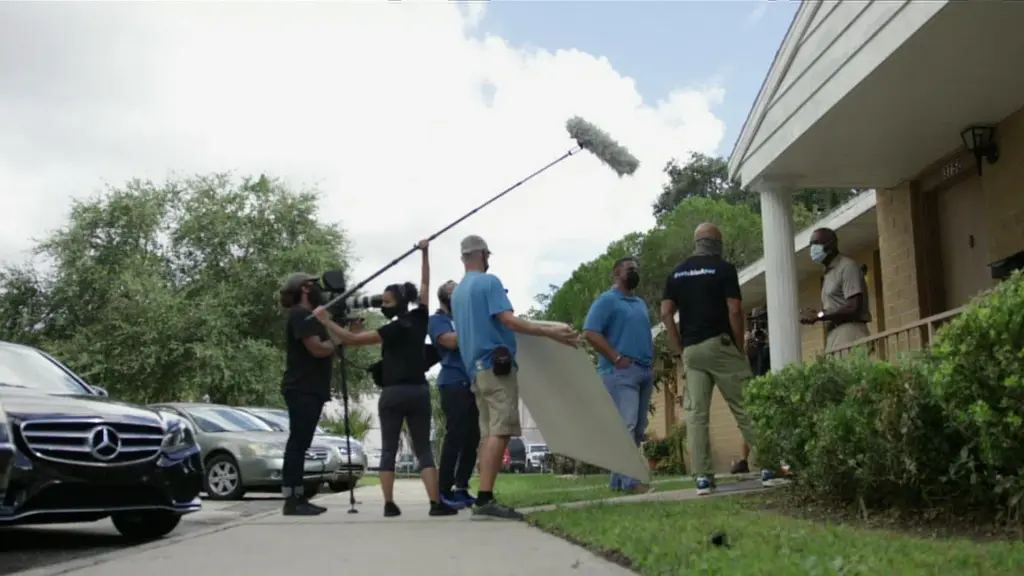
Your Customers’ Stories
Showcasing your past victories through the eyes of your customers allows for stories to come to play in the lives of real people. Thus, gathering others to the screen to press play and get started by integrating your ideas in their life as well.
This type of storytelling format reaches beyond the limits of how much your audience engages with your products or services.
It provides an opportunity for your consumers to express their true nature of feeling while providing insight into how your brand has positively collided into their lives. Take, for example, a company that provides athletic apparel and sportswear.
Their sweat proof, comfortable, hip clothes encourage people to get into shape, feel and look good while hitting the mountains for a bike ride, backpacking the Alps, or even just hitting the local gym. You name it- that apparel has been there through the roughest of terrains and the sweatiest of desserts, free, adapted.
What is it that makes your offer exclusive? Show it off.
Giving your customers a platform to express themselves, show that you care about the success of people who make your business a success. This type of positive reciprocation will serve to draw in even more consumers.
Guides and How-To’s
Youtube is the second most popular search engine in the world behind Google. And how-to videos are some of the most watched types of content around the globe. Let’s get real; it’s only natural that you consider this when making a video for your brand.
What can your product teach others about, and how can it improve their lives?
- Will you add flavor to dull kitchen life?
- Laughter to a drab office?
- Repair for a happy home?
- The next big-bad-best-shaven beard?
Engage your audience, crack a couple of jokes, get them to share and rewatch your video not just because it is informational, but because it’s engaging, inspirational, exciting and maybe even funny. It is awkward to be a human, tap into the basic humor that defines all of our lives. Follow up with an easy-to-use guide (in terms of complexity, tools, etc.), and the results the audience will get from using it.
It’s also a good idea to consider turning your guide videos into a series. For example, you could offer new how-to content once per week, a few times per month, etc. If you follow up, you get followers, basic algorithms here.
Over time, you’ll build a mountain of how-to videos and guides that people will be likely to find on their own through Google, Youtube, Vimeo, whatever. This, of course, is great for brand awareness and can serve as a stepping stone to new heights for your company.
A Look at Industry Culture
Depending on the industry you’re involved in, there may be some changes going on that require some explaining. Whether it be something controversial that somebody needs to talk about openly or just a couple of clarifications- lets clean it up.
If a problem arises, make a video to discuss it. Offer various opinions along with valid options and solutions going forward. Remember to encourage feedback from your viewers, have real discussions with them, and take their responses to heart. This way, they’ll know you really care.
If there isn’t anything noteworthy occurring in your industry at the moment, you could use the opportunity to show off your company’s pizzaz instead.
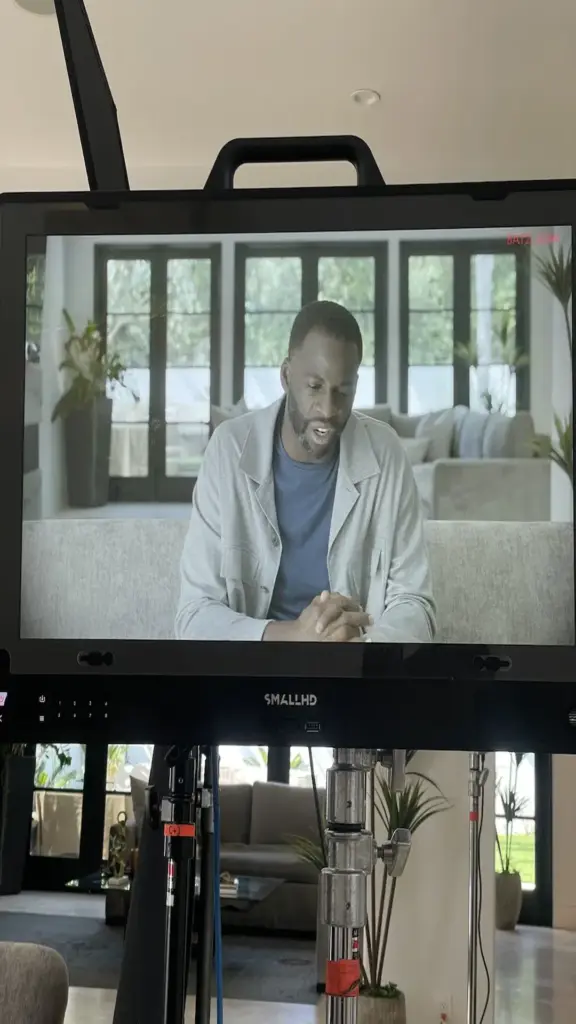
Things like employee testimonials, a virtual company tour, and the highlights that make your firm progressive and unique. People love transparency, so give them a look into the life of your world.
Next, we recommend going just a step further up that mountain.
A Day in The Life
Humans are curious creatures, and we can all admit to this. Play into curiosity, hook people’s attention by delivering a behind-the-scenes glimpse at what makes your company the ingenious design it’s become (or in the process of becoming).
People often have no idea how your company operates. But trust us on this, if they are thinking of spending money with you, they want to know what lies on the inside. They can’t help but press play and click into your world for a moment. They put themselves in your shoes in a very exciting way. Show off the size of your team, the day-to-day operations, or the intricacies involved in managing and completing the amazing results you deliver.
Your company has something unique and unconventional about it. The people who run the show every day give it its jazz and sprinkle. Take a moment to showcase that, and have fun doing it!
Did you know that Google has a room dedicated to providing employees with access to showers, coffee, and even a place to nap? Needless to say, this information caught a lot of publicity when it was shown off to the world.
Storytell to entertain, to create, and to make new things possible. Expand your outreach by dipping into the very uniqueness of the personalities and ambitions of the team members that define your company every day. Express how each action creates interaction building teh success and the overall atmosphere that defines your company.
Understanding Video Storytelling Formats Can Seem Difficult
But it really isn’t. The key is to be YOU.
With the above information about video storytelling formats in mind, you’ll be well on your way to climbing and creating a mountain of experience and a river of the possibility that enables your audience as well as your company. Want to ensure your efforts don’t go unnoticed? Discover how we can help with your videos and get in touch with us today.
Want to learn more about creative thinking can benefit your business? Make sure to check out the rest of our blog!
Lastly, don’t forget to grab that peanut butter and get jelly with it!
Related Reading
The Power of Video Storytelling: How Invoking Emotions Builds Brands
You’ve heard the recent buzz about visual storytelling, and you’re always interested in getting ahead of the next big thing in marketing.
But, what is visual storytelling, exactly?
In a nutshell, it’s narrative-based content marketing that uses photographs, video, illustrations, and other images to inform consumers about a product, service, or company as a whole.
Video is arguably the most powerful medium for storytelling marketing.
In fact, about 60% of executives say they’d much rather watch a video about a product/service than reading text-based content about it. Plus, including a video on a landing page can increase your conversions by more than 80%.
The takeaway?
Storytelling video benefits both you and your consumers, in no small part because it creates an emotional response within your target market.
But why exactly is video storytelling so important, and how can you use storytelling in marketing to your advantage?
Read on to find out.

Storytelling and Your Noggin
What makes the video storytelling format so effective?
Well right off the bat, creativity, the ability to see past structures and institutions and dig deep into the playground of the mind.
While creating an immediate sense of empathy and recognition in the viewer is important and encourages them to keep on watching, what’s more important is the raw artistic vision behind your next production.
Yes, receiving practical information about a product, service, or brand is crucial. But hearing the technical side of things isn’t usually what “hooks” the consumer into wanting to learn more.
You need to tick into the melodies of the unconscious realms through creative nature and vision.
The greatest artists of all time have stunned the world with their abilities to relate to humanity as a whole through their unique endeavors.
“All too often, it is audacity and not talent that moves an artist to center stage.”
– Julia Cameron
The viewer should be able to see a part of themselves in the video storytelling campaign, relate to it emotionally, burst into laughter, tears, joy, or sorrow.
Storytelling allows you and your brand to be audaciously creative. It enables you to relate to your audience in a big way; after all, video content is the way of the future.
Let’s say you’re trying to sell a tea that promotes a better night’s sleep.
What would you be the most likely to respond to, a video ad that begins by talking about how a specific ingredient in the tea can help you to fall asleep faster?
Or, would you prefer a video that starts by showing a scene of a bride sleeping in past her wedding after relaxing to a smooth sip of chamomile?
Lights, camera, action, aesthetics, emotion.
We think we know the answer.
Remember, you can always include the more detailed/technical information later — that’s important, too. But the main focus should be the creative connection you make with the world.
There’s a scientific side to storytelling in advertising, as well.
In fact, studies show that listening to a story sparks activity in the auditory and visual cortices of the brain, its olfactory areas, and even the motor cortex.
Most importantly of all, these emotional responses promote a release of oxytocin, which makes consumers feel happier, more secure, and more likely to cooperate (AKA, more likely to buy your product.)
Tips for Effective Video Storytelling
Now that you know why creating an emotional connection with your consumers is so essential, let’s talk about some of the best ways to create effective and impactful video storytelling campaigns.

Address Consumer Emotions
To make an emotional connection with your viewers, you need to show that you understand precisely what they are going through — in short, empathize with them.
“The heart of creativity is an experience of the mystical union; the heart of the mystical union is an experience of creativity.”
-Julia Cameron
If you know your products, you know your market so make sure you understand how to connect with your audience — AKA how it will ease their path in life — and what problems your consumers would like to solve.
Then, tell a story that shows how your product or service can provide the solution they’ve been looking for, maybe even how it could help them laugh more.
For example, maybe you’re an AI company with a strong focus on call forwarding virtual receptionists.
TAKE ONE: The introduction of a robotic future has set the office aflame with dance, excitement, and the ability to do more of what they love.
Afterall when you do what you love, you are more productive. Trust us, we would know.
TAKE TWO: Your robots all the sudden have human emotion, they want to go on dates, dance with friends, cry all night, but they don’t have legs-hilarious.
An illusion to the worries you won’t have as an office investing in AI- the future is so bright.
Afterward, introduce your product, and then show how the ability to relax with friends, go on a date, or just leave the desk as the phone rings creates a more productive life for everyone.
Use Music
Get jazzy with it!
Don’t forget about the power of music when it comes to making emotional connections in storytelling marketing.
Fast music can create a sense of urgency, while sweeping strings evoke a sense of passion and romance.
Classic rock songs can make people feel free, while classical music often creates a fright!
Choose music that strengthens the kind of emotional connection you want to make.
Include Your Customers
Perhaps one of the best ways to make an emotional connection with your target market is to put them in the shoes of your image, brand, or product.
In addition to effectively promoting brand loyalty, (everyone loves getting a shout-out) this also shows new customers that you have helped “real people” get solutions to their problems.
You could follow the story of an individual customer and their journey with your brand. Or, you could create a video that features several of your customers talking about how what you offer has made a positive difference in their lives.
This is also an excellent way to communicate a sense of transparency and trust.
By hearing “success stories” from past customers — and not from your brand directly — consumers are much more likely to open themselves up to what the video is telling them.
Get Professional Help with Video Storytelling
Finally, remember that one of the most important parts of video storytelling is your overall production quality.
You don’t want to harm your brand’s reputation or fail to effectively deliver your message because of poor lighting, shoddy editing, problems with audio, or lack of creativity.
Working with storytelling marketing experts helps to provide you with the best possible production quality, but it can also do much more than that.
At C&I Studios, we can help you come up with storytelling marketing ideas that evoke powerful emotional responses in viewers while also reinforcing your branding strategy.
Our creative dreams and visions hit every part of the marketing process, from web design and social media to video marketing and photography.
Reach out to us, and unlock the creative potential behind your company today.
Related Reading
These Are the 5 Visual Storytelling Trends of 2019 & Beyond
Think about an ad that truly resonated with you — whether a print ad, a video marketing campaign or even a quick post on social media.
The colors, the graphics, the smooth lines that create one cohesive image of emotion.
We’re willing to bet that one of the biggest reasons why you still remember it so well (and found it persuasive and impactful) is because you had some kind of response which was set ablaze within.
In some way, the ad reminded you of an experience you’ve been through, a person that touched you, or even a mountain you climbed for a time.
Great ads tell stories. They are much more than just a cold pitch. They draw you in from the depths of the unconscious.
Welcome to the world of visual storytelling marketing, where things like videos, photographs, GIFs, and other graphics bring emotions to life.
Let’s talk about the next big thing in storytelling marketing.
Then, we’ll tell you where you can go to bring the visual storytelling trends to life in the mind’s eye of your audience.
1. User-Generated Storytelling

Online reviews have hit the internet like a massive web, connecting people from around the world to products and services.
About 84% of consumers feel that online reviews from strangers are just as reputable and helpful as buying advice and brand recommendations from their friends and family.
Perhaps that’s why one of the biggest visual storytelling trends of the moment is user-generated narrative content.
Today’s consumer wants to feel like they’re getting the “real story.” the story which exists from hearts and minds of your best clients.
People want to buy lifestyles and belief systems that are similar to their own.
The key is to show them what they need through the eyes of the consumer. Let them hear about your product or service from people just like them.
This theory speaks for itself.
Go ahead and take a look at the incredible impact of influencer marketing to see how well it works.
Feature snippets of photos and videos your customers have shared on social media, make it personal, make it real.
Create story-based ads where a client speaks directly about how your products/services have made a positive impact on their lives.
These are just a few ideas, now let’s explore what’s rising on the horizon.
2. Serial Video Marketing

There’s a reason why sequels and remakes of famous films fizz in the minds of movie lovers begging them to head back for a fresh glance.
Why else do you think movie franchises are so popular? — because today’s consumer wants the story to continue, just like our own lives continue on ever-changing.
Serial marketing, or stories that stretch out over the course of several ad campaigns, are an especially big part of current video storytelling trends.
Consumers feel like they “know” and “root for” the characters in your marketing campaigns when their story stretches out.
They want to see what happens next, and they even form an emotional connection to the stars of your ads.
This method of video marketing shouldn’t be limited to just one type of medium, either.
Have the characters (or real customers) from your ads take over your brand’s social media accounts for a day while you also run a video ad or even print campaign telling a part of their story.
Consumers will get attached to these characters — and to your brand — as a result.
3. Data-Driven Storytelling

Who is your audience? Are they mainly female? Male?
Do you know their age range?
Data-driven storytelling is yet another one of today’s biggest communication trends.
This shouldn’t come as much of a shock, as there is more data available than ever before (we’re talking over 40,000 Google searches in a single second.)
Yes, part of data-driven storytelling is understanding how to look at your data and create content that you know your market is the most likely to respond to.
But it’s also about sharing the data you’ve uncovered with them — and making them a part of the story as a result.
Think of including an illustrated or animated infographic in your next video campaign. This is a great way to increase your brand’s authority and prove the points you’re making at the same time.
It might sound a bit silly at first, but large swaths of data also show customers that they’re not the only one experiencing these issues or looking for a specific solution.
People follow the crowd.
4. Mini-Ads for Today’s Attention Span

It’s official: the human attention span is even shorter than a goldfish’s.
Can you capture it?
In the blink of an eye, can you grasp it?
That’s why you are here on this blog, to figure out how.
The key is to instantaneously spark curiosity within your market, and allow them to see themselves in the subjects of your ad campaigns.
Colorful images that ignite emotional response, playful graphics, unique ideas.
What has a view never thought of before that will spark their minds and light it aflame with passion?
Any way you slice it, however, you have to create content that can grab a consumer’s attention instantly — and keep it until you’re able to get your message across.
To make this happen, you need to shorten your ads and keep content digestible.
Think about how your ad will stand out and make your market stop and engage with your content when they’re scrolling through their social media feeds. Rely on images more than text, and video more than written content.
You can thank an influx of content, an increase in the number of ways we consume media and even a boost to the number of specific outlets we have to choose from to get this message out.
5. Immersive Storytelling

In today’s world, consumers aren’t just looking for background noise when it comes to advertisements.
Think about it. There is background noise lighting up every home across the world from Bangkok to New York.
How will your voice immerse and break through the sea?
With a transformative experience that improves on their reality or transports them to a different one altogether.
Thanks to both augmented and virtual reality, this is now more possible than ever.
Customers don’t just get to watch someone else’s story. Now, they get to live it for themselves.
Use augmented reality to let them digitally try on clothing, or rely on virtual reality to let them get behind the wheel of the car you’re selling.
Introduce virtual characters that reveal clues and teach them more about your products and services at the same time.
You should even gamify the situation and let them connect with other users to further enrich the story.
Connecting online is, after all, a web. Trickling down the network and connecting back to you.
It’s Time to Bring Visual Storytelling Trends to Life
Whether you want to give immersive storytelling a try, or if you’re ready directly involved with your consumers in the marketing process, we hope this post on the latest visual storytelling trends has left you inspired.
Of course, you may not have the time, the equipment, or the expertise to pull off the marketing techniques we’ve covered here on your own.
Don’t worry — we’re here to make it happen for you.
To dig into the depths of the unconscious mind of your clients and set it ablaze.
Check out more of our work to get more of an idea of what we’re able to create.
We’re here to take your web design strategy, video marketing plan, and much more to the next level.
Related Reading
The Universal Language
“Where words leave off, music begins.”
Heinrich Heine
When we finished building the new Studio A bar, we were hyped. So we did what we always do—captured it in a way that felt true. This isn’t a promo. It’s a moment where the universal language speaks louder than anything we could say.

We love to create art. Even if the only reason for creating it is to share it with all of you. That has always been–and always will be–very dear to us: to create for the pure sake of creating.
It’s funny though…
The more we get hired to produce professional-grade media for corporate brands, the more we are regarded as marketers rather than artists. But, we suppose that’s the double-edged sword of doing what you love.
Let this stand as a reminder that we are still artists just like you.
Related Reading
Dangers of Social Media Censorship
Social media is the latest target of government-sanctioned censorship.
[what's happening all around the world]Do you remember reading George Orwell’s “1984” and Ray Bradbury’s “Fahrenheit 451” back in school, during the days of required summer reading? Hopefully, you do. They are extremely important reflections on freedom and society following the nightmares of World War 2.
To this day they teach us the importance of freedom of expression, speech, and access to information. They show us what could transpire should leaders of society ever violate those [our] essential rights.
We always believed they were lessons on how to ward off dystopia not cause it.
Nations like China, which have long been known for their bans on information and “unpatriotic content” have been using censorship as a tool of control for years.
Take the recent ban on Winnie-the-Poo, which went into effect following the circulation of viral internet memes comparing the fictional (honey-gluttonous) bear to President Xi. If you live in China and are found in possession of contraband like this you could face jail time!
Whereas this new segment of Chinese social media censorship is not shocking in the least, what’s happening elsewhere – and close to home – is seriously alarming.
“Social media is a luxury, not a right.” - President Museveni
Last month in Uganda. President Yoweri Museveni passed an unprecedented bill: a tax on users accessing any of 60 social media apps.
Coupled with the social media tax, which was passed without public participation and requires internet users pay 200 Ugandan shillings ($0.05) to access certain apps, is a 1% tax on mobile monetary transactions. The only way Ugandans can pay the social media tax is through an online mobile monetary transaction.

We know it does not sound like a lot of money, but all principles aside, the tax will undoubtedly make it more difficult for low-income and unemployed people to stay connected with friends and family, as well as access important information online.
Already the price for a 1GB mobile broadband plan is 15% of average monthly incomes in Uganda, according to figures from Alliance of Affordable Internet. World Bank figures show that just 22% of the country is online.
With these additional taxes, it is likely that percentage will shrink even further.
The rationale behind the new bill is to discourage what President Museveni deems “gossip.”
This, in effect, labels all social media commentary he disagrees with as opinionated, misinformed rhetoric that is subject to suppression.
At a time when immediate, news-driven platforms like Twitter are essential outlets for civilian coverage on political protests and war, this poses an even greater threat to Uganda’s social liberties.
What’s worse, Uganda isn’t alone.
The Tanzania government recently imposed a $930 annual tax on bloggers who want to publish online.
The Egyptian government passed a law allowing government officials to shut down any social media account with five thousand or more followers, who they believe is spreading false information.
Governments around the world are starting to flirt with this new age of social media censorship, and it’s opening doors to some very scary realities.
If this doesn’t worry you, maybe something a little closer to home will.
[Government sanctioned censorship in America]
70% of Americans get their news from two sources: Google and Facebook.
On July 31, Politico reported that Facebook was shutting down inauthentic accounts “sought to inflame social and political tension in the United States, and said their activity was similar — in some cases — to the Russian accounts during the 2016 election.”
Bye, Bye Infowars.
Most of the accounts removed by Facebook (and other social platforms) were outlets of misinformation, instigating a dialogue that sought to undermine our nation’s political and social values. What they were saying still causes harm and promotes hate with the specific intent to do so.
Take Alex Jone’s Infowars, for instance. His media channels repeatedly violated policies against hate speech and glorifying violence. He was warned multiple times by social platforms (YouTube, Facebook, Twitter, and Spotify ) to end all hate speech that violated their policies, and he refused.
On August 6, Facebook announced they had permanently removed four pages associated with Alex Jone’s media brand, saying, “We believe in giving people a voice, but we also want everyone using Facebook to feel safe. It’s why we have community standards and remove anything that violates them, including hate speech that attacks or dehumanizes others.”
In addition to the removal of Infowars, however, were bans on other accounts — some without any explanation, like the left-leaning Latin American news network Telesur’s English speaking Facebook page, which had no content violations.
You see, Facebook targeted and eliminated these “divisive” content facilitators with the help of Atlantic Council, on whose board you’ll find names like Henry Kissinger, former CIA chief Michael Hayden, former acting CIA head Michael Morell and former Bush-era homeland security chief Michael Chertoff.
Basically, Zuckerberg gave some government officials control over airing and eliminating nationwide media they considered politically and socially hostile to the US.
But what about our First Amendment rights?
The First Amendment only addresses the government’s power to eliminate or suppress forms of expression that breach the peace or promote violence. It says nothing about private companies like Facebook, Twitter, Instagram, etc. changing their privacy policies to refuse a user from saying something derogatory or misinformed on their network.
“If a corporation chooses to eliminate an account on their own accord then it is not violating the First Amendment rights laid out by the constitution of the United States. If the government does it then its censorship.”
Wait a darn minute…
Do these rules still apply even when members of the United States government are involved in the decision-making process of which accounts a private corporation deletes?
Apparently not… and not many Americans seem to mind the loophole.

A stunning poll conducted by Ipsos and reported Tuesday, August 7, by the Daily Beast, suggests that a plurality of Republicans would have no problem trashing the First Amendment altogether.
We repeat, 43% of Republicans just said Trump “should have the authority to close news outlets engaged in bad behavior.” Of that 43%, 48% believe news is the enemy of the people.
Take a second to think about that…truly think about it.
What are all the “news outlets” you read and watch on a daily basis? . . . Twitter (we mentioned), Facebook, Worpress, Reddit, NPR, even paperback books can be considered a news source. . . you get where we’re going with this.
There is no distinction between a traditional news outlet and a social information platform anymore. No widely accepted definition of “bad behavior” on social media. No separation of opinionated rhetoric and fact-based news coverage. And no identifier of who is in charge of mediating all of this information: the government, the president, the corporations, or the people.
When the lines are blurred between corporate and government interference, freedom of expression can be taken advantage of far too easily, as we are seeing happening in Uganda, Egypt, Tanzania and here at home.
What we can say without a doubt is that it is unconstitutional for governments to tamper with our freedom of expression by influencing the authority of a private corporation’s privacy policy.
You would never think censorship portrayed in “1984” could actually happen. Not in today’s free society, at least. But now that men and women in power are flirting with social media censorship it is hard not to fear the worst.
Today, everything is backward…
“War is peace. Freedom is slavery. Ignorance is Strength.”
– George Orwell, 1984.
NOTE
While there are some governments limiting our means of expression, there are others reinstating certain freedoms.
On August 10, Germany lifted their ban on censoring swastikas in video games like Wolfenstein II: The New Colossus,” Call of Duty: Black Ops,” and “South Park: The Stick of Truth.”
The Entertainment Software Self-Regulation Body (USK) said Thursday that games including banned symbols could now be given a rating in Germany if the use of the symbols is considered “socially adequate.”
That means the symbols must serve an artistic or scientific purpose or be used to represent particular events in history.
Related Reading
Facebook’s Branded Content Matching Search Engine
How influencer marketing will launch branded content into the mainstream overnight.[Facebook’s Branded Content Matching Search Engine]noun.
Mainstream [meyn-streem]:
noun.
1. The ideas, attitudes or activities that are regarded as normal or conventional; the dominant trend in opinion, fashion, or the arts.
Mainstream content is often associated with viral content. Every brand regardless of industry wants their content to go viral. In some ways, it’s how brand’s measure their social media marketing successes.
Going viral is much easier said than done. Just reaching a niche audience with corporate content that feels authentic rather than forced is difficult. Getting that niche audience to engage is even more challenging. Converting that niche audience into loyal consumers…well, that is an entire multi-media marketing campaign by itself.
But…as a brand, what if you could take a shortcut to reach, engage, and convert these niche audiences overnight?
Sounds too good to be true, but it is a very real possibility given new information into Facebook’s upcoming Branded Content Matching Search Engine.
Understand that Facebook wants corporate brands to succeed in converting and interacting with users who are actively participating on their social platform. Above that, however, Facebook requires that the content driving participation is adding value to the user experience. Genuine, thoughtful, sincere content that encourages real engagement (comments, shares, video views, click-throughs, etc.) is Facebook’s new baseline.
The updated Facebook algorithm does, in fact, make it harder to promote branded content organically. Especially if it does little to benefit the interests of users.
At this point in social media marketing, it is beneficial for brands to pay to get their content seen by the right groups of people. The amount of money backing an add determines reach and improves the likelihood that it will be circulated to even more people. But dumping money into Facebook ad spend will not always generate a guaranteed outcome.
In all honesty, poorly curated content backed by a big budget will remain poorly curated content. Audiences will pass it by without the slightest consideration.

The same goes for really good content that does not appeal to a target audience. That is like pitching a life-changing product in an empty room.
Don’t waste your time doing either. Tilt the odds in your favor and focus your ad budget on creating good content and publishing it in the right places.
The real value of Facebook’s Branded Content Marketing Search Engine is……paid access to the mainstream.

This tool will give corporate brands access to both core and untapped audience groups via influencer marketing.
Imagine a brand like TomboyX, a universal, eco-friendly clothing and underwear brand designed to fit real people comfortably. TomboyX has a well-established culture. Their market is predominantly female and appeals to the rebels of society. However, they also market to men and women who do not fit the TomboyX-esque physique and attitude.
With the new influencer marketing search engine by Facebook, TomboyX will be able to curate target-specific content with the help of an influencer who is knowledgeable and relevant in their community.

If TomboyX wants to switch their Facebook marketing focus to target men — whether they be athletes, beach bodies, or hardcore gamers — they can hire an influencer to collaborate and deliver their messaging to these groups in familiar, trustworthy packaging. That means knowing what type of media they prefer to engage with: video, photo, graphics, illustrations, story ads, live video, etc.
This is going to equip corporate brands with segments of irresistible, organic content, which will lead consumers to associate their brand’s online personalities with the influencers who are promoting their media.
This ongoing relationship will eventually open consumers up to a series of branded messaging that can be refreshed with new influencer participation to keep content in the mainstream longer.
Additionally, the spaces where these influencer collaborations will be promoted (i.e., the influencers’ profiles and sponsored ad space) will guarantee longevity. Good content that lives alongside an influencer, for instance, will generate more impressions, both at the moment of publication and weeks prior. This higher engagement rate will increase the ranking of sponsored ads, which will expand circulation, thus keeping it relevant for longer durations.
All in all, it’s a win-win for influencers and brands.
Influencers will get paid for the content they help generate and promote. The better the content they deliver in terms of impressions, the more likely a brand will work with that influencer again.
This influencer-brand relationship will also teach marketers what their consumers value most when interacting with their sponsored content. In the long term, this data will help creative marketers to consistently deliver useful information to receptive audiences.
How does branded content matching work?
Creators and influencers opt into the search engine. Their portfolio is uploaded, including their audience size, metrics, and their best-branded content.
Marketers can then search for specific audiences based on their advertising needs, narrowing the scope with industry-specific parameters:
- Top countries where they’re popular
- Interests
- Gender
- Education history
- Relationship status
- Life events
- Homeownership status
- Home type
The search engine’s results page shows a list of creators with each audience’s match percentage to the search terms, the percentage of their followers they reach, engagement rate, follower count and video views.
Marketers, or brands, hire influencers to collaborate and promote. What they can do from there is only limited by their creativity.
When it comes to collaborating with influencers it will be extremely beneficial for brands to have a creative marketing agency at their disposal.
It is important to note that content created from the influencer-brand relationship will have to be a team effort. It will not be as simple as hiring an influencer, giving them creative insights into the ad’s function and having them generate successful media from it.
The brand will need to be involved and directly curate content with the influencer. That is just another clever way Facebook is ensuring that branded content will remain authentic and valuable to their users.