
Index Template
10 Steps to Making an Effective TV Commercial Video
The power and influence of TV commercials have waned, but they are still an amazing tool for advertisers.
Television commercials have lost power and effectiveness when compared to other forms of advertising. DVR technology allows end-users to scrub product advertising from their sets, subscription/streaming services, smart devices, and the rise of digital social media advertising. Television’s audience has shrunk, and the amount of time they spend watching commercials is even smaller. A good argument can be made that human attention spans have also diminished.
Television’s waning influence is a monumental shift for an advertising medium that invented “going viral” before the phrase existed. “Where’s the beef?” “Whaaazzzuuup?” “Fly the friendly skies.” “We bring good things to life.” ‘Have a Coke and a smile”. “Just do it.” These are just a few brand slogans that came to life in television commercials and earned iconic status in American popular culture.
A well-conceived and produced commercial can still have that kind of impact and should always be considered an option for the marketing mix, but the pathway is more arduous.
Every year during the Super Bowl, we see the top investments made in this medium in rapid succession in just three hours. There are usually mixed results, indicating that anything less than hitting all the right notes may lead to an underperforming campaign. If you plan to produce a commercial to promote your product and brand, you should follow a roadmap to mitigate some of TV advertising’s challenges and uncertainties.
Step 1: The Big Bold Idea
Get Don Draper on the line! Every successful commercial starts with a big, bold idea with the potential to mesmerize potential customers into action. The idea may be a character like AT&T’s Lily or Progressive Insurance’s cast of oddballs, a tag line like “King of Beers,” a spokesperson, or a character like that ubiquitous Gecko, and nothing beats a beloved celebrity (if you have the connections and cash).
The most amazing ideas are concepts that can play out in a television commercial with dramatic effectiveness while answering the consumer’s question, “Why should I choose you?” For campaigns with larger budgets, a commercial’s message can play out in a series of ads that retain the central brand message.
Insurance companies like Geico, State Farm, Progressive, Liberty Mutual, and Allstate have perfected the latter using every technique – characters, taglines, spokespeople (or animals), and celebrities – and are excellent examples of the progression of an idea from conception to commercial.
Step 2: The Budget
Concept to commercial can represent a significant investment. You will need a lot, and the top line will be the television air time you purchase during which your commercial will run. As for the rest, you must break down your total budget into three: Pre – Production, Production, and Post – Production.
Pre-production includes paying for a script and hiring a production company. Production includes all expenses related to the making of the commercial such as talent, equipment rental, location requirements, and camera crew. Post-production is editing, graphics, music, etc. This step takes some time and research. Once complete, you can proceed to find the best value for each stage of the process.
Step 3: Follow the Formula
Effective television commercials follow a familiar formula.
- Hook your viewer’s attention in the first five seconds.
- Tell the fantastic story of your must-have brand and your brand’s values.
- Give viewers all the reasons why they should choose your brand. Sing your praises.
- A call to action. Buy and love our product. Remember our brand forever.
An excellent example to consider is a TV commercial for a store with a sale during the holiday season. Each step of this formula has infinite possibilities, but each includes the Big Bold Idea, which ties them all together into a compelling brand message. At its end, the commercial calls the viewers to shop now before the sale is over or miss out on the most miraculous savings in human history.
Unfortunately, you can’t shoot a formula. You can only shoot a script.
Step 4: Write the Script
“If it’s not on the page, it’s not on the stage” is the universal golden rule of any film production, whether a Hollywood tentpole movie with one hundred-million-dollar budget or a local commercial produced on a shoestring budget. Without a well-written script that translates your Big Bold Idea into the language of film, you will not end up with an effective commercial.
For example, the product and message must come across if the watcher is listening to the commercial or viewing it, so what is said is just as important as what is seen.
The script is the blueprint the builders use to put up the building. If there are structural flaws in the blueprint, the structure will collapse. In commercial television terms, you’re going to buy time that is thirty seconds or two minutes.
Your script must be one of those exact lengths and follow other dramatic rules such as tone, pacing, set-ups, and payoffs. Writing the script is a specialized skill. Find someone with those skills to write your commercial.
Step 5: Hire a Production Company
Once the perfect idea turns into the ideal script, the script must now turn into a shooting script—time to hire a production company. A production company has the right talent to guide the creative process from page to stage. A production company’s roster of creative professionals includes directors, cinematographers, script specialists, lighting specialists, skilled artisans, set designers, and wardrobe, to name a few key players in the commercial shoot.
A production company has the expertise to elevate your Big Bold Idea into a Big Bold Commercial in ways you did not realize you could. For example, you are using a green screen to go places or a steady cam to produce a particular emotional effect.
Step 6: Storyboard
The way shots flow in film or video is called the production design. The script should have established the timing and pacing, and now it is the job of the campaign’s creators to collaborate with the commercial director and director of photography to determine the production design. The most effective and economical way to ensure that all stakeholders have an in-depth understanding of the final product is to storyboard a visual breakdown of each shot.
The shots add up to sequences. The sequences add up to acts. Acts add up to the whole script. To see a pictorial representation of what the viewer will see and hear at each stage of the thirty seconds or two minutes allows for instant changes and experimentation that are cost-prohibitive and time-consuming if you shot them on the fly during production.
Storyboarding the action gives your production team, actors (if applicable), animators (if applicable), and editors a common picture and creates the optimal conditions to create the best quality commercial with the greatest production value.
Step 7: Shoot the Footage
Time to step back and allow television commercial production professionals to do their jobs. It’s all fun and games until you have $500,000 worth of shots that have a boom mic shadow in the middle. Shooting a commercial is a significant expense.
A production must remain on schedule and on budget, which is two different things, but intricately linked. If you don’t stick to your production schedule, you may have cost overruns. Your shooting ratio – the number of takes you shoot per one shot used – should be as high as your budget allows.
It provides more options in the editing room and increases the likelihood that your final cut has the highest possible quality content. Be flexible as sometimes reality gets in the way of getting the exact shot you planned.
Production days are long and stressful, but with the right production company and supporting cast, the tangible material of your concept – the footage – will be a success. Once your production is “in the can,” the production period is over, and post-production begins.
Step 8: Editing
Editing raw footage into a cohesive dramatic structure is an art form that requires technical and creative talent. If you proceed according to this plan, your storyboard guides the editor during the crucial editing process.
However, even with an airtight production design, incredible raw footage, and a detailed storyboard, the editor is in creative control of the final cut. His or her expertise will give form and birth to the actual commercial.
Step 9: Ensure the Highest Possible Production Value
Production values mean your result is professional-grade quality regardless of your budget and resources. The technical aspects must be seamless. It must be thirty seconds or two minutes, or it will cut off when aired.
The audio and video must sync, and the audio and video must match. Syncing means that when somebody talks, the words come out of their mouths without delay. Matching means that what you hear corresponds to what you see.
This rule follows for any words, logos, slogans, etc., that may appear in the commercial. The audio mix must be in balance. Edits must be clean. Graphics and effects should integrate with the overall production design and align with current standards.
Step 10: Run your commercial
Buying time to run a TV commercial is expensive. Maximize a commercial’s effectiveness and impact through proper placement and frequency. A television commercial needs to reach the target audience at key times, ideally as many times as your budget allows.
For example, if the commercial is for a kid’s toy, it should run in the morning opposite a popular cartoon or other child’s program. Running that type of ad opposite “Sixty Minutes” or at midnight isn’t going to result in a favorable ROI.
There are notable exceptions to this rule. Apple’s iconic “1984” ad ran once. That commercial benefited from the ultimate placement, the Super Bowl, and a jaw-dropping budget (even by Super Bowl standards). However, in most cases, placement and frequency work in tandem.
An effective TV commercial does it all.
To conclude, the example of Apple’s “1984” is worth re-visiting because it only ran once. Steve Jobs had a big and bold idea. His concept was written, planned, and executed by professionals. The production value was flawless. In the first second of the commercial, the viewer was drawn in. The creative vision was unique and spellbinding.
The special effects were cutting edge for commercials at the time, while the editing and audio were produced at an advanced level typically reserved for award-winning films. At the end of the commercial, its message was clear, and its groundbreaking messenger, Apple Computer, Inc., was forever branded into the minds of its viewers. Your commercial can be the same.
Related Reading
Why Hire A Video Production Company?
Video is a popular and effective digital marketing tool to connect a brand with its target audience
Once the sole domain of the trained professional, video went global when the first home video camera was introduced. Overnight, millions of people became amateur filmmakers.
You can indeed create your own video content, and you can do it right from your phone. Social media platforms make it easy to make and post videos of all types and lengths. The popularity of video as a storytelling medium is at an all-time high. Consider video editing and streaming platform Tik Tok. It’s gaining thousands of subscribers per month.
Study after study supports the effectiveness of video as a digital marketing tool. However, just as unique and engaging video content can elevate a brand’s profile and communicate its message and values in a positive, memorable way that no other medium can accomplish, a poorly made video can drag the whole thing down in 30 seconds.
Ten Reasons To Hire A Video Production Agency
- Taking a brand’s message from marketing campaign concept to shootable script and producing a high-quality professional video that resonates on an emotional level with potential customers is difficult for an experienced team who does it every day. You can’t do it. It is that simple.
- Only a video production house has the creative and technical expertise required to produce a professional quality video and shepherd it through Pre – Production, Production, and Post – Production. Talented artists and technicians with specialized skills that ensure the final product meets a high creative standard staff each phase. A weak link during any stage, or role, can sink a video project.
- Production value is the filmmaking term for doing as much as you can with as little as you have. A marketing campaign with a limited budget range can still produce a technically flawless video with dynamic, meaningful content that exceeds expectations. Video production professionals who possess the unique skill sets and experience to create “movie magic” will ensure a successful final product regardless of the resources.
- The quality of your finished product impacts the overall impression people will have of your brand or business. While there are bound to be exceptions if you do it yourself, the results will most likely be noticeably and egregiously wrong. Do not sacrifice expertise, skill, and quality to save a few dollars. Hire a professional video company instead.
- Your excellent concept and ideas may be just that – concepts and ideas. To take a concept from its inception and make it into a filmed property is so tricky the people who do it the best are paid millions of dollars. A professional video production company will collaborate with your marketing team to take the incredible ideas everyone is excited to share and bring that vision to life.
- If it’s not on the page, it’s not on the stage. This saying is a Hollywood truism. Chances are nobody on your team has experience writing a video script or knows how to take the final script and convert it into a shooting script. How about storyboards? Cold reads? Revisions? Script continuity? This is just the script. Video production companies employ writers with the creative vision to take a brand’s message and make it into a tangible blueprint that will be the foundation of the project’s success.
- The professional-grade equipment required to go from “page to stage” is different and better than the smartphone. A video shoot requires a wide array of cameras, lighting, audio-visual equipment, and editing equipment, all of which are useless in the hands of amateurs. Only trained people with high levels of technical and creative proficiency can unlock the possibilities of the technology.
- A video production team does more than provide the creative and technical expertise to guide your project through the video production process. The group brings industry knowledge and networks with them. They know the best sound stages, permit operations, and where to get that camera crane you’re dying to use for half the price – to name a few out of hundreds of essential details that are an integral part of high-quality video production. They bring several marathons worth of legwork that you and your busy team will not have to do.
- Creative differences: It’s not a term you hear or worry about until you have a room full of storytellers-by-assignment who have no professional training. Immovable positions will form. Conflicts will arise. Personal preferences will drive decisions instead of professional insight. In the end, the work will suffer, and the brand’s message will be underserved. “Gigli” happened, and your big corporate video can be just as big as a disaster if every shot has the shadow of Ken-from-Finance’s head in it.
- Professional secret: Making a film, any film, is excruciating in its monotony. If it’s not, the finished video will most likely be wrong. Professional pilots spend most of their time going through checklists, not actually “flying” the clear blue skies. Professional filmmaking is a series of lists that one prominent director once described as “getting your arm caught in a threshing machine.” You don’t want to do it.
Grow Your Business With Video Marketing
A business that doesn’t have a video marketing strategy misses the most significant opportunity to develop a relationship with its potential customers. Video’s effectiveness in communicating a brand’s message and values is unrivaled by any other medium and impacts other critical metrics such as conversion rates and customer retention. Leveraging video’s storytelling prowess is best achieved by partnering with professional video production companies.
Whether creating a 15-second Tik-Tok video or a web series, video quality, production value, entertainment value, technical proficiency, and appealing memorable content are the domains of multi-disciplinary skilled artisans. To ensure the success of all the hard work that goes into creating an iconic brand, the best way for a video project to succeed is to hire a video production company with the specialized talent necessary to create high-quality marketing video content.
Related Reading
Why content marketing is essential for your business
What is content marketing?
“Content is king.” Marketing 101, right? But precisely what does that mean? It means content marketing is at the center of any most successful digital marketing campaign. Stated simply, content marketing is essential, and it means getting valuable and relevant content to the right audience at the right time. The goal is to deliver this consistently to attract and engage your target audience, ultimately driving sales. Content marketing is a marketing strategy for creating, publishing, and distributing content to your target audience.
Good content must be based on a strategy and not random posts and information. You should be clear on your goals and how the right content can help you reach those goals.
The most crucial aspect of your content is that it must bring value to your target audience. Before going to market, you should spend time drilling down on your best target audience. Who are they? What are their needs and interests? What kind of questions can you answer for them, and how does your service or product serve them and meet their needs. This will guide you in determining the best content to provide to help, entertain, or educate them and the best manner to deliver your content.
Remember, you are focusing on providing relevant content that is useful and relevant to your prospects and will help them address their specific pain points.
Remember, loyal customers are your business’s lifeblood, and content marketing is your most powerful tool in bringing them value on an ongoing basis.
Why is content marketing important?
Content marketing helps you build your brand online by bringing users content in many forms that will bring value and encourage the viewer to trust and like you and your products. It is a way to help your audience before they are at the purchase point and after they have purchased.
- Content marketing supports your business goals by building brand trust. It will help build your brand reputation and footprint.
- Optimized content helps with organic search (SEO). When you create expert-level content that answers questions, it will help you with your organic search ranking, and with consistency, this will build over time. Remember, this is FREE traffic.
- Good content will help generate backlinks as well as traffic. People share helpful, clever, or interesting content. This can quickly grow your audience and build the authority of your website.
- Content marketing will help your audience through all customer journey stages – awareness, consideration, conversion, loyalty, and advocacy.
- Content marketing that is produced consistently will give your target audience a reason to return to your site again and again.
- Content marketing is one of the best ways to support all of your digital efforts.
What are some types of content marketing?
There are many ways to deliver your content, and understanding your target audience, their behavior, and where they hang will help you determine the best place to be. In most cases, people will have a primary platform for publishing their content and then syndicate it out in other platforms and formats. Finding the right mix of platform and medium for you and your brand is both art and science.
Anything you create that is not a pure sales message is content. Here are some types of content marketing.
- Blog content marketing: This is where most of the content lives. Blog posts are used by 73% of markets, and businesses that use blogs also get double the links to their website and have 434 percent more indexed pages for the SERPs. So blogging is a cost-effective “must” for most businesses. Blogging about topics that your target wants and needs is much more effective than blogging overtly about your products or services. Once your reader knows you as an industry expert, they will want to come to you for your products.
- Podcast content marketing: A well-produced podcast can be beneficial and does not have to be complicated to produce. A podcast can have a considerable reach and be a great way to reveal some of your personality and brand voice. Planning is essential, and a podcast must still focus on relevance and value. You can use a podcast network to get it out but then also incorporate it into your website. Integrated messaging is the best way to get the most from your content. It is also easy to slice and edit a podcast to create a wealth of evergreen content. Podcasts are used by 57% of marketers.
- Video content marketing: Videos are extremely popular right now, and more and more brands are turning to video to rise above their competition and showcase their brand. Videos are used by 54% of marketers. Video marketing can be expensive but can also be made on a budget. Your video must be well-produced and very clear in its goal and purpose. The tone and style must resonate with your target audience and be consistent with your website and branding on all platforms. A video can be used to showcase your brand personality, demonstrate how to do something, or how something works. It can also provide a “behind the scenes” look at your brand and your company or show your potential customers how your brand suits them. This content can be used on your website, social media platforms, or even email campaigns. People love videos!
- Social media content marketing: Each social media platform has its own set of rules and target users. But what all social media platforms have in common is they demand immediacy and engagement from the audience. We are looking for the likes, the shares, and the comments. It is simple to repurpose the content you are creating elsewhere for social media platforms. The analytics are a great way to learn what your audience prefers, i.e., video, blog, certain content subjects, etc. You will know precisely what kind of traffic you are driving.
There are many other content marketing forms, including infographics, e-books, e-courses, case studies, testimonials, checklists, memes, email marketing, and more. Start with customers and let them tell you what resonates with them.


What are the top tips for creating good content?
- The number one tip for creating great content is to know your audience’s needs and wants inside and out. This knowledge will help you translate that into the right content in the correct format on the best platforms and at the perfect time.
- Publish only polished and relevant content.
- Be consistent in your publishing in terms of frequency and quality.
- Target specific keywords with your content.
- Analyze all content across all platforms and test, test test. This information will ensure your content performs as well as it can.
- Be sure your content marketing is based on a strategy that fits your target audience. Good content can’t be random.
What are some content marketing tools to use?
Some of the tools you will want in your arsenal might be:
- A tool like Buzzsumo or Ahref’s will help you evaluate trending topics relevant to your audience. You’ll find insights into what content is being read, shared, and where.
- ClickFunnels is a great tool to help you create sales funnels. Remember the purpose of your content is to push your target audience along through the funnel. It is a simple drag and drop platform and has lots of great templates to get you started and lots of other features like email integrations and A/B testing.
- Canva is a simple design tool that you can learn to use in a very short time to create fantastic imagery. Using great images or infographics is the quickest way to get those clicks. Canva has lots of prebuilt templates with layouts to suit all the major platforms and social media.
- SEMRush is a top marketing toolkit that will give you the keyword information and competitive insights and identify great keywords that your competition may not use.
- You will want an email platform. There are many email marketing services out there with varying prices and features. Mailchimp is a basic but free service to try out.
- Grammarly is a great tool to correct your spelling and grammar before you push “publish.”
The importance of a good content marketing strategy can’t be stressed enough and is unlikely to be diminished anytime soon. If you don’t have the right resources to execute this professionally and consistently talk to a full-service video and digital agency like C&I Studios.
Related Reading
How to pick the right actors for your marketing videos
How To Cast Actors For Marketing Videos
Using the right actors in your marketing videos is essential. Whether you choose an onscreen actor or a voiceover actor, casting the right person is a big decision. Here are our top casting tips.
How do you choose the right voice actor?
Let’s start with voice over artists and what they can do for your video. Choosing the right voiceover artist will give your video the professionalism that will make it work. A professional voiceover artist will understand the creativity and precision required and bring versatility and range to your project. An experienced voice actor will likely have on-camera or on-stage experience. He will be able to take direction and deliver the authenticity that is so important in a marketing video.
The right voice can give your brand a lift and may even become known as the voice of your brand. Something you’ll want to consider when casting a voiceover actor is the importance of tone. A professional will understand how to strike just the right tone and will know exactly where to pause. If the voice is off, it can make your video boring or, even worse, can put your audience off.
A great voiceover will emotionally and credibly communicate the message of your video. Use these tips for picking the right voiceover artist.
- Start by making a list of the emotions that describe our brand. For example, an investment firm would want to convey security and stability. A home product would want to convert friendliness, efficiency, and positivity. You will want to pick an actor that best embodies the emotions of your brand.
- Decide whether you want a male or female voice. Studies show that many find a female voice more soothing and a male voice more authoritative.
- Ultimately, it depends on your brand and your message, and who your ultimate target customer is.
- There are many voice actors, and getting started with picking the right one for your project can be overwhelming. This is why working with a video production company can be so helpful. They will have a stable of actors they have worked with and will have the skill to match your product’s voice. Ask around for recommendations if you have contacts in the agency world.
- Take a look at the previous work of the actors you are considering and look for range and any work in your verticle or targeting your audience.
- Think about your audience! This is perhaps, the most critical consideration. You will not use the same voice for a child’s toy that you would use for a product targeting seniors.
- Try to test your finalists’ voices with people in your target demographic. If you are not your demographic, your choice may be off.
- Think about the pitch of the actors’ voice. A senior audience will do better with a deeper pitch. Think about modulation and whether the actor is creating and holding interest and clearly enunciating the words.
- Be sure to choose the right accent. If you are appealing to a specific region, a regional accent may work. If you are marketing nationally, a neutral accent will serve you best.
- Think ahead! This voice may become the voice of your brand. You don’t want to break the trust and familiarity established with your audience by changing out the voice mid-stream.
Will an Actor or Owner Be Your Video Spokesperson?
Many people choose to be the face of their brand instead of using an actor. There is no easy answer as to which is best. Some people may think seeing an actor in your video is more professional and convincing, while others are turned off by this and want to see the people and story behind your brand. There are authenticity and transparency in having an owner spokesperson.
Here are some pros and cons to both approaches.
- Choosing an actor will give you the experience in front of the camera that will make them look trustworthy and authentic.
- It will be easier to work with an experienced actor and likely require fewer takes to get a good result. They will know how to follow directions and show the emotions you want to convey as long as they understand your brand’s personality and the target audience.
- A disadvantage of hiring an actor is cost. Actors may charge on an hourly or fail rate and sometimes even look for royalties or commissions.
- If you are using the owner or someone associated with the company in your video, there will be an authenticity that is difficult to match. And you will know your brand and product better than anyone. This can bring sincerity and trustworthiness to your video.
- Using a company member also makes it easy to make future videos and maintain continuity from project to project.
- An owner or member of the company may not be able to achieve the level of comfort in front of the camera that is essential. The last thing you want is to make your audience uncomfortable because of a lack of camera presence.
- The ultimate decision should be based on who can best represent your brand professionally and authentically while staying within your budget.

How to Cast the Perfect Actors for Your Video
Here are our top tips for casting the right actor for your video:
- Cast actors that your target audience will relate to. People are more likely to buy a product if they see themselves or what they aspire to look like in your video.
- Cast actors who are attractive but approachable. Don’t make the actor too attractive. Strive for someone attractive but believable as the “person next door.” Try to find actors with something memorable about them.
- Cast actors who will signal to your viewers that you are talking to them and make your audience feel like they can identify with your brand.
- Choose actors who convey trustworthiness and come across as genuine. Do an onscreen test, even if only with your cell phone. Actors can come across very differently on screen than in person.
- When casting, be sure to have the actors read your actual script to be sure they are capturing what you are looking for.
- Think about whether the actor is on-brand for your product. What are the things that define your brand? Is it innovative, high tech, humorous, or maybe youthful? Be sure the actor aligns with these aspects of your brand personality and can deliver those elements authentically.
You will react to actors based on your personality and experience. It is natural to have a gut reaction as you watch a variety of actors. You are looking for a particular “type,” even if only subconsciously. An actor’s type is her physical look and demeanor. You form opinions of people as soon as you see them, and this is natural. Wait for that actor whose performance engages your interest and seems to understand your brand’s essence best and convey what you are trying to say.
When casting a video, a full-service video agency like C&I Studios will know how to find and cast the perfect actors or voice over actors for your video.
Related Reading
How To Create a Killer TikTok Campaign
What is TikTok?
TikTok is taking the digital and advertising world by storm. With more than 500 million users worldwide, it is more popular than Twitter and Snapchat yet still has fewer ads. So it represents a great advertising opportunity for the right brands and products. It is a visual app that allows users to edit and share 15-second videos using an array of effects, filters, and music. Although TikTok is cutting edge, and many marketers are adding it to their digital strategy, it is not for every demographic or product. You must assess whether it is a fit for your brand before digging into the how and why.
Is a TikTok campaign right for me?
To create an effective advertising campaign, always begin with a great understanding of your target demographic – the more targeted, the better. That target must be aligned with the demographic of the platform you’re considering. For example, Facebook will resonate with an older crowd and largely be ignored by the younger demos. Approximately 66% of TikTok users are younger than 30 years old, while 41% are aged 16-24. So clearly, this is a platform for a youthful target. Some examples of the trending videos are those relating to school or homework. But remember, the audiences of platforms do develop and change. Consider Facebook. So if it is not a fit right now, you may want to learn about TikTok to stay current and monitor to see when it may evolve into a better fit. Large companies like Nike and Disney have dedicated huge budgets to TikTok.
Is a TikTok campaign expensive?
TikTok campaigns can be costly. Ads are still relatively new on the platform and are at a premium cost, starting at an average of $10 per CPM, and more extensive campaigns may carry a budget of up to $300K. TikTok campaigns have a minimum investment of $500, so this is not the fit for someone seeking affordable options with very predictable results. It is just too new, and still in beta.
Here are some ad type costs examples from 2019.
- Infeed video – $25,000 minimum with $30,000 daily maximum
- VAriable based on influencer and campaign types – $600 to $1000.
How do I sign up for TikTok ads?
If you decide that TikTok is right for you, here’s how to get started. Visit the TikTok Ads home page and click on the “Create an Ad” button. This process can’t yet be fully accomplished online since they are still in development. A form will pop up asking for the details needed to set up your account. Once you have submitted this information, you will hear from a representative who will help you complete it. The rest is pretty simple. Here are the steps to follow
- In the TikTok Ads Dashboard, click on the Campaign tab at the top and then click on Create.
- Choose your campaign objective or the primary goal of your campaign. The three options are Traffic, Conversions, and App Install. (More about setting goals below)
- Select Daily Budget or Total Budget under settings to set your budget. Again, both your daily and total budget must be at least $500.
- You are now ready to set your ad placements, details, and targeting.
- Create an ad group
- There is an option to chose platforms like TikTok, BuzzVideo, or the News Republic. You can set this to auto-placement and leave it to TikTok to decide.
- The prompts will walk you through the set up of URL’s, images, and categories. You’ll choose from up to 20 keywords to describe your website, which will be used to match your audience.
- You can create a custom audience if you have a list of existing TokTok ID’s
- Set your budget and schedule, and you’re started.
- There is online training to learn more about optimization, audiences, and other helpful topics.
Setting optimization goals for my TikTok campaign.
You set your optimization goal to reflect the key metric you’ll be focusing on. You can optimize for Conversion, click, or Impression.
Selecting Conversion as a goal will see that your ad is served to those most likely to convert for your product. Conversion could be downloading your app or submitting a form. You can set up conversion tracking on your landing page using pixels. If you select Click as an option, you will be billed on a CPC basis. If you set Impression as your goal, you will be billed on a CPM basis.
How to design a TikTok ad
TikTok ads can be horizontal, vertical, or square and with images. They have a great tool called Video Creation Kit, which provides templates you can use to customize your images. There are over 300 options for free background music as well.
- They support brand takeovers – meaning an ad will appear instantly when a user opens TikTok. The ad redirects to internal or external links.
- They support in-feed ads – native ads placed at the bottom of organic videos or in the video queue feed. The average $10 per CPM, so they are more affordable than a takeover.
- A final option is a hashtag takeover where you create a sponsored hashtag encouraging users to share content on behalf of your brand for a week or so.
Some specs:
- The recommended aspect ratio is 9:16/1:1/16:0
- A resolution of greater than 720px x 1280px, 640px, or 1280px x 720px.
- A video of 5 to 60 seconds in length, with a recommended length of 9 to 15 seconds.
- A brand name that is 2 to 20 characters in length or an app name that is 4 to 40 characters in length.
- A description of the product or service that is 12 to 100 characters.
And as always, monitor your campaign results. You can monitor this in your Dashboard. Utilize the filters to slice and dice the data, and learn how the ads are performing on all relevant dimensions and metrics. Filters include ad creative, audience demographics, device, and placement.

What is the best TikTok marketing strategy?
Once you have determined your campaign’s goal, there are numerous components you can use when developing your TikTok strategy.
- Challenges or Hashtag Campaigns. This is a great way to build brand awareness and urge users to engage with you. Be sure it is not too difficult or too easy. Allow for creativity with your challengers so they can show their individuality.
- Duet – This allows a performer to interact with his or her audience or have a conversation with them
- Influencers – Influencers can be beneficial in spreading your message to their followers. You must be sure to pick the right influencer to be sure they are aligned with your brand in tone, style, and content.
How to create TikTok ads that convert
The basic tenets of advertising apply to TikTok, of course. This means having absolute clarity on your target audience and being sure they align with the platform demographic. You must also be very clear on your campaign’s goal and what stage in the funnel you are targeting. This will help ensure that you are optimizing for the right goal – clicks, conversions, or visits. Much of this will also depend upon your brand’s maturity and whether this is a new demographic for you.
TikTok best practices and tips
Tiktok provides a TikTok Inspiration section that features various case studies highlighting some very successful campaigns. Please review them carefully. There are some great ideas and are sure to get your creative juices flowing.
Browse TikTok like your target would and use the Discover page to see what is trending. Check out the advertisers using the Hashtag Challenge campaigns.
Use the search box to see top users, videos, sounds, and hashtags related to your business.
Study what other advertisers are doing on the platform. See where you’ll fit in. Even if you are not ready for your TikTok campaign yet, stay updated and relevant, so you’ll know when it is time to join the many advertisers on the growing platform.
Related Reading
Amazing Agency Tips to Making A Great Podcast
Tips to Making a Podcast That Thrives
Podcasts are becoming more popular every day. There are more than a million active podcasts. Why? Because they make money. Close to a third of Americans listen to a podcast each month. Advertisers have taken notice. Creating a podcast is not that difficult. It’s just a matter of getting anyone to listen! I’m paraphrasing Marc Maron, one of our most popular podcasters. We’re going to share some tips of the trade with you to help you get the right equipment, pick your theme, and find the right audience for your podcast.
Let’s start by getting clear on what a podcast is. Simply stated, it is a spoken form of entertainment, which provides content, commentary, and analysis of many topics and is available over the internet.
You don’t need to be a journalist or a broadcaster to make this format work for you, but you do need to know some basic rules. Read on to learn our tips and tricks to creating a winning podcast.
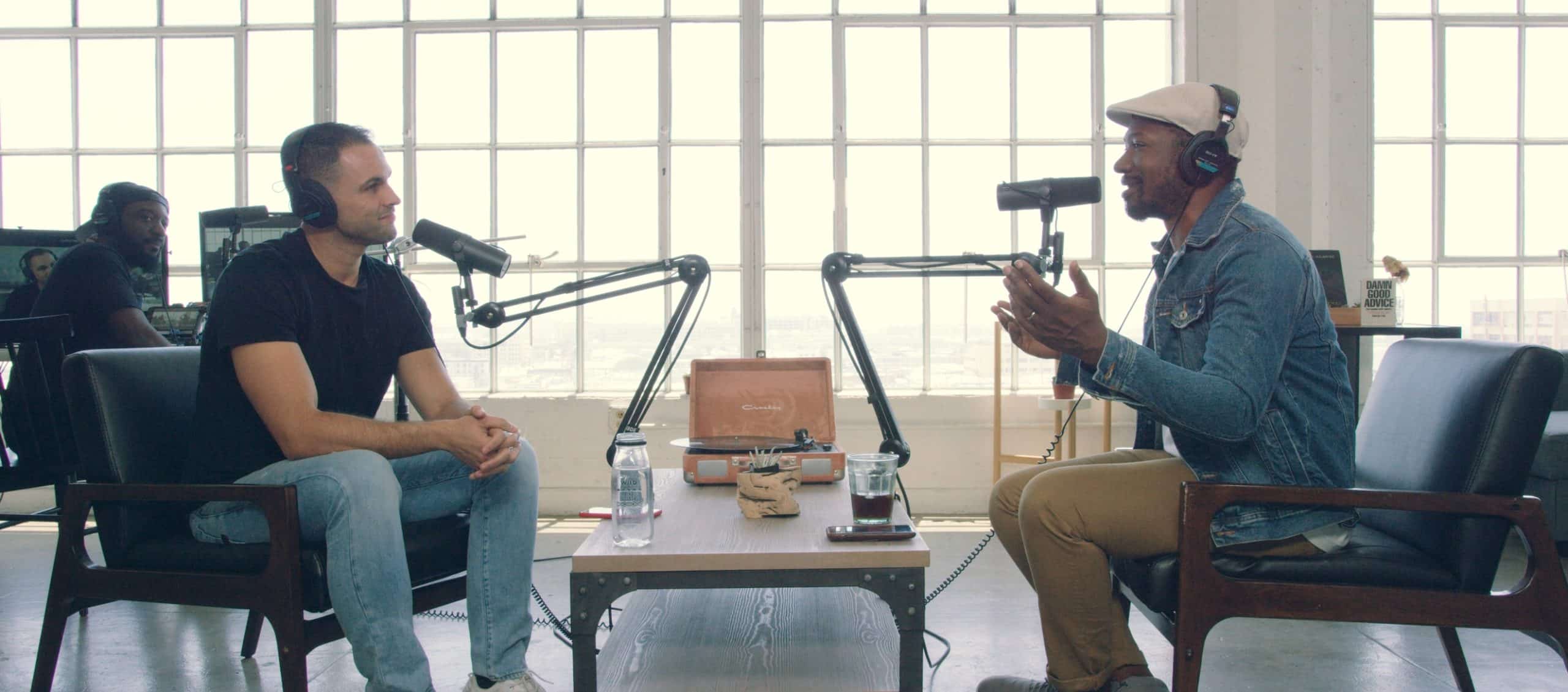





Podcasting Starter Guide
Podcasting is a great technology and allows anyone with an idea to easily get into the market. Where you take that podcast is on you. While there is no magic bullet for success, there are some tips that can get you started on the right foot.
- You must stick with it and make it fun for yourself. Start by knowing what your intent is from the beginning. Is it storytelling, giving advice, and educating or entertaining?
- You must deliver consistent content, so your audience knows when and what to expect from you. While most podcasts sound “improv” and off the cuff, the most successful podcasters spend many hours before each show planning and researching, writing, recording, and producing the show.
- Look for unique and random content. If you are hosting a guest, find the things we haven’t heard hundreds of times before. Dig deeper for the unexpected.
- Be realistic about your expectations. Keep them modest, as clinging to that “million-dollar idea” is sure to leave you disappointed.
- Listen to, and engage with other people who do podcasts. Learn from them, their content, and their quality and production.
The essential elements needed for podcast success
- Know your topic! Try to talk about things you know well and are passionate about. If you need more info on a particular topic, do the research and get up to speed. The great thing about recording a podcast is that you can cut in and out.
- Understand your audience. Know precisely who you are talking to—the more targeted your audience, the better. You will gain listeners and fans if they think you are talking directly to them about relevant things.
- Know your guests! Before the interview learns as much as you can about your guest. Mispronouncing a guest’s name is a big no. Find everything you can about the guest, and then chat before the show to find out if there are new passions, projects, or ideas that he or she would like to cover. And maybe taboo topics.
- During the podcast, help the guest out. Engage, and roll with where the conversation seems to be going. Try to keep it spontaneous.
- Listen! Master the art of listening- to your guests and your listeners. Solicit input from your listeners. What do they want to hear? What did they enjoy or not enjoy?
- Keep it tight! Listeners tend to drop off the longer podcasts. A good average length is 15 to 30 minutes. Leave them wanting more.
Pro-Tips: How to make a great podcast that thrives
Equipment: No need to blow thousands but get a decent microphone and headset; with a functioning laptop, you are good to go.
Content or Theme: As noted above, pick a theme you are passionate and knowledgeable about. Your interest and experience will shine through and convince people you are worth hearing.
Practice, practice, practice: Keep recording and keep learning and studying the other podcasters and people working on your topic on other platforms. You’ll get there.
SEO: This is a big one. Remember that iTunes and Google Podcasts are search engines. Try to pop in a few keywords in your podcast titles and descriptions to get a boost to your rankings and grow your audience. Keep it sounding organic and not forced.
Find great guests: Let’s face it, even you may get tired of the sound of your own voice. Network, research, do everything you can to find guests that your audience will find helpful and exciting. You may reciprocate by guesting for them. Search for bloggers in your space and reach out to see if they want to guest. Many are happy for the exposure and practice “off the written” page.
How to create killer podcast content
Your listeners tune in each week because you have what they want- content that is engaging, entertaining, or informative, and that consistently speaks directly to them and their needs. These are the listeners who will become your raving fans and help you build your following by sharing, commenting, and talking about you. That means the content is everything.
Here are some tips to keep your content interesting and relevant to your target:
- Your theme must be something you are passionate about. Talking about things that interest you will help you be authentic, and your interest in the topic will be evident and contagious. If you are bored, your listeners will know and will be too.
- Before you start your podcast, you will need a clear idea of your target audience. Many people identify an avatar representing one person who would embody all the qualities of your target- age, sex, geographic location, likes, dislikes, finance, pain points, interests. This will help you be specific and talk to “someone” vs. “everyone.” Your litmus test for content is then -“will this help him? entertain him? educate him? engage him?”
- People love stories. Tell a story that has a beginning, middle, and end. Remember the old story arc with setup, conflict, and resolution? It works. Take your reader on a journey.
- Give them a takeaway. Try to provide a next step that your listener can take as a result of your podcast. Make your podcasts actionable with steps they can take to get the result you talk about. This will keep them coming back.
- Focus! Do the work upfront and outline what you are going to talk about, and stay on track. Keep a loose outline or script to be sure you can stay on topic.
- Engage your listeners by asking questions or soliciting comments. People love a community, and this engagement invites them to meet new “friends” with similar interests.
- Choose your guest carefully. Many pop around the circuit now, but be careful not to have a guest just to add another voice. Your guest must be relevant to your topic and listener. A guest must also be knowledgeable about the issue and bring to the podcast an angle, perspective, or information that you don’t have. Make sure he or she can pull this off in an entertaining manner. Nobody wants to listen to a stiff.
- Perfect your audio. Nothing will sink your credibility and lose your audience faster than poor sounding audio. It distracts and even annoys and screams “amateur.”
- Lots of podcasters forget this next one. Tell your fans where to learn more. If you have a website, send them there. Otherwise, cite relevant videos, blogs, or websites that can add detail for those who want to take a deeper dive.
Don’t I need expensive equipment to make a podcast?
Be sure you have good equipment. Special tools for audio content are microphones, headphones, and audio editing software. No need to create an entire recording studio, but you should have quality equipment. And you will need an excellent hosting service such as SoundCloud, iTunes, Spotify, or YouTube. These are all free.
Are you ready?
You have the basics. Just get starting following these steps:
- Choose your topic
- Decide is you will have a co-host
- Pick a cool but relevant name for your podcast
- Nail down your format, length, and style.
- Get your equipment lines up
- Get going!
Get in on the podcast boom and start sharing your story today!
Related Reading
How to boost branding on social media with video production
Boost Your Brand With Video on Social Media
Start using video on social media to boost your brand today! Video has emerged as an integral part of every major social media platform and is the most powerful asset for growing your brand. Video is the format of choice on Instagram, Pinterest, Twitter, and Facebook, while Tik Tok is a phenomenon of its own.
Why is video important to your brand?
Think about it. As a consumer, what do you find most consumable? Do you want to read a long block of copy and distill the info, or do you want to see it served up in a quick and creative video, with visuals to accent, illustrate or entertain? According to a recent Forbes Insights on the subject, almost 60% of senior executives are with you.
Stated simply, video is what consumers want. Social media is where people go for entertainment and education now, and in social media, video is king. Not quite convinced that you can boost your brand with video on social media? Let’s drill down a little further.
- There’s a reason you’ll see video content within seconds of logging onto a social media platform. That’s because social media performs the best with most of the algorithms because it captures the visitors’ attention for a longer time. This means the algorithm will boost the content to a broader audience. At the same time, most platforms are giving extra attention and boost to their newest video features. Video will also have a longer shelf life because it encourages more interactions, so it will stay relevant for longer. Keep this in mind when weighing out the investment of making a video. The ROI may ultimately be stronger than other investments.
- Video works across all channels now. According to the State of Online Video 2019 Research Report, in 2019, users spend an average of 6 hours and 48 minutes watching video online. And with COVID-19, the increase continues. This allows for the syndication of one video across many platforms and on your website, making your investment in a quality video an excellent investment and a mandatory asset for your brand.
- If your product and brand target a Gen Z audience, YouTube is your platform. According to a YouTube survey, 50% of millennials and Gen Z said they “couldn’t live” without video in their daily lives.
- Brands are about the promise and the people behind your product. There is no better way to humanize your product and introduce your brand personality and brand ethics than via video. Branding is about connections, and a video is a perfect bridge to your community.
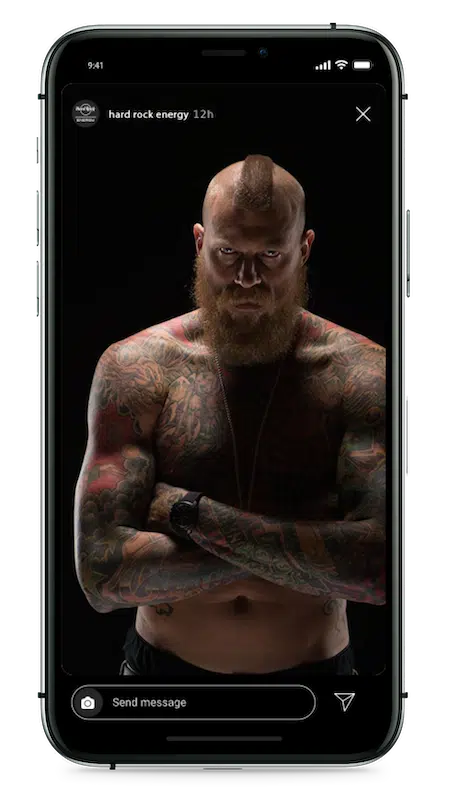
Which social media platforms are best for boosting your brand?
How do you incorporate video marketing into your social media strategy? Video can be used in video marketing for various purposes, and this will help determine the type of video you’ll create and which platforms you’ll target. Video types range from the quick glimpse that Instagram provides more extended and more in-depth videos on YouTube or live-streaming Facebook, which has become very popular. Each has its own purpose.
Instagram is a great way to give a 60-second glimpse of a brand message, a new product, or a look behind the scenes at your people. Think out of the box, like using Hyperlapse to create a sped-up time-lapse of your products, process, or people.
YouTube is a great way to take a deeper dive. The longer format allows you to showcase your brand, tell your story, and connect in a more profound way. But remember, the first 10 seconds are critical. Push your best content out in the first 10 seconds to hook your audience and tell them why your brand matters to them. YouTube videos can then be embedded in social posts on other platforms like Facebook or Twitter.
Facebook Live is a super way to engage with your audience. It is very popular for showcasing product launches, new services, and events or special Q&A’s. According to Facebook, users comment ten times more on live videos than on regular videos, and 89% of people who have watched a Facebook Live have watched live streams from brands.
Pro Tip: If you are planning a Facebook Live, don’t forget to promote it! Let people know in advance across all of your channels, on your website, and to your email list.
What four types of videos are best to build small business brand recognition?
- Tell your story! People love a story, and the success of many small businesses have at their heart a good story. Create an introductory video that tells why you started your business. Were you solving a need that you experienced, was it to help your community, or was there another reason. Does your business have a non-profit partner that helps define your values or green practices that set you apart? A short 90-second video that tells your story is a great way to connect and get your brand on the map, and consumer solves them.
- Niche authority. Do you specialize in a niche market, making you an expert in a subject that consumers care about? Create content that shares your knowledge to help educate your audience and allow them to view you and your brand as trusted authorities in your area or niche.
- Share the love with your customers. Create a thank you video that shows appreciation for your clients and their loyalty. Let them know they are a part of your success and that you are grateful for the support and trust they place in you. This is one of the best ways to personalize your brand and deepen the connection you have with your customers.
- Let your customers speak for you! Social proof videos are a powerful way to show your potential clients why they can trust you and that your products rock. Let your customers speak for themselves in a social proof video that reflects their satisfaction and their trust in your brand. This is the ideal format for a small business that is building a brand.
Can you create social media video on a budget?
There are many ways to create a compelling social media video without breaking the bank. You may work with a full-service video agency like C&I Studios to manage your project from concept to production and even into promotion, or you may work with them for parts of the process. Even if you’re ready to go full DIY, here are some ideas for controlling video production costs.
- Keep it real! Do a live video. No need for high production or fancy equipment. Some of the most popular videos are made directly from a smartphone. People like the informal connection and feel they are getting to know the brand and its people. Show a behind-the-curtain look at your brand and your people or provide a sneak peek at a new product that’s coming soon. Go live on Facebook and answer questions or demo a new product.
- Let your happy customers speak for you. You’d be surprised at how many of your satisfied customers would love to share a video of themselves showing their satisfaction with the product. We all want our 5 minutes of fame! User-generated content has been shown to be most effective in making someone likely to buy. You can record them on Zoom, record them on-site or ask them to send in their own video.
- ‘This the season. Take advantage of the season to freshen up your message and content. Take advantage of a snowy backdrop or the spring brooks running. Record from your favorite hiking trail. Catch their attention by bringing them into your world.
- Bring your team into the act. Help your customers see what mission and people they are supporting when they support your product. Invite your employees to participate. Some examples: A Q&A with one of your senior employees, behind the scenes tour by one of your employees, or fun videos of your team cutting loose.
It’s time to push through the fear and get your social media video produced. Once you have made your video, be sure to share it with your followers across all of your platforms. The video will have to be curated for specific platforms, but you will have created one of your most important assets, which will boost your brand on social media and your website.
Related Reading
Facebook Video Marketing – All You Need to Know!
Marketing with videos on Facebook is a great way to grab your target audience with dynamic and engaging content. Facebook video has a daily audience of over 500 million people, making it second only to YouTube. Over 62% of viewers completely consume a video.
Why Use Facebook Video Marketing?
Facebook video ads are an extremely effective marketing tool. Audiences love video. Facebook has over 2.3 billion active users monthly, and according to Facebook, Facebook users watch billions of hours of video each day. There’s an excellent chance your audience is there. Facebook videos are a great way to connect and engage with them, build your brand, introduce new products or services, or promote special offers.
Video ads engage your users better than any other kind of ad. HubSpot says that 54% of users want to see more video content from a brand or business they support and are 85% more likely to purchase after viewing a product video. Compare this to the fact that people typically only read less than 28% of your site’s words. People prefer watching a video to reading.
Facebook video ads are also likely to be shared, driving word of mouth and organic reach. These are two of the most effective and authentic ways to promote your brand.

Choosing your custom audience for Facebook video marketing
As with any marketing, you want to reach the right audience with the right content. This is the best way to maintain relevance and optimize your ads. The custom audience feature lets you identify the people you target by choosing a geographic location, which is excellent for a small business. You can also choose demographic info such as age range, relationship status, gender, and education. This data helps you serve up your ad to people who look like your customer avatars or persona.
A huge advantage of Facebook is the ability to target based on likes and interests, based on the pages and groups they engage with. For example, if your product is athletic wear, look for people in yoga groups, spin groups, etc. Purchase history can also be beneficial as you hone in on targeting your ideal buyer or customer.
Retargeting
Not all of your custom audience will engage with your video or view in the same way.
Retargeting allows you to reach out to customers who have shown interest in your product by watching your video. Someone who has “viewed” your video is someone who has watched at least three seconds of the video, as opposed to someone who has “completed” or watched 95% of the video.
Top Facebook Video Marketing Strategies
Choosing the right kind of video content is essential. There are many types of videos. Here are a few of the most common.
Harness the power of user-generated content, which can be some of the most effective and budget-friendly available. In these days of full transparency, social proof is everything. Let your satisfied customers do the job for you. A great testimonial is authentic and allows the customers to see your product being used. Many clients are happy to be showcased and will be thrilled to capture their thoughts on the video. Just ask!
Product Feature – A showcase of a product can help your client have confidence in your product. It can show them the product in use and answer any questions more clearly than words can often do. You could do this infomercial style, a demo, or a showcase of the product.
Tutorial – If you are deeper down the funnel, a tutorial can be an excellent tool. You can use Facebook video to demonstrate how your product works and what problems it solved. The show, don’t tell.
Think Mobile!!
Formatting your video correctly is essential. Over 65% of video views on Facebook are from mobile devices. Smartphone users view the video in vertical 94% of the time! Create videos that work in both portrait or landscape and try to give your customers a full-screen experience on any device.
Tell them what to do!
Your Facebook video marketing always has a specific objective. Marketing 101 tells us to always include a call to action. Tell the viewer what you want him to do. You may want to drive them to your site, purchase an offer, or share with friends. Regardless of the call to action, it should be included in the text in your video and included in the video itself wherever it makes sense. It can be a voiceover, part of the script, or text at the end of the video. Make it work within our creative concept.
Size matters. Pick the right length video.
Attention spans continue to shrink. Therefore, it’s imperative that your video is concise and to the point. Facebook videos can be from 1 second to 240 minutes long. Usually, videos run between 15 and 60 seconds to keep them digestible but useful. You can convey your message in that timeframe with a carefully crafted message and proper video structure.
Work through the funnel.
Facebook video marketing can work for any stage of the sales funnel. You can create content that works for any stage of the sales funnel, but it will be different at any stage. Using retargeting, you can follow the customer journey through awareness, consideration, and conversion and offer the most relevant ads at any stage. They will have different interests and needs, so build your content to pull them through the sales process and fully illustrate your brand. Sequencing your ads will make them work the hardest for you.
Know your objective right up front and how you will measure success
The first and most important element of Facebook video marketing is to be clear on your video’s objective. Facebook will ask you for the objective. You should have this established before you do anything. Depending upon where you are in the funnel, some common objectives are traffic building, band awareness, reach, engagement, lead generation, sales, or store visits.
What makes a successful Facebook video ad?
Viewers engage differently with Facebook video marketing than a static ad. A good video will leverage the attention to create winning ads.
Here are a few tips:
- Hook your viewer quickly. You will likely not capture more than 60 seconds of the viewer’s attention, and the first 4-6 seconds are pivotal. Frontload the good stuff. Your opening must be attention-grabbing and interesting. Put your most important information upfront and keep it concise and clear. Show the viewer what’s in it for them right away. Don’t try to include everything and try to make the video feel personal to make a connection. Some good hooks – Ask a question, address a common problem, use humor, or surprise the viewer.
- Tell a story. Storytelling makes your brand relatable and established authenticity. This is your chance to show your brand personality and that you are trustworthy. Use colors, tone, imagery, and music to capture emotions and connect.
- Use captions! Make your video work without sound and with sound. Your video starts playing as soon as the user scrolls past it, and Facebook says 85% of videos are played without sound. So, use your visuals as well as captions to stop users from scrolling and watch. This will increase your viewership. Be sure your opening includes appealing text to hook your viewer and stop the scrolling.
- Always be sure to include a text tagline that can help reinforce your brand and push conversion. “Visit our site to get this week’s special” or “Get Yours Now!” are examples of clear calls to action that will drive conversion.
Ready to get started? Facebook video marketing should be an integral part of your marketing and can be easier than you think. Reach out to a full-service agency like C&I Studios to start building your Facebook video library today.
Related Reading
10 Pro Tips to Using Video in Social Media Marketing
Video content is now one of the most important elements of social media marketing.
Over 85% of businesses use videos in their marketing. Great video content is critical to your marketing strategy and is one of the best opportunities in marketing today. Video content is used in brand building, selling a product or service, building trust, engaging your audience, and expanding your audience.
Why is video content so important in social media marketing?
Video content helps brands reach new audiences and engage with their general audiences in a new way. Videos offer the chance to tell a story, and we all love stories. Communicating via story helps build an emotional connection and conveys your message in a way that is easy to consume and often entertaining and informative. This means your consumer is much more likely to stick with your content.
Video content is known to have an excellent return on investment, which is why marketers love it. Hubspot research says that 88% of video marketers reported positive ROI from their video campaigns and those returns continue to improve. It’s simpler than ever to create and share video content, making it a marketer’s favorite. Video content allows a brand to show who they are and what they stand for, showing their personality.
Data is king, and using video on social media allows a brand to quickly access powerful analytics with insights and data that can be turned into actionable information. A viewer who consumed 25% of the video can receive a different follow up messaging than one who watched the entire video. Video also makes it simple to test various messages, tones, and styles.
How can social media videos be used?
There are numerous types of video content. Most fall into the buckets of demos, brand awareness, testimonials, live videos, or promotional videos. Brand videos are often found on brand websites and are designed to introduce the brand and its mission in an engaging and concise way. They are also used in social media campaigns.
Live videos are very useful in establishing trust with target audiences. You’ll find them on Instagram, Snapchat, Facebook, and other platforms where they are easily shared with massive audiences. They can be a simple product demo, Q&A’s or special offers and announcements.
Social proof is everything, making testimonials particularly effective. Brands can boost their credibility and conversions by sharing the words and images of their raving fans.
To harness the strength and power of social media, you must start with a strategy. What is the goal of your campaign? Be clear on the results you’re looking for, such as driving people to the website, engaging with consumers to develop your rapport, selling products, or building your brand. Your video strategy must be aligned with all of your other marketing, including your website.

10 Pro Tips to Using Video in Social Media Marketing
1 – Video is the hook!
Video is super consumable and makes the perfect tool to draw in your consumers. There is a plethora of content on the internet, and video competes well in pulling in the attention of your target. Let your viewer know what your video’s purpose is right up front, then add digestible bits of content that are long enough to keep their attention and make a point, but short enough to keep them on and wanting more.
2 – Optimize your video for search engines
Like all content, your videos must be optimized for search engines. Create compelling headlines with keywords that will get search activity. Provide a great description of your video so it will get indexed and use relevant hashtags. Use Twitter’s analytics to help you with demographics and create hashtags that will boost you across YouTube and Facebook.
3 – Be clear on your call to action
Every video needs to be based on a clear marketing goal. Think about the action you want from the viewer. Some common video goals are driving visitors to your website, selling a product, or getting the viewer to share your video. If they have viewed your video, tell them what to do next. “For more information, visit here.” And double-check your links. If you are selling a product, consider using a dedicated sales page or landing page.
4 – Make your messaging precise and focused
Be precise in your messaging. A video that is focused on one core message and one goal will work harder than a video that tries to cover too much. If any part of your messaging does not support your call to action, consider removing it.
5 – Leverage trending topics
Relevance is critical in the social media space. Incorporate trending topics to up your relevance. Think of hashtags that are trending, timely topics, and find a way to weave them into your messaging and hashtags. Take advantage of the news and consumer behavior. Become part of the social conversation.
6 – Share time-sensitive info
Video is a great way to share news about your company and new products and services or promotions. Video can quickly demonstrate and explain your offers in a consumer-friendly and entertaining way and can be easily shared across multiple platforms and your website.
7 – Brand is everything- be consistent
Branding is everything. Be sure to be aligned with your brand presence on all other channels in terms of graphics, messaging, and imagery. Consider watermarking your videos with your brand logo for maximum brand exposure.
8 – Let your video quality speak for your brand
If you are going to create a video, do it right! A video of low quality will speak volumes about your brand. Bad sound or picture quality or poor acting can create a poor brand association and tank your brand image, Watch for background noise, low resolution, and other signs of poor quality.
9 – Pull back the curtain and personalize your brand
Videos in social media marketing are an excellent opportunity for you to showcase your people and products. Humanize your business by showing behind the scenes and create brand familiarity. Let your view take a peek behind the curtain to establish rapport.
10 – Learn by doing – Track, analyze and regroup
In marketing, sometimes we knock it out of the park, and sometimes we don’t. The “win” of social media marketing is that we don’t have to guess. Use your analytics to see what is working and what is not. Analyze your results, learn from them, adjust your messaging and imagery, and try again. Find out what works, and do that!
Social media basics
Video content makes up more of all traffic each year. It is well over 80% now. Videos in your social media marketing are critical. Put in the effort to do it right. Here are some video basics to keep in mind:
- Size matter. Social media sites have varying sizes for uploading. Twitter is 506X 254, while Pinterest is best at 737 wide and any height. Check the dimensions and aspect ratios for the platforms you are using.
- Think about where your visitors are and remember to focus on mobile and desktop. Don’t use small elements in your video, such as small text.
- Frames per second. Over 60 frames per second are acceptable but keep in mind file size, which could perform slowly.
- It’s all about the lighting and audio. Don’t make your viewer strain to understand. They will move on.
- Length is important. Here are Hubspot’s recommendations for video length by platform
- Facebook – 1 minute
- Twitter – 45 seconds
- Instagram – 30 seconds
- YouTube – 2 minutes
- Final reminder. Be clear on what metrics matter to you. Likes are great, but they don’t sell products. Shares are great and more of an endorsement. Design your video and call to action with the goal in mind.
There you have it. There are many reasons to add videos to your social media marketing. A video is your brand’s handshake with your consumers. Talk with a full-service agency like C&I Studios to bring your brand to life.
Related Reading
Video Production Sales Pitch: 10 Pro Tips On How To Pitch Videos
Perfecting your video production sales pitch is easier than you think. Finding new clients and projects to work on is a big part of thriving in video production. With a few pro tips and some practice, you can nail your next client pitch and keep those great projects flowing.
Putting together a great bid, pitch and proposal are all essential to the video production business, yet they are often overlooked or taken too lightly. Work as hard on the pitch as you will on the video concepts.
Here are our pro tips for nailing your next video production sales pitch.
Pitching the concept
The best concept in the world can fall flat with a weak pitch. A flustered and scattered pitch will derail the best of concepts. You have already submitted a solid creative brief that has gotten you to the point of pitching concepts.
To recap, your creative brief should include an overview of the project and relevant experience. It will consist of concrete and achievable objectives and the metrics you would be tracking. For example, are you selling more products, getting sign-ups, or changing a brand’s image? You must know the target audience inside and out and include demos such as gender, age, income, education, and ethnicity. An excellent brief assesses the competition and demonstrates you know how this client is different.
Perhaps the most essential elements of a creative brief is your message that demonstrates your campaign’s theme. The brief should illustrate the tone and some visuals like a mood board. Scheduling is a rough outline of critical dates and a budget. Your client has reviewed your creative brief, and you are now ready to pitch!
Here are top tips to help you ace your video production sales pitch
- Study your brief one more time. This has set expectations for your client, and you should not veer from what the client has agreed to see from you. Be sure your concept delivers on all aspects of your brief from goals, to scheduling and budgeting.
- Be sure your concept is fully aligned with the strategy. Don’t let the creative take over. Your concept must deliver concretely on the strategy, which should be the starting point of your creative process.
- Create a concrete pitch deck that includes the visuals and the scripting. Revise, revise, and revise one more time to be sure it is perfect.
- Be prepared to describe your video concept (and your pitch deck) in a couple of sentences. You should be able to call out the focus of the content, the problem being solved, and how it will be solved. Be sure your visuals support the target demographics!
- Be as visual as possible by creating a mood board that helps demonstrate your concept, color palette, tone, and feel. Focus on helping the client see the project as you see it. Use known references such as “Borat meets West Wing.”
- Show your storyboard. Pairing a reading of the script with a storyboard helps the client visualize the project.
- Perfect and practice your pitch. Practice your pitch many times. Sometimes the client may not like your pitch. It happens. Be prepared to defend the project by explaining the choices you have made.
Pitching you and your team
- Demonstrate the value that you and your team bring.
Sales are about bringing value and making a connection with the client. Show your client that you understand their company and their company’s fundamentals, including their business model and how they make money. Remember, everyone is in business for a reason, and while it is easy for us to become enamored with the creative side of things, clients exist to make money. Tie your work to the bottom line as directly as you can.
Show them how working with you will increase their bottom line. It is not always easy to find this direct connection to revenue but dig deep and get creative. This will help your pitch stand out.
Be sure your project description is complete and well thought out. Answer the client’s questions before they ask and show them that you and your shop will address every detail and make their project a priority.
Stay in touch with past clients so you can use them as examples of how your work has helped them increase revenue and get clearance from former clients to use them as references. showing you have a solid track record and proven ability to increase the bottom line is gold in a pitch. And if you can show more than one example, you can demonstrate that you can work across various verticals, including that of the client.
- Show off your expertise.
Your client may have seen some of your work, but remember, they come at it as a layperson. Demonstrating your relevant expertise will separate you from the pack and show why you are uniquely qualified to handle the project. Try to get the client to see your reel or look at your work. As they do, call out the purpose of each project and how you fulfilled it. Don’t spend too much time on this, but this is an opportunity to show how you’ll be able to pivot to a video that brings your client’s goals to life. Weave in some technical details on how you would approach the project showing you have the expertise and equipment to create an excellent video for them.
- Make your proposal clear and detailed.
It is always preferable to make your pitch in person. If this is not an option, perhaps a coffee or even a handshake to make a personal connection to your brand and proposal can be arranged. Your proposal should be comprehensive. Here are some elements that make for a great proposal and pitch.
- Giving your project a name to make it easy to talk about and distinguish
- Give a project overview that includes why you are best qualified to develop and shoot this project.
- Give an overview of your work, including your portfolio and resume.
- Be very clear about the scope of work. Discuss how you will handle work that may go beyond the agreed-upon scope.
- Build a timeline based on what you know. A timeline will help manage the client’s expectations and often will get things rolling.
- Clearly define what the deliverables are and any due dates attached to them.
- Budget – Provide detailed line items, including pre-production and post-production.
- Provide projected travel costs if this is part of the project.
- Always add signature lines for you and the client. ABC – Always Be Closing!
Bonus tips on developing a pitch
Be clear on the client’s goals for the video.
They usually fall within the categories of building brand awareness, selling a product or service, or announcing a new product or service.
Brand awareness videos are not selling a specific service or product but are meant to create a feeling or set of beliefs about the client and tend to be more emotional.
Selling an existing product or service is the most basic of videos and is different from selling a new product or service as there is often not as much explanation of the product required.
Launching and selling a new product can be the most challenging as the audience is likely, not familiar with the product, so you must capture their attention and then hold it as you explain the product.
The basics
- Get familiar with the client. Study their creative brief, their pitch deck, and be sure to visit their site and understand all of their current communications. Get to understand their company culture, vision, and what their goals are for this video.
- Find their unique selling points. Follow up on the client’s creative brief to dig into this if it is not evident.
- Study the competition – Survey the landscape and understand what the competition is doing, how they compare, their positioning, language, and their unique selling points.
- Develop two or three concepts that are doable and that you expect would be acceptable to the client.
- Create a treatment that describes the concept in a couple of paragraphs and have this in your back pocket in case the concept falls flat.
Sometimes a client will just not like your project. It can be that you’ve missed the point, or just maybe creative differences. Defend your work to a reasonable point. But if it is a hard no, move on. If it is “a swing and a miss,” graciously accept it and be sure you learn from the experience and listen to the client’s feedback.
Related Reading
Why branding is the most important step in the web design process
Why branding is the most important step in the web design process
Branding needs to part of your web design to ensure you carry a consistent message across all of the ways you engage with your audience, including social media, blogs, and packaging. Branding tells the world who you are and what you stand for, and every element of your marketing need to be on the same page. This ensures that the audience receives a cohesive view of your brand across all of your platforms.
Remember that your website is often a potential customer’s first experience with your brand, which means your branding must be fully integrated into your web design. Your site is where you are connecting with your clients and communicating what your brand stands for.
What is branding in web design?
Branding in web design extends well beyond logos and brand colors. It calls for the full integration of your brand and all it stands for in your web design. Your goal is to make a connection while also building your brand identity. Brand integration in web design means much more than using the right logos and colors. The messaging, user experience and the entire content must all come together to tell your story compellingly and coherently that will be mirrored in all of your other communications across all platforms. The usability and customer support will say as much about your brand as the actual logo and, like all the different elements of your web design, tell your customers who you are and what they can expect from you.
Your website is your “store,” and this is your opportunity to shine or to fail. It may be the first interaction a consumer has with your company. When all of the web design elements work together, you have an opportunity to make a personal connection with a customer and tell them what your values are. Your site is where loyal customers are made!
When you build or redesign your site, branding should be part of every step. You will need to have a fully articulated brand identity to optimize your web design for success.

What is a brand identity?
Brand identity is expression of your brand, including your appearance, communications, and engagement. In other words, it is how your brand looks, feels, and interacts with people. It can be what differentiates or elevates your brand and builds relationships with people. And often, it is much more.
What does a golden arch mean to you? What does a silver apple say to you? These are perhaps some of the best and most well-known examples of brand identity. These two brands have gone beyond representing a hamburger or a computer. They represent an entire experience and concept with which you will have a set of associations, whether positive, negative, or even indifferent, that include expectations for innovation, service, value, consistency, and other attributes, depending upon the brand.
Another great example is the brand Toms. Their brand has come to stand for much more than shoes. They symbolize goodwill, charity, and doing good.
What is branding in web design?
The building blocks of brand identity in web design are the basics that most people get. This is the brand strategy and messaging, the logo and identity, and brand guidelines that many agencies can deliver. The real challenge in brand building and brand development comes into play in the actual brand experience. This is where strategy gets executed and where many companies fail. The overlooked elements are the actual content strategy, the technical strategy, and the support that ensures a smooth and brand forward experience.
It is essential that your brand strategy’s execution has been well thought out and that you have the proper systems and support in place to make this happen seamlessly. Remember, your website is likely one of your most important assets. It must speak to your clients in the most consistent and brand-forward way possible through every step of the engagement and reflected in all other platforms where you engage with a client.


What are the steps (elements) of branding?
- Brand Strategy
Brand begins with a well thought out and articulated brand strategy. This is a detailed plan that lays out what you are trying to achieve and how you will get there. Your plan begins with your company’s vision or mission and your purpose. Increasingly, companies are communicating their values, making them more prominent in their branding. This is perhaps the most essential step of your branding journey, and a consensus must be reached with all stakeholders before moving on. Ideally, your planning team should include a brand lead who aligns the business goals with the brand. A creative leader would oversee the brand guidelines; a marketing lead will craft marketing strategies and content creation. In contrast, a communications lead would create a brand library that documents the brand and shares it with the company.
- Brand messaging
Brand messaging is essential when it comes time to execute the brand. It includes your brand voice, personality, value proposition, tagline, and brand pillars’ pillars. This messaging becomes the foundation for all future communications across all platforms and all purposes, whether promotional, sales, public relations, or content.
- Visual elements of brand identity
Your brand identity helps you communicate your brand visually to support and reinforce the brand strategy. The elements include your logo, color, typography, imagery, and other graphic representations of your brand. Your brand identity needs to be applied and work across a variety of media, so plan for that.
These are some of the visual basics:
- Logo – All design elements begin with the logo. It’s important to remember that your logo must work across many applications and be scalable and flexible.
- Colors – A strong color palette is usually built around a single color that often comes to represent your company. A palette is built around it to allow choice in design. There is usually the main color and a couple of primary and complementary colors and accents.
- Typography – The typography should be built off the logo. Try to keep your typography simple and limit the number of font families to a couple. There should be primary and secondary brand typefaces for specific purposes, such as headlines or body copy.
- Design System – This is a hierarchy and layout used for all design—for example, the order of the content, headers, subheads, body copy, and images.
- Photography – Photography is one of the more critical elements of design, and you must establish guidelines around what images are and are not appropriate. It may also address filters.
Other elements that may be required for your brand include interactive elements and motion graphics. Video is increasingly important, and of course, web design is at the heart of it all and must be maintained and continually-audited.
- Audit of the current identity
A branding project should include an honest evaluation of the current brand, all marketing assets, your website, and any other platforms.
- Identify your customers
Identifying a clear persona of who your customers across your various segments if very useful in and make a great litmus test as you move through the web design phase in making reliable decisions.
- Evaluate the competition
Do a competitive evaluation of who your competitors are. How and where do they communicate? Who is the competition targeting, and what are their brand personalities and unique selling propositions?


What makes a strong brand identity?
Strong brand identity needs to work from all perspectives, meaning for your internal team who needs to execute it and your customers who you want to engage with it.
This means it should have some key characteristics.
A checklist:
- Stand out – Is your brand distinctive enough to stand out and catch the attention of your target
- Impact – Is it memorable, so people will remember who and what you are?
- Flexible – As your brand grows and changes, can it evolve and hold up?
- Well-integrated – Do all of the pieces work well and support one another?
- Executable – Can your team members easily apply it across platforms and for a variety of purposes?
When it comes time to create or revisit your web design, be sure you look behind the simple visual appeal and integrate all of the other essential elements that contribute to a great user experience that clearly communicates who your brand is and what it stands for. A good web design agency will integrate the creative strategy into the web build to ensure you have a web design that engages the right audience in the right way for your brand.
Related Reading
The first 6 steps in advertising and why they’re the most important
The 6 essential steps of a powerful advertising campaign
An advertising campaign is the most valuable marketing tool you’ll have in building your brand and your sales. Planning is key to creating an effective advertising campaign. Follow these top 6 steps to bring your message to life, get it in front of the right target audience, and get the most from your advertising and marketing budget.
Learn about these six steps to a successful advertising campaign.
- Determine your advertising goals
- Identify your target audience
- Set your advertising budget and optimal campaign timing
- Determine the advertising channels you’ll use.
- Create your message and design your creatives.
- Measure and analyze your results.
Determine your advertising goals.
This first step is the most important. In simple terms, ask yourself why you are running this campaign. What are your goals? Advertising campaigns are run for many reasons. Here are some common campaign objectives
- Finding new customers – Are you expanding into new markets or verticals, are targeting a new demographic?
- Building your brand awareness – Branding is critical to the success of any company. It is your statement and promise, both visually and intellectually, of what your company stands for. Your branding tells your potential clients what they can expect from you.
- Launch a new service or product – Are you expanding your services and products and launching or promoting these new products?
- Take advantage of seasonal opportunities – Many retail companies rely upon seasonality for the lift they need in product sales and will allocate much of their marketing dollars and efforts to these peak times. Some examples are Black Friday, the Christmas season, Cyber Monday, Presidents Day, or back to school.
- Your overarching goals – Regardless of your goal, your overarching goal of any campaign should always be to reach the right people with the right message at the right time, and get them to take action.
When setting your campaign goals, be sure to set very specific expectations and goals for your campaign. What is your sales goal, your impressions, or other results you are looking for? What would a successful campaign look like?
Identify your target audience.
Knowing your target audience will inform many decisions you’ll make about your advertising campaign. Look back to your stated advertising goal to help with this targeting. Are you targeting your current users, attracting influencers, or talking to the general consumer market?
Some examples of target audiences:
- Expanding into new geographic markets.
- Introducing a new product or service.
- Building brand awareness and reinforcing what it stands for.
Research and learn from your competition. Analyze what the leading brands are doing. Look at their messaging for clues to your competitive advantage.
Segment your audience so you can speak to them in precise and personal terms. If you are talking to everyone, you may not be resonating with anyone.
Look for ways to take advantage of any opportunity to learn from your current customers. Find out they chose your product and what their impressions were. Always read your reviews and look for nuggets you can use in your promotion. Learn from your customer service team. What are your customers’ pain points, and what do they want from you? This will be your key to targeting your best prospects. In a nutshell, you want to know who your ideal buyer is, why they buy from you, and what they think of your products.



Set your advertising budget and optimal campaign timing
Again your campaign goals will drive your budget decision.
Are you running a holiday promotion that accounts for a substantial amount of your annual revenue or launching a continuous campaign to build your brand?
A full-service creative agency can be the best one-stop shopping to get the best and most comprehensive result for your advertising campaign. The right agency brings an entire team of talent. It can help define the campaign, and campaign goals will bring all the resources you’ll need like models, video equipment, creative direction, and can bring your vision to life in a way you can use again and again.
If you are creating and implementing an advertising campaign on your own or working with freelancers, remember to
consider all costs like copywriting, design as well as the paid media when setting your budget.
Look at each advertising channel and consider how you can leverage a mix of organic (free) promotion and paid promotion such as Google or Facebook ads.
You will start the campaign with a detailed budget but carefully monitor each channel and be prepared to adjust. The great advantage of digital advertising is the ability to test and quickly adapt your messaging and mix.
Decide on which advertising channels will best reach your target?
Once you understand your target, it is simple to create your media mix or a combination of media used, and each’s timing and frequency. Where does your target audience hang out? Be sure your tactics align with your target audience.
Consider whether you will create a hub such as a landing page or microsite to focus on what action or step you want your audience to take. Another tip is to consider rolling out in phases to gain learning as you go and adapt accordingly. If one channel is outperforming the rest, be prepared to adjust.
Social media can be great for word-of-mouth and cost-effective. Just be consistent across all channels to create a synergy where the whole is greater than the parts.
Create your campaign message and design your creatives.
Use simple, relevant messaging to get your message out in a clear way. You may want to adapt messaging for specific segments, but your overall branding and messaging should be consistent in all channels.
Some tips for creating effective messaging:
- Your creative should be designed to bring your product to life. Show the transformation your users will have, the end result they can expect, and how it looks in use.
- Think in terms of the results your buyer will get and not your product features. Use the power of emotion to show or tell the audience how the product will satisfy a need. Talk benefits and use powerful and emotional buying motives.
- Look for consistency in fonts, logos, layouts, and color.
- Use the same spokesperson, catchphrases, or music.
- Think carefully about the content, the structure and format, and the channel.
- What is your unique value proposition (UVP?) This is the key to your product differentiation and often becomes part of your headline or slogan.
- Be sure to adhere to any regulatory standards – FTC, FCC, FDA, that may apply to your product or media.
- Spend the time to get your headline right. Your headline is critical to your success and works the hardest.
- Don’t forget a call to action. What exactly do you want your audience to do next?
Measure and analyze.
Did you reach your goals? What worked and what didn’t work. What did you learn?
You set your goals upfront in terms of how to measure your campaign’s effectiveness. Carefully analyze each channel separately.
With digital marketing, we can measure most everything. Take the time to create a “post mortem” report to have a blueprint moving forward. Do more of the good stuff and learn from the stuff that didn’t work. If your campaign was not sales related, consider a survey to your target to see if they understood their message, if it was compelling, if it did their job.
Marketing is about learning. Follow these six steps to make your next campaign your most successful campaign.