
Index Template
Secrets to Creating a $10 Million Look on a $1 Million Film Budget
Film Production Budget Optimization
Secrets to Creating a $10 Million Look on a $1 Million Film Budget
Creating a visually stunning film used to mean one thing: spending a lot of money. But today, independent and mid-budget filmmakers face a new kind of challenge, not just making a movie, but making it look like it cost ten times more than it did. Audiences have become more sophisticated, with expectations shaped by high-budget blockbusters and prestige streaming content.
Thankfully, the rise of affordable tools, smarter workflows, and digital platforms has leveled the playing field. Now, even with limited resources, it’s possible to craft a cinematic experience that rivals the big leagues, if you know where to focus your time, energy, and creativity.
Why Looks Matter More Than Budget
The Audience Sees Quality, Not Cost
When people sit down to watch a film, they do not see the budget. They see the end result. Viewers are conditioned to expect a certain level of polish and professionalism, even if the film was made independently. That expectation creates a high bar for filmmakers working with limited resources, but it also presents an opportunity. If your film looks like a ten-million-dollar production, most viewers will treat it like one, regardless of the actual cost.
Perception is a powerful force in storytelling. High-quality visuals communicate professionalism and intent. A film that looks cinematic builds trust with the audience, keeps them engaged, and ultimately makes the story more immersive. This is why video production quality is often more influential than star power or expensive sets. People are willing to suspend disbelief for an engaging story, but they are less forgiving of poor lighting, weak sound, or inconsistent visuals.
In today’s streaming-first landscape, aesthetic quality can directly influence where your film lands. Streaming platforms, festival curators, and investors all use visual quality as a signal. Films that feel polished tend to receive more attention, better placement, and stronger word of mouth.
Whether you’re aiming for indie success or hoping to break into wider distribution, visual appeal is often the first impression. That is why even documentary film production has evolved, with filmmakers pushing boundaries to ensure their work not only informs but also looks exceptional.
There are countless examples of low-budget films that achieved remarkable visual results. Moonlight, Whiplash, and The Babadook are just a few that used lighting, framing, and minimalistic but effective design choices to punch far above their weight. These films gained critical acclaim not because of their budgets, but because of how they allocated their creative and technical energy.
A critical part of creating a polished product is planning ahead for feature film mastering & delivery. Even on a small budget, it is essential to prepare your footage and sound in a format suitable for theatrical, broadcast, or streaming delivery. Skimping on this stage can compromise the final presentation and disqualify you from professional platforms.
With the right creative marketing strategy and smart technical preparation, filmmakers can ensure that their low-budget film not only tells a powerful story but looks like a high-end production from the first frame to the last.
Strategic Budget Allocation
How to Make Every Dollar Count
When working with a limited budget, success hinges on one essential principle: spend your money where it shows. Every dollar should serve the image, the sound, or the story in a way that elevates the audience’s experience. Smart video production is not about spending less, but about spending wisely. The key is to identify the areas that make the biggest visual and emotional impact and to prioritize them above everything else.
Start with gear. It is tempting to blow your budget on the latest high-end camera, but the truth is that audience perception rarely hinges on brand names. Instead, rent or borrow professional-level video production gear that fits your needs without draining your resources.
Many filmmakers are now using compact mirrorless cameras paired with cinema lenses to achieve rich, cinematic looks at a fraction of the cost. The same goes for lighting, affordable LED panels or practical lights can create stunning results if used creatively.
Next, think about audio. Poor sound is one of the fastest ways to make a film feel amateur, even if the visuals are strong. Invest in a high-quality microphone, a reliable audio recorder, and experienced crew who understand audio engineering. Clean dialogue, immersive soundscapes, and a carefully curated score can add immense value without adding excessive cost.
Post-production is another place where budget allocation pays long-term dividends. A skilled editor with a strong creative vision can take raw footage and shape it into something truly compelling. Color grading alone can transform flat images into a vibrant, professional film. And if you plan for it, limited VFX compositing & animation can be used to extend sets, enhance mood, or add surreal elements, making your film feel more expansive than your location list suggests.
Finally, be intentional with your scheduling. A well-organized shoot reduces overtime, minimizes gear rental days, and avoids unnecessary reshoots. Crew fatigue and rushed decisions often result in costly mistakes. Pre-planning saves money and improves quality. Bringing in a film & TV production consultant or line producer with experience managing low-budget projects can offer critical insights into how to allocate funds across departments.
The secret is not cutting corners. It is about strategically choosing which corners matter most. By focusing your limited budget on gear that delivers value, investing in top-tier post-production, and planning for technical delivery, you can create a film that feels far more expensive than it actually is.
Pre-Production Is Everything
Script, Storyboarding, and Smart Planning
Before a single frame is shot, the real work of filmmaking begins. Pre-production is where the biggest budget-saving decisions happen, and it’s also where the groundwork is laid for high-impact visuals. A well-organized pre-production phase allows filmmakers to reduce waste, avoid delays, and extract the maximum value from every resource. It is not just a planning stage, it is the stage that determines whether your $1 million film will look like it cost $10 million.
It all starts with the script. A lean, tightly written screenplay with limited locations, minimal characters, and story-driven scenes sets the tone for production. High-impact, low-cost storytelling is the goal. Consider writing with production in mind, intense scenes in a single location, dialogue-heavy moments that rely on performance, and sequences that can be achieved with practical effects rather than complex setups. Whether it’s a narrative piece or a documentary film production, this level of awareness ensures that creative ambition aligns with financial reality.
Storyboarding and shot listing are equally crucial. A clearly visualized plan helps everyone, from director to cinematographer to production designer, stay aligned on what must be captured. It reduces unnecessary takes, speeds up setup times, and helps you visualize how each element contributes to your high-end look. Even a simple hand-drawn storyboard or digital previs can eliminate hours of on-set confusion.
Scouting and securing locations ahead of time saves money and sets the visual tone. Look for locations that offer production value on their own, interesting textures, natural lighting, architectural depth, or dramatic environments. Shooting in real-world settings can elevate a film’s visuals without requiring expensive set builds. Having your team visit these spaces beforehand ensures technical feasibility and helps plan for gear, sound, and staging.
Building a shot-efficient schedule is another hidden art of great film & TV production. Grouping shots by location or lighting setup, minimizing company moves, and accounting for setup time will cut down labor costs and preserve energy on set. Efficient scheduling also gives you more room for multiple takes on your most important scenes, ensuring performance quality.
If your film serves a specific campaign, such as political campaigns or commercial partnerships, pre-production is also where you align visuals with messaging. Consulting with a media marketing consult expert during this phase ensures that your content strategy supports not just the film, but the larger goals behind it.
In low-budget filmmaking, every well-made plan replaces dollars you do not have. Pre-production is not where you save time, it is where you create value.
Lighting, Lenses, and Composition Tricks
Achieving Cinematic Visuals on a Budget
Creating a high-end look is often more about how you use your tools than which tools you use. Lighting, lens choice, and smart composition can dramatically enhance your film’s visual impact without requiring expensive equipment or elaborate setups. By mastering these core visual techniques, filmmakers can transform modest locations and gear into cinematic experiences that rival big-budget productions.
Lighting is arguably the most powerful tool in your arsenal. Great lighting can make a cheap set look rich and dramatic, while bad lighting can flatten even the most beautifully designed scene. Natural light is free and often stunning, especially during golden hour.
Shooting at the right time of day and using reflectors or bounce cards can give your visuals a soft, filmic quality. When working indoors or at night, affordable LED panels or softboxes can go a long way. It is not about blasting light everywhere, it is about shaping light, creating depth, and guiding the viewer’s eye. Thoughtful lighting is the cornerstone of professional video production.
Lens choice is another powerful stylistic lever. Instead of investing in brand-new cinema glass, consider renting or using vintage lenses. These often have unique flares, color casts, and falloff characteristics that give a scene personality and texture. Paired with a modern digital camera, these lenses add character while softening the overly crisp digital look. The right lens can also help isolate subjects and add cinematic depth to even the simplest locations.
Composition is where creativity really shines. Mastering framing techniques like the rule of thirds, negative space, symmetry, and leading lines allows you to turn everyday environments into striking backdrops. Use foreground elements to create depth, mirrors to add visual complexity, or shallow depth of field to emphasize emotion. These choices cost nothing, but they can make each shot feel deliberate and professional.
Visual cohesion also matters. Maintaining a consistent color palette and visual theme across your film enhances its perceived value. Work with someone who understands branding & graphic design principles to align your production’s aesthetic with your overall storytelling. This becomes even more critical in marketing-facing content, such as commercials, documentaries, or branded narratives for content creation campaigns.
In the world of low-budget film & TV production, the camera does not care how much money you spent. It only captures what you place in front of it and how you choose to light, frame, and move through that world. When you control these elements with precision, your budget becomes invisible, and your vision, unforgettable.
Post-Production Magic
Make It Look Expensive in the Edit
Post-production is where raw footage becomes cinema. It is the hidden engine behind every stunning film, often making the difference between amateur and professional. For low-budget filmmakers, this stage is not just a technical process, it is the ultimate opportunity to elevate the entire production. With careful planning and creative finesse, post-production can transform modestly captured scenes into something that looks and feels like a high-budget production.
Color grading is one of the most impactful post-production techniques available. A well-graded film has a cohesive tone, visual identity, and emotional atmosphere. Whether you’re using free software or professional tools like DaVinci Resolve, proper color correction followed by stylized grading can hide lighting flaws, unify disparate shots, and create cinematic mood. Even if you shot with minimal gear, grading gives your footage polish and intent, core elements of compelling video production.
Beyond visuals, audio shapes the viewer’s experience. Poor audio instantly shatters immersion, no matter how good your film looks. This is where audio engineering comes into play. Balancing dialogue, cleaning up background noise, layering foley, and mixing ambient soundscapes creates depth and realism. Underscoring this with the right music, licensed or custom, amplifies emotion and keeps viewers engaged. When done well, great sound design makes a $1 million film feel like $10 million.
Visual effects are another powerful tool when used strategically. You do not need blockbuster-level CGI, but simple VFX compositing & animation techniques can enhance realism, expand settings, or add subtle visual storytelling elements. Replace a window view with a skyline. Add fog or embers. Mask out distractions in the background. Smart use of VFX helps you achieve results that would otherwise require expensive locations or physical effects.
Even the editing process itself contributes significantly to production value. Pacing, rhythm, and transitions shape how the story flows. A confident, intentional edit gives the impression of directorial control and creative authority. That is exactly what audiences and distributors expect from polished film & TV production.
Finally, think ahead to feature film mastering & delivery. Even if your budget is tight, preparing your film in formats suitable for broadcast, theatrical release, and streaming platforms adds credibility. Technical readiness is part of professional storytelling, and it signals that your project is built to go the distance.
Post-production is not where you cut corners. It is where you craft excellence. And for budget-conscious filmmakers, it is often the place where magic truly happens.
Creative Talent Over Famous Faces
Hire Artists, Not Celebrities
One of the most effective ways to elevate a film’s quality without inflating the budget is to focus on talent, real creative talent. While big-name actors and directors come with prestige, they also come with hefty price tags. For filmmakers working with limited funds, casting unknown but skilled performers and hiring versatile, passionate crew members can result in a final product that feels just as impactful, if not more so. The right team brings energy, vision, and flexibility all of which are priceless when every dollar counts.
When selecting your cast, prioritize chemistry, authenticity, and performance ability. Audiences connect more deeply with genuine emotion than with a recognizable face. Many breakout performances have come from newcomers in indie films, actors who poured themselves into roles without the weight of celebrity. These individuals are often more open to experimentation, collaboration, and long production days. Whether you’re producing a narrative feature or a documentary film production, authentic presence always trumps name recognition.
Behind the camera, look for crew members who wear multiple hats. A cinematographer who also understands lighting, a director with editing experience, or a sound recordist who knows audio engineering can significantly streamline your workflow. In budget-conscious film & TV production, having a crew that can multitask reduces costs while maintaining quality. The key is finding passionate creatives who see your project as an opportunity, not just a gig.
This is also where partnerships with artist management & media creation teams can be invaluable. These teams can connect you with emerging actors, stylists, choreographers, and designers who are actively building their portfolios. By collaborating with driven creatives who have something to prove, you inject energy and vision into your production, without paying studio prices.
Incorporating elements of creative marketing into your production team is another savvy move. Bringing in marketers, designers, and social media strategists during the creative process helps align your visual storytelling with your eventual promotional goals. They can also ensure your film’s tone and aesthetic work well across trailers, posters, and social media campaigns.
Ultimately, talent is not measured by price. It is measured by impact. A well-cast, creatively charged team can make your film feel elevated, intentional, and deeply professional. If you invest in people who believe in your vision and are excited to bring it to life, their passion and creativity will translate to every frame, and your audience will feel it.
Optimizing for Distribution and Visibility
It’s Not Enough to Look Good—You Need to Be Seen
Creating a visually stunning film is only half the battle. The other half is making sure people actually see it. In today’s saturated media landscape, distribution and visibility strategies must be baked into the production process from the beginning. Without a plan for how to launch, market, and position your film, even the most polished low-budget masterpiece risks going unnoticed.
Start with your digital presence. Your film needs a clean, accessible website that acts as a hub for trailers, press kits, cast bios, and festival updates. This is where web development, web hosting, and web maintenance become crucial. A professional-looking site builds credibility with viewers, distributors, and festival programmers. Make sure it is mobile-optimized and designed with a user-friendly layout that encourages exploration and contact.
Visibility also depends heavily on discoverability, which is why SEO copywriting plays a key role. Every page of your film’s site should include search-optimized content that targets relevant keywords, such as genre, themes, cast, and location. Blog posts, director statements, and behind-the-scenes articles provide not just engagement, but search value. These can also serve as press-friendly materials for media outlets and bloggers.
Once your web presence is solid, amplify it through social media marketing. Start building buzz well before release with teaser content, cast interviews, countdowns, and production updates. Engage audiences with meaningful behind-the-scenes insights, interactive polls, and exclusive content drops.
Platforms like Instagram, TikTok, and YouTube Shorts are ideal for short-form vertical content, while longer trailers and updates belong on Vimeo, YouTube, and Facebook. A consistent voice and visual identity across platforms will enhance brand recall and build anticipation.
Consider partnering with a media marketing consult to shape your strategy across platforms, festivals, and digital channels. These professionals understand the nuances of targeting niche communities, optimizing algorithms, and crafting campaigns that generate organic traction. Their expertise can help ensure your launch aligns with your creative goals and reaches the right eyes.
For filmmakers seeking long-term returns, early planning for distribution is essential. Whether you’re targeting festivals, AVOD/SVOD platforms, or theatrical micro-releases, your film’s production value must be matched by its marketing muscle. Leverage smart creative marketing decisions made during filming, like on-brand visuals, stylistic consistency, and audience-aware storytelling, to create a seamless pipeline from finished film to eager viewer.
In the end, making your film look like a $10 million production is only the first victory. Ensuring the world sees it, remembers it, and shares it is the true mark of success.
Conclusion
A high-end cinematic look is no longer reserved for studios with massive budgets. With the right combination of strategic planning, skilled creative teams, thoughtful pre-production, and polished post work, filmmakers can deliver a professional product on a modest budget. It all comes down to knowing where to invest your time, money, and vision.
If you’re ready to transform your story into something that looks and feels like a $10 million production, we’re here to help. Explore C&I Studios, view our portfolio, check out our services, or contact us today.
Related Reading
How Does a Film Go from Rough Cut to Final Master in Post-Production?
How Does a Film Go from Rough Cut to Final Master in Post-Production?
The film begins as a collection of disjointed scenes, raw footage captured in the moment, full of potential but far from complete. What transforms that material into a cohesive, emotionally resonant story is the meticulous work done after the cameras stop rolling. From shaping the narrative structure to refining audio and visual elements, post-production is where a film finds its true form.
This journey, from rough cut to final master, is not just technical, it’s deeply creative. It’s where pacing is perfected, tone is established, and the emotional core of the story is fully realized, ready to connect with audiences.
What Is a Rough Cut?
A rough cut is the very first assembled version of a film, an early draft created by piecing together raw footage in a basic narrative order. It’s not polished or refined, but it offers a clear idea of how the story unfolds. In many ways, the rough cut is like a sketch before the painting; it’s essential for identifying what works, what doesn’t, and where the pacing, tone, or continuity might need adjustment.
During this stage, editors use all available footage to build a structure that mirrors the script, but it’s often far from perfect. Scenes may be out of sync, transitions may feel awkward, and temporary audio might stand in for final sound design. It’s not uncommon for a rough cut to be significantly longer than the intended runtime, sometimes by 30 minutes or more. This surplus allows the team to trim excess, refine performances, and tighten sequences as they move toward a more finished product.
The role of the rough cut is critical in content creation, as it provides the creative team with something tangible to react to. Directors, producers, and editors will sit together to analyze the emotional rhythm of each scene and assess whether the overall arc feels compelling. Key decisions, such as removing subplots, reordering scenes, or altering the ending, often begin at this stage. It’s also the point where a film’s central themes start to crystallize.
In documentary film production, the rough cut can be especially transformative. Since documentaries rely heavily on real footage, interviews, and often unscripted moments, the editor’s ability to shape a coherent story from hours of material is where the documentary truly takes form. The narrative is discovered in the edit room, not predetermined in a script.
Tools matter, too. Reliable video production gear, from editing software to high-speed storage drives, is essential for handling large files, reviewing footage in real-time, and enabling creative experimentation. The technology empowers editors to stay organized, flexible, and responsive to creative feedback.
Ultimately, the rough cut is a foundation, not a finish line. It’s the first serious look at what the film could become, laying the groundwork for the deeper technical and artistic refinements that follow in post-production.
Picture Lock — When the Edits Are Final
Once the rough cut has gone through multiple revisions and received feedback from the director and producers, the project eventually reaches a stage known as picture lock. This is the point where all decisions regarding shot selection, scene order, pacing, and transitions are considered final. No more changes will be made to the visual portion of the film, and the edit is “locked” so that sound, music, color, and visual effects teams can begin their work with confidence that nothing in the timeline will shift.
Picture lock is a turning point in the video production process. Up until this stage, editors might experiment with different angles, insert temporary audio, or restructure the narrative to improve clarity or emotional flow. But once picture lock is declared, every frame is set. This allows for precise synchronization of audio elements, detailed planning of visual effects, and color grading work to begin without the risk of redoing it due to timeline changes.
At this stage, the editor works closely with the director to make sure the film’s visual language is exactly right. The rhythm of cuts, the way characters are introduced, and the visual transitions between scenes are all finalized to create a cohesive experience. Picture lock also allows the team to identify specific frames where effects, music cues, or sound enhancements will be placed. This coordination is essential for efficiency and creative alignment.
This step is especially important for projects that require collaboration with large teams, such as documentary film production or independent features with tight deadlines. A locked picture ensures that departments can work in parallel without confusion or delays. It also protects against costly revisions. Changing even one second of footage after picture lock could disrupt music synchronization, voiceover timing, or visual effect sequences, which may lead to extra costs and hours of rework.
With picture lock in place, filmmakers can now begin focusing on enhancing the emotional and atmospheric depth of the story. It is the moment when the raw footage becomes a blueprint for finishing touches, rather than an open-ended canvas. In modern content creation, this discipline ensures consistency, saves resources, and keeps everyone aligned on a shared creative vision. Picture lock is not just a technical milestone, it is the start of the film’s transformation from a draft to a polished final experience.
Sound Design and Audio Mixing
With the visual edit locked in place, the focus now shifts to sound. Sound design and audio mixing are vital components of post-production that breathe life into a film’s imagery. This phase involves layering ambient sound, dialogue, Foley effects, music, and more to create an immersive auditory experience. While visuals show us the story, it is often sound that makes us feel it.
Sound design begins by cleaning and enhancing the production audio. Dialogue recorded on set is rarely perfect, so it often requires careful adjustment or replacement through automated dialogue replacement (ADR). Foley artists then recreate everyday sounds, like footsteps, rustling clothes, or clinking glasses, to add texture and realism. Meanwhile, ambient sounds help establish location and atmosphere, grounding the audience in each scene.
Once all the components are gathered, the audio mixing process begins. This involves balancing levels so that dialogue is clear, music swells at the right moments, and effects enhance rather than overpower. Every element must work together to support the emotional tone and rhythm of the film. Whether it’s the subtle echo in a quiet hallway or the deep rumble of an approaching storm, audio contributes to the storytelling in ways that often go unnoticed, but are deeply felt.
In high-quality video production, sound is never an afterthought. It shapes the audience’s perception and can dramatically alter the tone of a scene. A comedic moment can become tense with a change in music or pacing. Likewise, poor sound design can pull the viewer out of the experience, no matter how strong the visuals are.
This stage also leverages modern tools and techniques. Advanced audio engineering software allows teams to isolate background noise, enhance vocal clarity, and mix tracks in surround sound or spatial audio formats. This is especially important for projects aimed at streaming platforms, theaters, or international release where consistent quality is essential.
For projects like documentary film production, where interviews, voiceovers, and natural environments blend together, the sound team plays a critical role in preserving authenticity while enhancing emotional engagement. Whether capturing the tension in a political interview or the serenity of a nature scene, skilled sound design turns raw recordings into emotional storytelling.
Ultimately, sound design and audio mixing do more than just fill silence. They shape mood, emphasize story beats, and guide the audience’s emotional journey, making them essential to turning a good film into a great one.
Visual Effects and Motion Graphics
Once the audio foundation is established, the film moves into a more visually technical phase: visual effects and motion graphics. This stage is where creativity meets precision. Whether it’s removing unwanted elements from a scene, enhancing environments, or creating entire sequences from scratch, visual effects help bring the director’s vision to life when practical methods fall short.
Visual effects (VFX) can range from subtle adjustments like sky replacements or background cleanups to complex compositing of explosions, creatures, or futuristic landscapes. In many films, audiences may not even realize that VFX is being used. Removing a visible microphone, adjusting a lighting mistake, or digitally altering an actor’s appearance are all examples of seamless VFX work.
Motion graphics, on the other hand, often serve functional or storytelling roles. These can include animated title sequences, location callouts, or data visualizations in a documentary film production. In genres like sci-fi or action, motion graphics may also be used for HUDs (heads-up displays), tactical screens, or dreamlike transitions that elevate the film’s creative style.
The process begins with a thorough breakdown of what each scene requires. Visual effects supervisors and motion graphics artists collaborate closely with the director and editor to understand timing, intention, and integration. Storyboards and animatics are often used to pre-visualize complex sequences before production even begins, but in post-production, these plans come to life in full resolution.
For these tasks, advanced content creation software and skilled professionals are a must. Layering footage, simulating physics, and rendering detailed environments all require powerful machines and technical expertise. The right video production gear ensures smoother workflow, better previews, and faster turnaround times for revisions and approvals.
This step is especially important in branded content, commercial videos, and political campaign films, where a sleek, polished aesthetic is expected. In such cases, motion graphics are not only stylistic elements but also tools for storytelling and brand identity.
VFX and motion graphics are not just visual add-ons. They’re integral to how a film communicates tone, time, and space. They allow stories to stretch beyond reality without breaking immersion. When executed correctly, they blend seamlessly with live action, enhancing both spectacle and substance in the final piece.
Color Correction and Color Grading
Once visual effects and motion graphics are finalized, the film enters the phase of color correction and grading, one of the most artistically expressive and emotionally impactful stages of post-production. This is where the visual tone of the film is shaped, and every shot is fine-tuned to look cohesive, intentional, and stylistically aligned with the story.
Color correction comes first. It’s a technical process that ensures visual consistency across every frame. Shots are matched for brightness, contrast, saturation, and white balance. Because scenes are often filmed out of order or under varying lighting conditions, this step ensures a seamless visual flow. It fixes problems like mismatched lighting or inconsistent skin tones, laying the groundwork for the creative enhancements that follow.
Color grading, on the other hand, is where mood and emotion are amplified through color choices. A cool blue palette might communicate sadness or tension, while warm golden tones suggest comfort or nostalgia. This phase is highly collaborative, as directors and cinematographers work closely with colorists to align the final look with the narrative’s emotional arc.
For instance, in documentary film production, grading can help differentiate timelines or underscore emotional beats in interviews. In fiction films, color is used to establish genre, horror might lean into harsh shadows and muted tones, while a romantic comedy could favor bright, airy visuals. Regardless of genre, the goal is the same: enhance the storytelling by making visuals resonate emotionally.
Colorists use professional tools for this task, hardware calibrated for accuracy and software designed for precision. The use of high-end video production gear ensures that colors appear correctly across all screens and formats. Whether the film is heading to theaters, streaming platforms, or broadcast TV, grading ensures the final product is visually optimized.
In modern content creation, color grading also plays a key role in branding and visual identity. A branded film, social campaign, or even a political campaign video must maintain a visual style that aligns with its message and target audience. A consistent palette creates recognition, reinforces tone, and adds polish to the finished piece.
Ultimately, color correction and grading are more than aesthetic polish, they’re tools of emotional storytelling. These steps guide how the viewer feels in each scene, making color one of the most powerful narrative devices in the entire post-production workflow.
Title Design, Subtitles, and Credits
With visuals and sound refined, the focus shifts to the final details that make a film feel complete, title design, subtitles, and end credits. Though these elements may seem simple compared to editing or effects, they carry significant narrative and functional weight. They establish tone, provide accessibility, and deliver essential context for viewers.
The opening title sequence sets the first visual impression of a film. Whether it’s a bold cinematic title or a subtle fade-in, this element reflects the film’s identity and style. Some productions opt for animated intros, while others incorporate motion graphics that blend into the opening scenes. For creators working in branded content or creative marketing, the title is also a crucial space for visual branding and tone-setting.
Subtitles and captions are increasingly vital, not only for accessibility but also for wider distribution. With global audiences in mind, subtitles help reach viewers across languages and cultures. Closed captions are essential for those who are deaf or hard of hearing, and they also support viewers watching content without sound, especially on social platforms. In documentary film production, accurate subtitles can preserve interview integrity and emotional nuance, especially when dealing with multilingual subjects.
Credits, meanwhile, provide recognition and legal fulfillment. The end credits honor the dozens or hundreds of people who contributed to the project, from cast and crew to post-production teams. The formatting, design, and length of credits vary depending on the film’s platform. A theatrical release might include full scrolling credits, while web-based content might display shortened or interactive versions.
Design plays an important role here. Professional branding & graphic design helps ensure that text elements like titles and credits match the film’s visual tone and aesthetic. Fonts, placement, and motion all contribute to a consistent and professional feel. For corporate or campaign-based films, branded titles and lower thirds often reflect the company’s identity or political messaging. This is particularly relevant in media marketing consult services, where every visual cue reinforces the brand story.
Subtitles, titles, and credits are the bridge between storytelling and communication. They provide clarity, recognition, and polish. Although they come at the end of the creative timeline, they are part of the first and last impressions the audience receives. Getting them right is a mark of both respect and professionalism in any film & TV production.
Final Mastering and Deliverables
After all creative elements are locked in, visuals, sound, effects, color, titles, and subtitles, it is time to build the final version of the film through a process known as final mastering. This stage ensures that the entire project is technically unified, precisely formatted, and ready for distribution across its intended platforms.
Final mastering is where every component is brought together into a single, high-resolution output. It involves syncing the final audio mix with the locked picture, verifying color consistency, and ensuring frame accuracy across the full timeline. The output must meet exact technical specifications based on how the film will be delivered, whether it’s for theatrical exhibition, broadcast, streaming, or digital download.
This step is vital in feature film mastering & delivery, where strict standards dictate the formats and codecs required by different distributors. For example, a theatrical release may require a Digital Cinema Package (DCP), which includes not just the film itself but metadata, encryption keys, and specific aspect ratios. A streaming platform, on the other hand, may require multiple versions of the same film: different bitrates, subtitles, audio languages, and compression levels.
File integrity is also checked thoroughly during this stage. Quality control teams screen the entire film to catch technical issues like dropped frames, audio glitches, or subtitle errors. Nothing is left to chance. The goal is a clean, consistent experience across all viewing devices and conditions.
In projects that involve web hosting, web maintenance, or cross-platform distribution, mastering includes preparing versions tailored for mobile, desktop, and smart TV playback. Compression settings, resolution scaling, and file packaging all come into play. High-quality video production gear helps manage the large file sizes and processing demands of this step, especially when exporting in 4K, HDR, or surround sound formats.
Mastering is also when backup and archival processes begin. Secure storage and redundant file formats ensure the longevity and reusability of the project, especially for branded campaigns, TV show pitching, or political content that may need repurposing in the future.
This stage may be technical in nature, but it serves a deeply creative purpose: preserving the integrity of all the hard work that came before it. Final mastering is the last checkpoint before a film leaves the creator’s hands and meets its audience, fully formed, professionally prepared, and ready to make its impact.

Marketing Prep and Distribution Assets
Once the film is fully mastered, the attention turns to preparing marketing and distribution assets. This final step is what bridges the creative process with the audience. Even the most visually stunning and emotionally powerful film needs the right tools to reach the world, generate engagement, and drive results. Whether for theatrical release, online platforms, or corporate use, this phase determines how and where the film will live.
Marketing prep includes the creation of trailers, teaser clips, social media edits, and behind-the-scenes content. These assets are essential for building anticipation and attracting viewers. Editors often go back into the master project to extract key scenes, emotional beats, or high-action moments that best represent the final product. These short forms of content are then formatted for multiple platforms, horizontal for YouTube and websites, vertical for Instagram Reels or TikTok, and square for in-feed posts.
For branded content and creative marketing, every visual asset must align with the brand’s tone, color palette, and messaging. Consistency across these touchpoints builds recognition and trust. At this stage, designers and editors often collaborate with branding & graphic design teams to ensure that fonts, logos, and lower thirds reflect the overall identity. This is especially crucial in commercial projects and political campaigns, where message clarity and audience targeting are non-negotiable.
Distribution assets also include press kits, promotional stills, and formatted versions for different media outlets. For example, social media marketing teams may need multiple resolutions and durations for each platform. Public relations teams may request poster designs, director bios, and high-resolution stills for coverage opportunities. In some cases, filmmakers will even create alternate cuts or censored versions based on regional guidelines.
SEO-friendly descriptions, titles, and tags are also part of this process. With the help of SEO copywriting, content creators can improve visibility on search engines and video platforms. The more discoverable your film is, the more likely it is to gain traction organically.
Technical staff ensure that all distribution versions are tested for performance across devices, and web development teams may integrate the video into landing pages or digital campaigns. Ongoing web maintenance is also important to ensure these assets remain functional and accessible after launch.
This phase completes the creative lifecycle, taking the final product and preparing it to resonate with the right audience, in the right format, at the right time. It’s not just about release, it’s about making sure your work is seen, remembered, and acted upon.
Conclusion
Post-production is where raw footage becomes a fully realized cinematic experience. It’s the stage where story, emotion, and precision converge, transforming a rough cut into a compelling visual journey.
Whether you’re shaping a branded campaign, editing a TV series, or finalizing a documentary film production, every step in post is essential to delivering a polished result that connects with your audience.
At C&I Studios, we specialize in complete post workflows, tailored to the needs of each project. You can explore our full range of our Services and see what we’ve built in our Portfolio. If you’re considering collaboration, we welcome you to get in touch.
Related Reading
Why You Should Never Treat Post-Production as an Afterthought
Why You Should Never Treat Post-Production as an Afterthought
Post-production is often where the real magic happens but it’s also the stage most commonly underestimated. Once the cameras stop rolling, many assume the hardest part is over. In reality, that assumption can derail even the most promising projects.
Whether you’re creating a high-budget commercial, a short documentary, or a branded campaign, the decisions made after the shoot can make or break the final product. This article pulls back the curtain on what truly happens behind the scenes, from fine-tuning visuals and audio to building emotional arcs, to show why post-production is far too important to be treated as an afterthought.
The True Scope of Post-Production
Post-production is far more than just cutting footage together. It is a layered, collaborative process that shapes how stories are told, emotions are felt, and brands are remembered. From adjusting the tone of a scene with precise color grading to enhancing emotional beats through sound design, post is where raw material evolves into a cohesive, compelling final product.
At the heart of the process lies editing, where scenes are structured for flow, pace, and narrative clarity. Each decision made during editing, such as the timing of a cut or the inclusion of a reaction shot, affects the story’s impact. Color correction then ensures visual consistency and mood, aligning the look with the intended aesthetic.
A vibrant product ad demands different tonal values than a moody short film or corporate explainer. When these elements are neglected, the visual narrative can feel flat, inconsistent, or even confusing.
Sound design adds another crucial layer. From dialogue clarity to environmental sound effects, the audio landscape sets the emotional temperature for the viewer. Without balanced audio, even the most beautiful visuals lose their immersive power. In projects requiring advanced visual elements, VFX compositing & animation brings creative visions to life that would be impossible to capture on set. Explosions, holograms, glowing maps, or surreal landscapes are just a few examples of how post extends the boundaries of visual storytelling.
Post-production workflows vary greatly depending on the type of project. For example, documentary film production often relies on hundreds of hours of raw footage, requiring extensive curation, subtitling, archival insertion, and legal review. In contrast, political campaigns may demand ultra-fast turnaround times with persuasive editing techniques, impactful graphics, and real-time response editing to breaking news. Branded content must stay tightly aligned with corporate identity and marketing tone, often involving multiple rounds of revision and approval.
When it comes to high-stakes projects such as TV show pitching, the pilot episode or teaser reel undergoes intense post scrutiny to achieve studio-grade polish. Every frame must reflect the show’s concept, tone, and audience appeal. For cinematic releases, feature film mastering & delivery is the final stage, where audio levels, resolution specs, subtitles, and visual consistency are perfected for theatrical or digital distribution.
Why Cutting Corners Costs More
When budgets get tight or timelines shrink, post-production is often the first phase to be compressed or minimized. This shortcut approach might seem cost-effective in the moment, but it almost always leads to larger problems down the line. Skipping essential post-production steps can compromise both the quality of the final product and the success of the campaign it supports.
Poor editing, for example, can turn a compelling story into a disjointed mess. Viewers may become confused or disengaged, resulting in low watch times or minimal shares. Sloppy transitions, jarring cuts, or pacing issues can distract from the message, no matter how strong the original footage is. Similarly, lackluster color grading can make even high-end shots look amateur, reducing the credibility of the brand or message being promoted.
Audio mistakes are particularly damaging. A video with muffled dialogue, background noise, or inconsistent volume will quickly lose viewers. Effective audio engineering is not optional, it is essential to audience retention and overall professionalism. In commercial work, these lapses can translate directly into lost revenue or client dissatisfaction.
On the marketing side, weak post-production impacts performance metrics. Campaigns created without proper editing and polish tend to underperform in SEO copywriting, media marketing consults, and social distribution. If your content looks unrefined, it undermines your authority and diminishes trust with your audience. You may find yourself paying extra for new cuts, updated animations, or outsourced fixes that could have been avoided with a stronger post process from the start.
In some cases, these issues escalate. Political ads or branded campaigns that go live with errors can cause reputational damage. A typo on a title card, a glitchy graphic, or an off-brand color tone might seem small, but they signal carelessness. Correcting these mistakes mid-campaign takes time, energy, and often more money than if the post team had been empowered upfront.
Technical aspects also matter. Using outdated or mismatched video production gear, or working without proper software and storage systems, can lead to export problems, playback errors, or formatting issues. These technical setbacks delay launch schedules and reduce compatibility across platforms.
In the end, cutting corners in post doesn’t save money. It shifts the cost from a controlled process to damage control, often at the worst possible moment. Investing in a complete and thoughtful post-production workflow protects both creative vision and financial outcome.
Post-Production as the Storytelling Engine
Storytelling does not end when the camera stops rolling. In fact, it is in post-production where the story is truly shaped, refined, and brought to life. The pacing of scenes, the mood of the visuals, the rhythm of the edits, all of these are crafted in post, transforming raw footage into emotionally resonant experiences.
Editors act as storytellers, not just technicians. They determine the heartbeat of a narrative, choosing which moments breathe and which move quickly. A shift in pacing can turn a flat sequence into a gripping scene or elevate a basic product video into something memorable. This narrative control gives editors the ability to emphasize themes, build tension, or guide the viewer’s focus.
Visual storytelling is further enhanced through color correction and image enhancement. A warm tone can create nostalgia, while a cooler grade evokes professionalism or isolation.
These visual cues subconsciously inform how the viewer feels about the subject, setting the emotional tone without a single word spoken. This is especially important in brand storytelling, where every shade, cut, and transition must reflect company values and identity.
The integration of VFX compositing & animation expands the storytelling possibilities even further. Whether you’re adding motion graphics to a corporate explainer or visual effects to a narrative scene, these tools allow you to show what cannot be captured on camera. A well-timed animation can clarify a complex concept or visually tie together disparate ideas. Used effectively, it reinforces both understanding and retention.
Meanwhile, sound plays a powerful but often invisible role. Through dialogue editing, ambient sound, and scoring, audio engineering helps set the scene and guide the viewer’s emotions. The swell of music at just the right moment can amplify drama, excitement, or resolution. Silence, when used intentionally, can also speak volumes.
Post-production doesn’t just polish a story. It defines it. A project might begin with a strong idea and great footage, but it is the post process that shapes how the audience ultimately experiences the narrative. It’s where creative decisions align with strategy, making this phase essential in everything from short-form content and advertising to long-form storytelling and feature film mastering & delivery.
When done right, post-production is not invisible. It’s unforgettable. And that is what turns casual viewers into loyal followers.
Collaboration Starts After the Shoot
Many people assume that collaboration on a video project ends once the cameras stop rolling. In reality, post-production is where the most critical collaborative work begins. Editors, sound designers, animators, and creative directors come together to refine and elevate the material. This synergy is what brings a project’s full potential to life.
During production, much of the focus is on capturing assets. But it’s in post where creative vision becomes actionable. The footage is reviewed, narratives are shaped, and stylistic choices are debated and finalized.
A director may work closely with the editor to fine-tune pacing, while a motion designer might sync animations with music cues. Colorists ensure the visual tone matches the brand, and sound engineers polish audio for maximum clarity. Every team member brings a different lens to the project, but their efforts must align to serve the same story.
Collaboration in post becomes even more crucial during high-stakes productions like political campaigns, where messaging must be precise, timely, and emotionally impactful. Editors may work directly with consultants to revise voiceovers, update graphics, or adjust content based on polling or public response. The turnaround is fast, and the stakes are high, making seamless teamwork vital.
For digital and brand-focused content, post also becomes a dialogue between the studio and the client. In many creative marketing projects, multiple stakeholders are involved, brand managers, copywriters, legal teams, and media strategists. Feedback loops are integrated into the post workflow, with rounds of revisions to ensure the final deliverable meets both artistic standards and campaign objectives.
Social-focused projects, such as those involving social media marketing, demand adaptability in post. Editors must reformat the same content for multiple platforms, YouTube, TikTok, Instagram, and LinkedIn, each with its own dimensions, pacing, and tone. Collaborative planning ensures the messaging remains consistent across all touchpoints without feeling repetitive.
Even in traditional video workflows, collaboration extends to clients providing brand assets, voiceover scripts, or product guidelines. In agency environments, teams will often work from shared servers or cloud platforms to ensure real-time updates and minimize delays.
Technology That Powers Great Post-Production
Behind every seamless video lies a suite of powerful technologies driving the post-production process. These tools not only increase efficiency but also unlock creative possibilities that were once unimaginable. From industry-standard editing platforms to cutting-edge rendering engines, the right technology stack determines the quality and scalability of any project.
At the core of post-production are editing programs like Adobe Premiere Pro, Final Cut Pro, and DaVinci Resolve. These tools allow for precise timeline control, multilayer editing, and deep integration with other software for audio and graphics. Editors rely on them to refine story structure, polish transitions, and ensure a smooth viewing experience across devices.
Color grading and correction are elevated through specialized tools like DaVinci Resolve’s node-based interface. Whether you’re enhancing skin tones or giving an entire film a stylized aesthetic, this process is essential to delivering a cinematic look. Color workflows are especially vital in documentary film production, where different cameras and lighting environments can introduce visual inconsistencies.
Visual effects and VFX compositing & animation require high-performance hardware and software such as Adobe After Effects, Nuke, or Cinema 4D. These platforms enable creators to composite multiple elements into one scene, add digital enhancements, and build immersive animated sequences. From kinetic text in brand videos to surreal landscapes in narratives, post-powered visuals expand creative boundaries.
Audio post-production also benefits from advanced software like Avid Pro Tools and Adobe Audition. These tools allow sound engineers to fine-tune voiceovers, balance ambient tracks, eliminate background noise, and shape emotional impact through music and effects. High-quality audio engineering ensures that viewers stay engaged from the first second to the last.
Equally important is the infrastructure supporting these tools. Cloud-based storage systems, proxy workflows, and collaborative editing platforms have made remote post-production more accessible and scalable. This has become essential for fast-turnaround projects like feature film mastering & delivery or global TV show pitching, where teams may be distributed across time zones.
Efficient use of video production gear also contributes to smoother post workflows. Footage captured in high-resolution formats like ProRes or RAW offers greater flexibility in color and effects, but it requires robust computing power and ample storage to manage.
In short, great post-production is powered by more than creativity, it’s built on a foundation of precision tools, optimized workflows, and purpose-built hardware that support storytelling at every level.
What Clients See Is Built in Post
No matter how well a shoot goes, the audience never sees the raw footage. What they experience is the polished final product, meticulously shaped during post-production. This is where every visual detail, sound cue, and graphic element is fine-tuned to leave a lasting impression. For clients, this polished version is the brand, it’s the voice, the personality, and the standard of excellence that they expect their audiences to associate with their message.
Every successful video starts to take its final form in post. Graphics are added, music is synced, transitions are smoothed out, and dialogue is clarified. A well-structured edit ensures that the content flows naturally and keeps viewers engaged. Without this refinement, even expensive productions can appear amateurish. This is why clients come to expect a high-quality, consistent product, regardless of the complexity of the project.
Visual enhancements like motion graphics and lower thirds are often added during post to reinforce branding. In many cases, these graphics are built using custom elements created by branding & graphic design teams, tailored to the look and feel of the campaign. Whether it’s a product demo, corporate training module, or startup launch reel, visual identity must remain cohesive across every asset.
Similarly, polished stills, thumbnails, and social-friendly cutdowns are also generated during post. These assets are often shared across digital channels and repurposed for web content, landing pages, or email campaigns. For agencies, the ability to offer not just one video, but a full content package, including professional photography, adds immense value to the client relationship.
Post-production also plays a critical role in preparing content for platforms that require technical precision. This includes formatting videos for websites developed through web development, resizing for mobile-first experiences, or embedding into platforms supported by web hosting. Errors in aspect ratio, resolution, or frame rate can impact load times or playback performance, problems that are solved, or avoided entirely, in post.
Maintenance is just as important. When brands update logos, slogans, or brand colors, the original project files from post are used to make quick updates. This capacity for agile revision becomes even more valuable during time-sensitive campaigns where web maintenance and content refresh cycles need to move fast.
Case Studies: When Post Makes (or Breaks) a Project
Post-production can either elevate a project to new heights or undermine it completely. Real-world examples make this clearer than any theory. Whether you’re working on a cinematic film, a branded campaign, or a social ad, the quality of the final product often comes down to the choices made in post. A well-executed post-production process can save a weak shoot, while a rushed or sloppy edit can ruin an otherwise brilliant concept.
Consider a short-form branded video that was filmed with strong lighting, clear audio, and professional direction. However, due to tight deadlines, the team skipped final color correction and used generic cuts. The result was a disjointed piece that felt unfinished.
Viewers dropped off early, and client engagement plummeted. Despite having quality raw footage, the lack of investment in post resulted in a campaign that failed to deliver. This example is all too common in fast-paced social media marketing environments, where speed often trumps substance.
Contrast that with a project for a nonprofit organization that had limited filming resources. The initial footage was shaky and underexposed. But in post, editors stabilized shots, enhanced color, synced voiceovers, and added subtle VFX compositing & animation to clarify key messages.
The final cut was moving, visually engaging, and emotionally resonant. The video exceeded performance goals and secured additional donor funding. This is the power of strong post-production, it can transform limitations into strengths.
In a more high-profile example, a studio working on a teaser for TV show pitching knew that post would be the deciding factor for network interest. Every second of the pitch reel had to communicate genre, tone, and quality. The team invested heavily in mood-setting music, pacing, transitions, and animated title cards. The result was a tightly edited, visually rich teaser that captured executive attention in under two minutes. That project was greenlit, and it started in the edit bay.
Even in large-scale film projects, post plays a pivotal role. A production with a complex narrative struggled with clarity during test screenings. In post, editors restructured scenes and adjusted the tone through sound and lighting to improve coherence. The final version received accolades for storytelling, a direct result of smart decisions made during feature film mastering & delivery.
These case studies prove a simple truth: post-production doesn’t just finish a project, it defines how that project is experienced. When given the time and care it deserves, post turns good ideas into unforgettable work.
Conclusion
Post-production is not a secondary step, it is the creative engine that transforms raw footage into compelling, high-impact content. Whether you’re building a pitch for a new series, launching a brand campaign, or delivering a feature-length film, skipping or rushing post is a risk you can’t afford to take. Every successful project is defined by the precision, polish, and storytelling crafted after the cameras stop rolling.
To bring your vision to life with full-service creative expertise, explore C&I Studios, check out our services, view our portfolio, or contact us to get started.
Related Reading
How Good Editing Can Make or Break a Film
How Good Editing Can Make or Break a Film
Film editing is often called the invisible art because when done well, you rarely notice it. Yet it is one of the most powerful forces shaping what we feel and how we understand a story on screen. Every cut, transition, and pacing decision contributes to the emotional flow and narrative clarity of a film.
Editing determines whether a moment lingers or races by, whether a scene resonates or falls flat. While cameras capture the raw material, it is the editor who pieces together the final experience. Good editing does not just support storytelling, it completes it. Bad editing can completely unravel it.
Why Editing Is the Heartbeat of a Film
At the core of every memorable film is a rhythm that carries the audience from one emotional beat to the next. That rhythm doesn’t emerge by accident, it’s crafted meticulously in the editing room. The editor is more than just a technician slicing clips together; they are a creative partner who shapes the emotional arc and narrative flow of the final product. Without effective editing, even the most beautifully shot footage can feel disjointed or hollow.
Pacing is one of the most critical aspects determined in the edit. A well-timed pause can add emotional weight, while a rapid cut can heighten tension or energy. For instance, in the original cut of Star Wars: A New Hope, the story dragged until editors restructured the space battle and tightened the dialogue. What emerged was a fast-paced, emotionally compelling sequence that defined the film’s legacy. This wasn’t just smart cutting, it was storytelling in action.
Tone is another element molded by the editor’s hand. In indie classics like Whiplash, editing choices brought urgency and chaos to musical practice scenes, turning what could have been repetitive into something gripping and intense. These decisions involve more than visual rhythm. Sound cues, transitions, and silence are all used to manipulate mood. That’s where audio engineering and thoughtful sound design work hand-in-hand with picture cuts to create an immersive experience.
Even coherence, the ability for a story to make sense, relies heavily on editing. Films are rarely shot in sequence. Editors use their understanding of narrative structure to create continuity across fragmented scenes. Without this, stories risk feeling fragmented and confusing.
The tools available today for this process are more advanced than ever. Modern video production gear allows for precision control over every frame and soundwave. High-end systems enable real-time editing, color correction, and integration with feature film mastering & delivery workflows, ensuring the editor’s vision is preserved all the way through to the screen.
In essence, editing isn’t about fixing problems after filming. It’s about creating meaning and momentum. Editors build the heartbeat of the film, stitching together emotion, logic, and spectacle into a cohesive final product that resonates long after the credits roll.
The Editor’s Toolbox: Key Techniques That Transform Stories
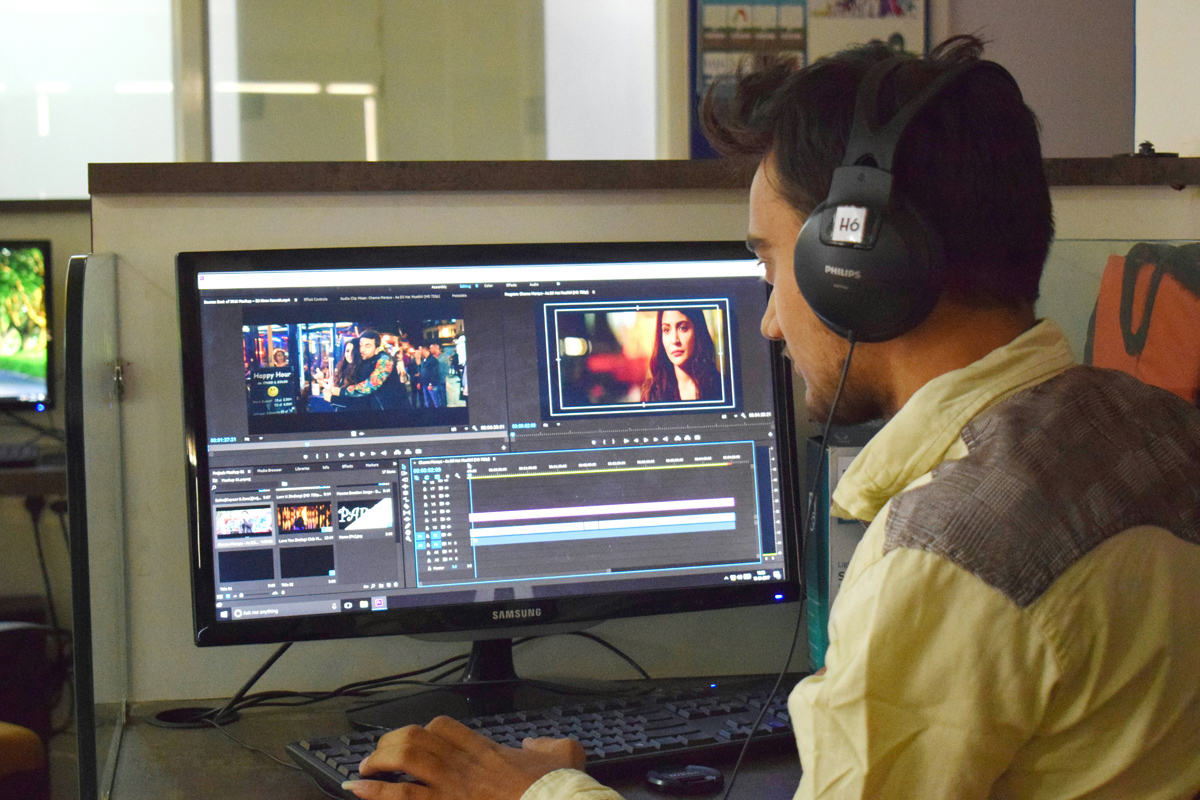
Editing is where raw footage becomes a fully realized story, and every editor relies on a creative toolbox filled with techniques that shape that transformation. These techniques aren’t just stylistic choices, they’re foundational tools that help build emotional rhythm, guide audience focus, and craft meaning in ways that words and performances alone cannot achieve.
Continuity editing, one of the most fundamental techniques, ensures that spatial and temporal relationships remain consistent throughout a film. This allows viewers to follow the story without distraction or confusion. Cross-cutting, on the other hand, can heighten tension by showing two simultaneous events in different locations, leading to a dramatic convergence. It’s a technique famously used in The Godfather during the baptism scene, where the calm ceremony is intercut with violent assassinations, creating a chilling juxtaposition.
Montage sequences compress time and are often used to show character growth or transformation. In Rocky, the training montage is not just a time-saver, it’s an emotional build-up that makes the final fight feel earned. Jump cuts, made famous by the French New Wave, are more jarring and stylized, often used to emphasize disorientation or urgency. These cuts break continuity on purpose to evoke an emotional or thematic point.
Parallel editing and match cuts further expand the editor’s ability to build meaning between unrelated scenes. These transitions demand precision, an eye for visual metaphor, and mastery over timing. Tools like color grading, sound bridges, and visual effects add even more nuance, blending VFX compositing & animation with story-driven editing to produce seamless, immersive moments.
What ties all of these techniques together is the editor’s intuition and command over their tools. This includes not only editing software but also the video production gear that enables high-fidelity footage capture and playback. Great editors also work closely with teams in audio engineering to make sure each cut sounds as smooth and emotionally resonant as it looks.
When used with purpose, these editing techniques become the grammar of visual storytelling. They shape mood, pace, and perception, subtly guiding viewers through a journey that feels natural, even when the craft behind it is incredibly complex. These aren’t just tools for polishing a story. They are the instruments that give it pulse, structure, and soul.
Pacing, Rhythm, and Emotional Impact
One of the editor’s greatest responsibilities is establishing the pacing and rhythm of a film. These invisible patterns dictate how a story feels, whether it’s tense and fast-moving or slow and reflective. The pace of a scene can change the audience’s entire emotional response, often more than the dialogue or visuals themselves. This is why editing is not just about what gets cut, but when and how it’s cut.
A fast-paced thriller like Mad Max: Fury Road uses quick, rhythmic cuts to sustain energy and urgency, keeping viewers on edge. In contrast, a film like The Revenant leans on long, uninterrupted shots and minimal editing to create an immersive, meditative atmosphere. These editorial choices aren’t accidental. They are deliberate strategies that amplify mood and character experience.
Rhythm in editing is akin to rhythm in music. It sets up patterns and then breaks them for effect. An action sequence may accelerate the pace, only to suddenly pause for a close-up or silence to land a dramatic punch. These contrasts make key moments stand out. The difference between a scene that thrills and a scene that drags is often a matter of rhythm management in the edit.
Emotional impact also depends heavily on these editorial decisions. A simple pause between two lines of dialogue can allow emotion to breathe, while a well-placed cutaway to a character’s reaction can say more than any line of script. These micro-decisions shape how the audience connects with characters and how deeply they feel the stakes of a scene.
Audio is a major part of this process. Editors often work closely with audio engineering teams to time sound effects, music cues, and ambient noise with the visual rhythm. A heartbeat sound layered beneath a scene can quicken the viewer’s own heartbeat when timed with cuts and visual tension.
Editors rely on their creative instincts, but they also depend on precision tools and video production gear that allows them to manipulate milliseconds. These tools enable them to create sequences that resonate emotionally, not just intellectually.
Ultimately, pacing and rhythm are what pull viewers in and hold their attention. Done right, editing guides the emotional journey without ever being noticed, yet its absence or misstep is immediately felt. It’s a dance of time and feeling, choreographed in the editing room.
When Editing Goes Wrong: Common Mistakes That Hurt Films
Great editing can elevate an average film into something unforgettable. But the opposite is also true, poor editing can derail even the most promising story. When cuts are mistimed, transitions jarring, or continuity lost, the viewer is pulled out of the experience. These missteps don’t just disrupt flow; they can confuse, frustrate, or even alienate the audience.
One of the most common mistakes is inconsistent pacing. When scenes are drawn out too long or cut too abruptly, the emotional rhythm breaks down. A suspenseful build may fall flat if the payoff comes too early, or worse, too late. Suicide Squad (2016), for example, faced widespread criticism for its incoherent editing and abrupt tonal shifts. Despite strong performances and a high budget, many viewers felt disoriented due to a lack of narrative clarity, a problem that could have been avoided with a tighter, more deliberate edit.
Another major issue is poor continuity. If a character is holding a glass in one hand in one shot and the other hand in the next, it may seem minor, but enough of these errors can erode the viewer’s trust. Continuity editing ensures spatial and temporal logic, and when that logic is violated, immersion breaks down. Without attention to these details, scenes start to feel stitched together rather than smoothly unfolding.
Sound mismatches are also common pitfalls. Dialogue that’s poorly synced, jarring music transitions, or inconsistent ambient noise can distract and confuse. That’s where a strong audio engineering team becomes essential to the editing process. Without clean sound and proper sound design, even beautifully cut scenes can feel amateurish.
Underutilizing or overloading video production gear is another issue. Some editors lean too heavily on effects and transitions that don’t serve the story, creating a visual mess. Others fail to use tools that could enhance clarity and style. Knowing when and how to use equipment, and more importantly, when to let a shot breathe, is a key part of good editing.
Lastly, failing to consider feature film mastering & delivery can result in technical problems down the line. Improper resolution settings, color grading issues, or mismatched frame rates can affect the final product, especially in distribution.
Editing mistakes aren’t always dramatic, but they are always felt. A film’s coherence, tone, and emotional power rest in the hands of the editor. When that responsibility is mishandled, the entire project suffers.
The Editor–Director Relationship: A Creative Partnership
Behind every well-edited film is not just a skilled editor, but a powerful collaboration between the editor and the director. This creative partnership is where vision meets execution. While the director is often seen as the film’s architect, the editor serves as both sculptor and critic, helping shape raw footage into its most impactful form while also challenging creative choices for the good of the story.
Trust is the foundation of this relationship. A director may come into the editing suite with a clear vision, but the editor brings a fresh perspective, often seeing things that weren’t visible on set. In many cases, editors help directors rethink pacing, restructure scenes, or even reframe the meaning of a moment.
A famous example is Jaws, Steven Spielberg originally wanted to show the shark more frequently, but editor Verna Fields suggested minimizing its screen time. That editorial decision helped turn mechanical limitations into psychological suspense, ultimately defining the film’s legacy.
Good editors know when to challenge and when to adapt. They offer feedback not as gatekeepers, but as creative collaborators. In indie productions, where budgets are tight, this relationship becomes even more crucial. Editors often wear multiple hats, helping with sound, color correction, or visual polish, making their input even more integrated.
The editor–director dynamic is not just about technical skill, it’s about shared language. When they align, magic happens. When there’s friction without trust, the result can be a muddled product. Successful pairs like Thelma Schoonmaker and Martin Scorsese demonstrate how long-term collaboration can lead to stylistic coherence across decades of work.
This relationship also intersects with broader teams in film & TV production, such as audio engineering experts and professional photography leads. The editor is often the hub where all creative inputs converge, visuals, sound, pacing, effects, making their ability to communicate and collaborate essential.
In branded content and commercial work, the editor–director partnership plays a key role in translating marketing goals into emotionally engaging content. From corporate storytelling to artist management & media creation, alignment between vision and execution defines whether a final product resonates or misses the mark.
When this partnership is strong, editing becomes more than just a craft, it becomes an extension of directorial voice. Together, they don’t just cut a film, they carve out its soul.
Editing for Different Formats: Trailers, Commercials, Documentaries, and More
While the principles of good editing remain consistent, the application of those principles changes dramatically depending on the format. Editing a full-length narrative feature is very different from cutting a 30-second commercial or a two-minute trailer. Each format serves a distinct purpose and audience, requiring unique editorial decisions to maximize impact.
Trailers, for instance, are all about compression and momentum. Editors must distill an entire film into a compelling snapshot without giving too much away. The pacing is typically faster, the music more dynamic, and the cuts more dramatic. Great trailer editors know how to evoke emotion and curiosity quickly. A trailer for a drama will rely on tension and mood, while an action trailer may lean into sharp cuts and rising energy. In both cases, editorial precision is key.
Commercials demand an even tighter focus. With time constraints of 15 to 60 seconds, editors must be strategic about every frame. A successful ad must grab attention immediately and drive a clear message home. Here, editing intersects directly with creative marketing, ensuring that visuals, sound, and text align to produce persuasive, on-brand messaging. Campaigns for political campaigns and product launches alike depend on sharp editing to get results.
Documentaries offer different challenges. Editors often begin with hours of footage and no fixed script. Their job is to shape real-life moments into an emotionally resonant and narratively coherent experience. This often involves weaving together interviews, archival material, B-roll, and voiceovers in a way that feels natural yet purposeful. In this context, pacing is driven by emotional truth rather than dramatic construction, and the role of audio engineering becomes even more crucial.
Social content, on the other hand, thrives on fast cuts and platform-native pacing. Editors creating reels, shorts, or stories must understand how to capture attention within the first few seconds. The ability to repurpose longer footage into snackable, high-impact content is a valuable skill in modern social media marketing.
Each format requires a tailored approach, but they all depend on the editor’s ability to craft rhythm, clarity, and emotion. The best editors can shift seamlessly between styles, from cinematic trailers to short-form branded clips to intimate documentary film production. They adapt not just to time limits but to tone, audience, and platform, making format-specific editing a key part of professional storytelling today.
Technology’s Role: How Software and Gear Shape the Cut
Modern editing is as much about the tools as it is about the talent behind them. While storytelling instincts remain timeless, today’s editors rely heavily on cutting-edge software and hardware to bring their creative visions to life. The evolution of technology has fundamentally reshaped what’s possible in the edit suite, making the process faster, more flexible, and more collaborative than ever before.
Professional editing software like Adobe Premiere Pro, DaVinci Resolve, and Avid Media Composer allow for nonlinear editing, complex timeline management, and real-time effects processing. These platforms offer robust integration with color grading, motion graphics, and audio engineering, streamlining what used to require multiple systems. Editors can now adjust everything from lighting levels to sound cues in one unified workspace, enabling them to experiment more freely and iterate faster.
Equally important is the quality of video production gear used during shooting. High-resolution cameras, proper lighting setups, and accurate color profiles give editors greater flexibility in post-production. The more detailed and dynamic the raw footage, the more options an editor has when refining scenes. Gear choices don’t just affect visual fidelity, they influence how well footage holds up during grading, cropping, or VFX insertion.
Remote collaboration tools have also revolutionized the editing process. Editors can now work across time zones, sharing projects and syncing updates in real time. Cloud-based platforms and project management tools allow creative teams to stay aligned from concept to delivery, improving both speed and communication. This is especially useful in large-scale film & TV production where editors, directors, and producers may not be in the same location.
Once the creative work is done, technical precision is critical. Editors must prepare projects for feature film mastering & delivery, ensuring every frame meets the required specifications for cinema, streaming, or broadcast. This includes correct aspect ratios, frame rates, color spaces, and sound configurations. Without this technical accuracy, even the most compelling edit can be compromised during distribution.
The bottom line is this: technology doesn’t replace creative instincts, it amplifies them. The best editors know how to leverage powerful tools to enhance rhythm, mood, and narrative flow. From capture to final cut, technology shapes every step of the editing journey, enabling artists to push boundaries while meeting the professional demands of today’s media landscape.
Editing as a Marketing Tool
While editing is traditionally associated with storytelling, its power in marketing is equally profound. A well-edited piece of content can do more than entertain, it can inform, persuade, and inspire action. Whether it’s a film trailer, branded video, or social ad, editing serves as the final layer of messaging that shapes audience perception and engagement.
The marketing world relies heavily on editing to create strong first impressions. In high-impact brand spots, the pacing, transitions, and rhythm all signal the identity and values of the company. A sleek, dynamic edit suggests innovation and energy, while a slower, story-driven piece evokes trust and authenticity. Editors often collaborate with teams focused on creative marketing and branding & graphic design to ensure that the visual language aligns with the broader brand message.
In social media, where attention spans are short, editing becomes even more strategic. Eye-catching transitions, sound design, and framing decisions are used to hook viewers in the first three seconds. Repurposing long-form content into reels, teasers, and story-based posts is now a key part of modern social media marketing. A strong editor knows how to trim the fat without losing the message, distilling complex ideas into digestible moments.
Editing also plays a vital role in content aimed at storytelling with a purpose, like political campaigns or nonprofit outreach. Here, emotion is currency. Editors use pacing, imagery, and sound to evoke urgency, empathy, or hope. The right cut can move someone to donate, sign up, or share a message with others.
The rise of digital-first brands has made content a core part of every marketing strategy. As a result, editing is no longer just about final polish, it’s about message delivery. Editors are now deeply involved in scripting and campaign strategy, especially in projects that include artist management & media creation, branded documentaries, or influencer-led campaigns.
Add to this the technical side: optimized formats for each platform, frame rates for various screen sizes, and versions tailored for ad placements, all of which are handled in the edit suite. Editors are tasked not only with crafting the story but ensuring it’s technically sound and ready for distribution across platforms.
In the age of content saturation, editing isn’t just post-production, it’s brand positioning. It’s the difference between being watched and being remembered.
Conclusion
Editing is where every story takes its final form. It’s not just a technical step, it’s the creative process that brings clarity, emotion, and meaning to everything we produce. At our studio, we see editing as the moment where raw content transforms into something powerful, whether it’s a film, a campaign, or branded media.
If you’re ready to elevate your next project, take a look at our portfolio, explore our full range of services, or reach out to start a conversation. You can always learn more about us at C&I studios.
Related Reading
The Art of Color Grading: How We Give Films Their Final Look
The Art of Color Grading: How We Give Films Their Final Look
Color grading is the unsung hero behind the visual magic of cinema and television. It’s the final stage in post-production where colors are refined, tones are balanced, and the overall aesthetic is crafted to fit the story’s emotional arc.
Whether it’s the gritty green hues of a dystopian world or the warm glow of a nostalgic drama, color grading helps shape how we feel about what we see on screen. It does more than correct color—it sets the mood, enhances emotion, and ensures visual consistency. In essence, it’s how raw footage becomes a fully realized visual experience.
The Evolution of Color Grading in Film
Color grading has come a long way since the early days of cinema, when filmmakers had little control over the hues that appeared on screen. In the analog era, color timing involved physically adjusting the exposure of film during the printing process—an incredibly manual and limited method. Technicians would chemically process film reels in darkrooms, making tiny adjustments to achieve the desired look. This early form of grading was more about technical correction than artistic intention, and the results varied greatly depending on the lab and the tools available.
The digital revolution changed everything. With the rise of non-linear editing systems and digital intermediate processes in the late 1990s, colorists were suddenly equipped with powerful tools that allowed frame-by-frame adjustments without degrading the image. Software like DaVinci Resolve, Adobe SpeedGrade, and Baselight made it possible to manipulate brightness, contrast, and color tone with extreme precision. What once took hours in a lab could now be done with a mouse and a stylus, ushering in a new era of creative freedom in video production.
Technology didn’t just make the process faster—it transformed the role of color grading from a technical step to a crucial part of storytelling. Iconic films like The Matrix used green tints to separate the simulated world from reality, while Amélie employed saturated reds and yellows to create a whimsical, romantic atmosphere. These weren’t just visual choices—they were narrative tools that helped audiences feel more connected to the story.
As tools evolved, so did expectations. Today’s audiences are more visually literate and sensitive to color than ever before. This has raised the bar for post-production teams who now see feature film mastering & delivery as a layered, collaborative process. Directors, cinematographers, and colorists work together to create a consistent visual language that supports the emotional tone of the film.
For brands and creatives alike, the rise of color grading also opened new doors in creative marketing. From short-form ads to long-form storytelling, color grading is now used to build mood, establish identity, and guide viewer perception. What started as a technical fix has become a storytelling artform—one that defines the visual era we live in today.
Why Color Grading Matters
Color is one of the most powerful yet understated tools in visual storytelling. Through deliberate color choices, filmmakers can guide a viewer’s emotions, emphasize character development, and deepen thematic impact—all without a single word of dialogue. This is where color grading becomes critical. It’s not just about making a film look polished; it’s about shaping how a story is felt. When used thoughtfully, color grading can communicate mood, foreshadow events, and add psychological depth to every frame.
Different genres rely heavily on distinct color palettes to support their narrative goals. Horror films often lean toward desaturated or cold tones—blues, greens, and greys—to evoke dread, discomfort, or isolation. In contrast, romantic films typically embrace warmer hues like soft pinks, glowing ambers, and rich reds to create a sense of intimacy and emotional vulnerability. Political dramas or historical pieces might use more neutral, earth-toned palettes to reinforce a serious, grounded atmosphere. These choices aren’t random—they are crafted during the grading process to align perfectly with a director’s vision.
Even within the same film, color grading plays a vital role in maintaining visual and emotional consistency across scenes. Imagine a movie that shifts abruptly in tone without a matching shift in color—it would feel jarring, disjointed, and emotionally confusing. Grading ensures that lighting changes, camera filters, and different locations still feel like part of the same cohesive world. It smooths out visual differences and supports continuity from scene to scene, helping the audience stay immersed in the story.
In documentary film production, color grading can elevate real-world footage, making it more visually engaging while preserving authenticity. It helps balance natural lighting inconsistencies, especially in field shoots where control over the environment is limited. Whether you’re spotlighting climate change or profiling a political leader, grading helps define the tone—urgent, somber, or hopeful—that frames the narrative.
Color grading also plays a powerful role in high-stakes visual work like political campaigns and VFX compositing & animation. Campaign ads, for instance, are often meticulously graded to either humanize a candidate or create urgency around an issue. In VFX-heavy productions, grading ensures that animated or CGI elements blend seamlessly with live-action footage, preserving the believability of the visual world.
Ultimately, color grading is where technical precision meets emotional storytelling. It allows filmmakers, brands, and creators to use color as a narrative language—one that viewers instinctively understand, even if they don’t consciously notice it.
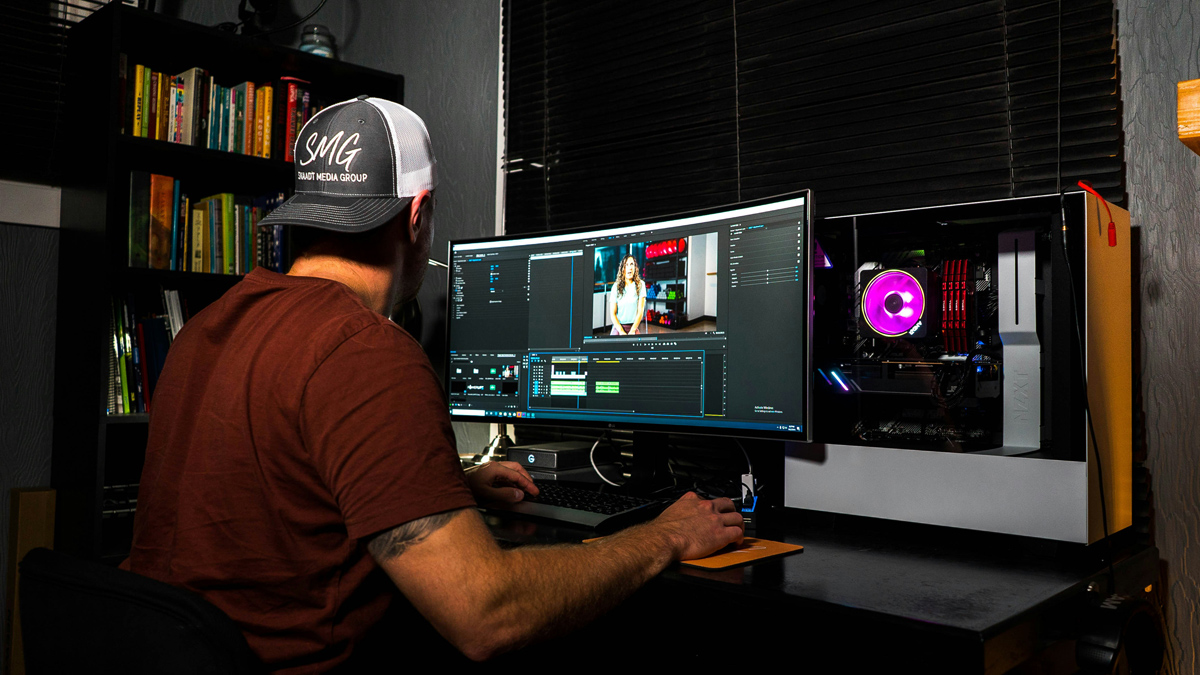
The Colorist’s Toolbox: Software, Tools, and Techniques
Color grading may look like magic on screen, but behind every cinematic image is a set of powerful tools and a skilled colorist who knows how to use them. With the evolution of post-production software, grading is no longer reserved for big-budget studios. Independent filmmakers, YouTubers, and brand marketers now have access to professional-grade tools that can dramatically elevate the visual quality of their content.
Among the most widely used platforms are DaVinci Resolve, Adobe Premiere Pro, and Baselight. DaVinci Resolve is especially popular in professional video production environments due to its advanced color tools and node-based workflow. Adobe Premiere offers tighter integration with other Adobe tools like After Effects, making it ideal for editors who need a fluid pipeline. Baselight, while more niche, is known for its robust capabilities in high-end theatrical and broadcast projects. Choosing the right platform often depends on the type of project, budget, and the editor’s comfort level with the interface.
Beyond software, the colorist’s toolbox includes essential techniques and terms that form the language of color grading. Scopes—like waveform monitors and vectorscopes—help assess exposure, contrast, and color balance objectively. They are indispensable when aiming for broadcast-legal output or consistency across deliverables. LUTs (Look-Up Tables) are pre-designed color profiles that apply a specific look to footage instantly, serving as a starting point or a final touch. Masks allow colorists to isolate and adjust specific areas of the frame, such as brightening a character’s face or darkening a distracting background. Keyframes, on the other hand, are used to animate changes over time, such as gradually shifting color temperature to match a setting sun.
It’s also important to distinguish between color correction and color grading. Correction comes first and involves fixing issues in exposure, white balance, or saturation to achieve a “neutral” baseline. Grading follows, where creative decisions are made to establish the mood, tone, and visual identity. While correction is about technical accuracy, grading is about artistic expression.
Modern video production gear has made this process even more precise, with high-resolution monitors, color calibration tools, and control surfaces providing tactile feedback for better accuracy. When paired with expert audio engineering, these visual enhancements help maintain viewer engagement across platforms.
For brands or creators unsure of where to begin, a media marketing consult can provide valuable insights on how color can be aligned with campaign goals, audience psychology, and platform-specific needs. Whether for film, commercial, or web content, the right tools—and the right hands—make all the difference.
Color Theory in Practice
Color isn’t just decoration—it’s a language. In film & TV production, every hue, tone, and shade can influence how the audience feels, interprets a scene, or connects with a character. This is the foundation of color theory in practice: using psychological and emotional cues embedded in color to deepen the story’s impact. Whether in a drama series, a political thriller, or a brand video, intentional color choices help shape perception at a subconscious level.
One of the most important decisions in color grading is the use of warm versus cool tones. Warm tones—reds, oranges, yellows—often evoke emotions like passion, nostalgia, comfort, or energy. They’re commonly used in romantic scenes, family memories, or upbeat brand messaging. On the other hand, cool tones—blues, greens, purples—can suggest calm, detachment, mystery, or tension. They dominate in sci-fi, horror, or emotionally distant characters. Skilled colorists use this dichotomy to control the emotional atmosphere of each frame.
Saturation and contrast also play crucial roles. High saturation can make a scene feel vibrant and full of life, while desaturated or muted palettes can evoke sadness, isolation, or realism. Similarly, contrast levels can signal intensity or softness—sharp contrast is often used in action or suspense, whereas low contrast might suit a dream sequence or intimate dialogue. In content creation, these tools are vital for telling stories that stick.
Real-world examples show how effective this theory can be. In Breaking Bad, the yellow filter used in desert scenes emphasizes heat, danger, and the alien nature of Walter White’s double life. In Euphoria, saturated neon purples and blues underscore the emotional chaos and heightened reality of the teenage experience. Even in TV show pitching, a sample reel graded with the right tone can communicate a show’s entire genre and target audience before a single line is spoken.
Outside of traditional film, color theory is just as critical in branding & graphic design. Think of how companies use color to build identity: red for urgency and passion (Coca-Cola), blue for trust and calm (Facebook), or green for growth and sustainability (Spotify). When applying these principles to moving images, creators can make their brand feel instantly recognizable and emotionally resonant.
Whether in long-form storytelling or short-form branded content, mastering the art of color theory enhances visual strategy. It bridges the gap between what’s seen and what’s felt, making every second of screen time more meaningful and memorable.

From Dailies to Final Look: The Grading Workflow
Color grading doesn’t begin with a finished edit—it begins with the dailies. These are the raw, ungraded clips pulled from the camera each day during shooting. The grading process often starts here, with the colorist reviewing footage to get a sense of exposure, color consistency, and the cinematographer’s intentions. A temporary grade or “look” might even be applied early to guide editing. But this is just the beginning of a highly collaborative, multi-step process that ends with a film’s final visual identity.
Once the rough cut is locked by the editor, the colorist begins the real work. At this stage, the director and director of photography (DP) usually sit down with the colorist to discuss the project’s visual goals. Together, they define a base look—warm and nostalgic, cool and gritty, or perhaps stylized with unique color schemes. This collaborative effort ensures the color supports the story, not just the aesthetic. It’s a key aspect of artist management & media creation, where the creative vision of multiple departments is brought into harmony.
With the look established, the colorist begins shot-by-shot grading. This is where footage is corrected for exposure, white balance, and color cast, then graded to match the intended tone. Meanwhile, the colorist must maintain continuity across multiple camera setups, lighting environments, and locations. The work becomes especially complex when coordinating with VFX teams. For any shots involving visual effects or animation, the grade must blend seamlessly with added elements. That’s why color grading is often closely aligned with both editing and VFX compositing workflows.
The role of audio engineering is also connected to grading, though it might seem separate at first. Emotional beats, sound cues, and music timing often inform how color transitions are applied. For instance, a shift from warm to cold tones may sync with a dramatic sound cue or music change, enhancing the narrative impact. Color and sound must complement each other to avoid sensory dissonance, especially in key emotional scenes.
Finally, once the full film or video is graded and approved, the colorist prepares it for feature film mastering & delivery. This includes rendering high-quality exports in various formats for theatrical, streaming, broadcast, or social media. Different platforms require different color spaces and compression standards, making the final step both technical and precise.
From first shot to final frame, the grading workflow ensures that every detail, every hue and highlight, reinforces the story’s emotional core.
Matching the Grade to the Message
Color grading is not one-size-fits-all. The way a music video is graded will differ drastically from a political ad or a non-profit documentary. That’s because color grading must always serve the message, and different messages require different emotional tones, narrative pacing, and audience expectations. Whether the goal is persuasion, education, or pure entertainment, the colorist’s job is to enhance the emotional resonance of the story while staying true to the intended tone and visual identity.
In documentary film production, for instance, the goal is often to maintain realism while guiding emotional interpretation. Naturalistic tones with slight enhancements—like warm highlights for empathy or cooler tones for tension—can help documentaries stay authentic without feeling flat or lifeless.
A documentary about environmental collapse might use desaturated, bluish tones to emphasize seriousness and urgency, whereas one focusing on community revival might favor brighter, earthy tones to instill hope and positivity. The color grade becomes a subtle but powerful way to help the viewer connect emotionally while maintaining journalistic integrity.
In contrast, political advertisements are more calculated and stylized. Color grading is often used in creative marketing strategy to provoke an immediate reaction. Warm tones can humanize a candidate, while desaturated or cold tones might be used to depict opposition or highlight societal issues. The stakes are high and the airtime is short, so the visual message has to land instantly. Here, every second counts—and every frame must reflect the core values and messaging of the campaign.
Commercials, especially those destined for social media marketing, often lean heavily on vibrant, dynamic color grades. Eye-catching contrast and saturation are essential for stopping the scroll. Brands use consistent color palettes to reinforce identity—think Coca-Cola red or Apple’s white-and-gray minimalism. Color grading must align with the brand’s lookbook, product design, and target demographics, ensuring a consistent visual experience across all channels.
Tone consistency is especially important across multi-platform content. A brand might release a 30-second spot on Instagram, a 2-minute brand story on YouTube, and a behind-the-scenes reel on TikTok. Each of these needs its own pacing and format, but the grade should make them feel like part of the same visual family. When done well, grading enhances recognition and reinforces trust.
Ultimately, color grading is a storytelling device that links visual design with emotional impact. When aligned with audience expectations and message clarity, it transforms media into a cohesive and unforgettable experience.
Color Grading for Multi-Platform Delivery
In today’s content-driven world, videos are no longer created for just one screen—they’re made for every screen. From cinematic theaters to smartphones, smart TVs, and social platforms, content is consumed across an ever-expanding landscape. That’s why color grading for multi-platform delivery is no longer optional—it’s essential.
A grade that looks perfect in a theater might fall flat on a mobile device if it’s not properly adapted. Delivering a consistent visual experience across formats requires technical precision, platform awareness, and a clear understanding of how color translates from one device to another.
Grading for cinema is often done in high dynamic range (HDR) and wide color gamuts, like DCI-P3 or Rec. 2020, to match the projection capabilities of theaters. The image is rich, immersive, and designed for a large screen in a darkened environment. However, when the same footage is repurposed for the web, the colorist must account for different viewing conditions—smaller screens, varying lighting, and inconsistent calibration. This often requires exporting different versions in Rec. 709, the standard for most online and TV content.
For mobile and social platforms, saturation and brightness may be pushed slightly to compensate for outdoor viewing and smaller screens. TikTok, Instagram, and YouTube all compress and reprocess videos differently, so the grade needs to be tested and optimized for those platforms. A beautifully muted tone might look perfect on a laptop but appear washed out on an iPhone due to brightness settings or compression. Successful video & audio live streaming campaigns also benefit from grading adjustments that ensure skin tones and brand colors appear consistent during real-time broadcasts, even when internet quality fluctuates.
Color space conversions are a major part of the delivery pipeline. Moving between Rec. 709, Rec. 2020, and sRGB requires careful management to prevent color shifts and clipping. LUTs or manual grading tweaks are often used to maintain visual fidelity.
Additionally, knowing your web hosting and web development environment matters. Some hosting platforms or CMSs may compress videos more than others, further altering how colors display. A brand’s hero video might look crisp on Vimeo but slightly degraded on an embedded player hosted elsewhere.
Ultimately, color grading for multi-platform delivery is about maintaining the integrity of the visual message across every format. Whether you’re premiering in theaters, launching on Instagram, or embedding on a custom-built site, the grade should remain cohesive and compelling—no matter where or how it’s viewed.
Conclusion
Color grading is where technical precision and artistic vision come together to shape powerful, lasting impressions. It enhances storytelling, strengthens brand identity, and ensures your visuals resonate across every platform.
At C&I Studios, we understand how to make color work for you, whether it’s part of a larger media marketing consult or tied into your campaign’s professional photography and production strategy. Take a look at our portfolio to see how we’ve brought visual narratives to life. Learn more about our full range of services, or contact us to start your next project.
Related Reading
How Our Editors Collaborate with Directors
Collaboration in Short Film: How Our Editors Work with Directors
What audiences see on screen is the result of more than just a strong script or great camera work—it’s the product of deep creative collaboration. Among the most crucial relationships in modern content creation is the one between directors and editors. This partnership shapes the tone, rhythm, and emotion of a project long before the final cut.
As storytelling demands increase across formats, from branded videos to full-length films, the editor’s role has expanded into every stage of the production process. This article explores how that collaboration unfolds and why it’s essential in today’s evolving film & TV production landscape.
Why Editor-Director Collaboration Matters
Successful productions rely on more than high-end cameras or talented actors. They thrive on the strength of behind-the-scenes partnerships. Among the most defining of these is the connection between the director and the editor. Their creative alignment can shape a project’s emotional tone and determine whether the audience feels immersed or disconnected.
An editor brings structure to a director’s vision. The role extends beyond assembling scenes. It involves refining pacing, building tension, and crafting a rhythm that fits the story’s mood. With a strong collaborative foundation, both creatives engage in a dynamic process that turns scattered footage into intentional storytelling.
This synergy becomes especially important in narrative-heavy formats. When working on unscripted genres, such as documentary film production, editors must identify a clear story arc from massive amounts of footage. Close collaboration with the director is essential for guiding these decisions and maintaining authenticity throughout the process.
Projects with political messaging add another layer of complexity. Tight timelines, sensitive subjects, and rapid changes require editors and directors to be perfectly aligned. Each cut must reinforce the intended message while maintaining emotional clarity. Trust and communication are critical under this kind of pressure.
Even within film & TV production campaigns and brand storytelling, the editor-director relationship determines visual consistency. Projects like multi-episode web series or seasonal ad sets require a shared creative approach. When aligned, the result is a smooth and professional viewer experience.
At the final delivery stage, the connection remains strong. Directors offer final input while editors manage export formats, pacing tweaks, and technical compliance. This shared oversight ensures the end result feels polished and platform-ready.
What emerges from this collaboration is more than a finished product. It is a carefully shaped experience, guided by two perspectives working in sync. The process strengthens narrative cohesion, improves turnaround times, and leads to more impactful audience engagement.
The Pre-Production Connection
Many people assume that editors only step in once filming wraps, but that’s no longer the case in professional workflows. More often, editors are involved early in the process to support creative alignment and prevent downstream bottlenecks. When directors bring editors into the fold during pre-production, they gain a valuable partner who can help plan for the edit while the project is still on paper.
A well-informed editor can flag potential pacing issues, suggest shot coverage that supports smoother transitions, and offer input on how certain scenes might flow better with intentional visual setups. This input during the planning stage reduces the need for costly reshoots and time-consuming reworks later. It also helps directors approach shoots with a post-production strategy in mind, making the entire process more cohesive from the start.
Storyboarding sessions benefit tremendously when editors contribute. These visual outlines become a shared language between departments, helping both director and editor align on tone, structure, and scene progression. Editors may also work alongside script supervisors to prepare scene breakdowns that inform shooting schedules and anticipate key narrative beats that require special attention.
This kind of early collaboration is particularly valuable in TV show pitching, where directors need to sell not just a story, but a well-thought-out execution plan. Editors can provide rough cut samples or assemble teaser trailers using prior footage, which makes the pitch more dynamic and credible. Their technical and narrative foresight strengthens the creative vision and increases the likelihood of approval from producers or investors.
Early editorial involvement also plays a key role in branded content and campaign ideation. For example, during a media marketing consult, directors and editors might work together to map out deliverable formats, call-to-action placements, and multi-platform cuts before production begins. This ensures that what gets filmed will meet the specific needs of various distribution channels, including social media, broadcast, and web.
When editors are treated as strategic collaborators from day one, the result is tighter execution, fewer revisions, and a clearer path to delivering content that lands with impact. It’s not just about trimming footage later. It’s about helping shape the creative roadmap before the first scene is ever shot.
In the Editing Room: A Shared Creative Language
Once production wraps and footage arrives, the editing room becomes the core of creative decision-making. This is where the vision takes shape, and the collaboration between editor and director intensifies. A shared creative language becomes essential. Both parties need to communicate clearly and fluidly about narrative goals, pacing adjustments, visual tone, and emotional resonance.
Editors translate raw footage into meaning. They sort through countless takes, choose the strongest performances, and arrange scenes with intention. But none of this happens in a vacuum. Directors guide the process by sharing notes, references, and emotional cues. When both sides understand each other’s shorthand, the edit becomes less about technical assembly and more about storytelling finesse.
One key tool for alignment is the use of dailies. These are the unedited clips from each shooting day. When directors and editors review dailies together, they can identify standout shots early, make immediate decisions about reshoots if needed, and maintain momentum. This constant feedback loop accelerates progress and ensures that creative intent stays intact.
Working on projects that involve complex visuals or layered effects further deepens the need for collaboration. For example, in VFX compositing & animation, editors must leave space, timing, and visual cues that integrate seamlessly with effects teams. Directors rely on editors not just to assemble footage, but to anticipate how visuals will evolve in post-production.
In stylistic content such as music videos, branded films, or digital campaigns, the edit sets the visual rhythm. Editors and directors often sit side by side, exploring variations in pacing, transitions, and timing that define the final tone. With clear communication, they can test creative ideas quickly and land on the strongest version of a scene.
Sound design also enters the mix. Editors begin laying down temp tracks and transitions while directors offer input on timing, emotion, and energy. These early sound decisions affect the pacing of the entire piece, and they often guide the final work of composers and audio engineering specialists.
The editing room is more than a workspace. It is a creative lab where direction, performance, and post-production elements converge. When editors and directors communicate well, they unlock storytelling possibilities that elevate every frame.
Tools That Enhance Collaboration
Modern production workflows thrive on speed, precision, and seamless communication. For editors and directors, that means relying on collaborative tools that bridge creative vision with real-time execution. These platforms remove guesswork and streamline feedback, helping teams stay aligned no matter where they are.
Cloud-based editing tools have redefined what’s possible during post-production. With services like Frame.io, Adobe Team Projects, and DaVinci Resolve Cloud, directors can now leave time-stamped comments directly on video timelines. Editors respond quickly, apply changes in real time, and eliminate the need for long email threads or delayed meetings. This workflow brings clarity, especially on fast-moving projects with tight turnaround times.
Screen sharing and remote review platforms further close the gap between teams working in different locations. Directors can watch cuts as they happen, provide verbal feedback during live sessions, and even annotate footage while speaking to the editor. This level of interactivity maintains momentum and reduces revision cycles, allowing creative decisions to happen as naturally as they would in person.
For productions involving live content, having a strong infrastructure is key. Whether it’s a commercial shoot or a hybrid event, real-time coordination between editing and directing is supported by reliable video production gear. This includes high-speed storage arrays, calibrated monitors, and cloud backups to prevent data loss. Hardware choices play a direct role in how efficiently editors and directors can collaborate under pressure.
In web-first projects or campaigns that require rapid deployment, teams often integrate editing platforms with web development and content management systems. Editors can prepare export-ready versions tailored for online formats while developers ensure smooth integration across landing pages, banners, or email campaigns. Having that sync between creative and technical teams ensures every asset is optimized for its final destination.
The tools alone don’t guarantee strong collaboration, but when used intentionally, they amplify the human connection behind great editing. By reducing technical friction and allowing feedback to flow freely, these platforms make it easier for directors and editors to co-create in real time, even when separated by geography or schedules.
Ultimately, the best tools support, not replace, the collaborative energy that drives every creative project forward.
Handling Creative Conflicts
Even in the most aligned teams, creative conflict is inevitable. Editors and directors bring different perspectives to the same footage. One might focus on emotional tone while the other prioritizes pacing or visual continuity. Rather than seeing this as a hurdle, the best teams treat creative tension as a tool for refining ideas.
A thoughtful editorial process involves plenty of negotiation. Editors might suggest cutting a scene for clarity, while a director insists on keeping it for emotional weight. These disagreements open the door for deeper discussions about what truly serves the story. When trust exists, feedback becomes constructive instead of personal.
To navigate these situations, successful collaborators set expectations early. Directors who share a clear vision—and invite interpretation—give editors the freedom to explore different options. Editors who remain open to feedback and stay focused on storytelling are better positioned to propose edits that elevate the narrative without sidelining the original vision.
Reference cuts, lookbooks, and creative briefs all help provide context. When conflict arises, these assets can ground conversations in shared goals instead of subjective taste. Reviewing alternative versions side by side also makes it easier to identify what’s working and where compromise is possible.
In fast-paced environments like creative marketing, quick decisions are often required. Editors must act with speed, but also with sensitivity to the brand’s voice and the director’s creative lead. In these cases, building a shorthand for revisions and trusting each other’s instincts helps maintain quality without getting stuck in creative deadlock.
Projects with layered responsibilities, such as artist management & media creation, introduce even more voices to the table. Navigating feedback from talent, producers, and agencies means editors and directors must align tightly to serve the project’s core message while keeping stakeholders satisfied. A united editorial front helps filter and prioritize external input without diluting the creative intent.
Conflict, when managed respectfully, can sharpen a story rather than stall it. The goal isn’t to avoid disagreement, but to harness it for better outcomes. When editors and directors maintain open communication and a shared commitment to the vision, creative friction becomes part of the storytelling process, not a disruption to it.
Genre-Specific Editing Dynamics
Every genre has its own rhythm, tone, and creative demands. Editors and directors must adapt their collaboration style depending on the project’s format and audience expectations. A shared understanding of genre conventions helps the team make informed decisions that strengthen the final narrative.
In comedy, timing is everything. A joke that lands too early or too late can fall flat. Editors and directors often work closely to fine-tune the pace of dialogue, cut reactions for maximum effect, and test alternate versions to see what gets the best response. The ability to move frames by milliseconds can completely change the impact of a scene.
For documentaries, authenticity is paramount. Editors must preserve the truth of what was captured while structuring footage into a clear, compelling arc. Directors help shape the overarching narrative, but much of the storytelling happens in the edit bay. This genre demands high levels of collaboration to ensure that emotional beats feel real, not manufactured. Shared values around transparency and nuance are essential in documentary film production.
Drama projects require a strong sense of emotional timing. Editors work with directors to balance silence and tension, explore pacing shifts, and support character development. Subtle decisions—such as holding on a character’s expression for an extra moment—can make a lasting impression when aligned with the director’s vision.
In fast-moving content such as commercials or brand videos, the visual message must be delivered quickly and clearly. Editors and directors focus on clarity, flow, and energy. Every second matters. Collaborative decisions often revolve around how to simplify messaging without sacrificing style. This is especially important in projects involving SEO copywriting, where visual cuts must support key text or voiceovers being used across web platforms.
Even within genres like action or horror, technical coordination becomes vital. Editors must manage rhythm, sound design, and visual pacing in sync with the director’s intended atmosphere. Effective use of effects, jump cuts, or sound drops often hinges on deep creative alignment between both parties.
No matter the genre, flexibility and trust remain the constants. Editors who understand genre language and directors who respect the editor’s technical instincts create work that feels cohesive, purposeful, and tonally correct. The collaboration shifts shape, but never loses its importance.
Deliverables, Deadlines, and Distribution
The final phase of post-production is where creative vision meets logistical reality. Editors and directors must collaborate closely to ensure that the final product meets technical requirements, creative expectations, and platform-specific standards. This stage is about precision, communication, and preparation.
Editors handle much of the technical groundwork. They format timelines, manage frame rates, optimize sound levels, and prepare the final render settings based on where the content will appear. Directors, meanwhile, perform quality control—reviewing color grades, approving transitions, and ensuring the final cut reflects the intended tone. When both roles are aligned, the export process becomes streamlined and stress-free.
Different platforms require different versions. A project destined for theaters might demand a full-resolution master file, while social media cuts need to be short, snappy, and subtitled. Editors and directors work together to adapt pacing, framing, and even music cues to suit the context. Staying organized during this stage helps reduce errors and ensures each version stays true to the core message.
In high-stakes environments such as feature film mastering & delivery, precision is non-negotiable. Frame accuracy, audio sync, closed captioning, and color profiles must meet distributor specifications. Editors manage these details, but the director’s input on final tweaks is essential. Together, they maintain creative quality while checking all the technical boxes for delivery.
Web-based distribution presents its own set of challenges. Content destined for brand websites, email campaigns, or landing pages must be tested for loading speed, device compatibility, and playback integrity. Editors often coordinate with development teams to ensure export formats align with hosting specs. Collaborations that include web hosting considerations from the start tend to avoid last-minute rework or playback issues.
For content going live, such as virtual events or digital premieres, timing is everything. Editors prepare show files while directors oversee flow and transitions. Together, they run rehearsals, check cues, and confirm backup systems are in place. Having a shared checklist and an open channel of communication reduces the risk of errors during broadcast or launch.
Final delivery is more than just hitting “export.” It’s about preserving the integrity of the creative vision across every screen, every platform, and every version. When editors and directors stay aligned through this final mile, they ensure the work lands exactly as it was intended.
Conclusion
Strong storytelling is never the product of one person—it’s the result of skilled collaboration. When editors and directors work in sync from the earliest planning stages to final delivery, the creative process becomes more efficient, more focused, and more impactful. This partnership shapes the pace, tone, and clarity of every project, from feature films to branded content.
To see how our team approaches video production with precision and care, explore our portfolio. For a full view of our capabilities, visit our services page.
Ready to start a conversation? Contact us today.
Short Film Production: Tips and Best Practices
Short films have a unique allure. They offer filmmakers the opportunity to create powerful, thought-provoking stories in a limited amount of time. Whether it’s a personal narrative or an experimental concept, the ability to evoke emotion, convey meaning, and captivate an audience in just a few minutes is a skill that every filmmaker strives to master.
In this blog, we’ll explore essential short film production tips and best practices that can help turn your vision into a finished project. From crafting a compelling script to mastering the nuances of editing, we’ll cover the crucial aspects of producing short films that will set you on the path to success. Whether you’re a beginner or an experienced filmmaker, understanding these production basics will empower you to create impactful films that resonate with your audience.
Why Short Films Are Important in the Film Industry
Short films have seen a remarkable surge in popularity in recent years. With the rise of digital platforms like YouTube, Vimeo, and social media, they’ve become an accessible and impactful medium for filmmakers. In contrast to full-length features, short films allow creators to experiment with different styles, themes, and narratives, often taking risks that might not be possible in longer formats. This flexibility is one of the key reasons why short films are not only popular among audiences but are also a vital part of the filmmaking industry.
For aspiring filmmakers, short films are often the first stepping stone toward a larger career. They provide a space to refine skills, experiment with storytelling, and build a portfolio. Many successful filmmakers, including Christopher Nolan, Guillermo del Toro, and Martin Scorsese, started their careers by producing short films. These early works often served as tests for their talents, allowing them to showcase their unique vision and style to the world.
The role of short films extends beyond personal career development—they are an integral part of the film festival circuit. Prestigious festivals like Sundance, Cannes, and TIFF regularly showcase short films, offering creators the opportunity to gain international exposure. Winning or being selected for such festivals can open doors to further opportunities, including funding for future projects or collaboration with established industry professionals.
Moreover, the emergence of digital streaming platforms has significantly expanded the reach of short films. Platforms such as Netflix, Amazon Prime Video, and various indie film streaming services are increasingly adding short films to their offerings. This democratization of distribution means that short filmmakers now have more options to share their work with global audiences, giving them access to a broader range of viewers than ever before.
Short films are not just stepping stones—they are powerful tools that help filmmakers hone their craft, gain recognition, and reach global audiences. Their growing role in both traditional and digital film industries ensures they will continue to be an important part of the filmmaking landscape.
Defining Your Vision and Purpose
When embarking on short film production, one of the first steps is defining your vision and purpose. Without a clear vision, the production process can become directionless, resulting in a project that feels unfocused or fails to resonate with audiences. The vision of your short film is the backbone that shapes every creative decision, from the script to the final edit.
Start by clarifying the message or theme you want to convey. What story do you want to tell, and why is it important? This is the foundation of your film’s purpose. Whether you want to raise awareness about a social issue, evoke a particular emotion, or simply entertain, the central theme should guide your decisions throughout the production process.
Next, understanding your target audience is crucial. Are you creating a short film for a niche group of viewers, or is it meant for a more general audience? Defining your audience demographics—age, interests, cultural background—will influence the tone, style, and content of your film. For instance, a short film for children may have a more whimsical and colorful style, while one targeting adult viewers may explore darker, more complex themes.
Finding a balance between creative expression and audience appeal is key to a successful short film. While it’s important to stay true to your artistic vision, you must also consider the viewing experience of your audience. A film that is too niche or obscure may not resonate with a wider audience, but a film that panders to popular trends may lose its creative authenticity. Striking a balance between these two elements ensures your short film is both personally fulfilling and engaging for viewers.
In short film production, having a clear purpose also means knowing your film’s structure, pacing, and emotional journey. Whether your goal is to leave the audience with a thought-provoking question or simply to entertain, each element of the film—from the opening shot to the final frame—should serve that purpose. Your vision acts as a map, helping you navigate the decisions that will lead to a cohesive and meaningful end product.
By defining your vision and purpose early in the process, you lay the groundwork for a successful short film that resonates with both you as the creator and the audience who experiences it.
Writing a Powerful and Concise Script
A great short film script has the power to engage audiences in a short amount of time, packing an emotional punch and delivering a clear message. When writing a script for a short film, it’s essential to keep it concise, focusing on the core elements that drive the story. Short films typically range from 5 to 30 minutes, which means every scene and line must serve the narrative.
First, a short film script must have strong, well-defined characters, even if there’s only a small cast. The audience should quickly connect with these characters and understand their motivations. The key is to show rather than tell—use visual storytelling to convey personality and emotion. Since there’s limited time, every action and line of dialogue should reveal something essential about the character’s journey.
To condense complex ideas into a limited runtime, focus on the core conflict and theme. Avoid subplots and extraneous details. A simple, powerful story often leaves a more lasting impact than an overly complicated one. Consider the central message or theme you want to communicate, and let that drive the narrative forward. Tightening your script down to its essentials ensures that your story doesn’t get lost in unnecessary complexities.
Balancing dialogue, action, and visual storytelling is crucial in short film production. Dialogue should be meaningful but sparing—too much talking can slow down the pacing. Action scenes can help convey emotions or advance the plot without the need for exposition. Visuals are especially important in short films, as they tell much of the story. Cinematic imagery, symbolism, and shot composition can elevate your short film script, creating a visually dynamic experience for the audience.
For beginner screenwriters, various resources can help bring your script to life. Screenwriting software like Final Draft or Celtx is a great way to format your script professionally. Free resources, including screenwriting templates and guides, are available online to help you structure your script. Studying successful short film scripts can also be helpful in understanding how brevity and clarity are achieved in short-form storytelling.
Writing a great short film script is about clarity, brevity, and impact. By focusing on the core elements and utilizing resources to aid in structure, you can craft a compelling narrative that resonates within a short runtime.
Planning and Pre-Production Essentials
Before you begin filming, effective planning and pre-production are essential to ensure a smooth and successful short film production. The process of pre-production involves meticulous preparation, which sets the foundation for every step that follows. A detailed production plan is key to keeping everything organized and on track. Organization and collaboration in short film will make or break the production process.
Start by developing a comprehensive production plan that covers all aspects of the film, from scheduling to budgeting. Break down the production timeline into phases—pre-production, production, and post-production—and allocate enough time for each. Create a shot list, storyboard, and production schedule to outline each day’s tasks. Having a clear plan ensures you won’t overlook crucial details, helping you stay on schedule and avoid unexpected problems.
Assembling the right team is also critical for a successful short film production. This includes not only the director and producer but also key crew members like cinematographers, sound designers, costume designers, and editors. Building a team of passionate professionals who share your vision can elevate the quality of the film. Additionally, casting is an essential part of pre-production—selecting actors who bring your characters to life and understand the tone of your film is crucial for capturing the emotional depth you want to convey.
Creating a feasible budget for your short film is one of the most practical aspects of pre-production. Even if you’re working with limited funds, a realistic budget will help you allocate resources wisely. Consider all costs—equipment rental, location fees, costumes, transportation, and any post-production expenses. If you’re working with a small budget, prioritize key areas, like the quality of the script, cinematography, and sound, which can make a big impact on the overall film.
Location scouting is another vital part of pre-production. The right location can set the tone for your film and enhance the storytelling. It’s important to visit potential locations early and assess logistical factors, such as lighting, space, and sound. Obtaining the necessary permits and permissions for filming is also essential, as filming without proper authorization can cause delays or legal complications.
By focusing on a detailed production plan, assembling a capable team, creating a realistic budget, and securing ideal locations, you ensure that your short film production process runs smoothly, helping your creative vision come to life.
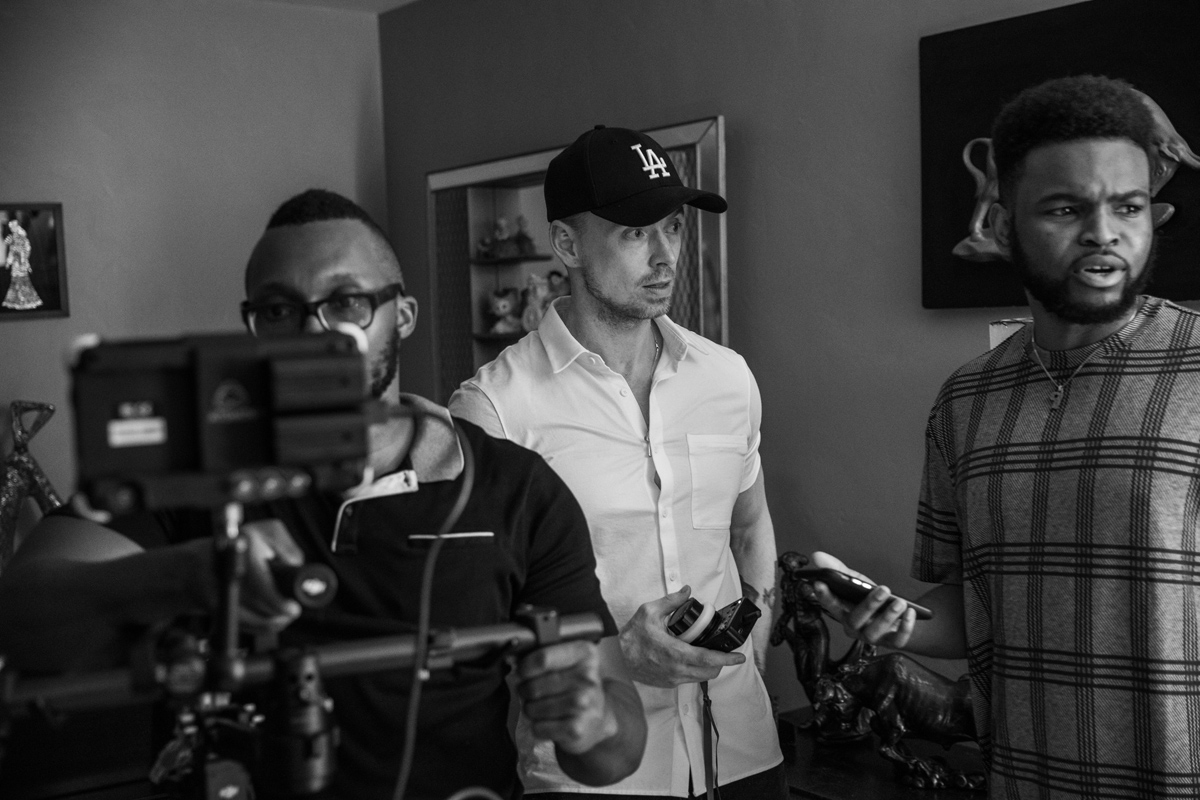
Mastering Filming Techniques for Short Films
In short film production, maximizing limited resources—whether it’s time, budget, or equipment—requires creativity and strategic planning. Since short films typically have tight budgets, filmmakers often work with minimal gear and a small crew. This constraint can push filmmakers to be more resourceful, using what they have in innovative ways to tell their stories effectively.
One of the key aspects of filming on a budget is focusing on essential elements, like lighting and sound, that can drastically impact the quality of your film. Lighting is an essential tool for creating mood, atmosphere, and a sense of realism. Even with basic equipment, such as a couple of inexpensive lights or natural light sources, you can create dynamic visuals. For instance, using backlighting to silhouette characters or a well-placed fill light can add depth to a scene. Additionally, the position and intensity of light can alter the tone of your film, setting it apart visually without additional costs.
Sound is just as important as the visuals in short film production. Capturing clear, high-quality sound on set will save time and effort in post-production. Invest in good microphones, like lavaliers or shotgun mics, to ensure your dialogue is crisp and clear. If recording live sound is difficult, it’s possible to create a rich soundscape through foley sound effects and a sound library during post-production.
Cinematography plays a major role in elevating the film’s quality. While large equipment may not always be available, small and portable cameras can still capture beautiful shots. Utilize handheld shots, dolly tracks, or simple crane shots (which can be made with DIY rigs) to achieve dynamic camera movements. Emphasizing framing and composition, such as using the rule of thirds or leading lines, can make the simplest shots look visually stunning.
Filming on a budget also means getting creative with locations. Instead of renting an expensive venue, use free or low-cost locations that align with the story’s mood. If you’re filming in a public space, consider how you can adapt to the environment to create a compelling backdrop.
Iconic short films like Lights Out (2013) demonstrate innovative filmmaking on a low budget, using simple techniques such as lighting and sound design to build tension. By thinking outside the box, you can achieve impressive results with the resources you have.
Editing and Post-Production Tips
Editing and post-production are where collaboration in short film truly comes together, shaping the pacing, tone, and emotional impact. Editing serves as the final touch in storytelling, ensuring the rhythm flows seamlessly from scene to scene. The first step in the editing process is to review all footage and select the best takes. Prioritize keeping the film lean and focused, especially in short films where every second counts. Avoid lengthy scenes that don’t directly contribute to the narrative.
The pacing of your film is one of the most critical elements in editing. Short films often rely on quick storytelling, and editing ensures that the film maintains a natural rhythm. Whether you’re speeding up the pace to build suspense or slowing down for emotional weight, the editing process should complement the story’s tone. For instance, quick cuts between scenes can create a sense of urgency, while longer shots can allow the audience to emotionally connect with the character or situation.
Music and sound effects are essential tools for adding emotional depth to your short film. A well-chosen soundtrack or ambient sounds can evoke specific emotions in the audience. For instance, a quiet, suspenseful scene can be amplified with a subtle, tension-building score.
In post-production, music not only enhances the atmosphere but also guides the audience’s emotional journey. If you’re on a budget, look for royalty-free music or collaborate with indie musicians who are open to working for less. Sound effects—whether from foley artists or digital libraries—can also improve realism and add richness to the film’s audio landscape.
Visual effects (VFX) and color grading can enhance your short film’s aesthetic, but it’s important to know your limits in terms of budget and time. If you’re working with basic resources, focus on the storytelling aspects and rely on practical effects where possible.
For instance, shooting in locations with natural lighting can save on expensive lighting setups. For color grading, free or affordable software like DaVinci Resolve or Adobe Premiere Pro can achieve stunning results with minimal effort. These tools allow you to enhance the mood of your scenes by adjusting the contrast, saturation, and overall color scheme.
Using professional software tools can streamline the post-production process and allow for more precise editing. Programs like Adobe Premiere Pro, Final Cut Pro, or even free editing tools like HitFilm Express are powerful tools for cutting, color grading, and adding effects to your footage.
By paying attention to pacing, using music and sound effectively, and leveraging affordable editing software, you can bring your short film to life with emotional depth and professional polish.
Marketing and Distributing Your Short Film
Marketing and distributing your short film can be just as important as the production itself. Without the right promotion, even the best short film may go unnoticed. Crafting a strong promotion strategy is essential for gaining an audience and ensuring your film reaches the right viewers.
Social media is one of the most powerful tools for promoting your short film. Platforms like Instagram, Twitter, and Facebook allow filmmakers to showcase behind-the-scenes footage, teasers, and release updates. By consistently engaging with your audience through posts, polls, and video clips, you can create anticipation before the film’s release. Hashtags related to your film’s themes, genre, and the filmmaking process can also help increase visibility. Additionally, consider creating a dedicated website or blog to keep your audience updated and provide more in-depth information about the film.
Online platforms like YouTube and Vimeo offer free distribution options for short films. These platforms provide wide access to global audiences, and many filmmakers use them to showcase their work and build a following. Vimeo, in particular, offers a professional space for filmmakers and may be more appealing for those wanting to present their work in a higher-quality format. YouTube, on the other hand, is excellent for reaching a broader, more diverse audience.
Film festivals remain a crucial avenue for showcasing short films. Festivals provide recognition and exposure, often leading to opportunities for larger projects or industry connections. Research the right festivals for your film based on its genre, target audience, and style. Many festivals offer online submissions and screenings, making it easier than ever to reach potential viewers and critics. Winning or being shortlisted in a prestigious festival can also boost your credibility as a filmmaker.
Measuring success is key to understanding the impact of your film. Audience feedback, reviews, and social media engagement can provide valuable insights into how your short film resonates. Many platforms also provide analytics on views, watch times, and geographic reach, helping filmmakers understand who is watching and how engaged they are with the content.
Final Tips for Aspiring Short Filmmakers
As you embark on your short film production journey, remember the key tips discussed in this blog: start with a strong concept, focus on a concise and powerful script, and make the most of your resources during filming. Planning and pre-production are vital, as they set the foundation for the smooth execution of your project. Use creativity in filming and editing, and make sure your post-production reflects the story’s emotional tone.
Don’t forget that marketing and distribution are crucial components in getting your film seen by audiences. Whether you’re utilizing social media, film festivals, or online platforms, effective promotion is key to reaching a wider audience.
Filmmaking is a continuous learning process, and it’s okay to make mistakes along the way. Embrace your creativity, experiment with new ideas, and learn from each project. The more you practice, the better you’ll become at navigating the complexities of short film production.
Finally, take action today! Your film may be just a concept in your mind, but with determination and effort, it can become a reality. Start small, keep learning, and who knows? Your short film might be the next big hit on a film festival circuit or online platform.
Conclusion
Short films have the remarkable ability to leave a lasting impression, offering filmmakers a unique platform to tell powerful stories in a limited timeframe. By applying the best practices and tips we’ve discussed, you’ll be well-equipped to bring your vision to life.
At C&I Studios, we believe in the power of creativity and are here to support you on your filmmaking journey.
If you’re ready to get started or need help along the way, feel free to contact us. The world of short films awaits—go ahead and create your masterpiece! Check out our services and portfolio for more insights into what we do.
Related Reading
Short Film Production: Tips and Best Practices
Short films have a unique allure. They offer filmmakers the opportunity to create powerful, thought-provoking stories in a limited amount of time. Whether it’s a personal narrative or an experimental concept, the ability to evoke emotion, convey meaning, and captivate an audience in just a few minutes is a skill that every filmmaker strives to master.
In this blog, we’ll explore essential short film production tips and best practices that can help turn your vision into a finished project. From crafting a compelling script to mastering the nuances of editing, we’ll cover the crucial aspects of producing short films that will set you on the path to success. Whether you’re a beginner or an experienced filmmaker, understanding these production basics will empower you to create impactful films that resonate with your audience.
Why Short Films Are Important in the Film Industry
Short films have seen a remarkable surge in popularity in recent years. With the rise of digital platforms like YouTube, Vimeo, and social media, they’ve become an accessible and impactful medium for filmmakers. In contrast to full-length features, short films allow creators to experiment with different styles, themes, and narratives, often taking risks that might not be possible in longer formats. This flexibility is one of the key reasons why short films are not only popular among audiences but are also a vital part of the filmmaking industry.
For aspiring filmmakers, short films are often the first stepping stone toward a larger career. They provide a space to refine skills, experiment with storytelling, and build a portfolio. Many successful filmmakers, including Christopher Nolan, Guillermo del Toro, and Martin Scorsese, started their careers by producing short films. These early works often served as tests for their talents, allowing them to showcase their unique vision and style to the world.
The role of short films extends beyond personal career development—they are an integral part of the film festival circuit. Prestigious festivals like Sundance, Cannes, and TIFF regularly showcase short films, offering creators the opportunity to gain international exposure. Winning or being selected for such festivals can open doors to further opportunities, including funding for future projects or collaboration with established industry professionals.
Moreover, the emergence of digital streaming platforms has significantly expanded the reach of short films. Platforms such as Netflix, Amazon Prime Video, and various indie film streaming services are increasingly adding short films to their offerings. This democratization of distribution means that short filmmakers now have more options to share their work with global audiences, giving them access to a broader range of viewers than ever before.
Short films are not just stepping stones—they are powerful tools that help filmmakers hone their craft, gain recognition, and reach global audiences. Their growing role in both traditional and digital film industries ensures they will continue to be an important part of the filmmaking landscape.
Defining Your Vision and Purpose
When embarking on short film production, one of the first steps is defining your vision and purpose. Without a clear vision, the production process can become directionless, resulting in a project that feels unfocused or fails to resonate with audiences. The vision of your short film is the backbone that shapes every creative decision, from the script to the final edit.
Start by clarifying the message or theme you want to convey. What story do you want to tell, and why is it important? This is the foundation of your film’s purpose. Whether you want to raise awareness about a social issue, evoke a particular emotion, or simply entertain, the central theme should guide your decisions throughout the production process.
Next, understanding your target audience is crucial. Are you creating a short film for a niche group of viewers, or is it meant for a more general audience? Defining your audience demographics—age, interests, cultural background—will influence the tone, style, and content of your film. For instance, a short film for children may have a more whimsical and colorful style, while one targeting adult viewers may explore darker, more complex themes.
Finding a balance between creative expression and audience appeal is key to a successful short film. While it’s important to stay true to your artistic vision, you must also consider the viewing experience of your audience. A film that is too niche or obscure may not resonate with a wider audience, but a film that panders to popular trends may lose its creative authenticity. Striking a balance between these two elements ensures your short film is both personally fulfilling and engaging for viewers.
In short film production, having a clear purpose also means knowing your film’s structure, pacing, and emotional journey. Whether your goal is to leave the audience with a thought-provoking question or simply to entertain, each element of the film—from the opening shot to the final frame—should serve that purpose. Your vision acts as a map, helping you navigate the decisions that will lead to a cohesive and meaningful end product.
By defining your vision and purpose early in the process, you lay the groundwork for a successful short film that resonates with both you as the creator and the audience who experiences it.
Writing a Powerful and Concise Script
A great short film script has the power to engage audiences in a short amount of time, packing an emotional punch and delivering a clear message. When writing a script for a short film, it’s essential to keep it concise, focusing on the core elements that drive the story. Short films typically range from 5 to 30 minutes, which means every scene and line must serve the narrative.
First, a short film script must have strong, well-defined characters, even if there’s only a small cast. The audience should quickly connect with these characters and understand their motivations. The key is to show rather than tell—use visual storytelling to convey personality and emotion. Since there’s limited time, every action and line of dialogue should reveal something essential about the character’s journey.
To condense complex ideas into a limited runtime, focus on the core conflict and theme. Avoid subplots and extraneous details. A simple, powerful story often leaves a more lasting impact than an overly complicated one. Consider the central message or theme you want to communicate, and let that drive the narrative forward. Tightening your script down to its essentials ensures that your story doesn’t get lost in unnecessary complexities.
Balancing dialogue, action, and visual storytelling is crucial in short film production. Dialogue should be meaningful but sparing—too much talking can slow down the pacing. Action scenes can help convey emotions or advance the plot without the need for exposition. Visuals are especially important in short films, as they tell much of the story. Cinematic imagery, symbolism, and shot composition can elevate your short film script, creating a visually dynamic experience for the audience.
For beginner screenwriters, various resources can help bring your script to life. Screenwriting software like Final Draft or Celtx is a great way to format your script professionally. Free resources, including screenwriting templates and guides, are available online to help you structure your script. Studying successful short film scripts can also be helpful in understanding how brevity and clarity are achieved in short-form storytelling.
Writing a great short film script is about clarity, brevity, and impact. By focusing on the core elements and utilizing resources to aid in structure, you can craft a compelling narrative that resonates within a short runtime.
Planning and Pre-Production Essentials
Before you begin filming, effective planning and pre-production are essential to ensure a smooth and successful short film production. The process of pre-production involves meticulous preparation, which sets the foundation for every step that follows. A detailed production plan is key to keeping everything organized and on track.
Start by developing a comprehensive production plan that covers all aspects of the film, from scheduling to budgeting. Break down the production timeline into phases—pre-production, production, and post-production—and allocate enough time for each. Create a shot list, storyboard, and production schedule to outline each day’s tasks. Having a clear plan ensures you won’t overlook crucial details, helping you stay on schedule and avoid unexpected problems.
Assembling the right team is also critical for a successful short film production. This includes not only the director and producer but also key crew members like cinematographers, sound designers, costume designers, and editors. Building a team of passionate professionals who share your vision can elevate the quality of the film. Additionally, casting is an essential part of pre-production—selecting actors who bring your characters to life and understand the tone of your film is crucial for capturing the emotional depth you want to convey.
Creating a feasible budget for your short film is one of the most practical aspects of pre-production. Even if you’re working with limited funds, a realistic budget will help you allocate resources wisely. Consider all costs—equipment rental, location fees, costumes, transportation, and any post-production expenses. If you’re working with a small budget, prioritize key areas, like the quality of the script, cinematography, and sound, which can make a big impact on the overall film.
Location scouting is another vital part of pre-production. The right location can set the tone for your film and enhance the storytelling. It’s important to visit potential locations early and assess logistical factors, such as lighting, space, and sound. Obtaining the necessary permits and permissions for filming is also essential, as filming without proper authorization can cause delays or legal complications.
By focusing on a detailed production plan, assembling a capable team, creating a realistic budget, and securing ideal locations, you ensure that your short film production process runs smoothly, helping your creative vision come to life.
Mastering Filming Techniques for Short Films
In short film production, maximizing limited resources—whether it’s time, budget, or equipment—requires creativity and strategic planning. Since short films typically have tight budgets, filmmakers often work with minimal gear and a small crew. This constraint can push filmmakers to be more resourceful, using what they have in innovative ways to tell their stories effectively.
One of the key aspects of filming on a budget is focusing on essential elements, like lighting and sound, that can drastically impact the quality of your film. Lighting is an essential tool for creating mood, atmosphere, and a sense of realism. Even with basic equipment, such as a couple of inexpensive lights or natural light sources, you can create dynamic visuals. For instance, using backlighting to silhouette characters or a well-placed fill light can add depth to a scene. Additionally, the position and intensity of light can alter the tone of your film, setting it apart visually without additional costs.
Sound is just as important as the visuals in short film production. Capturing clear, high-quality sound on set will save time and effort in post-production. Invest in good microphones, like lavaliers or shotgun mics, to ensure your dialogue is crisp and clear. If recording live sound is difficult, it’s possible to create a rich soundscape through foley sound effects and a sound library during post-production.
Cinematography plays a major role in elevating the film’s quality. While large equipment may not always be available, small and portable cameras can still capture beautiful shots. Utilize handheld shots, dolly tracks, or simple crane shots (which can be made with DIY rigs) to achieve dynamic camera movements. Emphasizing framing and composition, such as using the rule of thirds or leading lines, can make the simplest shots look visually stunning.
Filming on a budget also means getting creative with locations. Instead of renting an expensive venue, use free or low-cost locations that align with the story’s mood. If you’re filming in a public space, consider how you can adapt to the environment to create a compelling backdrop.
Iconic short films like Lights Out (2013) demonstrate innovative filmmaking on a low budget, using simple techniques such as lighting and sound design to build tension. By thinking outside the box, you can achieve impressive results with the resources you have.
Editing and Post-Production Tips
Editing and post-production are where a short film truly comes together, shaping the pacing, tone, and emotional impact. Editing serves as the final touch in storytelling, ensuring the rhythm flows seamlessly from scene to scene. The first step in the editing process is to review all footage and select the best takes. Prioritize keeping the film lean and focused, especially in short films where every second counts. Avoid lengthy scenes that don’t directly contribute to the narrative.
The pacing of your film is one of the most critical elements in editing. Short films often rely on quick storytelling, and editing ensures that the film maintains a natural rhythm. Whether you’re speeding up the pace to build suspense or slowing down for emotional weight, the editing process should complement the story’s tone. For instance, quick cuts between scenes can create a sense of urgency, while longer shots can allow the audience to emotionally connect with the character or situation.
Music and sound effects are essential tools for adding emotional depth to your short film. A well-chosen soundtrack or ambient sounds can evoke specific emotions in the audience. For instance, a quiet, suspenseful scene can be amplified with a subtle, tension-building score.
In post-production, music not only enhances the atmosphere but also guides the audience’s emotional journey. If you’re on a budget, look for royalty-free music or collaborate with indie musicians who are open to working for less. Sound effects—whether from foley artists or digital libraries—can also improve realism and add richness to the film’s audio landscape.
Visual effects (VFX) and color grading can enhance your short film’s aesthetic, but it’s important to know your limits in terms of budget and time. If you’re working with basic resources, focus on the storytelling aspects and rely on practical effects where possible.
For instance, shooting in locations with natural lighting can save on expensive lighting setups. For color grading, free or affordable software like DaVinci Resolve or Adobe Premiere Pro can achieve stunning results with minimal effort. These tools allow you to enhance the mood of your scenes by adjusting the contrast, saturation, and overall color scheme.
Using professional software tools can streamline the post-production process and allow for more precise editing. Programs like Adobe Premiere Pro, Final Cut Pro, or even free editing tools like HitFilm Express are powerful tools for cutting, color grading, and adding effects to your footage.
By paying attention to pacing, using music and sound effectively, and leveraging affordable editing software, you can bring your short film to life with emotional depth and professional polish.
Marketing and Distributing Your Short Film
Marketing and distributing your short film can be just as important as the production itself. Without the right promotion, even the best short film may go unnoticed. Crafting a strong promotion strategy is essential for gaining an audience and ensuring your film reaches the right viewers.
Social media is one of the most powerful tools for promoting your short film. Platforms like Instagram, Twitter, and Facebook allow filmmakers to showcase behind-the-scenes footage, teasers, and release updates. By consistently engaging with your audience through posts, polls, and video clips, you can create anticipation before the film’s release. Hashtags related to your film’s themes, genre, and the filmmaking process can also help increase visibility. Additionally, consider creating a dedicated website or blog to keep your audience updated and provide more in-depth information about the film.
Online platforms like YouTube and Vimeo offer free distribution options for short films. These platforms provide wide access to global audiences, and many filmmakers use them to showcase their work and build a following. Vimeo, in particular, offers a professional space for filmmakers and may be more appealing for those wanting to present their work in a higher-quality format. YouTube, on the other hand, is excellent for reaching a broader, more diverse audience.
Film festivals remain a crucial avenue for showcasing short films. Festivals provide recognition and exposure, often leading to opportunities for larger projects or industry connections. Research the right festivals for your film based on its genre, target audience, and style. Many festivals offer online submissions and screenings, making it easier than ever to reach potential viewers and critics. Winning or being shortlisted in a prestigious festival can also boost your credibility as a filmmaker.
Measuring success is key to understanding the impact of your film. Audience feedback, reviews, and social media engagement can provide valuable insights into how your short film resonates. Many platforms also provide analytics on views, watch times, and geographic reach, helping filmmakers understand who is watching and how engaged they are with the content.
Final Tips for Aspiring Short Filmmakers
As you embark on your short film production journey, remember the key tips discussed in this blog: start with a strong concept, focus on a concise and powerful script, and make the most of your resources during filming. Planning and pre-production are vital, as they set the foundation for the smooth execution of your project. Use creativity in filming and editing, and make sure your post-production reflects the story’s emotional tone.
Don’t forget that marketing and distribution are crucial components in getting your film seen by audiences. Whether you’re utilizing social media, film festivals, or online platforms, effective promotion is key to reaching a wider audience.
Filmmaking is a continuous learning process, and it’s okay to make mistakes along the way. Embrace your creativity, experiment with new ideas, and learn from each project. The more you practice, the better you’ll become at navigating the complexities of short film production.
Finally, take action today! Your film may be just a concept in your mind, but with determination and effort, it can become a reality. Start small, keep learning, and who knows? Your short film might be the next big hit on a film festival circuit or online platform.
Conclusion
Short films have the remarkable ability to leave a lasting impression, offering filmmakers a unique platform to tell powerful stories in a limited timeframe. By applying the best practices and tips we’ve discussed, you’ll be well-equipped to bring your vision to life.
At C&I Studios, we believe in the power of creativity and are here to support you on your filmmaking journey.
If you’re ready to get started or need help along the way, feel free to contact us. The world of short films awaits—go ahead and create your masterpiece! Check out our services and portfolio for more insights into what we do.
Short Film Production: Tips and Best Practices
Short films have a unique allure. They offer filmmakers the opportunity to create powerful, thought-provoking stories in a limited amount of time. Whether it’s a personal narrative or an experimental concept, the ability to evoke emotion, convey meaning, and captivate an audience in just a few minutes is a skill that every filmmaker strives to master.
In this blog, we’ll explore essential short film production tips and best practices that can help turn your vision into a finished project. From crafting a compelling script to mastering the nuances of editing, we’ll cover the crucial aspects of producing short films that will set you on the path to success. Whether you’re a beginner or an experienced filmmaker, understanding these production basics will empower you to create impactful films that resonate with your audience.
Why Short Films Are Important in the Film Industry
Short films have seen a remarkable surge in popularity in recent years. With the rise of digital platforms like YouTube, Vimeo, and social media, they’ve become an accessible and impactful medium for filmmakers. In contrast to full-length features, short films allow creators to experiment with different styles, themes, and narratives, often taking risks that might not be possible in longer formats. This flexibility is one of the key reasons why short films are not only popular among audiences but are also a vital part of the filmmaking industry.
For aspiring filmmakers, short films are often the first stepping stone toward a larger career. They provide a space to refine skills, experiment with storytelling, and build a portfolio. Many successful filmmakers, including Christopher Nolan, Guillermo del Toro, and Martin Scorsese, started their careers by producing short films. These early works often served as tests for their talents, allowing them to showcase their unique vision and style to the world.
The role of short films extends beyond personal career development—they are an integral part of the film festival circuit. Prestigious festivals like Sundance, Cannes, and TIFF regularly showcase short films, offering creators the opportunity to gain international exposure. Winning or being selected for such festivals can open doors to further opportunities, including funding for future projects or collaboration with established industry professionals.
Moreover, the emergence of digital streaming platforms has significantly expanded the reach of short films. Platforms such as Netflix, Amazon Prime Video, and various indie film streaming services are increasingly adding short films to their offerings. This democratization of distribution means that short filmmakers now have more options to share their work with global audiences, giving them access to a broader range of viewers than ever before.
Short films are not just stepping stones—they are powerful tools that help filmmakers hone their craft, gain recognition, and reach global audiences. Their growing role in both traditional and digital film industries ensures they will continue to be an important part of the filmmaking landscape.
Defining Your Vision and Purpose
When embarking on short film production, one of the first steps is defining your vision and purpose. Without a clear vision, the production process can become directionless, resulting in a project that feels unfocused or fails to resonate with audiences. The vision of your short film is the backbone that shapes every creative decision, from the script to the final edit.
Start by clarifying the message or theme you want to convey. What story do you want to tell, and why is it important? This is the foundation of your film’s purpose. Whether you want to raise awareness about a social issue, evoke a particular emotion, or simply entertain, the central theme should guide your decisions throughout the production process.
Next, understanding your target audience is crucial. Are you creating a short film for a niche group of viewers, or is it meant for a more general audience? Defining your audience demographics—age, interests, cultural background—will influence the tone, style, and content of your film. For instance, a short film for children may have a more whimsical and colorful style, while one targeting adult viewers may explore darker, more complex themes.
Finding a balance between creative expression and audience appeal is key to a successful short film. While it’s important to stay true to your artistic vision, you must also consider the viewing experience of your audience. A film that is too niche or obscure may not resonate with a wider audience, but a film that panders to popular trends may lose its creative authenticity. Striking a balance between these two elements ensures your short film is both personally fulfilling and engaging for viewers.
In short film production, having a clear purpose also means knowing your film’s structure, pacing, and emotional journey. Whether your goal is to leave the audience with a thought-provoking question or simply to entertain, each element of the film—from the opening shot to the final frame—should serve that purpose. Your vision acts as a map, helping you navigate the decisions that will lead to a cohesive and meaningful end product.
By defining your vision and purpose early in the process, you lay the groundwork for a successful short film that resonates with both you as the creator and the audience who experiences it.
Writing a Powerful and Concise Script
A great short film script has the power to engage audiences in a short amount of time, packing an emotional punch and delivering a clear message. When writing a script for a short film, it’s essential to keep it concise, focusing on the core elements that drive the story. Short films typically range from 5 to 30 minutes, which means every scene and line must serve the narrative.
First, a short film script must have strong, well-defined characters, even if there’s only a small cast. The audience should quickly connect with these characters and understand their motivations. The key is to show rather than tell—use visual storytelling to convey personality and emotion. Since there’s limited time, every action and line of dialogue should reveal something essential about the character’s journey.
To condense complex ideas into a limited runtime, focus on the core conflict and theme. Avoid subplots and extraneous details. A simple, powerful story often leaves a more lasting impact than an overly complicated one. Consider the central message or theme you want to communicate, and let that drive the narrative forward. Tightening your script down to its essentials ensures that your story doesn’t get lost in unnecessary complexities.
Balancing dialogue, action, and visual storytelling is crucial in short film production. Dialogue should be meaningful but sparing—too much talking can slow down the pacing. Action scenes can help convey emotions or advance the plot without the need for exposition. Visuals are especially important in short films, as they tell much of the story. Cinematic imagery, symbolism, and shot composition can elevate your short film script, creating a visually dynamic experience for the audience.
For beginner screenwriters, various resources can help bring your script to life. Screenwriting software like Final Draft or Celtx is a great way to format your script professionally. Free resources, including screenwriting templates and guides, are available online to help you structure your script. Studying successful short film scripts can also be helpful in understanding how brevity and clarity are achieved in short-form storytelling.
Writing a great short film script is about clarity, brevity, and impact. By focusing on the core elements and utilizing resources to aid in structure, you can craft a compelling narrative that resonates within a short runtime.
Planning and Pre-Production Essentials
Before you begin filming, effective planning and pre-production are essential to ensure a smooth and successful short film production. The process of pre-production involves meticulous preparation, which sets the foundation for every step that follows. A detailed production plan is key to keeping everything organized and on track.
Start by developing a comprehensive production plan that covers all aspects of the film, from scheduling to budgeting. Break down the production timeline into phases—pre-production, production, and post-production—and allocate enough time for each. Create a shot list, storyboard, and production schedule to outline each day’s tasks. Having a clear plan ensures you won’t overlook crucial details, helping you stay on schedule and avoid unexpected problems.
Assembling the right team is also critical for a successful short film production. This includes not only the director and producer but also key crew members like cinematographers, sound designers, costume designers, and editors. Building a team of passionate professionals who share your vision can elevate the quality of the film. Additionally, casting is an essential part of pre-production—selecting actors who bring your characters to life and understand the tone of your film is crucial for capturing the emotional depth you want to convey.
Creating a feasible budget for your short film is one of the most practical aspects of pre-production. Even if you’re working with limited funds, a realistic budget will help you allocate resources wisely. Consider all costs—equipment rental, location fees, costumes, transportation, and any post-production expenses. If you’re working with a small budget, prioritize key areas, like the quality of the script, cinematography, and sound, which can make a big impact on the overall film.
Location scouting is another vital part of pre-production. The right location can set the tone for your film and enhance the storytelling. It’s important to visit potential locations early and assess logistical factors, such as lighting, space, and sound. Obtaining the necessary permits and permissions for filming is also essential, as filming without proper authorization can cause delays or legal complications.
By focusing on a detailed production plan, assembling a capable team, creating a realistic budget, and securing ideal locations, you ensure that your short film production process runs smoothly, helping your creative vision come to life.
Mastering Filming Techniques for Short Films
In short film production, maximizing limited resources—whether it’s time, budget, or equipment—requires creativity and strategic planning. Since short films typically have tight budgets, filmmakers often work with minimal gear and a small crew. This constraint can push filmmakers to be more resourceful, using what they have in innovative ways to tell their stories effectively.
One of the key aspects of filming on a budget is focusing on essential elements, like lighting and sound, that can drastically impact the quality of your film. Lighting is an essential tool for creating mood, atmosphere, and a sense of realism. Even with basic equipment, such as a couple of inexpensive lights or natural light sources, you can create dynamic visuals. For instance, using backlighting to silhouette characters or a well-placed fill light can add depth to a scene. Additionally, the position and intensity of light can alter the tone of your film, setting it apart visually without additional costs.
Sound is just as important as the visuals in short film production. Capturing clear, high-quality sound on set will save time and effort in post-production. Invest in good microphones, like lavaliers or shotgun mics, to ensure your dialogue is crisp and clear. If recording live sound is difficult, it’s possible to create a rich soundscape through foley sound effects and a sound library during post-production.
Cinematography plays a major role in elevating the film’s quality. While large equipment may not always be available, small and portable cameras can still capture beautiful shots. Utilize handheld shots, dolly tracks, or simple crane shots (which can be made with DIY rigs) to achieve dynamic camera movements. Emphasizing framing and composition, such as using the rule of thirds or leading lines, can make the simplest shots look visually stunning.
Filming on a budget also means getting creative with locations. Instead of renting an expensive venue, use free or low-cost locations that align with the story’s mood. If you’re filming in a public space, consider how you can adapt to the environment to create a compelling backdrop.
Iconic short films like Lights Out (2013) demonstrate innovative filmmaking on a low budget, using simple techniques such as lighting and sound design to build tension. By thinking outside the box, you can achieve impressive results with the resources you have.
Editing and Post-Production Tips
Editing and post-production are where a short film truly comes together, shaping the pacing, tone, and emotional impact. Editing serves as the final touch in storytelling, ensuring the rhythm flows seamlessly from scene to scene. The first step in the editing process is to review all footage and select the best takes. Prioritize keeping the film lean and focused, especially in short films where every second counts. Avoid lengthy scenes that don’t directly contribute to the narrative.
The pacing of your film is one of the most critical elements in editing. Short films often rely on quick storytelling, and editing ensures that the film maintains a natural rhythm. Whether you’re speeding up the pace to build suspense or slowing down for emotional weight, the editing process should complement the story’s tone. For instance, quick cuts between scenes can create a sense of urgency, while longer shots can allow the audience to emotionally connect with the character or situation.
Music and sound effects are essential tools for adding emotional depth to your short film. A well-chosen soundtrack or ambient sounds can evoke specific emotions in the audience. For instance, a quiet, suspenseful scene can be amplified with a subtle, tension-building score.
In post-production, music not only enhances the atmosphere but also guides the audience’s emotional journey. If you’re on a budget, look for royalty-free music or collaborate with indie musicians who are open to working for less. Sound effects—whether from foley artists or digital libraries—can also improve realism and add richness to the film’s audio landscape.
Visual effects (VFX) and color grading can enhance your short film’s aesthetic, but it’s important to know your limits in terms of budget and time. If you’re working with basic resources, focus on the storytelling aspects and rely on practical effects where possible.
For instance, shooting in locations with natural lighting can save on expensive lighting setups. For color grading, free or affordable software like DaVinci Resolve or Adobe Premiere Pro can achieve stunning results with minimal effort. These tools allow you to enhance the mood of your scenes by adjusting the contrast, saturation, and overall color scheme.
Using professional software tools can streamline the post-production process and allow for more precise editing. Programs like Adobe Premiere Pro, Final Cut Pro, or even free editing tools like HitFilm Express are powerful tools for cutting, color grading, and adding effects to your footage.
By paying attention to pacing, using music and sound effectively, and leveraging affordable editing software, you can bring your short film to life with emotional depth and professional polish.
Marketing and Distributing Your Short Film
Marketing and distributing your short film can be just as important as the production itself. Without the right promotion, even the best short film may go unnoticed. Crafting a strong promotion strategy is essential for gaining an audience and ensuring your film reaches the right viewers.
Social media is one of the most powerful tools for promoting your short film. Platforms like Instagram, Twitter, and Facebook allow filmmakers to showcase behind-the-scenes footage, teasers, and release updates. By consistently engaging with your audience through posts, polls, and video clips, you can create anticipation before the film’s release. Hashtags related to your film’s themes, genre, and the filmmaking process can also help increase visibility. Additionally, consider creating a dedicated website or blog to keep your audience updated and provide more in-depth information about the film.
Online platforms like YouTube and Vimeo offer free distribution options for short films. These platforms provide wide access to global audiences, and many filmmakers use them to showcase their work and build a following. Vimeo, in particular, offers a professional space for filmmakers and may be more appealing for those wanting to present their work in a higher-quality format. YouTube, on the other hand, is excellent for reaching a broader, more diverse audience.
Film festivals remain a crucial avenue for showcasing short films. Festivals provide recognition and exposure, often leading to opportunities for larger projects or industry connections. Research the right festivals for your film based on its genre, target audience, and style. Many festivals offer online submissions and screenings, making it easier than ever to reach potential viewers and critics. Winning or being shortlisted in a prestigious festival can also boost your credibility as a filmmaker.
Measuring success is key to understanding the impact of your film. Audience feedback, reviews, and social media engagement can provide valuable insights into how your short film resonates. Many platforms also provide analytics on views, watch times, and geographic reach, helping filmmakers understand who is watching and how engaged they are with the content.
Final Tips for Aspiring Short Filmmakers
As you embark on your short film production journey, remember the key tips discussed in this blog: start with a strong concept, focus on a concise and powerful script, and make the most of your resources during filming. Planning and pre-production are vital, as they set the foundation for the smooth execution of your project. Use creativity in filming and editing, and make sure your post-production reflects the story’s emotional tone.
Don’t forget that marketing and distribution are crucial components in getting your film seen by audiences. Whether you’re utilizing social media, film festivals, or online platforms, effective promotion is key to reaching a wider audience.
Filmmaking is a continuous learning process, and it’s okay to make mistakes along the way. Embrace your creativity, experiment with new ideas, and learn from each project. The more you practice, the better you’ll become at navigating the complexities of short film production.
Finally, take action today! Your film may be just a concept in your mind, but with determination and effort, it can become a reality. Start small, keep learning, and who knows? Your short film might be the next big hit on a film festival circuit or online platform.
Conclusion
Short films have the remarkable ability to leave a lasting impression, offering filmmakers a unique platform to tell powerful stories in a limited timeframe. By applying the best practices and tips we’ve discussed, you’ll be well-equipped to bring your vision to life.
At C&I Studios, we believe in the power of creativity and are here to support you on your filmmaking journey.
If you’re ready to get started or need help along the way, feel free to contact us. The world of short films awaits—go ahead and create your masterpiece! Check out our services and portfolio for more insights into what we do.
Related Reading
How to Produce a Documentary That Engages Audiences
How to Produce a Documentary That Engages Audiences
Documentaries have an extraordinary power to transform perspectives and connect with audiences on a profound level. They can educate, inspire, and spark meaningful conversations, often leaving a lasting impression that fiction sometimes cannot achieve. However, creating a documentary that truly captivates requires more than just filming—it demands a deep understanding of storytelling, meticulous planning, and an unwavering commitment to authenticity.
In this blog, we’ll provide a comprehensive, step-by-step guide to crafting a documentary that not only informs but deeply engages its viewers. From conceptualization to post-production, we’ll cover the essential aspects of documentary production, ensuring your story resonates with audiences worldwide.
Whether you’re an aspiring filmmaker or an experienced professional, these insights will equip you with the tools to transform your vision into an unforgettable cinematic experience. Let’s dive into the art and science of creating documentaries that leave a mark!
Understanding Your Audience and Purpose
One of the foundational steps in documentary production is understanding the purpose of your project and the audience it aims to reach. Documentaries are crafted to inform, inspire, or entertain, and clearly defining this goal will guide every creative and technical decision you make.
For instance, if your documentary is designed to inform, you may focus on presenting well-researched facts and expert opinions. If it aims to inspire, emotional storytelling and powerful visuals might take precedence. On the other hand, if entertainment is the goal, a dynamic narrative and engaging editing style will be key.
Equally important is identifying your target audience. Consider their demographics, interests, and preferences. Are you addressing environmental enthusiasts, history buffs, or a broader mainstream audience? Understanding these details ensures your documentary resonates with viewers. For example, a documentary on climate change might appeal to younger, eco-conscious viewers by incorporating modern visuals and hopeful solutions, while a historical documentary might rely on archival footage and a formal tone to engage older audiences.
Audience analysis plays a critical role in successful documentary production. Research methods like surveys, social media insights, and focus groups can help uncover what your audience values. By aligning your storytelling approach with their expectations, you increase the likelihood of your documentary making a lasting impact.
Consider examples of documentaries tailored to specific audiences. The Social Dilemma targets tech-savvy viewers by discussing social media’s societal impact, while Free Solo appeals to adventure lovers with its gripping narrative about a climber’s daring journey. These documentaries succeeded because they understood their audiences’ desires and delivered stories that captivated them.
Developing a Compelling Concept
A strong and unique story idea is the backbone of any successful documentary. The concept must not only resonate with you as a filmmaker but also intrigue your audience. What pressing issue, untold story, or unique perspective can you bring to light? Crafting such a concept requires creativity, curiosity, and a clear focus.
Research is integral to shaping your documentary. Dive into your chosen subject to uncover compelling angles, unheard voices, or surprising facts. For example, if your topic is ocean conservation, detailed research might reveal an underreported story about local fishing communities affected by pollution. This specificity adds depth to your narrative and enhances its appeal.
To refine your concept, brainstorm extensively. Use mind maps, collaborate with peers, and explore documentary production tips from industry professionals. Don’t shy away from revisiting and revising your ideas to ensure they remain impactful and relevant.
Some of the most engaging documentaries began as simple ideas. Blackfish, for instance, started with the goal of exposing the mistreatment of captive orcas but evolved into a broader critique of marine theme parks. Similarly, 13th delves into systemic racism in the United States, drawing connections that resonate deeply with audiences.
By investing time and effort into crafting a compelling concept, you set the stage for a documentary that not only informs but also leaves an indelible impression.
Building a Strong Narrative Structure
Storytelling is the heartbeat of documentary filmmaking. Even when the subject matter is factual, the way the story unfolds can make the difference between a mundane watch and a deeply engaging experience. A strong narrative structure gives your documentary coherence and ensures your audience stays emotionally invested throughout.
There are various narrative techniques you can employ, each serving different purposes. A linear structure presents events in chronological order, making it ideal for historical or biographical documentaries.
For instance, Won’t You Be My Neighbor? uses a linear approach to explore Fred Rogers’ life and impact. On the other hand, a non-linear structure jumps between timelines, creating intrigue and keeping viewers guessing—this is evident in The Act of Killing, which weaves past and present seamlessly. Hybrid storytelling combines elements of both, as seen in Amy, where archival footage and present-day interviews converge to tell Amy Winehouse’s story.
Emotional arcs and character development are critical to engaging viewers. Whether your documentary features a single protagonist or multiple voices, showcasing their struggles, triumphs, and growth adds depth to the narrative. For example, Free Solo takes audiences on an emotional journey with Alex Honnold as he faces both personal fears and physical challenges in his daring climb.
Consider examples of documentaries with effective narrative structures. RBG uses a hybrid format to celebrate Ruth Bader Ginsburg’s life, blending interviews, archival footage, and cinematic storytelling. Similarly, March of the Penguins follows a linear arc but uses emotional highs and lows to keep viewers invested in the penguins’ journey.
Crafting a strong narrative structure requires thoughtful planning and a clear vision. By focusing on storytelling, you transform raw footage into a cohesive, impactful documentary.
Assembling the Right Team
A documentary is rarely the product of a single individual—it’s a collaborative effort that relies on a skilled and passionate team. Understanding the key roles in documentary production is essential to building a cohesive and efficient team.
The director is the creative visionary, shaping the documentary’s tone and narrative. The cinematographer captures visuals that align with the story’s emotional and thematic goals. Editors weave hours of footage into a polished final product, while sound designers and music composers add layers of emotion and immersion.
Collaboration and creative synergy are paramount. A successful team operates like a well-oiled machine, with every member bringing their unique expertise while aligning with the documentary’s vision. Regular communication, brainstorming sessions, and constructive feedback are crucial to fostering this synergy.
Finding and working with skilled professionals can be challenging. Attend networking events, join industry forums, or leverage platforms like LinkedIn to connect with experienced filmmakers. Offer clear contracts and define roles early to ensure everyone understands their responsibilities.
Balancing creative input and logistical execution is another important aspect of teamwork. While creativity drives the project’s vision, logistical planning ensures it stays on track and within budget. Open discussions and clear decision-making processes help maintain this balance.
By assembling the right team, you create an environment where creativity thrives, enabling your documentary to achieve its full potential.
Mastering Pre-Production Planning
Effective pre-production planning is the backbone of successful documentary production. It lays the groundwork for the creative and technical aspects, ensuring a smoother filming process and a compelling final product.
Start by creating a detailed production plan and budget. This includes defining the scope of your project, outlining key milestones, and allocating resources for equipment, travel, and post-production. A well-structured budget ensures that you can manage expenses effectively while accommodating unexpected costs. Tools like spreadsheets or specialized production software can help you organize your plan with clarity.
Scouting locations is another critical step. Visit potential sites to evaluate their suitability for your story, lighting conditions, and logistical challenges. Securing permission to film in public or private spaces is equally important, as it helps you avoid legal complications. For example, if your documentary focuses on urban landscapes, securing permits for drone footage or crowded streets might be essential.
Scheduling and contingency planning are vital in documentary filmmaking. Documentaries often involve unpredictable elements, such as weather conditions or unplanned delays during interviews. Create a flexible shooting schedule that includes buffer days to accommodate unforeseen events. Preparing backup plans ensures that your production stays on track despite challenges.
Finally, ensure technical and creative alignment before filming. Confirm that your team understands the documentary’s vision and that the equipment is ready to capture high-quality footage. Conduct test shots, review the shot list, and align creative goals with technical requirements. By mastering pre-production planning, you set a strong foundation for a seamless production process.
Capturing High-Quality Footage
High-quality footage is crucial for creating engaging documentaries that leave a lasting impression on viewers. Choosing the right tools and techniques is key to achieving professional-grade results.
Start with technical essentials. Select cameras that suit your budget and project requirements. High-definition or 4K cameras are often preferred for their clarity. Lighting equipment, such as portable LED panels, ensures consistent illumination in various settings. Equally important is the sound quality—invest in high-quality microphones and audio recorders to capture clear dialogue and ambient sounds.
When filming interviews, position your subject in a comfortable and natural setting. Use a tripod for stability and ensure proper lighting to highlight facial expressions. For B-roll, capture a variety of shots that complement your narrative—wide angles, close-ups, and dynamic action shots add depth to your story. During live events, focus on capturing candid moments that showcase raw emotions and authenticity.
Authenticity is the hallmark of engaging documentaries. Strive to present your subject matter truthfully, avoiding overly staged or scripted scenes. Viewers connect with genuine emotions and real-life experiences, so prioritize honesty over perfection.
Examples of innovative filming techniques can inspire your approach. In Honeyland, the cinematography immerses viewers in the protagonist’s environment, using natural light and intimate close-ups. The Cove employs hidden cameras to uncover shocking truths, creating a gripping, investigative tone.
By mastering the art of capturing high-quality footage, you ensure your documentary not only looks professional but also resonates deeply with its audience.
The Art of Editing and Post-Production
Editing is where the raw footage transforms into a cohesive and captivating narrative. It shapes the pacing, mood, and emotional impact of your documentary production, determining how the story unfolds for viewers. By carefully selecting and sequencing scenes, you can guide the audience’s journey, highlight key moments, and maintain engagement from start to finish.
Music, sound design, and visual effects play a pivotal role in enhancing the storytelling experience. The right soundtrack can evoke emotions, set the tone, and provide rhythm to the narrative. Sound effects, like the rustling of leaves or the hum of a city, add realism and immersion. Visual effects, such as color grading or motion graphics, can emphasize themes or provide clarity to complex ideas. For instance, data visualization in An Inconvenient Truth brought abstract climate concepts to life.
Crafting compelling transitions and montages is another critical skill in post-production. Smooth transitions ensure that scene changes feel natural, while montages condense time or present thematic parallels effectively. Techniques like crossfades, match cuts, or juxtaposing contrasting visuals can add artistic flair while maintaining narrative flow.
Feedback and revisions are essential to refining the final product. Share drafts with trusted peers or focus groups to identify areas that need improvement. Pay close attention to pacing, clarity, and emotional resonance. Revisions allow you to polish your documentary into a piece that captivates and moves its audience.
Promoting and Distributing Your Documentary
Creating a documentary is only half the journey—ensuring it reaches and resonates with its intended audience requires a robust promotion and distribution strategy.
Begin with crafting a marketing strategy. Social media platforms are invaluable for building anticipation and engaging with potential viewers. Post behind-the-scenes content, teaser clips, and updates to generate buzz. Film festivals offer opportunities to showcase your documentary to industry professionals and dedicated audiences, while digital platforms like YouTube or Instagram help reach a broader demographic.
Creating trailers and promotional materials is essential for capturing interest. A well-crafted trailer highlights the documentary’s most compelling aspects, offering a glimpse of its story and tone. Combine this with eye-catching posters, press kits, and a dedicated website to present a professional and cohesive promotional package.
When it comes to distribution, you have several options. Streaming platforms like Netflix, Amazon Prime, and YouTube provide access to a global audience. Theatrical releases offer the allure of the big screen, especially for visually stunning documentaries. Community screenings in schools, libraries, or local venues create intimate connections with smaller, focused audiences.
Finally, measure audience engagement and success. Track views, shares, and comments on social media analyze streaming platform metrics, and gather feedback from screenings. This data not only helps evaluate your documentary’s impact but also informs future projects and marketing efforts.
By mastering promotion and distribution, you ensure your documentary doesn’t just sit on a shelf but reaches the hearts and minds of its intended audience.
Final Tips for Successful Documentary Production
Producing an engaging documentary is an intricate process that requires a blend of creativity, strategy, and determination. Let’s recap some of the most important documentary production tips to guide you on this journey.
Start by understanding your audience and crafting a compelling concept that resonates with them. Build a strong narrative structure to keep viewers emotionally engaged, and assemble a skilled team to bring your vision to life. Pre-production planning, from creating budgets to scouting locations, ensures a solid foundation, while high-quality footage captures the authenticity of your story. Finally, editing, marketing, and distribution tie everything together, turning your hard work into a finished product that connects with audiences.
Throughout the process, passion, persistence, and authenticity are your greatest assets. Passion fuels creativity, persistence helps you overcome obstacles, and authenticity ensures your documentary remains truthful and impactful. Whether you’re covering a social issue, celebrating a cultural phenomenon, or exploring a personal journey, staying true to your vision will set your work apart.
If you’ve ever dreamed of sharing stories that inspire, educate, or provoke thought, now is the time to take action. Start small—grab a camera, outline an idea, and begin exploring your subject. Remember, every great filmmaker starts with a single step, and the skills you develop along the way will prepare you for larger projects in the future.
Your unique perspective has the potential to make a difference. By embarking on your documentary production journey, you contribute to a rich tradition of storytelling that has the power to engage, enlighten, and transform audiences around the world.
So, pick up your tools, embrace your passion, and let your creativity shine. The world is waiting to see your story.
Conclusion
At C&I Studios, we believe in the transformative power of documentaries to shape perspectives and drive meaningful change. By using these documentary production tips, you’re equipped to bring your vision to life and share your unique story with the world.
Explore our services and see how we can help turn your ideas into reality. Need inspiration? Check out our portfolio of impactful projects, or reach out to us directly through our contact page.
The world is waiting for your documentary. Start your journey today with C&I Studios—let’s create something extraordinary together!
What to Expect During Television Production
Television production is a dynamic and intricate process that brings ideas to life on screen. From conceptualizing the storyline to delivering the final broadcast, it involves a coordinated effort from multiple professionals, each playing a crucial role in shaping the outcome. The magic of television lies in its ability to captivate audiences, inform, and entertain, and much of this magic stems from the meticulous process of production.
Understanding television production is essential for anyone aspiring to enter the industry or simply curious about how their favorite TV shows are made. It’s not just about cameras and actors; it’s a complex blend of creative vision, technical expertise, and detailed planning.
This article delves into the stages of the TV production process, examines the roles and responsibilities involved, and highlights what to expect during this transformative journey from idea to screen.
Concept Development and Pre-Production
Every television project begins with an idea. This could be a script for a drama, a pitch for a reality show, or a concept for a documentary. During the concept development phase, creators outline the vision for the show, identifying the target audience, genre, and format. This stage often includes drafting scripts, creating storyboards, and conducting initial research.
Once the concept is refined, pre-production begins. Pre-production is one of the most critical phases in the TV production process. It involves detailed planning and preparation to ensure the production runs smoothly. Key activities during this stage include assembling a production team, scouting locations, casting actors, and finalizing the script.
A production team typically comprises a director, producers, writers, and technical crew. Each member has a specific role in ensuring the vision for the show aligns with practical and creative goals. For instance, the director oversees the artistic aspects, while the producer manages logistics and finances.
Casting is another vital component of pre-production. Finding the right talent to bring characters to life can significantly impact the success of a show. Producers and directors often hold auditions or seek established actors for prominent roles. Similarly, location scouting ensures that the settings reflect the story’s tone and authenticity. Whether filming in a bustling city or a remote countryside, choosing the right backdrop adds depth to the narrative.
Budgeting and scheduling are equally crucial at this stage. Creating a realistic budget and a detailed production timeline helps avoid potential pitfalls during filming. This phase sets the foundation for the production, ensuring that every aspect is carefully planned and ready for execution.
Production: Lights, Camera, Action
The production phase is where the magic happens—cameras roll, scenes are performed, and the vision begins to take shape. This stage of television production involves the actual filming or recording of the show. It’s a bustling environment where creativity meets precision, as every detail is captured on camera.
During production, the director plays a central role in guiding the cast and crew to ensure the scenes align with the creative vision. Actors deliver performances based on the script, while cinematographers handle the technical aspects of filming, including camera angles, lighting, and framing. Sound engineers ensure dialogue and ambient sounds are recorded clearly, while set designers and costume teams create immersive environments.
One of the most challenging aspects of the TV production process is maintaining efficiency without compromising quality. Filming schedules are often tight, and unexpected challenges, such as weather conditions or technical issues, can cause delays. To overcome these obstacles, production teams rely on meticulous planning and adaptability.
Multi-camera setups are commonly used in television production, particularly for live shows or sitcoms. This approach allows for simultaneous capturing of multiple angles, reducing the need for repeated takes. In contrast, single-camera setups, often used for dramas and documentaries, offer greater flexibility in framing and storytelling.
While the production phase is exciting and dynamic, it’s also demanding. Long hours on set, precise coordination, and a relentless focus on detail are required to ensure every scene meets the desired standard. This phase lays the groundwork for the next stage—post-production—where raw footage is transformed into a polished final product.
Post-Production: The Art of Refinement
Once filming is complete, the post-production phase begins. This stage involves editing the raw footage, adding visual and sound effects, and fine-tuning every aspect of the show to ensure it’s ready for broadcast. Post-production is a meticulous process that combines technical expertise with creative decision-making.
Editors play a pivotal role during this stage, working closely with the director to shape the narrative. They review hours of footage, selecting the best takes and arranging them to create a cohesive storyline. Transitions, pacing, and continuity are key considerations, ensuring the final product flows seamlessly from start to finish.
Sound design is another critical component of post-production. Sound engineers enhance dialogue clarity, add background scores, and incorporate sound effects to enrich the viewing experience. For instance, in a suspenseful scene, subtle audio cues can heighten tension, while vibrant music can amplify joyous moments.
Visual effects (VFX) teams contribute by adding digital enhancements or creating entirely computer-generated scenes. From explosions to fantastical landscapes, VFX can transform ordinary footage into extraordinary visuals. Similarly, color grading adjusts the hues and tones of the footage, ensuring consistency and enhancing the overall aesthetic.
The final step in post-production is assembling the complete episode or show. This includes adding opening and closing credits, adhering to broadcasting standards, and ensuring the content meets quality benchmarks. The result is a polished product ready for distribution, whether it’s aired on television or streamed online.
The Importance of the Production Timeline
A well-structured production timeline is the backbone of successful television production. It outlines each phase of the process, ensuring every task is completed on schedule. From pre-production planning to post-production refinement, adhering to a timeline minimizes disruptions and keeps the project on track.
In the TV production process, timelines often vary depending on the type of show. For instance, live broadcasts operate on tight schedules, with minimal room for error, while scripted dramas may have more flexible timelines to accommodate creative adjustments. Regardless of the format, effective time management is crucial for delivering a high-quality product within budget.
One of the challenges in managing a production timeline is coordinating multiple teams and tasks. Delays in one phase can have a cascading effect on subsequent stages, leading to increased costs and missed deadlines. To mitigate these risks, producers often use project management tools and software to track progress, allocate resources, and address potential issues proactively.
A well-executed timeline not only ensures efficiency but also allows room for creativity. By establishing clear deadlines and milestones, production teams can focus on bringing their artistic vision to life without compromising on quality or innovation.
Collaboration and Teamwork in Television Production
Television production is a collaborative effort that requires seamless coordination among various departments. From writers and directors to camera operators and editors, each team member plays a vital role in bringing the project to fruition. Effective communication and teamwork are essential for ensuring the production runs smoothly.
One of the hallmarks of successful TV show production is the ability to adapt to unforeseen challenges. Whether it’s a last-minute script change or a technical glitch, production teams must work together to find solutions and keep the project on track. This adaptability often stems from a strong sense of camaraderie and mutual respect among team members.
Leadership also plays a crucial role in fostering collaboration. Directors and producers set the tone for the project, guiding the team toward a shared vision while addressing individual concerns. Clear communication, constructive feedback, and a positive working environment contribute to a productive and harmonious atmosphere on set.
Ultimately, the collaborative nature of television production is what makes it a rewarding and dynamic process. By combining diverse talents and perspectives, production teams can create compelling and impactful content that resonates with audiences worldwide.
Challenges and Rewards of Television Production
Like any creative endeavor, television production comes with its share of challenges. Tight budgets, demanding schedules, and unpredictable variables such as weather or technical issues can test even the most experienced production teams. However, these challenges are often outweighed by the rewards of bringing a story to life and connecting with audiences.
One of the most significant challenges in TV show production is balancing artistic vision with practical constraints. Creators must find innovative ways to achieve their goals within the limitations of time, resources, and technology. For example, a director may need to adjust their vision to fit a budget without compromising the story’s essence. Tight schedules often require multi-tasking and efficiency, and maintaining the creative quality during such high-pressure situations is no small feat.
Another common challenge is meeting audience expectations. With the abundance of content available today, viewers have high standards and diverse preferences. Ensuring a show stands out while appealing to its target audience requires a deep understanding of storytelling and market trends. Additionally, the pressure to keep content fresh and relevant can push production teams to continuously innovate, adapting their methods to the latest audience preferences and cultural shifts.
Despite these hurdles, the rewards of television production are immense. The satisfaction of seeing a project come to life, the joy of entertaining and inspiring audiences, and the pride of contributing to the creative arts make the effort worthwhile. For many, the challenges are part of the journey, fueling growth and innovation in the industry. These moments of triumph, whether during production or the final broadcast, highlight the enduring impact of storytelling on both creators and viewers alike.
The Future of Television Production
As technology continues to evolve, the future of television production promises exciting possibilities. Advances in artificial intelligence, virtual reality, and streaming platforms are reshaping the industry, offering new tools and opportunities for creators.
AI-powered tools are streamlining various aspects of the TV production process, from script analysis to post-production editing. These technologies not only enhance efficiency but also open doors for creative experimentation, allowing creators to push the boundaries of storytelling. AI can also predict viewer preferences based on data, enabling creators to tailor content to specific demographics and improve audience engagement.
Virtual and augmented reality are also making their mark on television production. These technologies enable immersive experiences, allowing audiences to interact with content in unprecedented ways. For example, VR can transport viewers into the story world, while AR can enhance live broadcasts with real-time graphics and effects. These tools are being used not only for entertainment but also for educational programming, providing unique opportunities to blend storytelling with learning.
Streaming platforms are revolutionizing the way content is distributed and consumed. With the rise of on-demand viewing, creators have greater flexibility to experiment with formats, genres, and storytelling techniques. This shift is also fostering a more globalized industry, where diverse voices and perspectives can reach audiences worldwide. Additionally, streaming analytics provide valuable insights, enabling producers to understand viewer behavior and adapt content accordingly.
As the industry continues to innovate, the core principles of television production remain unchanged: creativity, collaboration, and a commitment to quality. By embracing new technologies and staying true to these values, creators can continue to produce content that captivates and inspires while pushing the boundaries of traditional television.
Conclusion
Television production is a multifaceted process that brings stories to life, blending creativity and technical expertise to create content that resonates with audiences. From the initial concept to the final broadcast, each phase of the TV production process requires meticulous planning, collaboration, and dedication. The seamless integration of storytelling with advanced production techniques ensures that audiences remain captivated and engaged, showcasing the intricate work behind every successful show.
At C&I Studios, we specialize in crafting compelling content through innovative production timelines and a passion for storytelling. Our team thrives on blending creativity with cutting-edge technology to help creators bring their ideas to fruition.
Explore our portfolio to see how we’ve helped creators bring their visions to life, or reach out via our contact page to start your next project. Together, let’s bring your story to the screen and inspire audiences worldwide.
Related Reading
What to Expect During Television Production
Television production is a dynamic and intricate process that brings ideas to life on screen. From conceptualizing the storyline to delivering the final broadcast, it involves a coordinated effort from multiple professionals, each playing a crucial role in shaping the outcome. The magic of television lies in its ability to captivate audiences, inform, and entertain, and much of this magic stems from the meticulous process of production.
Understanding television production is essential for anyone aspiring to enter the industry or simply curious about how their favorite TV shows are made. It’s not just about cameras and actors; it’s a complex blend of creative vision, technical expertise, and detailed planning.
This article delves into the stages of the TV production process, examines the roles and responsibilities involved, and highlights what to expect during this transformative journey from idea to screen.
Concept Development and Pre-Production
Every television project begins with an idea. This could be a script for a drama, a pitch for a reality show, or a concept for a documentary. During the concept development phase, creators outline the vision for the show, identifying the target audience, genre, and format. This stage often includes drafting scripts, creating storyboards, and conducting initial research.
Once the concept is refined, pre-production begins. Pre-production is one of the most critical phases in the TV production process. It involves detailed planning and preparation to ensure the production runs smoothly. Key activities during this stage include assembling a production team, scouting locations, casting actors, and finalizing the script.
A production team typically comprises a director, producers, writers, and technical crew. Each member has a specific role in ensuring the vision for the show aligns with practical and creative goals. For instance, the director oversees the artistic aspects, while the producer manages logistics and finances.
Casting is another vital component of pre-production. Finding the right talent to bring characters to life can significantly impact the success of a show. Producers and directors often hold auditions or seek established actors for prominent roles. Similarly, location scouting ensures that the settings reflect the story’s tone and authenticity. Whether filming in a bustling city or a remote countryside, choosing the right backdrop adds depth to the narrative.
Budgeting and scheduling are equally crucial at this stage. Creating a realistic budget and a detailed production timeline helps avoid potential pitfalls during filming. This phase sets the foundation for the production, ensuring that every aspect is carefully planned and ready for execution.
Production: Lights, Camera, Action
The production phase is where the magic happens—cameras roll, scenes are performed, and the vision begins to take shape. This stage of television production involves the actual filming or recording of the show. It’s a bustling environment where creativity meets precision, as every detail is captured on camera.
During production, the director plays a central role in guiding the cast and crew to ensure the scenes align with the creative vision. Actors deliver performances based on the script, while cinematographers handle the technical aspects of filming, including camera angles, lighting, and framing. Sound engineers ensure dialogue and ambient sounds are recorded clearly, while set designers and costume teams create immersive environments.
One of the most challenging aspects of the TV production process is maintaining efficiency without compromising quality. Filming schedules are often tight, and unexpected challenges, such as weather conditions or technical issues, can cause delays. To overcome these obstacles, production teams rely on meticulous planning and adaptability.
Multi-camera setups are commonly used in television production, particularly for live shows or sitcoms. This approach allows for simultaneous capturing of multiple angles, reducing the need for repeated takes. In contrast, single-camera setups, often used for dramas and documentaries, offer greater flexibility in framing and storytelling.
While the production phase is exciting and dynamic, it’s also demanding. Long hours on set, precise coordination, and a relentless focus on detail are required to ensure every scene meets the desired standard. This phase lays the groundwork for the next stage—post-production—where raw footage is transformed into a polished final product.
Post-Production: The Art of Refinement
Once filming is complete, the post-production phase begins. This stage involves editing the raw footage, adding visual and sound effects, and fine-tuning every aspect of the show to ensure it’s ready for broadcast. Post-production is a meticulous process that combines technical expertise with creative decision-making.
Editors play a pivotal role during this stage, working closely with the director to shape the narrative. They review hours of footage, selecting the best takes and arranging them to create a cohesive storyline. Transitions, pacing, and continuity are key considerations, ensuring the final product flows seamlessly from start to finish.
Sound design is another critical component of post-production. Sound engineers enhance dialogue clarity, add background scores, and incorporate sound effects to enrich the viewing experience. For instance, in a suspenseful scene, subtle audio cues can heighten tension, while vibrant music can amplify joyous moments.
Visual effects (VFX) teams contribute by adding digital enhancements or creating entirely computer-generated scenes. From explosions to fantastical landscapes, VFX can transform ordinary footage into extraordinary visuals. Similarly, color grading adjusts the hues and tones of the footage, ensuring consistency and enhancing the overall aesthetic.
The final step in post-production is assembling the complete episode or show. This includes adding opening and closing credits, adhering to broadcasting standards, and ensuring the content meets quality benchmarks. The result is a polished product ready for distribution, whether it’s aired on television or streamed online.
The Importance of the Production Timeline
A well-structured production timeline is the backbone of successful television production. It outlines each phase of the process, ensuring every task is completed on schedule. From pre-production planning to post-production refinement, adhering to a timeline minimizes disruptions and keeps the project on track.
In the TV production process, timelines often vary depending on the type of show. For instance, live broadcasts operate on tight schedules, with minimal room for error, while scripted dramas may have more flexible timelines to accommodate creative adjustments. Regardless of the format, effective time management is crucial for delivering a high-quality product within budget.
One of the challenges in managing a production timeline is coordinating multiple teams and tasks. Delays in one phase can have a cascading effect on subsequent stages, leading to increased costs and missed deadlines. To mitigate these risks, producers often use project management tools and software to track progress, allocate resources, and address potential issues proactively.
A well-executed timeline not only ensures efficiency but also allows room for creativity. By establishing clear deadlines and milestones, production teams can focus on bringing their artistic vision to life without compromising on quality or innovation.
Collaboration and Teamwork in Television Production
Television production is a collaborative effort that requires seamless coordination among various departments. From writers and directors to camera operators and editors, each team member plays a vital role in bringing the project to fruition. Effective communication and teamwork are essential for ensuring the production runs smoothly.
One of the hallmarks of successful TV show production is the ability to adapt to unforeseen challenges. Whether it’s a last-minute script change or a technical glitch, production teams must work together to find solutions and keep the project on track. This adaptability often stems from a strong sense of camaraderie and mutual respect among team members.
Leadership also plays a crucial role in fostering collaboration. Directors and producers set the tone for the project, guiding the team toward a shared vision while addressing individual concerns. Clear communication, constructive feedback, and a positive working environment contribute to a productive and harmonious atmosphere on set.
Ultimately, the collaborative nature of television production is what makes it a rewarding and dynamic process. By combining diverse talents and perspectives, production teams can create compelling and impactful content that resonates with audiences worldwide.
Challenges and Rewards of Television Production
Like any creative endeavor, television production comes with its share of challenges. Tight budgets, demanding schedules, and unpredictable variables such as weather or technical issues can test even the most experienced production teams. However, these challenges are often outweighed by the rewards of bringing a story to life and connecting with audiences.
One of the most significant challenges in TV show production is balancing artistic vision with practical constraints. Creators must find innovative ways to achieve their goals within the limitations of time, resources, and technology. For example, a director may need to adjust their vision to fit a budget without compromising the story’s essence. Tight schedules often require multi-tasking and efficiency, and maintaining the creative quality during such high-pressure situations is no small feat.
Another common challenge is meeting audience expectations. With the abundance of content available today, viewers have high standards and diverse preferences. Ensuring a show stands out while appealing to its target audience requires a deep understanding of storytelling and market trends. Additionally, the pressure to keep content fresh and relevant can push production teams to continuously innovate, adapting their methods to the latest audience preferences and cultural shifts.
Despite these hurdles, the rewards of television production are immense. The satisfaction of seeing a project come to life, the joy of entertaining and inspiring audiences, and the pride of contributing to the creative arts make the effort worthwhile. For many, the challenges are part of the journey, fueling growth and innovation in the industry. These moments of triumph, whether during production or the final broadcast, highlight the enduring impact of storytelling on both creators and viewers alike.
The Future of Television Production
As technology continues to evolve, the future of television production promises exciting possibilities. Advances in artificial intelligence, virtual reality, and streaming platforms are reshaping the industry, offering new tools and opportunities for creators.
AI-powered tools are streamlining various aspects of the TV production process, from script analysis to post-production editing. These technologies not only enhance efficiency but also open doors for creative experimentation, allowing creators to push the boundaries of storytelling. AI can also predict viewer preferences based on data, enabling creators to tailor content to specific demographics and improve audience engagement.
Virtual and augmented reality are also making their mark on television production. These technologies enable immersive experiences, allowing audiences to interact with content in unprecedented ways. For example, VR can transport viewers into the story world, while AR can enhance live broadcasts with real-time graphics and effects. These tools are being used not only for entertainment but also for educational programming, providing unique opportunities to blend storytelling with learning.
Streaming platforms are revolutionizing the way content is distributed and consumed. With the rise of on-demand viewing, creators have greater flexibility to experiment with formats, genres, and storytelling techniques. This shift is also fostering a more globalized industry, where diverse voices and perspectives can reach audiences worldwide. Additionally, streaming analytics provide valuable insights, enabling producers to understand viewer behavior and adapt content accordingly.
As the industry continues to innovate, the core principles of television production remain unchanged: creativity, collaboration, and a commitment to quality. By embracing new technologies and staying true to these values, creators can continue to produce content that captivates and inspires while pushing the boundaries of traditional television.
Conclusion
Television production is a multifaceted process that brings stories to life, blending creativity and technical expertise to create content that resonates with audiences. From the initial concept to the final broadcast, each phase of the TV production process requires meticulous planning, collaboration, and dedication. The seamless integration of storytelling with advanced production techniques ensures that audiences remain captivated and engaged, showcasing the intricate work behind every successful show.
At C&I Studios, we specialize in crafting compelling content through innovative production timelines and a passion for storytelling. Our team thrives on blending creativity with cutting-edge technology to help creators bring their ideas to fruition.
Explore our portfolio to see how we’ve helped creators bring their visions to life, or reach out via our contact page to start your next project. Together, let’s bring your story to the screen and inspire audiences worldwide.
What to Expect During Television Production
Television production is a dynamic and intricate process that brings ideas to life on screen. From conceptualizing the storyline to delivering the final broadcast, it involves a coordinated effort from multiple professionals, each playing a crucial role in shaping the outcome. The magic of television lies in its ability to captivate audiences, inform, and entertain, and much of this magic stems from the meticulous process of production.
Understanding television production is essential for anyone aspiring to enter the industry or simply curious about how their favorite TV shows are made. It’s not just about cameras and actors; it’s a complex blend of creative vision, technical expertise, and detailed planning.
This article delves into the stages of the TV production process, examines the roles and responsibilities involved, and highlights what to expect during this transformative journey from idea to screen.
Concept Development and Pre-Production
Every television project begins with an idea. This could be a script for a drama, a pitch for a reality show, or a concept for a documentary. During the concept development phase, creators outline the vision for the show, identifying the target audience, genre, and format. This stage often includes drafting scripts, creating storyboards, and conducting initial research.
Once the concept is refined, pre-production begins. Pre-production is one of the most critical phases in the TV production process. It involves detailed planning and preparation to ensure the production runs smoothly. Key activities during this stage include assembling a production team, scouting locations, casting actors, and finalizing the script.
A production team typically comprises a director, producers, writers, and technical crew. Each member has a specific role in ensuring the vision for the show aligns with practical and creative goals. For instance, the director oversees the artistic aspects, while the producer manages logistics and finances.
Casting is another vital component of pre-production. Finding the right talent to bring characters to life can significantly impact the success of a show. Producers and directors often hold auditions or seek established actors for prominent roles. Similarly, location scouting ensures that the settings reflect the story’s tone and authenticity. Whether filming in a bustling city or a remote countryside, choosing the right backdrop adds depth to the narrative.
Budgeting and scheduling are equally crucial at this stage. Creating a realistic budget and a detailed production timeline helps avoid potential pitfalls during filming. This phase sets the foundation for the production, ensuring that every aspect is carefully planned and ready for execution.
Production: Lights, Camera, Action
The production phase is where the magic happens—cameras roll, scenes are performed, and the vision begins to take shape. This stage of television production involves the actual filming or recording of the show. It’s a bustling environment where creativity meets precision, as every detail is captured on camera.
During production, the director plays a central role in guiding the cast and crew to ensure the scenes align with the creative vision. Actors deliver performances based on the script, while cinematographers handle the technical aspects of filming, including camera angles, lighting, and framing. Sound engineers ensure dialogue and ambient sounds are recorded clearly, while set designers and costume teams create immersive environments.
One of the most challenging aspects of the TV production process is maintaining efficiency without compromising quality. Filming schedules are often tight, and unexpected challenges, such as weather conditions or technical issues, can cause delays. To overcome these obstacles, production teams rely on meticulous planning and adaptability.
Multi-camera setups are commonly used in television production, particularly for live shows or sitcoms. This approach allows for simultaneous capturing of multiple angles, reducing the need for repeated takes. In contrast, single-camera setups, often used for dramas and documentaries, offer greater flexibility in framing and storytelling.
While the production phase is exciting and dynamic, it’s also demanding. Long hours on set, precise coordination, and a relentless focus on detail are required to ensure every scene meets the desired standard. This phase lays the groundwork for the next stage—post-production—where raw footage is transformed into a polished final product.
Post-Production: The Art of Refinement
Once filming is complete, the post-production phase begins. This stage involves editing the raw footage, adding visual and sound effects, and fine-tuning every aspect of the show to ensure it’s ready for broadcast. Post-production is a meticulous process that combines technical expertise with creative decision-making.
Editors play a pivotal role during this stage, working closely with the director to shape the narrative. They review hours of footage, selecting the best takes and arranging them to create a cohesive storyline. Transitions, pacing, and continuity are key considerations, ensuring the final product flows seamlessly from start to finish.
Sound design is another critical component of post-production. Sound engineers enhance dialogue clarity, add background scores, and incorporate sound effects to enrich the viewing experience. For instance, in a suspenseful scene, subtle audio cues can heighten tension, while vibrant music can amplify joyous moments.
Visual effects (VFX) teams contribute by adding digital enhancements or creating entirely computer-generated scenes. From explosions to fantastical landscapes, VFX can transform ordinary footage into extraordinary visuals. Similarly, color grading adjusts the hues and tones of the footage, ensuring consistency and enhancing the overall aesthetic.
The final step in post-production is assembling the complete episode or show. This includes adding opening and closing credits, adhering to broadcasting standards, and ensuring the content meets quality benchmarks. The result is a polished product ready for distribution, whether it’s aired on television or streamed online.
The Importance of the Production Timeline
A well-structured production timeline is the backbone of successful television production. It outlines each phase of the process, ensuring every task is completed on schedule. From pre-production planning to post-production refinement, adhering to a timeline minimizes disruptions and keeps the project on track.
In the TV production process, timelines often vary depending on the type of show. For instance, live broadcasts operate on tight schedules, with minimal room for error, while scripted dramas may have more flexible timelines to accommodate creative adjustments. Regardless of the format, effective time management is crucial for delivering a high-quality product within budget.
One of the challenges in managing a production timeline is coordinating multiple teams and tasks. Delays in one phase can have a cascading effect on subsequent stages, leading to increased costs and missed deadlines. To mitigate these risks, producers often use project management tools and software to track progress, allocate resources, and address potential issues proactively.
A well-executed timeline not only ensures efficiency but also allows room for creativity. By establishing clear deadlines and milestones, production teams can focus on bringing their artistic vision to life without compromising on quality or innovation.
Collaboration and Teamwork in Television Production
Television production is a collaborative effort that requires seamless coordination among various departments. From writers and directors to camera operators and editors, each team member plays a vital role in bringing the project to fruition. Effective communication and teamwork are essential for ensuring the production runs smoothly.
One of the hallmarks of successful TV show production is the ability to adapt to unforeseen challenges. Whether it’s a last-minute script change or a technical glitch, production teams must work together to find solutions and keep the project on track. This adaptability often stems from a strong sense of camaraderie and mutual respect among team members.
Leadership also plays a crucial role in fostering collaboration. Directors and producers set the tone for the project, guiding the team toward a shared vision while addressing individual concerns. Clear communication, constructive feedback, and a positive working environment contribute to a productive and harmonious atmosphere on set.
Ultimately, the collaborative nature of television production is what makes it a rewarding and dynamic process. By combining diverse talents and perspectives, production teams can create compelling and impactful content that resonates with audiences worldwide.
Challenges and Rewards of Television Production
Like any creative endeavor, television production comes with its share of challenges. Tight budgets, demanding schedules, and unpredictable variables such as weather or technical issues can test even the most experienced production teams. However, these challenges are often outweighed by the rewards of bringing a story to life and connecting with audiences.
One of the most significant challenges in TV show production is balancing artistic vision with practical constraints. Creators must find innovative ways to achieve their goals within the limitations of time, resources, and technology. For example, a director may need to adjust their vision to fit a budget without compromising the story’s essence. Tight schedules often require multi-tasking and efficiency, and maintaining the creative quality during such high-pressure situations is no small feat.
Another common challenge is meeting audience expectations. With the abundance of content available today, viewers have high standards and diverse preferences. Ensuring a show stands out while appealing to its target audience requires a deep understanding of storytelling and market trends. Additionally, the pressure to keep content fresh and relevant can push production teams to continuously innovate, adapting their methods to the latest audience preferences and cultural shifts.
Despite these hurdles, the rewards of television production are immense. The satisfaction of seeing a project come to life, the joy of entertaining and inspiring audiences, and the pride of contributing to the creative arts make the effort worthwhile. For many, the challenges are part of the journey, fueling growth and innovation in the industry. These moments of triumph, whether during production or the final broadcast, highlight the enduring impact of storytelling on both creators and viewers alike.
The Future of Television Production
As technology continues to evolve, the future of television production promises exciting possibilities. Advances in artificial intelligence, virtual reality, and streaming platforms are reshaping the industry, offering new tools and opportunities for creators.
AI-powered tools are streamlining various aspects of the TV production process, from script analysis to post-production editing. These technologies not only enhance efficiency but also open doors for creative experimentation, allowing creators to push the boundaries of storytelling. AI can also predict viewer preferences based on data, enabling creators to tailor content to specific demographics and improve audience engagement.
Virtual and augmented reality are also making their mark on television production. These technologies enable immersive experiences, allowing audiences to interact with content in unprecedented ways. For example, VR can transport viewers into the story world, while AR can enhance live broadcasts with real-time graphics and effects. These tools are being used not only for entertainment but also for educational programming, providing unique opportunities to blend storytelling with learning.
Streaming platforms are revolutionizing the way content is distributed and consumed. With the rise of on-demand viewing, creators have greater flexibility to experiment with formats, genres, and storytelling techniques. This shift is also fostering a more globalized industry, where diverse voices and perspectives can reach audiences worldwide. Additionally, streaming analytics provide valuable insights, enabling producers to understand viewer behavior and adapt content accordingly.
As the industry continues to innovate, the core principles of television production remain unchanged: creativity, collaboration, and a commitment to quality. By embracing new technologies and staying true to these values, creators can continue to produce content that captivates and inspires while pushing the boundaries of traditional television.
Conclusion
Television production is a multifaceted process that brings stories to life, blending creativity and technical expertise to create content that resonates with audiences. From the initial concept to the final broadcast, each phase of the TV production process requires meticulous planning, collaboration, and dedication. The seamless integration of storytelling with advanced production techniques ensures that audiences remain captivated and engaged, showcasing the intricate work behind every successful show.
At C&I Studios, we specialize in crafting compelling content through innovative production timelines and a passion for storytelling. Our team thrives on blending creativity with cutting-edge technology to help creators bring their ideas to fruition.
Explore our portfolio to see how we’ve helped creators bring their visions to life, or reach out via our contact page to start your next project. Together, let’s bring your story to the screen and inspire audiences worldwide.
Related Reading
Narrative Visual Media: Why It Matters for Storytelling
Storytelling has always been at the heart of human connection. From ancient oral traditions to contemporary films, the power of a compelling narrative lies in its ability to evoke emotions, convey messages, and create shared experiences. In today’s dynamic and ever-evolving landscape of media, narrative visual media has emerged as a cornerstone for storytelling. By blending visual elements with narrative depth, this medium captivates audiences, making stories more engaging and memorable.
The importance of narrative visual media cannot be overstated. It combines the universal appeal of storytelling with the sensory power of visuals, enabling creators to communicate complex ideas and emotions effectively. Whether through films, television, or digital content, this form of media transforms abstract concepts into tangible experiences, fostering a deeper connection between the storyteller and the audience.
In this exploration, we delve into the significance of narrative visual media, the techniques that define it, and its transformative role in modern storytelling.
The Power of Visual Storytelling in Media
Visual storytelling is one of the most effective ways to communicate ideas and emotions. Unlike written or spoken narratives, it leverages imagery to create an immediate and visceral impact. The combination of visuals with a structured narrative allows for greater immersion, helping audiences connect with the story on a personal level. This is particularly evident in the world of cinema, where every frame contributes to the unfolding narrative, creating a tapestry of meaning and emotion.
Media production has evolved significantly over the years, enabling creators to experiment with various techniques to enhance visual storytelling. Advances in technology, such as high-definition cameras, CGI, and virtual reality, have expanded the possibilities of what can be achieved visually. These innovations allow for greater precision in crafting images that resonate with viewers, adding layers of depth and complexity to the narrative.
The influence of visual storytelling extends beyond traditional media. In advertising, for instance, brands rely heavily on visual elements to convey their message quickly and effectively. A single image or a brief video can evoke emotions and communicate values, leaving a lasting impression on the audience. Similarly, in social media platforms, where attention spans are limited, visual storytelling has become the preferred method of engagement. The ability to craft a compelling visual narrative is now an essential skill for creators in all domains of media production.
The Role of Film Narrative Techniques
Film narrative techniques play a pivotal role in shaping the effectiveness of narrative visual media. These techniques guide how stories are structured and presented, influencing how audiences perceive and interpret the narrative. From the use of symbolism to the manipulation of time and space, filmmakers employ a variety of methods to create meaning and evoke emotional responses.
One of the most fundamental techniques is the three-act structure, which divides a narrative into setup, confrontation, and resolution. This framework provides a clear progression, ensuring that the story unfolds in a logical and engaging manner. Within this structure, filmmakers use visual cues, such as lighting, color, and composition, to emphasize key moments and themes. For example, dark lighting might signify danger or mystery, while vibrant colors could evoke joy or excitement.
Another essential technique is the use of montage, where a series of images or scenes are juxtaposed to convey a specific idea or emotion. This method is particularly effective in compressing time, allowing filmmakers to show the progression of events or the development of characters without lengthy exposition. Montages are often accompanied by music, further enhancing their emotional impact.
Editing is another crucial aspect of film narrative techniques. The way scenes are cut and arranged can significantly influence the pacing and rhythm of a story. Quick cuts create a sense of urgency and tension, while longer takes allow for reflection and immersion. Sound design also plays a vital role in shaping the narrative. The use of diegetic and non-diegetic sounds—those originating from the story world and those added externally—can add layers of meaning and guide the audience’s emotional journey.
Through these techniques, narrative visual media becomes a powerful tool for storytelling, capable of conveying complex ideas and emotions in ways that words alone cannot achieve.
Media Production and the Evolution of Visual Narratives
The landscape of media production has undergone profound changes over the past century, shaping the way visual narratives are created and consumed. From the early days of silent films to the advent of streaming platforms, each technological advancement has brought new opportunities and challenges for storytellers.
In the early 20th century, the introduction of sound revolutionized cinema, allowing for the integration of dialogue and music into visual storytelling. This innovation paved the way for more complex and nuanced narratives, as filmmakers could now use audio elements to complement and enhance their visuals. Similarly, the development of color film added another dimension to storytelling, enabling creators to use color symbolism to evoke specific emotions and themes.
The rise of digital technology in the late 20th and early 21st centuries marked another significant milestone in media production. Digital cameras and editing software made filmmaking more accessible, allowing independent creators to produce high-quality content without the need for expensive equipment. This democratization of media production has led to a proliferation of diverse voices and perspectives, enriching the landscape of narrative visual media.
Streaming platforms like Netflix, Hulu, and YouTube have further transformed the way visual narratives are distributed and consumed. These platforms provide a global stage for creators, enabling them to reach audiences across the world. The shift from traditional broadcast models to on-demand streaming has also influenced the structure and pacing of visual narratives, as creators now have more flexibility to experiment with formats and storytelling techniques.
The Intersection of Visual Storytelling and Technology
Technology has always been a driving force behind the evolution of narrative visual media. From the invention of the camera to the emergence of virtual reality, technological advancements have continually expanded the possibilities of visual storytelling.
One of the most exciting developments in recent years is the rise of virtual and augmented reality. These technologies allow for fully immersive storytelling experiences, where audiences can explore narrative worlds in unprecedented ways. In VR, viewers are not mere spectators but active participants, free to navigate the story world and uncover its layers at their own pace. This level of interactivity opens up new possibilities for narrative depth and engagement.
Artificial intelligence is another transformative technology shaping the future of visual storytelling. AI-powered tools can assist in various aspects of media production, from scriptwriting to editing. For example, algorithms can analyze audience preferences and suggest narrative elements that are likely to resonate with specific demographics. AI can also automate tedious tasks, such as color grading or sound mixing, freeing up creators to focus on the artistic aspects of storytelling.
The integration of these technologies into media production is not without challenges. Issues such as accessibility, affordability, and ethical considerations must be addressed to ensure that the benefits of these advancements are shared equitably. Nonetheless, the potential of technology to enhance narrative visual media is undeniable, promising a future where storytelling is more immersive, inclusive, and impactful than ever before.
Cultural Impact of Narrative Visual Media
The cultural impact of narrative visual media cannot be overstated. Stories told through visual media have the power to shape societal values, challenge norms, and inspire change. Films, television shows, and digital content often reflect the zeitgeist of their time, offering insights into the collective consciousness of a society.
One of the most significant cultural contributions of visual storytelling is its ability to foster empathy. By presenting stories from diverse perspectives, visual media can break down barriers and build understanding among different communities. For example, films like Schindler’s List and Moonlight offer deeply personal narratives that shed light on historical and contemporary issues, encouraging viewers to reflect on their own beliefs and biases.
Visual storytelling also serves as a powerful tool for activism and advocacy. Documentaries, in particular, have a long history of raising awareness about social and environmental issues. Films like An Inconvenient Truth and 13th have sparked global conversations and inspired action, demonstrating the potential of narrative visual media to drive meaningful change.
In addition to its social impact, visual storytelling plays a crucial role in preserving cultural heritage. Through films and other forms of media, stories, traditions, and histories can be documented and shared with future generations. By doing so, filmmakers not only entertain but also provide a vital link between the past, present, and future, ensuring that diverse cultures and identities remain alive and accessible.
The archival function of visual media acts as a cultural repository, allowing younger generations to explore and embrace their heritage. It also serves as a bridge that connects global audiences, fostering appreciation and understanding across different societies. This capacity of visual media to both document and unite makes it an invaluable tool in a rapidly globalizing world, where cultural preservation often faces challenges from homogenization and digital fragmentation.
The ongoing efforts to digitize and restore classic films further underscore its critical role in celebrating and preserving cultural identities, even as societies evolve.
The Business of Narrative Visual Media
The production and distribution of narrative visual media are not just artistic endeavors but also significant economic activities. The global entertainment industry generates billions of dollars annually, driven largely by the demand for compelling visual narratives. From blockbuster films to viral videos, the success of visual storytelling hinges on its ability to capture and retain audience attention.
Marketing plays a crucial role in the business of visual storytelling. A well-crafted trailer, poster, or social media campaign can generate buzz and anticipation, driving audiences to theaters or streaming platforms. Understanding audience preferences and viewing habits is essential for creating content that resonates and performs well commercially.
The rise of subscription-based streaming platforms has also reshaped the economics of media production. By providing creators with direct access to global audiences, these platforms have reduced the reliance on traditional distribution channels. This shift has enabled greater creative freedom, as filmmakers can now produce niche content without the constraints of mainstream market demands.
Despite these opportunities, the business of narrative visual media is not without challenges. Competition for audience attention is fierce, and the rapid pace of technological change requires constant adaptation. However, for creators who can navigate these challenges, the rewards are immense, both in terms of artistic fulfillment and financial success.
The Future of Narrative Visual Media
As we look to the future, the potential of narrative visual media to transform storytelling is boundless. Emerging technologies, shifting audience expectations, and a growing emphasis on inclusivity are set to redefine the landscape of visual narratives.
One of the most promising trends is the integration of data-driven insights into storytelling. By analyzing viewer preferences and engagement patterns, creators can tailor their narratives to better connect with their audiences. This personalized approach has the potential to deepen audience engagement and foster stronger emotional connections.
Another significant trend is the rise of cross-platform storytelling. With the proliferation of digital devices, audiences now consume content across multiple screens and formats. This shift has led to the development of transmedia narratives, where a single story unfolds across films, games, books, and social media. This approach not only enhances the storytelling experience but also creates new opportunities for audience interaction and participation.
Finally, the future of narrative visual media will be shaped by a commitment to diversity and inclusion. As audiences demand more representation in the stories they consume, creators are increasingly prioritizing diverse voices and perspectives. This shift not only enriches the narrative landscape but also ensures that visual media remains relevant and reflective of the world it seeks to represent.
Conclusion
The significance of narrative visual media in storytelling lies in its ability to transcend cultural and linguistic boundaries, creating shared experiences that resonate with audiences worldwide. Through the power of visual storytelling and innovative media production, creators can craft narratives that entertain, educate, and inspire.
At C&I Studios, we specialize in bringing stories to life through cutting-edge media production and creative expertise. Explore our portfolio to see how we’ve helped creators turn their visions into reality, or reach out via our contact page to start your next project.
Together, let’s harness the power of narrative visual media to create stories that leave a lasting impact.
Narrative Visual Media: Why It Matters for Storytelling
Storytelling has always been at the heart of human connection. From ancient oral traditions to contemporary films, the power of a compelling narrative lies in its ability to evoke emotions, convey messages, and create shared experiences. In today’s dynamic and ever-evolving landscape of media, narrative visual media has emerged as a cornerstone for storytelling. By blending visual elements with narrative depth, this medium captivates audiences, making stories more engaging and memorable.
The importance of narrative visual media cannot be overstated. It combines the universal appeal of storytelling with the sensory power of visuals, enabling creators to communicate complex ideas and emotions effectively. Whether through films, television, or digital content, this form of media transforms abstract concepts into tangible experiences, fostering a deeper connection between the storyteller and the audience.
In this exploration, we delve into the significance of narrative visual media, the techniques that define it, and its transformative role in modern storytelling.
The Power of Visual Storytelling in Media
Visual storytelling is one of the most effective ways to communicate ideas and emotions. Unlike written or spoken narratives, it leverages imagery to create an immediate and visceral impact. The combination of visuals with a structured narrative allows for greater immersion, helping audiences connect with the story on a personal level. This is particularly evident in the world of cinema, where every frame contributes to the unfolding narrative, creating a tapestry of meaning and emotion.
Media production has evolved significantly over the years, enabling creators to experiment with various techniques to enhance visual storytelling. Advances in technology, such as high-definition cameras, CGI, and virtual reality, have expanded the possibilities of what can be achieved visually. These innovations allow for greater precision in crafting images that resonate with viewers, adding layers of depth and complexity to the narrative.
The influence of visual storytelling extends beyond traditional media. In advertising, for instance, brands rely heavily on visual elements to convey their message quickly and effectively. A single image or a brief video can evoke emotions and communicate values, leaving a lasting impression on the audience. Similarly, in social media platforms, where attention spans are limited, visual storytelling has become the preferred method of engagement. The ability to craft a compelling visual narrative is now an essential skill for creators in all domains of media production.
The Role of Film Narrative Techniques
Film narrative techniques play a pivotal role in shaping the effectiveness of narrative visual media. These techniques guide how stories are structured and presented, influencing how audiences perceive and interpret the narrative. From the use of symbolism to the manipulation of time and space, filmmakers employ a variety of methods to create meaning and evoke emotional responses.
One of the most fundamental techniques is the three-act structure, which divides a narrative into setup, confrontation, and resolution. This framework provides a clear progression, ensuring that the story unfolds in a logical and engaging manner. Within this structure, filmmakers use visual cues, such as lighting, color, and composition, to emphasize key moments and themes. For example, dark lighting might signify danger or mystery, while vibrant colors could evoke joy or excitement.
Another essential technique is the use of montage, where a series of images or scenes are juxtaposed to convey a specific idea or emotion. This method is particularly effective in compressing time, allowing filmmakers to show the progression of events or the development of characters without lengthy exposition. Montages are often accompanied by music, further enhancing their emotional impact.
Editing is another crucial aspect of film narrative techniques. The way scenes are cut and arranged can significantly influence the pacing and rhythm of a story. Quick cuts create a sense of urgency and tension, while longer takes allow for reflection and immersion. Sound design also plays a vital role in shaping the narrative. The use of diegetic and non-diegetic sounds—those originating from the story world and those added externally—can add layers of meaning and guide the audience’s emotional journey.
Through these techniques, narrative visual media becomes a powerful tool for storytelling, capable of conveying complex ideas and emotions in ways that words alone cannot achieve.
Media Production and the Evolution of Visual Narratives
The landscape of media production has undergone profound changes over the past century, shaping the way visual narratives are created and consumed. From the early days of silent films to the advent of streaming platforms, each technological advancement has brought new opportunities and challenges for storytellers.
In the early 20th century, the introduction of sound revolutionized cinema, allowing for the integration of dialogue and music into visual storytelling. This innovation paved the way for more complex and nuanced narratives, as filmmakers could now use audio elements to complement and enhance their visuals. Similarly, the development of color film added another dimension to storytelling, enabling creators to use color symbolism to evoke specific emotions and themes.
The rise of digital technology in the late 20th and early 21st centuries marked another significant milestone in media production. Digital cameras and editing software made filmmaking more accessible, allowing independent creators to produce high-quality content without the need for expensive equipment. This democratization of media production has led to a proliferation of diverse voices and perspectives, enriching the landscape of narrative visual media.
Streaming platforms like Netflix, Hulu, and YouTube have further transformed the way visual narratives are distributed and consumed. These platforms provide a global stage for creators, enabling them to reach audiences across the world. The shift from traditional broadcast models to on-demand streaming has also influenced the structure and pacing of visual narratives, as creators now have more flexibility to experiment with formats and storytelling techniques.
The Intersection of Visual Storytelling and Technology
Technology has always been a driving force behind the evolution of narrative visual media. From the invention of the camera to the emergence of virtual reality, technological advancements have continually expanded the possibilities of visual storytelling.
One of the most exciting developments in recent years is the rise of virtual and augmented reality. These technologies allow for fully immersive storytelling experiences, where audiences can explore narrative worlds in unprecedented ways. In VR, viewers are not mere spectators but active participants, free to navigate the story world and uncover its layers at their own pace. This level of interactivity opens up new possibilities for narrative depth and engagement.
Artificial intelligence is another transformative technology shaping the future of visual storytelling. AI-powered tools can assist in various aspects of media production, from scriptwriting to editing. For example, algorithms can analyze audience preferences and suggest narrative elements that are likely to resonate with specific demographics. AI can also automate tedious tasks, such as color grading or sound mixing, freeing up creators to focus on the artistic aspects of storytelling.
The integration of these technologies into media production is not without challenges. Issues such as accessibility, affordability, and ethical considerations must be addressed to ensure that the benefits of these advancements are shared equitably. Nonetheless, the potential of technology to enhance narrative visual media is undeniable, promising a future where storytelling is more immersive, inclusive, and impactful than ever before.
Cultural Impact of Narrative Visual Media
The cultural impact of narrative visual media cannot be overstated. Stories told through visual media have the power to shape societal values, challenge norms, and inspire change. Films, television shows, and digital content often reflect the zeitgeist of their time, offering insights into the collective consciousness of a society.
One of the most significant cultural contributions of visual storytelling is its ability to foster empathy. By presenting stories from diverse perspectives, visual media can break down barriers and build understanding among different communities. For example, films like Schindler’s List and Moonlight offer deeply personal narratives that shed light on historical and contemporary issues, encouraging viewers to reflect on their own beliefs and biases.
Visual storytelling also serves as a powerful tool for activism and advocacy. Documentaries, in particular, have a long history of raising awareness about social and environmental issues. Films like An Inconvenient Truth and 13th have sparked global conversations and inspired action, demonstrating the potential of narrative visual media to drive meaningful change.
In addition to its social impact, visual storytelling plays a crucial role in preserving cultural heritage. Through films and other forms of media, stories, traditions, and histories can be documented and shared with future generations. By doing so, filmmakers not only entertain but also provide a vital link between the past, present, and future, ensuring that diverse cultures and identities remain alive and accessible.
The archival function of visual media acts as a cultural repository, allowing younger generations to explore and embrace their heritage. It also serves as a bridge that connects global audiences, fostering appreciation and understanding across different societies. This capacity of visual media to both document and unite makes it an invaluable tool in a rapidly globalizing world, where cultural preservation often faces challenges from homogenization and digital fragmentation.
The ongoing efforts to digitize and restore classic films further underscore its critical role in celebrating and preserving cultural identities, even as societies evolve.
The Business of Narrative Visual Media
The production and distribution of narrative visual media are not just artistic endeavors but also significant economic activities. The global entertainment industry generates billions of dollars annually, driven largely by the demand for compelling visual narratives. From blockbuster films to viral videos, the success of visual storytelling hinges on its ability to capture and retain audience attention.
Marketing plays a crucial role in the business of visual storytelling. A well-crafted trailer, poster, or social media campaign can generate buzz and anticipation, driving audiences to theaters or streaming platforms. Understanding audience preferences and viewing habits is essential for creating content that resonates and performs well commercially.
The rise of subscription-based streaming platforms has also reshaped the economics of media production. By providing creators with direct access to global audiences, these platforms have reduced the reliance on traditional distribution channels. This shift has enabled greater creative freedom, as filmmakers can now produce niche content without the constraints of mainstream market demands.
Despite these opportunities, the business of narrative visual media is not without challenges. Competition for audience attention is fierce, and the rapid pace of technological change requires constant adaptation. However, for creators who can navigate these challenges, the rewards are immense, both in terms of artistic fulfillment and financial success.
The Future of Narrative Visual Media
As we look to the future, the potential of narrative visual media to transform storytelling is boundless. Emerging technologies, shifting audience expectations, and a growing emphasis on inclusivity are set to redefine the landscape of visual narratives.
One of the most promising trends is the integration of data-driven insights into storytelling. By analyzing viewer preferences and engagement patterns, creators can tailor their narratives to better connect with their audiences. This personalized approach has the potential to deepen audience engagement and foster stronger emotional connections.
Another significant trend is the rise of cross-platform storytelling. With the proliferation of digital devices, audiences now consume content across multiple screens and formats. This shift has led to the development of transmedia narratives, where a single story unfolds across films, games, books, and social media. This approach not only enhances the storytelling experience but also creates new opportunities for audience interaction and participation.
Finally, the future of narrative visual media will be shaped by a commitment to diversity and inclusion. As audiences demand more representation in the stories they consume, creators are increasingly prioritizing diverse voices and perspectives. This shift not only enriches the narrative landscape but also ensures that visual media remains relevant and reflective of the world it seeks to represent.
Conclusion
The significance of narrative visual media in storytelling lies in its ability to transcend cultural and linguistic boundaries, creating shared experiences that resonate with audiences worldwide. Through the power of visual storytelling and innovative media production, creators can craft narratives that entertain, educate, and inspire.
At C&I Studios, we specialize in bringing stories to life through cutting-edge media production and creative expertise. Explore our portfolio to see how we’ve helped creators turn their visions into reality, or reach out via our contact page to start your next project.
Together, let’s harness the power of narrative visual media to create stories that leave a lasting impact.
Related Reading
The Importance of Mixing and Mastering in Film Production
In the world of filmmaking, visuals are often the first thing that comes to mind. Yet, sound plays an equally, if not more, crucial role in creating an immersive cinematic experience. The processes of mixing and mastering films are essential to achieving professional-quality audio that captivates audiences and enhances storytelling. While mixing focuses on balancing dialogue, music, and sound effects, mastering ensures audio consistency across different platforms and playback systems.
Sound can elevate a scene—building tension, evoking emotions, and guiding the viewer through the narrative. From subtle background noises to heart-thumping soundtracks, every detail contributes to the final experience. This blog explores the importance of mixing and mastering films, breaking down their processes, challenges, and emerging trends, and why prioritizing high-quality sound is vital for filmmakers striving to leave a lasting impact.
1. What is Mixing and Mastering in Film Production?
At its core, mixing and mastering in film production are two distinct yet complementary processes that refine audio to its highest quality. Mixing involves balancing and adjusting various audio elements, such as dialogue, sound effects, and music, to ensure they work harmoniously. The goal is to create clarity and cohesion, enabling viewers to fully engage with the film’s narrative.
Mastering, on the other hand, is the final step in the post-production audio process. It involves fine-tuning the mixed audio to ensure it translates well across all playback systems, from cinema speakers to streaming devices. Mastering enhances audio quality by applying final equalization (EQ), compression, and volume adjustments.
The two processes complement each other seamlessly. While mixing focuses on perfecting the individual components, mastering ensures the entire soundscape is polished and optimized for various formats. For example, during mixing, a scene’s dialogue might be adjusted to sit perfectly against a swelling musical score. In mastering, the overall loudness and tonal balance are refined so the scene sounds consistent whether played in a theater or on a smartphone.
By balancing elements through mixing and finalizing the audio through mastering, filmmakers ensure their audience experiences sound in its most impactful form, making these processes indispensable to film sound production. Mixing ensures the individual elements of sound—dialogue, music, and effects—are harmonized, while mastering gives the final polish, ensuring consistency and professionalism across different playback mediums. Together, these processes turn raw sound into an immersive auditory experience that supports and enhances visual storytelling.
2. The Role of Audio in Enhancing Cinematic Experience
Audio plays a transformative role in filmmaking. It builds atmosphere, evokes emotions, and immerses viewers in the story’s world. High-quality sound design and audio mastering elevate storytelling, turning ordinary scenes into unforgettable moments.
Consider films like Dunkirk and A Quiet Place. In Dunkirk, Hans Zimmer’s ticking-clock soundtrack intensifies the tension, while subtle sound effects, like distant gunfire and roaring planes, create a sense of urgency. A Quiet Place, on the other hand, relies on minimal dialogue and heightened ambient sounds to build suspense and terror. These examples demonstrate how sound enhances mood and keeps audiences on the edge of their seats.
Mixing and mastering films ensure that every auditory detail—from dialogue clarity to the depth of a soundtrack—works cohesively. Without proper film sound production, these elements could clash or get lost, reducing the emotional impact of a scene.
Moreover, mastering plays a critical role in audience immersion. Consistent sound levels and optimized audio ensure the viewer remains engaged without being distracted by sudden volume spikes or muffled dialogue. This seamless integration of sound elevates a film’s overall quality, making it more memorable and impactful. By utilizing the full range of the sound spectrum, filmmakers can transport viewers into their cinematic worlds, transforming a simple narrative into a sensory experience that lingers long after the credits roll.
3. The Process of Mixing Audio for Films
The process of mixing audio is both an art and a science, requiring a skilled ear and technical expertise. It begins with organizing the raw audio tracks from the production phase. These tracks typically include dialogue, ambient sounds, music, and special effects. The mixing process involves adjusting levels, applying equalization (EQ), panning, and dynamics to ensure clarity and balance.
Dialogue is a primary focus during mixing. It must remain intelligible and prominent without overpowering other elements. For instance, in a dramatic conversation layered with a musical score, the dialogue needs to be clear while the music supports the scene’s emotion. The mixer ensures that every word is audible and resonates with the intended emotional tone.
Sound effects and ambient noise also require careful attention. These elements enrich the film’s realism and atmosphere. For example, in a bustling city scene, the sound of honking cars, footsteps, and distant chatter must blend naturally without overwhelming the dialogue. By crafting a layered and dynamic soundscape, the mixer ensures each element contributes to the viewer’s immersion.
Professional tools like Pro Tools and Logic Pro are commonly used for post-production audio mixing. These software platforms offer advanced features for precise adjustments and creative sound design. With these tools, filmmakers can ensure their audio matches the visual storytelling, creating a cohesive experience.
Moreover, advancements in plug-ins and AI-driven enhancements allow for faster, more efficient workflows, enabling mixers to focus on the creative aspects of sound rather than repetitive tasks.
4. The Importance of Mastering in Film Production
While mixing focuses on the individual components of audio, mastering is the final step that brings everything together. Audio mastering ensures that the mixed tracks sound polished and consistent across all playback systems. This process is particularly crucial for films that will be viewed in diverse environments, such as theaters, televisions, and streaming platforms.
Mastering involves several steps, including applying final EQ to balance frequencies, compression to control dynamic range, and loudness optimization to meet industry standards. These adjustments ensure that a film’s audio is not only high-quality but also adaptable to different playback systems. During mastering, engineers also fine-tune elements like stereo width and phase coherence, ensuring a balanced and immersive listening experience.
For instance, a scene mastered for cinema may sound vastly different on a home theater system without proper adjustments. Mastering bridges this gap, ensuring the audience experiences the film as intended, regardless of the medium. It also enhances the film’s overall professionalism, leaving a lasting impression on viewers. Additionally, mastering guarantees that the audio maintains its impact and integrity across streaming platforms, which often compress sound files for efficiency.
Without mastering, even the best-mixed audio can fall short. This final step is what transforms great sound into exceptional sound, solidifying its importance in mixing and mastering films. By investing in mastering, filmmakers ensure their projects reach the audience with clarity, consistency, and emotional resonance, regardless of the playback environment.
5. Challenges in Mixing and Mastering Films
Audio post-production comes with its fair share of challenges. One common obstacle is dealing with background noise or uneven levels in recorded audio. For instance, on-location shoots often result in unwanted sounds, such as wind or traffic, that must be cleaned up during mixing. Advanced noise reduction tools and manual adjustments are often necessary to address these issues effectively.
Another challenge lies in balancing artistic vision with technical requirements. Filmmakers may have a specific sound design in mind, but achieving it within the constraints of the mixing and mastering processes can be difficult. For example, creating a dynamic soundscape while ensuring clarity across all elements requires meticulous effort. Collaboration between directors and sound engineers is essential to align artistic goals with technical possibilities.
Budget and time constraints also pose significant hurdles. High-quality film sound production demands skilled professionals and advanced tools, which can strain a project’s resources. Tight deadlines can lead to compromises in the mixing or mastering phases, potentially affecting the final product’s quality. However, strategic planning and prioritization of critical sound elements can help mitigate these challenges, ensuring the best possible outcome within available resources.
6. Tools and Technologies for Mixing and Mastering Films
The advancement of technology has revolutionized mixing and mastering films, providing filmmakers with powerful tools to achieve professional results. Industry-standard software like Pro Tools, Logic Pro, and Adobe Audition offers extensive features for sound design, mixing, and mastering. These platforms provide a range of plug-ins, from virtual equalizers to reverb emulators, enabling sound engineers to create intricate and immersive audio landscapes.
Hardware also plays a crucial role in film sound production. High-quality mixing consoles, audio interfaces, and studio monitors provide precise control and accurate playback during the post-production process. For instance, mixing consoles allow engineers to adjust multiple tracks simultaneously, streamlining the workflow. Studio monitors, designed for flat frequency response, ensure that the sound is reproduced accurately, allowing engineers to identify and address potential issues.
Emerging trends, such as AI-driven tools, are further enhancing the audio post-production process. AI can assist with tasks like noise reduction, audio cleanup, and even intelligent EQ adjustments, saving time and improving efficiency. AI-powered mastering services, like LANDR, offer automated solutions that are especially beneficial for independent filmmakers with limited budgets. As technology continues to evolve, these tools are becoming more accessible, empowering indie filmmakers to achieve high-quality sound on limited budgets.
7. The Impact of High-Quality Sound on Film Success
Sound is a critical component of a film’s success. Films like Inception and Gravity are celebrated not only for their visuals but also for their exceptional sound design and mastering. In Inception, the deep, resonant tones of Hans Zimmer’s score intensify the film’s dreamlike atmosphere, while Gravity uses sound to create an immersive sense of space and isolation.
Audiences notice poor-quality audio immediately. Muffled dialogue or inconsistent sound levels can disrupt immersion and diminish the film’s impact. Investing in mixing and mastering films ensures a polished final product that captivates viewers and stands out in a competitive industry. The exceptional sound design elevates a film’s artistic value, transforming it from a simple visual narrative into a multisensory experience that resonates with viewers on a deeper level.
8. Tips for Filmmakers: Getting the Most Out of Your Audio
To achieve professional-quality sound, filmmakers should collaborate closely with sound engineers during post-production. Clear communication of the project’s vision helps ensure the audio aligns with the intended narrative and emotional tone.
Early planning is another critical factor. Incorporating sound design into the pre-production process allows filmmakers to anticipate challenges and allocate resources effectively. For instance, recording clean audio on set reduces the need for extensive cleanup during mixing. Employing on-set sound professionals ensures the captured audio is of high quality, minimizing post-production complications.
Testing audio across different playback systems is essential to ensure consistency. By evaluating how the audio sounds in theaters, on televisions, and on mobile devices, filmmakers can identify and address potential issues before release. This step ensures that the final product delivers a consistent experience for all viewers, regardless of their chosen medium.
Finally, working with experienced professionals can make a significant difference. Skilled sound engineers bring technical expertise and creative insights that elevate the overall quality of film sound production. Investing in high-caliber collaborators not only ensures superior results but also streamlines the entire post-production process, saving time and resources in the long run.
9. Future Trends in Post-Production Audio
The future of mixing and mastering films is shaped by emerging technologies and evolving audience expectations. Immersive audio formats like Dolby Atmos and spatial audio are gaining popularity, offering viewers a more dynamic and realistic listening experience. These formats provide three-dimensional soundscapes that enhance the sense of presence and depth, creating an unparalleled cinematic experience.
For indie filmmakers, the growing availability of accessible tools is a game-changer. Affordable software and AI-driven solutions enable small teams to achieve professional-quality sound without extensive resources. This democratization of technology is opening new opportunities for creative storytelling. Innovations in real-time collaboration tools also allow teams to work together seamlessly, regardless of geographical constraints, further streamlining the post-production process.
Looking ahead, innovations in sound production are likely to focus on enhancing realism and interactivity. As virtual and augmented reality technologies continue to evolve, post-production audio will play a crucial role in creating fully immersive experiences. From interactive audio environments to adaptive soundscapes, the possibilities for storytelling through sound are expanding, promising exciting developments for filmmakers and audiences alike.
Conclusion
The processes of mixing and mastering films are vital to creating an immersive and memorable cinematic experience. From refining dialogue and sound effects to ensuring consistency across playback systems, these steps elevate storytelling and leave a lasting impression on audiences.
At C&I Studios, we understand the significance of high-quality sound in filmmaking. Our services are designed to support filmmakers in achieving professional-grade audio for their projects.
Explore our portfolio to see how we’ve helped others bring their visions to life, or reach out to us via our contact page to start your journey. Sound transforms stories into experiences—and great films into unforgettable masterpieces.
The Importance of Mixing and Mastering in Film Production
In the world of filmmaking, visuals are often the first thing that comes to mind. Yet, sound plays an equally, if not more, crucial role in creating an immersive cinematic experience. The processes of mixing and mastering films are essential to achieving professional-quality audio that captivates audiences and enhances storytelling. While mixing focuses on balancing dialogue, music, and sound effects, mastering ensures audio consistency across different platforms and playback systems.
Sound can elevate a scene—building tension, evoking emotions, and guiding the viewer through the narrative. From subtle background noises to heart-thumping soundtracks, every detail contributes to the final experience. This blog explores the importance of mixing and mastering films, breaking down their processes, challenges, and emerging trends, and why prioritizing high-quality sound is vital for filmmakers striving to leave a lasting impact.
1. What is Mixing and Mastering in Film Production?
At its core, mixing and mastering in film production are two distinct yet complementary processes that refine audio to its highest quality. Mixing involves balancing and adjusting various audio elements, such as dialogue, sound effects, and music, to ensure they work harmoniously. The goal is to create clarity and cohesion, enabling viewers to fully engage with the film’s narrative.
Mastering, on the other hand, is the final step in the post-production audio process. It involves fine-tuning the mixed audio to ensure it translates well across all playback systems, from cinema speakers to streaming devices. Mastering enhances audio quality by applying final equalization (EQ), compression, and volume adjustments.
The two processes complement each other seamlessly. While mixing focuses on perfecting the individual components, mastering ensures the entire soundscape is polished and optimized for various formats. For example, during mixing, a scene’s dialogue might be adjusted to sit perfectly against a swelling musical score. In mastering, the overall loudness and tonal balance are refined so the scene sounds consistent whether played in a theater or on a smartphone.
By balancing elements through mixing and finalizing the audio through mastering, filmmakers ensure their audience experiences sound in its most impactful form, making these processes indispensable to film sound production. Mixing ensures the individual elements of sound—dialogue, music, and effects—are harmonized, while mastering gives the final polish, ensuring consistency and professionalism across different playback mediums. Together, these processes turn raw sound into an immersive auditory experience that supports and enhances visual storytelling.
2. The Role of Audio in Enhancing Cinematic Experience
Audio plays a transformative role in filmmaking. It builds atmosphere, evokes emotions, and immerses viewers in the story’s world. High-quality sound design and audio mastering elevate storytelling, turning ordinary scenes into unforgettable moments.
Consider films like Dunkirk and A Quiet Place. In Dunkirk, Hans Zimmer’s ticking-clock soundtrack intensifies the tension, while subtle sound effects, like distant gunfire and roaring planes, create a sense of urgency. A Quiet Place, on the other hand, relies on minimal dialogue and heightened ambient sounds to build suspense and terror. These examples demonstrate how sound enhances mood and keeps audiences on the edge of their seats.
Mixing and mastering films ensure that every auditory detail—from dialogue clarity to the depth of a soundtrack—works cohesively. Without proper film sound production, these elements could clash or get lost, reducing the emotional impact of a scene.
Moreover, mastering plays a critical role in audience immersion. Consistent sound levels and optimized audio ensure the viewer remains engaged without being distracted by sudden volume spikes or muffled dialogue. This seamless integration of sound elevates a film’s overall quality, making it more memorable and impactful. By utilizing the full range of the sound spectrum, filmmakers can transport viewers into their cinematic worlds, transforming a simple narrative into a sensory experience that lingers long after the credits roll.
3. The Process of Mixing Audio for Films
The process of mixing audio is both an art and a science, requiring a skilled ear and technical expertise. It begins with organizing the raw audio tracks from the production phase. These tracks typically include dialogue, ambient sounds, music, and special effects. The mixing process involves adjusting levels, applying equalization (EQ), panning, and dynamics to ensure clarity and balance.
Dialogue is a primary focus during mixing. It must remain intelligible and prominent without overpowering other elements. For instance, in a dramatic conversation layered with a musical score, the dialogue needs to be clear while the music supports the scene’s emotion. The mixer ensures that every word is audible and resonates with the intended emotional tone.
Sound effects and ambient noise also require careful attention. These elements enrich the film’s realism and atmosphere. For example, in a bustling city scene, the sound of honking cars, footsteps, and distant chatter must blend naturally without overwhelming the dialogue. By crafting a layered and dynamic soundscape, the mixer ensures each element contributes to the viewer’s immersion.
Professional tools like Pro Tools and Logic Pro are commonly used for post-production audio mixing. These software platforms offer advanced features for precise adjustments and creative sound design. With these tools, filmmakers can ensure their audio matches the visual storytelling, creating a cohesive experience.
Moreover, advancements in plug-ins and AI-driven enhancements allow for faster, more efficient workflows, enabling mixers to focus on the creative aspects of sound rather than repetitive tasks.
4. The Importance of Mastering in Film Production
While mixing focuses on the individual components of audio, mastering is the final step that brings everything together. Audio mastering ensures that the mixed tracks sound polished and consistent across all playback systems. This process is particularly crucial for films that will be viewed in diverse environments, such as theaters, televisions, and streaming platforms.
Mastering involves several steps, including applying final EQ to balance frequencies, compression to control dynamic range, and loudness optimization to meet industry standards. These adjustments ensure that a film’s audio is not only high-quality but also adaptable to different playback systems. During mastering, engineers also fine-tune elements like stereo width and phase coherence, ensuring a balanced and immersive listening experience.
For instance, a scene mastered for cinema may sound vastly different on a home theater system without proper adjustments. Mastering bridges this gap, ensuring the audience experiences the film as intended, regardless of the medium. It also enhances the film’s overall professionalism, leaving a lasting impression on viewers. Additionally, mastering guarantees that the audio maintains its impact and integrity across streaming platforms, which often compress sound files for efficiency.
Without mastering, even the best-mixed audio can fall short. This final step is what transforms great sound into exceptional sound, solidifying its importance in mixing and mastering films. By investing in mastering, filmmakers ensure their projects reach the audience with clarity, consistency, and emotional resonance, regardless of the playback environment.
5. Challenges in Mixing and Mastering Films
Audio post-production comes with its fair share of challenges. One common obstacle is dealing with background noise or uneven levels in recorded audio. For instance, on-location shoots often result in unwanted sounds, such as wind or traffic, that must be cleaned up during mixing. Advanced noise reduction tools and manual adjustments are often necessary to address these issues effectively.
Another challenge lies in balancing artistic vision with technical requirements. Filmmakers may have a specific sound design in mind, but achieving it within the constraints of the mixing and mastering processes can be difficult. For example, creating a dynamic soundscape while ensuring clarity across all elements requires meticulous effort. Collaboration between directors and sound engineers is essential to align artistic goals with technical possibilities.
Budget and time constraints also pose significant hurdles. High-quality film sound production demands skilled professionals and advanced tools, which can strain a project’s resources. Tight deadlines can lead to compromises in the mixing or mastering phases, potentially affecting the final product’s quality. However, strategic planning and prioritization of critical sound elements can help mitigate these challenges, ensuring the best possible outcome within available resources.
6. Tools and Technologies for Mixing and Mastering Films
The advancement of technology has revolutionized mixing and mastering films, providing filmmakers with powerful tools to achieve professional results. Industry-standard software like Pro Tools, Logic Pro, and Adobe Audition offers extensive features for sound design, mixing, and mastering. These platforms provide a range of plug-ins, from virtual equalizers to reverb emulators, enabling sound engineers to create intricate and immersive audio landscapes.
Hardware also plays a crucial role in film sound production. High-quality mixing consoles, audio interfaces, and studio monitors provide precise control and accurate playback during the post-production process. For instance, mixing consoles allow engineers to adjust multiple tracks simultaneously, streamlining the workflow. Studio monitors, designed for flat frequency response, ensure that the sound is reproduced accurately, allowing engineers to identify and address potential issues.
Emerging trends, such as AI-driven tools, are further enhancing the audio post-production process. AI can assist with tasks like noise reduction, audio cleanup, and even intelligent EQ adjustments, saving time and improving efficiency. AI-powered mastering services, like LANDR, offer automated solutions that are especially beneficial for independent filmmakers with limited budgets. As technology continues to evolve, these tools are becoming more accessible, empowering indie filmmakers to achieve high-quality sound on limited budgets.
7. The Impact of High-Quality Sound on Film Success
Sound is a critical component of a film’s success. Films like Inception and Gravity are celebrated not only for their visuals but also for their exceptional sound design and mastering. In Inception, the deep, resonant tones of Hans Zimmer’s score intensify the film’s dreamlike atmosphere, while Gravity uses sound to create an immersive sense of space and isolation.
Audiences notice poor-quality audio immediately. Muffled dialogue or inconsistent sound levels can disrupt immersion and diminish the film’s impact. Investing in mixing and mastering films ensures a polished final product that captivates viewers and stands out in a competitive industry. The exceptional sound design elevates a film’s artistic value, transforming it from a simple visual narrative into a multisensory experience that resonates with viewers on a deeper level.
8. Tips for Filmmakers: Getting the Most Out of Your Audio
To achieve professional-quality sound, filmmakers should collaborate closely with sound engineers during post-production. Clear communication of the project’s vision helps ensure the audio aligns with the intended narrative and emotional tone.
Early planning is another critical factor. Incorporating sound design into the pre-production process allows filmmakers to anticipate challenges and allocate resources effectively. For instance, recording clean audio on set reduces the need for extensive cleanup during mixing. Employing on-set sound professionals ensures the captured audio is of high quality, minimizing post-production complications.
Testing audio across different playback systems is essential to ensure consistency. By evaluating how the audio sounds in theaters, on televisions, and on mobile devices, filmmakers can identify and address potential issues before release. This step ensures that the final product delivers a consistent experience for all viewers, regardless of their chosen medium.
Finally, working with experienced professionals can make a significant difference. Skilled sound engineers bring technical expertise and creative insights that elevate the overall quality of film sound production. Investing in high-caliber collaborators not only ensures superior results but also streamlines the entire post-production process, saving time and resources in the long run.
9. Future Trends in Post-Production Audio
The future of mixing and mastering films is shaped by emerging technologies and evolving audience expectations. Immersive audio formats like Dolby Atmos and spatial audio are gaining popularity, offering viewers a more dynamic and realistic listening experience. These formats provide three-dimensional soundscapes that enhance the sense of presence and depth, creating an unparalleled cinematic experience.
For indie filmmakers, the growing availability of accessible tools is a game-changer. Affordable software and AI-driven solutions enable small teams to achieve professional-quality sound without extensive resources. This democratization of technology is opening new opportunities for creative storytelling. Innovations in real-time collaboration tools also allow teams to work together seamlessly, regardless of geographical constraints, further streamlining the post-production process.
Looking ahead, innovations in sound production are likely to focus on enhancing realism and interactivity. As virtual and augmented reality technologies continue to evolve, post-production audio will play a crucial role in creating fully immersive experiences. From interactive audio environments to adaptive soundscapes, the possibilities for storytelling through sound are expanding, promising exciting developments for filmmakers and audiences alike.
Conclusion
The processes of mixing and mastering films are vital to creating an immersive and memorable cinematic experience. From refining dialogue and sound effects to ensuring consistency across playback systems, these steps elevate storytelling and leave a lasting impression on audiences.
At C&I Studios, we understand the significance of high-quality sound in filmmaking. Our services are designed to support filmmakers in achieving professional-grade audio for their projects.
Explore our portfolio to see how we’ve helped others bring their visions to life, or reach out to us via our contact page to start your journey. Sound transforms stories into experiences—and great films into unforgettable masterpieces.
Related Reading
How to Compose and Score Music for Film
The art of film music is a vital element in storytelling, capable of transforming scenes into emotionally charged, unforgettable moments. Whether it’s the triumphant swell of an orchestra or the eerie hum of a single instrument, music enhances the narrative, shaping how audiences connect with the story.
Composers and filmmakers collaborate closely to evoke emotions, set the tone, and highlight pivotal moments within a film. This dynamic partnership is the heart of the process of composing and scoring music for film, a blend of creativity and technical precision that ensures the music complements the visuals seamlessly.
In this guide, we’ll explore the essential steps involved in crafting an impactful score. From breaking down the narrative choosing the right instruments to sync music with scenes and producing the final soundtrack, you’ll gain insight into the techniques and strategies that bring cinematic music to life.
Understanding the Role of Music in Film
Music in the film serves as a powerful tool that shapes the emotional and narrative experience for the audience. It has the unique ability to convey emotions, guide viewers’ attention, and create an atmosphere that enhances the storytelling. For instance, an intense orchestral score can amplify tension in a climactic moment, while a soft piano melody can evoke deep empathy for a character.
Different types of film scoring play distinct roles in crafting a film’s musical identity. Themes are recurring musical pieces that represent specific characters, ideas, or settings, while leitmotifs—a subset of themes—signal key moments or changes in a character’s journey. Background scoring, on the other hand, operates subtly, supporting the scene without drawing attention to itself. Each type of scoring contributes to a cohesive narrative structure.
Movie soundtracks also play a pivotal role in making films memorable. Iconic scores, such as John Williams’ themes for Star Wars or Hans Zimmer’s work in Inception, demonstrate how music becomes synonymous with the story itself. These soundtracks not only enhance the viewing experience but also leave lasting impressions on audiences, elevating a film’s cultural significance.
History is filled with examples of groundbreaking film scoring that redefined the role of music in cinema. Bernard Herrmann’s suspenseful strings in Psycho, Ennio Morricone’s haunting melodies in The Good, the Bad, and the Ugly, and Max Steiner’s dramatic compositions in Gone with the Wind exemplify how music can shape the narrative and atmosphere. These scores showcase the transformative power of music in film, emphasizing its role as a core storytelling element.
Breaking Down the Film’s Narrative and Themes
A compelling score begins with a deep understanding of the film’s narrative and themes. Analyzing the script is an essential first step in film music composition, as it allows composers to grasp the story’s emotional arc and underlying messages. This analysis ensures the music aligns with the director’s vision and enhances the storytelling.
Identifying key themes, emotions, and transitions in the narrative is crucial. For example, a dramatic transformation in a character’s arc might call for a shifting musical tone, while a recurring theme could underscore pivotal moments. By pinpointing these elements, composers can craft music that mirrors the film’s emotional beats.
The relationship between film music composition and storytelling is inherently collaborative. Music not only enhances visual scenes but also conveys subtext and character depth. For instance, a melancholy melody can reveal a character’s inner turmoil, even when it’s not explicitly shown on screen. Similarly, music can foreshadow events, subtly preparing the audience for what’s to come.
Examples of music-enhancing character arcs abound in cinema. Take, for instance, the somber yet hopeful piano theme in The Shawshank Redemption, which underscores Andy’s resilience and ultimate triumph. Or consider the triumphant score in The Lion King’s “Circle of Life” sequence, which celebrates the grandeur of life’s cycles. These instances illustrate how music can elevate plot developments, adding emotional weight and narrative cohesion.
By breaking down the narrative and themes, composers can ensure their music serves as more than just an accompaniment—it becomes an integral part of the film’s storytelling fabric, resonating with audiences on a deeper level.
Choosing the Right Instruments and Styles
Instrumentation and music styles are fundamental in shaping the tone and emotion of a film. The choice of instruments can evoke specific feelings, enhance scenes, and define the overall mood of the story. For instance, a solo violin might convey sorrow and intimacy, while a full orchestra can create grandeur and intensity. Composers must carefully select instruments and styles to complement the narrative’s emotional arc.
Movie soundtracks often draw on three primary styles: orchestral, electronic, and hybrid. Orchestral scores, like those in The Lord of the Rings, are known for their rich, immersive sound that lends itself to epic storytelling. Electronic music, as seen in Tron: Legacy, creates futuristic and edgy atmospheres with synthesizers and digital effects.
Hybrid styles, which combine orchestral and electronic elements, are increasingly popular in modern film scoring due to their versatility and dynamic range. These approaches enable composers to tailor their scores to the film’s genre and narrative needs.
Cultural and historical contexts also play a significant role in film music composition. For instance, a historical drama set in ancient China might feature traditional Chinese instruments like the guzheng, while a Western might incorporate twangy guitars and harmonicas to evoke a rugged, frontier atmosphere. Understanding these cultural nuances helps composers create authentic and contextually appropriate scores.
Experimenting with unconventional instruments can make a score stand out. Hans Zimmer’s use of a massive pipe organ in Interstellar added a cosmic, otherworldly dimension to the film’s soundscape. Similarly, incorporating sounds from everyday objects or blending genres can lead to unique and memorable movie soundtracks. Composers should not shy away from innovation, as it often leads to groundbreaking music that enhances storytelling.
By understanding the emotional power of instrumentation and exploring diverse styles, composers can craft scores that resonate deeply with audiences and elevate the cinematic experience.
Collaborating with Directors and Producers
Collaboration is the cornerstone of a successful film-scoring process. Effective communication between the composer, director, and producers ensures that the music aligns with the film’s creative vision. This collaboration begins with detailed discussions about the narrative, characters, and the emotional tone the score should convey.
Aligning the musical direction with the film’s tone and pacing requires active listening and adaptability. Composers must understand the director’s perspective while also contributing their creative insights. For example, a suspenseful thriller may demand a score that builds tension through subtle crescendos, while a romantic drama may call for soft, melodic themes. Sharing rough drafts and initial compositions early in the process helps align expectations.
Handling feedback and revisions is a natural part of film scoring. Directors and producers may request changes to refine how the music complements specific scenes. A professional composer views feedback as an opportunity to enhance the score and ensure it serves the story effectively. Iterative revisions often lead to a polished and cohesive final product.
Examples of successful composer-director collaborations highlight the impact of this partnership. John Williams’ long-standing collaboration with Steven Spielberg resulted in legendary scores for films like Jurassic Park and E.T., where the music became an iconic part of the storytelling. Similarly, Hans Zimmer and Christopher Nolan’s partnership has produced unforgettable movie soundtracks that perfectly align with the visual and emotional themes of films like Inception and The Dark Knight.
By fostering open communication, respecting creative input, and embracing collaboration, composers can deliver scores that not only complement the film but also leave a lasting impression on audiences.
Writing Themes and Leitmotifs
Themes and leitmotifs are powerful tools in movie soundtracks that help connect audiences to characters, emotions, and settings. A theme is a recurring musical idea that defines the overall tone or emotion of a film, while a leitmotif is a specific melodic phrase associated with a particular character, location, or concept. Together, they create a musical identity that enhances storytelling and provides continuity throughout the film.
Composing effective themes and leitmotifs requires an understanding of the narrative’s emotional core. For instance, a heroic character may have a bold and uplifting theme, while a tragic figure could be represented by a sorrowful melody. These recurring musical ideas must be distinct and memorable, yet flexible enough to evolve with the character or story. This adaptability is what makes film music composition both challenging and rewarding.
Balancing thematic music with background scoring is essential. While themes and leitmotifs can highlight significant moments, background scoring provides subtle support, ensuring the music enhances the scene without overpowering it. For example, in a dialogue-heavy scene, a subdued score might emphasize tension or intimacy without distracting from the conversation. This balance allows the themes to shine at critical moments without overwhelming the narrative flow.
Iconic leitmotifs in film scoring demonstrate their impact. John Williams’ Imperial March in Star Wars is an instantly recognizable leitmotif that embodies the menace of Darth Vader. Similarly, Howard Shore’s themes in The Lord of the Rings create a rich musical tapestry that represents different factions, locations, and emotions. These examples showcase how well-crafted themes and leitmotifs elevate a film’s emotional resonance.
By skillfully blending themes, leitmotifs, and background scoring, composers can craft movie soundtracks that leave lasting impressions on audiences while enriching the cinematic experience.
Syncing Music to Scenes
Syncing music to scenes is a critical aspect of film music composition, as it ensures that the score aligns perfectly with the visuals. This synchronization enhances the storytelling by reinforcing the emotions and actions on screen. Composing music that aligns with visual cues, such as transitions, movements, or changes in mood, requires a keen sense of timing and collaboration with the director.
Timing music with dialogue, action, and emotional beats involves precise techniques. For instance, a sudden crescendo can emphasize a dramatic revelation, while a decrescendo can signal a reflective pause. Action scenes might require rhythmic, fast-paced scoring to match on-screen intensity, while quieter moments benefit from slower, more introspective music. These elements ensure that the score amplifies the emotional impact without overshadowing the visuals.
Software and tools play a vital role in achieving perfect synchronization. Digital audio workstations (DAWs) like Logic Pro, Cubase, or Pro Tools allow composers to work directly with video timelines. This integration helps in aligning music to specific frames and transitions. Additionally, MIDI controllers and virtual instruments provide flexibility in creating and adjusting compositions. These tools are indispensable for professional film music composition.
The role of temp tracks in the scoring process cannot be overlooked. Directors often use temporary music during the editing phase to convey the desired tone or pacing of a scene. While temp tracks can guide composers, they should be approached as a reference rather than a constraint, allowing room for originality and creativity in the final film scoring.
By mastering synchronization techniques, leveraging technology, and understanding the narrative demands, composers can ensure their music aligns seamlessly with the film. This integration is what transforms a score into an essential part of the cinematic experience, elevating both the visuals and the storytelling.
Recording and Producing the Score
Recording and producing the score is where the composer’s vision takes tangible form, transforming written notes into an auditory masterpiece. This phase can involve live musicians, digital tools, or a combination of both, depending on the project’s requirements and budget. Recording with live musicians offers an organic and dynamic quality, as seen in many orchestral movie soundtracks, while digital tools like virtual instruments and synthesizers provide flexibility and cost-efficiency.
For high-quality results within budget constraints, careful planning is essential. If live musicians are involved, hiring skilled performers for specific sessions rather than an entire orchestra can save costs. Similarly, leveraging pre-recorded samples and mixing them with live recordings can create a rich and authentic sound. For entirely digital scores, investing in professional-grade sound libraries and plugins ensures that the music maintains cinematic quality. These steps are key in producing a compelling film music composition without overspending.
Post-production tasks like mixing and mastering are critical to refining the score. Mixing involves balancing individual elements of the music—such as instruments, effects, and dynamics—to ensure clarity and cohesion. Mastering adds the final polish, optimizing the sound for various playback formats, including theaters and streaming platforms. Both stages require technical expertise and should not be overlooked, as they significantly impact the quality of the movie soundtrack.
Collaboration with sound designers enhances the overall audio experience of a film. While the composer focuses on the music, sound designers handle effects like ambient noises and foley. Close communication between the two ensures that music and sound effects complement rather than compete with each other, resulting in a cohesive auditory landscape that enriches the storytelling.
By combining creativity with strategic production techniques, composers can deliver a polished score that resonates with audiences and elevates the film’s emotional impact.
Licensing and Copyright Considerations
Navigating copyright laws is a crucial aspect of film music composition, as it ensures that composers and filmmakers comply with legal standards while protecting their creative work. For original compositions, copyright ownership typically belongs to the composer unless otherwise specified in a contract. This ownership grants the creator exclusive rights to reproduce, distribute, and perform the music, making proper documentation vital.
When using pre-existing music in movie soundtracks, licensing is required. There are two main types of licenses: synchronization licenses for pairing music with visuals and master use licenses for using specific recordings. Platforms like Musicbed and Epidemic Sound offer pre-cleared tracks for quick licensing. However, filmmakers must ensure they acquire both licenses to avoid legal complications.
For composers, protecting original work is essential. Registering compositions with copyright offices or organizations like ASCAP or BMI ensures formal recognition of ownership. Contracts should clearly outline usage rights, royalties, and credit terms, providing security for both the composer and the filmmaker. Including these agreements in the film scoring workflow prevents misunderstandings and safeguards intellectual property.
Proper licensing and copyright adherence benefit all parties involved. Filmmakers gain legal and ethical clarity, while composers retain control over their creations. By prioritizing these considerations, creators can focus on producing outstanding movie soundtracks without the risk of disputes.
Tips for Aspiring Film Composers
For aspiring composers, breaking into the world of film music composition requires a blend of creativity, persistence, and strategic effort. A strong portfolio is the cornerstone of any successful career. Start by scoring short films, student projects, or independent productions.
These opportunities allow you to gain experience while showcasing your ability to align music with storytelling. Even personal projects, such as composing original pieces for mock film scenes, can help you build a diverse body of work. Sharing your music on platforms like SoundCloud or YouTube can attract attention from filmmakers, while a polished demo reel ensures you leave a lasting impression on potential collaborators.
Networking is equally critical for finding scoring opportunities. Attend film festivals, local screenings, and industry events to connect with directors, producers, and other creatives. Social media platforms, including LinkedIn and Instagram, can help you establish professional relationships and share your work with a broader audience.
Joining online communities focused on film scoring, such as those on Reddit or Facebook, provides a space to exchange ideas, learn from others, and discover new opportunities. Reaching out to independent filmmakers and offering your skills for their projects can lead to valuable collaborations and open doors to more prominent roles as your career progresses.
Adaptability is another key to success. Each film comes with its own unique narrative and emotional tone, requiring composers to embrace various genres and styles. Whether crafting an orchestral score for a historical drama or an electronic soundtrack for a sci-fi thriller, the ability to adapt to different storytelling needs is invaluable. Continuous learning is also essential. Staying updated with industry trends, new technologies, and emerging techniques ensures that you remain competitive in the dynamic world of film scoring.
Leverage the many resources available to enhance your skills and knowledge. Online courses from platforms like Berklee Online and MasterClass offer insights from industry experts, while tools such as Logic Pro, Cubase, and Pro Tools help you refine your technical abilities. Books on film music composition, like On the Track by Fred Karlin, provide in-depth knowledge about the art and craft of scoring.
By building a compelling portfolio, actively networking, staying adaptable, and continuously improving your craft, you can lay a strong foundation for a successful career in film music composition and find your voice in the industry.
Conclusion
Composing and scoring music for film combines creativity and technical expertise, playing a crucial role in enhancing storytelling and creating memorable cinematic moments. Mastering these steps not only elevates the quality of a film but also helps composers build a fulfilling and impactful career. Whether you’re inspired by iconic movie soundtracks or eager to craft your own, now is the perfect time to start your journey.
Explore our portfolio for inspiration, learn more about our services, or contact us to collaborate on your next film project. Let’s create something extraordinary together!
The art of film music is a vital element in storytelling, capable of transforming scenes into emotionally charged, unforgettable moments. Whether it’s the triumphant swell of an orchestra or the eerie hum of a single instrument, music enhances the narrative, shaping how audiences connect with the story.
Composers and filmmakers collaborate closely to evoke emotions, set the tone, and highlight pivotal moments within a film. This dynamic partnership is the heart of the process of composing and scoring music for film, a blend of creativity and technical precision that ensures the music complements the visuals seamlessly.
In this guide, we’ll explore the essential steps involved in crafting an impactful score. From breaking down the narrative choosing the right instruments to sync music with scenes and producing the final soundtrack, you’ll gain insight into the techniques and strategies that bring cinematic music to life.
Understanding the Role of Music in Film
Music in the film serves as a powerful tool that shapes the emotional and narrative experience for the audience. It has the unique ability to convey emotions, guide viewers’ attention, and create an atmosphere that enhances the storytelling. For instance, an intense orchestral score can amplify tension in a climactic moment, while a soft piano melody can evoke deep empathy for a character.
Different types of film scoring play distinct roles in crafting a film’s musical identity. Themes are recurring musical pieces that represent specific characters, ideas, or settings, while leitmotifs—a subset of themes—signal key moments or changes in a character’s journey. Background scoring, on the other hand, operates subtly, supporting the scene without drawing attention to itself. Each type of scoring contributes to a cohesive narrative structure.
Movie soundtracks also play a pivotal role in making films memorable. Iconic scores, such as John Williams’ themes for Star Wars or Hans Zimmer’s work in Inception, demonstrate how music becomes synonymous with the story itself. These soundtracks not only enhance the viewing experience but also leave lasting impressions on audiences, elevating a film’s cultural significance.
History is filled with examples of groundbreaking film scoring that redefined the role of music in cinema. Bernard Herrmann’s suspenseful strings in Psycho, Ennio Morricone’s haunting melodies in The Good, the Bad, and the Ugly, and Max Steiner’s dramatic compositions in Gone with the Wind exemplify how music can shape the narrative and atmosphere. These scores showcase the transformative power of music in film, emphasizing its role as a core storytelling element.
Breaking Down the Film’s Narrative and Themes
A compelling score begins with a deep understanding of the film’s narrative and themes. Analyzing the script is an essential first step in film music composition, as it allows composers to grasp the story’s emotional arc and underlying messages. This analysis ensures the music aligns with the director’s vision and enhances the storytelling.
Identifying key themes, emotions, and transitions in the narrative is crucial. For example, a dramatic transformation in a character’s arc might call for a shifting musical tone, while a recurring theme could underscore pivotal moments. By pinpointing these elements, composers can craft music that mirrors the film’s emotional beats.
The relationship between film music composition and storytelling is inherently collaborative. Music not only enhances visual scenes but also conveys subtext and character depth. For instance, a melancholy melody can reveal a character’s inner turmoil, even when it’s not explicitly shown on screen. Similarly, music can foreshadow events, subtly preparing the audience for what’s to come.
Examples of music-enhancing character arcs abound in cinema. Take, for instance, the somber yet hopeful piano theme in The Shawshank Redemption, which underscores Andy’s resilience and ultimate triumph. Or consider the triumphant score in The Lion King’s “Circle of Life” sequence, which celebrates the grandeur of life’s cycles. These instances illustrate how music can elevate plot developments, adding emotional weight and narrative cohesion.
By breaking down the narrative and themes, composers can ensure their music serves as more than just an accompaniment—it becomes an integral part of the film’s storytelling fabric, resonating with audiences on a deeper level.
Choosing the Right Instruments and Styles
Instrumentation and music styles are fundamental in shaping the tone and emotion of a film. The choice of instruments can evoke specific feelings, enhance scenes, and define the overall mood of the story. For instance, a solo violin might convey sorrow and intimacy, while a full orchestra can create grandeur and intensity. Composers must carefully select instruments and styles to complement the narrative’s emotional arc.
Movie soundtracks often draw on three primary styles: orchestral, electronic, and hybrid. Orchestral scores, like those in The Lord of the Rings, are known for their rich, immersive sound that lends itself to epic storytelling. Electronic music, as seen in Tron: Legacy, creates futuristic and edgy atmospheres with synthesizers and digital effects.
Hybrid styles, which combine orchestral and electronic elements, are increasingly popular in modern film scoring due to their versatility and dynamic range. These approaches enable composers to tailor their scores to the film’s genre and narrative needs.
Cultural and historical contexts also play a significant role in film music composition. For instance, a historical drama set in ancient China might feature traditional Chinese instruments like the guzheng, while a Western might incorporate twangy guitars and harmonicas to evoke a rugged, frontier atmosphere. Understanding these cultural nuances helps composers create authentic and contextually appropriate scores.
Experimenting with unconventional instruments can make a score stand out. Hans Zimmer’s use of a massive pipe organ in Interstellar added a cosmic, otherworldly dimension to the film’s soundscape. Similarly, incorporating sounds from everyday objects or blending genres can lead to unique and memorable movie soundtracks. Composers should not shy away from innovation, as it often leads to groundbreaking music that enhances storytelling.
By understanding the emotional power of instrumentation and exploring diverse styles, composers can craft scores that resonate deeply with audiences and elevate the cinematic experience.
Collaborating with Directors and Producers
Collaboration is the cornerstone of a successful film-scoring process. Effective communication between the composer, director, and producers ensures that the music aligns with the film’s creative vision. This collaboration begins with detailed discussions about the narrative, characters, and the emotional tone the score should convey.
Aligning the musical direction with the film’s tone and pacing requires active listening and adaptability. Composers must understand the director’s perspective while also contributing their creative insights. For example, a suspenseful thriller may demand a score that builds tension through subtle crescendos, while a romantic drama may call for soft, melodic themes. Sharing rough drafts and initial compositions early in the process helps align expectations.
Handling feedback and revisions is a natural part of film scoring. Directors and producers may request changes to refine how the music complements specific scenes. A professional composer views feedback as an opportunity to enhance the score and ensure it serves the story effectively. Iterative revisions often lead to a polished and cohesive final product.
Examples of successful composer-director collaborations highlight the impact of this partnership. John Williams’ long-standing collaboration with Steven Spielberg resulted in legendary scores for films like Jurassic Park and E.T., where the music became an iconic part of the storytelling. Similarly, Hans Zimmer and Christopher Nolan’s partnership has produced unforgettable movie soundtracks that perfectly align with the visual and emotional themes of films like Inception and The Dark Knight.
By fostering open communication, respecting creative input, and embracing collaboration, composers can deliver scores that not only complement the film but also leave a lasting impression on audiences.
Writing Themes and Leitmotifs
Themes and leitmotifs are powerful tools in movie soundtracks that help connect audiences to characters, emotions, and settings. A theme is a recurring musical idea that defines the overall tone or emotion of a film, while a leitmotif is a specific melodic phrase associated with a particular character, location, or concept. Together, they create a musical identity that enhances storytelling and provides continuity throughout the film.
Composing effective themes and leitmotifs requires an understanding of the narrative’s emotional core. For instance, a heroic character may have a bold and uplifting theme, while a tragic figure could be represented by a sorrowful melody. These recurring musical ideas must be distinct and memorable, yet flexible enough to evolve with the character or story. This adaptability is what makes film music composition both challenging and rewarding.
Balancing thematic music with background scoring is essential. While themes and leitmotifs can highlight significant moments, background scoring provides subtle support, ensuring the music enhances the scene without overpowering it. For example, in a dialogue-heavy scene, a subdued score might emphasize tension or intimacy without distracting from the conversation. This balance allows the themes to shine at critical moments without overwhelming the narrative flow.
Iconic leitmotifs in film scoring demonstrate their impact. John Williams’ Imperial March in Star Wars is an instantly recognizable leitmotif that embodies the menace of Darth Vader. Similarly, Howard Shore’s themes in The Lord of the Rings create a rich musical tapestry that represents different factions, locations, and emotions. These examples showcase how well-crafted themes and leitmotifs elevate a film’s emotional resonance.
By skillfully blending themes, leitmotifs, and background scoring, composers can craft movie soundtracks that leave lasting impressions on audiences while enriching the cinematic experience.
Syncing Music to Scenes
Syncing music to scenes is a critical aspect of film music composition, as it ensures that the score aligns perfectly with the visuals. This synchronization enhances the storytelling by reinforcing the emotions and actions on screen. Composing music that aligns with visual cues, such as transitions, movements, or changes in mood, requires a keen sense of timing and collaboration with the director.
Timing music with dialogue, action, and emotional beats involves precise techniques. For instance, a sudden crescendo can emphasize a dramatic revelation, while a decrescendo can signal a reflective pause. Action scenes might require rhythmic, fast-paced scoring to match on-screen intensity, while quieter moments benefit from slower, more introspective music. These elements ensure that the score amplifies the emotional impact without overshadowing the visuals.
Software and tools play a vital role in achieving perfect synchronization. Digital audio workstations (DAWs) like Logic Pro, Cubase, or Pro Tools allow composers to work directly with video timelines. This integration helps in aligning music to specific frames and transitions. Additionally, MIDI controllers and virtual instruments provide flexibility in creating and adjusting compositions. These tools are indispensable for professional film music composition.
The role of temp tracks in the scoring process cannot be overlooked. Directors often use temporary music during the editing phase to convey the desired tone or pacing of a scene. While temp tracks can guide composers, they should be approached as a reference rather than a constraint, allowing room for originality and creativity in the final film scoring.
By mastering synchronization techniques, leveraging technology, and understanding the narrative demands, composers can ensure their music aligns seamlessly with the film. This integration is what transforms a score into an essential part of the cinematic experience, elevating both the visuals and the storytelling.
Recording and Producing the Score
Recording and producing the score is where the composer’s vision takes tangible form, transforming written notes into an auditory masterpiece. This phase can involve live musicians, digital tools, or a combination of both, depending on the project’s requirements and budget. Recording with live musicians offers an organic and dynamic quality, as seen in many orchestral movie soundtracks, while digital tools like virtual instruments and synthesizers provide flexibility and cost-efficiency.
For high-quality results within budget constraints, careful planning is essential. If live musicians are involved, hiring skilled performers for specific sessions rather than an entire orchestra can save costs. Similarly, leveraging pre-recorded samples and mixing them with live recordings can create a rich and authentic sound. For entirely digital scores, investing in professional-grade sound libraries and plugins ensures that the music maintains cinematic quality. These steps are key in producing a compelling film music composition without overspending.
Post-production tasks like mixing and mastering are critical to refining the score. Mixing involves balancing individual elements of the music—such as instruments, effects, and dynamics—to ensure clarity and cohesion. Mastering adds the final polish, optimizing the sound for various playback formats, including theaters and streaming platforms. Both stages require technical expertise and should not be overlooked, as they significantly impact the quality of the movie soundtrack.
Collaboration with sound designers enhances the overall audio experience of a film. While the composer focuses on the music, sound designers handle effects like ambient noises and foley. Close communication between the two ensures that music and sound effects complement rather than compete with each other, resulting in a cohesive auditory landscape that enriches the storytelling.
By combining creativity with strategic production techniques, composers can deliver a polished score that resonates with audiences and elevates the film’s emotional impact.
Licensing and Copyright Considerations
Navigating copyright laws is a crucial aspect of film music composition, as it ensures that composers and filmmakers comply with legal standards while protecting their creative work. For original compositions, copyright ownership typically belongs to the composer unless otherwise specified in a contract. This ownership grants the creator exclusive rights to reproduce, distribute, and perform the music, making proper documentation vital.
When using pre-existing music in movie soundtracks, licensing is required. There are two main types of licenses: synchronization licenses for pairing music with visuals and master use licenses for using specific recordings. Platforms like Musicbed and Epidemic Sound offer pre-cleared tracks for quick licensing. However, filmmakers must ensure they acquire both licenses to avoid legal complications.
For composers, protecting original work is essential. Registering compositions with copyright offices or organizations like ASCAP or BMI ensures formal recognition of ownership. Contracts should clearly outline usage rights, royalties, and credit terms, providing security for both the composer and the filmmaker. Including these agreements in the film scoring workflow prevents misunderstandings and safeguards intellectual property.
Proper licensing and copyright adherence benefit all parties involved. Filmmakers gain legal and ethical clarity, while composers retain control over their creations. By prioritizing these considerations, creators can focus on producing outstanding movie soundtracks without the risk of disputes.
Tips for Aspiring Film Composers
For aspiring composers, breaking into the world of film music composition requires a blend of creativity, persistence, and strategic effort. A strong portfolio is the cornerstone of any successful career. Start by scoring short films, student projects, or independent productions.
These opportunities allow you to gain experience while showcasing your ability to align music with storytelling. Even personal projects, such as composing original pieces for mock film scenes, can help you build a diverse body of work. Sharing your music on platforms like SoundCloud or YouTube can attract attention from filmmakers, while a polished demo reel ensures you leave a lasting impression on potential collaborators.
Networking is equally critical for finding scoring opportunities. Attend film festivals, local screenings, and industry events to connect with directors, producers, and other creatives. Social media platforms, including LinkedIn and Instagram, can help you establish professional relationships and share your work with a broader audience.
Joining online communities focused on film scoring, such as those on Reddit or Facebook, provides a space to exchange ideas, learn from others, and discover new opportunities. Reaching out to independent filmmakers and offering your skills for their projects can lead to valuable collaborations and open doors to more prominent roles as your career progresses.
Adaptability is another key to success. Each film comes with its own unique narrative and emotional tone, requiring composers to embrace various genres and styles. Whether crafting an orchestral score for a historical drama or an electronic soundtrack for a sci-fi thriller, the ability to adapt to different storytelling needs is invaluable. Continuous learning is also essential. Staying updated with industry trends, new technologies, and emerging techniques ensures that you remain competitive in the dynamic world of film scoring.
Leverage the many resources available to enhance your skills and knowledge. Online courses from platforms like Berklee Online and MasterClass offer insights from industry experts, while tools such as Logic Pro, Cubase, and Pro Tools help you refine your technical abilities. Books on film music composition, like On the Track by Fred Karlin, provide in-depth knowledge about the art and craft of scoring.
By building a compelling portfolio, actively networking, staying adaptable, and continuously improving your craft, you can lay a strong foundation for a successful career in film music composition and find your voice in the industry.
Conclusion
Composing and scoring music for film combines creativity and technical expertise, playing a crucial role in enhancing storytelling and creating memorable cinematic moments. Mastering these steps not only elevates the quality of a film but also helps composers build a fulfilling and impactful career. Whether you’re inspired by iconic movie soundtracks or eager to craft your own, now is the perfect time to start your journey.
Explore our portfolio for inspiration, learn more about our services, or contact us to collaborate on your next film project. Let’s create something extraordinary together!