
Index Template
Using AI to Create Smarter, More Effective Marketing Campaigns
Using AI to Create Smarter, More Effective Marketing Campaigns
Marketing is changing faster than ever, and artificial intelligence is right at the center of that shift. From how brands connect with customers to how campaigns are planned, launched, and measured, AI is transforming every step of the process. Businesses of all sizes are now using intelligent systems to create campaigns that are faster to produce, more relevant to their audiences, and easier to scale.
Whether it’s predicting trends, optimizing content, or automating tasks that once took days, AI is giving marketers new tools and new expectations. In today’s landscape, smart marketing isn’t optional. It’s algorithmic.
Why AI Is Reshaping the Marketing World
Artificial intelligence is not just a trend; it is a transformative force that is reshaping how modern businesses approach marketing. Across industries, companies are adopting AI technologies to streamline processes, reduce waste, and improve campaign outcomes. What was once dependent on manual input and instinct is now evolving into a data-driven, predictive ecosystem where every marketing decision can be supported by real-time insights.
One of the most significant advantages of AI lies in its ability to process and analyze vast amounts of consumer data. Marketers can now uncover hidden patterns, preferences, and behaviors that were previously difficult to identify. This leads to hyper-targeted campaigns that are more likely to resonate with specific audience segments. AI-powered segmentation allows brands to move beyond traditional demographics and personalize content according to lifestyle, intent, or purchasing stage.
Beyond targeting and analytics, AI also brings measurable improvement in campaign return on investment. By reducing the guesswork in content timing, platform choice, and message tone, AI systems help marketers allocate resources more effectively. This strategic efficiency not only boosts conversions but also reduces spend on underperforming channels.
AI is also playing a transformative role in creative departments. In the realm of web development, AI tools can generate layouts, recommend UI adjustments, and even write basic code to speed up site deployment. When paired with branding & graphic design, AI can assist in generating logo variations, testing brand colors, or producing on-brand visual elements at scale. This blend of automation and creativity makes for faster and more consistent creative marketing across platforms.
Another area where AI shines is SEO copywriting. Algorithms can now suggest optimized titles, keywords, and outlines based on search intent and competitor performance. This not only saves time but ensures that content is designed to rank higher in search engines while remaining relevant to human readers.
From improved targeting to optimized production and execution, AI is quickly becoming the backbone of modern marketing strategy. Its ability to balance creativity with precision is enabling marketers to do more with less and to achieve results that are both scalable and sustainable.
AI Tools Powering Campaign Innovation
Marketers today have access to an ever-growing toolbox of AI-powered platforms designed to enhance every aspect of campaign creation and execution. These tools are not just helping teams move faster; they are fundamentally changing the quality, scale, and creativity of marketing outputs across industries.
Tools like ChatGPT and Jasper are revolutionizing content creation by generating blog posts, email sequences, ad copy, and social media captions in minutes. With just a few prompts, marketers can brainstorm campaign ideas or create multiple content variations tailored to different segments. These AI writers also support localization, voice customization, and tone adaptation, making it easier for global brands to maintain messaging consistency.
On the visual side, platforms such as Midjourney and Runway offer automated image generation and video scene rendering. These tools reduce the need for large design teams while unlocking new forms of visual storytelling. In particular, marketers working in political campaigns or TV show pitching can use these tools to quickly prototype campaign visuals, concept art, or teaser graphics that previously required weeks of design work.
When it comes to production, AI also plays a crucial role in audio engineering. Tools like Adobe Podcast and Auphonic use machine learning to clean up audio tracks, normalize sound levels, and reduce background noise. This ensures a polished and professional sound for voiceovers, interviews, and branded podcasts without requiring a full studio team.
AI is also making its mark in managing and optimizing video production gear. From automatic camera tracking to real-time shot adjustments, AI-enabled hardware ensures that live recordings, webinars, and on-site shoots remain high-quality and low-effort. These advancements are especially beneficial for fast-paced campaigns where time and precision are critical.
The power of AI extends to industries with unique demands. In political campaigns, speed and message alignment are critical. AI helps streamline content approval workflows, generate policy explainer videos, and monitor social sentiment. For TV show pitching, AI tools assist in creating pitch decks, generating loglines, and even simulating audience reactions through predictive modeling.
AI tools are not replacing creativity. They are enhancing it. By offloading repetitive tasks, providing intelligent suggestions, and allowing real-time iteration, AI is unlocking a new era of campaign innovation. Marketing teams can now spend more time ideating and less time executing, giving them the freedom to craft smarter, bolder, and more impactful campaigns.
Personalization at Scale with AI
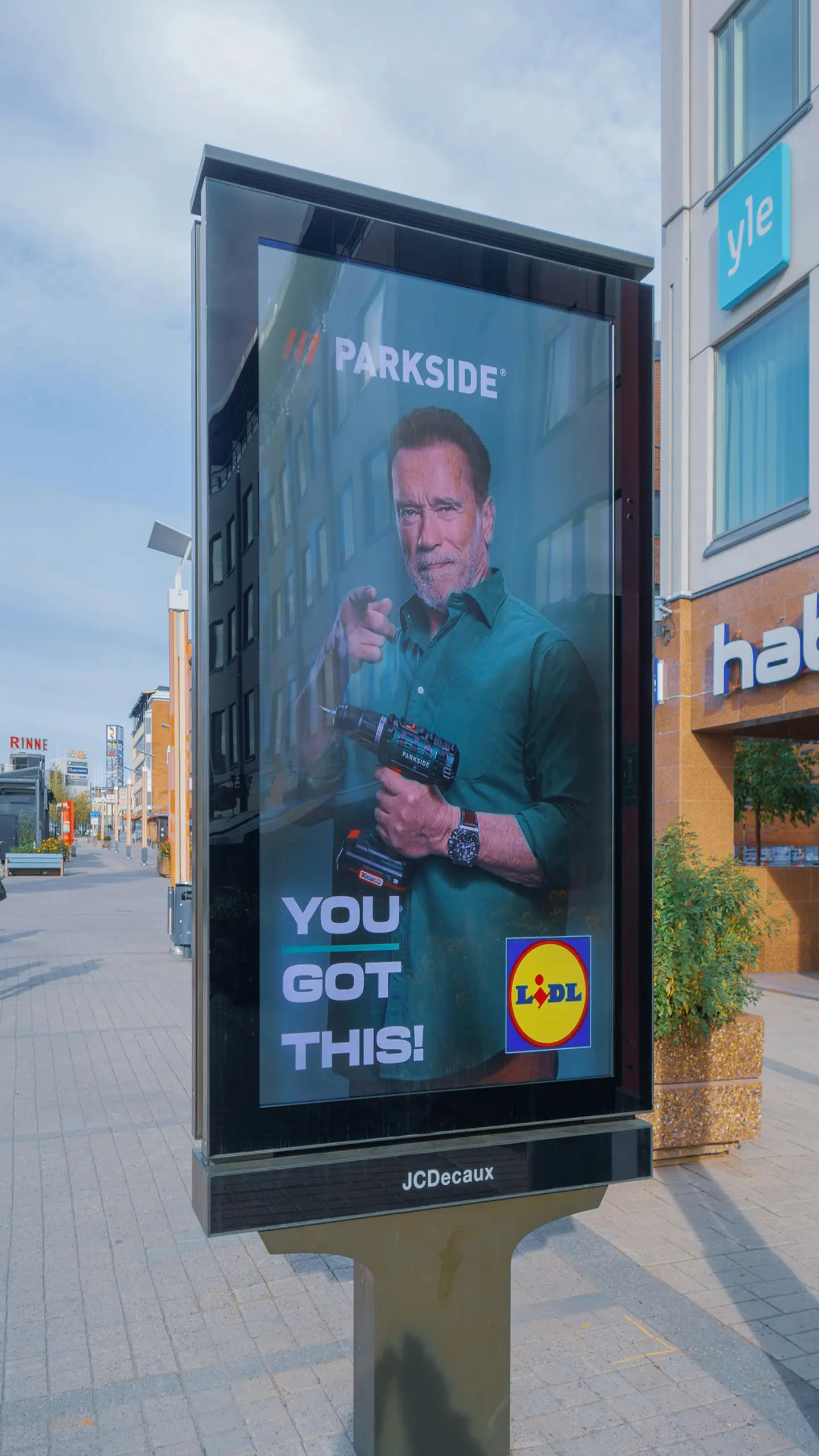
One of the most powerful advantages of artificial intelligence in marketing is its ability to deliver true personalization at scale. Where human teams once struggled to segment audiences and craft individualized experiences, AI systems now make it possible to create thousands of personalized touchpoints across different platforms with speed and accuracy.
AI personalization starts with deep data analysis. These systems can interpret user behavior, preferences, purchase history, and even micro-interactions on a website or app. Based on these insights, marketers can deliver dynamic content that changes based on who is viewing it, when they are viewing it, and what their previous engagement looked like. This level of personalization significantly improves engagement rates, click-throughs, and conversions.
Email campaigns, for example, can now be automatically tailored for each subscriber. AI tools can generate subject lines that resonate with individual users, recommend products based on browsing history, and even determine the best time of day to send a message. This same logic applies to social ads, where visuals, copy, and call-to-action buttons can adapt to match the viewer’s interests.
In the realm of branding & graphic design, AI enables teams to quickly generate customized visuals for different customer segments. A skincare brand, for instance, can create one ad using soft, pastel tones for its wellness-focused audience, and another using bold, energetic colors for fitness enthusiasts. The creative direction, once dependent on a full design team, is now guided by intelligent systems capable of interpreting visual performance metrics.
This blend of personalization and automation enhances overall creative marketing performance. Campaigns no longer rely on static templates or broad messaging. Instead, brands can tell more relevant, story-driven narratives that resonate with niche audiences, without increasing team workload.
AI also supports personalization in web maintenance, helping sites deliver real-time user experiences. From homepage layout adjustments to personalized product carousels, AI algorithms ensure that every visitor sees content optimized for their behavior.
Personalization at scale is no longer just a luxury reserved for enterprise brands. With the rise of accessible AI tools, businesses of all sizes can now offer tailored experiences that feel human and thoughtful. The result is deeper customer relationships, better performance metrics, and a competitive edge that is increasingly hard to ignore.
Smarter Video Marketing with AI
Video content is central to most modern marketing strategies, and artificial intelligence is making it smarter, faster, and more impactful than ever before. From planning and scripting to editing and distribution, AI now enhances every phase of video production, allowing marketers to do more with fewer resources.
AI can now generate detailed video scripts based on a single prompt, complete with scene descriptions, voiceover suggestions, and even visual cues. This is especially helpful for brands that need to produce video content regularly, whether it is for product launches, ads, or internal communications. These systems enable teams to quickly ideate, draft, and iterate without sacrificing quality.
On the production side, tools that support VFX compositing & animation are transforming the look and feel of modern marketing videos. AI-assisted software can automate rotoscoping, background replacements, motion tracking, and special effects integration. What once took hours in post-production can now be handled in minutes with the help of machine learning models trained on thousands of visual sequences.
For brands involved in documentary film production, AI plays a vital role in organizing large volumes of footage, tagging content, and even identifying emotional beats. This allows editors to focus on storytelling rather than technical sorting. The same technology is also being used in feature film mastering & delivery, where AI ensures that video files meet the technical specifications for various streaming platforms, broadcast outlets, or digital theaters.
In terms of distribution, AI enables smart scheduling and platform optimization. Videos can be automatically edited into multiple formats, short vertical clips for social media, widescreen cuts for YouTube, and muted versions for silent autoplay. These edits are informed by data, not guesswork, allowing brands to align visual storytelling with audience behavior.
Additionally, the combination of AI and video production gear has resulted in smarter hardware. Cameras with built-in AI can automatically adjust lighting, track subjects, and stabilize shots. These innovations make it easier to produce professional-grade videos without a large production crew.
Whether used for product explainers, interviews, or behind-the-scenes content, AI is turning video marketing into a more efficient and agile practice. By leveraging intelligent tools, brands can produce more visually compelling content in less time, reaching their audiences with stories that stick and visuals that perform.

Enhancing SEO and Content Strategy with AI
Search engine optimization is one of the most competitive and fast-changing areas of digital marketing. Today, artificial intelligence is taking the guesswork out of SEO copywriting and helping marketers craft smarter strategies that drive consistent results. With AI-powered tools, teams can identify high-performing keywords, analyze competitor content, and create optimized articles, all in a fraction of the time it used to take.
AI tools like Clearscope, Surfer SEO, and Frase use machine learning to scan top-ranking pages, uncover content gaps, and recommend keyword placements based on what Google currently favors. These platforms are particularly helpful in aligning written content with user intent. Instead of manually researching topics and search trends, AI suggests them based on real-time data. This ensures every blog post, product description, or landing page is built to perform.
The benefits of AI in content go beyond keyword density. These tools can also recommend structural improvements, internal linking strategies, and even tone adjustments to match audience expectations. Marketers can now generate multiple versions of a headline or meta description and test which one resonates most with their target audience.
AI-driven content also integrates seamlessly with web hosting platforms and web development environments. For example, AI plugins in content management systems like WordPress can automatically optimize image tags, compress media files, and improve page load speeds, factors that directly impact SEO rankings. Developers can also use AI to identify broken links, outdated code, or UX issues that might be harming site performance.
Moreover, AI helps scale content creation efforts without sacrificing quality. A single brief can yield several content formats: blogs, FAQs, social captions, and product comparisons. This not only saves time but ensures brand messaging remains consistent across channels.
For marketers managing large content libraries, AI offers automated content audits. These audits evaluate what needs updating, what is underperforming, and what can be repurposed for better results. As search algorithms evolve, AI makes it easier to stay ahead by continuously adapting content strategies based on live data.
Ultimately, AI is transforming SEO from a reactive process into a proactive strategy. It helps marketers plan smarter, create faster, and rank higher, turning content into a reliable engine for brand visibility and long-term growth.
AI in Social Media & Live Engagement
Social media marketing is no longer just about posting regularly, it is about creating personalized, timely, and high-impact experiences for each follower. With artificial intelligence, brands can now automate, optimize, and elevate their presence across all major platforms. AI tools are redefining what it means to engage with audiences in real time, making campaigns more responsive, creative, and measurable.
One of the most common uses of AI in social media is automated content scheduling and post generation. Tools like Buffer, Hootsuite, and Lately use AI to determine the best times to post, repurpose existing content, and recommend copy based on performance data. These platforms also offer insights into what types of visuals or formats perform best, helping brands refine their social media marketing strategy continuously.
In addition to planning, AI enhances video & audio live streaming by supporting real-time analytics, caption generation, and stream optimization. These features are especially important during product launches, Q&A sessions, or brand events. AI can detect viewer engagement patterns and recommend when to switch visuals, prompt polls, or trigger calls to action. The result is a more interactive and personalized experience for viewers, regardless of where they are watching.
Creative teams also benefit from AI’s ability to produce quick-turn assets. Need a new Instagram Reel or TikTok trend? AI can suggest angles, scripts, and even soundtrack pairings. For campaigns focused on influencer marketing or trend hijacking, these tools drastically reduce production time without compromising quality.
In the world of artist management & media creation, AI is used to track content performance, generate branded assets, and analyze fan sentiment. This helps artists and their teams tailor their messaging, identify new collaboration opportunities, and maintain a cohesive brand voice across platforms.
Moreover, AI-powered chatbots and customer service tools provide immediate responses to customer inquiries. These bots can handle basic questions, route more complex ones to human agents, and even upsell or suggest products. With natural language processing, the conversations feel more human and more helpful, leading to improved satisfaction and conversion rates.
As algorithms grow smarter, creative marketing on social media becomes more agile and data-informed. Brands can react faster, speak more clearly, and connect more deeply with their audiences, all thanks to AI tools that blend creativity with real-time intelligence.
Measuring Campaign Effectiveness with AI
A great marketing campaign is only as valuable as the results it delivers. That is why measurement and analytics are critical to every marketer’s strategy, and AI is making this process more intelligent, automated, and accurate than ever. Instead of relying on lagging indicators or time-consuming manual reports, AI enables real-time performance tracking and predictive insights that help refine campaigns while they are still running.
Modern AI platforms use machine learning to monitor audience behavior across multiple touchpoints: websites, social media, email, and even offline events. These systems analyze how users interact with campaigns, what they click, how long they watch, what they ignore, and identify trends that might take human analysts days or weeks to uncover.
For example, marketers can now see not just what worked, but why it worked. AI algorithms cluster audience behaviors and correlate them with campaign components such as headlines, visuals, call-to-actions, or even timing. These insights allow teams to make live adjustments that increase performance and reduce wasted ad spend.
In agencies or teams offering media marketing consulting services, AI plays a vital role in delivering actionable dashboards to clients. These dashboards go beyond vanity metrics and offer deep visibility into user journeys, lead quality, and content effectiveness. AI systems can even assign performance scores to campaigns and suggest optimizations based on historical data and industry benchmarks.
Marketers working on websites also benefit from AI-enhanced web maintenance features. Site health tools powered by AI can flag broken links, track heatmaps, analyze scroll depth, and test new layouts, all in real time. This helps ensure that landing pages and other key conversion areas remain fully optimized throughout the campaign lifecycle.
Audio-heavy campaigns also gain an edge through AI-assisted audio engineering. These tools evaluate sound clarity and listener engagement, helping marketers refine podcasts, voiceovers, and streaming experiences to improve audience retention and messaging impact.
Finally, AI supports visual performance evaluation within branding & graphic design campaigns. Platforms like Canva and Adobe Sensei now include predictive design tools that recommend layouts and colors based on campaign goals and audience preferences.
With AI-powered measurement, the gap between execution and insight has never been smaller. Marketers can launch, monitor, and optimize with confidence, knowing that each decision is supported by intelligent data analysis and real-world feedback.
Conclusion
AI is no longer a futuristic concept in marketing; it is a present-day necessity. From campaign planning and content creation to real-time engagement and performance measurement, AI is helping brands deliver smarter, faster, and more effective campaigns at scale. Whether you are optimizing video production, elevating branding & graphic design, or integrating data-backed strategies, the future belongs to those who embrace intelligent tools.
If you are ready to take your marketing to the next level, C&I Studios can help. Explore our services, view our portfolio, or contact us directly. Learn more at C&I Studios.
Related Reading
Why Color Consistency Is Crucial for Cinematic Storytelling
Why Color Consistency Is Crucial for Cinematic Storytelling
Color is one of the most powerful storytelling tools in cinema, often shaping how we feel long before we realize it. Whether it’s the cool blues of a tense thriller or the warm hues of a nostalgic drama, filmmakers rely on color to guide emotion, establish setting, and build continuity. But it’s not just about making things look good; maintaining a consistent color palette is essential for sustaining immersion and narrative clarity. When color shifts unpredictably, it disrupts the story’s flow and weakens its emotional impact. That’s why color consistency isn’t just an aesthetic choice; it’s a storytelling necessity.

The Role of Color in Cinematic Language
Color has always been more than just a stylistic choice in filmmaking. It’s a powerful narrative device, kind of visual shorthand that conveys emotion, tone, and subtext without uttering a single word. In modern video production gear, filmmakers have access to sophisticated color profiles and calibration tools that allow them to craft highly intentional palettes. These tools are not just about aesthetics, they are foundational to how a story is told.
One of the most iconic uses of color as cinematic language comes from The Matrix, where a green tint was deliberately applied to scenes set in the virtual world. This subtle visual cue instantly signaled to the audience that reality had shifted. In contrast, the real world was portrayed with cooler, desaturated tones to distinguish it emotionally and thematically. This wasn’t just creative marketing, color was used as a storytelling infrastructure.
Wes Anderson provides another masterclass in visual storytelling through color. His signature use of pastels and symmetry isn’t just quirky design; it creates a feeling of nostalgia, control, and sometimes emotional detachment. His films are instantly recognizable because his color choices are so consistent and intentional. This kind of color discipline is a hallmark of strong feature film mastering & delivery.
Color also plays a vital role in documentary film production, where authenticity is key. Even though documentaries aim to reflect reality, filmmakers still use color grading to create mood, enhance clarity, or unify footage from multiple sources. For example, a documentary on climate change might use cooler tones to convey urgency and somberness, while one about childhood education might favor warmer hues to evoke hope and vitality. Here again, color functions as a subtle but strategic narrative tool.
The psychological response to color is well documented. Red often triggers alertness, urgency, or passion. Blue can evoke calmness, intelligence, or isolation. Yellow might bring energy, but also anxiety if overused. When filmmakers align these responses with the arc of the story, the viewer’s emotional journey becomes more immersive and coherent.
Ultimately, color is a language the brain processes almost instantly, before any dialogue is spoken or action unfolds. In a saturated content landscape, the ability to use color effectively can be the difference between forgettable and unforgettable. For any filmmaker serious about their craft, mastering this language is not optional; it’s essential.
How Color Consistency Strengthens Storytelling
Color consistency isn’t just a technical preference’s one of the most important tools for maintaining emotional and narrative cohesion across an entire production. When color palettes are thoughtfully applied and maintained throughout a film, they help audiences connect subconsciously with the story’s tone, rhythm, and progression. Inconsistent color, on the other hand, disrupts immersion and can unintentionally signal mood shifts that weren’t part of the original intent.
Consider a scene transition in a character-driven drama. If the lighting and grading shift from warm amber tones to suddenly cool blue without narrative justification, the audience may feel confused or emotionally disconnected. But when the color palette is maintained intentionally, a soft golden hue tracks a character’s journey through healing, it reinforces the story without a word being spoken. This seamless visual storytelling is the result of deliberate planning in content creation and post-production workflows.
In the realm of video production, consistency becomes even more critical when scenes are shot over different days, in different lighting environments, or with different cameras. The job of the colorist is to unify these elements into a coherent visual flow. This is where video production gear, such as calibrated monitors, color charts, and LUTs (Look-Up Tables), comes into play. With these tools, filmmakers ensure that no matter the filming conditions, the story’s visual identity remains intact.
Color consistency also helps define and reinforce genre conventions. A horror film might consistently use desaturated blues and greens to build tension and unease. A romantic period drama may lean into soft, warm pastels to evoke nostalgia and intimacy. These visual signatures make the story immediately recognizable within its genre while creating emotional familiarity. In this way, creative marketing teams often use consistent color branding in trailers, posters, and social campaigns to build audience anticipation and recognition.
Moreover, in multi-format storytelling, such as when a film expands into branded shorts, behind-the-scenes documentaries, or companion pieces, consistent color treatment ensures visual unity across all content. This is especially important in long-term documentary film production projects where footage may span years.
In short, color consistency provides a framework for emotional stability, aesthetic coherence, and narrative clarity. It keeps the audience grounded in the world you’ve created, whether it’s a single short film or a sprawling episodic series.
Understanding the Workflow: From On-Set to Post
Maintaining color consistency in cinematic storytelling is not something that happens by accident’s the result of a carefully coordinated workflow that begins in pre-production and continues through post. Every department, from camera crew to editors, must work in sync to ensure that the film’s visual tone remains aligned from the first day of shooting to final delivery. This level of coordination is essential in professional video production environments.
It starts on set. Cinematographers and directors often use mood boards and color scripts to establish a palette before filming even begins. These reference tools guide decisions about lighting, wardrobe, set design, and location. On shoot days, color charts and light meters are used alongside high-end video production gear to ensure footage is captured under controlled and replicable lighting conditions. Camera settings such as white balance, ISO, and color profiles must be consistent across all scenes, especially when multiple cameras or units are involved.
From there, the footage moves to post-production, where colorists begin the delicate task of matching and grading every frame. Using software like DaVinci Resolve or Adobe Premiere, they apply LUTs (Look-Up Tables) that reflect the film’s desired tone. Here, VFX compositing & animation teams may also contribute, blending CGI elements with live-action footage. To maintain visual realism, all digital effects must adhere to the same color logic established during the shoot. Even the shadows and reflections in CGI need to match the lighting and tone of the surrounding environment.
This workflow is especially critical in high-end feature film mastering & delivery, where the final product must hold up across multiple formats and screens, from theater projection to mobile streaming. A film might look perfect in the editing suite but appear overly dark or saturated on a consumer screen if calibration and format conversion aren’t handled properly.
In collaborative productions, such as those involving documentary film production, music videos, or commercial shoots, asset sharing between teams makes color consistency even more vulnerable. That’s why clear communication and centralized color guidelines are non-negotiable.
Ultimately, consistency in color isn’t just a post-production polish, it’s a workflow discipline. When every step of production is aligned, the result is a cohesive, immersive visual experience that enhances storytelling and strengthens emotional impact across every frame.
Color Grading and Emotional Resonance
Color grading is where the emotional heartbeat of a film is often solidified. While cinematography captures the story, grading refines how the audience feels it. In this stage, raw footage is transformed into a polished visual narrative, shaping tension, softness, vibrancy, or darkness, depending on the desired impact. For storytellers in film & TV production, color grading becomes an emotional instrument that speaks without dialogue.
Take, for instance, the difference between a cool, bluish grade and a warm, golden one. The former often communicates isolation, detachment, or suspense, commonly seen in thrillers or dystopian settings. The latter evokes nostalgia, comfort, and human connection, which is ideal for dramas and romance. These emotional cues are baked into the color palette and help guide the viewer’s reaction moment by moment.
In documentary film production, color grading is often more restrained but still critical. A documentary about injustice might lean into stark, contrast-heavy tones to convey urgency, while one about environmental beauty might feature soft greens and blues to create a meditative rhythm. Whether dramatic or subtle, the color grading choices serve to deepen the emotional tone without distracting from the truth being told.
For those working in content creation, understanding emotional color language can dramatically affect how a piece is received. Whether crafting a product video, a brand film, or a web series, the right color choices amplify the intended message. Warm, saturated tones may increase viewer trust and relatability. Cooler tones might suggest modernity, seriousness, or professionalism. The audience may not consciously recognize these signals, but they will absolutely feel them.
Modern grading tools give creators more control than ever. Software like DaVinci Resolve, Final Cut Pro, and Adobe Premiere allows precise adjustments to saturation, contrast, and hue. Even with limited budgets, creators can now apply cinematic color treatments that used to be exclusive to major studios. For those involved in artist management & media creation, this capability is a game-changer, allowing for emotionally resonant visuals that match the tone of the artist or brand.
Color grading is not just about “making things look good,” it’s about making them feel right. Done well, it creates emotional continuity, strengthens character arcs, and ensures that every frame supports the story being told.
Mistakes to Avoid: Inconsistencies That Break the Spell
Color consistency can elevate a production, but even small mistakes can unravel the entire visual experience. For filmmakers and creators working across platforms, the most common errors aren’t just technical slip-ups; they’re often the result of poor planning or communication. Understanding what to avoid is as essential as knowing what to implement.
One of the biggest offenders is mismatched lighting. Scenes shot on different days, in different lighting conditions, or with improper color temperature settings can create visual breaks that feel jarring. Even if the audience doesn’t consciously notice, these shifts can disrupt immersion. That’s why video production gear, especially calibrated monitors, color meters, and consistent lighting rigs, is critical from day one. When overlooked, these inconsistencies show up later in post-production, making them much harder (and more expensive) to fix.
Another pitfall lies in post-production itself. Over-grading or under-grading footage is surprisingly common. An overuse of saturation or contrast can make a scene feel artificial, while flat, untreated footage may seem lifeless or incomplete. Worse yet, these inconsistencies often sneak in when different editors or colorists handle various sections of the film without a shared reference. In larger productions, especially in documentary film production or branded content, it’s essential to have a unified visual guide or color script.
Technology-related mistakes also play a role. If the content is intended for distribution across multiple devices and platforms, failing to test on different screens can lead to skewed visuals. A grade that looks rich and balanced on a studio monitor might appear washed out on a tablet or overly contrasted on a phone. This is where knowledge of web development, web hosting, and web maintenance becomes important, especially when delivering color-sensitive media to audiences via streaming platforms or brand websites.
A subtle but damaging mistake is ignoring brand or project identity. In creative marketing and TV show pitching, color serves as a branding tool. If the palette shifts dramatically between a trailer, a website teaser, and the final episode, audiences lose visual trust. Consistency reinforces professional identity and helps content feel premium, even when budgets are lean.

Case Studies: When Color Consistency Made or Broke the Experience
The real-world impact of color consistency becomes most visible when we examine how it plays out in finished projects, both successful and flawed. In one recent example, a U.S. congressional campaign used a tightly controlled visual strategy to establish trust with voters.
From campaign videos to social media graphics, the color palette was thoughtfully applied across every touchpoint. Warm neutrals and soft blues were selected to evoke transparency, optimism, and stability. Each piece of video content was graded to match that palette, aligning visually with the candidate’s core message.
The result was more than just attractive visuals, it was a cohesive identity that resonated with audiences on an emotional level. Higher video watch times and increased grassroots donations reflected the subtle power of a consistent color strategy in political storytelling. In the competitive arena of political campaigns, that visual alignment can be the difference between forgettable and memorable.
By contrast, a promising documentary film production centered on grassroots education in underserved regions revealed how a lack of color consistency can undercut even the strongest stories. Filmed over several years using different gear and settings, the footage varied widely in tone, from warm, saturated daytime scenes to cold, desaturated interviews.
In post-production, the team failed to apply a unified grading strategy, and as a result, the film felt disjointed. Despite a compelling narrative, test audiences noted the visual inconsistency as a barrier to emotional engagement. What could have been a powerful, moving documentary came across as uneven and unfinished. The lesson was clear: without a consistent visual tone, the emotional rhythm suffers.
On the other hand, an independent filmmaker with limited funding proved just how much can be achieved through careful color planning. Using modest video production gear and accessible editing tools, the filmmaker established a consistent color palette tied closely to character arcs and emotional themes. From location selection to lighting and wardrobe, every decision was made with color harmony in mind.
The result was a visually stunning film that screened at several festivals and caught the attention of distributors. What set the film apart wasn’t the budget; it was the discipline. That same discipline became a valuable asset in their creative marketing and media marketing consulting efforts, proving that color consistency is not only an artistic strength but a strategic one.
Cross-Platform Considerations: Web, Mobile, and Streaming
In today’s fragmented viewing landscape, content rarely lives in just one place. A film or video may be watched in a theater, on a phone, via a laptop, or streamed through a smart TV. Each platform presents unique challenges in maintaining visual fidelity, especially when it comes to color.
Without careful adjustments, the same beautifully graded film that looks stunning in a studio could appear overly dark, washed out, or distorted elsewhere. This is where understanding cross-platform delivery becomes essential to preserving color consistency, and by extension, storytelling clarity.
Color looks different depending on the screen’s size, brightness, calibration, and color profile. A grade that feels rich and balanced on a calibrated monitor can look oversaturated on a phone or pale on a budget TV. That’s why filmmakers and editors must test their footage across devices before locking the final grade. Especially in video & audio live streaming, where compression algorithms often strip out subtle color data, it becomes crucial to design a grade that holds up under bandwidth and resolution fluctuations.
Equally important is how content is hosted and delivered. Inconsistent color rendering can result not only from poor grading but also from improper web development, web hosting, or web maintenance. Hosting platforms may alter playback settings or transcode files into color-degrading formats. If you’re embedding video on your own site, choosing the right encoding format and player becomes part of your creative process. Even the background color of a website or mobile app can visually clash with your video’s palette if not properly coordinated.
For those involved in content creation or brand storytelling, these considerations extend far beyond film. A branded video that looks consistent on YouTube but appears off-color on Instagram undermines trust in the visual identity. When your audience spans different platforms, visual consistency becomes part of your reputation. Whether it’s a product launch, a campaign video, or a full-length feature, the color experience should feel seamless from screen to screen.
In an era where viewers swipe from cinematic trailers to TikTok in seconds, your ability to control the color experience across formats is a mark of professionalism. Every screen is a stage, and consistent color across them ensures that your story lands with the same emotional and aesthetic power, every single time.
Conclusion
Color consistency is not just a technical detail, it’s a core element of effective cinematic storytelling. When used deliberately, it enhances emotional impact, strengthens immersion, and makes your work truly memorable.
If you’re aiming to craft visually cohesive projects, we invite you to view our portfolio and explore our full range of storytelling services. For projects that demand precision and polish, contact us directly or learn more about our creative process to see how we bring stories to life with clarity and visual intent.
Related Reading
The Future of Video Production: Integrating AI to Boost Advertising Impact
The Future of Video Production: Integrating AI to Boost Advertising Impact
The landscape of visual storytelling is undergoing a profound shift as artificial intelligence begins to reshape how videos are conceptualized, created, and distributed. What was once a manual, time-intensive process driven solely by human input is now evolving into a dynamic collaboration between technology and creativity.
This transformation is especially evident in the world of advertising, where speed, precision, and personalization are critical. As AI continues to advance, it’s not just changing workflows; it’s challenging long-standing assumptions about creativity and control.
Why AI Matters in Modern Advertising
In recent years, the global advertising industry has seen a dramatic uptick in the adoption of artificial intelligence, and the numbers speak for themselves. Projections suggest the AI in the advertising market will surge to $407 billion by 2027, underscoring its role as a central force in reshaping how campaigns are developed and deployed.
This growth is driven by brands seeking smarter, faster, and more impactful ways to reach audiences across platforms. Whether it’s optimizing campaign performance or generating creative assets, AI’s expanding role in advertising is no longer a distant trend; it’s a core strategy.
One of the most compelling reasons AI is gaining ground is its undeniable impact on efficiency. By significantly cutting both production time and cost, AI empowers small brands and large agencies alike to operate with leaner budgets and faster turnarounds.
A compelling example is Kalshi’s viral political ad, which cost just $2,000 to create using generative AI tools, far less than the tens of thousands typically spent on such content. This shift allows advertisers to test more variations, localize content quickly, and stretch creative output without ballooning costs.
Even more transformative is AI’s capacity for personalization at scale. Traditional advertising often relies on a few generic versions of a campaign, but AI-powered platforms can dynamically tailor visuals, messaging, and pacing for specific demographics or even individuals. From AI-generated scripts to auto-edited highlight reels optimized for TikTok, these technologies allow advertisers to fine-tune their messaging in real time.
AI systems can analyze user behavior and instantly adjust creative elements, delivering a level of relevance that manual workflows simply can’t achieve. This approach enhances not just click-through rates but long-term engagement.
The convergence of automation, personalization, and creative strategy is what sets AI apart in the advertising space. It’s not just about replacing human labor; it’s about expanding what’s possible in content creation, lowering barriers to entry, and enabling a more agile and adaptive advertising model.
As agencies look to the future, embracing these technologies is becoming less of a competitive edge and more of a survival strategy in an increasingly data-driven media landscape.
Core AI Technologies Driving Video Production
At the heart of AI’s influence in advertising is a suite of transformative technologies now embedded across the video production pipeline. Chief among them is generative AI, which is revolutionizing everything from script development to shot composition. What once required hours of brainstorming and manual planning can now be generated in minutes.
AI tools like Runway and Synthesia can create scene outlines, develop storyboards, and even simulate voiceovers, helping production teams pre-visualize the final cut with stunning clarity. These tools are especially valuable in film & TV production, where efficiency during pre-production can make or break a budget.
Another major driver is the rise of machine learning and agentic AI, which are powering real-time tools for VFX compositing & animation. These algorithms can intelligently interpret raw footage and automate tasks such as motion tracking, rotoscoping, and asset generation.
Editors and designers now work alongside these AI systems to enhance visual complexity while reducing time spent on repetitive manual adjustments. This has led to more streamlined workflows, particularly in sectors like political campaigns and documentary film production, where tight deadlines often limit creative scope.
Computer vision is another technology propelling this shift, especially when combined with deepfake algorithms. While the term “deepfake” often carries ethical concerns, its underlying technology offers enormous utility in feature film mastering & delivery.
AI can now convincingly sync dubbed audio to actors’ lips, allowing brands to localize content for international markets without additional filming. It also enables facial corrections and continuity fixes that would have previously required costly reshoots, helping maintain visual consistency across complex productions.
Meanwhile, virtual reality (VR) and augmented reality (AR) are integrating seamlessly with AI to transform interactive content. From immersive brand experiences to virtual product placements, these technologies are no longer niche experiments.
AI enhances these environments by automating object tracking, voice recognition, and scene analysis, making video & audio live streaming events more dynamic and engaging. These innovations are particularly impactful in social media marketing, where attention spans are short and visual novelty is crucial.
Together, these core technologies redefine what’s possible in modern advertising. By streamlining workflows, expanding creative possibilities, and enhancing technical precision, they allow agencies to create more sophisticated, emotionally resonant content faster and at lower cost. As adoption increases, mastery of these tools will become essential for staying relevant in an evolving media economy.

AI Across the Advertising Production Pipeline
The integration of AI into advertising doesn’t just affect isolated tasks; it transforms every phase of the video production pipeline from concept to final delivery. These changes allow agencies and production teams to deliver more targeted, engaging, and cost-effective content with significantly reduced turnaround times.
Pre-production is one of the most dramatically affected stages. AI can now assist with everything from moodboard generation to TV show pitching by rapidly compiling data on viewer preferences and successful formats. Scriptwriting software powered by generative AI can draft compelling narratives in seconds, while visual layout tools generate intelligent storyboards based on brand tone and previous campaign successes. Teams can also use AI for branding & graphic design, ensuring a campaign’s visual identity remains consistent and effective across channels.
During the production phase, AI is beginning to enhance everything from camera setup to lighting design. Smart video production gear can now auto-calibrate based on the environment, ensuring optimal exposure and color balance without constant manual input. Real-time feedback systems adjust lighting setups based on AI-detected subject movement or emotion recognition, particularly valuable in live environments such as political campaigns or video & audio live streaming sessions.
The post-production stage has perhaps seen the most rapid evolution. Automated tools now handle everything from editing and scene transitions to sound mixing and audio engineering. For instance, AI-driven editing suites can identify the most emotionally impactful moments in footage and generate highlight reels tailored for specific platforms like Instagram Reels or YouTube Shorts.
Advanced tools also support VFX compositing & animation, allowing editors to create cinematic-level graphics without needing a massive effects team. These innovations have proven especially useful in documentary film production, where editors work with hours of raw footage and tight schedules.
Finally, in the distribution and optimization phase, AI shines in localizing content and maximizing campaign performance. AI can create dozens of regionalized ad versions, automatically adjusting language, tone, and visuals to suit local cultures. For marketers, this means better engagement and ROI with less manual effort. AI also supports cross-platform optimization, tailoring content dimensions and lengths for different formats, something critical for success in social media marketing.
The result is an advertising production model that is more nimble, responsive, and creatively ambitious. Agencies that leverage AI across each stage not only improve output quality but also unlock new opportunities in creative marketing, personalization, and rapid iteration that were previously impossible.
Personalization & Targeting at Scale
Perhaps one of the most powerful advantages AI offers the advertising world is its unmatched ability to personalize content at scale. Traditional campaigns rely on a one-size-fits-all approach, often limiting engagement. But with AI, advertisers can now create adaptive, hyper-relevant experiences for specific demographics or even individual users, making personalization a performance driver, not just a marketing buzzword.
AI-powered tools can analyze real-time user data to inform the structure, tone, and visuals of a campaign. This data might include browsing behavior, purchase history, or even geolocation, which can then be used to dynamically generate personalized video ads.
A fitness brand, for instance, can show different messages to a 25-year-old in Karachi and a 45-year-old in London, using the same base footage but with tailored messaging, soundtrack, and end screens. This precision is incredibly useful in content creation for high-stakes campaigns like political campaigns, where relevance is critical for conversion.
Platforms like Meta and Google are investing heavily in this direction, aiming to automate every stage of the ad creation and delivery process. These tools use AI not only to generate multiple ad versions but also to A/B test and deploy the highest-performing combinations automatically. This integration is a game-changer for media marketing consult teams that previously had to guess or manually test what resonates best with their audience.
One standout example is Omneky, which uses AI to create and manage entire ad campaigns across platforms like TikTok, Facebook, and Google. Their system continuously analyzes results and feeds them back into the creative process, ensuring each iteration of the campaign is smarter than the last. Such systems don’t just automate, they learn and adapt, pushing personalization further with each cycle.
For agencies handling large volumes of client content, AI personalization tools reduce overhead and increase impact. The key is not just personalization itself, but the scalability of that personalization. With the help of AI, a single creative team can now manage the workload of what used to require an entire studio, from scripting and shooting to feature film mastering & delivery, and distribution. This new model enables leaner teams to serve bigger clients and deliver results that feel personal and immediate.
In today’s saturated media landscape, relevance wins. AI makes relevance scalable, measurable, and repeatable. That’s why personalization is no longer optional; it’s essential for any forward-thinking advertising strategy.
ROI & Cost Benefits
One of the most compelling incentives for integrating AI into video production is its undeniable return on investment. In a field where time is money and scale is essential, AI-driven workflows dramatically reduce costs while boosting both quality and speed. Brands and agencies can now achieve high-caliber output at a fraction of the traditional budget.
Take, for example, the viral political ad created by Kalshi for only $2,000 using AI tools. In a conventional setting, such a project could have easily cost upward of $50,000. This shift is not limited to niche campaigns. Major brands are now employing AI to streamline entire pipelines, from content creation and audio engineering to final delivery, cutting weeks off production timelines and saving thousands in overhead.
These savings are not just financial. Time-to-market has also improved drastically. Faster content cycles allow brands to respond more quickly to trends, news, and customer behavior. In creative marketing, being the first to react can mean the difference between viral success and missed opportunity.
What’s more, AI empowers leaner teams to do more with less. A single editor equipped with the right tools can now handle work that previously required a team of five. From auto-generated subtitles and cuts to automated color grading and feature film mastering & delivery, AI reduces friction in every phase of the process.
Even backend operations like web maintenance, web hosting, and campaign tracking benefit from AI integration. Systems can identify underperforming assets, reallocate budget, and optimize placements across platforms without human intervention. These efficiencies unlock higher returns, allowing agencies to reinvest in strategic services such as branding & graphic design or SEO copywriting.
For clients and studios alike, the economic argument is clear. AI lowers cost per project, improves campaign reach, and accelerates revenue generation, making it an essential component in any forward-thinking advertising strategy.

Challenges & Ethical Considerations
While the benefits of AI in video production are impressive, the integration of these technologies brings a range of challenges that cannot be ignored. One of the most pressing concerns is the potential displacement of creative professionals. Editors, writers, designers, and even voice actors are seeing parts of their workflow replaced or augmented by algorithms. This is especially significant in areas like artist management & media creation, where human talent has historically been the core asset.
Another major concern is authenticity. With tools capable of creating near-perfect replicas of voices and faces, the rise of deepfake technology has blurred the line between fact and fiction. While these tools offer practical benefits in film & TV production and localized documentary film production, they also pose serious ethical risks. A growing number of agencies and consumers are calling for transparency in how AI-generated media is labeled and used.
Trust is fragile in the digital age, and the misuse of AI can backfire spectacularly. Brands that use AI-generated content without clearly communicating its nature may face backlash, especially in high-stakes areas like political campaigns. There have already been instances where AI-generated voices or visuals were mistaken for real people, leading to misinformation and public outcry.
Data privacy is another issue at the forefront. AI tools rely on enormous datasets, often scraped from public sources, which raises questions about consent and ownership. Agencies must be careful not to infringe on copyright laws or use data without proper licensing. For organizations offering media marketing consult services, this represents a growing area of compliance risk.
Finally, as AI continues to evolve, the need for clear regulatory frameworks becomes more urgent. Industry leaders and policymakers must collaborate to create ethical guidelines that support innovation while protecting the public. This includes defining boundaries for social media marketing, setting standards for AI-generated professional photography, and outlining safe uses for real-time video & audio live streaming enhancements.
In this evolving environment, ethical leadership and transparency will determine which brands thrive and which fall behind. The challenge is not just adopting AI but doing so responsibly, with respect for human creativity, truth, and fairness.
Emerging Trends & Innovations
As AI continues to advance, it is not just improving existing workflows it is also enabling entirely new formats and possibilities within video production and advertising. One of the most exciting areas of growth is the intersection of AI with immersive media experiences. Technologies like augmented reality (AR) and virtual reality (VR) are now being fused with AI to create interactive, data-driven brand experiences that were unthinkable a few years ago.
Brands are increasingly using AR filters, VR simulations, and AI-generated avatars to deepen audience engagement. When paired with web development strategies and real-time analytics, these immersive ads can adapt in response to user behavior, creating highly personalized marketing journeys. This has significant implications for sectors like creative marketing and social media marketing, where keeping the audience’s attention is more challenging than ever.
AI is also reshaping video & audio live streaming. Tools can now auto-adjust framing, lighting, and sound levels based on real-time environmental data. This makes livestreamed events more polished and accessible without requiring large crews. Innovations like AI-powered voice dubbing allow brands to host global launches or webinars in multiple languages with minimal human input. These capabilities are particularly useful for businesses engaged in media marketing consulting services or high-visibility political campaigns.
Another trend is the rise of virtual product placement. Instead of planning for static ad space, AI can now insert branded content into videos post-production, even retroactively. This means older footage can be re-monetized, and campaigns can remain flexible. Combined with VFX compositing & animation, the result is seamless integration that feels native to the viewer experience.
The democratization of film & TV production is another notable shift. Platforms like Runway, Pika, and Descript are putting high-end editing, audio engineering, and animation tools into the hands of small creators and startups.
How Brands & Agencies Should Adapt
As AI becomes more deeply embedded in every aspect of advertising, brands and agencies must rethink how they operate. Rather than viewing AI as a threat to creativity, the most forward-thinking teams are treating it as a collaborator, a powerful assistant that can elevate their work. The key lies in blending human vision with AI precision.
The first step is investing in tools and training. Agencies that offer content creation, branding & graphic design, or audio engineering must equip their teams with AI-powered platforms that enhance creative output without replacing it. This includes adopting editing software that leverages machine learning, integrating AI in web development and web hosting, and using automation to streamline routine tasks.
Equally important is upskilling your team. Writers, editors, marketers, and designers should learn how to work alongside AI systems, using them to amplify ideas, not replace them. Understanding prompt engineering, data labeling, and AI feedback loops will soon be as essential as knowing how to use Adobe Creative Suite. This is particularly true in roles involving artist management & media creation, where balancing tech and talent is key.
Hybrid workflows are proving especially effective. For example, an AI might draft a script based on previous campaign data, but a human editor fine-tunes the tone and pacing. Or, a team may use AI to automate subtitles and basic editing while focusing their energy on complex transitions or emotionally resonant scenes in a feature film mastering & delivery project. This partnership model retains creative integrity while improving efficiency.
Brands should also evaluate how AI fits into their long-term positioning. Integrating AI across media marketing consulting and SEO copywriting services will not only optimize campaigns but also future-proof their operations. Agencies that showcase their fluency in these tools can win higher-value clients seeking innovative and scalable solutions.
Adapting to AI is not a one-time shift. It requires a cultural change, a mindset that values experimentation, iteration, and lifelong learning. Agencies that embrace this philosophy will not only survive the AI revolution, they’ll lead it.
Future Outlook & Predictions
Looking ahead, the role of AI in video production and advertising is expected to deepen in ways that will redefine the entire creative landscape. Rather than serving as a mere automation tool, AI is poised to become a true creative collaborator — a dynamic partner in brainstorming, execution, and optimization.
One key development is the evolution of AI as a “co-pilot” in the creative process. Platforms like Vimeo and Adobe are already building AI into their editing suites, allowing real-time suggestions for cut sequences, transitions, and visual effects. This signals a shift toward integrated workflows that balance speed and quality, especially important in areas like film & TV production and documentary film production.
We’re also likely to see widespread democratization of high-level content creation. As AI-powered tools become more affordable and user-friendly, smaller teams and independent creators will gain access to capabilities that were once exclusive to major studios. This includes advanced VFX compositing & animation, audio engineering, and multi-language video & audio live streaming, making the playing field more even for content that needs global reach.
On the marketing side, personalization will reach new heights. Ads will not only adapt to demographics but respond to individual behavior in real-time. AI will continuously optimize delivery across platforms and feed insights back into creative direction, a cycle that will make agencies more agile and adaptive. This creates a powerful opportunity for those offering creative marketing, SEO copywriting, and web maintenance services to evolve their offerings in smarter, data-driven ways.
However, success in this future depends on more than just adopting tools. It requires intentionality. Brands and agencies that center ethics, transparency, and human insight will stand out in a sea of AI-generated noise. The technology will be available to everyone, but trust, originality, and storytelling will remain the real differentiators.
Conclusion
The future of advertising lies at the intersection of creativity and intelligence, and AI is the bridge connecting the two. As the boundaries of what’s possible in video production expand, brands that embrace AI responsibly and strategically will lead the charge in building more engaging, efficient, and measurable campaigns. Whether you’re scaling content creation, enhancing social media marketing, or exploring high-end film & TV production, the tools are here to elevate your impact.
To discover how your brand can leverage AI-enhanced storytelling, visit our portfolio, explore our services, or contact us at C&I Studios.
Related Reading
Why AI-Powered Video Editing is the Next Big Thing in Advertising
Why AI-Powered Video Editing is the Next Big Thing in Advertising
The advertising industry is undergoing a radical transformation, driven by the rapid rise of artificial intelligence. What once required hours of manual labor and creative guesswork can now be streamlined with remarkable precision and speed. At the heart of this change is AI-powered video editing, a toolset that’s making it easier than ever to create, modify, and deliver compelling visual content.
From real-time editing suggestions to automatic scene cuts and voice syncing, AI is changing how brands tell their stories. With faster workflows, smarter tools, and unprecedented personalization, this shift is redefining what’s possible in modern advertising.
The Rise of AI in Video Production
The journey of video editing has come a long way, from razor blades and tape in analog studios to cloud-based platforms running machine learning algorithms. In the early days of film & TV production, editing was a manual process requiring physical film cuts, long render times, and massive editing suites packed with bulky video production gear. With the digital revolution in the 1990s and 2000s, non-linear editing tools like Final Cut Pro and Adobe Premiere transformed workflows, allowing editors to cut, layer, and rearrange footage on digital timelines. This was the first big leap, but today’s leap into AI is even bigger.
AI-powered editing platforms like Runway, Adobe Sensei, and Pictory.ai are rewriting the rules. These tools don’t just speed up the process, they understand it. Runway can remove backgrounds from video without a green screen. Adobe Sensei suggests cuts, improves lighting, and enhances audio clarity with near-human intuition.
Pictory.ai can generate short promotional clips from long-form videos using automatic highlight detection. These tools analyze footage using deep learning models trained on thousands of hours of content, learning what “good” editing looks like.
At its core, AI video editing tools work by recognizing patterns in visuals, audio, and storytelling. They identify scenes, expressions, voice shifts, and even emotions to determine where to cut, what to enhance, and how to pace the content. While traditional editing might take several days or weeks, AI can accomplish a rough cut in minutes, sometimes seconds, freeing up creators to focus on storytelling instead of slogging through timelines.
The benefits are undeniable. Automation eliminates repetitive tasks like trimming silences, syncing voiceovers, or adding captions. Speed improves drastically, making it easier to meet fast campaign deadlines or push out timely content during trending moments. Costs drop as smaller teams can produce more without hiring large post-production crews or renting expensive video production gear.
Most importantly, AI doesn’t replace human editors, it empowers them. In the world of creative marketing, where freshness, speed, and authenticity matter more than polish, AI offers a competitive edge. Brands can now test multiple versions of an ad, auto-generate cuts for different platforms, and scale storytelling like never before. As AI continues to evolve, it’s not just enhancing the tools, it’s redefining the creative process itself in film & TV production.
Why AI Video Editing Is Game-Changing for Advertising
AI is revolutionizing advertising by turning what was once a linear, time-intensive process into a scalable, data-driven engine for growth. At the center of this shift is the ability to personalize content on a level that was never possible before.
Traditional ad editing required a single creative version that tried to appeal to everyone. AI, on the other hand, enables brands to create multiple variations of the same ad, each tailored to specific demographics, behaviors, and preferences. This hyper-personalization allows advertisers to deliver messages that resonate more deeply with their audience.
AI also accelerates campaign launches by automating labor-intensive tasks like scene selection, transitions, voice syncing, and even script structuring. Once raw footage is uploaded, platforms can auto-generate polished video drafts ready for immediate feedback or distribution. This is a massive advantage for agencies and brands who need to respond quickly to trends, seasonal shifts, or sudden opportunities. Instead of weeks, you’re looking at hours, or less, to launch a video campaign.
The real magic, though, happens when AI tools are integrated with real-time performance data. Modern advertising thrives on analytics. When a video is published across platforms, whether on social media, email campaigns, or embedded via video & audio live streaming, AI algorithms can measure engagement, watch times, drop-off points, and conversion data. Based on these insights, the AI can suggest edits, change the pacing, or adjust visuals to improve performance. The process becomes cyclical: content is created, measured, refined, and redeployed, at a pace no human team could match.
For agencies offering media marketing consult services, this opens the door to more agile client solutions. Rather than relying on long production pipelines, they can now deliver fast-turnaround edits backed by performance metrics. It also benefits content strategists and SEO copywriting experts, who can align video content with keyword data and search trends, ensuring every frame serves a marketing purpose.
AI-powered video editing doesn’t just change how ads are made, it transforms the entire advertising mindset. It turns one-time campaigns into living, evolving assets. In a world where attention spans are shrinking and competition is rising, the ability to iterate, test, and scale creative video quickly isn’t just helpful, it’s essential. And AI makes it possible.
Unlocking Creative Possibilities With AI Tools
One of the biggest misconceptions about AI in advertising is that it dulls creativity. In reality, the opposite is true. AI-powered video editing tools are not replacing creativity, they’re amplifying it. By automating the repetitive and technical aspects of editing, these tools free creators to focus more deeply on storytelling, emotion, and visual impact. For brands and agencies rooted in creative marketing, this shift opens up an entirely new level of possibility.
Imagine starting a project with an AI-generated mood board tailored to your brand tone, audience insights, and trending aesthetics. Tools like Runway and Magisto offer built-in style templates that can instantly match your desired look and feel.
AI doesn’t just process footage, it understands the narrative you’re trying to tell. With built-in scene recognition, AI can suggest transitions, adjust lighting, and even recommend music based on tone and pacing. This gives creators a powerful jumpstart, especially in fast-paced commercial or documentary film production environments.
AI also makes creative editing more accessible for industries like political campaigns, where messaging needs to be sharp, timely, and emotionally resonant. Campaign teams can produce dozens of versions of a video speech tailored to specific regions, issues, or voter concerns, without re-editing from scratch. Similarly, brands can push out personalized holiday ads, product launches, or limited-time offers with only a few clicks. The efficiency is game-changing, but so is the scale of personalization.
In artist management & media creation, AI is emerging as a collaborative partner. Artists and influencers can input their raw footage and get back multiple draft edits optimized for different platforms, from YouTube to TikTok to Reels. AI tools can even simulate different visual effects or propose storyboard edits, helping creators make bolder stylistic decisions with less technical burden.
For designers, editors, and agencies involved in branding & graphic design, AI integration with video editing platforms means tighter alignment between motion graphics and brand identity. Logos can be animated, color schemes auto-matched, and on-screen text styled to spec, all powered by smart presets that adapt dynamically to video content.
Ultimately, AI tools are not here to replace human intuition but to enhance it. They streamline the technical and expand the artistic. In the evolving world of digital advertising, these tools are becoming essential allies in pushing creative boundaries without sacrificing efficiency or impact.
AI vs. Traditional Editing: What’s the Real Difference?
The difference between traditional editing and AI-powered editing is not just about tools, it’s about time, scale, and strategic advantage. Traditional workflows in film & TV production are often manual, linear, and heavily reliant on the editor’s technical skill and availability. While human editors bring intuition, emotion, and artistry to the table, they’re limited by how fast they can work and how many versions they can produce. AI changes that equation entirely.
With AI-powered editing, brands and agencies can move from a slow, handcrafted approach to a smart, iterative process that responds in real time. A project that may have taken weeks of back-and-forth revisions, such as syncing footage, cutting scenes, adjusting transitions, and tweaking audio, can now be handled in hours. AI tools automate these mechanical tasks and flag issues like lighting inconsistencies, awkward silences, or off-brand visuals long before they reach final review.
In terms of cost, the impact is just as striking. Traditional editing often requires a full post-production team, expensive video production gear, and dedicated studio time. AI tools eliminate many of these resource burdens. Smaller teams, solo creators, and startups can now produce high-quality video content without the overhead typically associated with professional production. This opens up access to creative marketing on a scale that was once reserved for larger agencies or corporations with deep pockets.
Where AI truly shines, though, is in scalability and adaptability. Traditional editing might yield one polished final version of a video. AI can generate dozens of variations tailored for different audience segments, platforms, or objectives. A single source video can be transformed into vertical formats for Instagram, square versions for Facebook, landscape edits for YouTube, and snippet reels for TikTok, all automatically optimized for performance.
Even in audio engineering, AI tools can clean background noise, balance levels, and enhance speech clarity without the need for a dedicated sound technician. Voiceovers can be matched with lip-sync precision or translated into multiple languages to serve global audiences.
In the modern advertising landscape, where speed and personalization drive results, relying solely on traditional editing methods is no longer enough. AI doesn’t diminish the creative process, it amplifies it by handling the tedious parts, enabling human editors to focus on storytelling and strategy. The result? Faster output, higher quality, and more impactful campaigns, at a fraction of the cost.
Use Cases: How Agencies and Brands Are Already Using AI Editing
AI video editing is no longer a futuristic concept, it’s already being used by agencies, startups, and global brands to transform how they communicate with audiences. From social content to corporate branding, companies are integrating AI into their workflows to gain speed, scale, and sharper performance. The most forward-thinking teams are not just testing AI tools, they’re building their entire content strategy around them.
Take social media marketing as a prime example. Platforms like TikTok, Instagram Reels, and YouTube Shorts demand high volumes of engaging, bite-sized content. AI makes it possible to create these fast-paced videos in bulk without compromising on quality.
A brand can shoot a single piece of long-form footage and use AI to instantly identify and extract key moments, apply trendy visual effects, and reformat the content for each social channel. The result is a steady stream of content tailored to platform-specific trends, delivered in record time.
In the world of TV show pitching and branded entertainment, AI is helping teams produce polished concept trailers, mood reels, and teaser cuts at the ideation stage. Instead of waiting for traditional editing cycles, producers and creators can generate visual drafts for meetings, investor decks, or pilot proposals using AI-powered scene generation and styling tools. This kind of speed in early-stage development is giving studios a huge competitive edge.
Agencies managing professional photography or commercial shoots are also leveraging AI to streamline post-production. Once footage is captured, AI tools can auto-sync audio, recommend visual transitions, and even generate captions in multiple languages. This is especially useful in campaign environments where rapid turnaround and localization are crucial.
Corporate teams and content creators involved in internal communications, recruitment videos, and onboarding tutorials are turning to AI to speed up production. For instance, training teams can now input a slide deck and voice script, and AI will assemble it into a polished explainer video within minutes, complete with transitions, subtitles, and branding.
Even influencer partnerships and artist management & media creation workflows are shifting. Talent managers can help creators produce multiple branded video versions for different sponsors or audiences, powered by AI personalization.
These use cases show a clear pattern: AI doesn’t just save time, it creates entirely new ways to communicate, pitch, and scale content. In an attention economy where speed and clarity drive engagement, AI is helping brands stay ahead of the curve while delivering results that feel both human and high-tech.
The Role of AI in Multi-Platform Distribution
In today’s fragmented media landscape, brands no longer create content for just one platform. A single campaign must perform across Instagram, YouTube, LinkedIn, TikTok, email, and even company websites, each with its own format, dimensions, and audience behavior. This makes multi-platform distribution a daunting task using traditional methods. But AI-powered video editing is turning that challenge into an opportunity.
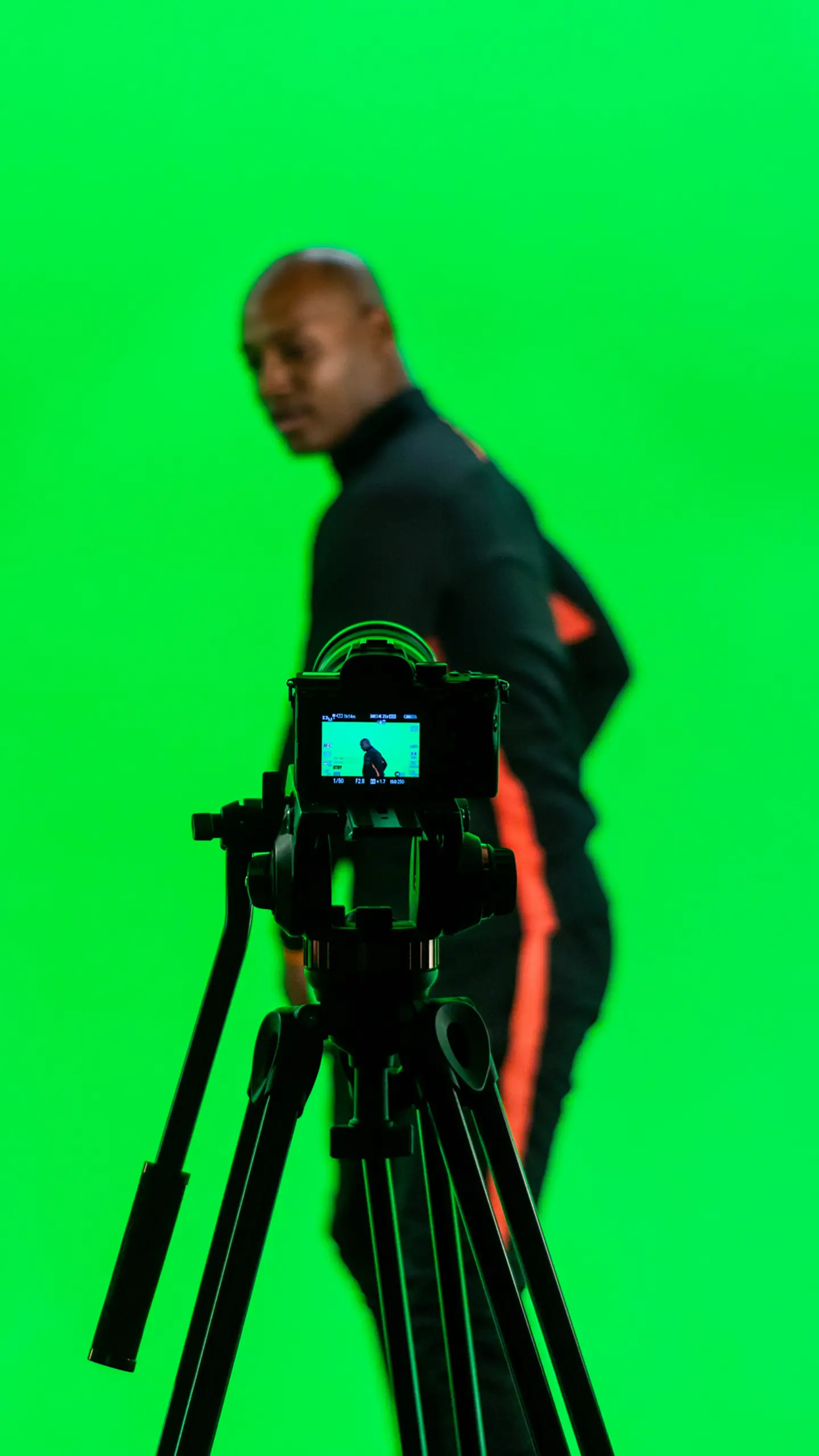
One of the most valuable benefits of AI is auto-formatting. Once a master video is uploaded, AI tools can instantly reframe and resize it for any platform. For example, a 16:9 horizontal video for YouTube can be cropped and centered to become a vertical video for Instagram Reels or TikTok. The AI automatically identifies the visual focus—like a speaker’s face or a product demo, and adjusts the frame accordingly, saving creators from having to manually redo the same edits for each channel.
AI tools also streamline subtitle generation and translation, which are critical for accessibility and international reach. With just a click, video content can be subtitled in multiple languages using AI speech recognition.
This eliminates the need for manual transcription and costly third-party translation services, making it easier to localize content for global campaigns. These features are especially useful for international video & audio live streaming events or product launches that need rapid post-event recaps across markets.
In the realm of web, AI’s integration with web development, web hosting, and web maintenance platforms is growing fast. Brands can now auto-embed optimized video content on their websites that adjusts in resolution, file size, and even thumbnail selection based on user device and connection speed. This results in faster load times, higher engagement, and better SEO performance.
Marketing teams that rely on content creation strategies are also using AI to version and distribute video automatically based on audience segmentation. For instance, different versions of the same ad can be served to different user groups, executives, creatives, Gen Z, or parents, each with slight changes in music, pace, or messaging, all rendered automatically.
This level of customization used to require multiple video editors and weeks of work. Now, with AI, it happens in minutes. Multi-platform distribution has gone from being a bottleneck to a competitive advantage. Brands that adopt AI editing aren’t just reaching more people, they’re reaching the right people, in the right format, at the right time.
Overcoming Skepticism: Addressing Concerns Around AI Editing
Despite its growing popularity, AI video editing still faces skepticism from creatives, agencies, and brands alike. Concerns often revolve around creativity, control, ethics, and accuracy. Can a machine understand storytelling? Will AI strip away the human touch from emotionally resonant campaigns? These are valid questions, but the reality is more nuanced. When used responsibly, AI becomes a powerful creative ally, not a threat.
One major concern is that AI lacks emotional intelligence, that it cannot understand the subtlety required in crafting compelling brand stories. But AI doesn’t operate in a vacuum. It learns from thousands of hours of human-edited content and recognizes patterns that typically resonate with audiences.
This means it can propose cuts, sequences, and transitions that are likely to perform well, especially in fast-paced advertising environments. Still, it’s the human editor who makes the final call, guiding the AI and fine-tuning results. In this sense, AI is a collaborator, not a replacement.
Ethical concerns also surface around bias and content misuse. Since AI models learn from preexisting data, they may unintentionally replicate stereotypes or misrepresentations. To mitigate this, leading platforms are building transparency tools and bias-detection algorithms directly into their systems. Creators, especially those involved in creative marketing and artist management & media creation, must stay proactive in reviewing AI outputs to ensure messages are inclusive and responsible.
Another common worry is loss of control. Traditional editors are used to making precise, frame-by-frame decisions, and fear that AI automation may feel like handing over the creative wheel. However, most AI platforms are customizable. Editors can input style preferences, brand guidelines, or visual examples, and the AI will follow suit. This not only enhances workflow but ensures the final product aligns with brand identity and emotional goals.
Even technical accuracy can be a concern, particularly when AI handles film & TV production or client-facing commercial content. But today’s tools have advanced to the point of detecting continuity issues, correcting poor lighting, and stabilizing shaky footage, all faster than manual review. Plus, innovations in audio engineering help clean dialogue, reduce background noise, and adjust levels without professional sound booths.
In short, the skepticism surrounding AI is natural, but it’s often based on outdated assumptions. AI is not here to replace creatives; it’s here to elevate their work. When used with intention and oversight, it delivers faster results, reduces burnout, and unlocks creative possibilities that traditional workflows simply can’t match.
Conclusion
AI video editing isn’t the future, it’s already transforming how brands create, scale, and deliver content. If your business wants to stay competitive, now is the time to adopt smarter, faster tools that streamline production and elevate storytelling.
Whether you’re launching a product, running political campaigns, or building out social-first content, AI can supercharge your entire workflow. At C&I Studios, we combine creativity with technology to deliver next-level results.
Explore our portfolio, discover our full range of services, or get in touch to see how we can help you bring your vision to life.
Related Reading
Harnessing AI to Analyze Consumer Behavior and Optimize Campaigns
Harnessing AI to Analyze Consumer Behavior and Optimize Campaigns
Artificial intelligence is rapidly reshaping how brands connect with their audiences. By automating complex data analysis, AI allows marketers to uncover patterns in consumer behavior that were previously invisible. This shift is enabling a new level of precision in understanding what drives customer decisions, from preferences to timing and intent.
As digital interactions grow more nuanced, the ability to interpret and act on this behavioral data has become essential. Marketers are no longer guessing, they’re learning, adapting, and optimizing in real time. In this evolving landscape, the fusion of creativity and intelligent technology is setting a new standard for campaign performance.
The Role of AI in Modern Marketing
Artificial intelligence is no longer a futuristic concept, it is a foundational element in today’s marketing ecosystem. As brands compete for consumer attention in a saturated digital environment, AI provides the analytical power and automation necessary to break through the noise. It enables businesses to move from reactive strategies to proactive, insight-driven decision-making. This transition is transforming everything from planning to execution, making campaigns more precise, relevant, and effective across multiple platforms.
AI-powered tools are designed to interpret massive datasets at speeds that are impossible for human teams to replicate. These tools can analyze behavioral trends, segment audiences in real time, and deliver tailored messaging based on individual preferences. By leveraging machine learning algorithms, marketers can track patterns in engagement, identify emerging interests, and forecast how different segments are likely to respond to specific campaigns. This kind of granularity is essential for building smarter, data-backed strategies that reflect real-world behavior, not assumptions.
One of the most valuable contributions of AI is its role in improving social media marketing. With real-time sentiment analysis, marketers can instantly gauge how users feel about a brand, product, or campaign and adjust messaging accordingly. AI can also recommend optimal posting times, automatically generate hashtags, and even suggest content themes based on trending topics, giving social teams an edge in engagement.
In the realm of content creation, AI assists in generating copy variations, video scripts, and personalized recommendations that align with audience preferences. This doesn’t mean replacing human creativity, it means supercharging it. Writers and designers can focus on high-impact ideas while AI handles repetitive or data-heavy tasks, reducing production time without compromising quality.
For agencies offering media marketing consult services, AI unlocks advanced forecasting models and competitive analysis. These insights help refine positioning and suggest budget allocations based on performance probabilities. AI empowers consultants to back their recommendations with concrete data, elevating the trust and effectiveness of their strategies.
Even technical fields like web development are seeing AI-driven advancements. From predictive user flows to heatmap generation and automated SEO improvements, AI is helping developers build smarter, faster, and more intuitive web experiences. This ultimately improves conversion rates and user satisfaction across devices.
In summary, AI is not just an enhancement to existing marketing practices, it is a driving force behind a smarter, more personalized, and results-oriented marketing future.

Decoding Consumer Behavior with AI
Understanding what makes a customer click, buy, or bounce has always been a central challenge in marketing. Artificial intelligence is now solving that challenge by breaking down consumer behavior into actionable insights. Instead of relying on assumptions or outdated demographic models, AI systems dig deep into real-time data, capturing browsing patterns, purchase history, click sequences, dwell time, location data, and even sentiment from online reviews and social media comments. This level of precision allows brands to see the full picture of how consumers think, feel, and act across platforms.
By interpreting this massive volume of behavioral data, AI constructs dynamic psychological profiles for each individual user. These profiles go far beyond surface-level identifiers like age or location. They include preferences, motivations, emotional triggers, and even predictive behaviors.
For example, a consumer who frequently engages with eco-conscious products and reads sustainability blogs may be tagged by the system as someone who responds well to ethical messaging or low-waste product packaging. This allows marketers to tailor messaging that feels personal, timely, and highly relevant.
In fields like branding & graphic design, AI insights are a game-changer. Designers no longer have to guess what visual styles resonate with their target audiences. Instead, AI analyzes which colors, layouts, and formats generate the most engagement from specific segments. This data-driven feedback loop helps brands create visual identities that evolve alongside consumer preferences.
The same goes for SEO copywriting, where AI can identify which tone, structure, and keywords appeal to different behavioral types. Whether it’s an emotionally-driven call to action or an information-heavy product description, copywriters can craft messaging that speaks directly to what a specific user is looking for in that moment.
These psychological insights are also fueling next-level creative marketing campaigns. When brands know exactly what makes their audiences tick, they can produce content that feels intuitively right. AI enables segmentation not just by who the customer is, but by how they behave across devices, platforms, and time zones. This empowers marketers to send highly targeted emails, run personalized ads, and even adjust website content dynamically based on user intent.
In immersive formats like video & audio live streaming, AI can suggest when to go live, what type of content to feature, and how to structure segments to retain attention. This ensures the content aligns with real-time behavioral data, not guesswork. Ultimately, AI is turning raw behavioral signals into strategic blueprints for more intelligent, more human-centered marketing.
Personalization at Scale: AI-Driven Campaign Design
Traditional marketing treated audiences as groups. Today, artificial intelligence allows marketers to treat each consumer as an individual, without sacrificing scale. This is the power of AI-driven campaign design: the ability to create personalized experiences for thousands or even millions of people, all tailored in real time based on data. It starts with behavioral segmentation, where AI clusters users not just by age or geography, but by how they browse, what they click, and what motivates their decisions.
Using these segments, marketers can tailor everything from email content to landing page design based on a user’s past behavior. A returning visitor who watched a product demo video but didn’t buy might receive an exclusive offer in their inbox, while a new visitor could be served an educational article. AI takes in the context of each interaction and determines the most relevant next step for that specific user, this is real-time personalization in action.
In the world of TV show pitching, this level of targeting is crucial. Streaming platforms rely on AI to understand what kinds of shows each viewer gravitates toward, allowing them to deliver hyper-relevant recommendations and trailers. Marketers in this space use similar insights to pitch their series to the right niche audiences, increasing the chances of immediate engagement.
In visual-centric industries like professional photography and documentary film production, AI can analyze which visual formats or themes are resonating with different demographics. If a user engages more with behind-the-scenes content or emotionally-driven storytelling, the system learns this and adjusts the messaging or creative direction accordingly. The same principle can be applied to broader campaigns, whether it’s a digital ad or a YouTube pre-roll, ensuring each viewer sees something that reflects their taste and attention span.
When it comes to social media marketing, AI excels in customizing not just what users see, but when and how they see it. From automated caption testing to audience-based A/B creative variations, campaigns can be rolled out with dozens of personalized paths, all optimized for engagement and conversion. The end result is a campaign ecosystem that feels deeply personal to the audience, yet is fully automated and scalable on the back end.
Personalization at scale is no longer a nice-to-have, it’s a requirement in the era of intelligent marketing. With AI at the core, brands can meet consumers exactly where they are, delivering messaging that feels made for them, every single time.
Predictive Modeling and Campaign Optimization
At the heart of modern marketing is the ability to not just react to consumer behavior, but to anticipate it. Predictive modeling, powered by artificial intelligence, enables marketers to forecast future actions based on past patterns. This allows campaigns to be optimized before they even launch.
AI analyzes vast amounts of historical data, from click, through rates and engagement metrics to purchase behavior and content consumption, and then builds models that predict how different audiences will respond to various types of messaging.
These models are incredibly valuable when making key campaign decisions. For instance, AI can determine which type of video production content is most likely to convert a cold lead versus what works best for an already engaged subscriber. It can suggest that a short-form explainer video will outperform a product demo for mobile viewers, or that user-generated content might generate better retention in a loyalty campaign. Marketers no longer have to rely on intuition alone; the data provides a clear roadmap for what will perform best.
In high-investment industries like film & TV production, predictive modeling is transforming how projects are marketed. AI can forecast the ideal release windows for trailers, optimize ad placements, and even predict which themes or narratives will resonate most with specific audiences. This is especially useful for studios managing multiple releases and needing data-driven justification for budget allocation or creative direction.
Predictive analytics also informs technical execution. For example, in web hosting environments, AI can anticipate traffic spikes and adjust server resources dynamically during campaign launches. This ensures that performance remains smooth even during peak engagement, an essential factor in keeping bounce rates low and conversion rates high.
Another crucial application is in feature film mastering & delivery, where predictive systems assess file types, audience behavior, and platform constraints to recommend the best formats and distribution strategies. AI models can optimize delivery schedules and localization strategies based on past engagement data across regions.
Perhaps the most practical use of predictive modeling is in A/B testing and iterative campaign learning. AI can run dozens of versions of a campaign simultaneously, gather real-time feedback, and automatically pivot toward the top-performing variants. This rapid experimentation cycle not only saves time but also continuously sharpens the campaign strategy with every interaction.
In essence, predictive modeling transforms marketing from a guessing game into a precision operation, guiding decisions with statistical confidence and adapting to audience behavior faster than any human team could.
AI-Powered Tools Transforming the Game
The rise of artificial intelligence has sparked a revolution in marketing technology, with a growing ecosystem of tools that streamline and elevate every aspect of campaign execution. From content planning to budget optimization and granular audience segmentation, AI-powered platforms are reshaping how marketing teams operate. These tools not only improve efficiency but also allow for creative innovation rooted in data.
Google AI remains a cornerstone of digital marketing automation. Its predictive algorithms help advertisers target the right audience with the right message at the right time. Google’s AI integrates seamlessly with its advertising ecosystem, suggesting keyword strategies, allocating budgets dynamically, and optimizing bids for maximum return. For teams managing complex campaigns, this drastically reduces the guesswork involved in targeting and spend allocation.
Adobe Sensei is another industry leader, especially valued for creative workflows. It supports designers, editors, and marketers by automating time-consuming tasks like asset tagging, layout suggestions, and performance forecasting. In areas such as VFX compositing & animation, Adobe Sensei helps streamline the post-production process by identifying visual patterns and offering intelligent design suggestions. For teams working on motion graphics or commercial edits, this tool acts like a creative partner that understands both design and user behavior.
HubSpot AI enhances campaign orchestration through smart automation. Its tools segment contacts based on behavior, personalize content delivery, and even generate optimized subject lines or blog topics using performance data. With integrations across email, CRM, and social platforms, HubSpot enables real-time campaign pivots and unified customer journeys. It’s especially powerful for planning multi-touch sequences and aligning messaging with where customers are in the funnel.
In fields like video production gear selection, AI is now helping teams determine the optimal setup based on the intended format, lighting conditions, and budget constraints. Smart gear recommendations and predictive maintenance alerts allow production teams to minimize downtime and maximize output quality.
AI also plays a role in audio engineering, where tools can now auto-correct levels, clean background noise, and match tones across recordings, cutting post-production time dramatically. For marketing teams focused on podcasts, ads, or multimedia storytelling, these AI-driven tools offer speed without sacrificing precision.
On the technical side, web maintenance platforms are also embracing AI. Automated systems now monitor uptime, suggest SEO improvements, and flag security vulnerabilities in real time, ensuring that campaign landing pages remain fast, safe, and optimized throughout the user journey.
Together, these AI-powered platforms are not just tools, they’re becoming indispensable collaborators, pushing both creative boundaries and operational efficiency in equal measure.

Use Cases Across Industries
Artificial intelligence is not confined to a single sector, it’s making waves across industries by enabling smarter, faster, and more relevant marketing. From retail giants to political candidates, businesses and organizations are using AI to sharpen messaging, predict behavior, and boost performance. The results are tangible and measurable, proving that AI isn’t just a tool, it’s a strategic advantage.
In retail, brands like Sephora and Amazon use AI to power product recommendations, personalize website experiences, and optimize inventory based on predicted demand. AI-driven chatbots handle customer service queries in real time, while algorithms suggest personalized emails and offers based on browsing and purchase history. This level of one-to-one marketing at scale would be impossible without machine learning models working behind the scenes.
In entertainment, especially video production and streaming services, AI determines what content gets greenlit and how it’s promoted. Netflix, for example, uses AI to analyze viewer behavior and determine which thumbnails, trailers, and titles will increase engagement. Studios also use predictive tools to identify which genres or storylines are trending. This data informs investment decisions, advertising strategies, and even script development.
Political campaigns are increasingly powered by AI to deliver hyper-targeted messaging. Voter sentiment analysis, predictive turnout modeling, and real-time social media monitoring allow campaign teams to adapt narratives instantly. AI can segment voters based on issue priorities and personalize content across SMS, email, and digital ads. The Obama and Trump campaigns both leveraged early forms of this tech, but today’s tools are exponentially more advanced, allowing for faster decision-making and far greater reach.
In the realm of documentary film production, AI assists in organizing archival footage, transcribing interviews, and even suggesting narrative arcs based on topic modeling. Editors can now use AI tools to detect emotional tones in interviews or highlight key moments automatically. These insights allow filmmakers to build compelling, data-informed narratives that resonate deeply with audiences.
B2B companies are also seeing strong returns from AI. Predictive lead scoring, automated follow-ups, and intelligent content recommendations improve pipeline velocity and close rates. AI helps with branding & graphic design by analyzing engagement data and suggesting visual elements that perform best within specific sectors or markets.
For agencies handling artist management & media creation, AI helps predict audience growth, suggest collaboration opportunities, and optimize content delivery across platforms. Whether it’s building a brand for a new artist or scaling a campaign for a corporate client, AI provides the intelligence needed to make creative work more impactful and measurable.
Ethical Considerations and Data Privacy
As artificial intelligence becomes more embedded in marketing strategies, concerns around data privacy and ethical usage have taken center stage. While AI offers incredible capabilities for personalization and campaign optimization, it also introduces new responsibilities for marketers. The power to collect, analyze, and act on user data must be balanced with a commitment to transparency, consent, and regulatory compliance.
One of the main ethical dilemmas is the extent to which personal data is collected and how it is used. AI systems often process sensitive information, browsing habits, purchase history, location data, even voice or facial recognition inputs. If this data is gathered without clear consent or used in ways consumers don’t understand, it can erode trust and lead to backlash. To maintain integrity in creative marketing, brands must prioritize ethical AI practices that put user rights first.
This is where regulations like the General Data Protection Regulation (GDPR) in Europe come into play. GDPR requires companies to be transparent about the data they collect, how it’s used, and to provide users with the ability to opt out. Compliance isn’t just about avoiding fines; it’s about showing consumers that their data is being handled responsibly. For marketers offering media marketing consult services, it’s essential to build strategies that honor these legal frameworks while still leveraging the power of AI.
One best practice is anonymization, stripping data of personally identifiable information while still allowing AI systems to recognize behavioral patterns. This protects user identity while enabling effective targeting. Another is data minimization, collecting only the data necessary for a specific purpose rather than casting a wide net. These safeguards reinforce ethical standards and can be built directly into the campaign workflow.
Transparency is also critical. Brands should clearly communicate how data is used, especially when it fuels content creation, ad personalization, or website tracking. Consumer education through privacy policies, opt-in notices, and real-time alerts builds credibility and allows users to make informed choices.
Even web hosting providers are now stepping up to offer built-in compliance tools such as cookie management systems, consent banners, and encrypted data storage. These technical safeguards help marketers implement campaigns that are both powerful and privacy-conscious.
Ultimately, using AI responsibly isn’t just a legal obligation, it’s a moral one. By designing strategies that value both performance and protection, marketers can foster long-term trust, drive engagement, and uphold the ethical future of intelligent marketing.
Conclusion
Artificial intelligence has become an essential force in modern marketing, offering the ability to decode consumer behavior and optimize campaigns with precision. When paired with human creativity, AI transforms raw data into compelling, high-performing strategies that resonate deeply with audiences. This balance is what drives success in today’s digital-first world.
At C&I Studios, we specialize in blending storytelling and strategy across our full range of services, from digital campaigns to full-scale film & TV production. If you’re ready to take your next project to the next level, contact us and let’s create something impactful together.
Related Reading
The Future of Feature Film Production: Trends and Innovations in the Industry
The Future of Feature Film Production: Trends and Innovations in the Industry
Feature film production is evolving faster than ever, fueled by rapid technological advancements that are reshaping the way stories are told and experienced. The digital transformation has had a profound impact on film & TV production, opening up new creative possibilities and streamlining workflows across every stage of the filmmaking process.
Emerging trends in VFX compositing & animation, video production gear, and content creation are redefining the future of feature film production. Technologies like AI, virtual production, and innovative storytelling methods are enabling filmmakers to create immersive, dynamic, and interactive cinematic experiences that captivate modern audiences.
How AI and Automation Are Transforming Feature Film Production
Artificial intelligence is playing a pivotal role in feature film production, revolutionizing both video production and post-production processes. From automating tedious tasks like editing, color grading, and sound design to assisting with script analysis and SEO copywriting, AI empowers filmmakers to focus more on the creative aspects of their projects.
In particular, AI-assisted feature film mastering & delivery has streamlined post-production workflows. Tools can automatically optimize audio levels and adjust color grading to match the director’s vision, ensuring a polished final product that meets industry standards.
Beyond the production set, AI’s role extends into media marketing consulting strategies. By analyzing vast amounts of data, AI-driven analytics provide insights into audience engagement, helping filmmakers craft more effective marketing campaigns and better target their intended viewers.
Virtual Production and LED Stages: A New Era for Feature Films
Virtual production marks one of the most significant shifts in feature film production technology. By replacing traditional green screens with immersive LED stages, filmmakers can create dynamic, real-time environments that enhance performances and streamline VFX compositing & animation processes.
The Benefits of Virtual Production Technology
Using LED stages allows for real-time rendering of backgrounds and visual effects, reducing the need for extensive post-production work. Video production gear, including high-resolution cameras and motion capture systems, plays a vital role in capturing stunning visuals within these virtual environments.
Case studies, like The Mandalorian, showcase how major productions are leveraging virtual production to achieve groundbreaking visuals while reducing reliance on location shoots. This method not only shortens production timelines but also offers greater creative flexibility.
Independent Filmmaking and Streaming Platforms: New Opportunities in Feature Film Production
Streaming platforms like Netflix, Hulu, and Amazon Prime Video are transforming traditional feature film production and distribution models. Independent filmmakers now have more opportunities than ever to reach global audiences without relying on major studios.
Documentary film production, in particular, has thrived in this new landscape, with streaming services heavily investing in original nonfiction content. Filmmakers are also utilizing crowdfunding platforms and social media marketing strategies to fundraise, build loyal audiences, and promote their films effectively.
Strong web hosting and consistent web maintenance have become crucial for filmmakers who want to ensure their content is accessible and performing optimally on various streaming and digital platforms.
Innovations in Cinematography, Audio Engineering, and Production Gear
The evolution of feature film production is closely tied to advancements in video production gear and sound technologies. High-resolution cameras (4K, 8K) and drone cinematography have become essential tools, offering filmmakers sharper images, dynamic aerial footage, and greater storytelling flexibility.
In audio engineering, technologies like 3D audio and spatial sound are enhancing viewer immersion by creating realistic, three-dimensional soundscapes. This is particularly important for action films, horror, and science fiction, where sound is crucial to the storytelling experience.
AI-driven audio post-production tools are also streamlining tasks like noise reduction and mastering, allowing sound engineers to focus on the creative dimensions of their mixes.
Branding, Marketing, and Artist Management in Feature Film Production
Strong branding & graphic design have become critical to the success of modern feature film production. Eye-catching logos, movie posters, and promotional materials help films establish a unique identity and capture the attention of audiences in an oversaturated market.
Creative marketing strategies, such as social media campaigns and influencer partnerships, are helping films break into international markets. Meanwhile, artist management & media creation agencies play an essential role in assembling talented creative teams, ensuring that filmmakers have the right collaborators to bring their visions to life.
Conclusion: The Ongoing Evolution of Feature Film Production
The future of feature film production is filled with exciting possibilities. As technology continues to advance, filmmakers have more tools than ever to tell compelling, innovative stories. From AI-driven workflows and virtual production techniques to new opportunities through streaming platforms and evolving marketing strategies, the industry is undergoing a transformation that empowers creators at every level.
Staying ahead of these trends is crucial for filmmakers, studios, and production companies aiming to succeed in a rapidly changing landscape. By embracing new technologies and creative approaches, feature film production will continue to captivate audiences and redefine what’s possible in storytelling.
If you’re looking for expert support with your next feature film project — from concept to post-production — contact us today. Our team specializes in delivering innovative, high-quality production services that bring your vision to life.
Related Reading
Best Practices for Color Grading in Feature Film Mastering

Public Sector
Best Practices for Color Grading in Feature Film Mastering
Color grading is the process of adjusting and enhancing the colors in a film to achieve a desired look or mood. It plays a crucial role in feature film mastering & delivery, ensuring that the visuals align with the director’s vision and support the storytelling.
By manipulating hues, contrasts, and brightness, color grading enhances the mood and emotional tone of a scene, elevating the overall visual appeal in film & TV production.
VFX compositing & animation work in tandem with color grading to create immersive and visually striking effects. Professional tools, techniques, and expertise in video production are essential to achieving high-quality, polished results.
The Importance of Color Grading in Feature Films
Color grading plays a pivotal role in feature film mastering & delivery, shaping the way the audience perceives a film. By adjusting the color balance, saturation, and contrast, color grading can evoke specific emotional responses, enhancing the overall narrative experience.
For instance, a warmer tone might evoke comfort and nostalgia, while cooler tones can create a sense of detachment or unease. This emotional engagement is crucial in film & TV production, where visual storytelling and mood are often as important as the narrative itself.
The difference between color correction and color grading in content creation is essential for understanding their roles in filmmaking. Color correction is the process of adjusting the raw footage to match a consistent color temperature and correct exposure issues.
On the other hand, color grading goes a step further by creatively manipulating colors to reflect the desired mood and aesthetic of the film. It’s an artistic process that transforms the visual tone, enhancing the viewer’s emotional connection to the story.
Different genres make distinct use of color palettes to enhance their themes and atmospheres. For example, horror films often employ desaturated or dark tones with hints of red or green to create tension and unease. In drama, warm tones may be used to evoke intimacy and emotion, while sci-fi often relies on cooler, more futuristic hues to reflect advanced technology or alien environments. The careful use of color palettes in each genre helps guide the audience’s emotional journey and adds depth to the visual experience.
Professional photography plays a key role in creating reference images for color grading. Cinematographers often capture test shots that serve as benchmarks for the desired look.
These reference images provide a foundation for the colorist to begin their work, ensuring consistency and alignment with the director’s vision. By using professional photography, filmmakers ensure that color grading aligns with the overall aesthetic goals of the production, ultimately enhancing the visual storytelling process.
Essential Tools and Software for Color Grading
Several industry-standard tools are essential for color grading, each offering unique features and capabilities. DaVinci Resolve is widely regarded as one of the most powerful color grading platforms, providing advanced features such as precise control over color wheels, curves, and masks.
Adobe Premiere Pro is another popular tool, offering integration with other Adobe products and a user-friendly interface for those looking to create high-quality grades without a steep learning curve. Baselight is a professional-grade software often used in larger productions, offering cutting-edge features for colorists working on high-end films and television shows.
VFX compositing & animation software integrates seamlessly with color grading tools, allowing colorists to fine-tune and enhance visual effects. This integration ensures that the final grade complements the visual effects, whether it’s compositing multiple shots together or adding complex animation. By syncing color grading with VFX compositing & animation, filmmakers can create a cohesive visual experience that ties together the live-action footage and digital effects.
The importance of video production gear for accurate color capture cannot be overstated. High-quality cameras and monitors are crucial for ensuring that the color information recorded is true to the filmmaker’s vision. Video production gear that offers high dynamic range (HDR) and accurate color representation allows for a more precise and consistent grading process, which is essential for achieving a polished final product.
Finally, audio engineering plays a role in maintaining a consistent audio-visual balance. As color grading enhances the visual impact of the film, audio engineering ensures that the sound matches the mood and tone set by the visuals.
A balanced audio-visual experience helps maintain immersion and reinforces the emotional tone of the film, making both elements work in harmony to enhance the audience’s engagement with the story. In feature film mastering & delivery, achieving this balance is critical to creating a professional-quality product.
The Science Behind Color Theory in Film
Color theory plays a fundamental role in film & TV production, as it has a profound impact on audience perception and emotional engagement. Color psychology is the study of how colors influence our emotions and behaviors.
In filmmaking, directors and colorists use this knowledge to evoke specific feelings in the audience, from warmth and comfort to tension and unease. For instance, red can signify danger or passion, while blue might evoke calmness or sadness. By strategically using color, filmmakers can enhance storytelling and guide the emotional journey of the audience.
The principles of branding & graphic design are directly applicable to film color grading. Much like how brands use color schemes to create a strong, recognizable identity, filmmakers use color grading to craft a visual style that aligns with the narrative and tone of the film.
Colors help reinforce the themes of the film and make it more memorable. Just as brands carefully select their color palettes to convey a particular image or message, filmmakers choose specific hues to underline the message and mood of the story.
In the context of political campaigns and commercials, color grading is used strategically to influence how the audience perceives the message. For example, patriotic colors like red, white, and blue are often used in political campaigns to evoke feelings of trust and loyalty.
Similarly, commercials use color to elicit a desired emotional response, such as using bright, vibrant colors to convey excitement and energy, or soft pastels to promote calmness and relaxation.
Common color schemes include complementary, monochromatic, and analogous palettes. A complementary palette uses colors opposite each other on the color wheel, such as red and green, to create contrast and make elements stand out.
A monochromatic palette utilizes varying shades of a single color, creating harmony and simplicity. An analogous palette, on the other hand, uses colors next to each other on the color wheel, providing a sense of unity and coherence. These color schemes are essential tools for colorists in creating a visually cohesive and emotionally resonant film.
Best Practices for Achieving a Cinematic Look
Achieving a cinematic look in film requires attention to detail, and one of the most important tools in this process is LUTs (Look-Up Tables). LUTs are essential for ensuring consistency in color grading across different shots and scenes.
By applying a LUT, filmmakers can maintain a cohesive visual style, even if the shots were captured under different lighting conditions. This is especially important in film & TV production, where continuity and consistency in visual aesthetics are crucial to maintaining the audience’s immersion in the story.
The role of feature film mastering & delivery in ensuring color accuracy across platforms cannot be understated. During the mastering process, the final color grade is adjusted to ensure that it appears accurately on various devices and in different environments.
Whether the film is being projected in a theater, watched on home television, or streamed online, feature film mastering & delivery ensures that the color grading remains consistent and true to the filmmaker’s vision. This process guarantees that the visual integrity of the film is preserved, regardless of how it is viewed.
Balancing contrast, saturation, and exposure is also key to achieving a polished and professional cinematic look. Too much contrast can make the image harsh and difficult to watch, while too little contrast can make the film feel flat and unengaging.
Similarly, the right level of saturation helps create vibrancy without overwhelming the viewer, and proper exposure ensures that details are visible in both highlights and shadows. These elements must be carefully balanced to create a visually pleasing and dynamic look.
Media marketing consult services play a vital role in aligning film visuals with marketing strategies. By ensuring that the film’s aesthetic matches the branding of the marketing campaign, creative marketing can amplify the film’s appeal. For instance, the colors and mood established in the film’s visuals must align with the promotional materials to create a cohesive brand image. This alignment is crucial for attracting the target audience and ensuring the film’s success across various platforms.
Matching Color Grading to Genre and Theme
Color grading is a powerful tool in film & TV production, helping to shape the mood, tone, and overall aesthetic of a film. In documentary film production, the goal is typically to maintain realism and authenticity.
As a result, the color grading is often more subtle and natural, with an emphasis on preserving the true colors of the environment and people. This approach allows the audience to connect emotionally with the subject matter without feeling manipulated by the visuals. In contrast, scripted films have more flexibility in their grading style, as color grading is used to enhance the artistic vision and narrative direction.
In action films, high-contrast grading is often used to amplify the intensity and drama of fast-paced sequences. The sharp contrast between light and shadow helps emphasize the action and adds a sense of urgency to the visuals.
On the other hand, dramas typically utilize more muted tones to evoke a sense of calm or introspection, allowing the focus to remain on the characters and their emotions. These grading choices are carefully crafted to align with the story and to evoke the intended emotional responses from the audience.
Video & audio live streaming also benefits from real-time color adjustments, especially during live broadcasts. In live events, lighting conditions can change quickly, and video & audio live streaming requires on-the-fly adjustments to ensure that the visual elements remain consistent and high-quality. Whether it’s adjusting exposure for a bright outdoor scene or modifying contrast during a darker moment, these real-time tweaks ensure that the audience enjoys a smooth and visually appealing experience.
Case studies of popular films demonstrate how effective color grading can enhance storytelling. For example, Mad Max: Fury Road utilized high-saturation color grading to create a vivid, intense world, while The Revenant used muted, earthy tones to evoke a raw, immersive wilderness experience. These examples show how color grading can be used as a storytelling tool, helping to enhance the visual language of the film.
Color Grading for Different Distribution Platforms
Color grading must often be adjusted depending on the distribution platform, as different mediums display visuals in varying ways. For a theatrical release, the color grading is typically optimized for the large, high-resolution screens found in movie theaters. This means that the grading might feature more saturated colors and a greater range of contrast to take full advantage of the cinematic experience.
However, for streaming platforms, adjustments are needed to ensure that the colors look just as vibrant on home televisions, laptops, and mobile devices. Streaming platforms often have different technical specifications and color grading must be adapted to account for the various screen sizes and resolutions.
The role of web development is critical when optimizing visuals for digital content. Proper web development ensures that film assets, including color-graded footage, are displayed accurately across different digital platforms.
Responsive web design is key to ensuring that content scales appropriately, maintaining the intended look of the visuals regardless of screen size. With the rise of high-definition and 4K streaming, web developers play an integral role in ensuring that films and TV shows look sharp and consistent on digital devices.
Web hosting and web maintenance also contribute to maintaining high-quality film assets. High-quality web hosting ensures that digital content, including film assets, loads quickly and maintains visual integrity during streaming. Regular web maintenance ensures that any technical issues, such as pixelation or slow load times, are addressed promptly, preserving the viewing experience.
Feature film mastering & delivery ensures that the final version of a film meets the required specifications for different platforms. This includes color grading adjustments for the specific characteristics of each distribution method, ensuring that the film retains its visual integrity, whether viewed in a theater or streamed online.
Emerging Trends in Color Grading
The world of color grading is evolving rapidly with the rise of AI-powered color grading tools and automation. These advanced technologies are streamlining the process of color grading by automatically adjusting exposure, contrast, and color balance to achieve the desired look. AI tools can analyze footage and apply preset styles or adjust color grading based on the mood or tone of the scene, saving colorists valuable time. This technology also helps smaller productions achieve high-quality results without requiring a highly experienced colorist. As these tools continue to improve, they will play a key role in film & TV production, enabling more consistent and efficient color grading.
The integration of HDR (High Dynamic Range) is another significant trend in modern film & TV production. HDR enhances the contrast between the lightest and darkest areas of the image, allowing for more detailed and vibrant visuals.
This technology has become increasingly popular in feature films, TV shows, and streaming content, providing a more immersive viewing experience. With HDR, filmmakers can bring out rich details in shadows and highlights, making the visuals pop. As more devices support HDR, it’s becoming a standard for high-end productions, and feature film mastering & delivery ensures that the final product is optimized for the best possible display.
In today’s digital landscape, SEO copywriting plays a crucial role in promoting color grading services. As the demand for high-quality color grading increases, businesses offering these services must leverage SEO strategies to reach potential clients. Well-optimized website content with relevant keywords helps these businesses get noticed by filmmakers, production companies, and content creators searching for color-grading solutions.
TV show pitching also benefits from strong visual aesthetics, including excellent color grading. A well-executed color grade can help set the tone and visual identity of the show, making it more appealing to networks and streaming platforms. When pitching a new TV show, having polished, high-quality visuals that demonstrate an understanding of color grading can make a significant difference.
Conclusion
Color grading is a critical component of professional feature film mastering & delivery, ensuring that visuals align with the director’s vision and maintain consistency across platforms. Achieving superior color consistency requires high-quality video production gear and expert branding & graphic design to create a cohesive visual identity.
Filmmakers should invest in professional creative marketing and media marketing consult services to refine their brand and reach a broader audience. For expert film & TV production services, visit C&I Studios. Explore branding & graphic design, content creation, and more at our services.
View our past film & TV production work in our portfolio. Need professional guidance? Contact us at C&I Studios.
The Role of Brand Guidelines: Ensuring Consistency and Clarity
Brand guidelines are a set of rules and standards that define how a company’s brand should be presented across all platforms. They are crucial for maintaining consistency, ensuring that every piece of content reflects the company’s values and identity. Branding & graphic design play a key role in creating a visual identity that resonates with the audience, helping to establish trust and recognition.
Well-structured brand guidelines are essential for content creation and creative marketing, providing a foundation for cohesive messaging. Furthermore, social media marketing relies on these guidelines to maintain consistency across various platforms, ensuring the brand’s message remains unified and strong.
What Are Brand Guidelines?
Brand guidelines are a set of rules and standards that govern how a company’s brand should be represented visually and verbally. They serve as a comprehensive framework, ensuring consistency in messaging, design, and tone across all platforms and communication channels.
Core components of brand guidelines typically include logo usage, color palette, typography, and tone of voice. For businesses, from video production companies to political campaigns, brand guidelines are essential in maintaining a unified and professional identity. These guidelines set the foundation for how a company presents itself, ensuring that every piece of content resonates with its target audience.
Branding & graphic design play a pivotal role in shaping the visual identity of a business. A well-designed logo, consistent color schemes, and the appropriate use of typography all contribute to creating a cohesive and recognizable brand. These elements help form the backbone of a company’s identity, making it instantly identifiable and fostering trust among customers. Brand guidelines are distinct from brand identity.
While brand identity refers to the visual elements and messaging that define a company, brand guidelines outline how these elements should be used to maintain consistency and clarity. This distinction is crucial for companies to ensure their branding remains coherent across various platforms, from digital media to physical marketing materials.
For political campaigns, where every message is critical, having clearly defined brand guidelines ensures that all communications remain aligned with the campaign’s values and objectives. Likewise, for businesses focused on creative marketing, clear guidelines help maintain a consistent message that engages the target audience and builds brand loyalty.
Key Elements of Brand Guidelines
Effective brand guidelines cover several key elements to ensure a consistent and professional brand presence. Logo usage is one of the most critical components, defining how and where the logo should be applied, as well as the necessary spacing and variations. Consistent and correct logo usage helps ensure that the brand is always presented clearly and professionally, whether on a website, marketing materials, or social media profiles.
Another essential aspect of brand guidelines is the color palette. Defining primary and secondary brand colors ensures consistency in visual design, allowing for a cohesive brand appearance across all platforms. Colors evoke emotions and associations, so choosing the right palette is vital for communicating the right message and fostering brand recognition.
Similarly, typography plays an important role in brand identity, with guidelines specifying the fonts to be used across digital and print media. The right typography ensures readability, strengthens the brand’s personality, and creates a seamless visual experience for the audience.
Imagery and iconography are also crucial to brand consistency. Professional photography and VFX compositing & animation contribute to brand visuals by ensuring that the images and graphics used align with the overall aesthetic and message of the brand. High-quality visuals create a more engaging and memorable brand experience, which is essential in today’s visually-driven digital world.
Lastly, tone and messaging are foundational to brand consistency. Clear guidelines on how to communicate with the audience ensure that SEO copywriting and content strategy are aligned with the brand’s voice.
Whether it’s through social media posts, blog articles, or marketing materials, the tone should always reflect the brand’s values and resonate with its target audience. Consistent messaging builds trust and helps establish a strong relationship between the brand and its customers.
Why Brand Guidelines Matter for Businesses
Brand guidelines are essential for maintaining uniformity across content creation efforts, ensuring that every piece of media reflects the brand’s identity and values. These guidelines ensure that visuals, messaging, and tone remain consistent, regardless of the platform or medium.
For businesses in film & TV production, brand guidelines are particularly important in maintaining a consistent branding experience across video content. Whether it’s a promotional video, a TV commercial, or a full-length film, these guidelines ensure that the brand is presented coherently, aligning with the visual identity and messaging across all production stages.
Media marketing consult services play a significant role in refining branding strategies. These services help businesses establish clear, actionable guidelines that align with their goals and target audience. A strong brand foundation built through media marketing consultation ensures that businesses can effectively communicate their message across all channels, including traditional marketing and digital platforms.
The importance of brand guidelines extends to video & audio live streaming, where maintaining a consistent brand presentation is crucial. In the fast-paced environment of live streaming, adhering to brand guidelines ensures that all visual and audio elements—whether in a webcast, live event, or stream—remain aligned with the company’s identity.
From graphics and animations to music and dialogue, brand consistency across video & audio live streaming is essential for delivering a professional, cohesive experience that resonates with viewers and strengthens brand recognition.
Developing Strong Brand Guidelines
Creating effective brand guidelines begins with understanding the unique needs of the business and the target audience. The first step in developing strong guidelines is to define the core elements of the brand, including its mission, values, and visual identity.
Branding & graphic design teams collaborate to establish this identity, ensuring that the logo, color palette, typography, and imagery all align with the business’s overall vision and messaging. The process involves careful consideration of how these elements work together to create a cohesive and recognizable brand.
Web development also plays a crucial role in implementing brand guidelines across websites. It ensures that the company’s online presence reflects the brand identity through consistent visual elements, user interface design, and messaging. The website should mirror the guidelines for logos, colors, fonts, and overall layout to create a seamless brand experience for visitors.
As a brand evolves, the content creation and creative marketing teams must work together to keep the brand guidelines up to date, reflecting any changes in the company’s direction or new trends in the industry. Regular updates help keep the brand relevant and adaptable in a rapidly changing market.
Best practices for keeping guidelines relevant include regular reviews, feedback from key stakeholders, and adaptability to new platforms and technologies. Whether it’s for digital marketing, social media, or print, ensuring that brand guidelines evolve alongside the business’s growth and goals is key to maintaining a strong, consistent brand presence.
Implementing Brand Guidelines Across Different Media
Brand guidelines play a crucial role in ensuring consistency across various media platforms, particularly in social media marketing campaigns. By adhering to these guidelines, businesses can maintain a unified voice, design, and message, helping to build trust and recognition with their audience. Whether it’s through Facebook, Instagram, or Twitter, following a consistent set of visual elements and messaging ensures that the brand resonates across all digital touchpoints.
In documentary film production, brand guidelines are adapted to reflect the tone and purpose of the content while maintaining the brand’s identity. The visuals, music, and overall presentation must align with the brand’s core values to create a seamless narrative experience.
This adherence to guidelines is vital, as it keeps the documentary’s message consistent with the company’s branding, ensuring that the audience recognizes and engages with the brand.
Artist management & media creation play a key role in ensuring that talent and creative professionals align with the brand values during production. By collaborating closely with the creative team, artist management ensures that every actor, musician, or director brings the brand’s identity to life on screen, helping to maintain consistency throughout the production process.
Additionally, maintaining brand consistency is critical across online platforms, particularly through web maintenance. Regular updates to the website and digital assets ensure that all online content adheres to brand guidelines. Whether it’s through imagery, color schemes, or messaging, web maintenance ensures that the brand’s presence online remains strong and cohesive across all platforms.
The Role of Brand Guidelines in Digital Marketing
In the world of digital marketing, brand guidelines help ensure that SEO copywriting remains aligned with the brand’s tone and messaging. Whether it’s for website copy, blog posts, or social media content, SEO copywriting ensures that keywords and phrases are used effectively while maintaining the brand’s voice. By adhering to these guidelines, businesses can ensure that their messaging is consistent and optimized for search engines, while still sounding authentic and on-brand.
Web hosting and UX/UI design also rely on brand guidelines to maintain a cohesive and user-friendly digital experience. From website structure and layout to button styles and navigation, aligning the design with brand guidelines ensures a seamless experience for the user, reflecting the company’s identity at every digital touchpoint. Consistent web hosting practices also ensure that websites load efficiently and perform optimally, helping to reinforce the brand’s professional image.
The impact of feature film mastering & delivery on branded video content is significant. By adhering to brand guidelines, filmmakers ensure that every element—visuals, sound, and messaging—remains consistent throughout the video. This attention to detail helps create branded video content that resonates with the target audience, ensuring that the final product aligns with the company’s core values and messaging.
Finally, in TV show pitching and branded presentations, following brand guidelines is essential to ensure that the content aligns with the brand’s identity.
Whether pitching a new series or creating a branded presentation for investors, sticking to the brand guidelines ensures that the messaging remains on-point and the visuals reflect the brand’s image and tone. This consistency is key to building a strong and recognizable brand in the competitive entertainment industry.
Maintaining and Updating Brand Guidelines
Maintaining and updating brand guidelines is crucial for ensuring that a company’s identity remains relevant and effective as it evolves. One of the key aspects of this ongoing process is web maintenance, which ensures that a company’s digital assets, including websites and online content, reflect the most current brand standards.
As businesses grow and adapt, their online presence must align with any updates to the brand’s visual and messaging elements. Regular web maintenance guarantees that all digital platforms stay consistent with the latest branding changes, ensuring a seamless experience for visitors across different channels.
Additionally, content creation plays a significant role in keeping brand guidelines up to date. As trends in social media, technology, and consumer preferences shift, businesses need to adjust their content strategy accordingly.
Updating the tone, style, and visual elements in content creation ensures that the brand remains relevant and resonates with its audience. This constant evolution helps maintain brand consistency while addressing changes in market demands.
Media marketing consult services can help businesses refine their brand guidelines by providing expertise on how to adapt and fine-tune these elements. Consultants work closely with businesses to analyze market trends, target audience shifts, and new communication channels, ensuring that the brand stays fresh and aligned with its goals.
These services provide valuable insights into how businesses can adapt their branding strategies, improving customer engagement and visibility. By collaborating with media marketing consult professionals, companies ensure that their brand guidelines are not just maintained, but continuously optimized for success.
Branding & graphic design also play a vital role in adapting brand guidelines to industry trends. As design trends evolve, it’s essential that a company’s visual identity reflects modern aesthetics while remaining true to the brand’s core values. Whether it’s a new logo design, an updated color palette, or refreshed typography, branding & graphic design professionals ensure that these changes are seamlessly integrated into the overall branding strategy.
Conclusion
Brand guidelines are essential for maintaining consistency and clarity across all aspects of a business’s presence, from visual elements to messaging. Branding & graphic design, content creation, and SEO copywriting play integral roles in creating a strong, cohesive brand identity. These elements ensure that businesses present a unified image across all platforms.
To refine and strengthen their brand, businesses should invest in professional media marketing consult services that provide strategic insights and direction. To explore expert branding solutions, visit C&I Studios.
For branding, creative marketing, and more, check out our services. View our film & TV production and branding projects in our portfolio.
Need expert branding guidance? Contact us at C&I Studios.
For more information on industry standards and best practices, visit the American Marketing Association.
Related Reading
The Role of Brand Guidelines: Ensuring Consistency and Clarity
The Role of Brand Guidelines: Ensuring Consistency and Clarity
Brand guidelines are a set of rules and standards that define how a company’s brand should be presented across all platforms. They are crucial for maintaining consistency, ensuring that every piece of content reflects the company’s values and identity. Branding & graphic design play a key role in creating a visual identity that resonates with the audience, helping to establish trust and recognition.
Well-structured brand guidelines are essential for content creation and creative marketing, providing a foundation for cohesive messaging. Furthermore, social media marketing relies on these guidelines to maintain consistency across various platforms, ensuring the brand’s message remains unified and strong.
What Are Brand Guidelines?
Brand guidelines are a set of rules and standards that govern how a company’s brand should be represented visually and verbally. They serve as a comprehensive framework, ensuring consistency in messaging, design, and tone across all platforms and communication channels.
Core components of brand guidelines typically include logo usage, color palette, typography, and tone of voice. For businesses, from video production companies to political campaigns, brand guidelines are essential in maintaining a unified and professional identity. These guidelines set the foundation for how a company presents itself, ensuring that every piece of content resonates with its target audience.
Branding & graphic design play a pivotal role in shaping the visual identity of a business. A well-designed logo, consistent color schemes, and the appropriate use of typography all contribute to creating a cohesive and recognizable brand. These elements help form the backbone of a company’s identity, making it instantly identifiable and fostering trust among customers. Brand guidelines are distinct from brand identity.
While brand identity refers to the visual elements and messaging that define a company, brand guidelines outline how these elements should be used to maintain consistency and clarity. This distinction is crucial for companies to ensure their branding remains coherent across various platforms, from digital media to physical marketing materials.
For political campaigns, where every message is critical, having clearly defined brand guidelines ensures that all communications remain aligned with the campaign’s values and objectives. Likewise, for businesses focused on creative marketing, clear guidelines help maintain a consistent message that engages the target audience and builds brand loyalty.
Key Elements of Brand Guidelines
Effective brand guidelines cover several key elements to ensure a consistent and professional brand presence. Logo usage is one of the most critical components, defining how and where the logo should be applied, as well as the necessary spacing and variations. Consistent and correct logo usage helps ensure that the brand is always presented clearly and professionally, whether on a website, marketing materials, or social media profiles.
Another essential aspect of brand guidelines is the color palette. Defining primary and secondary brand colors ensures consistency in visual design, allowing for a cohesive brand appearance across all platforms. Colors evoke emotions and associations, so choosing the right palette is vital for communicating the right message and fostering brand recognition.
Similarly, typography plays an important role in brand identity, with guidelines specifying the fonts to be used across digital and print media. The right typography ensures readability, strengthens the brand’s personality, and creates a seamless visual experience for the audience.
Imagery and iconography are also crucial to brand consistency. Professional photography and VFX compositing & animation contribute to brand visuals by ensuring that the images and graphics used align with the overall aesthetic and message of the brand. High-quality visuals create a more engaging and memorable brand experience, which is essential in today’s visually-driven digital world.
Lastly, tone and messaging are foundational to brand consistency. Clear guidelines on how to communicate with the audience ensure that SEO copywriting and content strategy are aligned with the brand’s voice.
Whether it’s through social media posts, blog articles, or marketing materials, the tone should always reflect the brand’s values and resonate with its target audience. Consistent messaging builds trust and helps establish a strong relationship between the brand and its customers.
Why Brand Guidelines Matter for Businesses
Brand guidelines are essential for maintaining uniformity across content creation efforts, ensuring that every piece of media reflects the brand’s identity and values. These guidelines ensure that visuals, messaging, and tone remain consistent, regardless of the platform or medium.
For businesses in film & TV production, brand guidelines are particularly important in maintaining a consistent branding experience across video content. Whether it’s a promotional video, a TV commercial, or a full-length film, these guidelines ensure that the brand is presented coherently, aligning with the visual identity and messaging across all production stages.
Media marketing consult services play a significant role in refining branding strategies. These services help businesses establish clear, actionable guidelines that align with their goals and target audience. A strong brand foundation built through media marketing consultation ensures that businesses can effectively communicate their message across all channels, including traditional marketing and digital platforms.
The importance of brand guidelines extends to video & audio live streaming, where maintaining a consistent brand presentation is crucial. In the fast-paced environment of live streaming, adhering to brand guidelines ensures that all visual and audio elements—whether in a webcast, live event, or stream—remain aligned with the company’s identity.
From graphics and animations to music and dialogue, brand consistency across video & audio live streaming is essential for delivering a professional, cohesive experience that resonates with viewers and strengthens brand recognition.
Developing Strong Brand Guidelines
Creating effective brand guidelines begins with understanding the unique needs of the business and the target audience. The first step in developing strong guidelines is to define the core elements of the brand, including its mission, values, and visual identity.
Branding & graphic design teams collaborate to establish this identity, ensuring that the logo, color palette, typography, and imagery all align with the business’s overall vision and messaging. The process involves careful consideration of how these elements work together to create a cohesive and recognizable brand.
Web development also plays a crucial role in implementing brand guidelines across websites. It ensures that the company’s online presence reflects the brand identity through consistent visual elements, user interface design, and messaging. The website should mirror the guidelines for logos, colors, fonts, and overall layout to create a seamless brand experience for visitors.
As a brand evolves, the content creation and creative marketing teams must work together to keep the brand guidelines up to date, reflecting any changes in the company’s direction or new trends in the industry. Regular updates help keep the brand relevant and adaptable in a rapidly changing market.
Best practices for keeping guidelines relevant include regular reviews, feedback from key stakeholders, and adaptability to new platforms and technologies. Whether it’s for digital marketing, social media, or print, ensuring that brand guidelines evolve alongside the business’s growth and goals is key to maintaining a strong, consistent brand presence.
Implementing Brand Guidelines Across Different Media
Brand guidelines play a crucial role in ensuring consistency across various media platforms, particularly in social media marketing campaigns. By adhering to these guidelines, businesses can maintain a unified voice, design, and message, helping to build trust and recognition with their audience. Whether it’s through Facebook, Instagram, or Twitter, following a consistent set of visual elements and messaging ensures that the brand resonates across all digital touchpoints.
In documentary film production, brand guidelines are adapted to reflect the tone and purpose of the content while maintaining the brand’s identity. The visuals, music, and overall presentation must align with the brand’s core values to create a seamless narrative experience.
This adherence to guidelines is vital, as it keeps the documentary’s message consistent with the company’s branding, ensuring that the audience recognizes and engages with the brand.
Artist management & media creation play a key role in ensuring that talent and creative professionals align with the brand values during production. By collaborating closely with the creative team, artist management ensures that every actor, musician, or director brings the brand’s identity to life on screen, helping to maintain consistency throughout the production process.
Additionally, maintaining brand consistency is critical across online platforms, particularly through web maintenance. Regular updates to the website and digital assets ensure that all online content adheres to brand guidelines. Whether it’s through imagery, color schemes, or messaging, web maintenance ensures that the brand’s presence online remains strong and cohesive across all platforms.
The Role of Brand Guidelines in Digital Marketing
In the world of digital marketing, brand guidelines help ensure that SEO copywriting remains aligned with the brand’s tone and messaging. Whether it’s for website copy, blog posts, or social media content, SEO copywriting ensures that keywords and phrases are used effectively while maintaining the brand’s voice. By adhering to these guidelines, businesses can ensure that their messaging is consistent and optimized for search engines, while still sounding authentic and on-brand.
Web hosting and UX/UI design also rely on brand guidelines to maintain a cohesive and user-friendly digital experience. From website structure and layout to button styles and navigation, aligning the design with brand guidelines ensures a seamless experience for the user, reflecting the company’s identity at every digital touchpoint. Consistent web hosting practices also ensure that websites load efficiently and perform optimally, helping to reinforce the brand’s professional image.
The impact of feature film mastering & delivery on branded video content is significant. By adhering to brand guidelines, filmmakers ensure that every element—visuals, sound, and messaging—remains consistent throughout the video. This attention to detail helps create branded video content that resonates with the target audience, ensuring that the final product aligns with the company’s core values and messaging.
Finally, in TV show pitching and branded presentations, following brand guidelines is essential to ensure that the content aligns with the brand’s identity.
Whether pitching a new series or creating a branded presentation for investors, sticking to the brand guidelines ensures that the messaging remains on-point and the visuals reflect the brand’s image and tone. This consistency is key to building a strong and recognizable brand in the competitive entertainment industry.
Maintaining and Updating Brand Guidelines
Maintaining and updating brand guidelines is crucial for ensuring that a company’s identity remains relevant and effective as it evolves. One of the key aspects of this ongoing process is web maintenance, which ensures that a company’s digital assets, including websites and online content, reflect the most current brand standards.
As businesses grow and adapt, their online presence must align with any updates to the brand’s visual and messaging elements. Regular web maintenance guarantees that all digital platforms stay consistent with the latest branding changes, ensuring a seamless experience for visitors across different channels.
Additionally, content creation plays a significant role in keeping brand guidelines up to date. As trends in social media, technology, and consumer preferences shift, businesses need to adjust their content strategy accordingly.
Updating the tone, style, and visual elements in content creation ensures that the brand remains relevant and resonates with its audience. This constant evolution helps maintain brand consistency while addressing changes in market demands.
Media marketing consult services can help businesses refine their brand guidelines by providing expertise on how to adapt and fine-tune these elements. Consultants work closely with businesses to analyze market trends, target audience shifts, and new communication channels, ensuring that the brand stays fresh and aligned with its goals.
These services provide valuable insights into how businesses can adapt their branding strategies, improving customer engagement and visibility. By collaborating with media marketing consult professionals, companies ensure that their brand guidelines are not just maintained, but continuously optimized for success.
Branding & graphic design also play a vital role in adapting brand guidelines to industry trends. As design trends evolve, it’s essential that a company’s visual identity reflects modern aesthetics while remaining true to the brand’s core values. Whether it’s a new logo design, an updated color palette, or refreshed typography, branding & graphic design professionals ensure that these changes are seamlessly integrated into the overall branding strategy.
Conclusion
Brand guidelines are essential for maintaining consistency and clarity across all aspects of a business’s presence, from visual elements to messaging. Branding & graphic design, content creation, and SEO copywriting play integral roles in creating a strong, cohesive brand identity. These elements ensure that businesses present a unified image across all platforms.
To refine and strengthen their brand, businesses should invest in professional media marketing consult services that provide strategic insights and direction. To explore expert branding solutions, visit C&I Studios.
For branding, creative marketing, and more, check out our services. View our film & TV production and branding projects in our portfolio.
Need expert branding guidance? Contact us at C&I Studios.
The Role of Brand Guidelines: Ensuring Consistency and Clarity
Brand guidelines are a set of rules and standards that define how a company’s brand should be presented across all platforms. They are crucial for maintaining consistency, ensuring that every piece of content reflects the company’s values and identity. Branding & graphic design play a key role in creating a visual identity that resonates with the audience, helping to establish trust and recognition.
Well-structured brand guidelines are essential for content creation and creative marketing, providing a foundation for cohesive messaging. Furthermore, social media marketing relies on these guidelines to maintain consistency across various platforms, ensuring the brand’s message remains unified and strong.
What Are Brand Guidelines?
Brand guidelines are a set of rules and standards that govern how a company’s brand should be represented visually and verbally. They serve as a comprehensive framework, ensuring consistency in messaging, design, and tone across all platforms and communication channels.
Core components of brand guidelines typically include logo usage, color palette, typography, and tone of voice. For businesses, from video production companies to political campaigns, brand guidelines are essential in maintaining a unified and professional identity. These guidelines set the foundation for how a company presents itself, ensuring that every piece of content resonates with its target audience.
Branding & graphic design play a pivotal role in shaping the visual identity of a business. A well-designed logo, consistent color schemes, and the appropriate use of typography all contribute to creating a cohesive and recognizable brand. These elements help form the backbone of a company’s identity, making it instantly identifiable and fostering trust among customers. Brand guidelines are distinct from brand identity.
While brand identity refers to the visual elements and messaging that define a company, brand guidelines outline how these elements should be used to maintain consistency and clarity. This distinction is crucial for companies to ensure their branding remains coherent across various platforms, from digital media to physical marketing materials.
For political campaigns, where every message is critical, having clearly defined brand guidelines ensures that all communications remain aligned with the campaign’s values and objectives. Likewise, for businesses focused on creative marketing, clear guidelines help maintain a consistent message that engages the target audience and builds brand loyalty.
Key Elements of Brand Guidelines
Effective brand guidelines cover several key elements to ensure a consistent and professional brand presence. Logo usage is one of the most critical components, defining how and where the logo should be applied, as well as the necessary spacing and variations. Consistent and correct logo usage helps ensure that the brand is always presented clearly and professionally, whether on a website, marketing materials, or social media profiles.
Another essential aspect of brand guidelines is the color palette. Defining primary and secondary brand colors ensures consistency in visual design, allowing for a cohesive brand appearance across all platforms. Colors evoke emotions and associations, so choosing the right palette is vital for communicating the right message and fostering brand recognition.
Similarly, typography plays an important role in brand identity, with guidelines specifying the fonts to be used across digital and print media. The right typography ensures readability, strengthens the brand’s personality, and creates a seamless visual experience for the audience.
Imagery and iconography are also crucial to brand consistency. Professional photography and VFX compositing & animation contribute to brand visuals by ensuring that the images and graphics used align with the overall aesthetic and message of the brand. High-quality visuals create a more engaging and memorable brand experience, which is essential in today’s visually-driven digital world.
Lastly, tone and messaging are foundational to brand consistency. Clear guidelines on how to communicate with the audience ensure that SEO copywriting and content strategy are aligned with the brand’s voice.
Whether it’s through social media posts, blog articles, or marketing materials, the tone should always reflect the brand’s values and resonate with its target audience. Consistent messaging builds trust and helps establish a strong relationship between the brand and its customers.
Why Brand Guidelines Matter for Businesses
Brand guidelines are essential for maintaining uniformity across content creation efforts, ensuring that every piece of media reflects the brand’s identity and values. These guidelines ensure that visuals, messaging, and tone remain consistent, regardless of the platform or medium.
For businesses in film & TV production, brand guidelines are particularly important in maintaining a consistent branding experience across video content. Whether it’s a promotional video, a TV commercial, or a full-length film, these guidelines ensure that the brand is presented coherently, aligning with the visual identity and messaging across all production stages.
Media marketing consult services play a significant role in refining branding strategies. These services help businesses establish clear, actionable guidelines that align with their goals and target audience. A strong brand foundation built through media marketing consultation ensures that businesses can effectively communicate their message across all channels, including traditional marketing and digital platforms.
The importance of brand guidelines extends to video & audio live streaming, where maintaining a consistent brand presentation is crucial. In the fast-paced environment of live streaming, adhering to brand guidelines ensures that all visual and audio elements—whether in a webcast, live event, or stream—remain aligned with the company’s identity.
From graphics and animations to music and dialogue, brand consistency across video & audio live streaming is essential for delivering a professional, cohesive experience that resonates with viewers and strengthens brand recognition.
Developing Strong Brand Guidelines
Creating effective brand guidelines begins with understanding the unique needs of the business and the target audience. The first step in developing strong guidelines is to define the core elements of the brand, including its mission, values, and visual identity.
Branding & graphic design teams collaborate to establish this identity, ensuring that the logo, color palette, typography, and imagery all align with the business’s overall vision and messaging. The process involves careful consideration of how these elements work together to create a cohesive and recognizable brand.
Web development also plays a crucial role in implementing brand guidelines across websites. It ensures that the company’s online presence reflects the brand identity through consistent visual elements, user interface design, and messaging. The website should mirror the guidelines for logos, colors, fonts, and overall layout to create a seamless brand experience for visitors.
As a brand evolves, the content creation and creative marketing teams must work together to keep the brand guidelines up to date, reflecting any changes in the company’s direction or new trends in the industry. Regular updates help keep the brand relevant and adaptable in a rapidly changing market.
Best practices for keeping guidelines relevant include regular reviews, feedback from key stakeholders, and adaptability to new platforms and technologies. Whether it’s for digital marketing, social media, or print, ensuring that brand guidelines evolve alongside the business’s growth and goals is key to maintaining a strong, consistent brand presence.
Implementing Brand Guidelines Across Different Media
Brand guidelines play a crucial role in ensuring consistency across various media platforms, particularly in social media marketing campaigns. By adhering to these guidelines, businesses can maintain a unified voice, design, and message, helping to build trust and recognition with their audience. Whether it’s through Facebook, Instagram, or Twitter, following a consistent set of visual elements and messaging ensures that the brand resonates across all digital touchpoints.
In documentary film production, brand guidelines are adapted to reflect the tone and purpose of the content while maintaining the brand’s identity. The visuals, music, and overall presentation must align with the brand’s core values to create a seamless narrative experience.
This adherence to guidelines is vital, as it keeps the documentary’s message consistent with the company’s branding, ensuring that the audience recognizes and engages with the brand.
Artist management & media creation play a key role in ensuring that talent and creative professionals align with the brand values during production. By collaborating closely with the creative team, artist management ensures that every actor, musician, or director brings the brand’s identity to life on screen, helping to maintain consistency throughout the production process.
Additionally, maintaining brand consistency is critical across online platforms, particularly through web maintenance. Regular updates to the website and digital assets ensure that all online content adheres to brand guidelines. Whether it’s through imagery, color schemes, or messaging, web maintenance ensures that the brand’s presence online remains strong and cohesive across all platforms.
The Role of Brand Guidelines in Digital Marketing
In the world of digital marketing, brand guidelines help ensure that SEO copywriting remains aligned with the brand’s tone and messaging. Whether it’s for website copy, blog posts, or social media content, SEO copywriting ensures that keywords and phrases are used effectively while maintaining the brand’s voice. By adhering to these guidelines, businesses can ensure that their messaging is consistent and optimized for search engines, while still sounding authentic and on-brand.
Web hosting and UX/UI design also rely on brand guidelines to maintain a cohesive and user-friendly digital experience. From website structure and layout to button styles and navigation, aligning the design with brand guidelines ensures a seamless experience for the user, reflecting the company’s identity at every digital touchpoint. Consistent web hosting practices also ensure that websites load efficiently and perform optimally, helping to reinforce the brand’s professional image.
The impact of feature film mastering & delivery on branded video content is significant. By adhering to brand guidelines, filmmakers ensure that every element—visuals, sound, and messaging—remains consistent throughout the video. This attention to detail helps create branded video content that resonates with the target audience, ensuring that the final product aligns with the company’s core values and messaging.
Finally, in TV show pitching and branded presentations, following brand guidelines is essential to ensure that the content aligns with the brand’s identity.
Whether pitching a new series or creating a branded presentation for investors, sticking to the brand guidelines ensures that the messaging remains on-point and the visuals reflect the brand’s image and tone. This consistency is key to building a strong and recognizable brand in the competitive entertainment industry.
Maintaining and Updating Brand Guidelines
Maintaining and updating brand guidelines is crucial for ensuring that a company’s identity remains relevant and effective as it evolves. One of the key aspects of this ongoing process is web maintenance, which ensures that a company’s digital assets, including websites and online content, reflect the most current brand standards.
As businesses grow and adapt, their online presence must align with any updates to the brand’s visual and messaging elements. Regular web maintenance guarantees that all digital platforms stay consistent with the latest branding changes, ensuring a seamless experience for visitors across different channels.
Additionally, content creation plays a significant role in keeping brand guidelines up to date. As trends in social media, technology, and consumer preferences shift, businesses need to adjust their content strategy accordingly.
Updating the tone, style, and visual elements in content creation ensures that the brand remains relevant and resonates with its audience. This constant evolution helps maintain brand consistency while addressing changes in market demands.
Media marketing consult services can help businesses refine their brand guidelines by providing expertise on how to adapt and fine-tune these elements. Consultants work closely with businesses to analyze market trends, target audience shifts, and new communication channels, ensuring that the brand stays fresh and aligned with its goals.
These services provide valuable insights into how businesses can adapt their branding strategies, improving customer engagement and visibility. By collaborating with media marketing consult professionals, companies ensure that their brand guidelines are not just maintained, but continuously optimized for success.
Branding & graphic design also play a vital role in adapting brand guidelines to industry trends. As design trends evolve, it’s essential that a company’s visual identity reflects modern aesthetics while remaining true to the brand’s core values. Whether it’s a new logo design, an updated color palette, or refreshed typography, branding & graphic design professionals ensure that these changes are seamlessly integrated into the overall branding strategy.
Conclusion
Brand guidelines are essential for maintaining consistency and clarity across all aspects of a business’s presence, from visual elements to messaging. Branding & graphic design, content creation, and SEO copywriting play integral roles in creating a strong, cohesive brand identity. These elements ensure that businesses present a unified image across all platforms.
To refine and strengthen their brand, businesses should invest in professional media marketing consult services that provide strategic insights and direction. To explore expert branding solutions, visit C&I Studios.
For branding, creative marketing, and more, check out our services. View our film & TV production and branding projects in our portfolio.
Need expert branding guidance? Contact us at C&I Studios.
Related Reading
ADR Techniques: Tips for Seamless Dialogue Replacement in Post-Production
ADR Techniques: Tips for Seamless Dialogue Replacement in Post-Production
Automated Dialogue Replacement (ADR) is a critical process in film & TV production that involves re-recording dialogue in a controlled studio environment to replace poor-quality audio captured during filming. ADR improves dialogue clarity, fixing sound issues such as background noise or unwanted distortion, and ensuring the dialogue is crisp and intelligible.
Audio engineering and video production gear play a crucial role in achieving high-quality ADR, as they ensure the re-recorded dialogue seamlessly blends with the rest of the audio. The growing use of ADR is particularly notable in documentary film production, feature film mastering & delivery, and political campaigns, where clear dialogue is essential.
Understanding ADR and Its Importance
Automated Dialogue Replacement (ADR) is a technique used in film & TV production to replace poor-quality or inaudible dialogue recorded on set. Unlike live sound recording, ADR involves actors re-recording their lines in a studio under controlled conditions.
This process is often used when background noise, poor audio capture, or creative choices make the original dialogue unusable. Audio engineering plays a vital role in ensuring that the ADR is natural-sounding and integrates seamlessly with the rest of the audio. By using specialized tools, engineers can adjust pitch, tone, and volume to match the original performance.
ADR contributes significantly to content creation by improving dialogue clarity and enhancing the overall audience experience. Whether it’s fixing issues from a noisy environment or creating a more polished final product, ADR ensures that the dialogue is crisp and clear.
This is especially important in feature film mastering & delivery, where perfect synchronization between sound and visuals is essential for delivering a professional-quality film. Without ADR, many productions would suffer from distractions caused by poor audio quality, which could disrupt the storytelling and reduce audience engagement. By using ADR, filmmakers can ensure a consistent and immersive viewing experience.
The ADR Process: Step-by-Step Breakdown
The ADR process begins during pre-production planning, where filmmakers decide when and how to schedule ADR sessions. It’s typically planned after the film’s rough cut has been assembled, allowing the director and sound team to identify specific scenes where dialogue needs to be replaced. Scheduling ADR in advance is essential to ensure that the necessary talent, video production gear, and studio time are available for recording.
When recording ADR, the right video production gear and a soundproof environment are crucial for achieving high-quality results. A professional studio setup, complete with high-quality microphones, sound mixers, and noise isolation, ensures that the newly recorded dialogue matches the clarity and tone of the original. This equipment allows audio engineering teams to capture the best possible sound, with minimal interference from external noises.
One of the most important aspects of ADR is matching the re-recorded lines to the on-screen lip movements for natural synchronization. This requires careful attention from both the actor and the sound engineer, ensuring that the timing of the dialogue aligns perfectly with the character’s movements. This process is a key part of film & TV production and plays a significant role in maintaining the film’s realism and immersion.
In addition to technical considerations, artist management & media creation is also essential during ADR sessions. Actors must be directed to match their original performance, while artist management ensures that actors are prepared and comfortable during the session.
This collaboration between the director, sound engineer, and the actor is crucial for achieving the best possible result and ensuring that the ADR contributes seamlessly to the final production.
Best Practices for Capturing ADR Performances
Directing actors for authentic and emotive ADR performances requires a deep understanding of the character’s emotions and motivations. To capture true-to-character dialogue, directors should guide actors through the emotional nuances of the scene, ensuring their delivery aligns with the overall tone of the film.
Consistency in voice tone, pacing, and delivery is essential, as any discrepancy between the ADR and the original performance can break the immersion. Using high-quality audio engineering techniques, sound engineers ensure that the ADR matches the original dialogue seamlessly, with perfect balance in tone, volume, and clarity.
The importance of professional photography and branding & graphic design in marketing ADR-driven projects cannot be overstated. When films are focused on high-quality ADR or voice work, their visual presentation needs to reflect this attention to detail.
Effective creative marketing utilizes striking visuals to promote ADR-driven projects, ensuring that the work receives the recognition it deserves. Well-designed promotional materials, such as posters or digital content, should highlight the unique sound aspects of the film, ensuring audiences appreciate the high level of craftsmanship involved in the ADR process.
Synchronizing ADR with Visuals for Realism
Achieving perfect lip sync in ADR is a critical part of ensuring a seamless viewing experience. VFX compositing & animation techniques are often used to match the ADR to the actor’s on-screen movements. By using visual effects, audio can be synchronized with the character’s lip movements to create a natural and believable performance.
This meticulous attention to detail enhances realism, helping the audience remain immersed in the film’s world without being distracted by discrepancies between sound and visuals.
Waveform analysis and precise timing adjustments are vital tools in syncing ADR to the visuals. Sound engineers use these tools to ensure the re-recorded dialogue aligns perfectly with the lip movements while making adjustments for timing and pacing. These adjustments are essential to maintaining the authenticity of the scene, whether it’s an intimate conversation or a high-energy action sequence.
In the realm of feature film mastering & delivery, AI tools are increasingly being used to enhance ADR precision. These tools analyze both the audio and visual tracks, making real-time adjustments to improve synchronization and ensure a flawless final product.
AI-assisted audio engineering tools can help refine the ADR, adjusting for any slight inconsistencies in timing, volume, or tone. Additionally, web development plays a crucial role in creating training resources for professionals in the ADR field. Online platforms and educational materials help sound engineers and filmmakers stay updated on the latest ADR techniques and tools, fostering continuous improvement in the industry. Through these advancements, film & TV production continues to refine the ADR process, ensuring that the final product remains high-quality and immersive for audiences.
Using ADR for Different Film Genres
ADR techniques vary greatly depending on the genre of the film. In documentary film production, the focus is on maintaining a sense of authenticity and realism. Here, ADR is often used sparingly to fix technical audio issues or to replace dialogue in scenes where the original sound was compromised, ensuring that the film’s voice remains natural and true to its subject matter.
In contrast, action films often require more extensive ADR due to the loud, chaotic environments on set. Here, ADR helps to ensure clear, impactful dialogue while balancing high-energy sound effects and music. Animated projects rely heavily on ADR to align voice performances with the character’s lip movements, often with significant creative direction to match the animation style.
ADR in such contexts ensures that any discrepancies in the audio, whether due to environmental noise or live recording challenges, are corrected to maintain clarity and impact. In live-recorded footage, ADR helps to align the final audio with the visuals for a professional result, ensuring that the audience clearly hears the speaker’s message.
Case studies, such as film & TV production projects that successfully used ADR for improved storytelling, demonstrate its potential. For example, The Revenant used ADR effectively to enhance the emotional intensity of certain scenes by re-recording dialogue with greater clarity and precision, improving the viewer’s connection to the characters.
The role of media marketing consultation also becomes crucial in positioning ADR-based productions for success. A strong marketing strategy that highlights the quality of ADR and sound design can elevate a film’s perception, drawing attention to its professional audio work and attracting a larger audience.
ADR Editing and Mixing Techniques
Blending ADR seamlessly into existing audio tracks requires careful editing and mixing techniques. Audio engineering professionals use advanced tools to ensure that the re-recorded dialogue matches the original performance in both tone and timing. The ADR must sound natural and consistent with the environmental sounds and background music in the scene, which is achieved through precise sound layering and careful mixing.
Noise reduction is one of the key techniques used in ADR editing to eliminate unwanted sounds, such as background hums or echoes. Once the dialogue has been cleaned up, equalization is applied to match the tone of the original dialogue, ensuring that the re-recorded voice sounds like it was captured in the same environment.
Spatial audio techniques are used to enhance the depth and directionality of sound, ensuring that ADR blends seamlessly with the background and creates a natural, immersive auditory experience for the audience.
In the world of video & audio live streaming, real-time ADR adjustments are vital for live broadcasts or events where immediate corrections are required. This technology allows engineers to tweak audio levels and sync dialogue in real-time, ensuring that the broadcast maintains audio-visual coherence.
Similarly, web maintenance plays a significant role in ensuring that ADR-driven films remain accessible on streaming platforms. Regular updates and troubleshooting ensure that the films maintain their high-quality audio and are delivered without technical interruptions.
The Future of ADR in Post-Production
The future of ADR in post-production is being shaped by advancements in AI-powered tools and automation. These technologies are revolutionizing how ADR is created and integrated into films. AI-powered ADR tools can now analyze scenes, detect audio issues, and even suggest alternative dialogue lines that match the actor’s performance.
This automation not only speeds up the ADR process but also helps streamline post-production workflows, enabling sound engineers to focus on more creative aspects of audio enhancement. As these AI tools improve, ADR will become even more efficient and accessible, pushing the boundaries of what is possible in film & TV production.
The growing demand for ADR is particularly evident in TV show pitching and streaming productions. As the television industry continues to evolve with streaming platforms gaining more prominence, there is an increasing need for high-quality audio in television shows. ADR ensures that dialogue is clear, consistent, and free from distractions, making it crucial in creating a polished final product for distribution. The demand for ADR in these productions is expected to rise as more TV shows rely on post-production processes to perfect their sound quality and engage viewers.
To promote ADR-based film services, SEO copywriting plays a crucial role. As more filmmakers and production companies look to improve the audio quality of their films, effective SEO copywriting helps them find the right solutions.
By using targeted keywords related to ADR, sound design, and feature film mastering & delivery, SEO strategies increase visibility for businesses offering these specialized services. Well-crafted content can highlight the importance of ADR, educate potential clients on its benefits, and drive traffic to service providers.
The role of web hosting in distributing high-quality ADR-enhanced content cannot be understated. As streaming services and digital distribution platforms continue to grow, web hosting ensures that films and TV shows with ADR are delivered to audiences in optimal quality. Reliable hosting solutions guarantee that high-fidelity audio remains intact during streaming, ensuring that viewers experience the film as intended.
Conclusion
Automated Dialogue Replacement (ADR) is essential for achieving high-quality dialogue replacement, ensuring that films and TV shows have a clear and professional sound. To execute ADR successfully, professional audio engineering and expertise in film & TV production are crucial, ensuring that the re-recorded dialogue blends seamlessly with the original audio. Filmmakers should invest in top-tier video production equipment and feature film mastering & delivery to guarantee a polished, immersive experience. To explore professional ADR solutions, visit C&I Studios.
For media marketing consultation or branding & graphic design, check out our services. See our work in film & TV production in our portfolio.
Need expert help? Contact us at C&I Studios.
Related Reading
The Role of Audio in Film: Understanding Its Importance and Impact
The Role of Audio in Film: Understanding Its Importance and Impact
Audio plays an integral role in film and TV production, significantly shaping the way stories are told and experienced. It is much more than a background element—audio influences the emotional and psychological journey of the audience, helping to establish tone, tension, and connection with the narrative.
Sound design, dialogue, and music are key components that bring depth to the storytelling process, enhancing the overall atmosphere of a scene.
Advances in VFX compositing and animation, as well as feature film mastering and delivery, now rely heavily on high-quality audio to create immersive, multidimensional experiences, making it an indispensable part of modern filmmaking.
The Fundamentals of Audio in Film
In film & TV production, audio is composed of key elements that together create a rich, immersive experience. The primary components of film audio include dialogue, sound effects (SFX), music, and ambient noise. Dialogue conveys character emotions and drives the narrative forward, while SFX enhances realism or adds dramatic emphasis.
Music can set the tone or reinforce themes, and ambient noise establishes the environment of a scene, grounding the audience in the setting. Audio engineering plays a pivotal role in achieving professional-quality sound by mixing and balancing these elements to create a cohesive and emotionally resonant experience.
The role of audio engineering goes beyond simple sound recording. It involves intricate processes such as equalization, compression, and mastering to ensure that every element is crisp, clear, and appropriately balanced. This is where video production gear becomes essential.
High-quality microphones, sound mixers, and recording equipment capture sound accurately, preserving the nuances of every sound source. Whether it’s a whisper or a thunderous explosion, the fidelity of these sounds is critical to conveying the intended impact on the audience.
Feature film mastering & delivery also relies heavily on sound, ensuring clarity, balance, and consistency throughout the film. Audio mastering ensures that all sound elements—dialogue, music, and effects—are in harmony with each other, no matter the medium or playback device. This level of refinement is what distinguishes professional productions from lower-quality sound mixes, making mastering a crucial part of film & TV production.
How Sound Enhances Storytelling in Film
Sound is a powerful tool in film & TV production, playing a vital role in establishing mood, tone, and atmosphere. It can invoke emotions, set the stage for a scene, or even influence how the audience perceives characters.
The psychological impact of different sound elements is profound—consider how suspenseful music heightens tension, or how a sudden silence amplifies a moment of shock. This dynamic relationship between sound and emotion is central to storytelling, guiding the audience’s reactions and engagement with the plot.
Content creation often incorporates soundscapes to amplify the narrative, with each audio element carefully chosen to complement the visuals. In some scenes, the sound design itself tells part of the story, offering clues or creating contrast with the on-screen action.
In documentary film production, sound is used strategically to maintain realism, often utilizing both natural and recorded sounds to enhance the authenticity of the subject matter. Whether capturing the sounds of nature or the voice of an interviewee, these audio elements ground the film in reality, offering the audience a sense of immediacy and presence.
A documentary’s professional photography is paired with sound to form a comprehensive sensory experience that heightens the impact of the story being told. By weaving these sound elements together, filmmakers can create a compelling, authentic narrative that resonates deeply with viewers.
The Science Behind Sound Design
The technical aspects of sound design are critical to the immersive experience of film & TV production. Foley effects and synthesized sounds are among the primary techniques used in crafting a detailed soundscape. Foley artists recreate every day sounds like footsteps or rustling clothing, adding realism to a scene. Meanwhile, synthesized sounds are used to create unique, often otherworldly effects, such as the hum of futuristic technology or fantastical creatures. The careful combination of these sound elements is essential in building a cohesive auditory world that aligns with the visuals.
In VFX compositing & animation, sound plays a crucial role in enhancing the believability of visual effects. Whether it’s the roar of an explosion or the soft rustle of a character’s cape, sound complements visual action to make it feel grounded in reality. VFX compositors and animators work closely with sound designers to ensure that the timing and intensity of sounds match the on-screen action, creating a seamless and immersive experience for the viewer.
Audio engineering in post-production involves the complex process of layering sounds to achieve the desired emotional effect. Multiple layers of audio, including dialogue, SFX, and ambient noise, are carefully adjusted to ensure clarity and impact. This process is particularly important in film & TV production, where sound must be meticulously mixed to create a balanced auditory experience.
Feature film mastering & delivery ensures that the final audio mix is synchronized with the visuals, maintaining consistency and ensuring that the audience experiences the intended emotional journey. This level of detail is what makes the audio in high-quality films feel so natural and believable.
The Impact of Music and Score in Film
Film scores are integral to elevating storytelling by evoking powerful emotions in the audience. Music has the ability to amplify a scene’s emotional weight, making moments more poignant or thrilling. The score is often used to underline a film’s themes, using specific motifs or musical cues to guide the emotional tone throughout the story.
For example, a swelling orchestral piece can create feelings of grandeur, while a minimalist score might evoke introspection and tension. These musical cues become synonymous with the narrative, helping the audience emotionally connect with the film.
The role of music also extends to reinforcing character themes and marking transitions between different parts of the story. Each character may have a unique musical motif, which grows and evolves throughout the film. For instance, a hero’s theme might begin softly, building to a triumphant crescendo as the character faces their ultimate challenge.
Additionally, music plays a crucial part in marking transitions—whether it’s a shift in setting, time, or mood. Through media marketing consultation and creative marketing, music is often used to shape the promotional strategy of a film, with catchy scores becoming iconic and adding to the film’s legacy.
Artist management & media creation is essential when securing the right compositions for films. Composers must align their creative visions with the director’s needs, ensuring that the score complements the narrative. In film & TV production, this collaboration is essential for ensuring that the music not only fits the emotional tone but also enhances the storytelling.
Some of the most iconic movie scores, such as John Williams’ work on “Star Wars” or Hans Zimmer’s compositions for “Inception,” have left lasting impacts on how audiences perceive and connect with films. These scores transcend the films themselves, becoming part of popular culture and leaving an indelible mark on the viewer’s experience.
Dialogue and Sound Mixing for Clarity
Sound mixing plays a crucial role in this process, as it integrates dialogue with the background audio, ensuring that the voices remain distinct without being overpowered by sound effects or music. Audio engineering techniques, such as noise reduction and equalization, are employed to remove unwanted background noise and enhance vocal delivery, providing a polished and professional sound.
For video & audio live streaming, real-time audio balancing is key to maintaining audio clarity during a broadcast. As live content is streamed, audio engineers adjust the sound levels dynamically to ensure that dialogue remains intelligible and balanced against any background sounds or music. This process is especially important in environments where background noise or unpredictable sounds may interfere with the broadcast.
One of the challenges in audio engineering is balancing dialogue with environmental sounds in action-packed scenes. In such sequences, the intensity of sound effects—such as explosions or car chases—can easily overpower the dialogue.
Skilled sound mixers must ensure that the dialogue is still audible while maintaining the immersive effect of the action sounds, creating a seamless audio experience. This delicate balance is achieved through precise mixing and the careful application of compression, equalization, and volume automation.
Audio in Different Film Genres
Sound design plays a unique role across different film & TV production genres, influencing how a film feels and how the audience responds. In horror films, sound is used to build tension, often relying on unsettling sound effects and eerie silence to create suspense.
In action films, powerful sound effects and dynamic music heighten the excitement, while in drama, subtle audio cues such as soft music and ambient sounds are used to reflect emotional depth. In sci-fi films, sound design often involves futuristic or alien sounds that immerse the viewer in another world, pushing the boundaries of what is possible with sound.
The role of sound effects and immersive audio is particularly important in animation and VFX compositing & animation, where sound enhances the fantastical visuals and brings the animated world to life. Whether it’s the swoosh of a superhero’s cape or the magical chime of a fantastical object, the sound effects must align with the animation to create a cohesive and believable experience. The creative use of sound is essential in making the animation feel real, despite its exaggerated visuals.
In documentary film production, sound is used more naturally to maintain authenticity and realism. Political campaigns often use sound strategically to invoke emotion and reinforce key messages. Whether through speeches, ambient sounds from rallies, or carefully selected music, the audio works in tandem with the visuals to persuade and motivate the audience.
In contrast, mainstream cinema often employs more stylized soundscapes to amplify the storytelling experience. Real-world examples of how sound is manipulated to evoke specific responses can be seen in films like “Jaws” (where the ominous music signals the shark’s presence) or in political documentaries, where sound amplifies key messages and emotional appeals.
The Future of Audio in Film Production
The future of audio engineering in film & TV production is exciting, with emerging trends pushing the boundaries of sound design and its integration into storytelling. One of the most groundbreaking developments is the use of AI-generated sound design. Artificial intelligence is increasingly being employed to create realistic and unique soundscapes, allowing for quicker production timelines and more innovative audio effects. AI tools can analyze a scene’s mood, setting, and action to generate appropriate sounds, giving sound designers more time to focus on the creative aspects of the audio.
Another major trend is the integration of spatial and immersive audio, which is revolutionizing the way audiences experience films. With advancements in surround sound and binaural audio, filmmakers can now craft a 3D cinematic experience where sound moves around the listener, creating a truly immersive environment.
This technology is particularly powerful in genres like horror or action, where the sense of presence and realism can heighten tension and excitement. As audio technology continues to evolve, this level of immersion will only deepen, bringing new dimensions to storytelling.
In today’s digital landscape, SEO copywriting and web development are playing crucial roles in promoting audio-heavy films. With the increasing consumption of films and content online, SEO strategies are vital in helping productions reach broader audiences.
Regular web maintenance keeps the websites and platforms running smoothly, guaranteeing that audio-heavy films maintain their integrity when viewed online. As the demand for higher-quality streaming increases, both in terms of visuals and sound, advancements in these areas will continue to support the growing need for accessible, top-notch cinematic experiences.
Conclusion
Audio is a cornerstone of filmmaking, deeply influencing audience engagement and emotional response. High-quality audio engineering, sound design, and music composition are essential to ensuring that a film’s audio enhances its storytelling and captivates viewers.
Filmmakers should prioritize professional feature film mastering & delivery and effective content creation to elevate their productions and achieve a polished, immersive experience. To explore more about professional video production and audio engineering services, visit C&I Studios.
For media marketing consultation or branding & graphic design, check out our services. See our past work in film & TV production in our portfolio.
Need expert help? Contact us at C&I Studios.
The Role of Audio in Film: Understanding Its Importance and Impact
Audio plays an integral role in film and TV production, significantly shaping the way stories are told and experienced. It is much more than a background element—audio influences the emotional and psychological journey of the audience, helping to establish tone, tension, and connection with the narrative.
Sound design, dialogue, and music are key components that bring depth to the storytelling process, enhancing the overall atmosphere of a scene.
Advances in VFX compositing and animation, as well as feature film mastering and delivery, now rely heavily on high-quality audio to create immersive, multidimensional experiences, making it an indispensable part of modern filmmaking.
The Fundamentals of Audio in Film
In film & TV production, audio is composed of key elements that together create a rich, immersive experience. The primary components of film audio include dialogue, sound effects (SFX), music, and ambient noise. Dialogue conveys character emotions and drives the narrative forward, while SFX enhances realism or adds dramatic emphasis.
Music can set the tone or reinforce themes, and ambient noise establishes the environment of a scene, grounding the audience in the setting. Audio engineering plays a pivotal role in achieving professional-quality sound by mixing and balancing these elements to create a cohesive and emotionally resonant experience.
The role of audio engineering goes beyond simple sound recording. It involves intricate processes such as equalization, compression, and mastering to ensure that every element is crisp, clear, and appropriately balanced. This is where video production gear becomes essential.
High-quality microphones, sound mixers, and recording equipment capture sound accurately, preserving the nuances of every sound source. Whether it’s a whisper or a thunderous explosion, the fidelity of these sounds is critical to conveying the intended impact on the audience.
Feature film mastering & delivery also relies heavily on sound, ensuring clarity, balance, and consistency throughout the film. Audio mastering ensures that all sound elements—dialogue, music, and effects—are in harmony with each other, no matter the medium or playback device. This level of refinement is what distinguishes professional productions from lower-quality sound mixes, making mastering a crucial part of film & TV production.
How Sound Enhances Storytelling in Film
Sound is a powerful tool in film & TV production, playing a vital role in establishing mood, tone, and atmosphere. It can invoke emotions, set the stage for a scene, or even influence how the audience perceives characters.
The psychological impact of different sound elements is profound—consider how suspenseful music heightens tension, or how a sudden silence amplifies a moment of shock. This dynamic relationship between sound and emotion is central to storytelling, guiding the audience’s reactions and engagement with the plot.
Content creation often incorporates soundscapes to amplify the narrative, with each audio element carefully chosen to complement the visuals. In some scenes, the sound design itself tells part of the story, offering clues or creating contrast with the on-screen action.
In documentary film production, sound is used strategically to maintain realism, often utilizing both natural and recorded sounds to enhance the authenticity of the subject matter. Whether capturing the sounds of nature or the voice of an interviewee, these audio elements ground the film in reality, offering the audience a sense of immediacy and presence.
A documentary’s professional photography is paired with sound to form a comprehensive sensory experience that heightens the impact of the story being told. By weaving these sound elements together, filmmakers can create a compelling, authentic narrative that resonates deeply with viewers.
The Science Behind Sound Design
The technical aspects of sound design are critical to the immersive experience of film & TV production. Foley effects and synthesized sounds are among the primary techniques used in crafting a detailed soundscape. Foley artists recreate every day sounds like footsteps or rustling clothing, adding realism to a scene. Meanwhile, synthesized sounds are used to create unique, often otherworldly effects, such as the hum of futuristic technology or fantastical creatures. The careful combination of these sound elements is essential in building a cohesive auditory world that aligns with the visuals.
In VFX compositing & animation, sound plays a crucial role in enhancing the believability of visual effects. Whether it’s the roar of an explosion or the soft rustle of a character’s cape, sound complements visual action to make it feel grounded in reality. VFX compositors and animators work closely with sound designers to ensure that the timing and intensity of sounds match the on-screen action, creating a seamless and immersive experience for the viewer.
Audio engineering in post-production involves the complex process of layering sounds to achieve the desired emotional effect. Multiple layers of audio, including dialogue, SFX, and ambient noise, are carefully adjusted to ensure clarity and impact. This process is particularly important in film & TV production, where sound must be meticulously mixed to create a balanced auditory experience.
Feature film mastering & delivery ensures that the final audio mix is synchronized with the visuals, maintaining consistency and ensuring that the audience experiences the intended emotional journey. This level of detail is what makes the audio in high-quality films feel so natural and believable.
The Impact of Music and Score in Film
Film scores are integral to elevating storytelling by evoking powerful emotions in the audience. Music has the ability to amplify a scene’s emotional weight, making moments more poignant or thrilling. The score is often used to underline a film’s themes, using specific motifs or musical cues to guide the emotional tone throughout the story.
For example, a swelling orchestral piece can create feelings of grandeur, while a minimalist score might evoke introspection and tension. These musical cues become synonymous with the narrative, helping the audience emotionally connect with the film.
The role of music also extends to reinforcing character themes and marking transitions between different parts of the story. Each character may have a unique musical motif, which grows and evolves throughout the film. For instance, a hero’s theme might begin softly, building to a triumphant crescendo as the character faces their ultimate challenge.
Additionally, music plays a crucial part in marking transitions—whether it’s a shift in setting, time, or mood. Through media marketing consultation and creative marketing, music is often used to shape the promotional strategy of a film, with catchy scores becoming iconic and adding to the film’s legacy.
Artist management & media creation is essential when securing the right compositions for films. Composers must align their creative visions with the director’s needs, ensuring that the score complements the narrative. In film & TV production, this collaboration is essential for ensuring that the music not only fits the emotional tone but also enhances the storytelling.
Some of the most iconic movie scores, such as John Williams’ work on “Star Wars” or Hans Zimmer’s compositions for “Inception,” have left lasting impacts on how audiences perceive and connect with films. These scores transcend the films themselves, becoming part of popular culture and leaving an indelible mark on the viewer’s experience.
Dialogue and Sound Mixing for Clarity
Sound mixing plays a crucial role in this process, as it integrates dialogue with the background audio, ensuring that the voices remain distinct without being overpowered by sound effects or music. Audio engineering techniques, such as noise reduction and equalization, are employed to remove unwanted background noise and enhance vocal delivery, providing a polished and professional sound.
For video & audio live streaming, real-time audio balancing is key to maintaining audio clarity during a broadcast. As live content is streamed, audio engineers adjust the sound levels dynamically to ensure that dialogue remains intelligible and balanced against any background sounds or music. This process is especially important in environments where background noise or unpredictable sounds may interfere with the broadcast.
One of the challenges in audio engineering is balancing dialogue with environmental sounds in action-packed scenes. In such sequences, the intensity of sound effects—such as explosions or car chases—can easily overpower the dialogue.
Skilled sound mixers must ensure that the dialogue is still audible while maintaining the immersive effect of the action sounds, creating a seamless audio experience. This delicate balance is achieved through precise mixing and the careful application of compression, equalization, and volume automation.
Audio in Different Film Genres
Sound design plays a unique role across different film & TV production genres, influencing how a film feels and how the audience responds. In horror films, sound is used to build tension, often relying on unsettling sound effects and eerie silence to create suspense.
In action films, powerful sound effects and dynamic music heighten the excitement, while in drama, subtle audio cues such as soft music and ambient sounds are used to reflect emotional depth. In sci-fi films, sound design often involves futuristic or alien sounds that immerse the viewer in another world, pushing the boundaries of what is possible with sound.
The role of sound effects and immersive audio is particularly important in animation and VFX compositing & animation, where sound enhances the fantastical visuals and brings the animated world to life. Whether it’s the swoosh of a superhero’s cape or the magical chime of a fantastical object, the sound effects must align with the animation to create a cohesive and believable experience. The creative use of sound is essential in making the animation feel real, despite its exaggerated visuals.
In documentary film production, sound is used more naturally to maintain authenticity and realism. Political campaigns often use sound strategically to invoke emotion and reinforce key messages. Whether through speeches, ambient sounds from rallies, or carefully selected music, the audio works in tandem with the visuals to persuade and motivate the audience.
In contrast, mainstream cinema often employs more stylized soundscapes to amplify the storytelling experience. Real-world examples of how sound is manipulated to evoke specific responses can be seen in films like “Jaws” (where the ominous music signals the shark’s presence) or in political documentaries, where sound amplifies key messages and emotional appeals.
The Future of Audio in Film Production
The future of audio engineering in film & TV production is exciting, with emerging trends pushing the boundaries of sound design and its integration into storytelling. One of the most groundbreaking developments is the use of AI-generated sound design. Artificial intelligence is increasingly being employed to create realistic and unique soundscapes, allowing for quicker production timelines and more innovative audio effects. AI tools can analyze a scene’s mood, setting, and action to generate appropriate sounds, giving sound designers more time to focus on the creative aspects of the audio.
Another major trend is the integration of spatial and immersive audio, which is revolutionizing the way audiences experience films. With advancements in surround sound and binaural audio, filmmakers can now craft a 3D cinematic experience where sound moves around the listener, creating a truly immersive environment.
This technology is particularly powerful in genres like horror or action, where the sense of presence and realism can heighten tension and excitement. As audio technology continues to evolve, this level of immersion will only deepen, bringing new dimensions to storytelling.
In today’s digital landscape, SEO copywriting and web development are playing crucial roles in promoting audio-heavy films. With the increasing consumption of films and content online, SEO strategies are vital in helping productions reach broader audiences.
Regular web maintenance keeps the websites and platforms running smoothly, guaranteeing that audio-heavy films maintain their integrity when viewed online. As the demand for higher-quality streaming increases, both in terms of visuals and sound, advancements in these areas will continue to support the growing need for accessible, top-notch cinematic experiences.
Conclusion
Audio is a cornerstone of filmmaking, deeply influencing audience engagement and emotional response. High-quality audio engineering, sound design, and music composition are essential to ensuring that a film’s audio enhances its storytelling and captivates viewers.
Filmmakers should prioritize professional feature film mastering & delivery and effective content creation to elevate their productions and achieve a polished, immersive experience. To explore more about professional video production and audio engineering services, visit C&I Studios.
For media marketing consultation or branding & graphic design, check out our services. See our past work in film & TV production in our portfolio.
Need expert help? Contact us at C&I Studios.
Related Reading
Video SEO for Mobile: Ensuring Optimization for Smartphone Users
Video SEO for Mobile: Ensuring Optimization for Smartphone Users
In today’s digital landscape, mobile devices have become the primary way people consume video content. With millions of videos competing for attention, optimizing for mobile search engines is no longer optional—it’s essential. Video SEO ensures that videos are discoverable, load quickly, and provide an excellent viewing experience on smartphones and tablets.
Mobile optimization directly impacts video visibility, engagement rates, and overall performance in search rankings. Factors like page speed, responsive design, and metadata play a crucial role in how well a video performs. By tailoring content for mobile-first indexing, businesses, and content creators can maximize reach and retention.
This article explores the key aspects of Video SEO for Mobile, including best practices for optimization, platform-specific strategies, and the role of technical elements like compression and captions. Whether you’re a brand, marketer, or content creator, mastering mobile video SEO can give you a competitive edge in today’s fast-paced digital world.
The Growing Dominance of Mobile Video Consumption
The rise of mobile video consumption has transformed how audiences engage with digital content. Recent statistics show that over 75% of all video plays occur on mobile devices, making smartphones the dominant platform for video marketing.
This shift is driven by the widespread use of social media, short-form content platforms, and the growing preference for on-the-go entertainment. As a result, businesses must adapt their video strategies to cater specifically to mobile users, ensuring seamless playback, fast loading times, and engaging storytelling.
Prioritizing mobile-first video content is no longer an option—it’s a necessity. With mobile-first indexing now a standard for search engines, brands that fail to optimize their video content risk lower visibility and engagement. This means that everything from video format to aspect ratio must align with mobile consumption habits. Vertical and square videos, for instance, perform better on platforms like Instagram and TikTok, while YouTube favors 16:9 horizontal videos.
High-quality video production plays a crucial role in ensuring that content is visually appealing and accessible on mobile devices. Factors such as resolution, file compression, and adaptive streaming technology determine how smoothly a video plays on different screen sizes and internet speeds. Professional production techniques ensure that videos maintain sharpness and clarity without excessive buffering or slow load times.
Additionally, creative marketing is essential in attracting and retaining mobile viewers. Attention spans are shorter on mobile, so videos must capture interest within the first few seconds. Eye-catching visuals, dynamic edits, and compelling hooks help keep users engaged, increasing watch time and improving SEO rankings.
Mobile Video SEO Best Practices
Optimizing videos for mobile search goes beyond production quality—it requires strategic branding & graphic design to make content stand out in crowded search results. Thumbnails and titles are often the first things users see, making them crucial elements of mobile SEO. Bold, high-contrast thumbnails, clear branding, and concise but intriguing titles encourage more clicks, improving engagement metrics that influence rankings.
SEO copywriting is another vital component of mobile video optimization. Well-crafted descriptions, captions, and closed captions enhance accessibility while incorporating relevant keywords naturally.
These text elements provide search engines with valuable context, helping videos rank higher in mobile search results and YouTube recommendations. Additionally, captions cater to users who watch videos without sound, a common behavior on mobile platforms.
Metadata optimization is key to improving mobile search visibility. Tags, categories, and structured data markup help search engines understand video content and recommend it to the right audience. Including relevant keywords in these elements increases the chances of appearing in search results and suggested video feeds.
Finally, fast-loading videos are critical for mobile SEO success. Slow-loading content leads to high bounce rates, negatively affecting rankings. Compressing video files without sacrificing quality, using a mobile-friendly hosting solution, and leveraging content delivery networks (CDNs) can enhance load speeds and provide a better user experience.
Video Formatting and Compression for Faster Load Times
Mobile users expect fast-loading videos and seamless playback, making video compression and formatting critical for a smooth experience. Slow-loading videos often lead to high bounce rates, negatively affecting search rankings and user engagement. Since mobile networks vary in speed, ensuring that videos load quickly, even on slower connections, is essential for maintaining viewer retention.
Choosing the right file format is crucial for balancing quality and performance. Formats like MP4 (H.264) and WebM are widely supported and optimized for mobile streaming. Compression techniques such as bitrate optimization and adaptive streaming ensure that videos maintain clarity without excessive file sizes. These strategies prevent buffering issues while preserving visual appeal.
A media marketing consult can help businesses determine the best optimization techniques based on their target audience and platform requirements. Professionals analyze factors like audience device preferences, content type, and hosting solutions to create an effective video SEO strategy.
Additionally, web hosting plays a significant role in video performance. Using a content delivery network (CDN) distributes videos across multiple servers worldwide, reducing latency and enhancing playback speed. Proper hosting solutions ensure that mobile users experience minimal delays, resulting in higher engagement and improved SEO performance.
Optimizing Video Thumbnails and CTAs for Mobile
A well-designed video thumbnail is the first thing users notice before clicking on a video. Thumbnails act as a visual preview, influencing whether a viewer will engage with the content. Research shows that videos with eye-catching, high-quality thumbnails achieve significantly higher click-through rates (CTR) compared to those without. A successful thumbnail should be bright, clear, and emotionally compelling, prompting curiosity and engagement.
Professional photography plays a key role in creating high-quality thumbnails. Instead of relying on auto-generated stills from a video, designers, and marketers often use custom images that are carefully framed and edited. This approach enhances visual appeal and ensures brand consistency across all video content. Thumbnails featuring faces with expressive emotions tend to perform exceptionally well, as they establish an instant connection with viewers.
An effective call-to-action (CTA) encourages users to take the next step, whether it’s subscribing, visiting a website, or making a purchase. CTAs should be mobile-friendly, using concise text and bold, readable fonts. Placement is crucial—whether it appears in the video itself, as an overlay, or within the description, it should be easily tappable and clearly visible on smaller screens.
Additionally, artist management & media creation play a role in tailoring video content for specific audiences. Understanding audience demographics, interests, and behaviors allows businesses to design targeted thumbnails and CTAs that resonate with mobile users. This strategic approach increases engagement, encourages shares, and enhances the overall success of mobile video campaigns.
Leveraging Mobile-Friendly Video Platforms
Optimizing videos for mobile-first platforms like YouTube, Instagram, TikTok, and Facebook is crucial for maximizing reach and engagement. Each platform has its own algorithm, content format, and audience behavior, which means videos must be tailored accordingly.
For instance, TikTok and Instagram Reels prioritize short-form vertical videos, while YouTube Shorts allows for both short and long-form content with a different ranking system. Understanding these differences helps creators craft content that fits seamlessly into each ecosystem.
Each platform’s algorithm favors specific engagement metrics, such as watch time, likes, shares, and comments. YouTube’s algorithm, for example, prioritizes high retention rates, while Instagram and TikTok push content that generates rapid engagement within the first few hours. Effective documentary film production techniques can elevate mobile videos, making them more compelling and shareable, helping them stand out in crowded feeds.
Using the right video production gear is also essential in mobile video content creation. High-resolution cameras, stabilizers, and professional lighting enhance video quality, making content more visually appealing and competitive. Even smartphone footage can achieve a professional look with the right gear and post-production techniques.
To maximize performance, creators should continuously analyze video engagement data. Testing different formats, lengths, and styles ensures that videos align with user preferences on each platform. Adjusting strategies based on performance insights leads to better visibility and stronger audience connections.
Measuring Video Performance and Adjusting Strategies
Tracking key performance indicators (KPIs) is essential for assessing video effectiveness on mobile platforms. Important KPIs include watch time, click-through rate (CTR), audience retention, and conversion rates. High retention signals to platforms that content is engaging, leading to better ranking and wider reach.
Various tools help analyze engagement and refine video strategies. YouTube Analytics, Facebook Insights, and TikTok Analytics offer detailed performance reports, revealing trends in audience behavior. Google Analytics can also be used to track how mobile videos contribute to website traffic and conversions. These insights guide content adjustments for better results.
Incorporating feature film mastering & delivery techniques ensures final videos are optimized for different screen sizes and resolutions. Color grading, sound mixing, and resolution adjustments play a critical role in maintaining high-quality visuals across devices. These refinements create a polished final product that enhances user experience.
Additionally, web development plays a role in mobile video SEO. Embedding videos on fast-loading, mobile-friendly websites improves search rankings and engagement. Optimized video landing pages can also drive more traffic and conversions, making technical SEO and UX design integral to video marketing success.
Conclusion
As mobile video consumption continues to rise, optimizing content for smartphone users is essential for visibility and engagement. Implementing Video SEO strategies ensures that videos load quickly, rank higher in search results, and capture audience attention effectively. Professional video marketing services can make a significant difference in crafting compelling, mobile-friendly content.
For expert guidance, businesses can partner with C&I Studios to enhance their video production and digital marketing efforts. Explore our Services for tailored video optimization solutions, view our Portfolio for successful projects, and Contact us for personalized consultations.
Video SEO for Mobile: Ensuring Optimization for Smartphone Users
In today’s digital landscape, mobile devices have become the primary way people consume video content. With millions of videos competing for attention, optimizing for mobile search engines is no longer optional—it’s essential. Video SEO ensures that videos are discoverable, load quickly, and provide an excellent viewing experience on smartphones and tablets.
Mobile optimization directly impacts video visibility, engagement rates, and overall performance in search rankings. Factors like page speed, responsive design, and metadata play a crucial role in how well a video performs. By tailoring content for mobile-first indexing, businesses, and content creators can maximize reach and retention.
This article explores the key aspects of Video SEO for Mobile, including best practices for optimization, platform-specific strategies, and the role of technical elements like compression and captions. Whether you’re a brand, marketer, or content creator, mastering mobile video SEO can give you a competitive edge in today’s fast-paced digital world.
The Growing Dominance of Mobile Video Consumption
The rise of mobile video consumption has transformed how audiences engage with digital content. Recent statistics show that over 75% of all video plays occur on mobile devices, making smartphones the dominant platform for video marketing.
This shift is driven by the widespread use of social media, short-form content platforms, and the growing preference for on-the-go entertainment. As a result, businesses must adapt their video strategies to cater specifically to mobile users, ensuring seamless playback, fast loading times, and engaging storytelling.
Prioritizing mobile-first video content is no longer an option—it’s a necessity. With mobile-first indexing now a standard for search engines, brands that fail to optimize their video content risk lower visibility and engagement. This means that everything from video format to aspect ratio must align with mobile consumption habits. Vertical and square videos, for instance, perform better on platforms like Instagram and TikTok, while YouTube favors 16:9 horizontal videos.
High-quality video production plays a crucial role in ensuring that content is visually appealing and accessible on mobile devices. Factors such as resolution, file compression, and adaptive streaming technology determine how smoothly a video plays on different screen sizes and internet speeds. Professional production techniques ensure that videos maintain sharpness and clarity without excessive buffering or slow load times.
Additionally, creative marketing is essential in attracting and retaining mobile viewers. Attention spans are shorter on mobile, so videos must capture interest within the first few seconds. Eye-catching visuals, dynamic edits, and compelling hooks help keep users engaged, increasing watch time and improving SEO rankings.
Mobile Video SEO Best Practices
Optimizing videos for mobile search goes beyond production quality—it requires strategic branding & graphic design to make content stand out in crowded search results. Thumbnails and titles are often the first things users see, making them crucial elements of mobile SEO. Bold, high-contrast thumbnails, clear branding, and concise but intriguing titles encourage more clicks, improving engagement metrics that influence rankings.
SEO copywriting is another vital component of mobile video optimization. Well-crafted descriptions, captions, and closed captions enhance accessibility while incorporating relevant keywords naturally.
These text elements provide search engines with valuable context, helping videos rank higher in mobile search results and YouTube recommendations. Additionally, captions cater to users who watch videos without sound, a common behavior on mobile platforms.
Metadata optimization is key to improving mobile search visibility. Tags, categories, and structured data markup help search engines understand video content and recommend it to the right audience. Including relevant keywords in these elements increases the chances of appearing in search results and suggested video feeds.
Finally, fast-loading videos are critical for mobile SEO success. Slow-loading content leads to high bounce rates, negatively affecting rankings. Compressing video files without sacrificing quality, using a mobile-friendly hosting solution, and leveraging content delivery networks (CDNs) can enhance load speeds and provide a better user experience.
Video Formatting and Compression for Faster Load Times
Mobile users expect fast-loading videos and seamless playback, making video compression and formatting critical for a smooth experience. Slow-loading videos often lead to high bounce rates, negatively affecting search rankings and user engagement. Since mobile networks vary in speed, ensuring that videos load quickly, even on slower connections, is essential for maintaining viewer retention.
Choosing the right file format is crucial for balancing quality and performance. Formats like MP4 (H.264) and WebM are widely supported and optimized for mobile streaming. Compression techniques such as bitrate optimization and adaptive streaming ensure that videos maintain clarity without excessive file sizes. These strategies prevent buffering issues while preserving visual appeal.
A media marketing consult can help businesses determine the best optimization techniques based on their target audience and platform requirements. Professionals analyze factors like audience device preferences, content type, and hosting solutions to create an effective video SEO strategy.
Additionally, web hosting plays a significant role in video performance. Using a content delivery network (CDN) distributes videos across multiple servers worldwide, reducing latency and enhancing playback speed. Proper hosting solutions ensure that mobile users experience minimal delays, resulting in higher engagement and improved SEO performance.
Optimizing Video Thumbnails and CTAs for Mobile
A well-designed video thumbnail is the first thing users notice before clicking on a video. Thumbnails act as a visual preview, influencing whether a viewer will engage with the content. Research shows that videos with eye-catching, high-quality thumbnails achieve significantly higher click-through rates (CTR) compared to those without. A successful thumbnail should be bright, clear, and emotionally compelling, prompting curiosity and engagement.
Professional photography plays a key role in creating high-quality thumbnails. Instead of relying on auto-generated stills from a video, designers, and marketers often use custom images that are carefully framed and edited. This approach enhances visual appeal and ensures brand consistency across all video content. Thumbnails featuring faces with expressive emotions tend to perform exceptionally well, as they establish an instant connection with viewers.
An effective call-to-action (CTA) encourages users to take the next step, whether it’s subscribing, visiting a website, or making a purchase. CTAs should be mobile-friendly, using concise text and bold, readable fonts. Placement is crucial—whether it appears in the video itself, as an overlay, or within the description, it should be easily tappable and clearly visible on smaller screens.
Additionally, artist management & media creation play a role in tailoring video content for specific audiences. Understanding audience demographics, interests, and behaviors allows businesses to design targeted thumbnails and CTAs that resonate with mobile users. This strategic approach increases engagement, encourages shares, and enhances the overall success of mobile video campaigns.
Leveraging Mobile-Friendly Video Platforms
Optimizing videos for mobile-first platforms like YouTube, Instagram, TikTok, and Facebook is crucial for maximizing reach and engagement. Each platform has its own algorithm, content format, and audience behavior, which means videos must be tailored accordingly.
For instance, TikTok and Instagram Reels prioritize short-form vertical videos, while YouTube Shorts allows for both short and long-form content with a different ranking system. Understanding these differences helps creators craft content that fits seamlessly into each ecosystem.
Each platform’s algorithm favors specific engagement metrics, such as watch time, likes, shares, and comments. YouTube’s algorithm, for example, prioritizes high retention rates, while Instagram and TikTok push content that generates rapid engagement within the first few hours. Effective documentary film production techniques can elevate mobile videos, making them more compelling and shareable, helping them stand out in crowded feeds.
Using the right video production gear is also essential in mobile video content creation. High-resolution cameras, stabilizers, and professional lighting enhance video quality, making content more visually appealing and competitive. Even smartphone footage can achieve a professional look with the right gear and post-production techniques.
To maximize performance, creators should continuously analyze video engagement data. Testing different formats, lengths, and styles ensures that videos align with user preferences on each platform. Adjusting strategies based on performance insights leads to better visibility and stronger audience connections.
Measuring Video Performance and Adjusting Strategies
Tracking key performance indicators (KPIs) is essential for assessing video effectiveness on mobile platforms. Important KPIs include watch time, click-through rate (CTR), audience retention, and conversion rates. High retention signals to platforms that content is engaging, leading to better ranking and wider reach.
Various tools help analyze engagement and refine video strategies. YouTube Analytics, Facebook Insights, and TikTok Analytics offer detailed performance reports, revealing trends in audience behavior. Google Analytics can also be used to track how mobile videos contribute to website traffic and conversions. These insights guide content adjustments for better results.
Incorporating feature film mastering & delivery techniques ensures final videos are optimized for different screen sizes and resolutions. Color grading, sound mixing, and resolution adjustments play a critical role in maintaining high-quality visuals across devices. These refinements create a polished final product that enhances user experience.
Additionally, web development plays a role in mobile video SEO. Embedding videos on fast-loading, mobile-friendly websites improves search rankings and engagement. Optimized video landing pages can also drive more traffic and conversions, making technical SEO and UX design integral to video marketing success.
Conclusion
As mobile video consumption continues to rise, optimizing content for smartphone users is essential for visibility and engagement. Implementing Video SEO strategies ensures that videos load quickly, rank higher in search results, and capture audience attention effectively. Professional video marketing services can make a significant difference in crafting compelling, mobile-friendly content.
For expert guidance, businesses can partner with C&I Studios to enhance their video production and digital marketing efforts. Explore our Services for tailored video optimization solutions, view our Portfolio for successful projects, and Contact us for personalized consultations.
Related Reading
Digital vs. Print: Tailoring Graphic Design for Different Mediums

Public Sector
Digital vs. Print: Tailoring Graphic Design for Different Mediums
Graphic design plays a vital role in modern communication, whether in digital or print formats. While both mediums rely on strong visual storytelling, they differ significantly in terms of format, resolution, audience interaction, and technical requirements. Digital design is optimized for screens, allowing for interactivity and dynamic content, while print design focuses on high-quality physical output with fixed layouts and color accuracy.
Understanding these differences is crucial for designers and marketers looking to create impactful visuals that resonate with their target audience. Each medium requires a tailored approach to typography, color selection, and composition to ensure clarity and effectiveness.
This article explores the fundamental distinctions between digital and print design, key design principles for each, and best practices for adapting graphics across multiple platforms. By mastering these techniques, designers can create versatile, high-quality content that enhances brand presence and engagement in both digital and physical spaces.
The Core Differences Between Digital and Print Design
Digital and print design serve different purposes and require unique approaches to ensure effective communication. One of the key distinctions lies in format and resolution. Digital designs are created for screens, meaning they use pixel-based resolutions that adjust dynamically across various devices.
Print designs, on the other hand, require fixed dimensions and high-resolution images (typically 300 DPI) to ensure clarity when printed. This fundamental difference influences how designers approach layouts, typography, and imagery.
Another major factor is audience engagement. Digital design allows for interactivity, animations, and multimedia elements that enhance user engagement. Websites, social media graphics, and video thumbnails can incorporate motion, hyperlinks, and dynamic content. In contrast, print design is static, relying solely on visual composition, paper quality, and tactile elements like embossing or foil stamping to capture attention. Understanding these engagement methods helps designers create materials that maximize impact in their respective formats.
The medium itself also affects design choices. On-screen graphics must be adaptable for different screen sizes and resolutions, requiring responsive design techniques.
Meanwhile, print materials must consider physical constraints such as margins, bleed areas, and paper texture, which can affect how colors and images appear in the final product. These factors play a crucial role in branding & graphic design, ensuring that visuals maintain their intended look and feel across both mediums.
Creative marketing strategies further bridge the gap between digital and print. A well-designed social media campaign can complement print materials like brochures or posters, creating a cohesive brand identity. By strategically integrating both mediums, businesses can reinforce their messaging and maintain consistency across all marketing channels.
Understanding Color Theory for Digital and Print
Color plays a crucial role in both digital and print design, but the way colors are rendered and perceived varies significantly. The primary difference stems from color models: digital designs use the RGB (Red, Green, Blue) model, which creates colors through light emission, while print materials rely on the CMYK (Cyan, Magenta, Yellow, Black) model, which uses ink absorption. Because RGB colors can appear more vibrant on screens but may not translate accurately to print, designers must carefully adjust hues to ensure consistency.
For businesses, selecting the right color strategy is essential to maintaining brand identity across platforms. This is where media marketing consult services become invaluable.
Experts can help brands choose color palettes that not only align with their identity but also remain consistent across digital and print formats. This is especially important when designing marketing materials such as logos, packaging, and advertisements.
Another challenge in color management is maintaining consistency between different mediums. Professional photography plays a crucial role in achieving accurate color reproduction, particularly in product photography and branding materials. High-quality images captured under controlled lighting conditions ensure that colors appear as intended across various platforms.
To achieve seamless color consistency, designers should use Pantone Matching System (PMS) colors, proof their designs before printing, and calibrate screens regularly. This attention to detail ensures that brand visuals remain cohesive, regardless of whether they are displayed on a website or printed on a billboard.
Typography Considerations for Different Mediums
Typography plays a crucial role in both digital and print design, but the requirements for each medium vary significantly. In print, designers prioritize typefaces that remain legible at various sizes and in different lighting conditions.
Serif fonts, such as Times New Roman or Garamond, are often preferred for printed materials due to their readability in long-form content. In contrast, digital typography relies on sans-serif fonts like Arial or Roboto, which display more clearly on screens, especially at smaller sizes. The choice of typeface must align with the medium to enhance readability and maintain a cohesive brand identity.
Spacing, formatting, and readability considerations also differ between print and digital. In print, designers can control how text appears on the page, ensuring even spacing and kerning.
However, in digital design, text must adapt to multiple screen sizes and resolutions, requiring flexible layouts and responsive typography. Proper SEO copywriting also influences digital typography by incorporating relevant keywords into headings and subheadings without compromising readability. A well-structured digital text improves both search engine rankings and user experience.
Another challenge is how typography interacts with the medium’s constraints. In print, designers must consider ink absorption, paper texture, and printing methods that can affect font clarity. Digital typography, on the other hand, must be optimized for different display technologies, from LCD screens to mobile devices.
Fonts that are too thin or overly decorative may not render well on lower-resolution screens. Web hosting platforms also play a role in typography by ensuring that digital assets, including web fonts, load quickly without affecting website performance.
Ultimately, typography in both digital and print must balance aesthetics with functionality. Designers should test fonts across different mediums and devices to maintain a consistent look and feel. Whether designing a billboard, website, or social media post, ensuring optimal readability and accessibility is key to delivering an effective message.
Image Resolution and File Formats for Digital and Print
The resolution requirements for digital and print graphics differ significantly due to the nature of each medium. Print design relies on dots per inch (DPI) to ensure sharpness and clarity, with 300 DPI being the standard for high-quality prints.
Digital images, however, use pixels per inch (PPI), where a lower resolution (typically 72 PPI or 150 PPI) is sufficient for on-screen viewing. Misunderstanding these differences can lead to blurry, pixelated images when converting digital assets for print use.
File formats also play a crucial role in maintaining image quality. Print designers typically work with lossless formats like TIFF, EPS, or high-resolution PDFs to preserve detail. Digital designers, however, must optimize images for fast load times by using compressed formats such as JPEG or PNG.
Additionally, vector formats like SVG are essential for scalable web graphics, ensuring clarity across different screen sizes. Artist management & media creation services help brands produce high-quality visuals that meet the specific requirements of each medium, ensuring consistency and professionalism.
Another consideration is color depth and compression. Print materials require CMYK color mode, which is better suited for physical reproduction, whereas digital designs use RGB to match screen displays. When converting between these formats, color accuracy can be lost if not handled properly. Proper calibration tools and software can help maintain consistency, preventing color shifts that could alter brand identity.
Finally, digital optimization is essential for maintaining web performance without sacrificing visual quality. High-resolution images can slow down website loading speeds, negatively impacting user experience and SEO rankings.
Using the right compression techniques and documentary film production expertise ensures that visuals remain sharp while being efficiently delivered online. By understanding the differences in resolution, file formats, and color modes, designers can tailor their work to suit both digital and print mediums effectively.
Designing for User Experience: Digital vs. Print
User experience (UX) is a critical aspect of digital design, influencing how audiences interact with content across websites, apps, and social media. Digital design incorporates motion graphics and interactivity, allowing users to engage with elements dynamically.
Features like hover effects, scrolling animations, and clickable buttons enhance engagement and usability. VFX compositing & animation further elevate digital experiences, making content more visually compelling and immersive. By integrating these elements, designers can create a seamless and engaging journey for users navigating online platforms.
Print design, on the other hand, focuses on layout, tactile experience, and branding. The physical nature of print materials—such as brochures, magazines, and packaging—demands careful attention to spacing, texture, and color accuracy.
Unlike digital design, where users interact with screens, print relies on high-quality materials and precise typography to communicate messages effectively. Print design must be structured to guide the reader’s eye smoothly across the page without distractions.
Another key difference is how digital and print designs handle responsiveness. Digital content must be optimized for various screen sizes, from desktops to smartphones. This means designers must prioritize scalable typography, flexible grid systems, and adaptable layouts.
Meanwhile, print design remains static, requiring designers to ensure readability and clarity in a fixed format. The print medium also allows for more creative use of finishes, such as embossing, foil stamping, and textured paper, which contribute to the overall brand perception.
Incorporating video production gear into digital content enhances UX further, allowing designers to create multimedia experiences that captivate audiences. Video elements, animations, and interactive infographics increase engagement, making content more shareable and impactful. Unlike print, where engagement is passive, digital design encourages participation, keeping users immersed in the brand’s ecosystem.
Printing Techniques and Digital Optimization Strategies
Print design requires an understanding of different printing methods, as they significantly impact the final product’s quality and cost. Offset printing, commonly used for high-volume projects, provides superior color accuracy and detail.
Digital printing, on the other hand, is more cost-effective for smaller runs and allows for variable data printing. Understanding these techniques ensures designers make informed decisions when preparing files for print production.
In digital design, optimization strategies are essential for ensuring high-quality visuals across devices. This includes compressing images for faster load times, using scalable vector graphics (SVGs), and implementing responsive layouts. By following these best practices, designers can create digital content that looks sharp and functions seamlessly across various platforms.
Feature film mastering & delivery plays a crucial role in maintaining high-quality visuals, particularly for digital campaigns incorporating video. Just as film professionals ensure optimal resolution and color grading in final video exports, digital designers must apply similar precision when optimizing graphics for different platforms. Properly formatted and exported designs prevent pixelation, blurring, or distortion.
From a web development perspective, ensuring smooth integration of visuals into websites and apps is critical. Factors such as mobile-friendliness, fast loading speeds, and search engine optimization (SEO) all influence how well digital graphics perform online. Designers must collaborate with developers to create assets that balance aesthetics with technical efficiency, ensuring an engaging and responsive user experience.
Conclusion
Tailoring graphic design for digital and print is essential to ensuring visuals are optimized for their intended platforms. While digital design emphasizes interactivity, motion, and screen adaptability, print design focuses on tactile experience, color accuracy, and layout precision. Understanding these distinctions allows businesses to create impactful designs that resonate with their audiences.
For expert guidance in branding and design solutions, businesses can rely on C-I Studios. Their Services cover both digital and print media, ensuring high-quality, tailored designs. Explore their Portfolio for past projects and Contact them for custom design strategies.
Choosing the Right Content Creation Service: Factors to Consider
In today’s digital landscape, high-quality content is essential for businesses looking to engage their audience and build a strong brand presence. Whether for websites, social media, or marketing campaigns, well-crafted content helps attract, inform, and convert potential customers. However, not all content creation services are the same, and choosing the right provider can significantly impact a brand’s success.
Businesses must consider various factors, such as expertise, industry experience, and the ability to deliver consistent, engaging material.
This article explores key elements to evaluate when selecting a content creation service to ensure it aligns with a company’s goals and needs.
Understanding Content Creation Services
Content creation plays a crucial role in modern marketing and branding, helping businesses connect with their target audience through compelling and informative materials. Whether it’s website content, social media posts, blog articles, or multimedia assets, high-quality content enhances brand visibility and credibility.
There are various types of content services available, including written, visual, video, and audio-based formats. SEO copywriting ensures that written content is optimized for search engines, improving discoverability and engagement.
Meanwhile, video production has become one of the most powerful tools in content marketing, capturing audience attention through engaging storytelling, product demonstrations, and behind-the-scenes brand footage.
Consistency in content quality is essential for maintaining brand identity and audience trust. Businesses must prioritize working with a service that can deliver well-structured, engaging, and search-engine-friendly content across multiple platforms. Understanding the different formats and their impact helps companies choose the right service provider to meet their goals.
Key Factors to Consider When Choosing a Content Creation Service
Selecting the right content creation service requires careful evaluation of several key factors. Experience and industry expertise play a vital role in ensuring that the provider understands your business needs and can create content that resonates with your audience. A company with a proven track record in content marketing can offer valuable insights and innovative solutions.
Reviewing a provider’s professional photography and videography portfolio can give businesses a sense of their creative capabilities.
High-quality visuals are essential for modern digital marketing, and a strong portfolio demonstrates the company’s ability to produce compelling content. Additionally, analyzing their branding & graphic design work can help determine if their creative direction aligns with your brand’s identity.
Client testimonials and reviews offer further credibility. Feedback from previous clients provides valuable insights into the service provider’s reliability, efficiency, and overall quality of work. A content creation service with a strong reputation and positive client experiences is more likely to deliver exceptional results. Businesses should also assess the provider’s ability to scale their services based on their evolving content needs.
By thoroughly evaluating these factors, companies can select a content creation service that aligns with their brand’s goals and contributes to long-term success.
The Role of Video and Visual Content in Marketing
In today’s digital landscape, video production plays a central role in content marketing strategies. Videos engage audiences more effectively than static content, helping businesses create stronger emotional connections with their viewers. The power of visual storytelling through video production helps deliver messages quickly and in a captivating manner.
VFX compositing & animation can elevate video content even further, providing dynamic visual effects that capture attention and enhance user experience.
From creating 3D models to adding realistic motion graphics, animation can bring your content to life and make complex ideas easier to understand. Whether through an animated explainer video or enhanced visuals in a promotional clip, VFX enables brands to stand out in a crowded market.
Incorporating high-quality visuals, including professional video production gear, ensures content resonates with audiences. The right combination of visuals, sound, and motion creates a cohesive and memorable message that builds brand loyalty, increases engagement, and boosts conversions.
A strong visual strategy can be the key differentiator in capturing attention and driving results.
Understanding Pricing Models and Budget Considerations
When choosing a content creation service, understanding the pricing structure is crucial to ensuring a balance between cost and quality. There are various pricing models to consider, such as hourly rates, project-based pricing, or retainers.
Each model offers distinct advantages depending on the scope and complexity of the work. For example, project-based pricing is ideal for one-time campaigns, while retainers are a good fit for ongoing content creation needs.
Balancing cost with quality is important. While it may be tempting to choose a budget-friendly option, businesses should not compromise on the quality of content that aligns with their brand’s goals.
Always assess the value you are getting for the price—this includes evaluating the team’s expertise, the tools they use (such as creative marketing strategies or media marketing consult services), and their ability to deliver high-quality results.
Moreover, hidden costs and contract terms should be considered carefully. Some providers may have additional fees for revisions, extra services, or expedited work. It’s essential to clarify all terms in advance to avoid unexpected costs.
Ensure that the service agreement is transparent, with clear deliverables, timelines, and pricing breakdowns. By understanding these details, businesses can make informed decisions while staying within their budget.
Evaluating Content Distribution and Optimization Strategies
Content distribution and optimization are crucial elements in ensuring that content reaches its intended audience and performs effectively across various platforms.
Optimizing content for different platforms, such as social media marketing, websites, and blogs, requires tailoring the format, messaging, and timing to fit the unique characteristics of each platform. For example, social media posts may require concise, visually engaging content, while blogs may demand in-depth, informative articles that keep readers engaged.
One key component of successful content optimization is SEO copywriting. This practice involves strategically integrating keywords, metadata, and optimized headlines to improve content discoverability and search engine rankings. Proper keyword integration ensures that content is easily found by the target audience, driving more organic traffic to the website.
Social media marketing plays an integral role in content distribution by leveraging platforms like Facebook, Instagram, Twitter, and LinkedIn to amplify content reach.
By strategically posting, sharing, and promoting content, businesses can drive engagement, encourage sharing, and increase brand visibility. Content distribution on social media not only boosts brand awareness but also fosters a community of loyal followers who engage with the brand’s messages.
Additionally, having the right web hosting infrastructure ensures that content is easily accessible to the audience. A reliable web hosting provider guarantees fast load times, seamless user experiences, and improved content delivery, contributing to better content performance across all platforms.
Choosing Between In-House and Outsourced Content Creation
When deciding whether to create content in-house or outsource it to an agency, businesses must weigh the pros and cons of each approach. Hiring an in-house team provides more direct control over content production and allows for greater alignment with internal brand messaging. However, it also requires significant investments in talent acquisition, training, and management, as well as overhead costs for equipment and resources.
Outsourcing content creation to a professional agency can be more cost-effective and efficient, especially for businesses that need specialized skills or don’t have the resources to build an in-house team.
Outsourcing allows companies to tap into expert knowledge in areas like artist management & media creation, video production, and SEO copywriting without the burden of full-time employment and associated costs. Agencies also have the capacity to scale content production up or down as needed, making them a flexible option for growing businesses.
Efficiency is another key factor when choosing between in-house and outsourced content creation. Agencies are typically experienced in streamlining the content creation process, which can save time and resources. They have established workflows and access to tools that allow for faster turnaround times, ensuring timely content delivery.
Choosing a service provider that aligns with business goals is essential for maximizing content impact. Whether opting for an in-house team or outsourcing, businesses should ensure that the content creator understands the brand’s vision, tone, and values. It’s important to evaluate the quality of work, reliability, and ability to meet deadlines when selecting the best fit for content creation needs.
Additionally, considering web maintenance needs is critical, as the chosen provider should be able to support ongoing content updates and adjustments to keep the website or platform functioning smoothly.
Measuring the Success of Content Creation Services
Evaluating the effectiveness of a content creation service requires tracking key performance indicators (KPIs) to measure engagement, reach, and overall impact.
Metrics such as website traffic, social media interactions, conversion rates, and audience retention help determine whether the content strategy is achieving its goals. By analyzing these insights, businesses can refine their content approach to maximize engagement and brand awareness.
Advanced analytics tools provide detailed reports on how content is performing across various platforms. These tools help businesses identify trends and optimize their strategies based on real-time data. Just as feature film mastering & delivery ensures a polished final product in the film industry, content creators must fine-tune their work before distribution to ensure maximum impact.
Similarly, documentary film production teaches the value of storytelling and authenticity—key elements in crafting meaningful content that resonates with audiences. By leveraging data-driven insights, brands can create compelling narratives that drive higher engagement and long-term customer loyalty.
Conclusion
Choosing the right content creation service is a critical decision that can significantly impact a business’s long-term growth and brand visibility. A well-structured content strategy—backed by high-quality production, thoughtful distribution, and strategic optimization—ensures that businesses effectively engage their target audience. Considering factors such as expertise, pricing models, and content distribution capabilities helps brands make informed decisions that align with their goals.
For businesses looking to elevate their content strategy, C&I Studios offers professional solutions tailored to various industries. Their Services encompass everything from video production to branding and marketing, ensuring a comprehensive approach to content creation.
To see their expertise in action, explore their Portfolio for examples of impactful campaigns. For inquiries about customized content solutions, visit their Contact page and take the next step toward enhancing your brand’s digital presence.
For more information on industry standards and best practices, visit the American Marketing Association.