Skip to content

Index Template

How to Create Video Tutorials That Everyone Will Love

How to Create Video Tutorials That Everyone Will Love

How to Create Video Tutorials That Everyone Will Love

According to Forbes, one of the biggest reasons people decide not to buy a product is that they feel like they can’t trust it or don’t understand it. 


In other words, you may need to be more transparent about your product, or service if you want them to sell better. How do you do that?


By creating easy-to-follow tutorials-duh, highlight how your products generate solutions, not problems. Whether you are teaching someone how to jam out on the latest electric guitar or showcasing a Pillsbury mixing bowl, people like to know what they are buying and how it works.


Studies have shown that 72% of consumers prefer video marketing to text marketing. But you should offer both because everyone learns differently. Plus, if you create a video, you can automatically convert it to text with sonix.


If you want to make the most significant pop on your customers’ buying decisions, you’ll need to create video tutorials.


Its time to show off your creations in a new light!


If you’re not tech-savvy, this may seem a little bit daunting. The good news is that video tutorials should always be simple, short, and to the point.


However, they should also have good production value and good quality, or your viewers may stray away before the video is over.


Let’s uncover all the allures that will keep your customers coming back for more.


Know What You Want to Accomplish


Before you get into the nitty-gritty details, decide what you want to achieve with your video tutorial.


It’s important to note that tutorials are different from general marketing videos and will accomplish different goals, like selling “the sauce you never knew you needed.”


A tutorial does more than show off the features of your product. In fact, you need to keep it short, so you can’t spend a ton of time talking about all of the great features your product comes with. 


Instead, consider your tutorial a trouble-shooting video that will address the most pressing issues your customers may encounter.


A great way to determine what your tutorial needs to cover is by reviewing the reviews and feedback left by previous customers. If you notice a recurring issue that customers have with a particular function of your product, spend some time in the tutorial showing them how to get past the issue.


Potential customers will read the reviews before making their decision, and you can use your video tutorial to answer any questions raised by your negative or mixed reviews.


Put Together a Storyboard and Script


Now that you know what your video tutorial needs to accomplish, it’s time to figure out how to make that goal come to life. Begin with a storyboard so that you can plan your video shot by shot. These don’t have to be complicated!


If you’re recording a live video, think of your storyboard as the comic book version. 


Nine to twelve panels should be enough for a shorter video and will allow you to draw out (as crudely or intricately as you like) the steps in your video. If you’re recording a computer screen, use a series of screenshots rather than cartoon panels.


Now you’ve got a tangible image of what your final video is going to look like; It’s time to figure out what needs to be said! 


As you’re writing your script, keep a few things in mind. First, you want to explain your product as clearly as possible without losing any crucial information.


Second, you want to make sure you’re not just telling, but showing and telling at the same time.


One way to achieve a seamless showing-and-telling video is by scripting out actions that accompany each line. For example, if your line is, “To achieve an XYZ effect, you need to hold down the 123 button,” your action might be, “Zoom in on 123 button.” For every question your lines might raise, your actions should answer them.


Get Recording


Believe it or not, you don’t need expensive equipment to produce a high-quality tutorial.


Even some of the newer smartphones will do the trick as long as you have the right tripod adapter and can get the phone’s camera to focus. 


Most importantly, make sure the camera is capturing the speaker and product directly, and not at an angle or distance that will obscure the speaker’s actions.


Whether you have a massive budget for equipment or not, there are a few steps you should always take to guarantee high-quality footage. 


Find a space where background noise and distracting clutter are at a minimum.


If necessary, add extra lighting that will draw the viewer’s eye straight to the product and the person conducting the tutorial.


As you’re recording, you may fumble some of your lines or actions. When this happens, don’t start from the very beginning. Pause, regroup, and say the line and complete the action again. You can remove these errors during the editing process.


Polish with Editing


When it’s time to edit your video tutorial, don’t get caught up on perfection. You’re not trying to win any awards; you’re just providing your customers with efficient solutions to problems that arise from their lack of understanding.


 The most important thing is that the video is easy to watch, easy to follow and effectively conveys your message.


The most important part of editing a video tutorial is cutting out all of the unnecessary bits. 


Get rid of all of the fumbles we mentioned earlier as well as any moments where the speaker went off script or spent too much time discussing features that aren’t relevant to the question being answered. 


In the end, you want to end up with a finished product that is somewhere between two and ten minutes long. 


Post Your Video Tutorial Online


Once you create video tutorials, you need to decide where to post them. 


Consider posting them somewhere on the product page where people will have easy access to them upon viewing the product. Alternatively (or in addition), create an FAQ section and use the video tutorial to answer a question you know your customers often ask. 


If you have a blog or use your social media to promote your products, consider posting your video tutorial there, as well. 


Make it shareable so that your viewers can pass it along to their friends or family who have questions about how your product works!


Hire a Company to Create Video Tutorials for You


If you’re still not convinced that you have the skills to create video tutorials that your customers will love, consider hiring professionals! 


This can be an excellent investment for your business as a quality video tutorial is sure to increase your sales.


Wondering what we can do for you? Check out our video and film production services! We just might be the solution to your business’s problems.

Related Reading

Jumpstart: 7 Vlogging Equipment Essentials

Jumpstart: 7 Vlogging Equipment Essentials

Do you want to get Internet famous?


In the mid-’00s, video sharing platforms like YouTube gave birth to a brand new type of artist and celebrity: Vloggers.


A few short years later, and these video bloggers have gone from niche online novelties to mainstream acclaim.


Nowadays, it seems like vloggers are a dime a dozen. So, those looking to tap into this world need to make sure they have the right tools in their corner to set themselves above the competition.


Interested in creating a channel, but aren’t sure what kind of vlogging equipment you’ll need to get started? We’ve got you covered.


Here are the seven essential pieces of vlogging equipment every successful video blogger needs.

1. Camera

This one may seem like a no brainer. But, a vlogger’s camera is the most valuable tool in their content generating arsenal.


After all, you can’t have a video-blog without any video!


That said, before you run out and buy the best camera money can buy, you need to take a moment to decide what kind of content you’re going to be creating. For example, if you want to vlog about your love of extreme water sports, you may not want to invest in a top of the line, but not waterproof, Canon Powershot.


You also need to take some time to think about what you want your overall style to be.


If you’re going for an ultra-sleek, film expert look, you may want to invest in an industry-standard camera.


But, most modern smartphones, like the iPhone, feature a camera powerful enough to handle any video project you throw its way.

2. Microphone

If video is the lifeblood of vlogging, then audio is the heart.


While it can be easy to get wrapped up in video quality, if your videos have bad audio, your audience isn’t going to stick around long. So, if you want to be successful in your new career as a vlogger, you’re going to need to invest in a suitable mic.


However, that doesn’t mean you have to go out and buy the most expensive microphone on the market. You can start with something cheap, and work your way up as you become more comfortable with audio editing.


That said, there’s one aspect to choosing a mic you’ll need to keep in mind.


Have you ever tried to talk to someone on the phone on a windy day?


Unless you want your audio to sound like you’re always on the set of *Twister, you’ll want to invest in a wind or puff guard as well.


You may also want to consider investing in some sound dampening material to make sure your auto comes out sounding crisp and clear.


3. Tripod

Whether you’re recording at a desk or wandering around outside, you’re going to need a way to support your camera.


While tripods are a bit of a standard when it comes to recording, they aren’t always the best option. When it comes to choosing camera support, the name of the game is keeping everything in frame and focus, and your shot nice and steady.


One favorite of many successful vloggers is the GorillaPod by JOBY. This nifty tabletop tripod has fully posable legs, so you can mount it just about anywhere to ensure a perfect shot.

4. Lighting

If you only invest in one type of lighting to cover you for the entirety of your vlogging career, make it a ring light.


Ring lights are the perfect way to evenly light objects in front of a camera.


Because the light comes from all angles, by using a ring light, you can ensure you won’t have any awkward shadows or shading on your face.


That said, there is a little more to lighting than what’s in the foreground of your shot.


While you can technically balance the lighting in a shot with regular house lamps, or even natural light fro a window, nothing beats the softbox.


Softbox lights are the best way to ensure even, gentle lighting throughout your shot. Because of their standard light-dispersing film, you won’t have to worry about any direct rays or awkward glares.

5. Remote Shutter

Say you’re recording a vlog, and you need to take a short break, what do you do?


While you could leave your camera rolling and wind up with an obscenely long piece of footage to edit down, it makes much more sense to stop recording.


But, if you hit the record button on your camera, you could risk tilting or moving it. And, that might end up throwing off the rest of your recording.


And that’s where the remote shutter comes in.

With a remote shutter, you can start and stop your camera whenever you want, without the risk of throwing off your setup mid-session.

6. Green Screen

While this particular tool is especially popular with the Let’s Play crowd, the green screen is an essential tool in the vlogger’s arsenal as well.


If you’re planning on being a little more daring with your editing, or are looking for a way to jazz-up a reaction video, the green screen can help.


And, if you don’t have a decent space to use as a backdrop to your videos, a green screen can help create the ideal background to fit your aesthetic.


7. Editing Software

Finally, once you have everything recorded, you’re going to need a way to pull everything together.


Tools like Adobe Premiere and After Effects are industry standard for a reason. That said, they can be pretty daunting if you’re new to the world of video editing.


Fortunately, there’s plenty of editing software out there that’s just as good and a bit more user-friendly.


Programs like Apple’s iMovie, are perfect for new vloggers looking for a way to cut together their video footage and audio recordings. Many of today’s most popular YouTube stars got their start using software like this, and a few still do.


Your goal as a vlogger should be to generate content consistently. And, one of the best ways to do that is by using the tools your most comfortable using. You can always learn new skills as your career progresses.

Choosing Your Vlogging Equipment

Now that you know what kind of vlogging equipment you’ll need to kickstart your career, it’s time to start shopping.

Need a little help finding the right tools or learning the skills you need to become a successful vlogger? We’re here to help.


Contact us for more information about our available services, or to kickstart your online career today.


Related Reading

5 Types of Businesses That Benefit From Creative Video Marketing

5 Types of Businesses That Benefit From Creative Video Marketing

Given that 80% of Millennials take video content into consideration when buying a product or service, it’s hardly surprising that more companies are developing a video marketing strategy. 

But is video marketing right for your industry? Will the cost and effort of producing video pay off or should you stick with more traditional content instead?

Personally, we think it’s all about having a creative edge. 

Going down the video marketing route requires a big change in your business strategy. You’ll have to learn what works, what doesn’t, and how much budget you can assign your videos. 

But if you want to get your company on YouTube and take advantage of its 2 billion users, you’ll need to embrace the video marketing realms. We’ve put together this list of 5 industries that are already seeing huge benefits from the live-action. 

Keep your mind open and discover how creativity and artist video marketing can launch you into the iPhone screens of all those Millenials. 

1. Travel and Tourism

White sand, clear water…blah blah blah. We’ve heard it all before. To sell travel these days, you need to hook your audience in a split second. The best way to do that? Through a creative, thought-provoking lense. 

The travel industry is perfect for video marketing, as you can immediately get your audience picturing themselves at the destination. Visualization is far more powerful than reading text as the brain processes visuals around 60,000 times faster

Impressive, right?

With video, your audience is getting more information, faster, than if they were reading a description of a destination or activity. With travel video marketing, you can shoot locations, hotels, activities, and actors having the time of their lives. 

These powerful and engaging images allow your audience to picture themselves doing and seeing all those things in real life. They can see how much fun they’ll be having if they book that trip. 

2. Schools and Colleges

Parents want to know that their children will be getting the best possible education, and students might benefit from getting a preview of campus life. Video marketing is an ideal way to show off the best sides of a school or college and attract more applicants. 

Video marketing is a hugely growing industry, but it’s still seen as high end if done well. An educational establishment with quality video marketing appears far better when compared to one without. 

You can use video marketing for interviewing current students, and showcase how you include art and logic to help both sides of the brain develope — screen in on sports team stories and a well-rounded view of a day in your school. With happy, creative high-achieving students in videos, parents can imagine the same for their children.

Showcase how your school is difference-maker

3. Healthcare

Did you know the American healthcare industry is worth $1 trillion? That’s big. Competition is fierce among both B2B healthcare companies and B2C providers. So how do you set yourself apart from competitors?

For patients, there’s a lot of emotion tied up in their health, and if they’re looking for a doctor or hospital, they need to feel trust. Professional video marketing is an excellent way of generating authority, confidence, and an emotional connection with the viewer. 

You can create video interviews with doctors and patients, explanatory videos of procedures or conditions, and show how friendly your practice is. You’ll be providing the viewer with all the information they need. 

For B2B companies, video marketing is also an excellent method of attracting new business. If hospitals are looking for new IT services, medical suppliers, or even staff, you can create video content that reflects your expertise. 

4. Law Firms

In many legal situations, a client is putting their life into the hands of a lawyer. Lawsuits are immensely expensive, and clients need to absolutely trust a legal team if they’re going to engage their services. 

Just like with healthcare, there’s usually a lot of emotion tied to legal services from bankruptcy and divorce, to medical negligence and accidents. Many clients might view lawyers as cold and superior, making it even harder for legal professionals to get business. 

A solid video marketing strategy can be created to break down these invisible walls and show the human side of your legal practice. Featuring real lawyers from your firm in action or interviews can help show how friendly, approachable, and capable they are. 

You can also use video content to explain how seemingly complex legal processes work. From will writing and probates to court cases and mediation, you can show viewers what they can expect and explain it in layman’s terms. 

Connecting with viewers in this way helps to show that your firm is highly qualified, won’t drown them in legal jargon, and is on their side. 

5. Marketing Agencies

The competition for marketing agencies is bigger than ever, so it’s crucial you stand out. But in an industry full of marketing experts, how can you do that? 

Video marketing brings the viewer into your agency right from their screen. You can show how campaigns are created, introduce the staff they’ll be working with, and provide examples of previous client work. 

For marketing agencies, previous results, innovation, and creativity are of utmost importance. Few people want to read a page outlining this, but an artistically shot video can show the creative process in action and prove your skills by default. 

Even if your audience is located nationally or internationally, giving a video tour of your offices can show that you’re a serious business. The more a prospective client can see how you work, the better they’ll feel they know and trust you. 

A Video Marketing Strategy Will Keep You on Trend

More and more businesses are implementing a video marketing strategy. More people will come to expect video content from companies. Video is one of the most instantly powerful content marketing tools thanks to its information and visual-rich format. 

Showing your business, products, or processes on video helps give viewers the transparency they want and builds trust in a way that the written word can’t. In short, video marketing is fast becoming essential. 

How will you target the next generation? We know what tickles their fancy, makes them cry and has them ROFL. 

For creatively thought-out videos that will capture the light of your audience, contact us today. A single shot can transform the business you receive and work to deliver phenomenal results. 

Related Reading

How to Make a High-Impact Marketing Video in 9 Simple Steps

How to Make a High-Impact Marketing Video in 9 Simple Steps

How to Make a High-Impact Marketing Video in 9 Simple Steps

Did you know that 72% of consumers prefer to consume marketing videos rather than text?

Who doesn’t want to take a visual journey through the eyes of another? Stories transform our realities into creative ideas and inspirations. 

That—along with the fact that Cisco predicts 82% of all internet traffic will be video by 2022—makes for an absolutely rock-solid reason to start producing video asap.

If you run a business and do any kind of online marketing, video content is a powerful tool to add to your arsenal. 

However, before you invest time and resources into creating video content for your marketing plan, you need to know how to go about creating not merely video but a high-impact video for your brand. 

Fortunately, you are in the perfect place to do just that. We are about to share with you the nine comprehensive steps it takes to start creating impactful marketing videos.


3,2,1-Scroll down. 

1. Do Your Research

The first step to take when embarking on your video journey is to create content for your digital marketing plan. Get a head start by taking the time to research a couple of key areas.

The golden keys:

  • Competitor videos: these will give you an idea of what your competitors are doing, how to top this, and how to stand out. 
  • Marketing video trends (such as style, speed, etc.): this will help your videos feel current and modern.
  • Your target audience: this will help you create videos they relate to.
  • What types of content your target audience likes: this will ensure the videos you make have the useful content and information for your audience. 

Out of all these areas, be sure not to skip researching your target audience. It can be easy for brands and businesses to assume they have a good idea of their target audience and customers, but you will only know for sure if you put in the research.

To effectively gain a clear picture of your target audience, you can utilize Google Analytics to gather demographic information such as the ages and gender of your site visitors. In Google Analytics, you will also be able to see data on some of your visitors’ interests by viewing the ‘affinity categories’ and ‘in-market segments.’

To gain further insight into your target audience, you can also analyze your existing content (keeping an eye out for top-performing areas) as well as social media posts.

Primarily, how do people engage with you, laugh with you, and use your product or service as a puzzle piece that completes their unique life experience? 

2. Decide Between In-Housing and Outsourcing

The next step is to decide whether you are going to produce video in-house, or whether you would like to outsource.

In-house video production usually works for large businesses that are focused on producing high volumes of video content, as in-house creation can sometimes be more cost-effective for this.

To produce video in-house, you need to invest in equipment and video software and hire somebody to handle the production process if you don’t already have good videography and editing skills. 

On the other hand, smaller businesses that need to remain lean and keep their operations scalable often choose to outsource video content creation to professional video production services. For smaller companies, this can be more efficient as well as cost-effective and hassle-free.

If you are worried about the overall cost of video for digital marketing, be aware that video is famous for having a good ROI. According to research, 61% of small business owners are happy with the ROI on their video production. 

3. Focus on the Viewer

Although the purpose of your video marketing content is to promote your brand, all good content puts the viewer first. 

By providing your viewers with high levels of value, you will heighten the chances of your videos watched and shared. Always a spectacular thing. 

To provide value, ask yourself these questions:

  • What information do our viewers need?
  • What tone and style would cause them to connect to our content?
  • What problems/pain points do they have?
  • Is there a particular ‘hook’ that would appeal to them?

In this stage, it is a good idea to get very specific about what customers/viewers you are talking to so that you can target them with the right information. For example, potential customers need to get to know your brand and product, while old customers might need explainer videos.

4. Stay on Brand

To fully capitalize on the video content you create, and to achieve cohesion, it is essential to stay on brand.

You can do this by:

  • Incorporating your brand’s colors in backdrops and props
  • Speaking in your brand’s voice (formal, laid back, funny, caring, etc.)
  • Adding your logo
  • Sticking to your brand’s aesthetics
  • Aiming for a cohesive mood and flow across your videos

By carrying out these things, your marketing videos will become distinctively on brand. This enhances customer trust and furthers to market your brand as a whole. 

5. Craft a Compelling Title

As with other types of digital content such as blog posts, titles are highly valuable. Be sure to create a compelling title that draws viewers in and, best case scenario, makes them itch to watch your video. 

Great titles are also highly shareable.

6. Plan a Catchy Intro

Once you have a viewer’s attention, it’s time to make them stick around. Do this by planning catchy intros that get them hooked. 

Most people have limited time, and a lot of content they would like to look at. Therefore, try to keep your intro short. Long, drawn-out, slow, or tedious intros can easily lead to viewers clicking away out of fear of wasting time. 

8. Include a Call to Action

Just like in blog posts, it is a good practice to include a call-to-action at the end of your marketing videos.

Think about what action you would like viewers to take when they have finished watching your video. Then craft this into a tempting call-to-action.

9. Plan to Repurpose

One of the most efficient and effective online marketing strategies is the repurposing of popular content. This saves time and resources and gives audiences more of what they already like. 

You can do the same with video content by repurposing segments and footage in other materials. Keep this in mind when shooting and editing.

Now Go out and Make Some Great Marketing Video

Creating a marketing video is an exciting way to break the waters, engage with your brand, and ultimately increase exposure and your bottom line as a result. 

Now that you know about the nine essential steps to creating an impactful marketing video, nothing is stopping you from leveraging video to boost your brand to new heights. 

If you are looking to outsource the production stage, be sure to explore our services or contact us. We stride past ideas of logic to define creativity. That’s why we work with the best. We have proudly produced for brands such as Allsaints, Monster, and Nike because we’re not afraid to stand out.

Are you?

Related Reading

3 Ways Company Narratives Bolster Corporate Branding

3 Ways Company Narratives Bolster Corporate Branding

Are you sick of reading corporate branding that’s as basic as the marketing scheme hanging out next store? You hear ‘born out of…’ and ‘pushing the boundaries’ over and over again. You’ve heard the phrase, ‘people buy from people,’ but how can you use that in your company?

It’s all just as bland as the fact that the same movies are remade every three years because a few companies own pretty much all media.

Creating a corporate narrative is more than just listing the timeline of your business and repeating history. It’s about creating and showing off your business’ unique personality because if you are a successful business, your making history. It’s about balancing who are you with how you can help customers. 

A strong corporate identity helps to generate trust and a good reputation. It’s why Patagonia is known for its sustainability measures and why RedBull is famous for extreme sports(even though it might actually end up giving you a heart attack). 

When you build a company narrative into your corporate branding in a meaningful way, you’ll see more loyalty, more customers, and more recognition. 

Sound fascinating? Let’s take a look at how you can achieve serious results through creating a strong narrative-the right way. 

1. An About Page That People Actually Want to Read

So many businesses’ About pages could be cut and pasted from hundreds of other companies. They use vague adjectives and impressive words that mean very little. They don’t give the reader a trustworthy impression of who the company truly is or what they stand for, much less why they should go with them. 

Creating a company about page (often ‘Our Story’) gives you a massive opportunity to blow your readers away. By the end, you could’ve convinced them to become a customer even if they’ve barely glanced at your products. 

That’s how compelling a good narrative can be. So how do you do it?

A successful narrative can show the following: 

  • How did your company begin?
  • Why was it needed?
  • Who are the people behind it?
  • What challenges have you faced?
  • What drives you to do your work?
  • How do those things allow you to help the reader better than competitors?
  • The raw footage of your journey

A strong narrative is as much about your company as it is about how your company can help the reader. This can be either implied or explicitly stated. Either way, the reader needs to finish the page understanding that you’d be a great company to buy from without feeling sold to. 

The human element is crucial to a company narrative and talking about and showing your team is a great way of doing this. Giving the backgrounds of the founders helps show readers why your company exists in the first place.

Let’s face it; starting a business is challenging. It took Apple 28 years to break even, and they are still in debt.But you had an idea and went with it, and that takes a lot of courage, hardship, and pure child’s play. 

2. Narrative Corporate Branding Video 

If a photograph speaks a thousand words, a video tells a thousand more. Narrative company videos have the power to captivate your audience and show them who your business really is. 

We created our company video to allow us to show our audience what goes into the work that we do. We wanted to be transparent in the effort we go to when creating client work. 

Narrative videos allow you to establish a real, human connection with your audience. This transparency builds genuine trust and an understanding of your business. 

You can highlight the areas of your brand story that you are most proud of too. Ben & Jerry’s ice cream is a great example of how a company highlights its social mission, using staff interviews and storytelling. 

When creating your corporate story video, you can tell your entire backstory or focus on a specific part. By highlighting how you’ve built your brand, who your staff is, and how you work, you’re giving life to the heartbeat of your creation. 

3. Tell Your Story Across All Platforms

Your narrative story aids your corporate branding by giving it a deeper context than merely presenting your products or services. When customers can see who you are and why you do what you do, they’ll have a better concept of why they should choose you. 

Your story shouldn’t just languish on a single tab at the top of your website. Your story should be shared as something that you are proud of-go out and shout it to the world. This is where breaking your company narrative into different formats is important. 

While your website About page can include a full-length story and an embedded narrative video, other platforms have different requirements. 

  • YouTube – Your narrative video and shortened written story
  • Facebook – A shortened written story in the About section and video on your page
  • Instagram – A one-sentence narrative story
  • Twitter – A bitesize narrative tagline
  • LinkedIn – You narrative video and a shortened story

For each platform, your narrative story will be cohesive and the same. The difference will be in the length.

By sharing your story across every platform you use, you can weave it into your corporate branding. This means that no matter where your audience finds you first, they’ll instantly be able to see who you are, what you do, and how you can help them. 

Humanize Your Corporate Branding with a Strong Narrative

Your corporate branding is unique to your business, and a strong narrative adds a context and a human element that your audience will resonate with. Any company can sell a product, but when you tell your story, you’ll be selling products for a purpose that customers can understand. 

The human element is what drives business and why we feel uncomfortable with faceless corporations. By revealing how your company came to be, you’re extending a friendly hand to the reader and inviting them to be part of the story. 

Because narrative stories show the faces, history, and processes behind your company, readers will see how you can help them. And if how you can help is clear, you’ve won yourself a new customer. 

If you want to create a compelling company narrative that strengthens your corporate branding, get in touch with us today. We’re experts in corporate storytelling and work with businesses just like yours to touch the hearts of many through creative thought. 

Related Reading

Product Photography 101: How to Take Professional Photos for Ecommerce

Product Photography 101: How to Take Professional Photos for Ecommerce

9 Simple Tricks to Shooting Product Photography

According to survey results, 83% of buyers rank images as the #1 deciding factor when making a purchase decision. Product images also outranked all other decision-swaying factors such as product reviews, star ratings, and even specs.

This means that taking crisp, compelling, and powerful product images is absolutely key to e-commerce success.

How does one take high quality, seamless product images that look 100% professional and will be able to compete with other products?

If you want to learn how to how to take professional photos of your products, keep reading. We are about to share with you everything you need to know about professional-grade product photography.

1. Get Your Gear Organized

The first essential step for product photography for beginners is to assemble the necessary equipment.

Camera Equipment

For professional grade product photography, use a DSLR camera. You can start with a medium to entry-level camera, however, if you are planning on doing product photography long term, you can also opt to invest in a good DSLR.

Additionally, you will need a tripod in order to take steady, sharp shots.

Two very handy camera accessories to have are a shutter release remote and a tether cable. The remote shutter release can further reduce blurring.

A tether cable allows you to see images in a larger format, in real-time as you take them, on a monitor or laptop. This allows you to fix small issues you wouldn’t spot on the small DSLR screen.

Lighting

For lighting, you can utilize natural light or softbox lights.

If you do not have a good source of natural light available (soft diffused light, generally found by large windows) you might also want to invest in a lightbox. This acts as a portable lighting setup for small products.

Backdrops and Reflectors

You will need a white infinity backdrop to shoot your products against.

To manipulate lighting, you can also invest in or make some simple reflector cards, which can either bounce light or absorb it to enhance or soften shadows.

If acquiring the necessary gear and finding space for shooting is an issue, you can also consider renting a studio.

Both buying gear or hiring space and equipment can seem like a costly venture. However, it is important to remember that e-commerce consumers make almost all of their buying decisions from your product images. Therefore investing in high-quality images is critical.

Editing Software

To achieve professional product images you will also need good editing software, and become familiar with how to use it.

2. Shoot in RAW

For customers to be able to zoom in on your products you need to take high-resolution images. To do this, make sure that the quality setting on your DSLR is set to the RAW format.

You can later resize the images if need be to reduce file sizes.

3. Create Bright Images, but Don’t Use the Flash

According to published research on the popularity of images on Facebook, brightness is one of the four essential elements of photos with the highest engagement. The other elements are clarity, liveliness, and ingenuity.

To get customers to engage with the product image you need to create bright images. However, do not be tempted to use your camera’s flash, as most flashes will produce harsh, washed-out photos.

By utilizing adequate lighting and the right aperture settings on your camera you can achieve bright photos without the need for a flash.

4. Get Creative, but Don’t Mislead

As consumers are attracted to images that feature liveliness and ingenuity, you might want to incorporate creative, attention-drawing elements in your product photography.

At the same time, you also need to ensure you do not in any way mislead the customer into thinking that props or additional items are included in the product.

Also, be sure not to let props overwhelm or draw attention away from the products.

5. Show Products from All Angles

As e-commerce buyers have only the product photos to go by, make sure you capture all angles of a product, even the bottom in some cases.

Survey results reveal that most shoppers expect to see at least 6 images of a product when shopping online, so do not worry if this creates a lot of images, as this is a good thing.

6. Show Scale

23% of e-commerce returns are thanks to products looking different in real life than in the product images.

To avoid returns, one of the best product photography tips is to show scale. You can do this by placing a ruler next to the product in one image.

7. Show Products in Situ

A great way to add appeal to your product images is to shoot them in situ. This gives buyers an idea of what the item will look like in their home, worn, used, etc.

8. Brand Your Images

A crucial component of product photography is to effectively brand your product images. To do this you will need to create a cohesive look and feel across all of your brand’s product images.

9. Build a Set of Product Photography Guidelines for Your Shoots and Images

In order to achieve successful image branding and consistent quality, start building a set of photography guidelines for your shoots.

These can include things like:

  • Color palette
  • Composition
  • Shadows and their saturation
  • Overall saturation
  • Focal length

You can also create templates in your photo editing software to control the size and the scale of products within images.

Learning How to Take Professional Photos Is a Process

Now that you know about these tips on how to take professional photos, all that is left is to get set-up, and get shooting!

Remember that product photography, like anything, takes time and practice, so don’t be disheartened if it takes a little time to achieve the results that you want.

If you feel in any way daunted by the process—and you feel you want to call in the pros for your products—you can also browse our services or contact us to see how we can help you. And if you want more value-driven content like this, be sure to sign up for our newsletter.

Related Reading

The Top 5 Ted Talks On Storytelling

The Top 5 Ted Talks On Storytelling

5 TED Talks About Storytelling and How to Take Advantage Of Them

Have you ever thought about how powerful a story is? How stories have been around since the beginning? But what makes a good story? If you’re looking for some advice, we’ve put together an article that features our top 5 Ted Talks on storytelling.

If that sounds like something that might help you, keep reading.

Ted Talks on Storytelling

Closeup of writing in a notebook

Don’t just read about storytelling, take some time to actually listen to these phenomenal storytellers tell you about storytelling.

Learn from their craft, pick up on their ques, and jot down some pointers as you prepare to tell your own stories!

1. J.J. Abrams: “The Mystery Box”

If you enjoyed movies like, “StarWars: The Force Awakens” or “Star Trek” or “Super 8” or shows like “Lost” why not take a few notes from the guy who created them?

In this Ted Talk, legendary filmmaker J.J. Abrams shares how the concept of a mysteryhas served as a catalyst in his creative endeavors.

He works the audience through his early childhood and has a few props from a magic store he used to visit, landing on the final: a mysterious box.

Have you considered the element of mystery in your stories? True storytellers are able to implement this element early on and know when to reveal the mystery versus keep it bottled up.

Abram’s uses his mystery box to springboard into the conversation about how a blank page serves as a mystery box. And that as creative storyteller, the blank page offers endless opportunities. It itself is begging questions.

The idea of a Teaser also comes up in how, as creative storytellers, you must balance mystery with reveal to keep your audience hooked. A true teaser creates a balance between suspense and reveal. Too much revelation will feel unnatural, whereas too many questions can tire your audience out.

Check out J.J. Abrams’ Ted Talk on storytelling if this sounds like an area of the storytelling craft you’re interested in learning more about.

Side profile closeup of writing in a notebook

2. Chimamanda Adichie: “The Danger of a Single Story”

In addition to an interesting story, a true story is a must.

And we don’t mean truth as in a factual, or real-life story. We mean believable and flushed out.

But what does flushed out really mean?

Chimamanda Adichie talks her audience through one of the most profound Ted Talks we’ve heard explaining how stories are a way to tell of a people, but not define a people.

A danger early storytellers often face is in only showing one side of a demographic, and that one side becomes susceptible to stereotypes or racisms.

An example is how when people write about characters from other countries they often rely on stereotypes such as people from England enjoy tea and people from third-world countries are all desperate. This, as Adichie explains, is false and makes for poor stories.

A well-rounded, engaging story gives people the chance to continue exploring beyond the story-realm. It means that characters are multi-dimensional and exist beyond the page. This concept helps keep the narrative alive even after the final sentence.

It’s important for people to experience diverse stories, with characters that challenge stereotypes. Stories that look like us, sound like us, and act like us are not genuine and they don’t push readers or viewers to grow, thus making the experience feel boring or dull.

A single-story is one where you group a people under a defining umbrella rather than listen to who they are as unique people.

Having a story that pushes people to consider others in multidimensional ways is far more engaging than a story with flat, one-sided characters.

For more on this conversation, check out Chimamanda Adichie’s Ted Talk on “The Danger of a Single Story.”

Side profile closeup of writing in a notebook

3. Andrew Stanton: “The Clues to a Great Story”

Warning: Strong Language

This Ted Talk is sure to get you a laugh, and hopefully, you’ll learn a thing or two about storytelling.

An understanding of the Human Condition is something storytellers spend a lot of time working into their crafts.

The Human Condition is about what it means to be alive. It’s often what people are trying to talk about when they call a story “relatable.”

Stories bring us together, they unite us, and they give us something to bond over, as Andrew Stanton explains. But understanding how all of those mechanics work together can get a little abstract.

Spend some time with the man that helped bring us “Toy Story” and “Wall-E” to learn more about the Human Condition. How stories give people purpose, recognition, and interconnectivity in ways that nothing else can.

If that sounds like an area of storytelling you need to work on, check out Andrew Stanton’s Ted Talk: “The Clues to a Great Story.”

Closeup of writing in a notebook with cell phone nearby

4. David JP Phillips: “The Magical Science of Storytelling”

Have you ever wondered about the sciences behind storytelling?

What exactly goes on in the brain? How do images and relationships work within the mind and how does the brain chemically respond?

Storytellers interested in multimodal storytelling should check this video out as it might help forge ideas on how to reshape a story. Have you considered presenting your story in a different genre such as digital, or interactive, or as a website?

If this conversation sounds like something you’d value learning about, David JP. Phillips’s Ted Talk might be right up your alley.

David runs his audience through an example of how stories have raised the value of objects by significant margins. Like making them worth x10 or more what they were original.

Closeup of writing in a notebook with cell phone nearby

5. Joe Sabia: “The Technology of Storytelling”

This Ted Talk is perfect if you want a crash course on how we got to the stories we have today.

We’re not talking about how classics became cannon or where original epics originated from, but how our means of telling a story has evolved from the written word to what we have in the digital age.

We recommend Joe Sabia’s “The Technology of Storytelling” as a way to view the layers of a story and better understand sensory detail.

In storytelling, the five senses are key.

Everything from sound, juxtaposition, appearance, and timing all come up in this Ted Talk. Have you considered these elements in your own stories?

By watching this Ted Talk we hope you’ll develop a better understanding of sensory detail because with better understanding comes a better implementation of these elements in your own stories!

If you’re looking for how to work every little component of a story this Ted Talk is for you!

More Storytelling

Group of people talking

We hope these Top 5 Ted Talks on storytelling have inspired you, challenged you, perked your interest, and made you want to go out and tell amazing tales. If you’re looking for more information on how to create an audience through video production, check out some of our services.

If you don’t see what you’re looking for on our blog page, or want to know a little more about our story, or if you have a story idea you want to bring to life, feel free to reach out and contact us! We’re always happy to chat!

Related Reading

7 Reasons You Need To Invest In Video Marketing

7 Reasons Why You Should Invest In Video Marketing For Your Business

7 Reasons Video Marketing Is Worth The Investment

Every day more than 100 billion hours of videos are watched through Facebook. More than five billion videos are watched on YouTube each day.

As you can see, video is not only a smart marketing move; it’s essential when it comes to reaching customers. Are you using video marketing efforts? If not, you are missing out on a significant amount of traffic to your site, which could lead to more conversions and more profits.

Are you still wondering if video marketing is right for your business? After all, it represents a new and potentially significant marketing investment. However, it’s well worth it.

Keep reading to learn more about the benefits offered by video marketing and why you need to start using it today.

1. Video Can Help Increase Conversion Rates

Notebook and desktop monitor

It’s important to view video marketing as an investment. When you add a video on your landing page, it can increase conversions by up to 80 percent.

Viewing a compelling presenter video can be a huge influence on buying behavior and persuade a visitor to convert into a lead, rather than having them re-read the same information. By conveying the right emotions through video, you are harnessing the power of a powerful selling tool.

The right message in your video can also serve as a tutorial or a testimonial. It all depends on the angle you are trying to achieve.

2. Build Consumer Trust with Ease

Closeup of smartphone in hand

Producing a video takes time, money, and effort. Not all businesses have the resources to do this successfully.

What you may wonder is – is it worth the investment? The answer is a resounding, “yes.”

Videos generate more trust in consumers than content – every time. A shocking 79 percent of consumers would rather spend their time watching a video to learn about a service or product than reading written content. Additionally, 84 percent are more likely to make a purchase after watching the brand’s video.

Think about how this can make a difference in your conversion rate, and you can begin to understand why video is becoming more of an indispensable tool in your bigger marketing arsenal.

Videos also help to increase customer attention – more so than any other medium. Since the internet is a place where information overload is a huge factor, your brand won’t succeed if you aren’t able to stand out from the crowd by presenting your unique story.

The good news is, with video marketing, you can create a compelling pitch much faster than reading would. It also helps you easily get your message three, and when done properly, it can grab a customer’s attention without much issue.

3. It’s a Great Addition to Your Email Marketing Efforts

Closeup of camera in hand

Everyone gets inundated with emails, and getting a potential customer to open it is a bigger challenge than ever before. By adding “video” to your subject line can help to increase open rates while decreasing unsubscribe rates.

The fact of the matter is, it’s much easier to watch a well-produced video than to sit and read something, right? This is especially effective if you are showing how to use a specific product or to express something you’re unable to get across using text.

4. It Offers Superior ROI

Man taking picture as a man and woman look on

To help you get even more excited about video marketing, a large number of businesses say that video provides a great return on investment. While video production isn’t the cheapest or easiest task, it can pay off big time.

Also, online video editing tools are evolving all the time and becoming more and more affordable. You can even use your smartphone to make decent videos.

Another bit of good news is that your videos don’t have to be perfect. It’s what they showcase that matters. New research shows that users are usually put off by a video that doesn’t fully explain a service or product clearly and concisely.

5. Search Engines Love Video

View from behind of boy using a laptop

Search engines love content that engages viewers. Nothing can entice more views and longer views than a video. Additionally, YouTube is the second largest search engine, coming in behind Google.

If you decide to put your video on YouTube and your website, your overall visibility and the opportunity you have to appear in search engines is increased significantly. If you take it a step further and promote your video on social media, the chances you will be found are increased significantly.

6. Mobile Users Love Video

Joshua behind the video camera

Mobile and video go hand in hand. A large number of people watch video from their mobile devices. Mobile video consumption is going up by more than 100 percent each year.

Because people enjoy watching videos while on the go, the total number of smartphone users is increasing significantly. As a result, your audience is going to continue getting bigger and bigger.

7. Video Helps to Encourage Social Shares

David Tran & Team

This is the age of the viral video. People love videos, and people share videos.

What does this mean for your business?

It’s your chance to have a bit of fun and show what your company is all about. Plus, people love transparency in a company.

Video Marketing: It’s a Smart Choice

Side profile of crew member using a video camera with Brandon behind him

As you can see, video marketing has quite a bit to offer. If you haven’t yet implemented this in your marketing plan, now is the time to try it. You can see a significant increase in traffic and conversions by using this strategy.

If you aren’t sure how to get started, then contact us today. Our team can help you develop a strong video marketing campaign that will help you achieve the goals you have for your brand.

Related Reading

5 Tips For Successful Video Advertising Campaigns

5 Tips For Successful Video Advertising Campaigns

5 Tips For Taking Your Video Advertising To The Next Level

Getting that perfect bit of advertising is a struggle between medium, creative content, and pinpoint information.

The balance of creative content and pinpoint information will always be a matter of taste and timing, but finding that perfect medium can be elusive.

That perfect medium may already be here. Video advertising has many strengths and using them can be easy with some advice.

Curious how you can make the most out of video advertising? Let us show you the ropes.

What Makes Video Advertising So Important

Closeup of woman using dropper

Video content is everywhere, in case you hadn’t noticed. Smartphones stream hours and hours of video content every day. Big websites like YouTube are overflowing with popular content and laced with good advertising.

The market is there, but what makes video advertising so potent?

A big reason is that our brain absorbs visual content easier than any other content.

This combination of market and science has made video advertising a powerhouse. The trick comes from finding the right balance that fits your business and strikes out a successful campaign.

The 5 Tips for a Successful Video Advertising Campaign

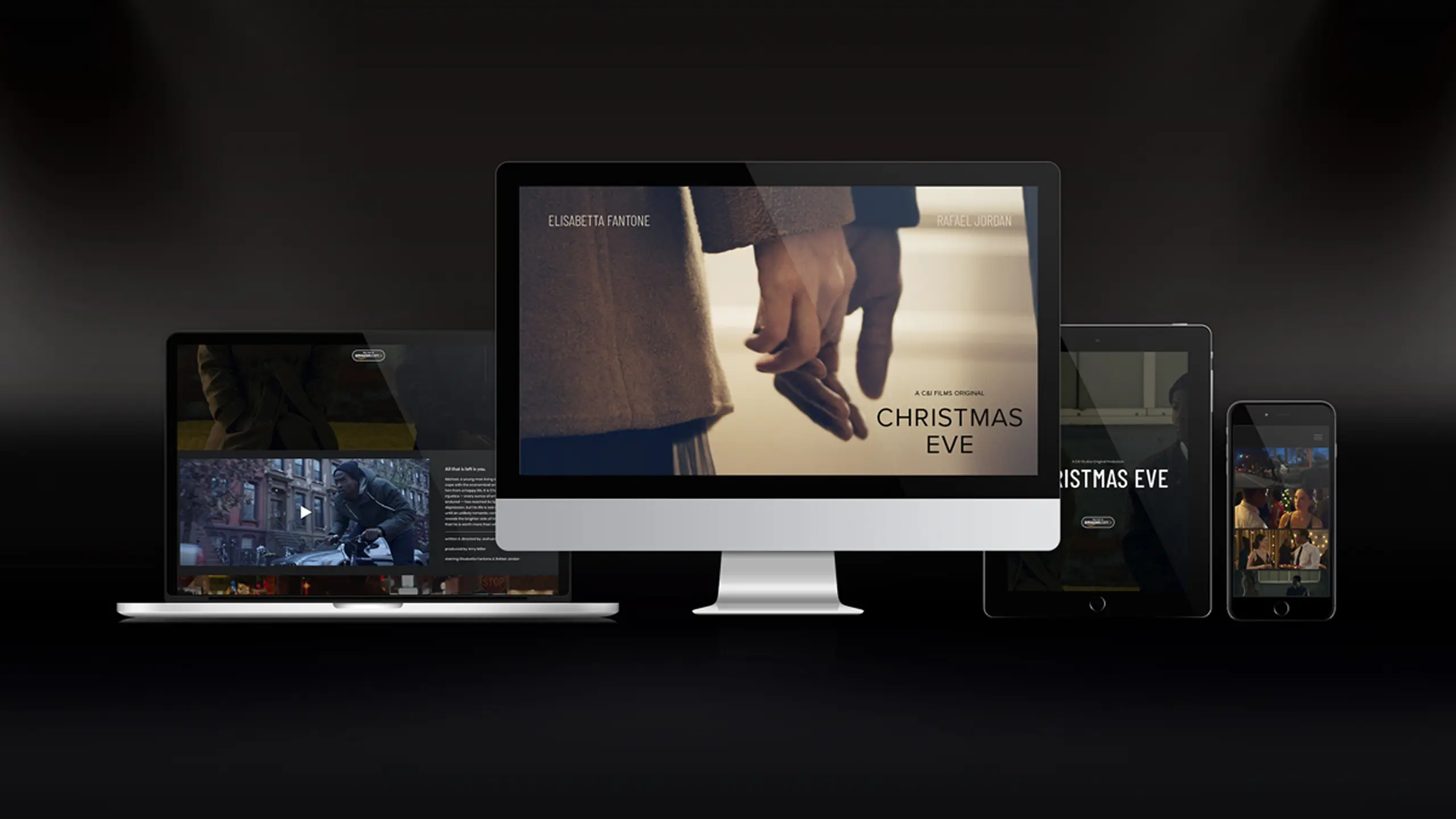
Christmas Eve screenshot shown on various devices on display

Taking the video advertising market by storm isn’t a simple matter of posting video advertising content. There are millions of competitors doing the same thing.

You need to stand out, and that means understanding what makes video advertising successful. Taking these tips to heart can put you over the edge when it comes to advertising.

1. Optimizing for Everyone

Optimization is a very important idea in any business venture. This becomes even more important with something so technical.

When you optimize, you need to think about three major things. They are bandwidth, video quality, and the major streaming platforms.

First, we talk about bandwidth.

No video is helpful or fun if it never loads. Optimizing for bandwidth requires a bit of technical knowledge, but the most important aspect is video design.

Shorter videos have two qualities. They are easier to load, but a large majority of the younger audience has grown up to short and to-the-point commercials. Getting your point across before your video has a chance to be boring is big.

Second, we have video quality.

A lot of this comes from technology. Several advances in streaming can help you get the best quality video out without tanking bandwidth or other resources.

The last optimization issue comes from major platforms.

There is a pile of different social media platforms, and each of them comes with different methods that work best. What works on YouTube might not be the best case on Facebook.

Make sure you review the technical basics of every platform, too. Aspect ratios and maximum video lengths will mean you may need multiple videos to cover all of the social media platforms.

Overhead view of many colors of macaroons

2. Bring Value Beyond Advertising

Bringing value to marketing can come with any medium, but video advertising takes it even farther.

You need to know what you want your video to do. Figure out what it is advertising. After that, though, you need to know to not drown your audience in an outpouring of forced advertisement.

Incorporate things that connect with your audience on a personal level. You want something memorable that a customer would find positive with or without the advertisement involved.

This requires a heavy understanding of what your target audience wants and likes. Combine market research and creativity to focus on the customers instead of the product.

If the customers find your advertising appealing, their love for your product can follow suit.

EDSA Direction Office Closeup of hands using a laptop computer

3. Manage Your Brand

When your videos are succinct and target who you want to target, sometimes you may find it hard to push your own brand. A lot of that has to come from marketing style instead of marketing content.

Think about the content that people remember. The Old Spice commercials are a great example. They were bizarre, fast-paced, and witty. People remembered them.

Getting your advertisements to make an impression means finding a unique voice to broadcast out there.

Can your brand be comedic? Would it excel with potent drama? Do you have or need a mascot of some kind.

Figure out what uniqueness you can offer, and make sure that comes across throughout your campaign. You want people to recognize your advertising the moment it comes on.

Handy NonProfit Lego structure next to desktop

4. Clear Call to Actions

A clear call to action drives the customer to buy into your product using the interest driven by your advertising. They need to be clear, concise, but not too demanding.

A call to action can be at the beginning, to make sure they hear it no matter if they finish the video. It can come at the end after they have full investment, or anywhere in between.

Somewhere in the middle may end up being the best option, where they are already invested but you haven’t risked droning on.

Keeping call to actions subtle can be hard. If you get that right nudge though, either through a sincere bond of interest or clever product placement, you will be golden.

KES Architectural drawings on a wall with office in the background

5. Don’t Rely on Any One Part of the Video

People watch videos in a massive number of ways. In addition to people closing the video before it completes, they may also opt out of other details.

Sound is a big thing that can often get left out. Many platforms have an autoplay feature that does not trigger audio. Some people may also turn off the sound. Some of your target audience could be deaf!

If any one part of your video fails, then it has to rely on its other parts to succeed. A good video advertisement can get the point across no matter what is missing.

Incorporate your message straight into the videos. Pique people’s curiosity with visuals. Make your brand name and product recognizable without a single mention in sound.

If you can get all of this to work without the full video, imagine what a full video could do!

A Visual to Get Ahead

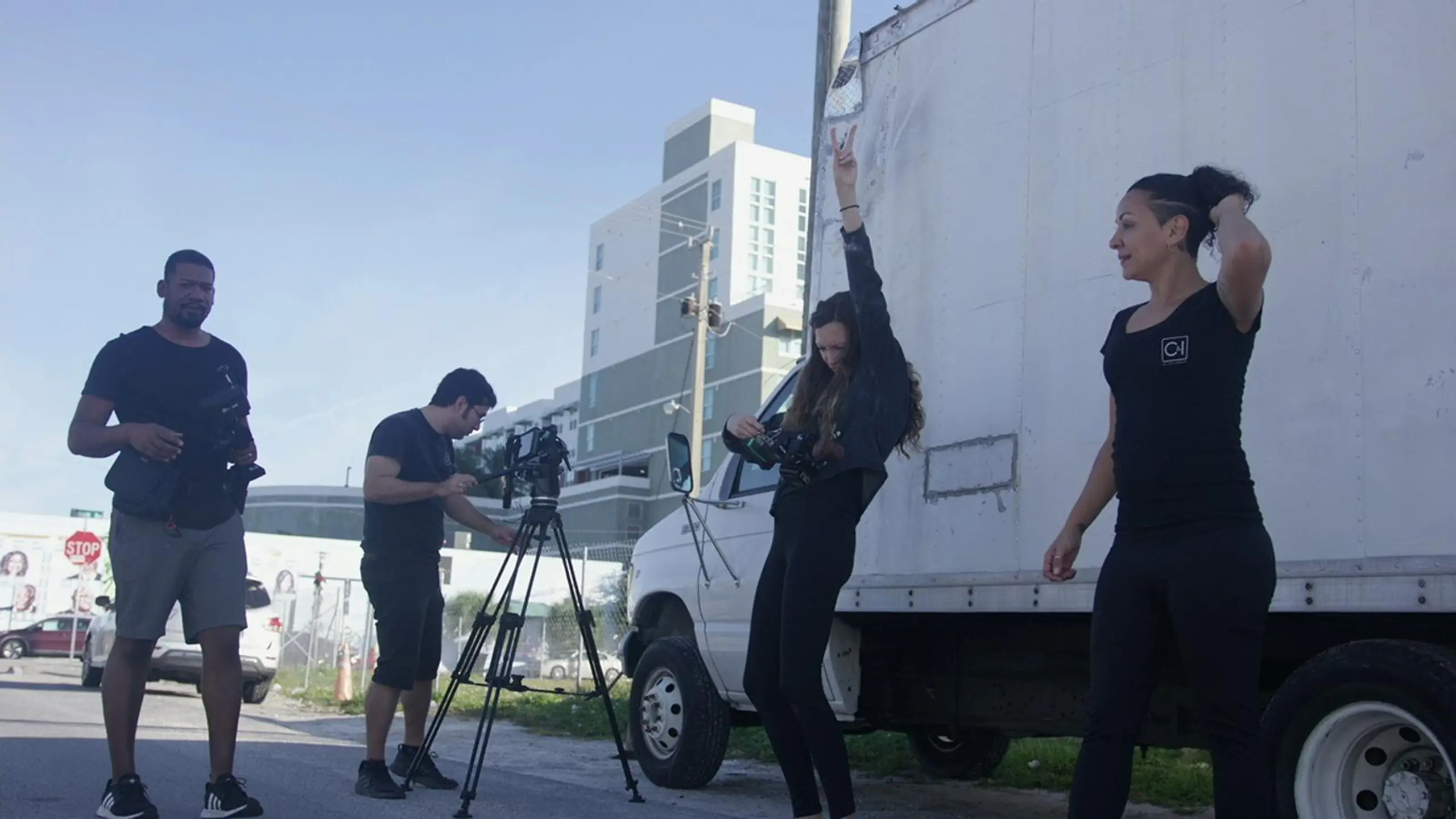
Crew members by box truck

Video advertising has a lot of nuances to it, and it will be rare that any one company makes a perfect campaign in one shot.

We here at C&I aim to make advertising a brilliant experience. If you wish to learn more about what we can do to help get you moving, contact us today.

Related Reading

3 Secrets to Great Storytelling Videos

3 Secrets to Great Storytelling Videos

The Top 3 Secrets For Storytelling Through Video

90% of people affirm that product videos are useful in their decision-making process.

With stakes this high, it has never been more pertinent for businesses and brands to seek every advantage in video marketing. One wrong move and your revenue taps could run dry.

In a bid to stand out, video content creators are focusing not just on the quality of production but also the content. No matter how good the cameras and editing are, if the material itself isn’t compelling, then it will be a dud.

Consequently, firms are investing heavily in high-value storytelling videos. But what are the keys to excellent video storytelling? Read on as we outline three essential pillars for your next great video.

1. Create a Hero Your Audience Will Love

Woman smiling at man wearing a military uniform while they are both walking in a field

No matter what medium is used to tell a story, there is one thing that stands true. Every story has a hero, and that hero ultimately plays a critical role in helping to build brands and communities.

When your audience is watching your video, the hero is more than a reflection of themselves. The hero is actually an expression of themselves in different contexts, and as such, they relate with their character.

Since the audience connects to the hero on a deeper level, the connection stimulates an emotional response in the viewers.

In light of this, you need to put a great deal of thought into your hero early on as you develop the story.

The kind of hero you bring to life will have the power to define both the audience you want to address and the problems the viewers face.

Your hero will also directly influence the tone your storytelling video will take as it reaches its point of resolution.

When you are thinking through your hero, you have to understand your viewers. A lot of targeted research has to go into understanding what issues concerning your audience the hero will reflect to connect with them.

In today’s world, you can use social media to gain insights into your audience and what motivates them. Through their online activities, you can accurately determine the aspirations of your target audience and build your hero on that.

Do not feel the pressure to create an extensive background on your hero. Instead, try to make it as easy for your audience to fill in the gaps about the hero’s background by using obvious character traits and signals.

2. Define the Problem

Brandon with another crew member looking over video camera

There is no great story if there is no problem to overcome. If your customer or product is the hero, then the problem becomes the villain.

Once the audience connects with the hero, they will pay attention to the problem at hand.

The driving force for them will be to avoid whatever issue you are portraying from befalling them like it has the character in the video.

To your audience, the particular pain point is an enemy to their happiness. When you set the ground using this tool, you are in essence, getting the audience in shape to be receptive to the solution that your video just so happens to have.

Just like with the hero you do not need to go into the deep background on the villain or problem.

You can also use obvious signals and character traits to help the audience instinctively understand them.

For example, a video advocating for bug spray will tend to use insects and pests that the audience does not like to personify the problem.

If the video uses a talking fly, it can add stink visuals to signal filth and dirt before serving up the solution.

One reason why having a clearly articulated pain point is critical is that it helps you place yourself in the audience’s decision-making process. You can point them to your solution.

As you craft, your problem remember that it has to be easy to understand. Plan to introduce it in the early stages of the video. If you’re doing a short form video, for example, introduce it within the first 30 seconds.

Do not overdo the problem so as to not overwhelm your audience. Use it as a hook to your pitch but leave some room to reel them in.

3. Reel in Your Audience

African American boy wearing a light blue shirt with logo giving a thumbs up and smiling surrounded by people

So far you have introduced a hero who evokes strong emotions in your audience and you have set up the problem as well. Now the fun part begins for your video storytelling strategy.

The third piece in the storytelling puzzle is to deliver the solution with as much pomp as is practical.

When your audience began watching your video they endured the harder parts so that they could finally experience the desired outcome. Here is where you get to make your service or product stand out from the pack.

It is advisable for you to try and combine the problem you want to solve and the solution your product or service gives as close together as possible.

That way the audience is able to intuitively connect the two in their minds without having to struggle too much thinking through it.

In fact, if the arch in your story can focus on the bigger picture that is your audience’s problem you will strike a chord with them.

An example of this is when a payroll company decided to create a video on their software that chose to focus on real-life situations their customers face.

By showcasing relatable moments in their audience’s lives and seamlessly adding their solution, they hit home. The amazing bit is that they did not even have to talk explicitly about their product.

Remember that your goal is to influence the audience’s decision in favor of your product or service.

If you reel them in right they will talk about your story and even share it.

Learn How to Create Timeless Storytelling Videos

LS Spade wearing shades and headphones using a microphone surrounded by video and audio equipment

Video is now firmly entrenched as king in the content marketing space. In the race for customer attention, many brands and businesses are investing in developing storytelling videos relevant to their mission.

A good story will hook your customers and reel them in ultimately growing your bottom line.

C&I Studios is an idea agency that thrives on creating media to educate, empower, and inspire greatness. Contact us today to find out how we can help you develop a compelling story for your business.

Related Reading

A Beginner’s Guide to Video Production Agencies

A Beginner's Guide to Video Production Agencies

Video Production Guide For Beginners: The Agency Edition

Are you running a business? How do you plan on hyping it up, and getting the buzz around? We recommend using a North American Rainmaking ritual if you are going through a dry spell. 

Okay, okay- this may help call upon the skies and make it rain, but what will really make it rein is creating artistic video content. 

Creative engaging video content for your audience is essential if you’re running a business.

Whether you’re aiming to create a product spotlight or an informational series, a video agency will take your concept and pour it across what we like to call the internet clouds. 

With the help of a video agency, all of your best creative ideas can get the technology and expertise they deserve. 

Bringing art to life for your business has never been so easy- put on those dancing shoes. 

It has also never been so important (don’t forget your hat). Creativity utilizes a different part of the brain, enhances intrigue, and sends sparks of pizzaz deep into your consumer’s mind. 

However, that doesn’t mean you have all the information you need to work with a video agency right away. 

If you’ve never worked with a video production company before, there are a few things you need to know. 

Here are the key points any beginner should know before jumping in with cold feet.

Breaking It Down: What Is Video Production?

Man and woman sitting by a table looking at a laptop

Anyone can take a video on their smartphone, and billions of people put it right up on youtube. 

What separates video production is that it means much more than an average video among the Youtube plethora, both from a technical and artistic standpoint. 

At its most basic, video production refers to capturing video and then editing it to tell a story. 

Think graphics, think engagement, think real planning and execution, think magic. Anything is possible in video production. 

When you work with a video production company, there’s much more artistic liberty involved. 

Creating an effective video involves both artistic and strategic planning in pre-production and a video crew who fully understands the vision. 

But of course, the editing and production magic doesn’t happen until post-production when everything starts really coming together. 

A legitimate video production company will clue you in on every step of the process.

They will know what’s hip, what works, and what will catch the eye of a human mind.

The Difference Between Video Production Companies And Video Agencies

Side view closeup of viewfinder

These two terms are used synonymously. They both represent a company whose major role is to work collaboratively with clients and create high-quality videos. 

Whether a company calls itself a video production company or a video agency, they will both use the same process of video production to deliver the product you need. 

The key to selecting one company over the other is whether or not they align with your values and your vision.

But more importantly, look into what they have created for other companies in the past. Is it compelling? Engaging? Artistic?

The Role of a Video Production Agency

Side profile of Nylle for Freestyle Fridays

Lights. Camera. Action- duh. Okay, so there is much more. 

Once you submit a concept to a video production agency, it is used to start formulating a tangible idea for your video. 

It takes technical knowledge and creativity combined with excellent video quality. Keep calm and rest easy knowing that video production agencies have an abundance of both. 

Most importantly, you’ll be kept in the loop during every step of the process.

Once the script has been locked (approved by you and the director), shooting will begin. During this phase, the director will be in charge of production and direct the rest of the members involved. 

In some instances, video companies will also incorporate photography services to capture behind the scenes and other memorable moments. 

You can use some of these photos on your social media as a teaser for your customers. 

When it comes to visuals like video, lead-up marketing is just as important as the premiere of the video itself. 

The entire experience is quite exhilarating, so posting on social feeds should be a breeze. It’ll grasp attention and brace viewers for the excitement to come. 

This type of video marketing strategy is highly effective in creating a rein of rhythm around your brand just before its launch.

The Advantages: Why Work With a Video Agency

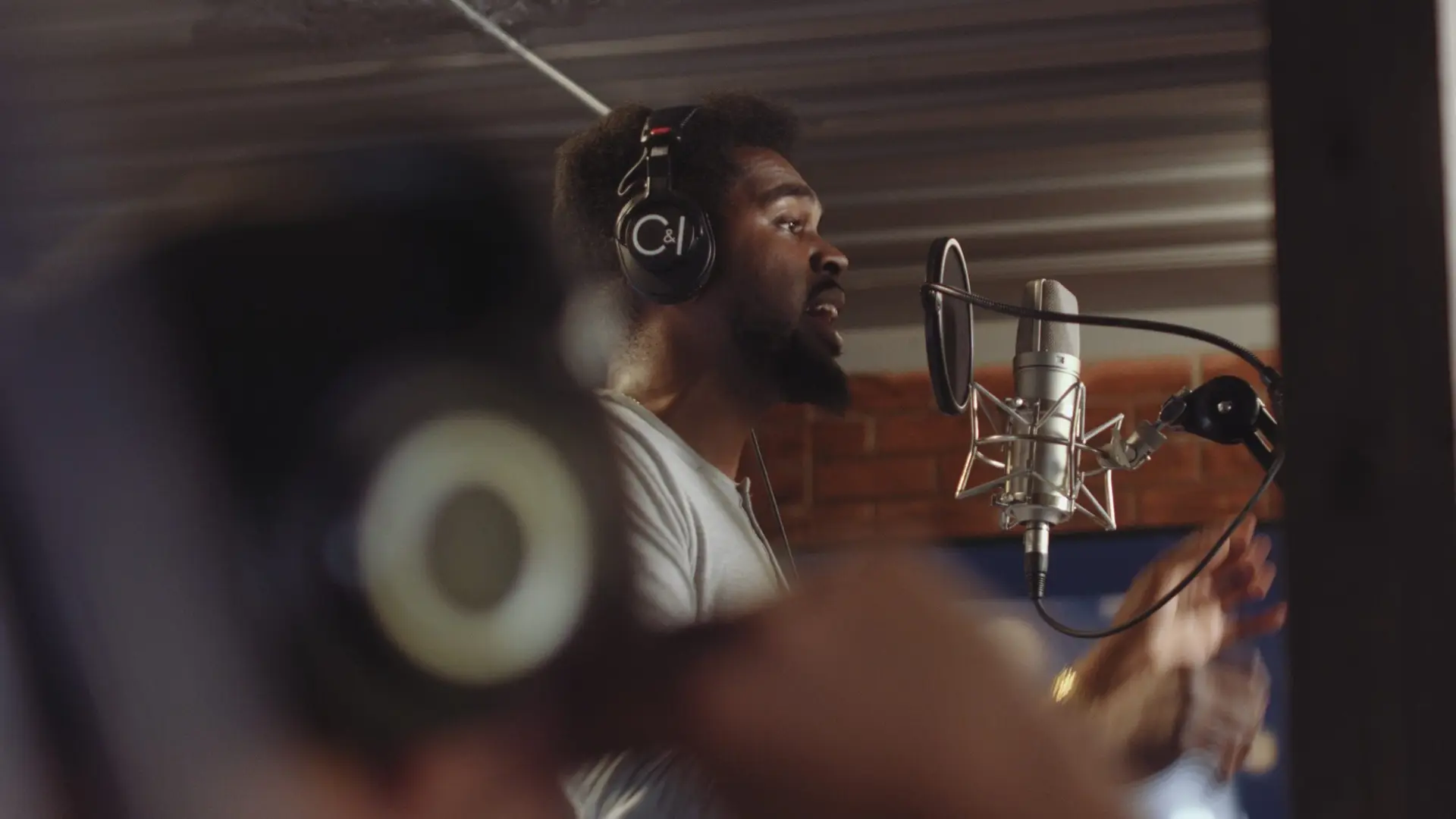
Headshot of Joshua wearing headphones and dark red shirt smiling and talking in microphone

At least 86% of businesses use video on their website as a marketing tool.

Considering that, it’s safe to say that working with a video agency has its fair share of advantages. Namely, getting your idea out there! 

You may not have enough time and resources to produce a high-quality video on your own. 

And among all the iPhone videos on youtube alone, yours may be lost among the abyss and drown in the never to be shown.

Fortunately, video production agencies have the equipment and expertise to help you put stellar video content into the globe and send the word spinning.

Video content is no longer about shooting for the sake of having videos on your website, but a way to create awareness, gather more leads and show people why your message can make a difference in their world. 

In this case, you need an agency that knows how to use video content as a means of communicating above the sea of content that trickles down through the technology clouds. 

Whether you want to shoot a video to sell products or one that tells your company’s story, you need an agency that uses creativity to breathe concepts to life. 

You may not have the time or resources to produce your own videos to the level of quality you need.

But working with a video production agency ensures that you have the shaman of creativity and innovation at your side.

Contact C&I Studios today, we are an idea agency that defines creativity- let’s make it rein.

Related Reading

Brand Building: The Importance of Building Brand Awareness

Brand Building: The Importance of Building Brand Awareness


How to Build Your Brand Effectively

When you think of a soft drink, what’s the first brand that you think of? Most of us will think of dominating big brand names, such as Coca-Cola.

As we know, brand identity leaves a long-lasting impression in the minds of consumers. So, brand building is a vital part of any company’s marketing strategy.

Successful brand building increases the odds that a customer will think of your company when they need problem solving. So, customers are more likely to go to you to find a solution.

But how exactly does brand-building work to improve your marketing strategy? Read on to discover all.

Familiarity Fosters Trust

The more consumers are aware of your brand’s presence, ethos, mission, and values, the more they will gain your trust.

Retaining customer loyalty deems as one of the most important goals of marketing. But, loyalty cannot exist without the growth of trust in a brand.

Purchasing decisions are usually made subconsciously, with consumers using mental shortcuts to skip the process and to avoid being overwhelmed with the amount of choice on the market. So, if a customer has a brand they recognize and trust, they’re more likely to choose them.

With successful brand development, you can narrow in on your target audience and influence them to feel connected to your brand. After all, positive brand awareness makes repeat purchases more likely.

Then, your photography agency will design the creativity behind the story and burst it into- lights, camera, buyer action.

Secures Market Position

Companies who have developed a strong branding strategy among their target audience find it easier to dominate their niche. As mentioned earlier, think of all the soft drink brands you drink or clothing shops you buy from.

They’re likely to be popular brands ruling their industry at the top of their branding game.

In a 2010 cross-industry study, German researchers determined that brand awareness drives market performance while controlling for technical product quality, service quality, and several other constructs.

By building branding, you’re increasing your market share. After all, if you’re one of the first in the competition to fuse your brand in customers minds, you’re raising the stakes for the competition. While brand awareness doesn’t have financial value on its own, it’s crucial as part of the collective marketing strategy to drive sales.

Crucial for Differentiation

If consumers aren’t aware of your brand, how else will they know that your company can offer them something new and different on the market?

Promoting brand awareness means you can position your brand to stand out and be different than the competition.

Once consumers know there’s a new, exciting, and improved product to help them fix their woes, there will be increased lead acquisition and sales.

How to Improve Brand Building

Importance of the Logo

When someone mentions the “Nike tick,” what first springs to mind? Most of us will picture the familiar logo in our minds.

Logos have an incredible effect on brand awareness. After all, it’s usually the first thing we think of when considering a familiar company product.

The combination of shape, color, and font are all integral to crafting a design that not only lingers in people’s memories but also creates a positive association with the brand.

Many companies will consult psychologists when they have the budget and drive to create a powerful and memorable logo. This is because psychologists can tell which shapes and colors create a positive association with a particular industry product.

A strong and successful logo will convey what potential clients can gain from a business.

Now we know the importance of brand building, let’s go through some ways to work on it.

Social Media Strategies

Today, a strong social media strategy is crucial to building brand awareness for a company.

Brands can build a relationship with customers with the use of social media platforms. These include Facebook, Twitter, Pinterest, Instagram, LinkedIn and more.

Not only can brand awareness grow with the use of advertising across the platforms, but companies can also interact with their existing market base. They can, for example, create a content marketing strategy and craft relevant blog posts, or they can even hold competitions for customers.

By nurturing the market base and providing them with interesting content and fun competitions, companies can build trust by offering customers something back for their loyalty.

Brand awareness driven via social media is a great way to maintain existing customers, while also drawing in new ones that may not have heard of the brand or product. For example, a useful piece of content may be shared by a current customer, which will draw the attention of similarly minded friends of theirs.

Traditional Marketing Strategies

Let’s not forget about traditional brand awareness strategies, though.

Targeting relevant audiences via more traditional marketing efforts isn’t to be sniffed at. For example, featuring an advert in a relevant industry-based magazine, or having the brand mentioned as a radio ad jingle.

Such methods are still very much important, as not everyone uses social media and the internet, such as the older generation, for example. And remember, this age group is usually one that has money to spend!

The best idea is to distribute the budget between various marketing strategies to build strong brand awareness.

Ready to Build Your Brand?

There are many ways to go about brand building, but it’s important to make the effort to do so. While your marketing strategies and campaigns may vary year-to-year, a consistent brand message will help keep your company top-of-mind among existing and new customers.

Need help building a strong brand awareness strategy? Let us help you plan and create the right look and feel for your product and company.

From branding and design to assisting with your social media strategy, we’ve got you covered. Check out the services we offer here.

Related Reading

Search

Call C&I Studios

323-844-3326

Mon – Fri  ·  9 AM – 6 PM EST