
Index Template
Festival-Ready Shorts: Why Professional Post-Production Makes All the Difference
Creating a short film is no small feat. From script to shoot, every step demands creativity, coordination, and passion. But when it comes to standing out on the film festival circuit, great ideas and compelling performances are only part of the equation.
Festivals are saturated with submissions, many of them visually polished and technically flawless. In this landscape, “festival-ready” means more than just being finished; it means being refined to meet industry expectations.
Without a strong post-production process, even the most powerful story risks being overlooked. It’s the final stage that transforms raw footage into a cohesive, immersive experience.
Why Your Short Film Needs to Be Festival-Ready
The competition at top-tier festivals like Sundance, Tribeca, and Cannes is intense. These platforms showcase some of the most compelling short films from around the world, many of which have benefited from world-class film & TV production standards.
In this environment, a unique story is only part of what gets a short notice. Visual quality, sound clarity, pacing, and presentation all play critical roles in how a film is received by selection committees and audiences.
Most festivals receive thousands of submissions each year. Judges typically watch the first 30 to 60 seconds before deciding whether to continue. This short attention span puts immense pressure on filmmakers to make a strong impression immediately.
That impression often comes from seamless editing, professional color grading, and high-quality audio, all of which are delivered during post-production. It’s not simply about making a film “look better.” Post shapes the rhythm of the story, refines emotional transitions, and brings consistency across scenes that may have been shot under different conditions.
A polished final product also extends beyond the film itself. The visual identity surrounding your short posters, title cards, and promotional teasers must also convey professionalism and purpose. This is where branding & graphic design become essential. A cohesive visual package tells festivals and viewers that you’ve crafted a complete, intentional artistic vision.
Moreover, positioning your film for success may also involve strategic partnerships. Collaborating with professionals experienced in creative marketing or artist management & media creation can elevate your submission from a passion project to a fully marketable product. These services help refine your film’s public-facing assets and provide guidance on how to present it across platforms and at live events.
Even the technical backbone of your production matters. Poor sound, unstable footage, or inconsistent color can disqualify an otherwise powerful short. Using the right video production gear, along with an experienced team to manage it, sets the stage for smoother editing and fewer compromises during post.
In short, being “festival-ready” is not just about completing a film. It’s about ensuring your project can compete at a professional level. That readiness is forged during post-production, where every creative choice is reinforced by technical excellence.
What Professional Post-Production Actually Includes
Post-production is where a short film evolves from raw material into a polished work of art. While many filmmakers focus heavily on shooting and direction, it’s in post that the story truly comes together. A professional pipeline ensures that every frame, every cut, and every sound element contributes meaningfully to the final piece.
At the core of this process is editing. This is where the structure of the story is refined, pacing is established, and emotional highs and lows are aligned for maximum impact. A skilled editor doesn’t just arrange footage; they craft the heartbeat of the film.
Color grading follows, and it’s more than just adding a cinematic “look.” Proper grading can correct inconsistencies from lighting conditions during the shoot, set the tone of the narrative, and unify scenes visually. Done right, it gives the film a cohesive visual identity that enhances the audience’s emotional experience.
Sound is equally critical. Audio engineering encompasses dialogue clean-up, ambient noise balancing, and sound layering. A crisp audio track with immersive effects and rich textures adds depth and realism to the story. Music integration, whether original or licensed, must also be handled with care to support the tone without overpowering the scene.
Next is VFX compositing & animation, which isn’t just about explosions or sci-fi effects. In short films, this often includes subtle enhancements: removing unwanted background elements, adding visual consistency, or creating elegant transitions. These understated yet powerful adjustments help smooth storytelling flow without distracting from the narrative.
A professional post team will also handle title design and credit sequences. These seemingly small components contribute significantly to the film’s identity. Fonts, animations, and placement can reinforce mood and professionalism, making the entire project feel cohesive.
Throughout the process, high-resolution frame grabs are often taken for use in marketing or festival submissions. Here, professional photography services may come into play to produce stills suitable for promotional posters, press kits, and online showcases.
In essence, post-production isn’t an afterthought; it’s a defining phase. Investing in professionals who understand the nuances of audio engineering, VFX compositing & animation, and visual storytelling will position your short film to compete confidently at any festival.
How Editing Defines the Final Story
Editing is not simply a technical task; it is an act of storytelling. In many ways, the editor becomes a co-author of the film, taking raw footage and shaping it into a coherent, emotionally resonant narrative. The process is where content creation transforms into cinematic language. Every decision in the edit bay impacts how the audience perceives the film’s pacing, tone, and emotional arc.
Pacing is one of the most crucial elements. A great story can lose its impact if scenes linger too long or transition too quickly. Editors carefully adjust the rhythm, creating a balance between tension and release. Whether it’s a quiet, introspective drama or a fast-paced thriller, the pacing determines how viewers engage with the story.
Nonlinear structures, such as flashbacks, dream sequences, or montages, are particularly reliant on strong editing. When used effectively, these techniques can add depth and complexity to the story. A well-placed montage can condense time while intensifying emotion.
Similarly, flashbacks must be introduced smoothly to avoid disorienting the audience. The editor’s craft lies in knowing how to weave these elements without disrupting the narrative flow.
Transitions also play a vital role. Cuts between scenes aren’t just functional; they guide the viewer’s emotional journey. A hard cut can create shock or urgency, while a slow dissolve might suggest reflection or passage of time. These choices reinforce the tone and message of the film, often in subtle but powerful ways.
Cutting for emotional impact means knowing when to linger and when to pull away. Holding on to an actor’s face a moment longer can capture vulnerability. Cutting just before an expected moment can heighten tension. These are not arbitrary decisions; they are deliberate narrative choices made in collaboration with the director’s vision.
Modern film & TV production relies heavily on post-production to bring ideas to life. And as films enter festival circuits, the quality of editing becomes a deciding factor. A film with strong editing stands out immediately.
In the digital age, editing also intersects with SEO copywriting when it comes to presenting your short online. Editors often create trailers, snippets, and metadata-friendly versions that serve both storytelling and visibility goals.
Good editing doesn’t just fix a film, it reveals the film it was always meant to be.
Why Sound Design and Music Are Non-Negotiable
It’s easy to focus on visuals when producing a short film, but poor audio will sabotage even the most beautiful shots. Festival judges often cite sound quality as a top reason for rejecting submissions. This is why audio engineering should be considered essential, not optional, in your post-production process.
Festival-grade standards demand crisp dialogue, balanced levels, and a well-defined soundscape. A short film that crackles with noise, contains mismatched background levels, or features jarring transitions can immediately come off as amateur. Audiences may not always articulate what’s wrong, but they will feel it. Clean sound, on the other hand, makes a film feel immersive and professional.
Ambient layering and Foley are key tools in the sound designer’s arsenal. Whether it’s the subtle rustle of leaves, distant city noise, or the clink of a glass, these background sounds enrich the world of the film. They add texture and believability. Foley artists recreate these everyday sounds in post, syncing them perfectly with on-screen action.
Music is equally important. It shapes tone, amplifies emotion, and guides the audience through narrative peaks and valleys. But using music correctly involves more than picking the right song. You must also secure the rights. Licensing music is a legal and strategic process that can make or break your festival eligibility. Using unlicensed tracks, even briefly, can lead to disqualification.
This is where seasoned audio engineers make a huge difference. They manage sound cleanup, mix dialogue, score music, and ensure your levels meet broadcast and theatrical standards. Their expertise prevents costly mistakes and enhances emotional storytelling.
In a broader strategy, quality sound plays a pivotal role in your media marketing consultation. Soundbites from your film may be repurposed into trailers or teasers, which require tight, impactful mixes. Great sound also improves your presentation during video & audio live streaming events, such as online festival screenings or Q&A sessions.
In short, sound is not secondary. It is half of the cinematic experience. Investing in professional audio engineering ensures your short film doesn’t just look good, it feels alive, believable, and emotionally compelling.
Color Grading for Cinematic Impact
Color grading is the final polish that can transform a decent-looking short into something cinematic. It’s not just a matter of style; it’s about creating visual cohesion and reinforcing emotional tone. Done well, color grading helps elevate a film’s storytelling, brand identity, and genre alignment, making it stand out at festivals and in online platforms.
The first function of color grading is to establish mood. Warm tones may suggest nostalgia or intimacy, while cooler palettes can evoke isolation or tension. Filmmakers use these color cues to guide the audience’s emotional response without saying a word. A skilled colorist adjusts exposure, contrast, saturation, and shadows to enhance narrative intent.
Matching shots for continuity is another vital task. Even when scenes are shot under varying light conditions, color grading unifies them. It ensures that no abrupt changes in tone or lighting distract from the story. This is especially important when shooting on multiple days or using natural light.
Many filmmakers also use LUTs (Look-Up Tables) or custom looks to apply consistent aesthetics. These presets give your film a distinct personality. Whether you want a vintage documentary feel or a sleek futuristic vibe, color grading makes that possible.
Correcting footage from DSLRs or smartphones is a common necessity in indie filmmaking. With the right grading techniques, even budget gear can produce professional-quality visuals. This is where high-end video production gear intersects with smart post-production techniques to achieve broadcast-level polish.
A strong color grade also plays a major role in branding & graphic design. The visual identity of your short, including the film poster, trailer, and social media assets, should match the tones established in your footage. Cohesive design increases memorability and strengthens your promotional strategy.
Furthermore, great visuals support creative marketing efforts. If your film looks professionally finished, it is far more likely to gain traction with festival reviewers, distributors, and media outlets. Visual impact drives press coverage, social shares, and overall credibility.
In the end, color grading is not cosmetic; it’s foundational. It affects perception, emotional tone, and brand. It ensures your film looks like it belongs in the company of professional cinema, no matter the budget you started with.
Using Visual Effects Without Overdoing It
When it comes to short films, VFX compositing & animation can add impressive polish, but restraint is key. Festivals are filled with story-driven films that prioritize emotional connection over spectacle. If visual effects become the focus instead of the narrative, they risk pulling the audience out of the experience.
Minimalist VFX, when used correctly, enhances realism rather than distracts from it. A well-executed sky replacement, subtle particle effects like smoke or dust, or background object removal can dramatically improve visual continuity without drawing attention. These small enhancements help ground the story and elevate production value.
Creative transitions are another area where VFX compositing & animation can shine. Cross dissolves, match cuts with motion graphics, and animated elements used between scenes can serve both stylistic and storytelling purposes. They guide the viewer from one emotional beat to the next while preserving flow and cohesion.
On-screen graphics can also be used to support the story, particularly in mockumentaries, sci-fi shorts, or stories involving messaging apps, news reports, or data. These effects should feel native to the world of the film, not superimposed.
Ultimately, post-production teams specializing in film & TV production know how to apply effects that complement the narrative rather than dominate it. The goal is always the same: support the story and increase the viewer’s immersion without overwhelming the frame.
The Role of Title Cards, Subtitles, and Metadata
Film festivals evaluate more than just the story; they also look for technical precision. Packaging your film correctly can affect acceptance, especially in top-tier festivals. That’s where title cards, subtitles, and metadata come into play.
Title cards and slates are required by many festivals and broadcasters. They provide crucial technical and legal information, such as the title, director, running time, and contact details. A professionally designed slate also reinforces your branding and shows attention to detail.
Proper subtitle formatting is non-negotiable. Poorly timed or hard-to-read captions can distract viewers and reflect poorly on your submission. Subtitles should be grammatically correct, free of typos, and styled in a consistent font and position. Accessibility considerations, such as descriptive captions for the hearing impaired, are also being increasingly valued by festival committees.
Metadata submission varies by platform but generally includes film title, genre, runtime, director bio, cast list, and keywords. If this data is incomplete or inconsistent, it can delay your film’s review or cause issues with publishing online.
This is where technical support in web development and web hosting becomes useful. A centralized, well-managed platform to host all versions of your film’s assets, trailers, press kits, captions, artwork, makes the process smoother and more professional.
A media marketing consultant can also help optimize metadata and supporting content, ensuring your submission materials align with marketing best practices. This includes SEO-ready loglines, thumbnail images, and platform-specific formatting.
In sum, packaging is more than formality. It’s the bridge between your artistic vision and professional presentation, and it plays a major role in how your work is evaluated and remembered.
How a Professional Studio Prepares You for Delivery
Creating a short film is one thing. Preparing it for festival submission is another. Even the most polished film can be disqualified if it fails to meet specific technical requirements. This is where working with a professional studio becomes indispensable; they handle not just creative refinement, but also technical delivery at industry standards.
Most major festivals require specific master file formats like DCP (Digital Cinema Package) or ProRes. These formats ensure consistent playback on theater systems and high-quality viewing experiences. A studio experienced in feature film mastering & delivery can export your short in these formats with proper encoding, aspect ratios, and audio channels.
Every platform also has different specs. Some require a 2.35:1 aspect ratio, others expect 16:9. Bitrate, frame rate, and color profile settings must all be adjusted accordingly. Professionals handle these details so you can focus on your art, not the technical jargon.
Another deliverable is closed caption files. Whether you’re submitting to festivals, hosting on Vimeo, or streaming through YouTube, accurate captions are essential. They improve accessibility and expand audience reach. Studios ensure synchronization and correct formatting of SRT, VTT, or XML files, depending on platform requirements.
Upload formats for online platforms also differ. A version optimized for private screening links might need a smaller file size and embedded watermark, while a festival cut might need full-resolution with burn-in timecodes. A studio helps you manage multiple versions without errors.
Delivery is not just about the film either. A studio can assist with compiling trailers, press kits, social media cuts, and festival-specific poster formats. These elements often need web maintenance and central storage to streamline access, especially when submitting to multiple platforms or updating across seasons.
Lastly, having a professional partner gives you a support system post-submission. If a festival requests adjustments or a new file type, you’re not starting from scratch. The studio has backups and can turn around requests quickly, avoiding missed opportunities.
By partnering with experts in video production and feature film mastering & delivery, your short film is more than finished, it’s submission-ready in every sense. It means you’re not just a filmmaker, but a prepared professional capable of meeting the industry’s highest standards.
Conclusion
Post-production is where a good short film becomes truly festival-ready. It’s the phase where ideas are sharpened, visuals are elevated, and soundscapes are brought to life. We’ve seen how investing in a professional team for editing, color, sound, and delivery doesn’t just polish your work, it gives it the power to resonate with judges and audiences alike.
At C&I Studios, we bring every part of that process under one roof, from video production to audio engineering, branding & graphic design, and full-spectrum film & TV production.
You can explore our services, browse our portfolio, or contact us to start your next project.
Related Reading
Post-Production on a Budget: What LA Filmmakers Can Expect at C&I Studios

Low Budget Film Post Production LA
Post-production is often where creative dreams collide with financial reality, especially for independent filmmakers navigating the competitive landscape of Los Angeles. After the cameras stop rolling, the editing room can become a source of stress, where timelines stretch and costs spiral beyond initial expectations. For many creators, the challenge isn’t just finishing a project, but doing so without sacrificing quality or vision.
That’s where strategic partnerships become essential. C&I Studios offers a practical solution: a full-service production house that understands the pressure of staying on budget while still delivering professional results. Their flexible approach makes post-production more accessible than ever.
The Hidden Costs of Post-Production in LA
For many filmmakers, the initial production phase tends to receive most of the attention and budget. The cameras, crew, and on-location logistics are all easy to visualize and plan for. However, once filming wraps, the true complexity of post-production begins to unfold, often catching even experienced creators off guard. In Los Angeles, where industry standards are sky-high, post-production costs can quickly snowball if not managed strategically.
One of the most underestimated costs is editing. While it may seem like a straightforward process, high-quality editing requires skilled professionals, specialized software, and countless hours of labor. This becomes even more expensive when dealing with footage that requires significant touch-up or restructuring. Add to that the cost of color grading, which enhances the visual tone and consistency of a project, and expenses can increase significantly.
Then comes the sound. Audio engineering is far more than adjusting volume levels. It includes dialogue clean-up, sound design, ambient balancing, and mixing tracks to create a cohesive audio experience. Poor audio quality can destroy the viewer’s immersion, no matter how beautiful the visuals are. Hiring professionals who can properly manage audio engineering ensures your project sounds as polished as it looks.
Visual effects are another often-overlooked cost. Even if your project doesn’t involve explosions or fantastical creatures, subtle enhancements through VFX compositing & animation can elevate storytelling. This includes removing unwanted objects, stabilizing shaky footage, or adding digital effects that blend seamlessly with live-action footage.
Finally, feature film mastering & delivery is a crucial but often misunderstood step. This is the technical process of formatting your film for theaters, streaming platforms, or broadcast, ensuring that all visual and audio specifications meet strict distribution standards. Mistakes here can result in delays, rejections, or poor viewer experiences.
Budget-conscious filmmakers in LA face the added challenge of finding post-production partners who can deliver quality without inflating costs. The city is full of freelancers and boutique studios, but not all are reliable or transparent with pricing. What seems like an affordable option upfront may lead to hidden charges or subpar results later.
Whether you are working on a short film or a feature-length production, understanding the full scope of post-production costs is vital. Investing wisely in areas like video production gear, audio engineering, and VFX compositing & animation can make the difference between a forgettable project and a professional-grade film ready for distribution.
Budget Doesn’t Mean Basic: What You Actually Need
Creating a polished film doesn’t always require a massive budget, but it does require knowing where to invest and where to scale. Many independent filmmakers assume that working on a tight budget means sacrificing quality, but that’s not necessarily the case. What matters most is prioritizing the essential elements that directly impact the final product and audience perception.
At the core of every successful project are three things: clean visuals, strong audio, and coherent storytelling. These are the non-negotiables. If your footage is shaky or your dialogue is muffled, no amount of fancy graphics will save it. Fortunately, quality video production gear is more accessible than ever, and partnering with the right studio can provide access to professional equipment without blowing your entire budget.
One area where creators can truly tailor their spending is in the type of project being produced. A creator developing a documentary film production may need detailed fact-checking, voiceover recording, and strategic archival footage licensing. On the other hand, someone producing for political campaigns will focus on sharp message delivery, crisp editing, and fast turnaround times. Each use case has its own post-production priorities, which means your budget can be shaped by your content’s end goal.
For example, if you’re planning a TV show pitching strategy, your pilot episode or concept reel must look professionally finished. However, that doesn’t require every scene to be packed with effects. Instead, the focus should be on pacing, clarity, and flow to captivate potential buyers or networks. Similarly, brands building platforms may need content optimized for web development. In this case, efficiency and scalability matter more than cinematic flair.
What you actually need in post-production depends less on how much you’re spending and more on how intentionally you’re spending it. Color grading, for example, can be scaled from basic corrections to stylized looks, depending on your project’s tone. Motion graphics can range from minimal lower-thirds to full animated intros.
Strategic planning allows creators to allocate resources to areas that truly enhance the viewer’s experience. Whether it’s a short online piece or a pilot for a larger series, a budget-conscious approach doesn’t mean compromising your creative vision; it means working smarter. By focusing on targeted needs in areas like documentary film production, political campaigns, TV show pitching, or web development, filmmakers can achieve remarkable results without overspending.
C&I Studios’ Scalable Post-Production Services
C&I Studios understands the unique financial and creative pressures faced by independent and mid-budget filmmakers, especially in a city like Los Angeles, where quality expectations are high and competition is intense. Rather than offering a one-size-fits-all package, C&I takes a modular approach to post-production, allowing creators to invest where it counts most while still receiving professional-grade results.
One of their core strengths lies in flexibility. Whether you’re wrapping up a short film, a branded video, or a full-length feature, their services can be tailored to fit your scope and scale. Editing and color grading are often the foundation of every package, but C&I also provides advanced post capabilities such as audio engineering, VFX compositing & animation, and feature film mastering & delivery.
Each of these services is executed by a dedicated in-house team or a trusted pool of creative collaborators. Their audio engineering experts don’t just clean up tracks; they craft immersive soundscapes that complement your visual narrative. Similarly, their VFX compositing & animation team can handle both subtle enhancements and full-scale visual effects, depending on the demands of the script and budget.
Where C&I truly stands out is in their understanding of indie creators’ goals. They don’t try to upsell unnecessary services. Instead, they provide consultative guidance to help you identify the most impactful use of your resources. This means your limited budget can go toward elevating production value without compromising the final product’s integrity.
Their feature film mastering & delivery service is another area of expertise. This is especially vital for creators planning to distribute on streaming platforms, in theaters, or at festivals. C&I ensures that your final cut meets all technical specifications, so you don’t have to worry about formatting errors or playback issues.
C&I has built a reputation not only as a service provider but as a true collaborator. They’ve worked with a wide range of clients, from agencies producing social content to indie directors finishing passion projects. Regardless of the project’s size, their commitment to excellence and adaptability make them a trusted post-production partner for creators working on a budget.
How LA Creators Can Benefit From C&I’s Tech and Talent
Access to the right tools is essential, but without the right team behind them, even the best equipment won’t guarantee a professional result. C&I Studios bridges this gap by offering not just top-tier video production gear but also a highly skilled, multidisciplinary team capable of transforming raw footage into compelling visual content.
Their post-production ecosystem includes everything an LA filmmaker needs, from modern editing suites and calibrated color stations to soundproofed rooms for voiceover and audio mastering. Whether you’re working with RED, ARRI, Blackmagic, or DSLR footage, C&I has the technical infrastructure to process and optimize it for any platform or format.
But equipment is just the beginning. The true value lies in the people operating it. C&I’s team includes specialists in professional photography, motion graphics, editing, sound design, and branding & graphic design. This diversity allows for a full creative workflow in-house, where visuals, sound, and storytelling come together seamlessly.
A standout offering is their artist management & media creation program. C&I doesn’t just serve filmmakers; they also work closely with musicians, influencers, and public figures to produce cinematic-level content that aligns with their brand identity. This includes album visuals, campaign videos, artist documentaries, and much more. If your creative project spans multiple media types, their holistic approach ensures visual and thematic cohesion.
Their understanding of aesthetics is another key advantage. Whether you’re building out a campaign video, music video, or pilot for a streaming platform, C&I’s team leverages their background in branding & graphic design to ensure every frame serves a strategic visual purpose. Your work won’t just look good, it will look intentional.
In short, C&I Studios gives LA creators a way to compete at the highest level without shouldering the full financial weight of owning or renting professional equipment. You get access to premium video production gear and creative expertise, without the overhead.
The combination of cutting-edge tools and a team of skilled professionals makes C&I an ideal post-production partner for creators who demand quality, precision, and creative input, regardless of the project size or budget.
Remote Workflows and Collaboration That Save You Money
In a city like Los Angeles, studio space and in-person sessions often come with hefty price tags. For filmmakers and content producers operating under budget constraints, this traditional model can eat into resources fast. That’s why C&I Studios has embraced remote-first workflows that deliver high-end results without the need for physical presence or expensive infrastructure.
Through cloud-based collaboration tools, C&I enables real-time communication between directors, editors, sound designers, and producers, no matter where they are. Files can be shared securely, feedback can be implemented on the fly, and the entire team can stay aligned from concept to final export. This approach saves time, reduces travel and rental expenses, and keeps the post-production cycle moving efficiently.
This remote capability is particularly useful for clients managing content creation at scale. Whether you’re launching a branded campaign, editing a documentary, or producing a political ad, being able to upload footage and receive polished edits without setting foot in a studio changes the game. The streamlined nature of remote collaboration ensures that feedback loops are tighter and deadlines are easier to hit.
In addition to media production, C&I also supports digital presence by offering services like web maintenance, web hosting, and integration with social media marketing platforms. This creates an ecosystem where your visual content doesn’t just stop at delivery; it can be optimized, published, and tracked across digital channels, all under one roof.
Their integrated approach means that once your video is complete, it can be seamlessly embedded on your website, included in email campaigns, or formatted for Instagram, YouTube, or TikTok. The team understands how to tailor content for specific platforms, helping you get the most value from your investment.
Importantly, remote collaboration doesn’t mean sacrificing creative control. Clients are invited into the process via virtual meetings, frame-accurate review platforms, and shared dashboards. You can stay involved in every decision without needing to be physically present, giving you both flexibility and confidence.
By embracing a modern workflow, C&I Studios ensures that budget-conscious creators in LA can still access world-class post-production services. Their hybrid model combines the efficiency of digital tools with the quality of professional craftsmanship, proving that premium content creation, web hosting, and social media marketing don’t require premium overhead.
Creative Strategy Add-Ons: Not Just Editing
While most post-production studios focus solely on cutting footage and mixing sound, C&I Studios offers a far more strategic and collaborative experience. Their services go beyond technical polish, helping creators elevate the messaging, pacing, and marketability of their content. In a media-saturated world, having a well-edited video is only part of the equation; how it connects with the audience and drives action is just as important.
C&I brings strategic value to the editing room by focusing on storytelling structure and audience targeting. This begins with a deep dive into the project’s goals. Whether it’s a short commercial, a narrative piece, or a series pilot, the C&I team works alongside creators to refine not just how the content looks, but what it says. This kind of hands-on collaboration ensures the final product resonates with the intended audience.
One of the most powerful tools in their arsenal is the media marketing consultant. These sessions help filmmakers, agencies, and content creators align their visual assets with a broader brand or campaign strategy. From identifying emotional beats to mapping out distribution pathways, this consultative process gives every piece of content a purpose beyond entertainment.
Additionally, C&I offers SEO copywriting as part of their support for digital projects. For web-bound content, such as explainer videos, YouTube series, or branded educational content, having optimized titles, descriptions, and supporting copy ensures your project gets seen by the right audience. This integration of searchability with visual storytelling is a rare and valuable combination.
Their background in branding & graphic design also plays a key role in shaping content with viral or campaign-level potential. From motion graphics and logo animation to lower-thirds and thumbnail design, C&I ensures every visual element reinforces brand identity and narrative tone. These design decisions are not afterthoughts; they’re woven into the project from the very beginning.
Ultimately, this approach reflects C&I’s deep understanding of creative marketing. They don’t treat post-production as the end of a project; they treat it as a launchpad. With the right strategic insights layered into your edit, your content can go further, last longer, and deliver a stronger return, making C&I not just a post house but a creative growth partner.
Case Studies: What LA Filmmakers Actually Got
When it comes to delivering quality post-production on a budget, few studios match the track record of C&I. Over the years, we’ve helped countless LA-based filmmakers and production teams turn their creative visions into polished, market-ready content, without the bloated costs that often come with traditional post houses. One example is a small group of independent filmmakers who came to us with a 90-minute documentary focused on environmental justice.
They had completed filming with modest gear and a lean crew but were overwhelmed by the demands of post. With limited funds remaining, they needed full editorial support, color correction, and help shaping a compelling narrative arc. We offered a streamlined solution that included editing, strategic storytelling input, custom motion graphics for interviews, transcription, subtitling, and festival-ready formatting. The film was ultimately selected for multiple festivals and even secured regional broadcast, all completed under budget and within a tight deadline.
In another project, a Los Angeles tech startup approached us with raw handheld footage for a 3-part branded content series. Their budget was lean, but they needed professional polish and fast turnaround for an upcoming app launch. We handled everything from color grading and subtle stabilization to lower-thirds animation and licensed music integration.
We also provided a full media marketing consultation to advise on how and where to launch the content effectively. The final videos performed exceptionally well on social media, generating engagement, shares, and traction for the brand’s early-stage growth.
We also worked with a rising LA-based musician who had recorded a private live performance using multiple cameras and microphones. Unsure how to manage the raw data, the artist turned to us for help. We synced the multi-cam footage, refined the pacing, enhanced the sound design, and prepared deliverables optimized for both YouTube and Instagram. This project showcased our video & audio live streaming expertise and gave the artist a professional digital portfolio for future bookings.
Each of these stories reflects how our team combines technical precision with strategic insight. Whether you’re producing a documentary, launching a product, or building your brand as an artist, we tailor our services to your vision and your budget. From film & TV production to full-scale content creation, C&I Studios delivers quality that’s accessible, flexible, and always aligned with your goals.
Conclusion
At C&I Studios, we believe post-production on a budget shouldn’t mean cutting corners. Whether you’re crafting a short-form video or a full-length feature, our team is here to support you with everything from creative marketing to feature film mastering & delivery, all under one flexible, scalable roof. We’ve helped countless creators bring their vision to life without compromising quality.
If you’re ready to take your project to the next level, we invite you to explore our services, browse our portfolio, and get in touch with our team. Learn more about who we are at C&I Studios.
For more information on industry standards and best practices, visit the American Marketing Association.
[/vc_column_text][/vc_column]Related Reading
Affordable Post-Production Services in LA for Indie and Low-Budget Filmmakers

Affordable Post Production Los Angeles
Los Angeles is a global epicenter for film and television, but for independent and low-budget filmmakers, navigating its post-production landscape can be overwhelming. While the city is filled with top-tier studios and talent, many of these services are geared toward high-budget productions, leaving emerging creators struggling to find options that align with their financial limitations.
Tight deadlines, resource constraints, and limited access to reliable post facilities often force compromises that affect the final product. Yet, a growing demand for cost-effective, high-quality solutions is reshaping the industry, making it possible for indie filmmakers to polish their projects without overspending.
Why Post-Production Matters for Indie Projects
For indie filmmakers, the creative process doesn’t end when the camera stops rolling. In many ways, post-production is where the real magic happens. It’s the phase where raw footage is transformed into a cohesive and compelling story.
Editing, sound design, color correction, and VFX compositing & animation work together to shape mood, tone, pacing, and emotional impact. These elements are critical to elevating even the most modestly funded film into something that feels professional and emotionally resonant.
In projects with tight shooting schedules or minimal takes, skilled editing can fix continuity issues or improve pacing. Thoughtful sound mixing and audio engineering can mask poor on-set acoustics or background noise, which is a common hurdle in guerrilla-style shoots.
Meanwhile, color grading can unify inconsistent lighting or give scenes a specific visual style that enhances the story’s atmosphere. Adding basic VFX compositing & animation, even something as simple as enhancing skies or removing visual distractions, can dramatically improve the final look.
There are countless examples of indie films that owe their success, in part, to strategic post-production decisions. Films like The Blair Witch Project and Primer had extremely limited budgets but achieved cult status through smart storytelling and sharp post-production. In these cases, the emphasis on tight edits, atmospheric sound, and stylistic cohesion helped these films stand out in a crowded market.
In Los Angeles, many studios now cater to indie creators by offering streamlined service bundles. These can include editing suites, video production gear rentals, color grading stations, and feature film mastering & delivery, all tailored to fit indie budgets. Such services provide filmmakers access to the same technical capabilities used in larger productions, minus the unnecessary overhead.
The right post-production support allows indie filmmakers to compete on a higher visual and auditory playing field. It bridges the gap between limited shooting conditions and the audience’s expectations for quality. Investing wisely in post is no longer a luxury; it’s a strategic step in producing a polished, professional-grade film.
Common Budget Constraints Faced by Indie Filmmakers
Independent filmmakers often start with ambitious visions and passionate teams, but financial limitations quickly shape the reality of what can be achieved. Whether self-funded, crowdfunded, or working with small grants, indie projects typically allocate the bulk of their budgets to production, covering cast, crew, location fees, and essential gear. As a result, post-production is frequently underfunded or treated as an afterthought.
Once principal photography ends, many filmmakers are surprised to find how expensive it is to finish a film properly. Tasks like editing, sound mixing, and color grading are not only time-consuming but also technically demanding. In tight financial situations, creators may resort to using free software, working with inexperienced editors, or skipping important steps like professional audio engineering. These shortcuts often lead to choppy cuts, inaudible dialogue, or inconsistent visuals, undermining the entire film.
One of the most common misconceptions is that good post-production is unattainable for low-budget creators. In reality, several LA-based studios and freelancers offer scalable services designed specifically for independent and documentary film production. Instead of charging premium rates across the board, they allow clients to pay only for what they need, such as a single day of color correction or a package of deliverables for film festivals.
Another key misunderstanding is that lower costs always mean lower quality. This is not always the case. Many post professionals enjoy working with passionate, creative indie filmmakers and are willing to offer affordable rates in exchange for compelling projects or long-term collaboration. This is especially true in areas like artist management & media creation, where studios look for rising talent to support through their networks.
Furthermore, indie teams are increasingly embracing hybrid workflows. For example, a production might handle the rough edit in-house but bring in a professional for final sound polish or subtle video production enhancements. This approach keeps costs down while preserving quality where it matters most.
The takeaway is that affordable post-production services in LA do exist, and they don’t mean compromising on quality. By planning ahead and exploring realistic pricing models, indie creators can access experienced teams and studios that understand the unique challenges they face and are equipped to help them deliver powerful, finished films.
What to Look For in an Affordable Post-Production Studio
Finding the right post-production studio can feel overwhelming, especially when working with limited resources. For indie filmmakers, the goal isn’t to cut corners; it’s to find a studio that respects the creative process while offering services that make financial sense. The most reliable post houses for low-budget creators offer three essential qualities: transparent pricing, scalable services, and responsive client communication.
Transparent pricing means knowing exactly what you’re paying for. Some studios still operate on vague quotes and hourly rates that balloon unexpectedly. Look instead for those that provide clear package options and line-item estimates. This allows filmmakers to allocate budgets confidently without fear of hidden costs.
Scalable services are another critical factor. Not every film needs a full-service post workflow from start to finish. The best indie-focused studios let you pick and choose what you need, perhaps just color grading, or only final mastering, while offering support for additional elements as budget permits. This flexibility can be a game-changer for teams trying to get the most from every dollar.
Client communication can’t be overlooked either. Indie projects often involve tight schedules and a high level of creative collaboration. You need a post team that will respond quickly, listen closely, and adapt to changes on the fly.
There are also must-have services every post studio should provide, regardless of budget. These include editing, sound design, color grading, basic VFX compositing, and project mastering for various platforms. Beyond the basics, studios that provide support for promotional work, like media marketing consult sessions or branding & graphic design for posters and pitch decks, can offer tremendous added value.
Many modern studios also provide web-based support services such as web development for film sites or crowdfunding pages, which can amplify your reach. Studios that combine technical post skills with creative marketing expertise help filmmakers think beyond finishing the film, toward getting it seen.
Ultimately, the best affordable post-production studios in LA are those that understand the indie mindset. They act not only as service providers but as creative partners who want your story to succeed. With the right studio on your side, even a modest production can gain the professional edge it needs to stand out.
Essential Services Every Indie Film Needs
Even with the tightest budgets, certain post-production services should never be skipped. These foundational steps ensure your final product is coherent, emotionally impactful, and technically ready for festivals, streaming platforms, or distribution.
First and foremost, narrative editing is essential. This is where your story takes shape. A great editor doesn’t just trim clips; they help craft the pacing, tone, and dramatic arc. For low-budget films, effective editing can smooth over production limitations and strengthen the film’s emotional core.
Next is professional sound mixing. This is where audio engineering plays a vital role. Clean dialogue, balanced music, and proper ambient sound can make or break the viewing experience. Audiences are often more forgiving of rough visuals than poor audio, so cutting corners here is a mistake.
Visual polish comes next, typically involving basic VFX compositing. This may include tasks like removing unwanted elements, fixing lighting inconsistencies, or adding subtle effects that elevate realism. These enhancements, while minor, can dramatically improve the audience’s perception of quality.
Once the creative components are complete, the film needs to be prepared for delivery. This is where feature film mastering & delivery becomes crucial. From formatting files to meet DCP specs to exporting for online streaming platforms, proper mastering ensures your film can be screened and distributed without technical setbacks.
Beyond these core needs, there are additional services that, while optional, can significantly boost a film’s professionalism. Adding subtitles or closed captions expands your audience and meets accessibility standards. Including translations can also help with international festival submissions. Promotional materials, such as behind-the-scenes stills or posters, benefit from professional photography, which adds credibility and supports marketing efforts.
In today’s competitive climate, indie films must be just as polished as studio-backed productions. Whether you’re working in narrative fiction, experimental shorts, or film & TV production, these core services are non-negotiable. Skimping on post is one of the most common mistakes indie creators make, but it’s also one of the easiest to fix with proper planning and prioritization.
By focusing on these essential services and working with teams who understand indie needs, filmmakers can produce work that’s not only finished but festival-ready and positioned for long-term success.
Case Studies: Indie Success Stories in LA
Los Angeles is full of success stories where indie filmmakers, despite tight budgets, achieved professional results by choosing the right post-production partner. These examples illustrate how smart investment in post, combined with local talent and creativity, can take a film from raw footage to critical acclaim.
One notable case comes from a team working on a social issue documentary film production. Shot with a skeletal crew and handheld cameras, the film had a strong message but lacked technical polish. By partnering with a boutique post studio that specialized in video production gear optimization and audio engineering, they were able to deliver a final cut that looked and sounded far more expensive than it was. The film went on to be screened at several regional festivals and secured local media coverage.
In another instance, a micro-budget political thriller found success through targeted artist management & media creation. The filmmakers collaborated with a post house that not only handled the editing and color correction but also provided a media marketing consultant to prepare a compelling press kit. This positioned the film effectively for political campaigns and helped secure grassroots distribution.
A third example involves a short-form web series produced by a first-time director. With minimal resources, they were initially turned away by larger studios. But a small LA-based post company embraced the project, offering flexible service tiers and a fast turnaround. They provided light VFX compositing, sound cleanup, and format-specific exports for web platforms. The series later gained traction on social media and was picked up by an independent streaming platform.
What these stories have in common is a reliance on studios that understood indie challenges. These post teams didn’t just execute tasks; they served as creative collaborators, offering feedback, suggestions, and technical guidance. Their familiarity with cost-saving workflows and smart use of video production gear helped keep projects on time and within budget without compromising quality.
In the end, these case studies prove that great results don’t require massive budgets. What matters more is a commitment to quality, a willingness to collaborate, and access to the right tools and expertise. LA remains one of the best places in the world to find these ingredients, if you know where to look.
Using Post-Production to Elevate Your Pitch
In today’s competitive media landscape, having a strong idea is only the beginning. Whether you’re pitching a TV show, submitting to a festival, or seeking investor backing, the quality of your post-production work can make or break your project. A polished cut with clean visuals and audio signals professionalism and confidence. In contrast, rough edits, even with a great story, risk being dismissed as incomplete or amateur.
When it comes to TV show pitching, presentation is everything. Buyers and platform executives review dozens of concepts a week, and their attention spans are short. A well-edited trailer, teaser, or sizzle reel can instantly communicate the tone, style, and promise of your series. Clear sound, clean transitions, and consistent color grading show that you understand the industry’s expectations and are ready to deliver at a professional level.
Investors also expect polish. Many financiers are not creative professionals themselves. They rely on visual cues and the quality of your presentation materials to judge the project’s seriousness and potential return. A project that looks unfinished is rarely considered fundable, regardless of its conceptual merit.
This is where thoughtful post-production adds value beyond the screen. The same studio handling your film can also help with materials like pitch decks, trailers, and digital assets. Effective branding & graphic design, including logos, title cards, and mood boards, creates cohesion and strengthens your identity as a creator. These assets are essential not only for pitch meetings but for festivals and online promotion.
Just as important is how your project is presented online. If your film or series has a landing page, press kit, or synopsis published online, the language needs to be sharp and search-friendly. This is where SEO copywriting plays a role. Optimized copy ensures that your project shows up in search engines, press databases, and festival listings, boosting visibility and credibility at the same time.
Ultimately, smart post-production isn’t just about finishing the film. It’s about positioning your project to succeed in a commercial ecosystem. Whether you’re breaking into film & TV production or trying to stand out at a crowded pitch event, polish is proof of professionalism, and professionalism opens doors.
Multi-Platform Delivery: Maximizing Your Reach
Finishing your film is only half the battle. The next step is getting it seen. Today’s audiences consume content across a wide range of platforms, streaming services, social media, film festivals, and even live events. As a result, post-production studios that offer multi-platform delivery support are an invaluable asset for indie filmmakers.
Tailoring your content for different platforms starts with formatting. A festival submission might require a 2K DCP file, while YouTube calls for optimized compression, and Instagram demands short, vertical clips. The best post houses understand these nuances and can prep your final files accordingly. This level of detail ensures that your content looks professional, regardless of where it’s viewed.
Some studios go a step further by offering bundled digital services. For creators planning to promote their work online, options like social media marketing and campaign planning can drive significant engagement. Short-form trailers, motion graphics, and shareable video snippets all help build buzz before a film’s release or during a festival run.
Live presentations are also growing in popularity. Whether you’re hosting a premiere, panel, or Q&A, the ability to integrate video & audio live streaming can expand your audience far beyond the event venue. This is especially helpful for filmmakers targeting niche communities or international viewers. Studios with this capability can support everything from technical setup to real-time troubleshooting, ensuring your stream runs smoothly.
In addition to external distribution, having a central online hub for your project is key. This is where services like web maintenance and web hosting come into play. A clean, professionally designed website gives your project a home online. It can host trailers, press kits, screening info, and investor materials, making it easier to attract coverage and build partnerships.
Multi-platform readiness isn’t just about convenience. It’s about future-proofing your project and maximizing every opportunity for exposure and monetization. From a marketing perspective, it gives you more content to work with and more ways to engage fans. From a business standpoint, it increases the value of your project to distributors, investors, and collaborators.
By working with post-production partners who understand this full ecosystem, indie filmmakers can amplify their reach and make every frame of their work go further.
Conclusion
At C&I Studios, we’ve seen firsthand how powerful great post-production can be, even on a tight budget. For indie creators, it’s not a luxury; it’s a long-term investment in the life of your film. Our team offers full-service support designed to fit real-world constraints without compromising quality.
If you’re ready to elevate your project, explore our production services, browse our portfolio for inspiration, and learn more about who we are at C&I Studios.
When you’re ready to take the next step, contact us. We’d love to help bring your vision to the finish line.
For more information on industry standards and best practices, visit the American Marketing Association.
[/vc_column_text][/vc_column]Related Reading
How to Finish Your Indie Film in LA Without Breaking the Bank
How to Finish Your Indie Film in LA Without Breaking the Bank
Finishing an indie film in Los Angeles can feel like an impossible climb. Between rising production costs, limited funding, and the pressure to match industry standards, even the most passionate filmmakers can find themselves stuck in limbo. But budget constraints don’t have to mean cutting corners. With thoughtful planning, resourceful decisions, and the right creative partnerships, it’s entirely possible to bring your vision to life without draining your finances.
Whether you’re stuck in post or still in the planning phase, this guide will walk you through how to complete your film in LA, without compromising your story or your sanity.
Why Indie Films Struggle to Get Finished
Independent filmmaking in Los Angeles comes with a unique set of challenges that often derail even the most promising projects. One of the most common roadblocks is a sudden shortfall in financing. Many indie films start strong with a modest production budget but underestimate the true costs of finishing the project. Expenses for editing, color grading, audio mixing, and digital delivery often exceed expectations, leaving filmmakers scrambling for additional funds at a critical stage.
Post-production is another frequent bottleneck. Without a clear plan or access to experienced professionals, indie filmmakers often face delays or are forced to compromise on quality. Editing timelines stretch, files sit untouched on hard drives, and the momentum from production fades. What’s worse is that the cost of post-production services in LA can be significantly higher than in other regions, especially for services like feature film mastering & delivery, which require technical expertise and professional-grade facilities.
Crew attrition is another silent killer. Indie projects often rely on favors, friends, and passion-driven teams. But when timelines extend or payments are delayed, key collaborators begin to drop off. Suddenly, the film is left without its editor, colorist, or even a reliable sound mixer, making completion feel even more out of reach.
Adding to all this is the economic reality of working in Los Angeles. From location fees to studio rentals and permit costs, everything comes at a premium. Without smart planning, it’s easy for an indie film budget to evaporate faster than expected.
Even well-shot films can end up shelved indefinitely because there was no roadmap to handle the final stretch. That’s where strategic thinking and creative marketing come into play. Knowing how to position your film for future release, attract attention through early trailers, or use crowdfunding wisely can help bridge the financial and momentum gap.
Finishing an indie film requires more than vision. It demands foresight, flexibility, and the ability to adapt to a rapidly changing environment. Understanding these common hurdles is the first step to avoiding them and ensuring your project actually sees the light of day.
Pre-Production Moves That Save You Thousands Later
The most underrated phase of filmmaking is pre-production. Yet, it is here that smart decisions can lead to massive cost savings down the line. Planning well before a single frame is shot gives you control over your budget, your team, and your creative limits. If your goal is to complete your indie film in Los Angeles without financial burnout, you need to start optimizing from the very beginning.
Budgeting around your strengths is a powerful tactic. If you already have access to a great editor, tailor your shooting schedule to allow for staggered edits. If your strength lies in scripting or cinematography, put more weight on those areas and reduce unnecessary scenes or effects that would drive up costs.
Another important step is writing within your means. This doesn’t mean compromising your story, but rather shaping it around what is feasible. Can a scene be set in a public park instead of a built set? Is there a way to cut down on expensive crowd scenes or overnight shoots? Keeping your script lean and realistic helps minimize waste during production.
Location scouting is another area where pre-production pays off. LA offers a wide range of free or low-cost locations, especially if you’re willing to film off-peak hours or get creative with framing. Local coffee shops, rooftops, or residential homes can be transformed into dynamic sets with a bit of ingenuity and some thoughtful lighting.
Securing essential tools and collaborators early is also crucial. Locking in your video production gear in advance can help you avoid surge pricing or last-minute rentals. Likewise, confirming your director of photography, sound engineer, and production designer early ensures consistency in quality. Many freelance artists in LA are open to affordable package deals when booked in advance.
Don’t overlook the importance of visual presentation either. Planning your aesthetic, color palette, and promotional stills early on helps guide your branding & graphic design process later. You can even collaborate with a professional photography team during the shoot to collect high-quality behind-the-scenes visuals for your press kit and crowdfunding pages.
Every dollar you save in pre-production is a dollar you won’t have to fight for later. By planning ahead with purpose, you position your film not only to finish strong but to stand out in a crowded creative landscape.
Partnering Smart: Leveraging Local Talent and Studios
Los Angeles is often seen as a high-cost city, but for indie filmmakers, it can also be a goldmine of creative partnerships, if you know where to look. Beneath the glitz of Hollywood lies a thriving ecosystem of freelancers, micro-studios, and rising creatives who offer professional-quality work at accessible rates. Tapping into this network can significantly reduce your budget without compromising production value.
One of the smartest moves you can make is partnering with emerging editors and visual effects professionals. Many of these individuals are looking to build their portfolios and are eager to work on projects that offer creative freedom. Instead of paying premium studio rates, you can negotiate flat fees or collaborative terms that benefit both sides. This is especially helpful for high-skill services like VFX compositing & animation, which often account for a large chunk of the post-production budget.
Another option is to explore hybrid studios that offer video production services alongside pre- and post-production support. These collectives often operate with leaner teams and more flexible pricing models. Many provide bundled services that include cinematography, editing, color grading, and even digital delivery. Working with a one-stop shop simplifies logistics and reduces costs compared to hiring multiple vendors separately.
Keep an eye out for packages that include media marketing consult or artist management & media creation. These services are particularly valuable if you’re planning to submit your film to festivals or build an audience through social media. A studio that helps position your film strategically, visually and narratively, can increase its market appeal without you needing to hire a separate marketing agency.
Word of mouth remains a powerful tool in LA. Reach out to film school alumni networks, Facebook filmmaker groups, or even post in online communities like r/Filmmakers. You’ll find editors, sound mixers, and producers who are open to budget-friendly projects that align with their creative goals.
The key is to treat every collaboration as a partnership, not just a transaction. When creatives feel valued, they tend to go the extra mile. By investing time in relationship-building and being clear about your vision, you can build a production team that delivers more than what you paid for, and ultimately helps your film succeed.
Editing, Color, and Sound on a Budget
Post-production is where many indie films hit a financial wall. Editing suites, sound studios, and colorists often come with high hourly rates, especially in a city like Los Angeles. However, finishing strong doesn’t require a six-figure budget. It requires smart choices, clear priorities, and a willingness to explore alternative paths to professional results.
First, identify which aspects of post-production are truly essential to your film’s final impact. For most indie projects, the three non-negotiables are pacing, continuity, and clean audio. If you can get these right, your film will feel polished, even without expensive effects or complex soundscapes.
One cost-effective option is to work with remote editors. Many talented editors across the country offer competitive rates and can collaborate seamlessly using cloud platforms. If you can provide clear direction and organized assets, you may find better value outside the local market.
When it comes to color, prioritize mood over perfection. Budget colorists, especially those looking to expand their reels, can often deliver beautiful looks at a fraction of standard rates. Alternatively, using free software like DaVinci Resolve gives you the option to learn basic color grading yourself and apply a consistent visual tone throughout your film.
Sound is where you simply cannot cut corners. Poor audio instantly signals amateur quality. If your budget is tight, look for students or recent grads in audio engineering programs. Many are looking for projects to enhance their portfolios and can deliver professional results under mentorship or faculty supervision.
Another creative strategy is to use video & audio live streaming tools to get real-time feedback from collaborators. Instead of booking a physical session, editors and sound mixers can walk you through adjustments virtually, which saves on travel, studio time, and miscommunication.
When you’re finally ready to package your film for distribution, prioritize clean file formats, accurate subtitles, and reliable delivery formats. The final stages of feature film mastering & delivery are crucial if you plan to submit to festivals or stream your film online.
By allocating your limited funds strategically and focusing on essentials, you can achieve a polished, professional result. The key is knowing where to spend, where to save, and how to collaborate efficiently with those who understand your creative vision.
Stretching Your Budget With the Right Tools and Tech
Technology is one of the indie filmmaker’s greatest allies. With the right combination of software, rental sources, and workflow tools, you can save thousands of dollars without compromising the quality of your final product. The trick is knowing what to use, when to use it, and how to avoid unnecessary spending.
Start with software. Tools like DaVinci Resolve for color grading, Blender for 3D and effects, and Audacity for audio editing are not just free, they’re powerful. These programs offer professional-level features that, in the past, were only available to large production houses. With a little training and experimentation, you can handle a surprising amount of your post-production in-house.
Next, consider renting rather than buying your video production gear. Los Angeles has a robust rental scene, with local houses and peer-to-peer platforms that let you borrow cameras, lenses, and lighting setups at a fraction of the purchase price. Some even offer weekend deals or package discounts that can stretch your budget further.
Dailies and backup storage are another expense you can manage with smart tech choices. Instead of expensive physical drives or cloud subscriptions, you can use private web hosting or low-cost NAS systems to store your footage securely. This also makes it easier to share with remote editors or collaborators without delays.
Budgeting platforms can also make a difference. Tools like StudioBinder, Yamdu, or even simple Google Sheets templates help you track spending, manage tasks, and avoid duplication of effort. Staying organized reduces waste and helps you stay on schedule, which is often more cost-saving than any single piece of gear.
If your project is community-oriented or educational, you may even qualify for discounted or free services through local nonprofits or university programs. Tap into local co-working spaces, production incubators, or city-sponsored arts initiatives that offer access to gear, editing bays, or production insurance.
Finally, don’t underestimate the value of maintaining your digital assets. Having a plan for web maintenance, backups, and content archiving ensures that nothing is lost and your work remains accessible long after the shoot is over.
With the right tools and a disciplined workflow, indie filmmakers can accomplish incredible things, even in a city as competitive as LA. Efficiency, creativity, and resourcefulness will take you far beyond what your budget alone might suggest.
Repurposing Content: Marketing While You Finish
Finishing your indie film is only half the battle. Generating buzz while you’re still in production can make the release smoother and more impactful. One of the most underutilized strategies among indie filmmakers is content repurposing. You’re already sitting on a goldmine: behind-the-scenes footage, rough cuts, interviews, test shots, and more. These materials can be turned into compelling, budget-friendly social media marketing content that builds anticipation and starts growing your audience early.
Behind-the-scenes footage gives viewers a glimpse into the process, humanizes the cast and crew, and fosters a personal connection. Use short clips for TikTok, Instagram Reels, or YouTube Shorts. Let the audience experience your creative journey. These raw moments often perform better than overproduced ads because they feel authentic and relatable.
Don’t wait until the film is finished to release promotional material. Draft rough-cut trailers or teaser montages from your best scenes, even if the final color or sound mix isn’t done. These can serve as excellent promotional assets for film festivals, crowdfunding campaigns, or social media launches.
Another smart move is to build a website for your film and apply SEO copywriting techniques. Include a synopsis, cast bios, production blog, and downloadable press materials. Optimize your text with relevant keywords so people searching for films in your genre or region can find you. A strong web presence also gives your film credibility when applying to festivals or seeking distribution.
Consistency is key. Plan a content calendar and drip-feed updates to your channels, photos from location scouting, production stills, director’s commentary, or even humorous outtakes. Every post helps you grow an audience that’s already invested when the final release arrives.
This is also the time to experiment with broader content creation. Can that character interview become a podcast segment? Could your bloopers be a mini-series? Could you release tutorials on cinematography or production tips based on your own workflow?
Thinking like a content creator during production keeps your audience engaged and creates a steady stream of assets you can repurpose. It also positions your film as a brand, not just a one-time release. By blending creativity with smart marketing, you can extend the life of your project and build momentum that carries through distribution and beyond.
Navigating Distribution Without a Studio Deal
Getting your indie film out into the world without a studio behind you may seem daunting, but it’s more achievable now than ever. With the right preparation, you can distribute your film on digital platforms and apply to top festivals without compromising quality or professionalism.
First, make sure your film is technically ready. That means preparing final files in high-resolution formats, exporting clean audio tracks, and creating proper subtitle files. This step is known as feature film mastering & delivery, and it’s critical if you want to be taken seriously by streaming platforms or festival organizers.
Start by choosing the platforms you want to target. Do you want to premiere on a major streamer, go direct-to-consumer through Vimeo On Demand, or submit to festivals like Sundance or SXSW? Each option has slightly different requirements, but many now accept digital submissions if your specs are correct.
DCP (Digital Cinema Package) formatting is essential for theatrical screenings. While it sounds technical, there are freelancers and boutique studios in LA that offer affordable DCP creation tailored to indie budgets. You’ll also want to ensure you have closed captions and subtitles ready in multiple formats. These are often required for accessibility and international submissions.
Your next focus should be web readiness. Create a sleek landing page or microsite for your film using affordable web hosting services. Include your trailer, synopsis, press kit, and screening dates. A clean, professional website adds legitimacy and serves as your digital hub for outreach.
When it comes to finding viewers, remember you don’t need a distributor to get your film seen. Festival submissions are increasingly friendly to indie creators, and so are platforms like Tubi, Amazon Prime Video (via aggregators), and even YouTube with the right monetization strategy.
You may also want to prepare materials for potential TV show pitching if your film could serve as a pilot or proof of concept. This includes visual decks, a short series bible, and episode outlines. These assets can open doors with producers or networks who are constantly seeking ready-to-go ideas.
Indie filmmakers today have the tools to distribute, promote, and profit from their work. What matters is that you approach the process professionally, meet technical standards, and create a cohesive viewer experience from screening room to streaming page.
Turning Your Indie Film Into a Creative Business
Your indie film isn’t just a passion project; it’s an asset. Treating it like a creative business from the beginning opens up long-term revenue opportunities and positions you for future projects beyond this one. With a smart plan, your finished film can become the foundation of a sustainable career.
One of the first ways to monetize is through merchandise. T-shirts, posters, limited-edition props, or digital collectibles can help you recoup costs and engage fans. Licensing is another path. Schools, nonprofits, or streaming services may be interested in acquiring rights for educational use, niche audiences, or regional markets.
Don’t overlook spin-off opportunities. Could a supporting character inspire a short-form series? Could the film’s concept become a webcomic, podcast, or behind-the-scenes docuseries? Think beyond the film itself and consider how your universe could expand through web development and cross-media storytelling.
If your film touches on social issues, historical themes, or personal narratives, explore documentary film production as a follow-up. Many successful filmmakers build portfolios that alternate between narrative and nonfiction, diversifying their income and broadening their creative range.
Some indie filmmakers even pivot into issue-focused storytelling for causes or advocacy groups. If your visual style is strong and your message resonates, you can find work in political campaigns, nonprofit video work, or branded content that pays well and builds your reel.
You may also want to establish yourself as a mini-studio. Offering your own film & TV production services to others, editing, directing, writing, or cinematography, can supplement your income while keeping you creatively active. This model works especially well if you already have gear or a go-to team.
Add in complementary services like creative marketing, project consulting, or crowdfunding guidance, and you start to build a brand that extends well beyond a single film. Create a website showcasing your work, your story, and what you offer to other creatives. With a strong visual identity and narrative, your film can become a business card for bigger opportunities.
In today’s digital world, indie filmmakers are not just artists, they are entrepreneurs. By treating your film as a multi-faceted business opportunity, you unlock creative freedom and financial sustainability for everything you want to create next.
Conclusion
Bringing your indie film across the finish line in Los Angeles doesn’t have to drain your resources or compromise your vision. With the right approach, it can be the start of something bigger, a creative journey that grows beyond a single project.
At C&I Studios, we’ve worked alongside countless filmmakers to help turn tight budgets into powerful outcomes. From planning to post, we offer the tools, team, and support to make it happen.
Take a look at our services, explore our portfolio, or contact us to see how we can support your next project.
Related Reading
Top Post-Production Tips for Low-Budget Films in Los Angeles

Post Production For Low Budget Films
Top Post-Production Tips for Low-Budget Films in Los Angeles
For independent filmmakers working on tight budgets, post-production can be the make-or-break phase of the entire filmmaking process. It’s where raw footage transforms into a cohesive, emotionally resonant story, often with limited time, tools, and resources. In a city like Los Angeles, where competition is high and expectations even higher, making the most of post-production isn’t just smart, it’s essential.
Careful planning, creative problem-solving, and efficient workflows can stretch every dollar without sacrificing quality. This article breaks down the most effective post-production tips tailored for low-budget filmmakers trying to deliver professional results in one of the world’s toughest creative markets.
The Reality of Post-Production on a Budget
Independent filmmakers in Los Angeles often face more than just artistic challenges. Budget constraints can seriously limit access to high-end software, skilled technicians, or premium studio time. When you’re racing against the clock, trying to complete your project with minimal video production gear, and stretching every dollar, the post-production process can feel overwhelming. Yet, understanding these limitations is the first step to overcoming them.
Post-production encompasses a wide range of tasks, including editing, sound design, color correction, visual effects, and final output. For filmmakers with limited resources, not everything can be prioritized equally. The key is to identify the most critical elements that impact your story. For example, if your film relies heavily on emotion and performance, investing time in clean audio and seamless editing may outweigh elaborate VFX or flashy transitions.
One smart strategy is to define a minimal viable post-production setup that suits your film’s needs. This could mean borrowing video production gear, collaborating with peers who specialize in content creation, or leveraging free software tools that offer acceptable quality. Platforms like DaVinci Resolve or HitFilm Express are examples of robust, no-cost alternatives that many indie filmmakers use to create high-level output without spending extra.
Filmmakers should also consider building a network of local creatives who can exchange services. A cinematographer with access to a RED camera might be willing to trade shooting days for your help on a professional photography shoot or digital marketing project. These kinds of collaborations can greatly enhance production value while keeping expenses manageable.
Ultimately, success in post-production for low-budget films comes down to smart decision-making. It’s not about how much money you spend but how effectively you use the resources you already have. With a careful plan and a flexible mindset, filmmakers in LA can achieve impressive results that rival higher-budget counterparts, proving that creativity often shines brightest under constraints.
Smart Editing Workflows That Save Time & Money
Post-production editing is often where projects stall, not because of creativity, but due to inefficient workflows that eat up time and system resources. For low-budget filmmakers in Los Angeles, mastering efficient editing processes is one of the most impactful ways to conserve both time and money. The more strategic your editing workflow, the more room you have to focus on storytelling and detail.
Start by embracing proxy editing. This method allows you to create low-resolution versions of your original footage, which are much easier to work with on slower computers. Once the edits are locked, you can relink them to the full-resolution files for final export. This alone can dramatically speed up the process and reduce the frustration of lag or crashes.
Keyboard shortcuts are another underrated yet powerful tool. Most editing platforms like Premiere Pro, DaVinci Resolve, and Final Cut Pro allow full customization of shortcuts. Investing a few hours to learn or customize these commands can cut your editing time in half. Additionally, consider building templates for title sequences, transitions, and lower thirds to maintain a consistent style and reduce repetitive tasks.
If you’re working with limited tools, there are free or low-cost options that still support high-level editing features. Software such as Shotcut, Lightworks, or Resolve offers strong functionality for timeline editing, effects, and color correction. These programs are also used for video & audio live streaming, making them doubly useful if your film includes interactive elements or promotional content.
Sound is half the viewing experience, so consider looping in someone with audio engineering experience. Even basic clean-up, removing background noise or enhancing dialogue- can elevate your film from amateur to professional. You don’t need a Hollywood budget for feature film mastering & delivery, but you do need to treat post as seriously as production.
By focusing on organization, choosing the right tools, and building repeatable workflows, filmmakers can complete the editing process faster and with fewer headaches. Streamlining editing not only protects your sanity but also ensures that your final product is polished, compelling, and ready to compete, even on a shoestring budget.
Affordable Color Grading & Sound Design Techniques
Visual consistency and immersive sound are two of the most important elements in professional-looking films. Fortunately, you don’t need expensive equipment or premium software to achieve high-quality color grading and sound design. With the right approach, low-budget filmmakers in Los Angeles can create a cinematic experience that resonates with audiences.
For color grading, start by understanding your camera’s native color profile and using tools that support industry-standard color spaces. Free software like DaVinci Resolve offers powerful grading features, including curves, LUTs, and color wheels, making it a favorite among indie creators. You can also find free or low-cost LUT packs that simulate popular cinematic looks. Even small adjustments to contrast, shadows, and highlights can give your footage a much richer and more polished feel.
Plugins and presets are another way to enhance visual style without the need for a full team. These tools can help simulate lighting effects, lens flares, and depth enhancements. Used wisely, they can replicate the feel of high-end productions and align your visuals with professional standards seen in major film & TV production.
On the audio side, using a proper digital audio workstation (DAW) is key. Tools like Audacity or Reaper provide plenty of control for noise reduction, EQ adjustments, and layering effects. Separating production sound from your final mix is essential. Always clean and edit your dialogue separately from your background score and effects. This layered approach offers better control and helps maintain clarity.
Sound effects and ambiance play a crucial role in drawing viewers into your world. Many royalty-free sound libraries offer high-quality assets at little to no cost. Simple enhancements like reverb on voices in large spaces or soft atmospheric tones can turn a flat scene into something immersive.
When it comes to adding visual effects or motion graphics, you can integrate light VFX compositing & animation using basic tools like HitFilm Express or After Effects Lite. These can be used not just for explosions or action sequences but also to enhance transitions, simulate screen displays, or create stylized title cards.
Taken together, thoughtful color and sound work can significantly elevate a film’s production value. Even without premium tools, attention to detail and a methodical approach can transform a basic cut into something worthy of serious attention.
Leveraging Los Angeles Resources
One of the greatest advantages of being a filmmaker in Los Angeles is the access to a dense network of creative professionals, students, and community-driven institutions. For low-budget filmmakers, tapping into these existing networks can drastically reduce post-production costs while improving output quality.
Start with the city’s thriving student community. Film schools like USC, UCLA, and AFI are full of talented students eager to gain real-world experience. These aspiring editors, colorists, and sound engineers often look for hands-on projects to build their portfolios. Reach out to program coordinators, attend student showcases, or post in relevant university job boards to find reliable collaborators. In many cases, student volunteers bring not only skills but also access to school resources like color suites and sound booths.
Local meetup groups and co-working spaces are also goldmines. Events hosted through platforms like Meetup.com, Eventbrite, or even niche Reddit communities offer frequent gatherings of filmmakers and post professionals. These venues often serve as hubs for exchanging services and building post-production teams. You can meet someone specializing in branding & graphic design who’s looking to swap skills with someone focused on sound or editing.
There are also several nonprofit organizations and grant programs that support independent content creation. Groups like Film Independent, the Echo Park Film Center, and the Los Angeles Media Fund offer access to free or subsidized post labs, mentorships, and funding. Some of these programs even include artist management & media creation support, guiding you on how to package and present your film to festivals or distributors.
Co-working studios such as We Make Movies or The LA Film School’s post lab provide rentable editing bays and collaborative spaces at a fraction of the standard cost. They also foster connections with a rotating talent pool of freelancers and indie creators. Collaborating in such environments can lead to long-term creative partnerships.
Ultimately, Los Angeles offers more than just talent; it offers structure. From academic partnerships to grassroots networking events, filmmakers on a budget can build entire post teams through outreach, collaboration, and a bit of persistence. Success in post-production doesn’t always depend on how much you can pay, but on how well you connect with others already creating in the same city.
Practical VFX and Animation Tips for Indie Projects
Visual effects have long been considered the territory of big-budget blockbusters, but with the rise of open-source and indie-friendly tools, even low-budget filmmakers in Los Angeles can add dynamic visual elements without inflating production costs. The key is knowing what to use, how to use it, and where to stop.
Match cuts, overlays, and masking are practical VFX techniques that require more imagination than money. For example, by combining two precisely timed shots using a clean match cut, you can simulate complex actions like teleportation or transitions between dream and reality. Masking and overlay layers can create everything from floating text to holographic screens, making your film look far more expensive than it is.
Tools like HitFilm Express, Blender, and even After Effects (using the student or trial versions) are highly capable of producing lightweight VFX compositing & animation. Blender, in particular, is free and increasingly used in indie video production for motion graphics, 3D environments, and animation overlays. Many of these tools come with built-in templates and online tutorials that reduce the learning curve for first-time users.
Avoid the temptation to overdo it. Overly ambitious effects on a limited budget can easily look amateurish. Instead, focus on visual elements that support the story or reinforce emotional beats. For example, a subtle glitch effect can elevate a scene involving surveillance or memory loss, while motion-tracked typography might bring style to a character’s inner monologue or digital interaction.
Another budget-friendly strategy is compositing VFX into static environments. Use a locked-off camera to simplify tracking and integrate animated effects more easily. This approach not only reduces rendering time but also increases realism. When used correctly, it makes your scenes feel immersive without the need for green screens or motion capture.
Many LA-based freelancers and micro-studios specialize in media marketing consulting and indie effects work. You can collaborate with them for specific scenes that require a bit more polish. Often, short-term contracts for one or two visual sequences cost far less than hiring a full-time effects artist.
In short, VFX on a budget is about focus, intention, and smart use of available tools. With creativity and discipline, even low-cost effects can leave a high-impact impression on your audience.
Reuse and Recycle: Stock, B-Roll, and Sound Libraries
When the budget runs thin, one of the best ways to stretch your film’s production value is through thoughtful reuse of materials. Stock footage, sound libraries, and previously shot B-roll can help you fill in narrative gaps, polish transitions, and add texture to your story without organizing new shoots or hiring more crew.
Start with stock and public domain footage. Websites like Pexels, Pixabay, and Archive.org offer hundreds of royalty-free clips, from aerial cityscapes to emotional close-ups, that can help build atmosphere or serve as transitions. Instead of staging an expensive city montage, for example, you can use free drone shots of Los Angeles to set the scene.
Likewise, royalty-free and public sound libraries are a must-have. Sites like Freesound, Zapsplat, and Artlist provide soundscapes, Foley effects, and music beds that can enhance tone and mood. These tools are especially useful in documentary film production, where ambient sound and music play a crucial role in storytelling.
Your own B-roll is another goldmine. Repurposing unused or alternate takes from earlier scenes can create visual continuity and enhance the pacing of your film. For instance, cutaway shots of hands, street signs, or landscape details can be reused in multiple contexts to evoke emotion, emphasize themes, or fill coverage gaps. This is particularly useful for montage sequences or reflective moments in narrative films.
Think of your project as an ongoing content creation machine. Every time you shoot, you’re generating not only the main footage but also assets that can be repurposed for trailers, teasers, social posts, and behind-the-scenes reels. Saving and organizing this material properly during production will make the post-production process far more versatile and efficient.
Subscription-free platforms like Videvo, Mixkit, and Motion Array (free tier) also provide visual elements that are perfect for stylizing your film, intro animations, lower-thirds, or transitions that mimic high-end film & TV production design. These assets can give your film a polished, professional look without breaking your budget.
By approaching your footage and audio resources like a toolbox rather than a one-time use kit, you’ll unlock new ways to enhance storytelling and visual flair. Recycling is not just good for the planet, it’s good for post-production, too.
Preparing for Final Output and Distribution
Once editing and polishing are complete, your final step is preparing the film for delivery. This stage, often underestimated, can make or break your submission to festivals, online platforms, or distributors. Without proper formatting and packaging, even the most compelling indie project can face delays or rejections.
For filmmakers targeting online release, platforms like YouTube and Vimeo require specific output settings. Export your final cut using H.264 or H.265 codecs to ensure good quality with manageable file sizes. Resolutions should match your delivery format (1080p minimum) and include captions or subtitles, which are often mandatory for accessibility. Keeping a high-bitrate master file also helps you repurpose the project for other uses later, such as festival submissions or press screeners.
Festival circuits and distribution partners often demand higher specifications. This is where feature film mastering & delivery becomes essential. Deliverables may include ProRes or DNxHD files, 5.1 surround sound mixes, dialogue lists, and subtitle SRTs. You may also need to generate a DCP (Digital Cinema Package) for theatrical screenings. While full-service post houses in LA offer DCP creation, budget-friendly tools like DCP-o-matic allow indie creators to build their own compliant files at home.
Backing up your final master files to cloud services and hard drives is non-negotiable. Using reliable web hosting for secure storage of your EPKs (Electronic Press Kits), trailers, and press assets ensures you’re always ready when a distributor or journalist requests materials. A centralized folder structure with versions clearly labeled can save hours of confusion.
Distribution also includes preparing assets for video-on-demand (VOD) platforms like Amazon, Tubi, or Apple TV. These services each have strict content delivery guidelines, from audio specifications to naming conventions. Uploading the wrong aspect ratio or incomplete metadata can cause delays or outright rejection.
Ultimately, a successful delivery strategy means anticipating what different stakeholders need and having files properly prepared before they ask. This phase is more than the last step, it’s the handoff to your audience. When handled correctly, it reinforces your film’s credibility and makes it easier for others to help you promote and distribute your work.
Marketing With Post-Production in Mind
While your film may be your main focus, what surrounds it—trailers, teasers, behind-the-scenes content- can often be just as critical for its success. Thinking about marketing during the post-production stage allows you to gather assets, build momentum, and save time when you’re ready to go public.
Begin by flagging standout shots, funny moments, or dramatic clips while editing. These can later become the building blocks of trailers, short reels, or promotional GIFs. Set aside a timeline or sequence dedicated to editing marketing content. This lets you experiment freely without disrupting the main film’s workflow and ensures your promo material is ready before your premiere date.
Planning your social media marketing strategy this early also helps with consistency. A well-cut 30-second teaser with dynamic titles can be uploaded to Instagram and TikTok. Meanwhile, a behind-the-scenes clip or interview with your lead actor can work well on YouTube or Facebook. Don’t wait until the film is finished to start engaging with your audience; let post-production become a launchpad for outreach.
Your written materials deserve equal attention. Drafting synopses, bios, captions, and hooks during the editing phase allows you to sharpen your language as you refine the visuals. This is where SEO copywriting comes in, writing descriptions and posts that aren’t just compelling, but also searchable. Using keywords related to your genre, location, or theme can help your film get discovered online, especially when released on VOD platforms.
Additionally, a well-timed media marketing consult can provide a roadmap for your campaign. These experts can guide you on ad targeting, influencer partnerships, festival submissions, and even email marketing. By looping them in early, you ensure your trailer and promotional content align with your audience’s expectations and release goals.
Editing with marketing in mind means every frame is a potential tool, not just for storytelling, but for visibility. It allows filmmakers to control the narrative around their project, shape its public image, and get people excited well before opening night. You’re not just editing a film, you’re editing its message to the world.
Building a Digital Presence for Your Film
Having a digital presence is no longer optional for independent filmmakers; it’s an essential part of getting your film seen, supported, and remembered. While social media plays a key role, a central hub like a professional website ensures full control over how your project is presented.
Start with a landing page. It should include the title, logline, trailer, screening details, and press kit. This is the page you’ll share with journalists, film festivals, distributors, and fans. Keeping it clean, fast, and mobile-friendly makes it more likely to be taken seriously. If your film is part of a broader career plan, consider building a full portfolio site.
This is where web development becomes essential. Use platforms like WordPress, Webflow, or Squarespace to build your site, or work with a freelancer who can customize a lightweight and visually consistent interface. Even for micro-budget films, investing in clear navigation and fast load times can make the difference between someone staying on your page or closing it.
Once the site is live, ensure reliable web hosting so visitors don’t encounter broken links or delays. Hosting also lets you share downloadable assets, poster PDFs, press kits, or subtitle files with film programmers and reviewers. It’s important that your web host offers SSL certificates and uptime guarantees to protect your content and your reputation.
Don’t forget about web maintenance. Regular updates to the site, adding new festival laurels or review quotes, and keeping the press section current, these details show professionalism and activity. Neglecting your website makes your film appear abandoned, even if it’s actively screening.
A well-designed digital presence helps with discoverability, credibility, and even monetization. You can embed email capture forms, link to merch stores, or host private screeners for investors and press. Most importantly, it becomes a centralized archive for your project and the people who supported it.
For indie films in a digital world, the website is the theater, press room, and billboard all in one. Taking the time to get it right ensures that when people go searching for your work, they find more than just a name; they find a fully realized project ready for the spotlight.
Conclusion
Post-production is where your film truly comes to life. For filmmakers working on a tight budget in Los Angeles, it’s also the stage where creative decisions can make the biggest impact. At C&I Studios, we understand the pressures of indie filmmaking, and we’re here to support you every step of the way. From editing to delivery, our team brings experience, flexibility, and a collaborative spirit to every project.
Explore how we work at C&I Studios, view our services, browse our portfolio, or reach out to us to get started.
For more information on industry standards and best practices, visit the American Marketing Association.
[/vc_column_text][/vc_column]Related Reading
Why LA Indie Filmmakers Trust Us for Affordable, Professional Post

Independent Film Post Production LA
Why LA Indie Filmmakers Trust Us for Affordable, Professional Post
Los Angeles has long been the heartbeat of independent filmmaking, where bold ideas meet resourceful execution. Every block in this city holds a story, and every filmmaker behind it strives to bring that story to life on limited budgets and tight timelines. As the creative energy pulses through LA’s indie scene, one challenge remains constant: how to polish raw footage into a compelling final product without breaking the bank.
That’s where we come in. In an industry built on creativity, why do the most budget-conscious LA filmmakers consistently choose us? The answer lies in how we approach post-production differently.
The LA Indie Filmmaker Landscape
Los Angeles is more than just the land of studios and red carpets. Beneath the surface of blockbuster culture lies a vibrant and gritty ecosystem of indie filmmakers, carving out stories that are bold, personal, and diverse. What sets the LA indie scene apart is not only its rich cultural fabric but also its willingness to take creative risks while operating with tight budgets and lean crews. These filmmakers push boundaries and tell stories that might never see the light of day in a traditional production setting.
Yet despite this creativity, the hurdles are real. Most independent creators face constant limitations in funding, time, and equipment. Access to premium post-production facilities is often reserved for larger studios, leaving many indies to rely on piecemeal solutions or compromise on quality. The need for cost-effective yet professional services is not just a preference; it’s a necessity.
As digital platforms like YouTube, Vimeo, and streaming services have expanded, so too has the demand for sharp, polished content from independent filmmakers. Today’s creators need post teams who can match the standards of major studios without the inflated pricing. This shift is powered in part by the growth of DIY production and portable video production gear, making it possible to shoot anywhere, anytime. But editing, mastering, and final delivery still require precision.
That’s why LA indie filmmakers look for post-production partners who speak their language. They need teams that understand film & TV production workflows, can offer expert audio engineering, and bring real-world creative marketing strategies to help promote their projects. In many cases, they also seek support in feature film mastering & delivery, ensuring their work is ready for festivals, digital platforms, or private screenings.
The landscape is evolving, but the core need remains unchanged: quality post-production that aligns with the vision of the filmmaker and respects their budget. With the right partner, indie films in LA don’t just compete, they shine.
What Indie Filmmakers Need from Post-Production Partners
For independent filmmakers in Los Angeles, the choice of a post-production partner can determine whether a film reaches its full potential or remains stuck in rough-cut limbo. These creators are not just looking for technical proficiency; they need a team that understands the realities of indie filmmaking, tight timelines, limited funds, and the need for creative flexibility. Above all, they need speed, adaptability, and trust.
Trust is foundational. Many indie filmmakers pour their personal savings or crowdfunded resources into a passion project. They rely on collaborators who won’t just execute tasks, but who care about the story and respect the process. That means working with people who offer transparency, communicate clearly, and deliver consistently. Fast turnaround is essential, but not at the expense of quality or creative alignment.
Artistic vision remains non-negotiable. Even with small crews and basic setups, indie filmmakers often have a strong sense of how their story should feel. That’s why they need partners who can elevate the film without altering its tone or intent. A good post partner knows how to enhance a film’s emotional beats, apply polish where needed, and preserve the creator’s voice throughout.
That’s where services like professional photography for promotional stills or posters come in. When paired with sharp branding & graphic design, these visual elements help position a film effectively in festival circuits or digital distribution. Furthermore, support in media marketing consulting can help indie creators craft compelling press kits, pitch decks, and outreach campaigns, the tools they need to stand out in a crowded field.
We understand that no two indie projects are the same. That’s why our approach is never one-size-fits-all. From offering custom packages that fit specific needs to providing one-on-one collaboration sessions that clarify goals, we build every post-production journey with intention. Our pricing is scalable to match your budget, and our commitment remains the same whether you’re working on a short film, documentary, or feature.
In this spirit, we also support artist management & media creation, recognizing that today’s indie filmmakers often wear multiple hats. From coordinating creative marketing assets to advising on release strategies, we ensure the post process feels like a continuation of your vision, not a disruption.
Why We’re the Go-To Post House for LA Indies
Independent filmmakers in Los Angeles don’t just need post-production, they need partnership. That’s why so many choose us. Our approach has always been client-first, whether we’re working with a first-time director or a seasoned indie producer. We prioritize flexibility, communication, and collaboration, ensuring that every creative voice is heard and supported throughout the post process.
What truly sets us apart is how we adapt to the realities of independent filmmaking. Many of our clients work on shoestring budgets, often juggling day jobs, favors, and personal investments to get their films made. We understand that kind of hustle because we’ve lived it too. Our timelines are built around your needs, not rigid studio protocols. You won’t get lost in a queue here; your project gets the attention it deserves, right when you need it.
Technically, our team brings deep expertise across every discipline of the post. Whether it’s complex VFX compositing & animation for a sci-fi short, detailed audio engineering for an urban drama, or festival-ready feature film mastering & delivery, we’ve done it all, at every budget level. Our team is nimble, creative, and fluent in the latest tools and workflows. You don’t need a studio-sized budget to get studio-level results.
One indie client came to us with a 30-minute film shot entirely on a smartphone. They needed it color graded, sound designed, and finished for streaming submission, all within ten days. We built a workflow around them, delivered on time, and that film went on to screen at two national festivals. Another filmmaker had raw footage and a vision, but no editor. We helped shape the narrative in post, provided music sourcing, and even assisted with artist management & media creation for promotional rollouts.
That’s how we operate, not just as technicians, but as team members. We’re not interested in transactions. We’re in this for the long haul, supporting indie filmmakers as they grow, experiment, and bring powerful stories to life. From your first cut to your premiere night, we work like an extension of your crew, with the same passion and commitment that got you behind the camera in the first place.
Post-Production on a Budget Without Sacrificing Quality
One of the most damaging myths in indie filmmaking is the idea that “affordable” means “low-quality.” Too often, talented directors and producers feel forced to compromise in post because they believe professional results are financially out of reach. We’re here to prove otherwise. You don’t need a Hollywood budget to deliver a film that looks and sounds like it belongs on the big screen.
We streamline every part of the post-production pipeline to make costs manageable. That includes using shared project files for faster collaboration, cloud-based editing sessions to eliminate location constraints, and tools that automate repetitive tasks without sacrificing creativity. Our team works smart, not just hard, and we pass those savings on to you.
The key is knowing where to invest time and where to optimize. For example, instead of renting expensive facilities, we use modular video production gear that travels and scales easily. This lets us bring professional setups to smaller spaces, without inflating your costs. Likewise, our editors and mixers work with software that maximizes efficiency in audio engineering, cutting back on hours without cutting corners.
Our experience with indie workflows means we’re not guessing. We’ve already developed systems that help us work faster and smarter, without compromising your vision. When paired with smart content creation strategies, we ensure the final product holds up against anything coming from a studio pipeline. That means sharp visuals, crisp sound, and a narrative rhythm that hits just right.
We’ve also learned that indie doesn’t mean small in scope. Many LA-based filmmakers are telling stories that span continents, generations, or surreal dreamscapes. With our background in video production and film & TV production, we’re equipped to translate even the most ambitious ideas into polished final cuts, while staying well within budget.
In the end, what matters is impact. If your audience connects, remembers, and talks about your film, then your post-production has done its job. We believe the budget should never be a barrier to reaching that level of quality. That’s why we exist: to make professional-grade post accessible to storytellers who are working outside the system but dreaming just as big.
Full-Spectrum Services Under One Roof
One of the biggest advantages we offer indie filmmakers is the ability to access all essential post-production services in a single place. When you’re managing a tight schedule, limited budget, and a creative vision that can’t be compromised, dealing with multiple vendors can quickly become a burden. That’s why we’ve built our workflow to be holistic, efficient, and entirely centered around you.
From editorial to final delivery, you can rely on us for editing, color correction, sound design, motion graphics, and more. But we go far beyond technical execution. Our team also provides industry-relevant SEO copywriting to help you craft compelling loglines, festival descriptions, and pitch materials that grab attention. Whether you’re launching a crowdfunding page or preparing your IMDb listing, these small details often make a big difference.
Marketing support is also built into our offering. We provide social media marketing solutions that include trailer edits, promotional graphics, behind-the-scenes snippets, and platform-specific content that gets shared and remembered. For films preparing for festival runs or public streaming debuts, our marketing assets can be the deciding factor in discoverability.
Because consistency matters, bundling services allows us to keep your film’s voice, tone, and branding aligned across all formats. You won’t have to explain your story multiple times to different teams. Instead, we build a cohesive strategy and execute it in sync with your goals.
We also recognize that today’s filmmakers aren’t just building movies, they’re building personal brands. That’s why we offer support in web development, web hosting, and web maintenance to help you launch or upgrade your online presence. Whether it’s a portfolio site, a dedicated landing page for your film, or a press kit portal, we help you get it live and keep it running smoothly.
Everything is connected: your edit, your sound, your story, and your audience outreach. By keeping it all under one roof, we eliminate delays, miscommunication, and cost overruns. This is not just convenient; it’s strategic. Our full-spectrum service model is designed to give indie creators the creative power of a full studio, with none of the red tape.
Helping Indies Go Beyond the Screen
For many independent filmmakers, completing the final cut is just the beginning. The real challenge comes in navigating distribution, generating buzz, and getting noticed in a crowded marketplace. That’s why our support doesn’t stop when the editing timeline ends. We help you take the next step, whether you’re submitting to festivals, pitching to producers, or building a grassroots following.
Our post team includes experts in TV show pitching, helping creators who are transitioning from shorts or indie features into episodic formats. We assist with everything from pitch decks and sizzle reels to treatments and visual mockups, tailored to suit the expectations of networks and streaming platforms.
For those tackling social justice themes or activist-driven narratives, we also work on political campaigns that center your film as part of a broader message. From campaign trailers to community screening kits, we support your outreach goals with precision. This makes us a unique post partner, not just a finishing house but a launchpad for bigger conversations.
It’s at this stage that many indie creators realize how valuable an integrated partner can be. Instead of bouncing between editors, marketers, and consultants, we offer one cohesive team that understands your film inside and out. Having an all-in-one solution streamlines everything and keeps the message clear and effective.
Our work in creative marketing helps you craft a compelling public image for your film. From taglines to teaser content, everything we develop is aimed at helping your project stand out. Combine that with our media marketing consult services, and you have access to insights on press outreach, niche targeting, and timing strategies that can boost visibility during peak promotional windows.
Presentation is key, especially when approaching platforms, distributors, or streaming buyers. That’s why we also help with branding & graphic design, building visual identities that match your story’s tone, whether that’s minimalist, surreal, urban, or documentary-inspired. The result is a look and feel that extends beyond the screen and into the digital space where your audience lives.
Post-production doesn’t have to be a finish line. With the right support, it becomes a springboard. We’re here to help you turn your film into a cultural asset that keeps moving long after the credits roll.
Collaborative Workflow and Artist-Friendly Culture
Our studio culture is built on one principle above all: collaboration. We don’t believe in one-size-fits-all solutions or rigid structures that force filmmakers into predefined molds. Every project is different, and every artist deserves a post-production partner who listens, adapts, and builds alongside them. That’s why our onboarding process is centered on conversation, not assumption.
From the very beginning, we start by asking the right questions. What’s your story? Who’s your audience? What’s your end goal? Based on your answers, we recommend timelines, tools, and strategies that fit, not just technically, but artistically. Our job isn’t to overwrite your vision; it’s to sharpen it and bring it into focus.
We’ve assembled a team of professionals with deep experience across disciplines. Whether you need video & audio live streaming support for a hybrid premiere, or remote collaboration options for team members working across cities, we make it seamless. We also understand that many indie creatives work across multiple domains, which is why our expertise in artist management & media creation is so valuable. We know how to align post strategies with your long-term career moves.
Our environment is open, transparent, and feedback-friendly. Throughout the post process, we keep communication flowing. That means shared review tools, flexible check-ins, and real-time updates on progress. You’ll never have to wonder where your project stands or when a cut will be ready. We build trust by being accountable, available, and respectful of your time.
Much of what we do involves content creation, but not just for your film. We also help package your behind-the-scenes materials, interviews, trailers, and social edits. This includes targeted visual assets that support grant applications, crowdfunding campaigns, or impact screenings. You get more than a post house. You get a content partner that looks out for your entire body of work.
We back this up with technical precision. From clean audio engineering to final output formats designed for festivals, VOD, or private screening rooms, we’re ready. Our understanding of film & TV production workflows ensures that you don’t need to micromanage the process. Just tell us what you’re aiming for, and we’ll help you get there, smoothly, respectfully, and creatively.
Conclusion
LA indie filmmakers trust us because we understand what it means to create with limited resources and unlimited ambition. Our post-production support is not only professional and affordable, but also shaped to fit the unique needs of each project. With flexible workflows, a cross-disciplinary team, and a deep respect for your vision, we work as true creative partners, not just service providers.
If you’re ready to take your film further, explore our portfolio, discover our full range of services, or reach out to us directly. You can also learn more about who we are at C&I Studios.
For more information on industry standards and best practices, visit the American Marketing Association.
[/vc_column_text][/vc_column]Related Reading
How to Shoot a $1 Million Film That Looks Like a $10 Million Blockbuster
How to Shoot a $1 Million Film That Looks Like a $10 Million Blockbuster
Shooting a film with cinematic flair no longer requires a Hollywood-sized budget. In today’s creative landscape, filmmakers are proving that a modest $1 million can stretch far when paired with the right strategy. What used to be exclusive to major studios is now within reach for agile, resourceful creators.
This shift is powered not just by better technology, but by smarter thinking, from pre-production all the way to post. If you can master the art of planning, build a sharp team, and make every frame count, your project can hold its own against productions ten times the cost. Here’s how to make it happen.
The $1M Mindset: Why Budget Is No Longer a Barrier
For decades, the size of a film’s budget was equated with its creative value. But that equation has been flipped. Today, a $1 million film can compete visually and emotionally with blockbusters made for ten times the price. Indie filmmakers and boutique studios are rewriting the rules, showing that ambition and artistry are no longer limited by financial ceilings. What matters most is the clarity of vision, not the depth of pockets.
Take Moonlight or Whiplash as striking examples. Both were made on minimal budgets, yet they went on to earn critical acclaim and cultural significance. They did not rely on extravagant effects or sprawling sets. Instead, they leaned into strong narratives, intimate performances, and tightly controlled environments. These films illustrate how creative constraint can actually spark innovation. When every dollar counts, every decision becomes intentional, which often leads to better storytelling.
This is where strategic thinking comes in. The most successful low-budget films are not made by chance. They are meticulously planned by creators who understand how to get the most value out of each scene. Whether it’s choosing a practical location that doesn’t require permits or casting versatile actors who can also handle artist management & media creation, small decisions add up to significant savings and stronger results.
A lean, agile team can also work faster and more efficiently, reducing shoot days and post-production delays. Smaller crews mean fewer coordination problems and more focus on the craft. That agility is often what distinguishes nimble indie sets from bloated studio productions.
In this environment, creative marketing becomes a powerful asset. When a team knows how to market the story behind the story, the film’s production process becomes part of its appeal. Audiences and investors alike respond to authenticity, hustle, and grit. This also aligns with the rising popularity of documentary film production, where real-life narratives and raw production aesthetics connect more deeply with modern viewers.
Ultimately, it’s no longer about how much money you can throw at a project. It’s about what you do with the resources you have. In a world where execution is everything, creativity wins over capital every time.
Pre-Production Precision: Where Big-Look Films Are Born
If you want your $1 million film to look like it cost $10 million, it all begins with how you plan. Pre-production is where cinematic illusion takes shape. Smart choices here can elevate the entire production while keeping costs grounded. It starts with three non-negotiables: writing, visuals, and logistics.
Strong scriptwriting is the backbone of any budget-friendly blockbuster. A well-structured, tightly written script eliminates the need for excessive rewrites, location changes, or costly scenes that add little value. Storyboarding is equally important. When each frame is mapped out visually, it reduces uncertainty on set and helps your team work more efficiently.
Scouting the right locations also saves thousands. Instead of chasing exotic backdrops, filmmakers are using real-world settings that offer visual depth without logistical complexity. A well-lit loft, a local diner, or even a rooftop can substitute for expensive builds, especially when paired with thoughtful camera work and production design. Many of these decisions are born out of careful media marketing consult sessions, where creatives align on budget realities and story impact.
To support all this, pre-production tools have become more accessible than ever. Apps like StudioBinder, Celtx, and Shotdeck make it possible to organize shot lists, call sheets, and mood boards with minimal overhead. These tools empower filmmakers to deliver studio-level professionalism without the studio.
But planning doesn’t stop at logistics. You also need to know how to position your film to collaborators and investors. That means learning how to present your concept like a TV show pitching session. What’s the hook? Why does this story matter right now? Who is the audience? When you can answer these clearly, even a modestly funded project gains legitimacy and traction.
Design also plays a key role. From pitch decks to digital lookbooks, having strong visual support can transform how your film is perceived. Great branding & graphic design ensure your materials are aligned, memorable, and compelling to potential backers. These assets also become part of your marketing pipeline later.
Finally, your digital foundation matters. A basic yet polished website provides credibility, centralizes information, and offers a hub for early buzz. Smart web development choices now can save headaches when your film starts generating press, applying to festivals, or seeking distribution.
When pre-production is handled with clarity and discipline, your budget stretches further, and your story gets the runway it needs to fly.
Casting & Crew: Building a Dream Team on a Budget
No matter how good your script or camera is, a film lives or dies on the strength of its people. Casting and assembling your crew is where vision meets reality. When you’re working with a $1 million ceiling, every team member must bring more than just talent. You need flexibility, cross-disciplinary skills, and a shared commitment to the creative goal.
Start with casting. Emerging actors are hungry to prove themselves, and many are willing to take on roles that stretch their range and allow them to contribute creatively. These performers often deliver raw, authentic energy that can’t be bought. But beyond acting ability, look for cast members who bring added value; those with experience in stage design, makeup, or professional photography can help multiply the team’s output.
Behind the camera, the same principle applies. Seek out professionals who wear multiple hats. A cinematographer who can also color grade, or a sound tech with audio engineering capabilities, can help streamline production without sacrificing quality. When your team is built around utility players, it reduces friction, speeds up decisions, and limits the need for excess crew members.
This is where strategic artist management & media creation come into play. A well-managed set where roles are clearly defined but fluid creates space for collaboration. It also allows creatives to contribute to areas outside their primary role, fostering a culture of mutual respect and creative ownership.
Incentives matter too. When big paychecks aren’t an option, you need to structure deals that reward long-term outcomes. Offering profit shares, backend points, or credits that help boost résumés can turn your project into a passion-driven opportunity. Passionate teams often produce better work, especially when they feel invested in the final product.
For lean productions, smaller crews also reduce daily costs: fewer meals, fewer transport needs, and faster setup times. This often translates into tighter shooting schedules and fewer location days. A small, trusted team also fosters intimacy, which enhances performance and chemistry both in front of and behind the lens.
By curating a team of multi-skilled, motivated creatives and embracing the power of film & TV production at a grassroots level, your budget becomes a tool, not a limitation. Every hour becomes more productive, every scene more collaborative, and every decision more aligned with the final vision.
Gear and Tech: Using Affordable Tools That Deliver
A million-dollar budget once meant working with second-tier gear. Not anymore. Today, even low-budget filmmakers can access tools that replicate studio-level visuals. The real challenge is knowing which investments will actually elevate your production value without draining your resources.
First, the camera. You don’t need a RED or ARRI rig to make a film look cinematic. Mirrorless cameras like the Sony FX3 or Blackmagic Pocket Cinema 6K offer stunning resolution, dynamic range, and interchangeable lenses, all at a fraction of traditional cinema costs. These cameras are widely used in commercial video production gear setups and are perfect for filmmakers looking to blend quality with agility.
Next is stabilization. Audiences notice shaky footage instantly. Investing in gimbals, sliders, or handheld rigs can drastically improve your production’s polish. Many indie crews even use drones for sweeping aerial shots that instantly enhance scale. When used strategically, even a single drone sequence can make a $1 million film feel much bigger.
Lighting is where production often falters, but it doesn’t have to. LED panel kits and RGB lights are now affordable, portable, and powerful. Combined with natural lighting and bounce techniques, they offer enough flexibility to shoot multiple setups with minimal crew. Many of these lighting setups are also commonly used in video & audio live streaming, making them a solid investment for future use across formats.
Sound is equally important. Poor audio instantly exposes a low-budget production. But with lavalier mics, shotgun boom setups, and portable recorders now widely available, it’s possible to capture studio-grade audio on location. That’s where audio engineering shines, clean audio not only elevates dialogue but also reduces post-production time.
After the shoot, your footage moves into post, where having proper formatting tools becomes vital. Using DaVinci Resolve or Adobe Premiere Pro, paired with cloud backups and organized workflows, allows for efficient editing without the need for massive hardware investments. From here, deliverables for feature film mastering & delivery can be generated to meet streaming platform specs.
The takeaway? Your tech doesn’t have to be expensive to be effective. What matters is how it’s used. Thoughtful investment in modern, affordable tools can create a finished film that visually and sonically punches well above its weight.
Shooting for Impact: Framing, Lighting, and Pacing
Cinematography is often the invisible hand that convinces viewers they’re watching a big-budget production. Even when your resources are limited, the way you frame, light, and pace your scenes can dramatically enhance how your film is perceived. The trick lies in being deliberate with every visual decision.
Framing is your first tool. Wide-angle shots that show depth and movement give the illusion of scale. Use foreground elements to create layered compositions, adding visual interest that suggests a larger world. Low-angle shots can make characters appear powerful, while tight handheld movements bring the viewer closer to emotional moments. These are tried-and-tested tactics within film & TV production, and they are cost-free when executed well.
Lighting is where you can truly cheat the look of money. High-end productions use complex setups, but indie filmmakers often do more with less. Natural light is your ally. Shooting during golden hour adds warmth and cinematic quality. Positioning your subject near windows can produce soft, flattering light without equipment. Combine this with bounce boards or practical lighting from lamps, and you can achieve visual richness that aligns with high-end video production standards.
Shadow also plays a vital role. Lean into contrast. Use silhouettes, negative space, and partial lighting to evoke mood and tension. This kind of visual restraint is not only stylistic but budget-friendly. In many cases, less visible detail leads to a more atmospheric and artistic result.
Pacing affects the film’s rhythm and emotional cadence. Quick cuts and dynamic motion work well for tension, while long takes allow emotion to unfold naturally. Good pacing doesn’t rely on post-production wizardry; it’s a conscious choice in how you block scenes and time your edits. It also signals professionalism to the viewer.
These visual choices are ultimately part of your creative marketing strategy. Every frame communicates a brand, a tone, and a promise to the audience. When cinematography is handled with intent, it sends a clear message: this film belongs on the same playing field as its more expensive peers.
By mastering framing, lighting, and pacing, indie creators can manipulate perception and elevate their stories. The result is a project that feels expansive, immersive, and undeniably cinematic.
Post-Production Magic: Editing, VFX, and Sound
Post-production is where a $1 million film gets transformed into a $10 million experience. This is the stage where visual style, emotional tone, and technical polish converge. With the right tools and talent, you can dramatically elevate your project’s finish without blowing the budget.
Editing comes first. Software like DaVinci Resolve, Final Cut Pro, and Adobe Premiere Pro offer professional-grade features at affordable rates, or even for free. These tools allow for non-linear editing, multi-track timelines, and precision color grading that can replicate the look of high-end studio films. By keeping your edits clean and rhythmically aligned with the story, your film will feel tighter and more intentional.
Next is visual effects. With strategic use of VFX compositing & animation, you can expand your world without needing elaborate sets. Whether it’s adding atmospheric effects like fog or enhancing environments with matte painting and digital assets, VFX adds visual weight and depth. Even small effects, screen replacements, reflections, or particle simulations, can make scenes feel richer and more layered.
Sound, often overlooked in low-budget films, is critical to believability. Poor audio immediately signals amateur production. Clean dialogue recording, immersive ambient tracks, and layered sound effects create a sonic world that sells the illusion. This is where audio engineering expertise pays off. Subtle additions like reverb, foley, or LFE channels can dramatically increase immersion.
Color grading ties it all together. A consistent color palette enhances mood, emotional undertone, and visual cohesion. Even without expensive lighting on set, post-grade adjustments can simulate time of day, shift emotional tone, and refine contrast to match major cinematic trends.
Post-production is also where collaboration across departments strengthens the final product. Editors, VFX artists, and sound engineers are not just technicians; they are storytellers shaping the emotional and visual arc of your project. In effective film & TV production, they are brought into the creative process early and given space to experiment.
Ultimately, this phase is where your project becomes fully realized. When executed with skill and taste, post-production amplifies everything good about your film. It hides limitations, enhances strengths, and turns a smart budget into a stunning final product.
Marketing and Positioning: Making Your Film Look Like a Blockbuster
Creating a visually stunning film is only part of the journey. If you want it to stand shoulder to shoulder with $10 million titles, you need to present it like one. That means investing in smart marketing, strategic festival choices, and a consistent visual identity. This is where perception meets strategy.
Start with your trailer. It should be sharp, emotionally compelling, and paced to highlight your film’s strongest visuals. Use bold imagery, cinematic music, and punchy one-liners to grip the audience immediately. Tease tone and stakes without giving away the plot. Strong trailers not only attract audiences but also build interest from distributors and media.
Next, build out your promotional materials. Poster designs, behind-the-scenes content, and actor interviews help humanize your project and extend its lifespan. These assets should reflect a unified aesthetic, driven by strong branding & graphic design choices. This is also the stage where social media marketing takes over. From Instagram reels to X (Twitter) threads and YouTube teasers, each platform should tell a piece of your story and invite deeper curiosity.
Your online presence must support this momentum. A well-built website acts as a central hub for everything: trailers, cast bios, festival dates, media kits, and press coverage. This is where strong web hosting and web development come into play. Make it fast, mobile-friendly, and SEO-optimized.
Speaking of visibility, your written content matters. Craft compelling loglines, director’s statements, and production notes using professional SEO copywriting. These assets help you appear in search results, get picked up by film blogs, and speak directly to festival programmers. They also feed into a larger media marketing consult approach that positions your film as relevant, urgent, and worthy of coverage.
Film festivals, PR releases, and distribution conversations all rely on one thing: perception. If you present your film like a premium product, people will receive it that way. Strategic marketing bridges the gap between your production value and the world’s attention.
In the end, great marketing doesn’t just sell a movie. It elevates the experience of it. And that is how a $1 million film begins to look, feel, and move through the world like a $10 million success.
Conclusion
At C&I Studios, we’ve seen firsthand how the right tools, the right team, and the right mindset can turn a $1 million film into something that rivals the biggest studio productions. It all comes down to creative vision, strategic collaboration, and making smart production decisions every step of the way.
If you’re ready to see what’s possible, take a look at our portfolio, explore our full range of services, or just reach out to start a conversation. Let’s create something powerful together. Learn more about who we are at C&I Studios.
Related Reading
Making Every Dollar Count: Producing a $1 Million Movie with High-End Visuals
Making Every Dollar Count: Producing a $1 Million Movie with High-End Visuals
Creating a movie with a limited budget has always been a test of resourcefulness, but producing a cinematic experience that looks like a million bucks, on just that, is a whole new challenge. For many indie filmmakers, the $1 million mark represents a pivotal threshold: big enough to dream, tight enough to demand precision.
The good news? We live in a time when the gap between vision and budget can be closed with the right strategy. With careful planning, the right crew, and smart use of technology, it’s possible to deliver visuals that punch far above their weight.
The Reality of the $1 Million Film Budget
A $1 million film budget may sound substantial at first glance, but in the world of modern filmmaking, it requires careful allocation and creative decision-making. Unlike large studio productions that operate with tens or even hundreds of millions, this budget level falls into the independent category. It is above micro-budget projects that often rely heavily on volunteer crews and single-location shooting, but still well below the threshold of major indie films backed by distributors.
With $1 million, every line item counts. You will likely need to prioritize between hiring top-tier talent and investing in video production gear that will give your film the visual polish it needs. Renting high-quality cameras, lenses, lighting, and grip equipment alone can consume a significant portion of the budget. If your production includes extensive night shoots, action scenes, or VFX shots, these costs quickly multiply. Crew salaries, permits, insurance, and catering are also unavoidable expenses that stack up fast.
This is where strategic decision-making plays a vital role. Many successful $1 million films limit their shooting days, reduce the number of locations, or work with a skeleton crew to cut down costs without sacrificing quality. Instead of hiring big-name actors, filmmakers often cast rising talent or leverage strong auditions to build compelling performances on screen. Likewise, locations are carefully chosen to provide maximum production value without expensive set construction or high rental fees.
Post-production is another area that requires sharp budgeting. Editing, color grading, and feature film mastering & delivery are non-negotiables if the goal is to produce a polished final product. The smartest filmmakers invest early in professional content creation partners who understand how to deliver high-impact visuals within financial constraints. Every shot needs to be planned to minimize waste and maximize on-screen results.
In short, $1 million offers both opportunities and limitations. It is enough to produce a powerful piece of film & TV production if you understand the trade-offs and make calculated choices at every step. With the right team and a laser-focused vision, you can produce a film that visually competes with much higher-budget productions.
Pre-Production: Planning Is Your Superpower
When working within a $1 million budget, pre-production is not just a phase; it is your most valuable tool. This is the moment where ideas turn into plans, and plans into savings. Every hour spent in pre-production can translate into thousands of dollars saved during production. From scripting to casting, shot planning to location scouting, a strong pre-production process is the foundation of a successful film.
It starts with the script. A tight, well-structured script reduces unnecessary scenes, limits excessive dialogue, and avoids locations or sequences that are too expensive to shoot. The fewer rewrites needed later, the better your budget will hold. Storyboarding and shot lists also become essential tools. They help you visualize each scene and plan for efficient blocking and camera placement, minimizing the number of takes and setups required.
Smart scheduling can further stretch your resources. Grouping scenes by location or lighting requirements allows for efficient use of time and crew. A well-thought-out shooting schedule can shave days off the production timeline, cutting down on equipment rentals and labor costs. These time-saving tactics ultimately create space to invest more in quality visuals and post-production enhancements.
Pre-production is also the perfect time to begin TV show pitching if the content can be adapted for a serial format. This opens additional funding or distribution opportunities early in the process. Meanwhile, building early awareness through creative marketing techniques such as teaser posters, concept reels, and behind-the-scenes footage can help gather an audience before the cameras even roll.
A cohesive visual identity should also be established in this phase. Bringing in a branding & graphic design team to define the film’s mood, tone, and aesthetic ensures consistency across all platforms, from posters and social media content to the opening titles. This contributes to long-term audience recognition and helps the project stand out in competitive environments like film festivals or online distribution platforms.
Lastly, pre-production is the ideal time to seek a media marketing consult. Getting professional input on the positioning of your film, its potential markets, and how to align the visuals with audience expectations gives you a major edge later in the process. In the end, thorough planning empowers you to execute more efficiently, creatively, and confidently once production begins.
Assembling the Right Creative Team
One of the smartest moves a filmmaker can make on a $1 million budget is to build a lean, high-performing team. With limited resources, every crew member must bring not only technical skill but also creative problem-solving to the table. A small team with the right chemistry and focus can outperform larger, bloated crews where communication slows and costs escalate.
The core team typically starts with four critical hires. First, the director, whose creative vision will guide the entire production. The director must be comfortable working within budget constraints while maintaining a strong sense of storytelling and visual style. Next is the director of photography (DP), responsible for translating that vision into stunning images. The DP’s ability to improvise with lighting, camera angles, and limited equipment can dramatically enhance production value.
Equally important is the VFX lead, particularly if your film relies on digital enhancements. A talented visual effects artist can creatively simulate environments, explosions, or crowd scenes at a fraction of the cost of practical effects. And finally, the editor. A skilled editor is not just a technician; they shape tone, pacing, and narrative cohesion. Many editors also bring audio engineering experience, which is a huge advantage for smoothing out sound inconsistencies that often occur in lower-budget shoots.
If your budget is tight, consider recruiting emerging talent from film schools or short-form platforms. Today’s up-and-coming creatives have access to powerful software and tools, and many have already demonstrated their ability to produce visually impressive work for platforms like YouTube, Vimeo, or TikTok. Look for individuals who are not only skilled but also collaborative and enthusiastic about indie projects.
In areas such as set stills, behind-the-scenes documentation, or even promotional material, a specialist in professional photography can elevate your film’s visual identity. These assets become useful not just during production but also for marketing campaigns, pitch decks, and festival submissions.
Finally, strong artist management & media creation can help you organize team roles, contracts, and collaborative tools. Managing a small team efficiently requires trust, but also structure. Define clear expectations, deliverables, and timelines from day one to ensure each member delivers maximum impact. With the right team in place, your $1 million film becomes far more than just possible; it becomes professionally viable.
Getting the Most from Your Gear
A $1 million budget means you have some flexibility with equipment, but spending smartly on video production gear is still critical. Whether you rent or buy, every piece of gear should serve multiple purposes across your shoot and support the production’s visual goals without waste.
The first decision most filmmakers face is whether to rent high-end gear or invest in prosumer alternatives. Renting top-tier cameras such as the ARRI Alexa or RED systems can deliver stunning images, but they come with heavy daily fees and require experienced operators. In contrast, newer mirrorless cameras from Sony, Canon, or Panasonic offer exceptional image quality at a lower cost and with simpler handling. These can be ideal when paired with good lighting and smart composition.
Lighting kits are often overlooked, but they play a huge role in elevating a scene’s cinematic feel. Investing in a few high-quality LED panels or renting a small lighting package can bring significant value to your shoot. Smart lighting techniques, such as bouncing light off walls or using practical lights creatively, stretch your budget further. Drones also offer cost-effective aerial shots that once required helicopters or cranes. Use them sparingly but strategically to open your film visually.
Audio should never be an afterthought. Clear dialogue and clean background sound can make a small-budget film feel more polished. That’s where audio engineering becomes critical. Use external microphones, field recorders, and lav mics where possible. Capture sound cleanly during the shoot to avoid time-consuming fixes in post.
In post-production, your gear choices continue to influence quality. Footage shot on higher bit-rate codecs or using log profiles gives editors more flexibility in color grading. This means your final visuals can compete with larger productions. If you plan on including digital enhancements, work closely with your VFX compositing & animation lead to ensure camera angles, lighting conditions, and motion tracking are optimized during the shoot.
Ultimately, the goal is not just to have good gear, but to use it smartly. Focus on tools that offer high value, adaptability, and long-term benefits. Whether you’re capturing subtle performances or dynamic action scenes, the right equipment choices, backed by a skilled crew, will help you achieve a polished, professional look within budget.
Creating Big Visuals on a Tight Budget
Making a $1 million film feel like a multi-million-dollar production hinges on visual creativity. Big visuals do not always require big money, but they do demand a sharp eye for resourceful choices. Three areas where filmmakers can stretch their visual impact are location scouting, practical effects, and digital enhancements.
Great locations offer built-in production value. A film set in a gritty alleyway, a windswept desert, or an abandoned factory can instantly create atmosphere without the need for expensive set builds. Scouting lesser-known or off-season locations can result in cost savings while still delivering cinematic visuals. Many municipalities are also open to offering permits at reduced fees for independent productions, especially if the film promotes local culture or tourism.
Practical effects remain one of the best ways to achieve realism. Dust clouds, rain machines, fire bursts, and stunt choreography can be managed with minimal equipment when handled by an experienced crew. These effects interact naturally with actors and the environment, creating immersive scenes that are hard to fake convincingly.
For scenes that require scale beyond your physical reach, smart use of VFX compositing & animation is key. But not all effects should be digital. A strategic approach is to enhance rather than replace. Adding distant explosions, subtle background changes, or sky replacements can expand your film’s world without overwhelming the production. Deciding when to use green screen versus shooting on location depends on the scene’s complexity, lighting, and how interactive the environment must be. A poorly lit green screen can cost more in post than it saves during production.
As visuals evolve through editing, the goal is to preserve consistency across every frame. This is where attention to feature film mastering & delivery becomes essential. It ensures that resolution, color space, and encoding settings align with distribution platform requirements. Even indie films must meet technical specs to screen at festivals or on streaming platforms.
Finally, if the film has online marketing or streaming goals, it helps to build synergy with the web team early. Incorporating key frames or motion content into a future web development plan streamlines promotion and gives your project a cohesive visual footprint across platforms. Big visuals come from big thinking, not just big budgets.
Post-Production Magic: Where It All Comes Together
After the final scene wraps, post-production begins. This phase is where your raw footage becomes a compelling cinematic experience. The editing suite is the laboratory where visuals are refined, sound is layered, and narrative timing is perfected. Even on a modest budget, this stage can transform a good film into a great one.
Start by designing an efficient workflow. Affordable editing platforms like DaVinci Resolve, Adobe Premiere Pro, or Final Cut Pro offer professional tools at accessible prices. Organizing footage with metadata, proxy editing for faster rendering, and syncing audio efficiently are small practices that save large amounts of time. A disciplined workflow reduces fatigue and prevents costly errors that delay the final cut.
Sound design plays a massive role in audience perception. Many viewers will forgive a slightly imperfect image, but poor audio breaks immersion instantly. This is where expert audio engineering can elevate your entire film. Cleaning up dialogue, mixing background layers, and balancing the soundtrack gives your movie the depth and clarity of a much higher-budget production.
Color grading is another powerful tool for enhancing mood, genre tone, and overall polish. Applying custom LUTs, balancing scenes for visual continuity, and pushing certain color palettes can make your footage look significantly more expensive. A good colorist understands how to bring life to flat footage and match styles across scenes, even when they were shot in different lighting conditions.
Visual effects are often where budget constraints hit hardest. Instead of overloading your film with complicated CGI, outsource essential VFX selectively. Remote freelancers or boutique post houses can handle high-quality VFX compositing & animation for reasonable rates. Provide them with clearly organized footage, reference material, and precise notes to avoid miscommunication and unnecessary revisions.
The final step involves crafting assets for trailers, posters, and digital campaigns. Partnering with a content creation specialist ensures your promotional materials align with your film’s aesthetic. These assets also feed directly into your marketing, press kits, and digital outreach.
And if your team is building a presence online or writing SEO-optimized blogs for the film’s website, accurate SEO copywriting can drive organic visibility. Thoughtfully written synopses, cast bios, and production blogs help your project get found and respected. In post-production, creativity, technical skill, and strategy all combine to bring your vision to life.
Distribution & Marketing on a Budget
Once the film is complete, the next challenge is getting it seen. A strong distribution and marketing strategy is just as important as the production itself, especially for a $1 million movie competing against studio giants. Fortunately, a well-crafted plan can help indie films find their audience without the backing of a major distributor.
Film festivals are often the first step for independent filmmakers. Submissions to prestigious events like Sundance or TIFF can be expensive, but smaller regional or niche festivals provide valuable exposure and potential distribution leads. Even if your film doesn’t win awards, screenings at multiple festivals generate press mentions, reviews, and buzz, elements that support further outreach.
For digital releases, platforms like Amazon Prime, Vimeo On Demand, and even YouTube are more accessible than ever. Many filmmakers now take a digital-first approach, bypassing theatrical release to go directly to streaming. These platforms can offer strong revenue opportunities through rentals or ad-sharing models, especially when paired with smart social media marketing campaigns that target niche audiences.
Using platforms like Instagram, TikTok, and X (formerly Twitter) to share teasers, trailers, cast Q&As, and behind-the-scenes clips helps build engagement. Leveraging creative marketing tactics like countdowns, live events, or character-driven content boosts organic visibility. Micro-influencers within the indie film community can further amplify reach with authentic, low-cost partnerships. These influencers are often willing to review, react to, or promote indie films in exchange for early access or credits.
It’s also essential to think long-term. Hosting a dedicated website gives your film a digital home. Use reliable web hosting and optimize the site for mobile and SEO. The site can house trailers, cast bios, press kits, festival laurels, and contact info for buyers or fans. Having a well-structured web presence gives your film added credibility in the eyes of reviewers, distributors, and sponsors.
Finally, consider hiring a media marketing consultant to refine your strategy. A professional can help prioritize platforms, structure campaigns, and manage digital assets. They also ensure that your marketing aligns with your film’s tone and target audience. Even with a limited budget, a well-planned release strategy ensures your film finds the viewers it was made for.
Lessons from Successful $1M Films
Some of the most compelling and memorable films in recent years were made on a $1 million budget or less. These projects often outperform expectations by leaning into creative vision and disciplined execution rather than relying on spectacle. Looking at a few standout examples provides valuable insights for filmmakers working within similar constraints.
The Witch (2015), directed by Robert Eggers, is a masterclass in atmospheric horror built through tone and historical accuracy. With a modest budget, the film relied heavily on authentic locations, natural lighting, and period-specific dialogue to immerse viewers. Its success came not from elaborate effects, but from a commitment to a singular vision and a slow-burn pacing that held tension throughout. The film’s restrained style amplified its unsettling mood.
Coherence (2013), another low-budget gem, tackled science fiction without leaving a single living room. The film was largely improvised and filmed in five nights, yet it delivered a gripping narrative through smart editing and nonlinear storytelling. Its success proves that with clever structure and strong character dynamics, you can achieve high-concept results with minimal physical resources. It’s also an example of how film & TV production benefits from strategic constraints that push creativity.
Primer (2004) is perhaps the ultimate example of micro-budget success. Shot for around $7,000, the film explored complex time travel concepts without flashy effects. Its dense script and intellectual themes made it a cult classic. The film relied on solid sound design and pacing to sell the illusion of high stakes, again highlighting the power of audio engineering and minimalist production choices.
Many of these films also embraced documentary film production techniques in their realism. Natural performances, handheld camera work, and ambient soundscapes grounded their stories. Some expanded their reach through video & audio live streaming of Q&A sessions, director talks, or digital premieres, further building fan engagement and critical discussion online.
These examples prove that budget limitations do not have to limit artistic achievement. They show how tone, structure, and deliberate decision-making can elevate a project beyond its financial constraints. For today’s filmmakers, these lessons are crucial. They reinforce the importance of vision, focus, and strategic use of tools to create work that resonates, regardless of budget.
Conclusion
Producing a visually stunning film with a $1 million budget isn’t about cutting corners; it’s about using strategy to maximize impact. At C&I Studios, we specialize in helping filmmakers bring bold ideas to life with clarity, precision, and style. From planning and production to final delivery, our team knows how to get the most out of every dollar.
You can explore our full range of services here or browse recent projects in our portfolio. When you’re ready to get started, just reach out. We’d love to collaborate.
Related Reading
Secrets to Creating a $10 Million Look on a $1 Million Film Budget
Film Production Budget Optimization
Secrets to Creating a $10 Million Look on a $1 Million Film Budget
Creating a visually stunning film used to mean one thing: spending a lot of money. But today, independent and mid-budget filmmakers face a new kind of challenge, not just making a movie, but making it look like it cost ten times more than it did. Audiences have become more sophisticated, with expectations shaped by high-budget blockbusters and prestige streaming content.
Thankfully, the rise of affordable tools, smarter workflows, and digital platforms has leveled the playing field. Now, even with limited resources, it’s possible to craft a cinematic experience that rivals the big leagues, if you know where to focus your time, energy, and creativity.
Why Looks Matter More Than Budget
The Audience Sees Quality, Not Cost
When people sit down to watch a film, they do not see the budget. They see the end result. Viewers are conditioned to expect a certain level of polish and professionalism, even if the film was made independently. That expectation creates a high bar for filmmakers working with limited resources, but it also presents an opportunity. If your film looks like a ten-million-dollar production, most viewers will treat it like one, regardless of the actual cost.
Perception is a powerful force in storytelling. High-quality visuals communicate professionalism and intent. A film that looks cinematic builds trust with the audience, keeps them engaged, and ultimately makes the story more immersive. This is why video production quality is often more influential than star power or expensive sets. People are willing to suspend disbelief for an engaging story, but they are less forgiving of poor lighting, weak sound, or inconsistent visuals.
In today’s streaming-first landscape, aesthetic quality can directly influence where your film lands. Streaming platforms, festival curators, and investors all use visual quality as a signal. Films that feel polished tend to receive more attention, better placement, and stronger word of mouth.
Whether you’re aiming for indie success or hoping to break into wider distribution, visual appeal is often the first impression. That is why even documentary film production has evolved, with filmmakers pushing boundaries to ensure their work not only informs but also looks exceptional.
There are countless examples of low-budget films that achieved remarkable visual results. Moonlight, Whiplash, and The Babadook are just a few that used lighting, framing, and minimalistic but effective design choices to punch far above their weight. These films gained critical acclaim not because of their budgets, but because of how they allocated their creative and technical energy.
A critical part of creating a polished product is planning ahead for feature film mastering & delivery. Even on a small budget, it is essential to prepare your footage and sound in a format suitable for theatrical, broadcast, or streaming delivery. Skimping on this stage can compromise the final presentation and disqualify you from professional platforms.
With the right creative marketing strategy and smart technical preparation, filmmakers can ensure that their low-budget film not only tells a powerful story but looks like a high-end production from the first frame to the last.
Strategic Budget Allocation
How to Make Every Dollar Count
When working with a limited budget, success hinges on one essential principle: spend your money where it shows. Every dollar should serve the image, the sound, or the story in a way that elevates the audience’s experience. Smart video production is not about spending less, but about spending wisely. The key is to identify the areas that make the biggest visual and emotional impact and to prioritize them above everything else.
Start with gear. It is tempting to blow your budget on the latest high-end camera, but the truth is that audience perception rarely hinges on brand names. Instead, rent or borrow professional-level video production gear that fits your needs without draining your resources.
Many filmmakers are now using compact mirrorless cameras paired with cinema lenses to achieve rich, cinematic looks at a fraction of the cost. The same goes for lighting, affordable LED panels or practical lights can create stunning results if used creatively.
Next, think about audio. Poor sound is one of the fastest ways to make a film feel amateur, even if the visuals are strong. Invest in a high-quality microphone, a reliable audio recorder, and experienced crew who understand audio engineering. Clean dialogue, immersive soundscapes, and a carefully curated score can add immense value without adding excessive cost.
Post-production is another place where budget allocation pays long-term dividends. A skilled editor with a strong creative vision can take raw footage and shape it into something truly compelling. Color grading alone can transform flat images into a vibrant, professional film. And if you plan for it, limited VFX compositing & animation can be used to extend sets, enhance mood, or add surreal elements, making your film feel more expansive than your location list suggests.
Finally, be intentional with your scheduling. A well-organized shoot reduces overtime, minimizes gear rental days, and avoids unnecessary reshoots. Crew fatigue and rushed decisions often result in costly mistakes. Pre-planning saves money and improves quality. Bringing in a film & TV production consultant or line producer with experience managing low-budget projects can offer critical insights into how to allocate funds across departments.
The secret is not cutting corners. It is about strategically choosing which corners matter most. By focusing your limited budget on gear that delivers value, investing in top-tier post-production, and planning for technical delivery, you can create a film that feels far more expensive than it actually is.
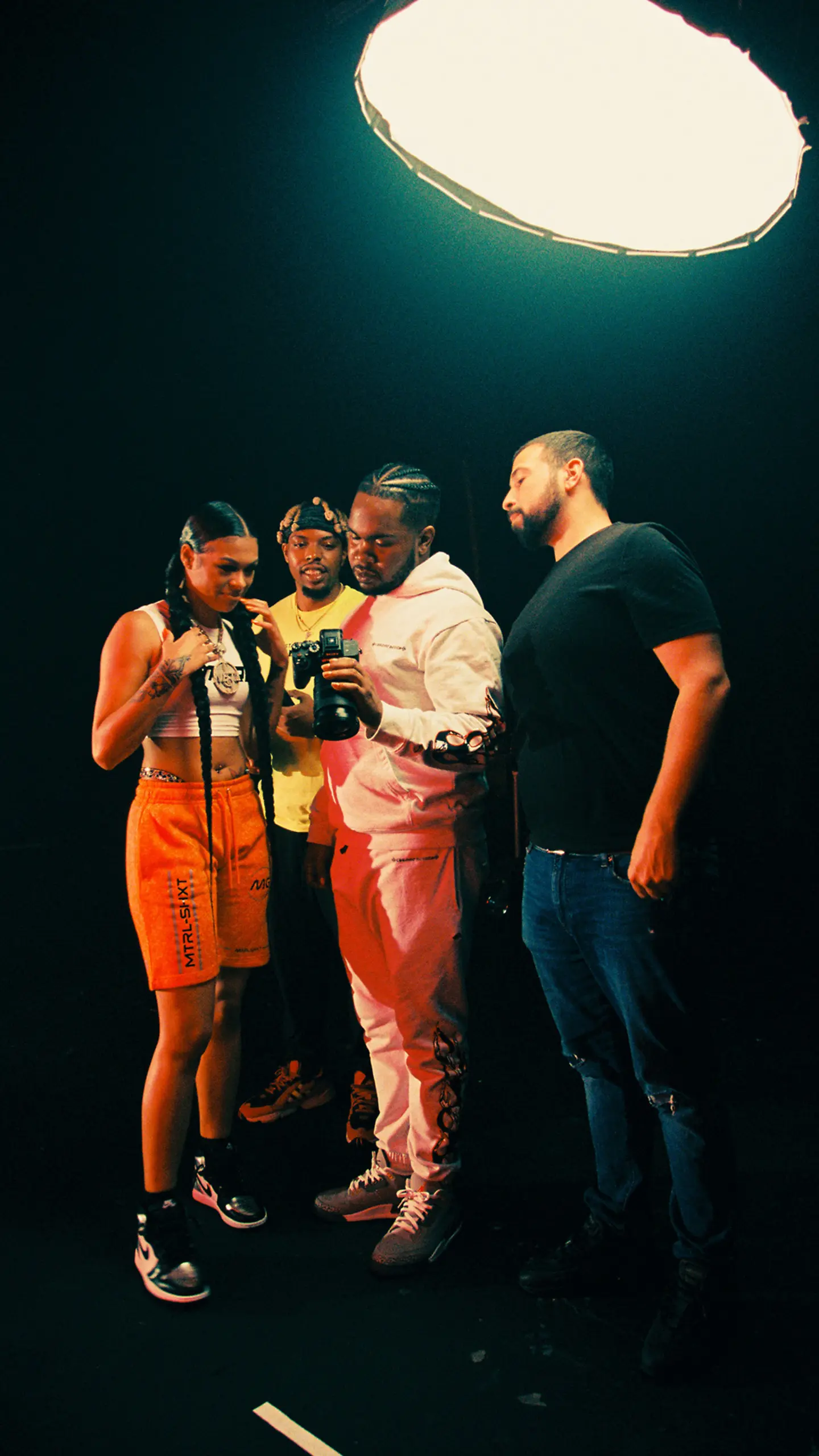
Pre-Production Is Everything
Script, Storyboarding, and Smart Planning
Before a single frame is shot, the real work of filmmaking begins. Pre-production is where the biggest budget-saving decisions happen, and it’s also where the groundwork is laid for high-impact visuals. A well-organized pre-production phase allows filmmakers to reduce waste, avoid delays, and extract the maximum value from every resource. It is not just a planning stage, it is the stage that determines whether your $1 million film will look like it cost $10 million.
It all starts with the script. A lean, tightly written screenplay with limited locations, minimal characters, and story-driven scenes sets the tone for production. High-impact, low-cost storytelling is the goal. Consider writing with production in mind, intense scenes in a single location, dialogue-heavy moments that rely on performance, and sequences that can be achieved with practical effects rather than complex setups. Whether it’s a narrative piece or a documentary film production, this level of awareness ensures that creative ambition aligns with financial reality.
Storyboarding and shot listing are equally crucial. A clearly visualized plan helps everyone, from director to cinematographer to production designer, stay aligned on what must be captured. It reduces unnecessary takes, speeds up setup times, and helps you visualize how each element contributes to your high-end look. Even a simple hand-drawn storyboard or digital previs can eliminate hours of on-set confusion.
Scouting and securing locations ahead of time saves money and sets the visual tone. Look for locations that offer production value on their own, interesting textures, natural lighting, architectural depth, or dramatic environments. Shooting in real-world settings can elevate a film’s visuals without requiring expensive set builds. Having your team visit these spaces beforehand ensures technical feasibility and helps plan for gear, sound, and staging.
Building a shot-efficient schedule is another hidden art of great film & TV production. Grouping shots by location or lighting setup, minimizing company moves, and accounting for setup time will cut down labor costs and preserve energy on set. Efficient scheduling also gives you more room for multiple takes on your most important scenes, ensuring performance quality.
If your film serves a specific campaign, such as political campaigns or commercial partnerships, pre-production is also where you align visuals with messaging. Consulting with a media marketing consult expert during this phase ensures that your content strategy supports not just the film, but the larger goals behind it.
In low-budget filmmaking, every well-made plan replaces dollars you do not have. Pre-production is not where you save time, it is where you create value.
Lighting, Lenses, and Composition Tricks
Achieving Cinematic Visuals on a Budget
Creating a high-end look is often more about how you use your tools than which tools you use. Lighting, lens choice, and smart composition can dramatically enhance your film’s visual impact without requiring expensive equipment or elaborate setups. By mastering these core visual techniques, filmmakers can transform modest locations and gear into cinematic experiences that rival big-budget productions.
Lighting is arguably the most powerful tool in your arsenal. Great lighting can make a cheap set look rich and dramatic, while bad lighting can flatten even the most beautifully designed scene. Natural light is free and often stunning, especially during golden hour.
Shooting at the right time of day and using reflectors or bounce cards can give your visuals a soft, filmic quality. When working indoors or at night, affordable LED panels or softboxes can go a long way. It is not about blasting light everywhere, it is about shaping light, creating depth, and guiding the viewer’s eye. Thoughtful lighting is the cornerstone of professional video production.
Lens choice is another powerful stylistic lever. Instead of investing in brand-new cinema glass, consider renting or using vintage lenses. These often have unique flares, color casts, and falloff characteristics that give a scene personality and texture. Paired with a modern digital camera, these lenses add character while softening the overly crisp digital look. The right lens can also help isolate subjects and add cinematic depth to even the simplest locations.
Composition is where creativity really shines. Mastering framing techniques like the rule of thirds, negative space, symmetry, and leading lines allows you to turn everyday environments into striking backdrops. Use foreground elements to create depth, mirrors to add visual complexity, or shallow depth of field to emphasize emotion. These choices cost nothing, but they can make each shot feel deliberate and professional.
Visual cohesion also matters. Maintaining a consistent color palette and visual theme across your film enhances its perceived value. Work with someone who understands branding & graphic design principles to align your production’s aesthetic with your overall storytelling. This becomes even more critical in marketing-facing content, such as commercials, documentaries, or branded narratives for content creation campaigns.
In the world of low-budget film & TV production, the camera does not care how much money you spent. It only captures what you place in front of it and how you choose to light, frame, and move through that world. When you control these elements with precision, your budget becomes invisible, and your vision, unforgettable.
Post-Production Magic
Make It Look Expensive in the Edit
Post-production is where raw footage becomes cinema. It is the hidden engine behind every stunning film, often making the difference between amateur and professional. For low-budget filmmakers, this stage is not just a technical process, it is the ultimate opportunity to elevate the entire production. With careful planning and creative finesse, post-production can transform modestly captured scenes into something that looks and feels like a high-budget production.
Color grading is one of the most impactful post-production techniques available. A well-graded film has a cohesive tone, visual identity, and emotional atmosphere. Whether you’re using free software or professional tools like DaVinci Resolve, proper color correction followed by stylized grading can hide lighting flaws, unify disparate shots, and create cinematic mood. Even if you shot with minimal gear, grading gives your footage polish and intent, core elements of compelling video production.
Beyond visuals, audio shapes the viewer’s experience. Poor audio instantly shatters immersion, no matter how good your film looks. This is where audio engineering comes into play. Balancing dialogue, cleaning up background noise, layering foley, and mixing ambient soundscapes creates depth and realism. Underscoring this with the right music, licensed or custom, amplifies emotion and keeps viewers engaged. When done well, great sound design makes a $1 million film feel like $10 million.
Visual effects are another powerful tool when used strategically. You do not need blockbuster-level CGI, but simple VFX compositing & animation techniques can enhance realism, expand settings, or add subtle visual storytelling elements. Replace a window view with a skyline. Add fog or embers. Mask out distractions in the background. Smart use of VFX helps you achieve results that would otherwise require expensive locations or physical effects.
Even the editing process itself contributes significantly to production value. Pacing, rhythm, and transitions shape how the story flows. A confident, intentional edit gives the impression of directorial control and creative authority. That is exactly what audiences and distributors expect from polished film & TV production.
Finally, think ahead to feature film mastering & delivery. Even if your budget is tight, preparing your film in formats suitable for broadcast, theatrical release, and streaming platforms adds credibility. Technical readiness is part of professional storytelling, and it signals that your project is built to go the distance.
Post-production is not where you cut corners. It is where you craft excellence. And for budget-conscious filmmakers, it is often the place where magic truly happens.
Creative Talent Over Famous Faces
Hire Artists, Not Celebrities
One of the most effective ways to elevate a film’s quality without inflating the budget is to focus on talent, real creative talent. While big-name actors and directors come with prestige, they also come with hefty price tags. For filmmakers working with limited funds, casting unknown but skilled performers and hiring versatile, passionate crew members can result in a final product that feels just as impactful, if not more so. The right team brings energy, vision, and flexibility all of which are priceless when every dollar counts.
When selecting your cast, prioritize chemistry, authenticity, and performance ability. Audiences connect more deeply with genuine emotion than with a recognizable face. Many breakout performances have come from newcomers in indie films, actors who poured themselves into roles without the weight of celebrity. These individuals are often more open to experimentation, collaboration, and long production days. Whether you’re producing a narrative feature or a documentary film production, authentic presence always trumps name recognition.
Behind the camera, look for crew members who wear multiple hats. A cinematographer who also understands lighting, a director with editing experience, or a sound recordist who knows audio engineering can significantly streamline your workflow. In budget-conscious film & TV production, having a crew that can multitask reduces costs while maintaining quality. The key is finding passionate creatives who see your project as an opportunity, not just a gig.
This is also where partnerships with artist management & media creation teams can be invaluable. These teams can connect you with emerging actors, stylists, choreographers, and designers who are actively building their portfolios. By collaborating with driven creatives who have something to prove, you inject energy and vision into your production, without paying studio prices.
Incorporating elements of creative marketing into your production team is another savvy move. Bringing in marketers, designers, and social media strategists during the creative process helps align your visual storytelling with your eventual promotional goals. They can also ensure your film’s tone and aesthetic work well across trailers, posters, and social media campaigns.
Ultimately, talent is not measured by price. It is measured by impact. A well-cast, creatively charged team can make your film feel elevated, intentional, and deeply professional. If you invest in people who believe in your vision and are excited to bring it to life, their passion and creativity will translate to every frame, and your audience will feel it.
Optimizing for Distribution and Visibility
It’s Not Enough to Look Good—You Need to Be Seen
Creating a visually stunning film is only half the battle. The other half is making sure people actually see it. In today’s saturated media landscape, distribution and visibility strategies must be baked into the production process from the beginning. Without a plan for how to launch, market, and position your film, even the most polished low-budget masterpiece risks going unnoticed.
Start with your digital presence. Your film needs a clean, accessible website that acts as a hub for trailers, press kits, cast bios, and festival updates. This is where web development, web hosting, and web maintenance become crucial. A professional-looking site builds credibility with viewers, distributors, and festival programmers. Make sure it is mobile-optimized and designed with a user-friendly layout that encourages exploration and contact.
Visibility also depends heavily on discoverability, which is why SEO copywriting plays a key role. Every page of your film’s site should include search-optimized content that targets relevant keywords, such as genre, themes, cast, and location. Blog posts, director statements, and behind-the-scenes articles provide not just engagement, but search value. These can also serve as press-friendly materials for media outlets and bloggers.
Once your web presence is solid, amplify it through social media marketing. Start building buzz well before release with teaser content, cast interviews, countdowns, and production updates. Engage audiences with meaningful behind-the-scenes insights, interactive polls, and exclusive content drops.
Platforms like Instagram, TikTok, and YouTube Shorts are ideal for short-form vertical content, while longer trailers and updates belong on Vimeo, YouTube, and Facebook. A consistent voice and visual identity across platforms will enhance brand recall and build anticipation.
Consider partnering with a media marketing consult to shape your strategy across platforms, festivals, and digital channels. These professionals understand the nuances of targeting niche communities, optimizing algorithms, and crafting campaigns that generate organic traction. Their expertise can help ensure your launch aligns with your creative goals and reaches the right eyes.
For filmmakers seeking long-term returns, early planning for distribution is essential. Whether you’re targeting festivals, AVOD/SVOD platforms, or theatrical micro-releases, your film’s production value must be matched by its marketing muscle. Leverage smart creative marketing decisions made during filming, like on-brand visuals, stylistic consistency, and audience-aware storytelling, to create a seamless pipeline from finished film to eager viewer.
In the end, making your film look like a $10 million production is only the first victory. Ensuring the world sees it, remembers it, and shares it is the true mark of success.
Conclusion
A high-end cinematic look is no longer reserved for studios with massive budgets. With the right combination of strategic planning, skilled creative teams, thoughtful pre-production, and polished post work, filmmakers can deliver a professional product on a modest budget. It all comes down to knowing where to invest your time, money, and vision.
If you’re ready to transform your story into something that looks and feels like a $10 million production, we’re here to help. Explore C&I Studios, view our portfolio, check out our services, or contact us today.
Related Reading
How Does a Film Go from Rough Cut to Final Master in Post-Production?
How Does a Film Go from Rough Cut to Final Master in Post-Production?
The film begins as a collection of disjointed scenes, raw footage captured in the moment, full of potential but far from complete. What transforms that material into a cohesive, emotionally resonant story is the meticulous work done after the cameras stop rolling. From shaping the narrative structure to refining audio and visual elements, post-production is where a film finds its true form.
This journey, from rough cut to final master, is not just technical, it’s deeply creative. It’s where pacing is perfected, tone is established, and the emotional core of the story is fully realized, ready to connect with audiences.
What Is a Rough Cut?
A rough cut is the very first assembled version of a film, an early draft created by piecing together raw footage in a basic narrative order. It’s not polished or refined, but it offers a clear idea of how the story unfolds. In many ways, the rough cut is like a sketch before the painting; it’s essential for identifying what works, what doesn’t, and where the pacing, tone, or continuity might need adjustment.
During this stage, editors use all available footage to build a structure that mirrors the script, but it’s often far from perfect. Scenes may be out of sync, transitions may feel awkward, and temporary audio might stand in for final sound design. It’s not uncommon for a rough cut to be significantly longer than the intended runtime, sometimes by 30 minutes or more. This surplus allows the team to trim excess, refine performances, and tighten sequences as they move toward a more finished product.
The role of the rough cut is critical in content creation, as it provides the creative team with something tangible to react to. Directors, producers, and editors will sit together to analyze the emotional rhythm of each scene and assess whether the overall arc feels compelling. Key decisions, such as removing subplots, reordering scenes, or altering the ending, often begin at this stage. It’s also the point where a film’s central themes start to crystallize.
In documentary film production, the rough cut can be especially transformative. Since documentaries rely heavily on real footage, interviews, and often unscripted moments, the editor’s ability to shape a coherent story from hours of material is where the documentary truly takes form. The narrative is discovered in the edit room, not predetermined in a script.
Tools matter, too. Reliable video production gear, from editing software to high-speed storage drives, is essential for handling large files, reviewing footage in real-time, and enabling creative experimentation. The technology empowers editors to stay organized, flexible, and responsive to creative feedback.
Ultimately, the rough cut is a foundation, not a finish line. It’s the first serious look at what the film could become, laying the groundwork for the deeper technical and artistic refinements that follow in post-production.
Picture Lock — When the Edits Are Final
Once the rough cut has gone through multiple revisions and received feedback from the director and producers, the project eventually reaches a stage known as picture lock. This is the point where all decisions regarding shot selection, scene order, pacing, and transitions are considered final. No more changes will be made to the visual portion of the film, and the edit is “locked” so that sound, music, color, and visual effects teams can begin their work with confidence that nothing in the timeline will shift.
Picture lock is a turning point in the video production process. Up until this stage, editors might experiment with different angles, insert temporary audio, or restructure the narrative to improve clarity or emotional flow. But once picture lock is declared, every frame is set. This allows for precise synchronization of audio elements, detailed planning of visual effects, and color grading work to begin without the risk of redoing it due to timeline changes.
At this stage, the editor works closely with the director to make sure the film’s visual language is exactly right. The rhythm of cuts, the way characters are introduced, and the visual transitions between scenes are all finalized to create a cohesive experience. Picture lock also allows the team to identify specific frames where effects, music cues, or sound enhancements will be placed. This coordination is essential for efficiency and creative alignment.
This step is especially important for projects that require collaboration with large teams, such as documentary film production or independent features with tight deadlines. A locked picture ensures that departments can work in parallel without confusion or delays. It also protects against costly revisions. Changing even one second of footage after picture lock could disrupt music synchronization, voiceover timing, or visual effect sequences, which may lead to extra costs and hours of rework.
With picture lock in place, filmmakers can now begin focusing on enhancing the emotional and atmospheric depth of the story. It is the moment when the raw footage becomes a blueprint for finishing touches, rather than an open-ended canvas. In modern content creation, this discipline ensures consistency, saves resources, and keeps everyone aligned on a shared creative vision. Picture lock is not just a technical milestone, it is the start of the film’s transformation from a draft to a polished final experience.
Sound Design and Audio Mixing
With the visual edit locked in place, the focus now shifts to sound. Sound design and audio mixing are vital components of post-production that breathe life into a film’s imagery. This phase involves layering ambient sound, dialogue, Foley effects, music, and more to create an immersive auditory experience. While visuals show us the story, it is often sound that makes us feel it.
Sound design begins by cleaning and enhancing the production audio. Dialogue recorded on set is rarely perfect, so it often requires careful adjustment or replacement through automated dialogue replacement (ADR). Foley artists then recreate everyday sounds, like footsteps, rustling clothes, or clinking glasses, to add texture and realism. Meanwhile, ambient sounds help establish location and atmosphere, grounding the audience in each scene.
Once all the components are gathered, the audio mixing process begins. This involves balancing levels so that dialogue is clear, music swells at the right moments, and effects enhance rather than overpower. Every element must work together to support the emotional tone and rhythm of the film. Whether it’s the subtle echo in a quiet hallway or the deep rumble of an approaching storm, audio contributes to the storytelling in ways that often go unnoticed, but are deeply felt.
In high-quality video production, sound is never an afterthought. It shapes the audience’s perception and can dramatically alter the tone of a scene. A comedic moment can become tense with a change in music or pacing. Likewise, poor sound design can pull the viewer out of the experience, no matter how strong the visuals are.
This stage also leverages modern tools and techniques. Advanced audio engineering software allows teams to isolate background noise, enhance vocal clarity, and mix tracks in surround sound or spatial audio formats. This is especially important for projects aimed at streaming platforms, theaters, or international release where consistent quality is essential.
For projects like documentary film production, where interviews, voiceovers, and natural environments blend together, the sound team plays a critical role in preserving authenticity while enhancing emotional engagement. Whether capturing the tension in a political interview or the serenity of a nature scene, skilled sound design turns raw recordings into emotional storytelling.
Ultimately, sound design and audio mixing do more than just fill silence. They shape mood, emphasize story beats, and guide the audience’s emotional journey, making them essential to turning a good film into a great one.
Visual Effects and Motion Graphics
Once the audio foundation is established, the film moves into a more visually technical phase: visual effects and motion graphics. This stage is where creativity meets precision. Whether it’s removing unwanted elements from a scene, enhancing environments, or creating entire sequences from scratch, visual effects help bring the director’s vision to life when practical methods fall short.
Visual effects (VFX) can range from subtle adjustments like sky replacements or background cleanups to complex compositing of explosions, creatures, or futuristic landscapes. In many films, audiences may not even realize that VFX is being used. Removing a visible microphone, adjusting a lighting mistake, or digitally altering an actor’s appearance are all examples of seamless VFX work.
Motion graphics, on the other hand, often serve functional or storytelling roles. These can include animated title sequences, location callouts, or data visualizations in a documentary film production. In genres like sci-fi or action, motion graphics may also be used for HUDs (heads-up displays), tactical screens, or dreamlike transitions that elevate the film’s creative style.
The process begins with a thorough breakdown of what each scene requires. Visual effects supervisors and motion graphics artists collaborate closely with the director and editor to understand timing, intention, and integration. Storyboards and animatics are often used to pre-visualize complex sequences before production even begins, but in post-production, these plans come to life in full resolution.
For these tasks, advanced content creation software and skilled professionals are a must. Layering footage, simulating physics, and rendering detailed environments all require powerful machines and technical expertise. The right video production gear ensures smoother workflow, better previews, and faster turnaround times for revisions and approvals.
This step is especially important in branded content, commercial videos, and political campaign films, where a sleek, polished aesthetic is expected. In such cases, motion graphics are not only stylistic elements but also tools for storytelling and brand identity.
VFX and motion graphics are not just visual add-ons. They’re integral to how a film communicates tone, time, and space. They allow stories to stretch beyond reality without breaking immersion. When executed correctly, they blend seamlessly with live action, enhancing both spectacle and substance in the final piece.
Color Correction and Color Grading
Once visual effects and motion graphics are finalized, the film enters the phase of color correction and grading, one of the most artistically expressive and emotionally impactful stages of post-production. This is where the visual tone of the film is shaped, and every shot is fine-tuned to look cohesive, intentional, and stylistically aligned with the story.
Color correction comes first. It’s a technical process that ensures visual consistency across every frame. Shots are matched for brightness, contrast, saturation, and white balance. Because scenes are often filmed out of order or under varying lighting conditions, this step ensures a seamless visual flow. It fixes problems like mismatched lighting or inconsistent skin tones, laying the groundwork for the creative enhancements that follow.
Color grading, on the other hand, is where mood and emotion are amplified through color choices. A cool blue palette might communicate sadness or tension, while warm golden tones suggest comfort or nostalgia. This phase is highly collaborative, as directors and cinematographers work closely with colorists to align the final look with the narrative’s emotional arc.
For instance, in documentary film production, grading can help differentiate timelines or underscore emotional beats in interviews. In fiction films, color is used to establish genre, horror might lean into harsh shadows and muted tones, while a romantic comedy could favor bright, airy visuals. Regardless of genre, the goal is the same: enhance the storytelling by making visuals resonate emotionally.
Colorists use professional tools for this task, hardware calibrated for accuracy and software designed for precision. The use of high-end video production gear ensures that colors appear correctly across all screens and formats. Whether the film is heading to theaters, streaming platforms, or broadcast TV, grading ensures the final product is visually optimized.
In modern content creation, color grading also plays a key role in branding and visual identity. A branded film, social campaign, or even a political campaign video must maintain a visual style that aligns with its message and target audience. A consistent palette creates recognition, reinforces tone, and adds polish to the finished piece.
Ultimately, color correction and grading are more than aesthetic polish, they’re tools of emotional storytelling. These steps guide how the viewer feels in each scene, making color one of the most powerful narrative devices in the entire post-production workflow.
Title Design, Subtitles, and Credits
With visuals and sound refined, the focus shifts to the final details that make a film feel complete, title design, subtitles, and end credits. Though these elements may seem simple compared to editing or effects, they carry significant narrative and functional weight. They establish tone, provide accessibility, and deliver essential context for viewers.
The opening title sequence sets the first visual impression of a film. Whether it’s a bold cinematic title or a subtle fade-in, this element reflects the film’s identity and style. Some productions opt for animated intros, while others incorporate motion graphics that blend into the opening scenes. For creators working in branded content or creative marketing, the title is also a crucial space for visual branding and tone-setting.
Subtitles and captions are increasingly vital, not only for accessibility but also for wider distribution. With global audiences in mind, subtitles help reach viewers across languages and cultures. Closed captions are essential for those who are deaf or hard of hearing, and they also support viewers watching content without sound, especially on social platforms. In documentary film production, accurate subtitles can preserve interview integrity and emotional nuance, especially when dealing with multilingual subjects.
Credits, meanwhile, provide recognition and legal fulfillment. The end credits honor the dozens or hundreds of people who contributed to the project, from cast and crew to post-production teams. The formatting, design, and length of credits vary depending on the film’s platform. A theatrical release might include full scrolling credits, while web-based content might display shortened or interactive versions.
Design plays an important role here. Professional branding & graphic design helps ensure that text elements like titles and credits match the film’s visual tone and aesthetic. Fonts, placement, and motion all contribute to a consistent and professional feel. For corporate or campaign-based films, branded titles and lower thirds often reflect the company’s identity or political messaging. This is particularly relevant in media marketing consult services, where every visual cue reinforces the brand story.
Subtitles, titles, and credits are the bridge between storytelling and communication. They provide clarity, recognition, and polish. Although they come at the end of the creative timeline, they are part of the first and last impressions the audience receives. Getting them right is a mark of both respect and professionalism in any film & TV production.
Final Mastering and Deliverables
After all creative elements are locked in, visuals, sound, effects, color, titles, and subtitles, it is time to build the final version of the film through a process known as final mastering. This stage ensures that the entire project is technically unified, precisely formatted, and ready for distribution across its intended platforms.
Final mastering is where every component is brought together into a single, high-resolution output. It involves syncing the final audio mix with the locked picture, verifying color consistency, and ensuring frame accuracy across the full timeline. The output must meet exact technical specifications based on how the film will be delivered, whether it’s for theatrical exhibition, broadcast, streaming, or digital download.
This step is vital in feature film mastering & delivery, where strict standards dictate the formats and codecs required by different distributors. For example, a theatrical release may require a Digital Cinema Package (DCP), which includes not just the film itself but metadata, encryption keys, and specific aspect ratios. A streaming platform, on the other hand, may require multiple versions of the same film: different bitrates, subtitles, audio languages, and compression levels.
File integrity is also checked thoroughly during this stage. Quality control teams screen the entire film to catch technical issues like dropped frames, audio glitches, or subtitle errors. Nothing is left to chance. The goal is a clean, consistent experience across all viewing devices and conditions.
In projects that involve web hosting, web maintenance, or cross-platform distribution, mastering includes preparing versions tailored for mobile, desktop, and smart TV playback. Compression settings, resolution scaling, and file packaging all come into play. High-quality video production gear helps manage the large file sizes and processing demands of this step, especially when exporting in 4K, HDR, or surround sound formats.
Mastering is also when backup and archival processes begin. Secure storage and redundant file formats ensure the longevity and reusability of the project, especially for branded campaigns, TV show pitching, or political content that may need repurposing in the future.
This stage may be technical in nature, but it serves a deeply creative purpose: preserving the integrity of all the hard work that came before it. Final mastering is the last checkpoint before a film leaves the creator’s hands and meets its audience, fully formed, professionally prepared, and ready to make its impact.
Marketing Prep and Distribution Assets
Once the film is fully mastered, the attention turns to preparing marketing and distribution assets. This final step is what bridges the creative process with the audience. Even the most visually stunning and emotionally powerful film needs the right tools to reach the world, generate engagement, and drive results. Whether for theatrical release, online platforms, or corporate use, this phase determines how and where the film will live.
Marketing prep includes the creation of trailers, teaser clips, social media edits, and behind-the-scenes content. These assets are essential for building anticipation and attracting viewers. Editors often go back into the master project to extract key scenes, emotional beats, or high-action moments that best represent the final product. These short forms of content are then formatted for multiple platforms, horizontal for YouTube and websites, vertical for Instagram Reels or TikTok, and square for in-feed posts.
For branded content and creative marketing, every visual asset must align with the brand’s tone, color palette, and messaging. Consistency across these touchpoints builds recognition and trust. At this stage, designers and editors often collaborate with branding & graphic design teams to ensure that fonts, logos, and lower thirds reflect the overall identity. This is especially crucial in commercial projects and political campaigns, where message clarity and audience targeting are non-negotiable.
Distribution assets also include press kits, promotional stills, and formatted versions for different media outlets. For example, social media marketing teams may need multiple resolutions and durations for each platform. Public relations teams may request poster designs, director bios, and high-resolution stills for coverage opportunities. In some cases, filmmakers will even create alternate cuts or censored versions based on regional guidelines.
SEO-friendly descriptions, titles, and tags are also part of this process. With the help of SEO copywriting, content creators can improve visibility on search engines and video platforms. The more discoverable your film is, the more likely it is to gain traction organically.
Technical staff ensure that all distribution versions are tested for performance across devices, and web development teams may integrate the video into landing pages or digital campaigns. Ongoing web maintenance is also important to ensure these assets remain functional and accessible after launch.
This phase completes the creative lifecycle, taking the final product and preparing it to resonate with the right audience, in the right format, at the right time. It’s not just about release, it’s about making sure your work is seen, remembered, and acted upon.
Conclusion
Post-production is where raw footage becomes a fully realized cinematic experience. It’s the stage where story, emotion, and precision converge, transforming a rough cut into a compelling visual journey.
Whether you’re shaping a branded campaign, editing a TV series, or finalizing a documentary film production, every step in post is essential to delivering a polished result that connects with your audience.
At C&I Studios, we specialize in complete post workflows, tailored to the needs of each project. You can explore our full range of our Services and see what we’ve built in our Portfolio. If you’re considering collaboration, we welcome you to get in touch.
Related Reading
Why You Should Never Treat Post-Production as an Afterthought
Why You Should Never Treat Post-Production as an Afterthought
Post-production is often where the real magic happens but it’s also the stage most commonly underestimated. Once the cameras stop rolling, many assume the hardest part is over. In reality, that assumption can derail even the most promising projects.
Whether you’re creating a high-budget commercial, a short documentary, or a branded campaign, the decisions made after the shoot can make or break the final product. This article pulls back the curtain on what truly happens behind the scenes, from fine-tuning visuals and audio to building emotional arcs, to show why post-production is far too important to be treated as an afterthought.
The True Scope of Post-Production
Post-production is far more than just cutting footage together. It is a layered, collaborative process that shapes how stories are told, emotions are felt, and brands are remembered. From adjusting the tone of a scene with precise color grading to enhancing emotional beats through sound design, post is where raw material evolves into a cohesive, compelling final product.
At the heart of the process lies editing, where scenes are structured for flow, pace, and narrative clarity. Each decision made during editing, such as the timing of a cut or the inclusion of a reaction shot, affects the story’s impact. Color correction then ensures visual consistency and mood, aligning the look with the intended aesthetic.
A vibrant product ad demands different tonal values than a moody short film or corporate explainer. When these elements are neglected, the visual narrative can feel flat, inconsistent, or even confusing.
Sound design adds another crucial layer. From dialogue clarity to environmental sound effects, the audio landscape sets the emotional temperature for the viewer. Without balanced audio, even the most beautiful visuals lose their immersive power. In projects requiring advanced visual elements, VFX compositing & animation brings creative visions to life that would be impossible to capture on set. Explosions, holograms, glowing maps, or surreal landscapes are just a few examples of how post extends the boundaries of visual storytelling.
Post-production workflows vary greatly depending on the type of project. For example, documentary film production often relies on hundreds of hours of raw footage, requiring extensive curation, subtitling, archival insertion, and legal review. In contrast, political campaigns may demand ultra-fast turnaround times with persuasive editing techniques, impactful graphics, and real-time response editing to breaking news. Branded content must stay tightly aligned with corporate identity and marketing tone, often involving multiple rounds of revision and approval.
When it comes to high-stakes projects such as TV show pitching, the pilot episode or teaser reel undergoes intense post scrutiny to achieve studio-grade polish. Every frame must reflect the show’s concept, tone, and audience appeal. For cinematic releases, feature film mastering & delivery is the final stage, where audio levels, resolution specs, subtitles, and visual consistency are perfected for theatrical or digital distribution.
Why Cutting Corners Costs More
When budgets get tight or timelines shrink, post-production is often the first phase to be compressed or minimized. This shortcut approach might seem cost-effective in the moment, but it almost always leads to larger problems down the line. Skipping essential post-production steps can compromise both the quality of the final product and the success of the campaign it supports.
Poor editing, for example, can turn a compelling story into a disjointed mess. Viewers may become confused or disengaged, resulting in low watch times or minimal shares. Sloppy transitions, jarring cuts, or pacing issues can distract from the message, no matter how strong the original footage is. Similarly, lackluster color grading can make even high-end shots look amateur, reducing the credibility of the brand or message being promoted.
Audio mistakes are particularly damaging. A video with muffled dialogue, background noise, or inconsistent volume will quickly lose viewers. Effective audio engineering is not optional, it is essential to audience retention and overall professionalism. In commercial work, these lapses can translate directly into lost revenue or client dissatisfaction.
On the marketing side, weak post-production impacts performance metrics. Campaigns created without proper editing and polish tend to underperform in SEO copywriting, media marketing consults, and social distribution. If your content looks unrefined, it undermines your authority and diminishes trust with your audience. You may find yourself paying extra for new cuts, updated animations, or outsourced fixes that could have been avoided with a stronger post process from the start.
In some cases, these issues escalate. Political ads or branded campaigns that go live with errors can cause reputational damage. A typo on a title card, a glitchy graphic, or an off-brand color tone might seem small, but they signal carelessness. Correcting these mistakes mid-campaign takes time, energy, and often more money than if the post team had been empowered upfront.
Technical aspects also matter. Using outdated or mismatched video production gear, or working without proper software and storage systems, can lead to export problems, playback errors, or formatting issues. These technical setbacks delay launch schedules and reduce compatibility across platforms.
In the end, cutting corners in post doesn’t save money. It shifts the cost from a controlled process to damage control, often at the worst possible moment. Investing in a complete and thoughtful post-production workflow protects both creative vision and financial outcome.
Post-Production as the Storytelling Engine
Storytelling does not end when the camera stops rolling. In fact, it is in post-production where the story is truly shaped, refined, and brought to life. The pacing of scenes, the mood of the visuals, the rhythm of the edits, all of these are crafted in post, transforming raw footage into emotionally resonant experiences.
Editors act as storytellers, not just technicians. They determine the heartbeat of a narrative, choosing which moments breathe and which move quickly. A shift in pacing can turn a flat sequence into a gripping scene or elevate a basic product video into something memorable. This narrative control gives editors the ability to emphasize themes, build tension, or guide the viewer’s focus.
Visual storytelling is further enhanced through color correction and image enhancement. A warm tone can create nostalgia, while a cooler grade evokes professionalism or isolation.
These visual cues subconsciously inform how the viewer feels about the subject, setting the emotional tone without a single word spoken. This is especially important in brand storytelling, where every shade, cut, and transition must reflect company values and identity.
The integration of VFX compositing & animation expands the storytelling possibilities even further. Whether you’re adding motion graphics to a corporate explainer or visual effects to a narrative scene, these tools allow you to show what cannot be captured on camera. A well-timed animation can clarify a complex concept or visually tie together disparate ideas. Used effectively, it reinforces both understanding and retention.
Meanwhile, sound plays a powerful but often invisible role. Through dialogue editing, ambient sound, and scoring, audio engineering helps set the scene and guide the viewer’s emotions. The swell of music at just the right moment can amplify drama, excitement, or resolution. Silence, when used intentionally, can also speak volumes.
Post-production doesn’t just polish a story. It defines it. A project might begin with a strong idea and great footage, but it is the post process that shapes how the audience ultimately experiences the narrative. It’s where creative decisions align with strategy, making this phase essential in everything from short-form content and advertising to long-form storytelling and feature film mastering & delivery.
When done right, post-production is not invisible. It’s unforgettable. And that is what turns casual viewers into loyal followers.
Collaboration Starts After the Shoot
Many people assume that collaboration on a video project ends once the cameras stop rolling. In reality, post-production is where the most critical collaborative work begins. Editors, sound designers, animators, and creative directors come together to refine and elevate the material. This synergy is what brings a project’s full potential to life.
During production, much of the focus is on capturing assets. But it’s in post where creative vision becomes actionable. The footage is reviewed, narratives are shaped, and stylistic choices are debated and finalized.
A director may work closely with the editor to fine-tune pacing, while a motion designer might sync animations with music cues. Colorists ensure the visual tone matches the brand, and sound engineers polish audio for maximum clarity. Every team member brings a different lens to the project, but their efforts must align to serve the same story.
Collaboration in post becomes even more crucial during high-stakes productions like political campaigns, where messaging must be precise, timely, and emotionally impactful. Editors may work directly with consultants to revise voiceovers, update graphics, or adjust content based on polling or public response. The turnaround is fast, and the stakes are high, making seamless teamwork vital.
For digital and brand-focused content, post also becomes a dialogue between the studio and the client. In many creative marketing projects, multiple stakeholders are involved, brand managers, copywriters, legal teams, and media strategists. Feedback loops are integrated into the post workflow, with rounds of revisions to ensure the final deliverable meets both artistic standards and campaign objectives.
Social-focused projects, such as those involving social media marketing, demand adaptability in post. Editors must reformat the same content for multiple platforms, YouTube, TikTok, Instagram, and LinkedIn, each with its own dimensions, pacing, and tone. Collaborative planning ensures the messaging remains consistent across all touchpoints without feeling repetitive.
Even in traditional video workflows, collaboration extends to clients providing brand assets, voiceover scripts, or product guidelines. In agency environments, teams will often work from shared servers or cloud platforms to ensure real-time updates and minimize delays.
Technology That Powers Great Post-Production
Behind every seamless video lies a suite of powerful technologies driving the post-production process. These tools not only increase efficiency but also unlock creative possibilities that were once unimaginable. From industry-standard editing platforms to cutting-edge rendering engines, the right technology stack determines the quality and scalability of any project.
At the core of post-production are editing programs like Adobe Premiere Pro, Final Cut Pro, and DaVinci Resolve. These tools allow for precise timeline control, multilayer editing, and deep integration with other software for audio and graphics. Editors rely on them to refine story structure, polish transitions, and ensure a smooth viewing experience across devices.
Color grading and correction are elevated through specialized tools like DaVinci Resolve’s node-based interface. Whether you’re enhancing skin tones or giving an entire film a stylized aesthetic, this process is essential to delivering a cinematic look. Color workflows are especially vital in documentary film production, where different cameras and lighting environments can introduce visual inconsistencies.
Visual effects and VFX compositing & animation require high-performance hardware and software such as Adobe After Effects, Nuke, or Cinema 4D. These platforms enable creators to composite multiple elements into one scene, add digital enhancements, and build immersive animated sequences. From kinetic text in brand videos to surreal landscapes in narratives, post-powered visuals expand creative boundaries.
Audio post-production also benefits from advanced software like Avid Pro Tools and Adobe Audition. These tools allow sound engineers to fine-tune voiceovers, balance ambient tracks, eliminate background noise, and shape emotional impact through music and effects. High-quality audio engineering ensures that viewers stay engaged from the first second to the last.
Equally important is the infrastructure supporting these tools. Cloud-based storage systems, proxy workflows, and collaborative editing platforms have made remote post-production more accessible and scalable. This has become essential for fast-turnaround projects like feature film mastering & delivery or global TV show pitching, where teams may be distributed across time zones.
Efficient use of video production gear also contributes to smoother post workflows. Footage captured in high-resolution formats like ProRes or RAW offers greater flexibility in color and effects, but it requires robust computing power and ample storage to manage.
In short, great post-production is powered by more than creativity, it’s built on a foundation of precision tools, optimized workflows, and purpose-built hardware that support storytelling at every level.
What Clients See Is Built in Post
No matter how well a shoot goes, the audience never sees the raw footage. What they experience is the polished final product, meticulously shaped during post-production. This is where every visual detail, sound cue, and graphic element is fine-tuned to leave a lasting impression. For clients, this polished version is the brand, it’s the voice, the personality, and the standard of excellence that they expect their audiences to associate with their message.
Every successful video starts to take its final form in post. Graphics are added, music is synced, transitions are smoothed out, and dialogue is clarified. A well-structured edit ensures that the content flows naturally and keeps viewers engaged. Without this refinement, even expensive productions can appear amateurish. This is why clients come to expect a high-quality, consistent product, regardless of the complexity of the project.
Visual enhancements like motion graphics and lower thirds are often added during post to reinforce branding. In many cases, these graphics are built using custom elements created by branding & graphic design teams, tailored to the look and feel of the campaign. Whether it’s a product demo, corporate training module, or startup launch reel, visual identity must remain cohesive across every asset.
Similarly, polished stills, thumbnails, and social-friendly cutdowns are also generated during post. These assets are often shared across digital channels and repurposed for web content, landing pages, or email campaigns. For agencies, the ability to offer not just one video, but a full content package, including professional photography, adds immense value to the client relationship.
Post-production also plays a critical role in preparing content for platforms that require technical precision. This includes formatting videos for websites developed through web development, resizing for mobile-first experiences, or embedding into platforms supported by web hosting. Errors in aspect ratio, resolution, or frame rate can impact load times or playback performance, problems that are solved, or avoided entirely, in post.
Maintenance is just as important. When brands update logos, slogans, or brand colors, the original project files from post are used to make quick updates. This capacity for agile revision becomes even more valuable during time-sensitive campaigns where web maintenance and content refresh cycles need to move fast.
Case Studies: When Post Makes (or Breaks) a Project
Post-production can either elevate a project to new heights or undermine it completely. Real-world examples make this clearer than any theory. Whether you’re working on a cinematic film, a branded campaign, or a social ad, the quality of the final product often comes down to the choices made in post. A well-executed post-production process can save a weak shoot, while a rushed or sloppy edit can ruin an otherwise brilliant concept.
Consider a short-form branded video that was filmed with strong lighting, clear audio, and professional direction. However, due to tight deadlines, the team skipped final color correction and used generic cuts. The result was a disjointed piece that felt unfinished.
Viewers dropped off early, and client engagement plummeted. Despite having quality raw footage, the lack of investment in post resulted in a campaign that failed to deliver. This example is all too common in fast-paced social media marketing environments, where speed often trumps substance.
Contrast that with a project for a nonprofit organization that had limited filming resources. The initial footage was shaky and underexposed. But in post, editors stabilized shots, enhanced color, synced voiceovers, and added subtle VFX compositing & animation to clarify key messages.
The final cut was moving, visually engaging, and emotionally resonant. The video exceeded performance goals and secured additional donor funding. This is the power of strong post-production, it can transform limitations into strengths.
In a more high-profile example, a studio working on a teaser for TV show pitching knew that post would be the deciding factor for network interest. Every second of the pitch reel had to communicate genre, tone, and quality. The team invested heavily in mood-setting music, pacing, transitions, and animated title cards. The result was a tightly edited, visually rich teaser that captured executive attention in under two minutes. That project was greenlit, and it started in the edit bay.
Even in large-scale film projects, post plays a pivotal role. A production with a complex narrative struggled with clarity during test screenings. In post, editors restructured scenes and adjusted the tone through sound and lighting to improve coherence. The final version received accolades for storytelling, a direct result of smart decisions made during feature film mastering & delivery.
These case studies prove a simple truth: post-production doesn’t just finish a project, it defines how that project is experienced. When given the time and care it deserves, post turns good ideas into unforgettable work.
Conclusion
Post-production is not a secondary step, it is the creative engine that transforms raw footage into compelling, high-impact content. Whether you’re building a pitch for a new series, launching a brand campaign, or delivering a feature-length film, skipping or rushing post is a risk you can’t afford to take. Every successful project is defined by the precision, polish, and storytelling crafted after the cameras stop rolling.
To bring your vision to life with full-service creative expertise, explore C&I Studios, check out our services, view our portfolio, or contact us to get started.
Related Reading
How Good Editing Can Make or Break a Film
How Good Editing Can Make or Break a Film
Film editing is often called the invisible art because when done well, you rarely notice it. Yet it is one of the most powerful forces shaping what we feel and how we understand a story on screen. Every cut, transition, and pacing decision contributes to the emotional flow and narrative clarity of a film.
Editing determines whether a moment lingers or races by, whether a scene resonates or falls flat. While cameras capture the raw material, it is the editor who pieces together the final experience. Good editing does not just support storytelling, it completes it. Bad editing can completely unravel it.
Why Editing Is the Heartbeat of a Film
At the core of every memorable film is a rhythm that carries the audience from one emotional beat to the next. That rhythm doesn’t emerge by accident, it’s crafted meticulously in the editing room. The editor is more than just a technician slicing clips together; they are a creative partner who shapes the emotional arc and narrative flow of the final product. Without effective editing, even the most beautifully shot footage can feel disjointed or hollow.
Pacing is one of the most critical aspects determined in the edit. A well-timed pause can add emotional weight, while a rapid cut can heighten tension or energy. For instance, in the original cut of Star Wars: A New Hope, the story dragged until editors restructured the space battle and tightened the dialogue. What emerged was a fast-paced, emotionally compelling sequence that defined the film’s legacy. This wasn’t just smart cutting, it was storytelling in action.
Tone is another element molded by the editor’s hand. In indie classics like Whiplash, editing choices brought urgency and chaos to musical practice scenes, turning what could have been repetitive into something gripping and intense. These decisions involve more than visual rhythm. Sound cues, transitions, and silence are all used to manipulate mood. That’s where audio engineering and thoughtful sound design work hand-in-hand with picture cuts to create an immersive experience.
Even coherence, the ability for a story to make sense, relies heavily on editing. Films are rarely shot in sequence. Editors use their understanding of narrative structure to create continuity across fragmented scenes. Without this, stories risk feeling fragmented and confusing.
The tools available today for this process are more advanced than ever. Modern video production gear allows for precision control over every frame and soundwave. High-end systems enable real-time editing, color correction, and integration with feature film mastering & delivery workflows, ensuring the editor’s vision is preserved all the way through to the screen.
In essence, editing isn’t about fixing problems after filming. It’s about creating meaning and momentum. Editors build the heartbeat of the film, stitching together emotion, logic, and spectacle into a cohesive final product that resonates long after the credits roll.
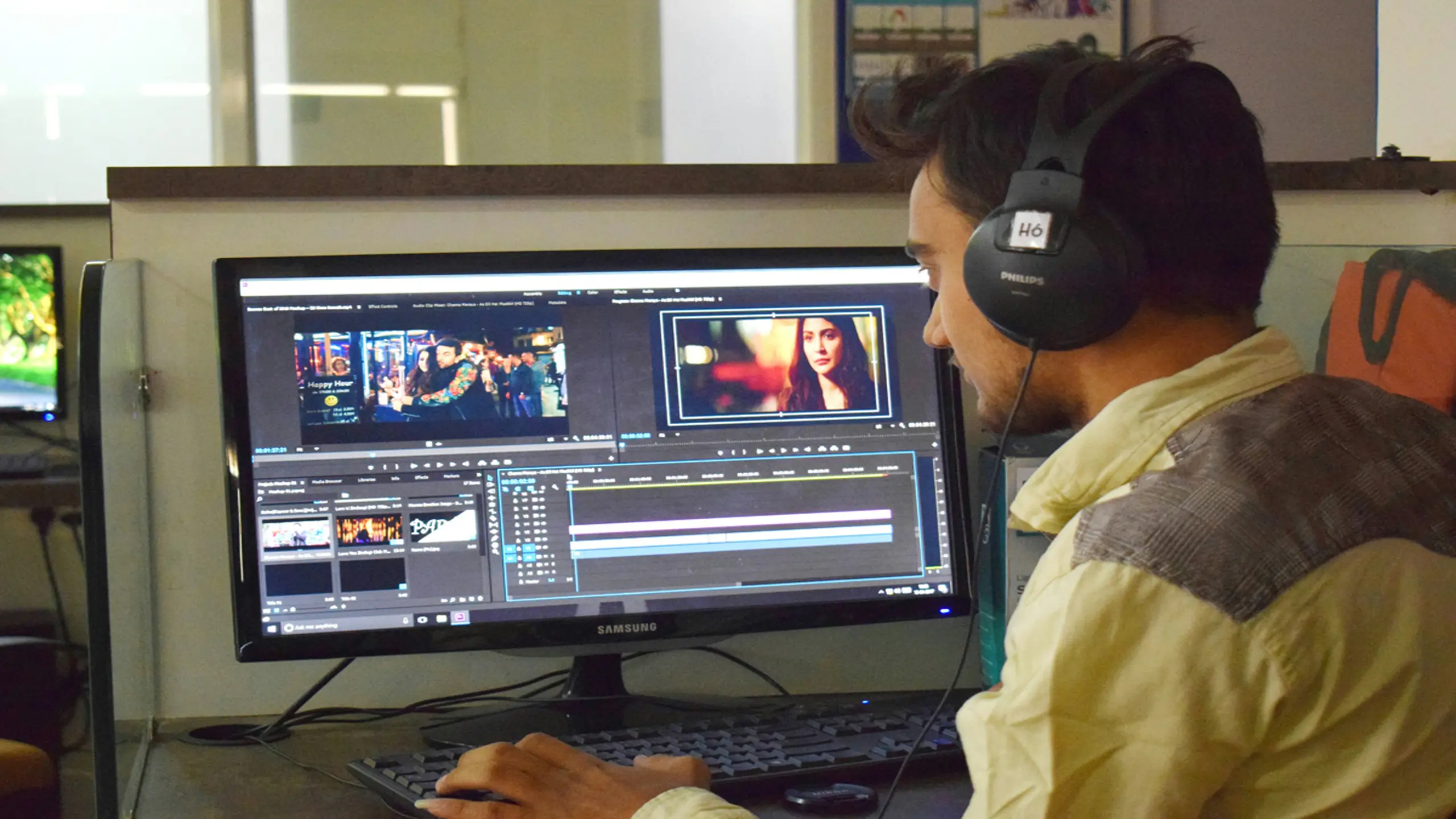
The Editor’s Toolbox: Key Techniques That Transform Stories
Editing is where raw footage becomes a fully realized story, and every editor relies on a creative toolbox filled with techniques that shape that transformation. These techniques aren’t just stylistic choices, they’re foundational tools that help build emotional rhythm, guide audience focus, and craft meaning in ways that words and performances alone cannot achieve.
Continuity editing, one of the most fundamental techniques, ensures that spatial and temporal relationships remain consistent throughout a film. This allows viewers to follow the story without distraction or confusion. Cross-cutting, on the other hand, can heighten tension by showing two simultaneous events in different locations, leading to a dramatic convergence. It’s a technique famously used in The Godfather during the baptism scene, where the calm ceremony is intercut with violent assassinations, creating a chilling juxtaposition.
Montage sequences compress time and are often used to show character growth or transformation. In Rocky, the training montage is not just a time-saver, it’s an emotional build-up that makes the final fight feel earned. Jump cuts, made famous by the French New Wave, are more jarring and stylized, often used to emphasize disorientation or urgency. These cuts break continuity on purpose to evoke an emotional or thematic point.
Parallel editing and match cuts further expand the editor’s ability to build meaning between unrelated scenes. These transitions demand precision, an eye for visual metaphor, and mastery over timing. Tools like color grading, sound bridges, and visual effects add even more nuance, blending VFX compositing & animation with story-driven editing to produce seamless, immersive moments.
What ties all of these techniques together is the editor’s intuition and command over their tools. This includes not only editing software but also the video production gear that enables high-fidelity footage capture and playback. Great editors also work closely with teams in audio engineering to make sure each cut sounds as smooth and emotionally resonant as it looks.
When used with purpose, these editing techniques become the grammar of visual storytelling. They shape mood, pace, and perception, subtly guiding viewers through a journey that feels natural, even when the craft behind it is incredibly complex. These aren’t just tools for polishing a story. They are the instruments that give it pulse, structure, and soul.
Pacing, Rhythm, and Emotional Impact
One of the editor’s greatest responsibilities is establishing the pacing and rhythm of a film. These invisible patterns dictate how a story feels, whether it’s tense and fast-moving or slow and reflective. The pace of a scene can change the audience’s entire emotional response, often more than the dialogue or visuals themselves. This is why editing is not just about what gets cut, but when and how it’s cut.
A fast-paced thriller like Mad Max: Fury Road uses quick, rhythmic cuts to sustain energy and urgency, keeping viewers on edge. In contrast, a film like The Revenant leans on long, uninterrupted shots and minimal editing to create an immersive, meditative atmosphere. These editorial choices aren’t accidental. They are deliberate strategies that amplify mood and character experience.
Rhythm in editing is akin to rhythm in music. It sets up patterns and then breaks them for effect. An action sequence may accelerate the pace, only to suddenly pause for a close-up or silence to land a dramatic punch. These contrasts make key moments stand out. The difference between a scene that thrills and a scene that drags is often a matter of rhythm management in the edit.
Emotional impact also depends heavily on these editorial decisions. A simple pause between two lines of dialogue can allow emotion to breathe, while a well-placed cutaway to a character’s reaction can say more than any line of script. These micro-decisions shape how the audience connects with characters and how deeply they feel the stakes of a scene.
Audio is a major part of this process. Editors often work closely with audio engineering teams to time sound effects, music cues, and ambient noise with the visual rhythm. A heartbeat sound layered beneath a scene can quicken the viewer’s own heartbeat when timed with cuts and visual tension.
Editors rely on their creative instincts, but they also depend on precision tools and video production gear that allows them to manipulate milliseconds. These tools enable them to create sequences that resonate emotionally, not just intellectually.
Ultimately, pacing and rhythm are what pull viewers in and hold their attention. Done right, editing guides the emotional journey without ever being noticed, yet its absence or misstep is immediately felt. It’s a dance of time and feeling, choreographed in the editing room.
When Editing Goes Wrong: Common Mistakes That Hurt Films
Great editing can elevate an average film into something unforgettable. But the opposite is also true, poor editing can derail even the most promising story. When cuts are mistimed, transitions jarring, or continuity lost, the viewer is pulled out of the experience. These missteps don’t just disrupt flow; they can confuse, frustrate, or even alienate the audience.
One of the most common mistakes is inconsistent pacing. When scenes are drawn out too long or cut too abruptly, the emotional rhythm breaks down. A suspenseful build may fall flat if the payoff comes too early, or worse, too late. Suicide Squad (2016), for example, faced widespread criticism for its incoherent editing and abrupt tonal shifts. Despite strong performances and a high budget, many viewers felt disoriented due to a lack of narrative clarity, a problem that could have been avoided with a tighter, more deliberate edit.
Another major issue is poor continuity. If a character is holding a glass in one hand in one shot and the other hand in the next, it may seem minor, but enough of these errors can erode the viewer’s trust. Continuity editing ensures spatial and temporal logic, and when that logic is violated, immersion breaks down. Without attention to these details, scenes start to feel stitched together rather than smoothly unfolding.
Sound mismatches are also common pitfalls. Dialogue that’s poorly synced, jarring music transitions, or inconsistent ambient noise can distract and confuse. That’s where a strong audio engineering team becomes essential to the editing process. Without clean sound and proper sound design, even beautifully cut scenes can feel amateurish.
Underutilizing or overloading video production gear is another issue. Some editors lean too heavily on effects and transitions that don’t serve the story, creating a visual mess. Others fail to use tools that could enhance clarity and style. Knowing when and how to use equipment, and more importantly, when to let a shot breathe, is a key part of good editing.
Lastly, failing to consider feature film mastering & delivery can result in technical problems down the line. Improper resolution settings, color grading issues, or mismatched frame rates can affect the final product, especially in distribution.
Editing mistakes aren’t always dramatic, but they are always felt. A film’s coherence, tone, and emotional power rest in the hands of the editor. When that responsibility is mishandled, the entire project suffers.
The Editor–Director Relationship: A Creative Partnership
Behind every well-edited film is not just a skilled editor, but a powerful collaboration between the editor and the director. This creative partnership is where vision meets execution. While the director is often seen as the film’s architect, the editor serves as both sculptor and critic, helping shape raw footage into its most impactful form while also challenging creative choices for the good of the story.
Trust is the foundation of this relationship. A director may come into the editing suite with a clear vision, but the editor brings a fresh perspective, often seeing things that weren’t visible on set. In many cases, editors help directors rethink pacing, restructure scenes, or even reframe the meaning of a moment.
A famous example is Jaws, Steven Spielberg originally wanted to show the shark more frequently, but editor Verna Fields suggested minimizing its screen time. That editorial decision helped turn mechanical limitations into psychological suspense, ultimately defining the film’s legacy.
Good editors know when to challenge and when to adapt. They offer feedback not as gatekeepers, but as creative collaborators. In indie productions, where budgets are tight, this relationship becomes even more crucial. Editors often wear multiple hats, helping with sound, color correction, or visual polish, making their input even more integrated.
The editor–director dynamic is not just about technical skill, it’s about shared language. When they align, magic happens. When there’s friction without trust, the result can be a muddled product. Successful pairs like Thelma Schoonmaker and Martin Scorsese demonstrate how long-term collaboration can lead to stylistic coherence across decades of work.
This relationship also intersects with broader teams in film & TV production, such as audio engineering experts and professional photography leads. The editor is often the hub where all creative inputs converge, visuals, sound, pacing, effects, making their ability to communicate and collaborate essential.
In branded content and commercial work, the editor–director partnership plays a key role in translating marketing goals into emotionally engaging content. From corporate storytelling to artist management & media creation, alignment between vision and execution defines whether a final product resonates or misses the mark.
When this partnership is strong, editing becomes more than just a craft, it becomes an extension of directorial voice. Together, they don’t just cut a film, they carve out its soul.
Editing for Different Formats: Trailers, Commercials, Documentaries, and More
While the principles of good editing remain consistent, the application of those principles changes dramatically depending on the format. Editing a full-length narrative feature is very different from cutting a 30-second commercial or a two-minute trailer. Each format serves a distinct purpose and audience, requiring unique editorial decisions to maximize impact.
Trailers, for instance, are all about compression and momentum. Editors must distill an entire film into a compelling snapshot without giving too much away. The pacing is typically faster, the music more dynamic, and the cuts more dramatic. Great trailer editors know how to evoke emotion and curiosity quickly. A trailer for a drama will rely on tension and mood, while an action trailer may lean into sharp cuts and rising energy. In both cases, editorial precision is key.
Commercials demand an even tighter focus. With time constraints of 15 to 60 seconds, editors must be strategic about every frame. A successful ad must grab attention immediately and drive a clear message home. Here, editing intersects directly with creative marketing, ensuring that visuals, sound, and text align to produce persuasive, on-brand messaging. Campaigns for political campaigns and product launches alike depend on sharp editing to get results.
Documentaries offer different challenges. Editors often begin with hours of footage and no fixed script. Their job is to shape real-life moments into an emotionally resonant and narratively coherent experience. This often involves weaving together interviews, archival material, B-roll, and voiceovers in a way that feels natural yet purposeful. In this context, pacing is driven by emotional truth rather than dramatic construction, and the role of audio engineering becomes even more crucial.
Social content, on the other hand, thrives on fast cuts and platform-native pacing. Editors creating reels, shorts, or stories must understand how to capture attention within the first few seconds. The ability to repurpose longer footage into snackable, high-impact content is a valuable skill in modern social media marketing.
Each format requires a tailored approach, but they all depend on the editor’s ability to craft rhythm, clarity, and emotion. The best editors can shift seamlessly between styles, from cinematic trailers to short-form branded clips to intimate documentary film production. They adapt not just to time limits but to tone, audience, and platform, making format-specific editing a key part of professional storytelling today.
Technology’s Role: How Software and Gear Shape the Cut
Modern editing is as much about the tools as it is about the talent behind them. While storytelling instincts remain timeless, today’s editors rely heavily on cutting-edge software and hardware to bring their creative visions to life. The evolution of technology has fundamentally reshaped what’s possible in the edit suite, making the process faster, more flexible, and more collaborative than ever before.
Professional editing software like Adobe Premiere Pro, DaVinci Resolve, and Avid Media Composer allow for nonlinear editing, complex timeline management, and real-time effects processing. These platforms offer robust integration with color grading, motion graphics, and audio engineering, streamlining what used to require multiple systems. Editors can now adjust everything from lighting levels to sound cues in one unified workspace, enabling them to experiment more freely and iterate faster.
Equally important is the quality of video production gear used during shooting. High-resolution cameras, proper lighting setups, and accurate color profiles give editors greater flexibility in post-production. The more detailed and dynamic the raw footage, the more options an editor has when refining scenes. Gear choices don’t just affect visual fidelity, they influence how well footage holds up during grading, cropping, or VFX insertion.
Remote collaboration tools have also revolutionized the editing process. Editors can now work across time zones, sharing projects and syncing updates in real time. Cloud-based platforms and project management tools allow creative teams to stay aligned from concept to delivery, improving both speed and communication. This is especially useful in large-scale film & TV production where editors, directors, and producers may not be in the same location.
Once the creative work is done, technical precision is critical. Editors must prepare projects for feature film mastering & delivery, ensuring every frame meets the required specifications for cinema, streaming, or broadcast. This includes correct aspect ratios, frame rates, color spaces, and sound configurations. Without this technical accuracy, even the most compelling edit can be compromised during distribution.
The bottom line is this: technology doesn’t replace creative instincts, it amplifies them. The best editors know how to leverage powerful tools to enhance rhythm, mood, and narrative flow. From capture to final cut, technology shapes every step of the editing journey, enabling artists to push boundaries while meeting the professional demands of today’s media landscape.
Editing as a Marketing Tool
While editing is traditionally associated with storytelling, its power in marketing is equally profound. A well-edited piece of content can do more than entertain, it can inform, persuade, and inspire action. Whether it’s a film trailer, branded video, or social ad, editing serves as the final layer of messaging that shapes audience perception and engagement.
The marketing world relies heavily on editing to create strong first impressions. In high-impact brand spots, the pacing, transitions, and rhythm all signal the identity and values of the company. A sleek, dynamic edit suggests innovation and energy, while a slower, story-driven piece evokes trust and authenticity. Editors often collaborate with teams focused on creative marketing and branding & graphic design to ensure that the visual language aligns with the broader brand message.
In social media, where attention spans are short, editing becomes even more strategic. Eye-catching transitions, sound design, and framing decisions are used to hook viewers in the first three seconds. Repurposing long-form content into reels, teasers, and story-based posts is now a key part of modern social media marketing. A strong editor knows how to trim the fat without losing the message, distilling complex ideas into digestible moments.
Editing also plays a vital role in content aimed at storytelling with a purpose, like political campaigns or nonprofit outreach. Here, emotion is currency. Editors use pacing, imagery, and sound to evoke urgency, empathy, or hope. The right cut can move someone to donate, sign up, or share a message with others.
The rise of digital-first brands has made content a core part of every marketing strategy. As a result, editing is no longer just about final polish, it’s about message delivery. Editors are now deeply involved in scripting and campaign strategy, especially in projects that include artist management & media creation, branded documentaries, or influencer-led campaigns.
Add to this the technical side: optimized formats for each platform, frame rates for various screen sizes, and versions tailored for ad placements, all of which are handled in the edit suite. Editors are tasked not only with crafting the story but ensuring it’s technically sound and ready for distribution across platforms.
In the age of content saturation, editing isn’t just post-production, it’s brand positioning. It’s the difference between being watched and being remembered.
Conclusion
Editing is where every story takes its final form. It’s not just a technical step, it’s the creative process that brings clarity, emotion, and meaning to everything we produce. At our studio, we see editing as the moment where raw content transforms into something powerful, whether it’s a film, a campaign, or branded media.
If you’re ready to elevate your next project, take a look at our portfolio, explore our full range of services, or reach out to start a conversation. You can always learn more about us at C&I studios.